
We dedicate this post to our children, grandchildren, and granddaughter.
Tiago was in Paris several times last year, Gabriel just visited it, and this reminded us, their grandparents, of our silver wedding anniversary, which took place in 1993, and which we celebrated by visiting Paris. We still have photos from that trip, which I am now publishing, trying to somehow organize what we saw and felt.
There are cities we visit. And there are cities we’ve already lived in before arriving. Paris is the latter.
When the plane lands at Charles de Gaulle and the taxi—in our case, I think it was a bus or some kind of public transportation —enters the city for the first time, something strange happens—the feeling isn’t one of discovery but of recognition. The wide sidewalks, the cafes with chairs facing the street, the Eiffel Tower appearing unexpectedly among buildings—everything seems familiar. As if we’d been there before.
And in a way, we were.
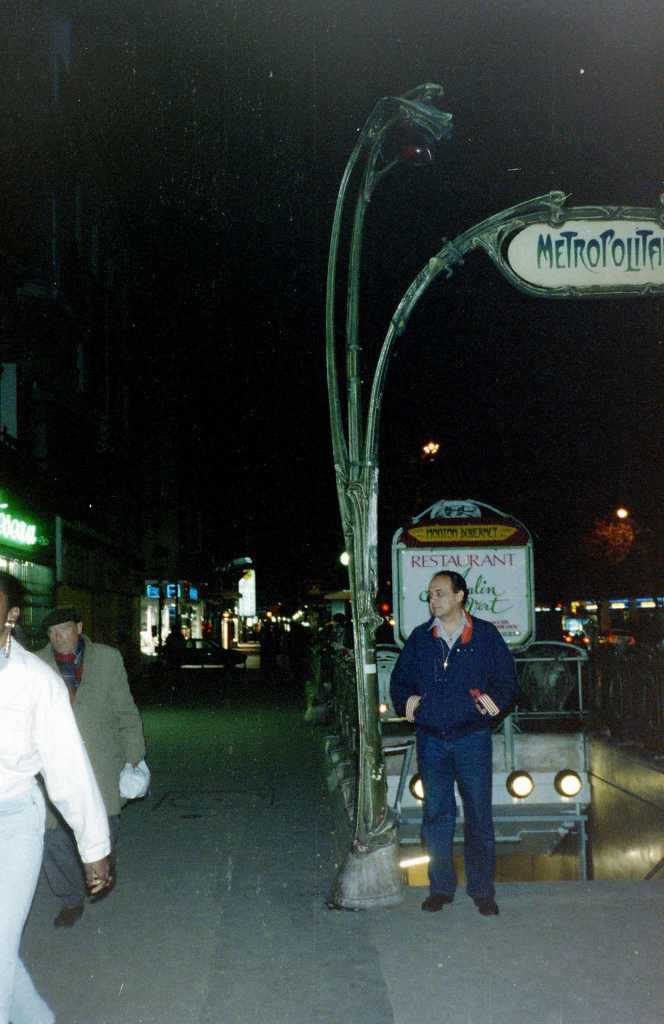
The subway is a pleasant surprise, making it easy to reach all the important points quickly, economically, and simply.
The tourist attractions, which I will present in more detail later, exceeded our expectations. In fact, everything exceeded our expectations.
The city that cinema built
Paris has been filmed more than any other city in history. Not because it’s more beautiful than Rome or more dramatic than New York—but because something in its light, the “City of Lights” as it’s known, in its human scale, in its boulevards deliberately designed to be walked and seen, has invited generations of filmmakers to build their dreams there.
Gene Kelly danced through its gardens in An American in Paris in 1951. Audrey Hepburn graced its streets with impossibly elegant grace in Funny Face and Charade. Audrey Tautou transformed Montmartre into a neighborhood of everyday magic in Amélie .
The best film about what we’re talking about would still be made long after we were there in 1993, which was Woody Allen’s film, Midnight in Paris.
Each film added a layer to the imagination. Each layer made Paris more Parisian—not the real city, but the city we carry within us as a promise that beauty, love, and transformation are possible.
When a couple goes to Paris to celebrate their silver or golden wedding anniversary, or simply to enjoy a romantic getaway, like Tiago and Gabriel, they’re not just going to a beautiful European city. They’re going to the city that cinema and literature have built in people’s imaginations over decades. And the city, which has long since learned to be what culture has dictated it to be, lives up to that promise.
Woody Allen and the moment of synthesis
In 2011, at 75 years old and with a century of Parisian imagery absorbed, Woody Allen did something no other director had managed—he made a film about the Parisian imagination knowing it was an imagination, without thereby destroying it.
Midnight in Paris begins with five minutes of no dialogue—Paris at dawn, in the rain, at dusk, at night. No characters, no story, no words. Just the city in all its deliberate beauty. Allen is telling the viewer before any words are spoken: I’m going to show you the city that you all carry within you.
The protagonist Gil, played by Owen Wilson, is an American writer who loves Paris with the intensity of someone who first encountered it through books—Hemingway, Fitzgerald, Gertrude Stein. At midnight, magically, you are transported to 1920s Paris and find exactly who you expected to find. Hemingway speaks as Hemingway wrote. Fitzgerald is both brilliant and fragile. Gertrude Stein receives artists in her salon with serene authority.
I missed a similar approach to James Joyce… But I understand why Woody Allen avoided it: James Joyce is a “tough nut to crack” that has nothing to do with the lightness and all that Paris suggests, and let’s leave it that way…
Woody Allen’s film is absurd. It’s impossible. And it’s completely true—because that’s exactly how these characters live in the imagination of anyone who has read them.
The philosophical argument hidden in a romantic comedy.
What makes Midnight in Paris truly extraordinary isn’t the romance, nor the magic, nor Owen Wilson wandering the illuminated streets. It’s the plot that Allen hides within the lightness.
Adriana, Picasso’s lover whom Gil encounters in the past, doesn’t dream of the 1920s—she dreams of the Belle Époque of the 1890s. When the two are magically transported to this even more distant period, the characters from the Belle Époque dream of the Renaissance.
Allen is saying something accurate and disturbing — nostalgia is neither an individual weakness nor a pathology. It is the universal human condition. Every era looks back to a golden age that also looked back to another. Paradise is always in the past — and the past is always receding.
Like a matrioska...
And I add: and our memory will always be constructed as we would wish and imagine what it was like, and not as reality would tell it, if we were not imbued with the spirit that we are analyzing here.
Gil realizes this—and this realization liberates him. Not because nostalgia disappears, but because he understands that living permanently in it is a way of not living at all. Paris in the 1920s was extraordinary. But the people who inhabited it were alive—with real problems, difficult loves, hard work, uncertainty about the future. The magic was the life they were living, not the era in which they lived it.
Why Allen was so right
Other directors have filmed Paris with love but without distance. Allen filmed it with love and with distance—and that combination is what makes the film last.
A younger director might have made a naive celebration or perhaps a cynical deconstruction. Allen did both simultaneously—he celebrated the myth knowing it is a myth, and showed that this awareness does not diminish its beauty, but rather deepens it.
Because that’s what Paris ultimately offers — not the illusion that the past was better, but the permission to fully inhabit the present with the intensity of someone who knows that this moment too will pass and will also be remembered with nostalgia.
A couple who go to Paris to celebrate fifty years together are not fleeing to the past, like any other couple. They are doing what Gil finally learns to do—being completely present in a place that culture has made sacred, knowing that sacredness is a construct, and choosing to inhabit it.
Paris exists because we imagine it. And because we imagine it consistently enough for long enough—it truly exists.
Woody Allen understood this with the clarity that only 75 years and a lifetime of love for culture allow.
And he made a film worthy of that understanding.
We, your grandparents, realized this after 25 years of marriage and confirm, looking back into the future, what Woody Allen so brilliantly perceived.
“If you are lucky enough to have lived in Paris as a young man, then wherever you go for the rest of your life, it stays with you, for Paris is a moveable feast.” — Ernest Hemingway
Woody Allen realized that you don’t need to have lived in Paris as a young person. You just need to have imagined it well enough. Or to have visited it, and you immediately understand why it exerts this fascination, this attraction, and why it’s in people’s imaginations.
Our Trip
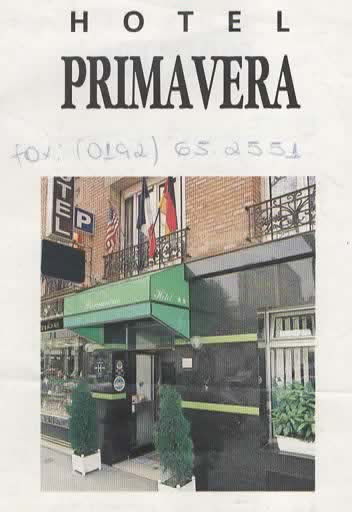
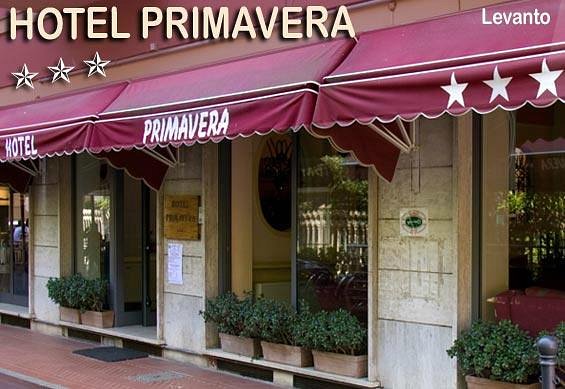
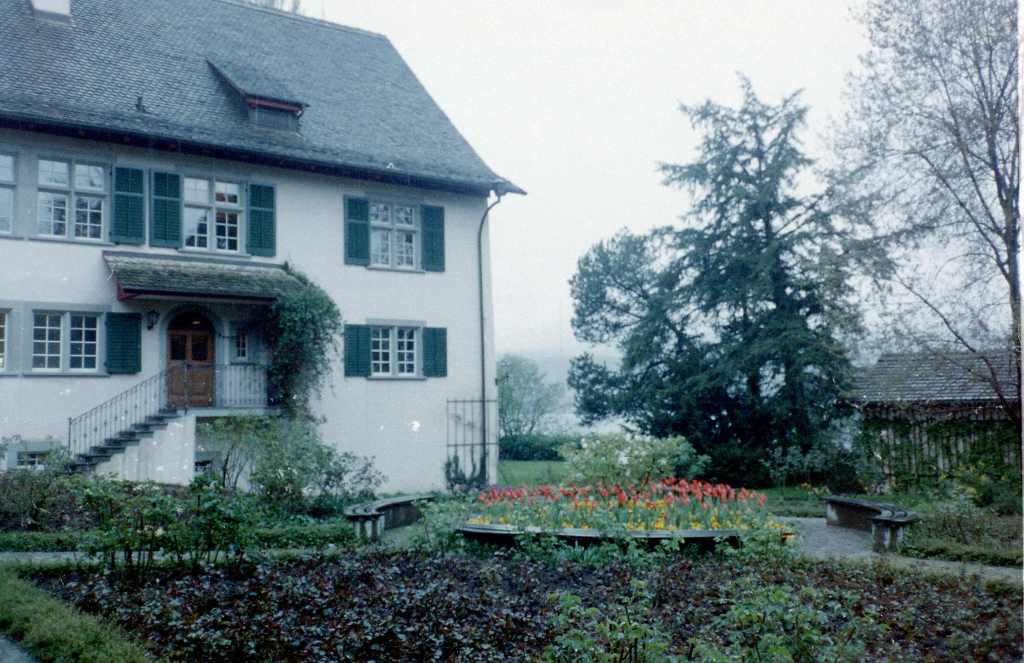
Hotel Primavera
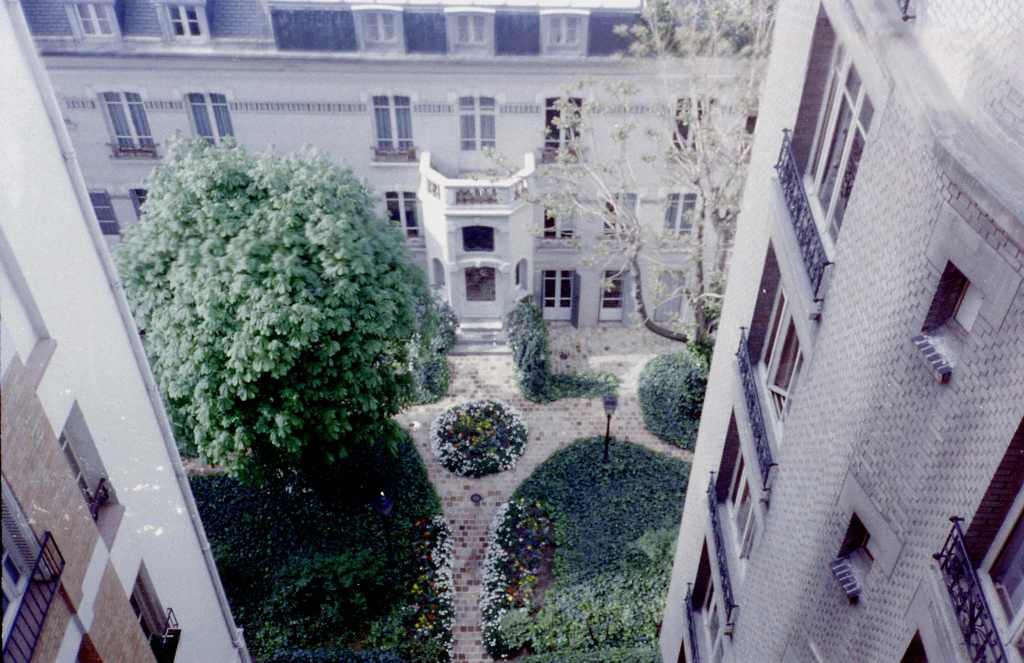
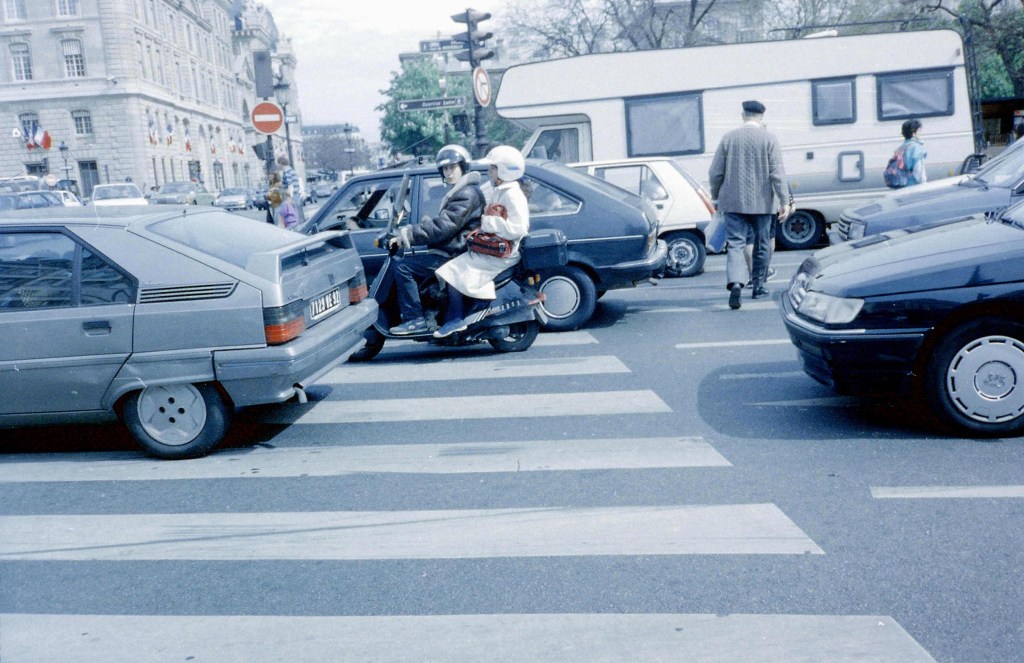
Taking a stroll
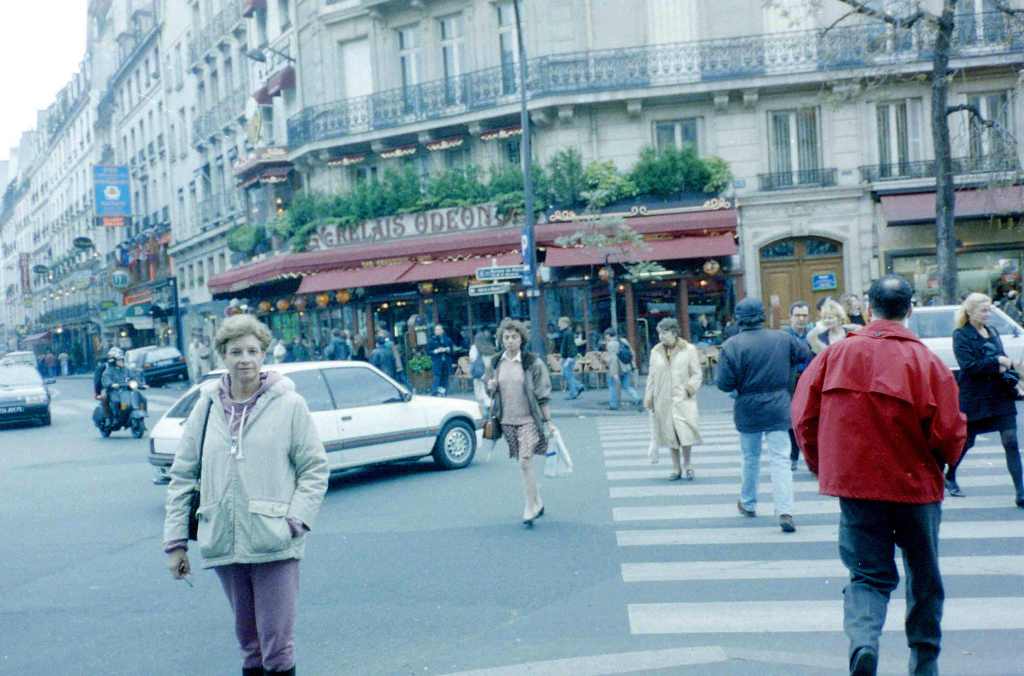
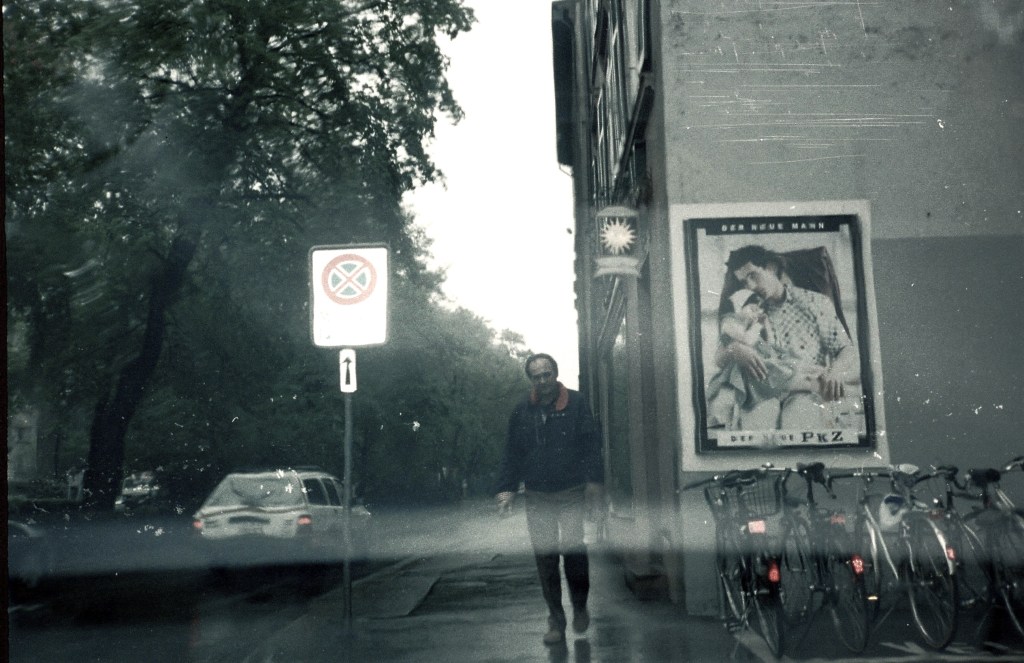
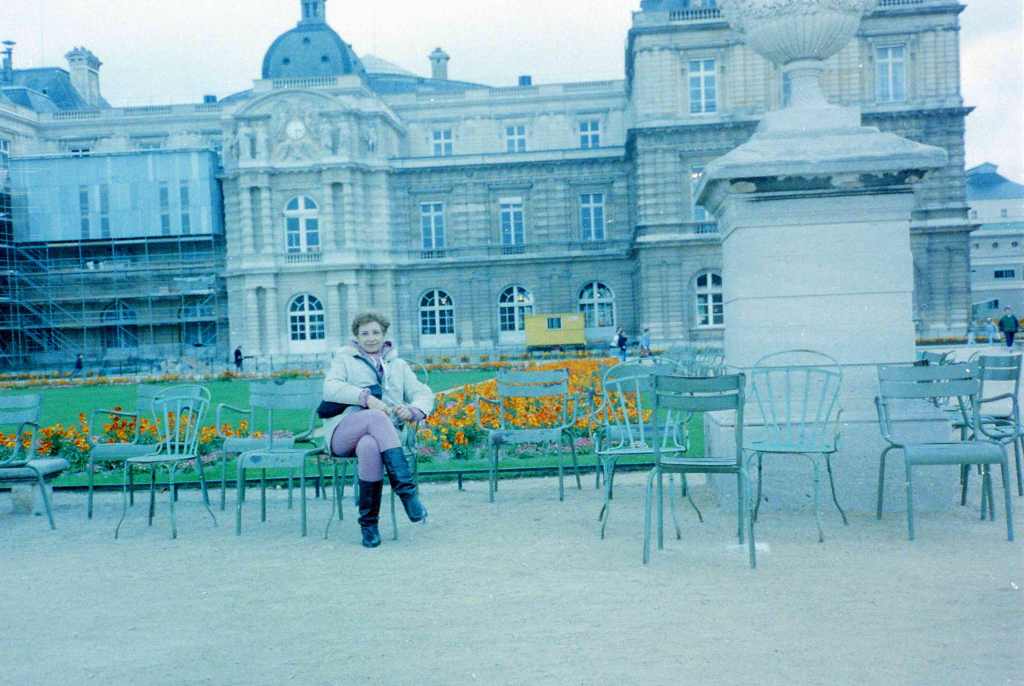
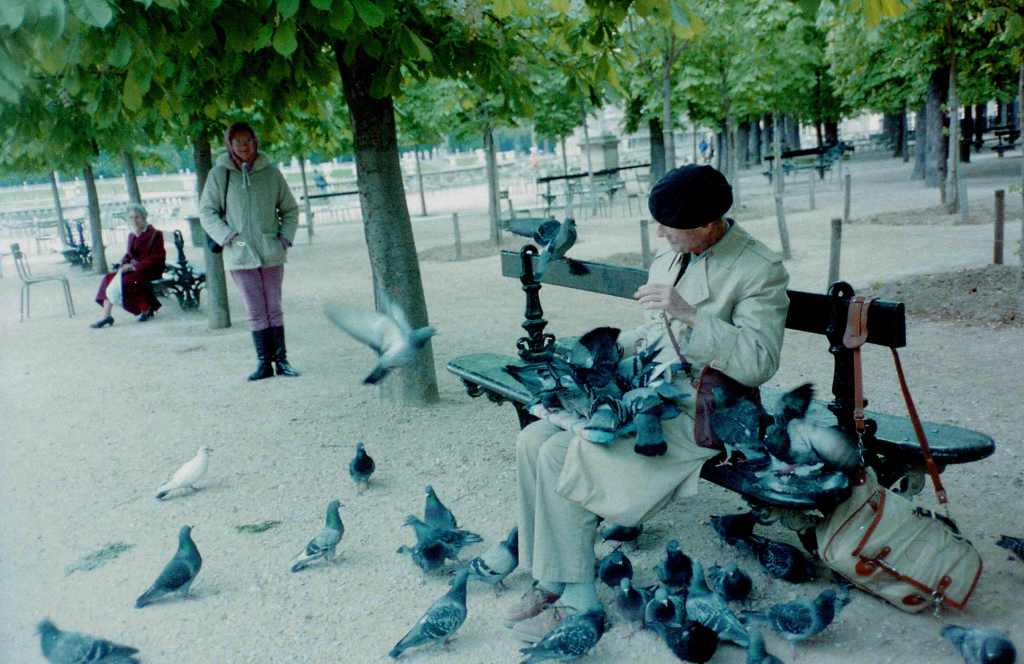
Subway
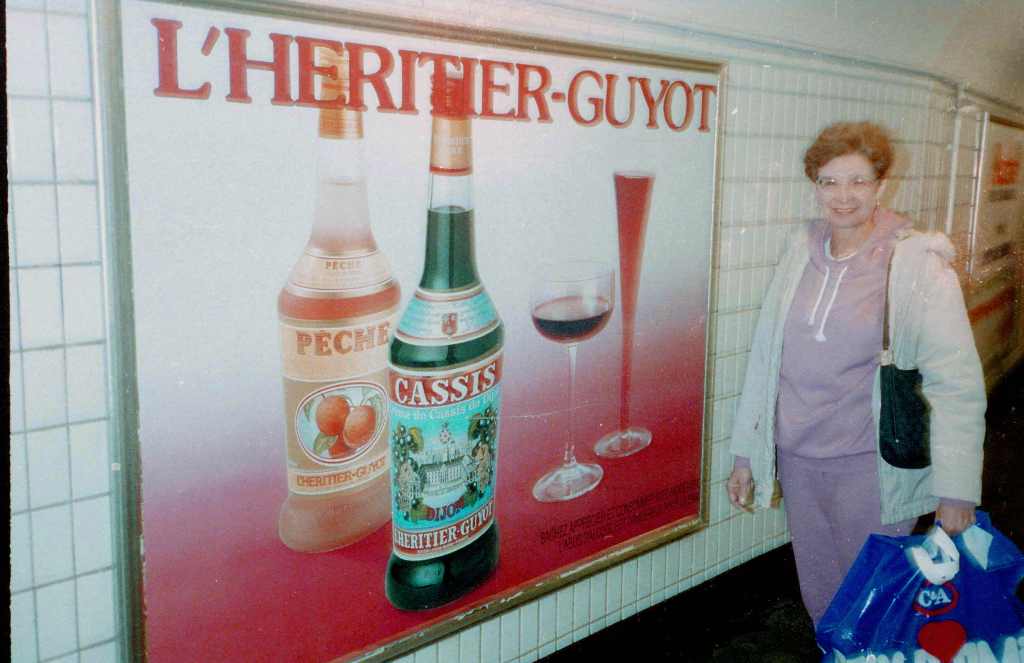
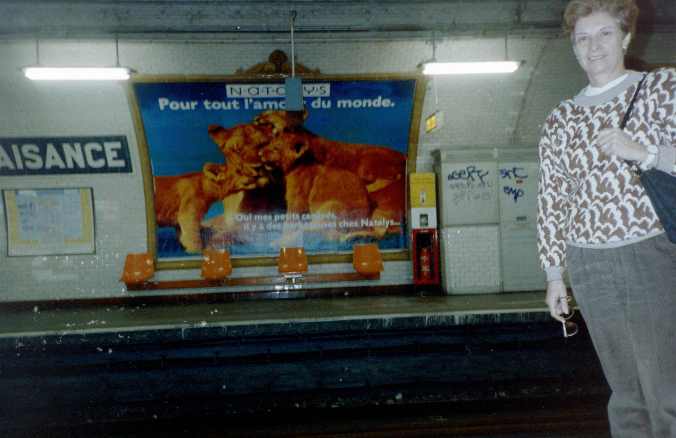
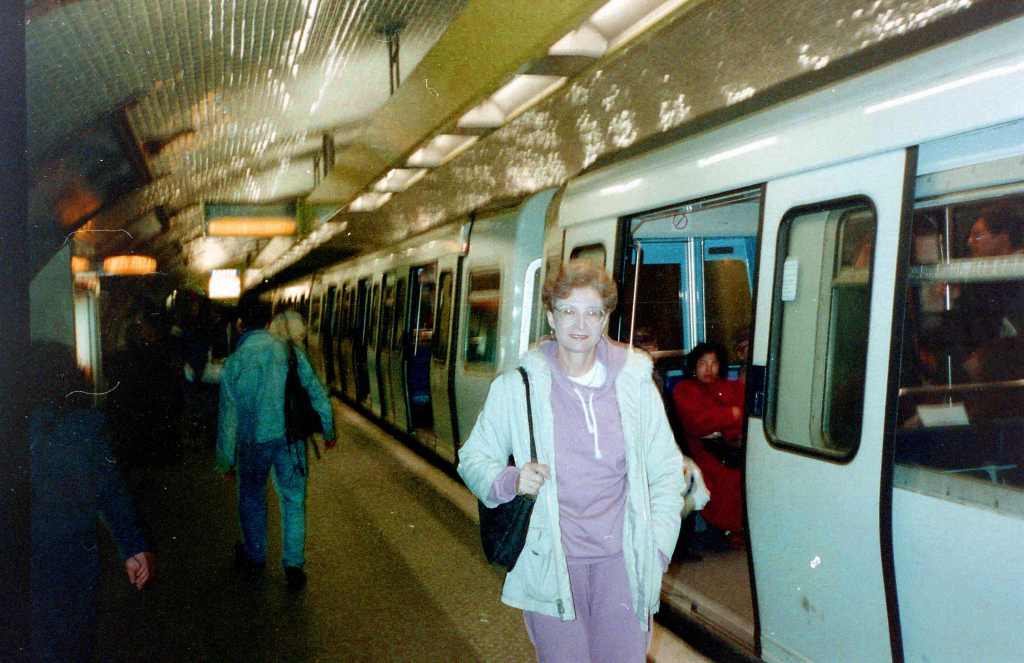
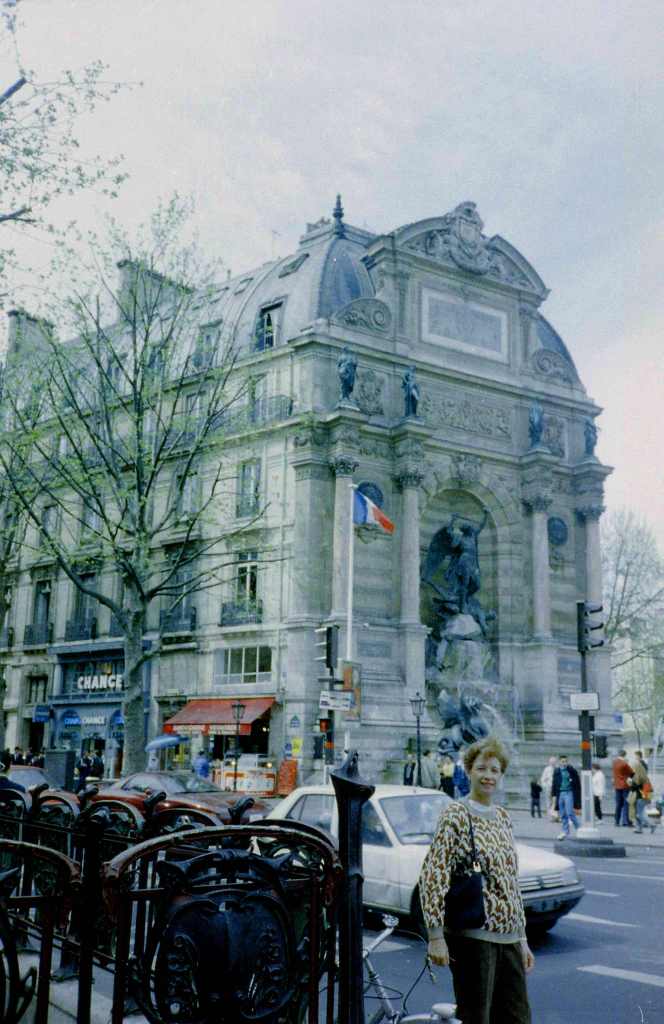
Monuments
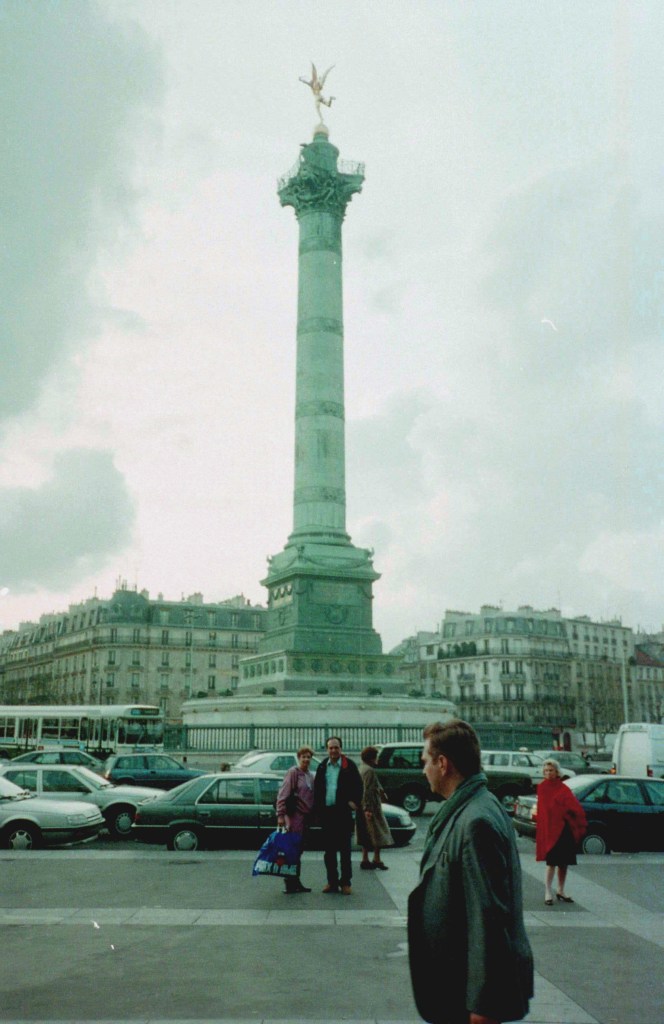
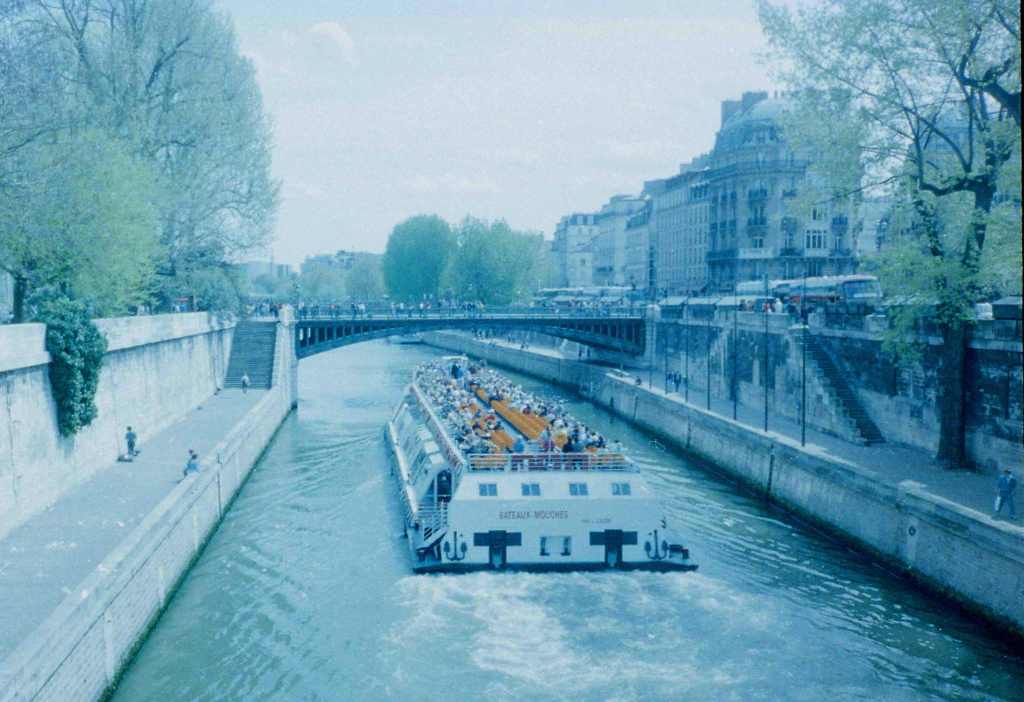
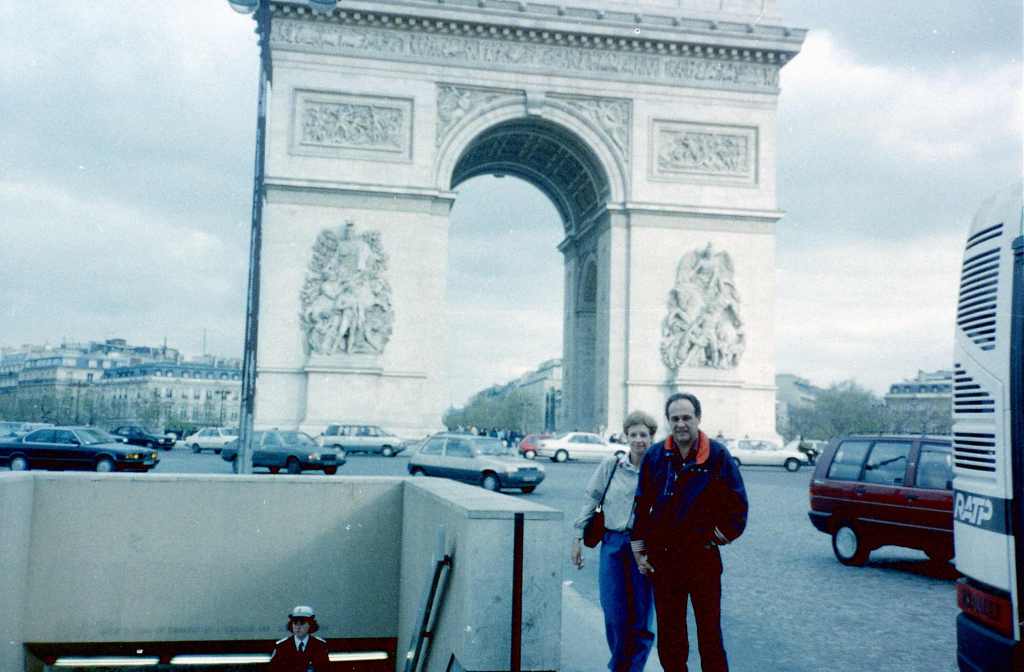
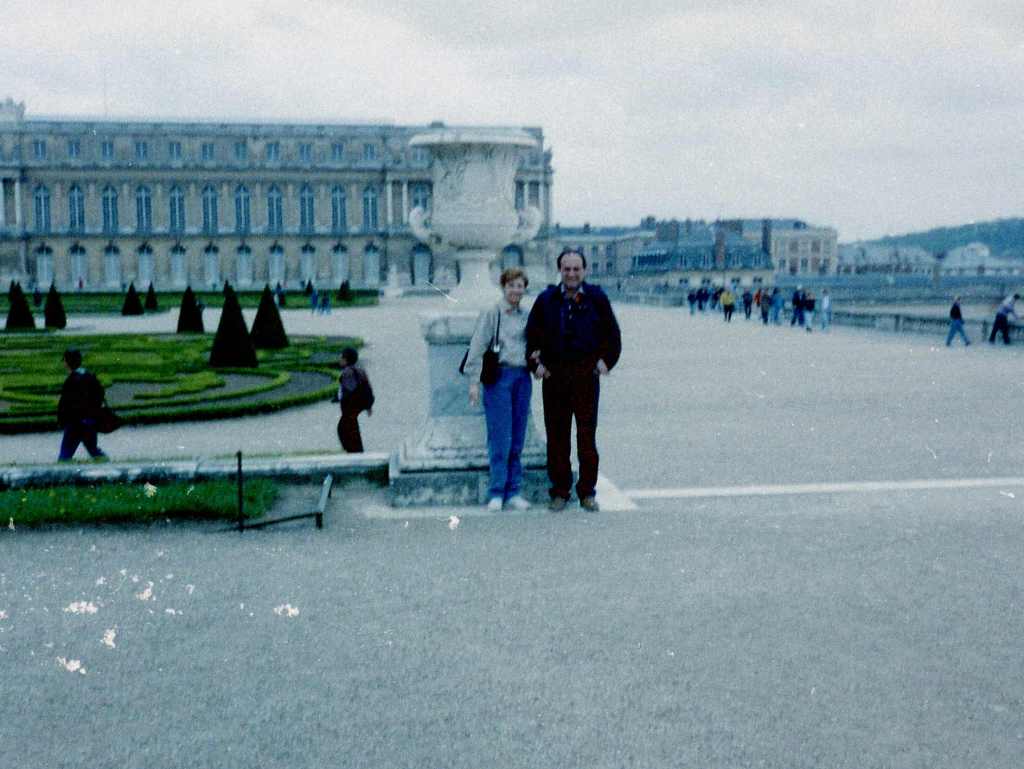
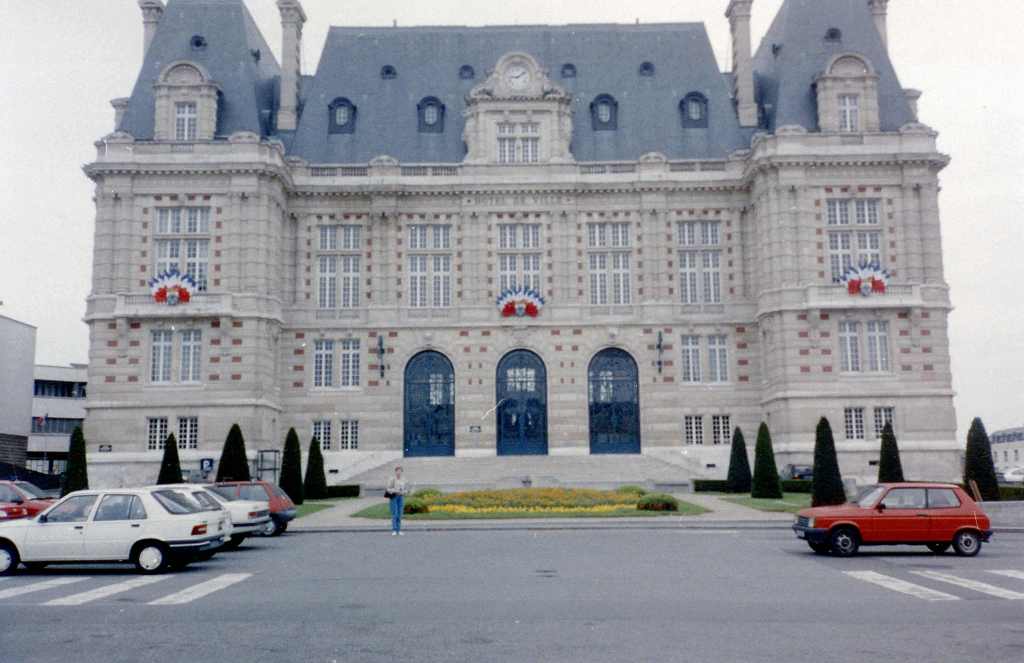
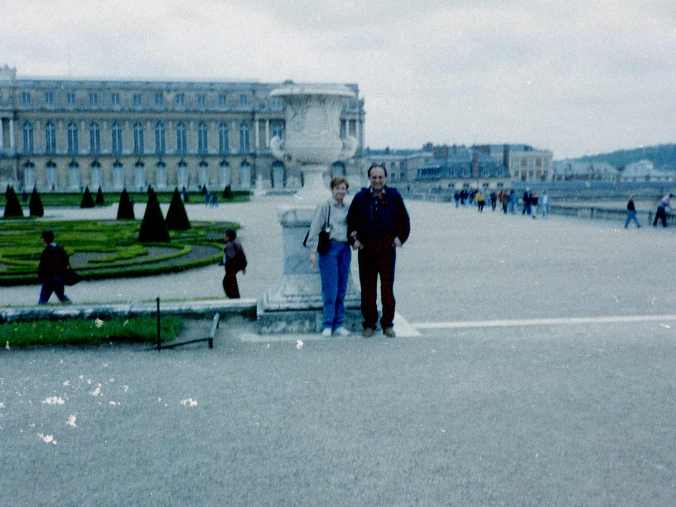
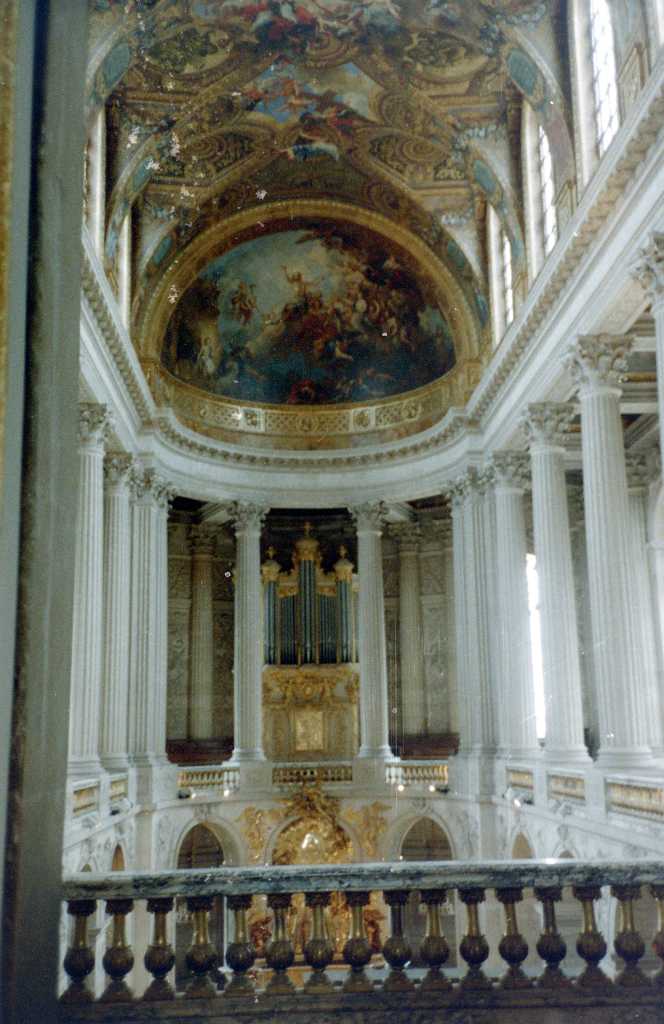
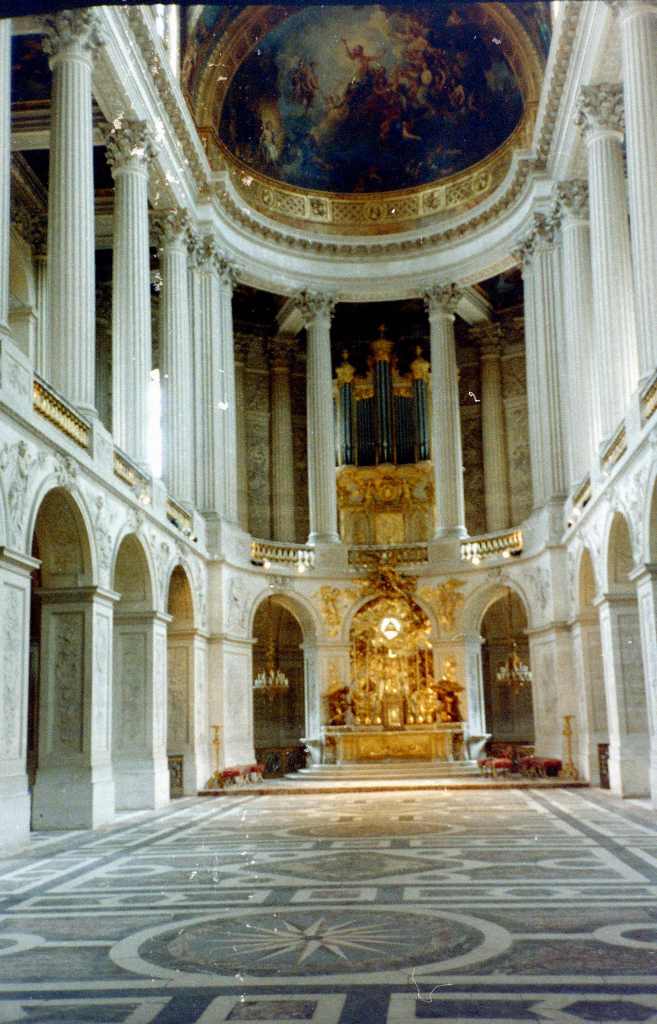
Versailles
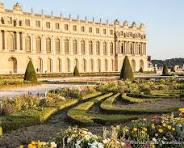
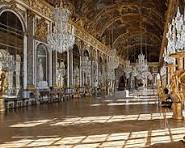
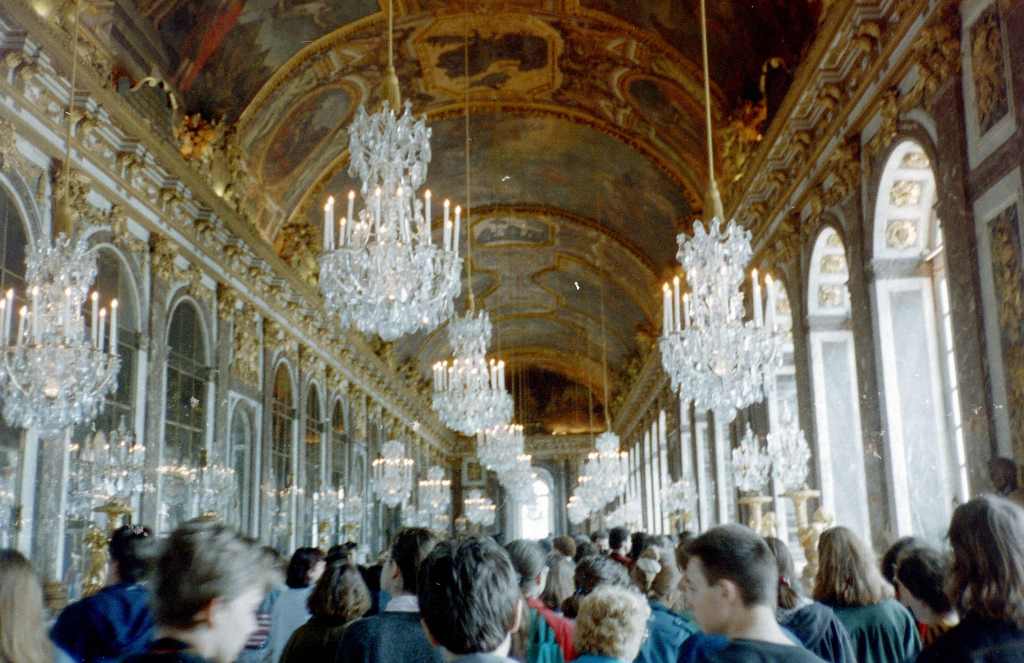
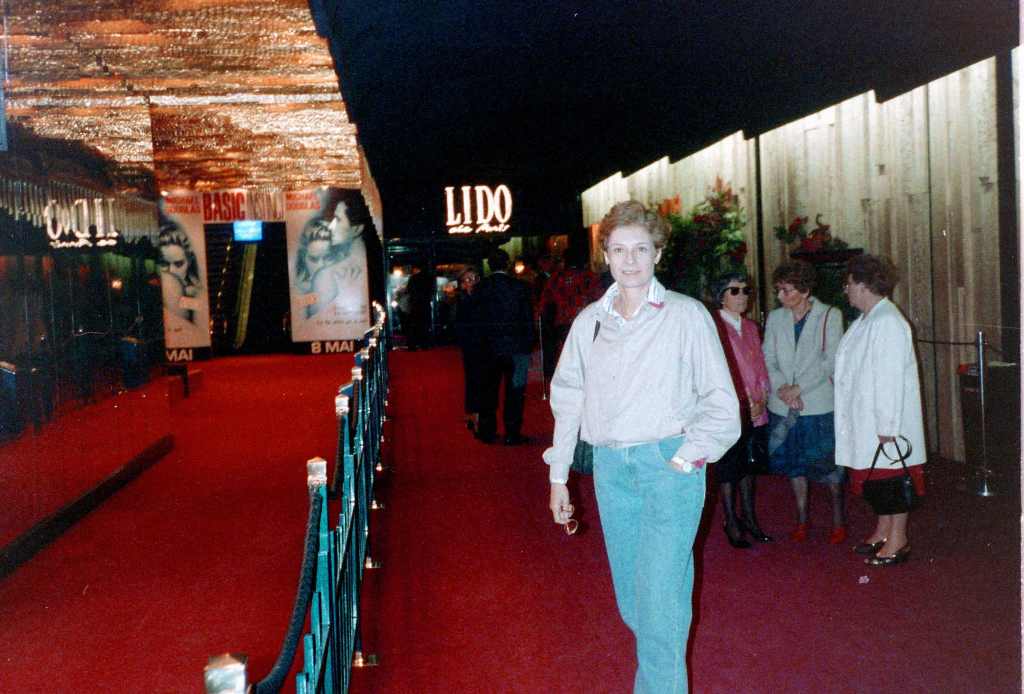
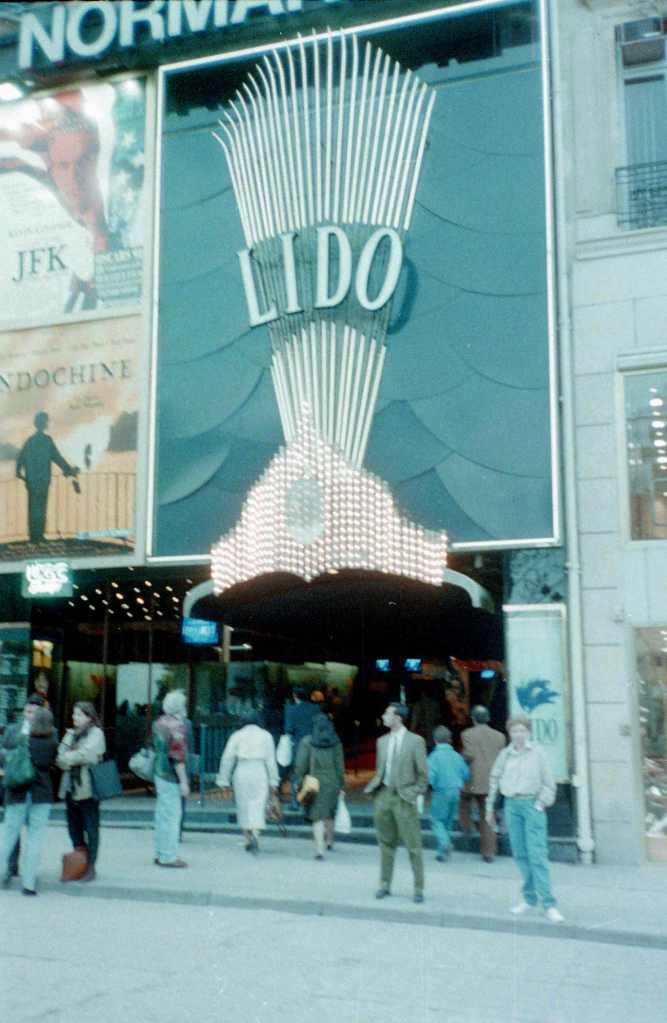
Lido
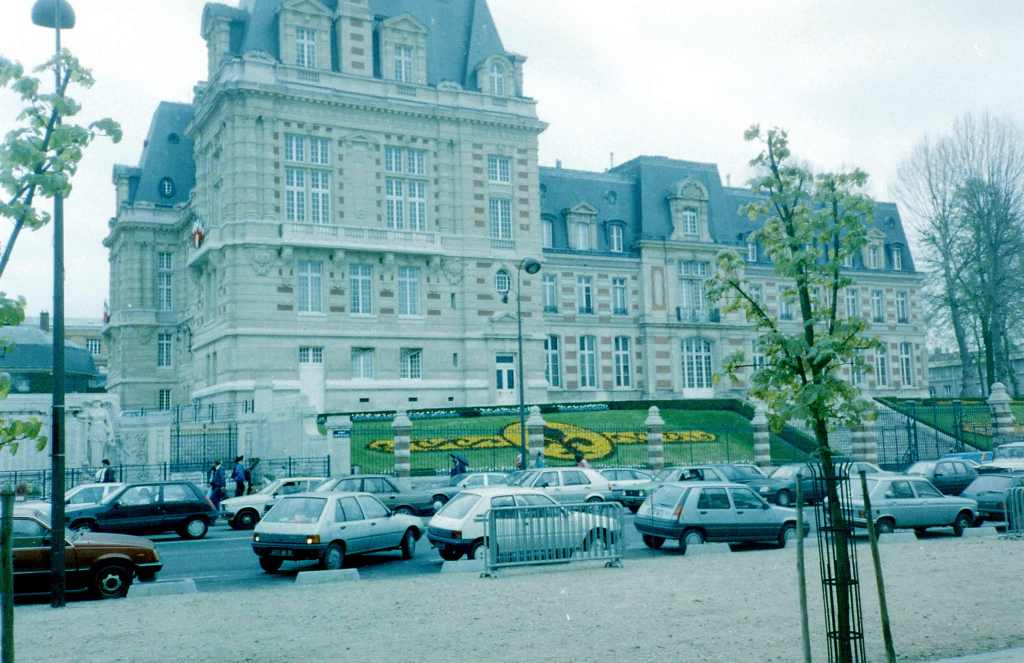
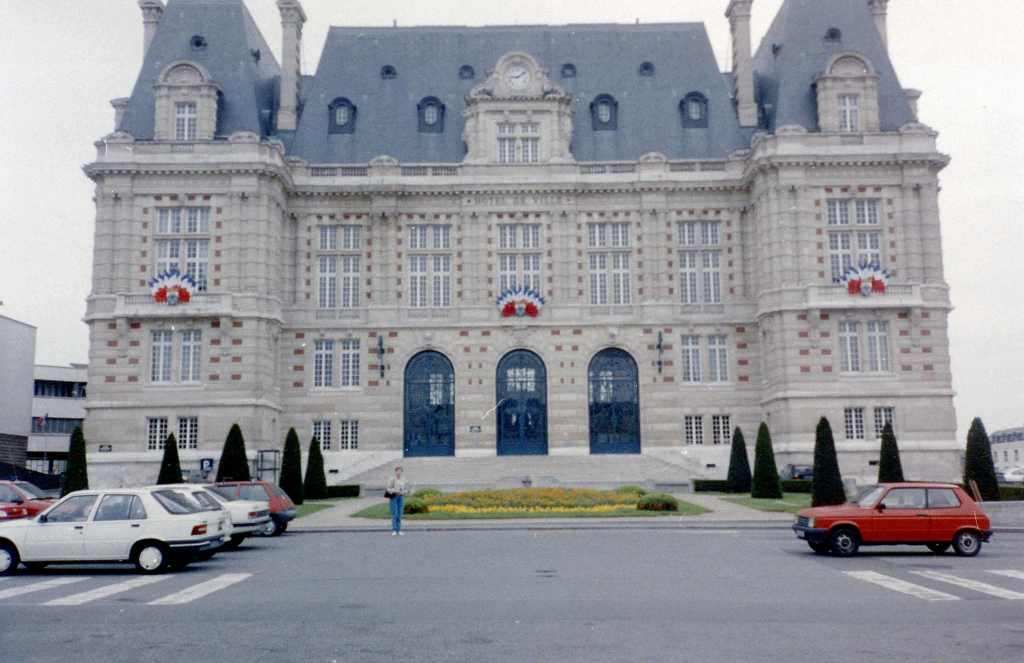
City Hall of Versailles
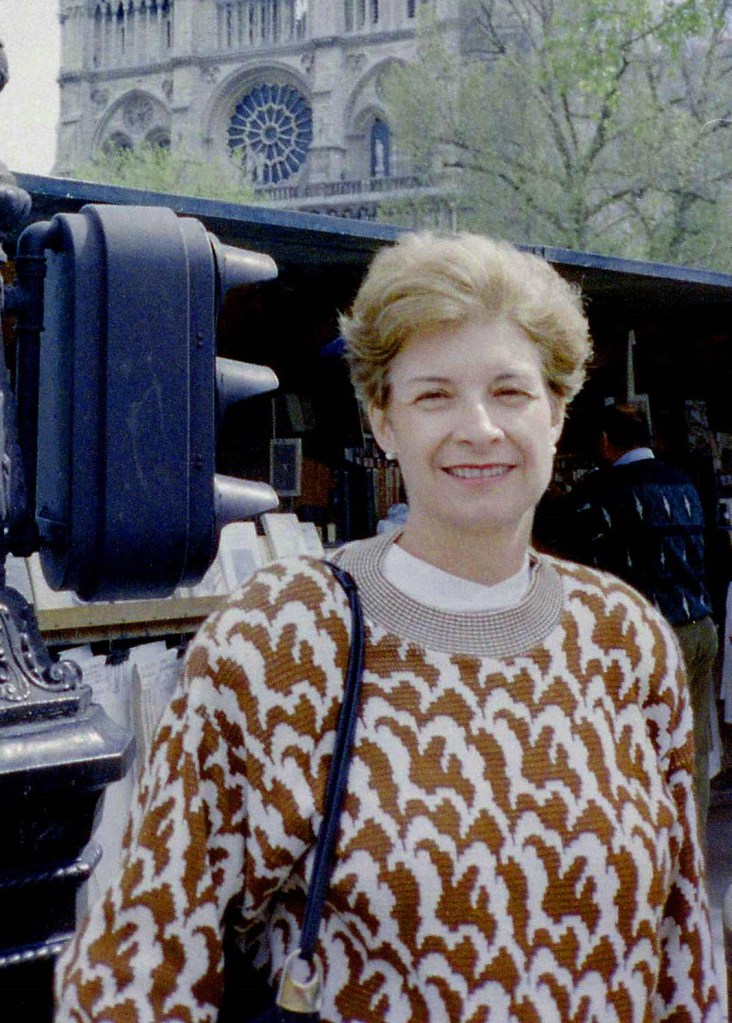
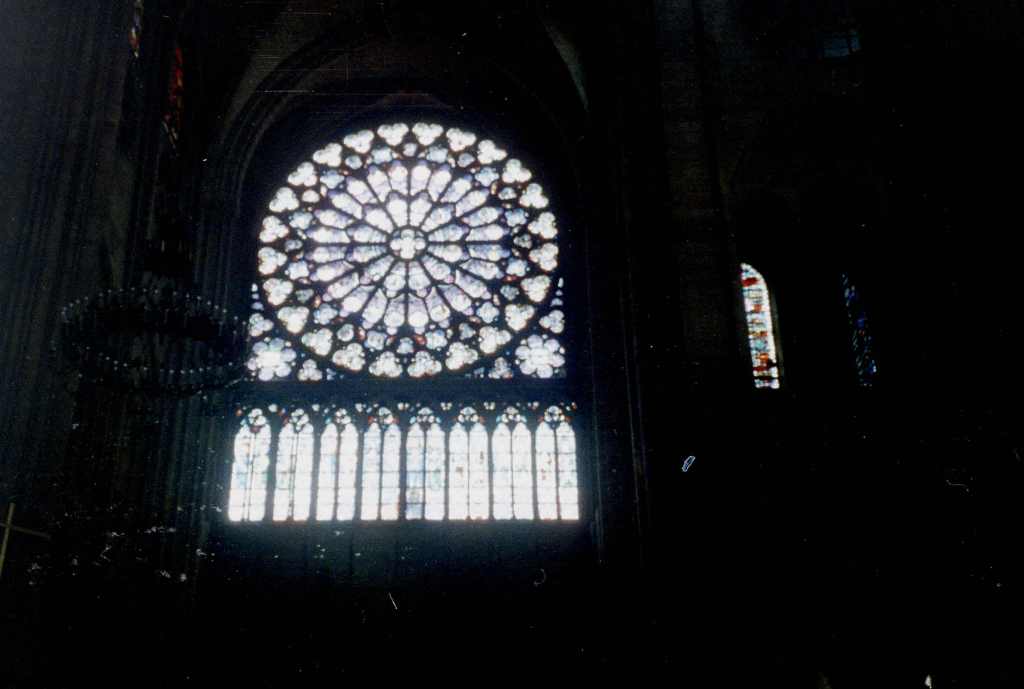
Notre Dame de Paris
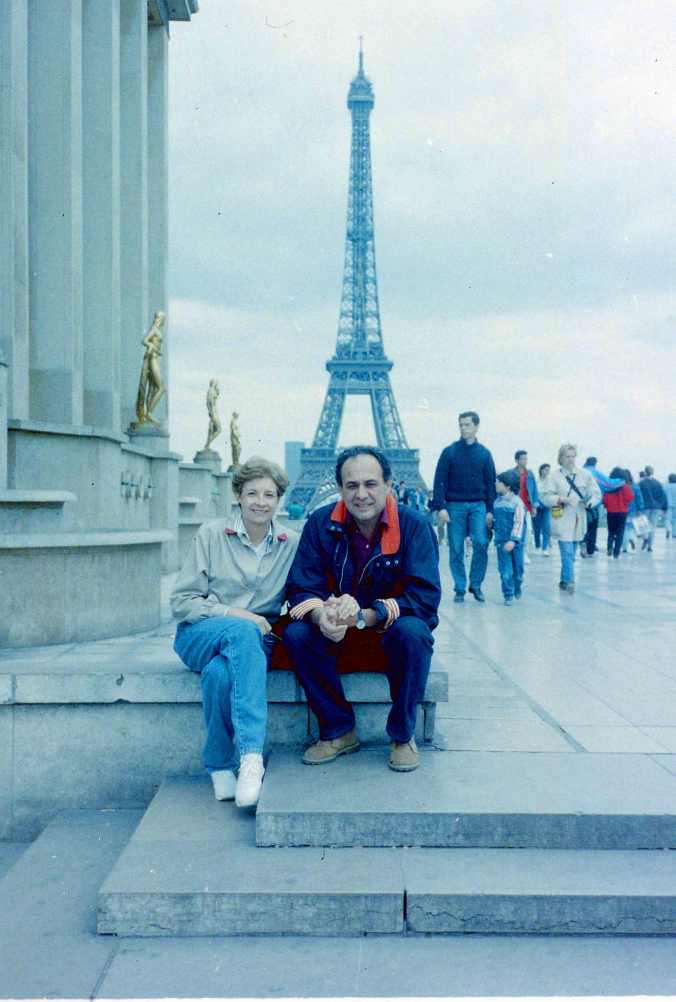
Torre Eifel
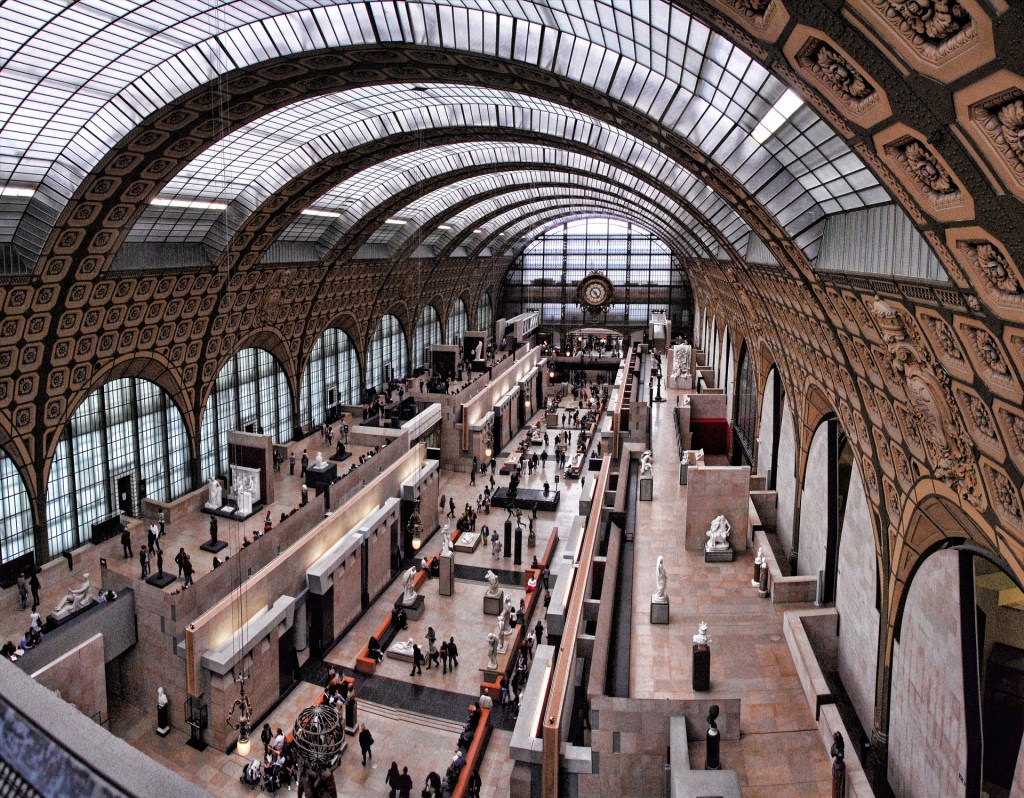
Musée d’Orsay
It is world-famous for housing the largest collection of Impressionist and Post-Impressionist works in the world.
What to see (Highlights)
The collection focuses on French art produced between 1848 and 1914. Key highlights include:
- Claude Monet : The Artist’s Garden at Giverny and the Rouen Cathedral series .
- Vincent van Gogh : The Starry Night Over the Rhône and his famous self-portraits.
- Pierre-Auguste Renoir : The Dance at the Moulin de la Galette .
- Édouard Manet : Almoço na Relva ( Lunch on the Grass ) and Olympia .
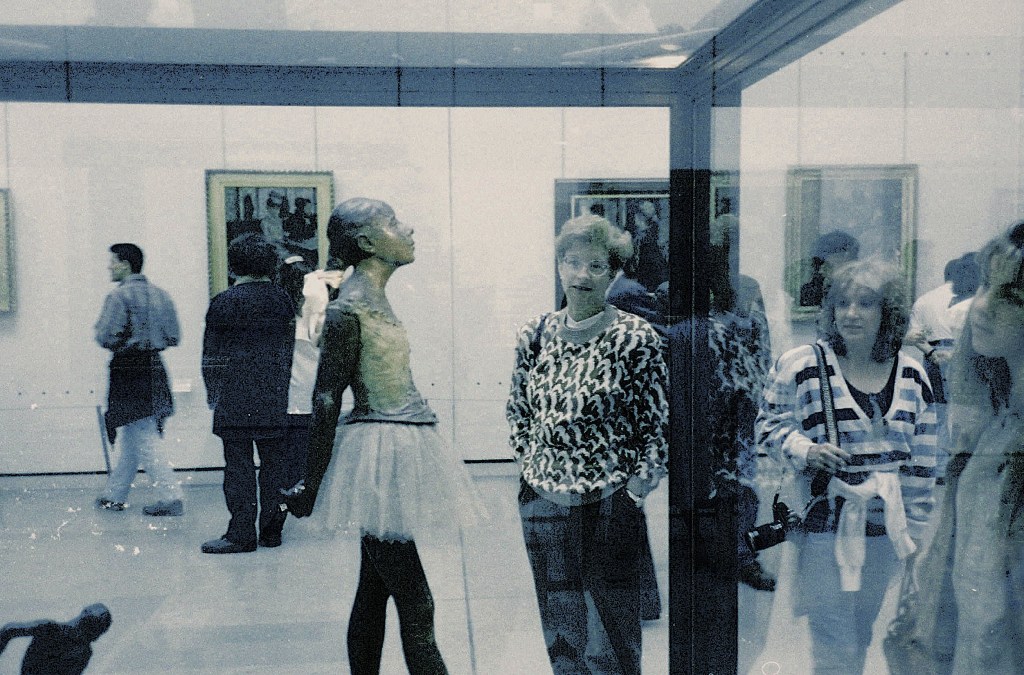
- Edgar Degas : His iconic sculptures and paintings of ballerinas, such as Little Dancer Aged Fourteen .
- The Historic Building
The museum is as famous for its architecture as for its art. It is housed in the former Gare d’Orsay , a monumental train station inaugurated for the 1900 Universal Exposition.
- Tip: Don’t miss the giant clocks in the station; through them, you have a privileged view of the Seine River towards the Louvre.
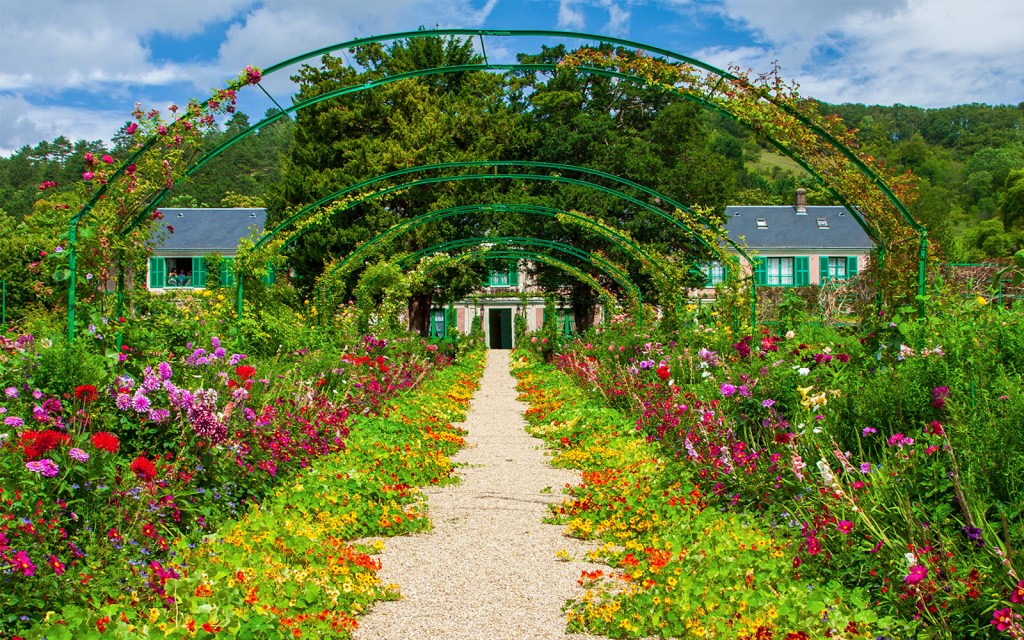
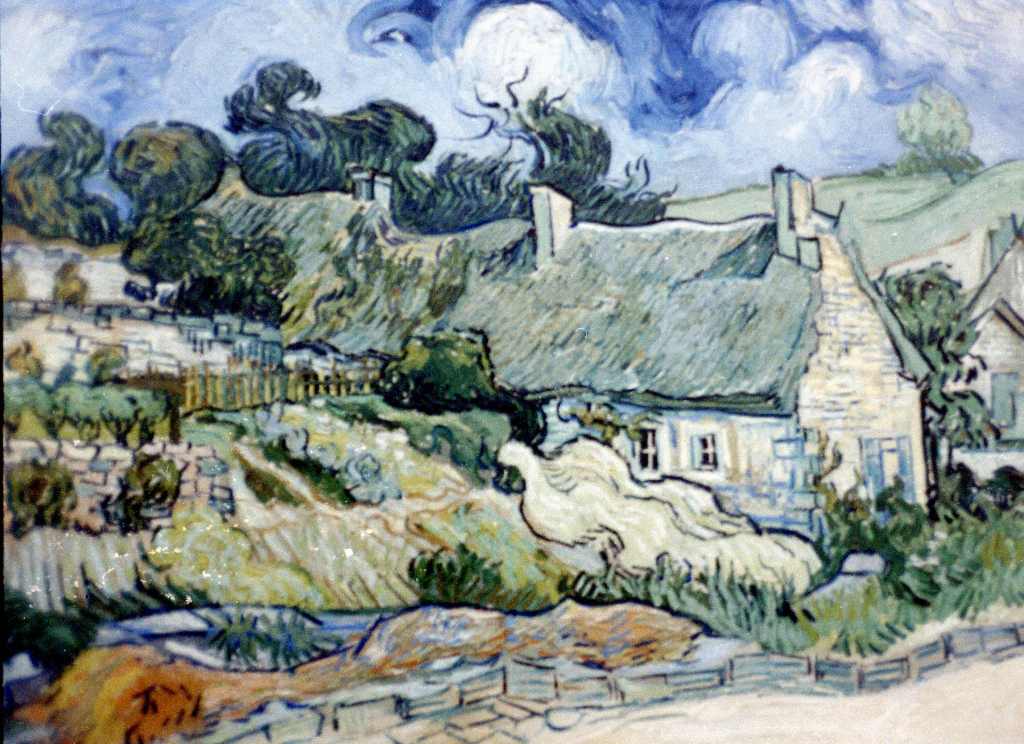
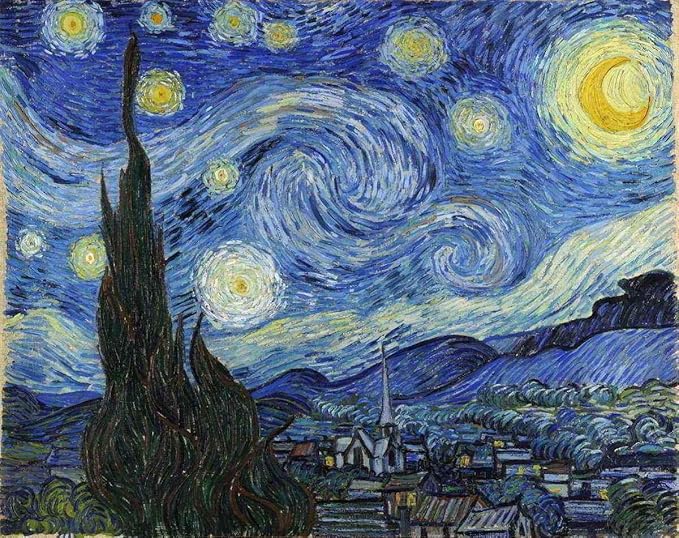
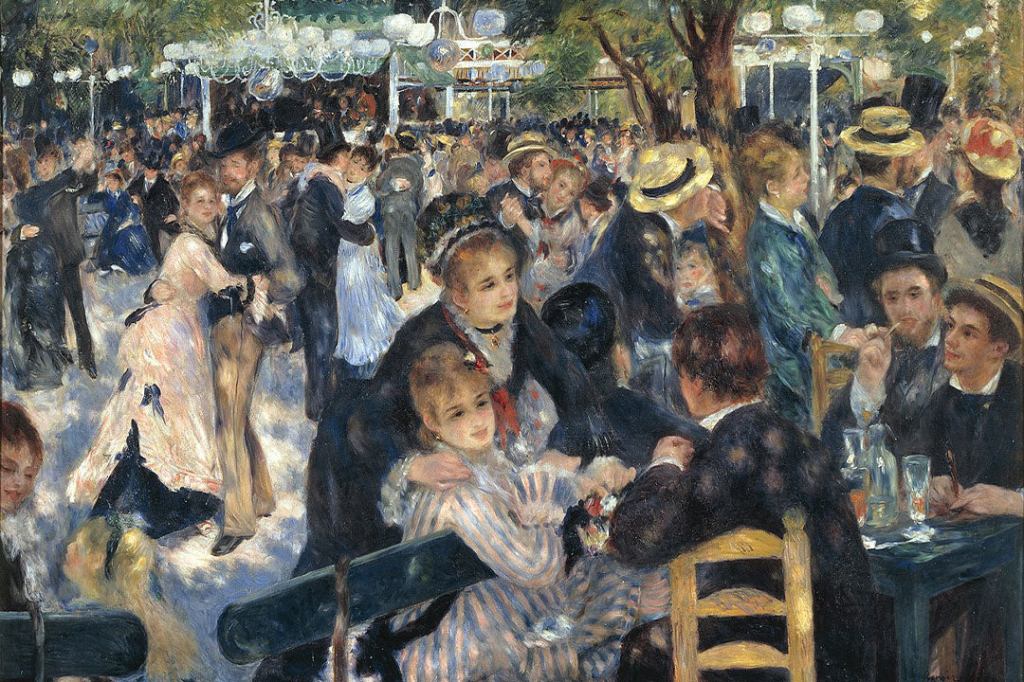
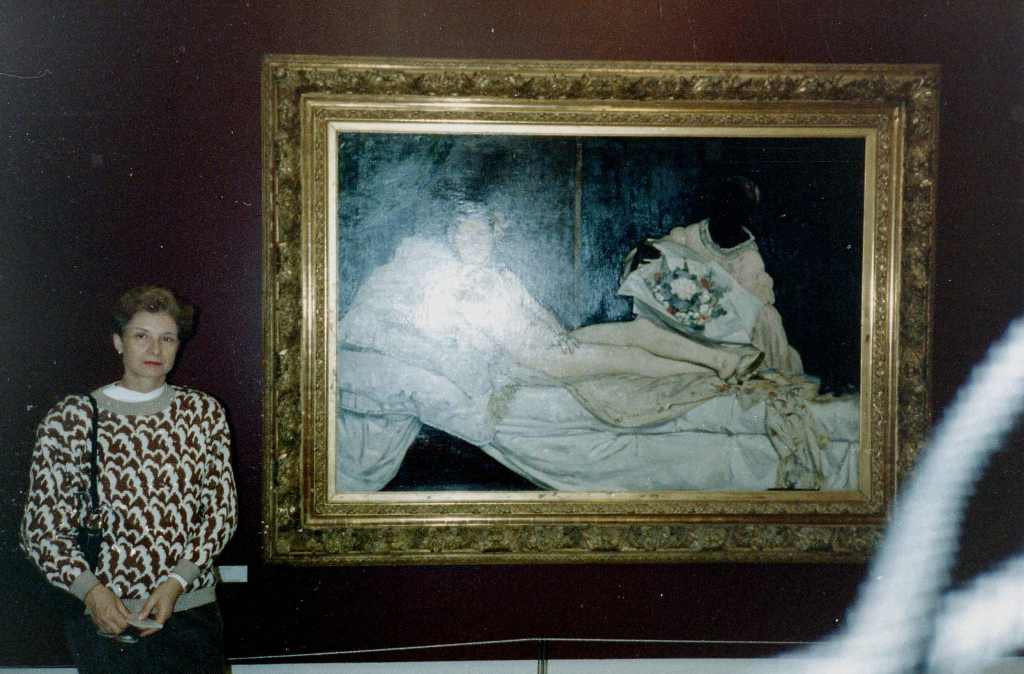
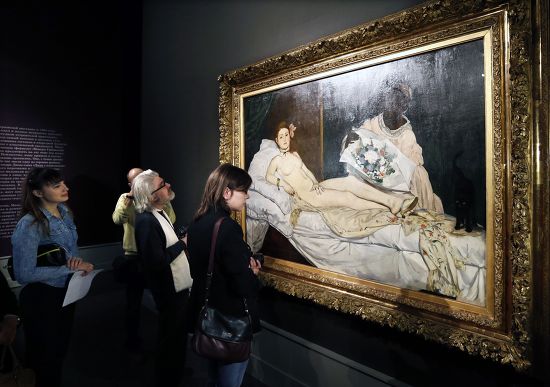
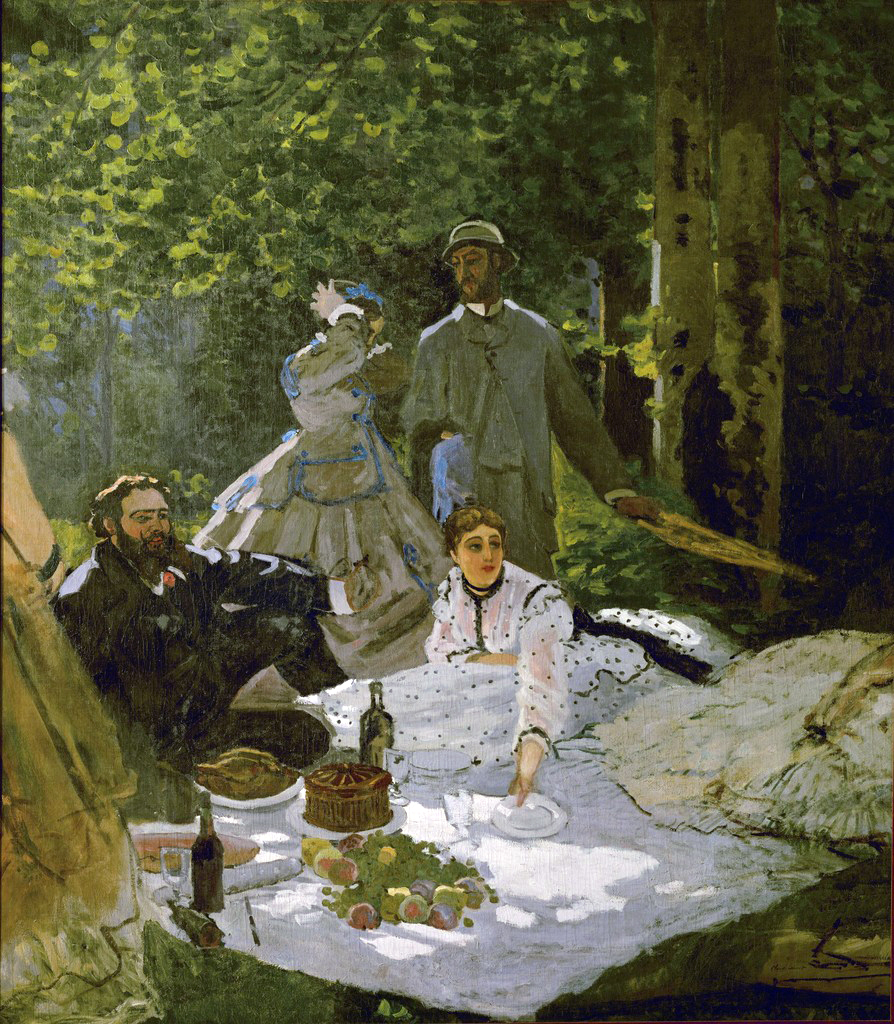
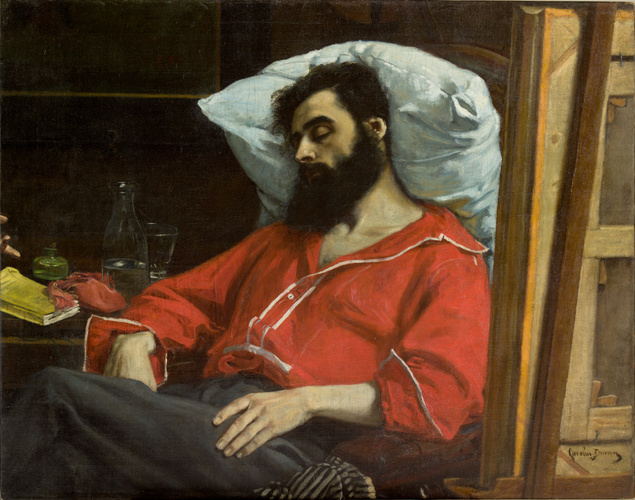
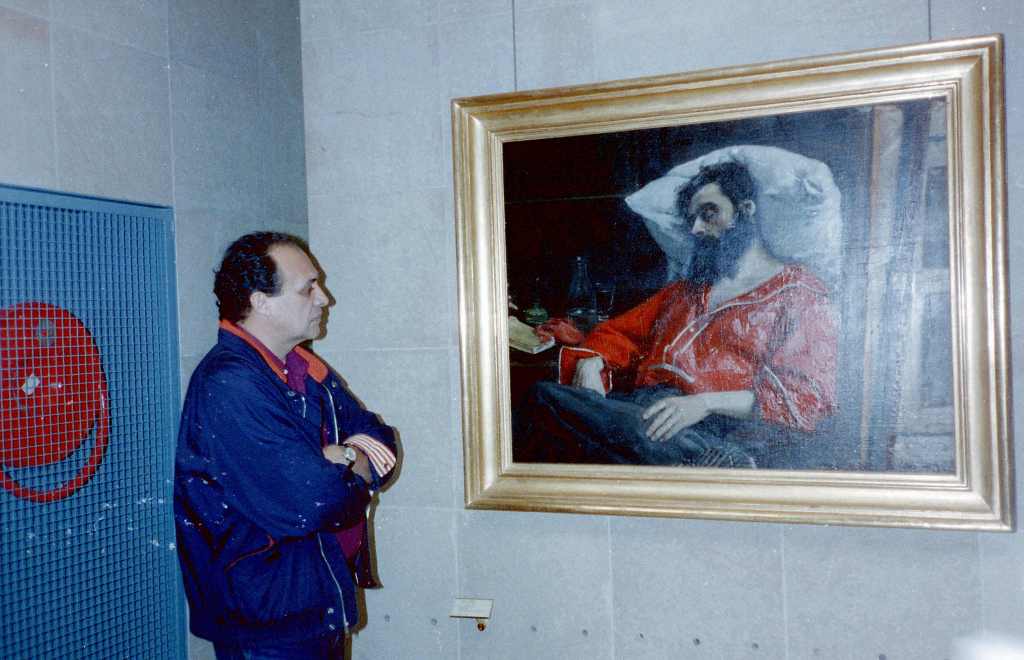
Emile-Auguste Carolus-Duran – Le Convalescent – Wounded man
Louvre Museum
When we were in Paris, we were helped by Elô’s Gilberto’s sister. I don’t remember if she did a master’s degree or her husband a doctorate at an university in Paris, but she had lived there and knew the city well. She guided Gilberto and Elô while they were there, and Gilberto gave me the information about the hotel, the subway, and tourist attractions. Since we were short on time, we prioritized the Musée d’Orsay because the Louvre would have required much more time. Even so, we went to the Louvre, we saw the glass pyramid, which, incidentally, had just been installed, saw the Mona Lisa and the largest painting in the world, but we didn’t take any photos.
As we are dedicating this website to our children and grandchildren, I will elaborate a little on the Louvre and how to do it with limited time, and here is a suggestion:
The Louvre Museum in Paris is the largest and most visited art museum in the world. It houses over 35,000 works in a space of 60,000 square meters. Originally a medieval fortress dating back to 1190, it served as a royal palace for centuries before becoming a public museum in 1793 during the French Revolution.
Must-See Works (Masterpieces)
- Mona Lisa (Leonardo da Vinci): Denon Wing, Room 711.
- The Wedding at Cana (Paolo Veronese): The largest painting in the museum, located directly opposite the Mona Lisa.
- Venus de Milo : Ancient Greek sculpture in the Sully Wing, Room 345.
- Winged Victory of Samothrace : Hellenistic sculpture at the top of the Daru Staircase.
- The Code of Hammurabi : One of the oldest sets of written laws in the world.
- Napoleon III’s Apartments : Opulent 19th-century decoration in the Richelieu Wing.
Here is an efficient 3-hour itinerary focused on the most iconic works, starting with the entrance to the Pyramid or Carrousel :
Hour 1: The Denon Wing (The Stars of the Louvre)
- The Winged Victory of Samothrace : Climb the grand Daru Staircase. This marble statue of a winged goddess is one of the museum’s landmarks.
- Mona Lisa (Room 711) : Follow the flow (and the signs) to the Grand Gallery. Be prepared for crowds; the painting is protected by glass and is located some distance away.
- The Wedding at Cana : Don’t forget to turn your back to the Mona Lisa; the largest painting in the Louvre is right behind you, covering an entire wall.
- French Painting : Upon leaving the Mona Lisa room, see The Coronation of Napoleon and Liberty Leading the People in the adjacent red rooms.
Hour 2: The Sully Wing (Antiquity and History)
- Venus de Milo (Room 345) : Head down to the Sully Wing to see the world’s most famous Greek statue, known for its perfection and missing arms.
- Medieval Louvre : Descend to the underground to walk through the old moat of the original 12th-century fortress. It’s the most “Castle-like” part of the museum.
- The Sphinx of Tanis : On the way to the Egyptian antiquities, you will find this enormous granite sphinx.
Hour 3: The Richelieu Wing (Light and Luxury)
- Hammurabi’s Code (Room 227) : A black basalt column containing one of humanity’s oldest codes of law.
- Marly Courtyard and Khorsabad Courtyard : Areas covered by glass ceilings with incredible natural light, filled with monumental French sculptures and winged bulls from Mesopotamia.
- Napoleon III’s Apartments : Finish the tour by seeing the extreme luxury of the Second French Empire, with giant chandeliers and red velvet.

