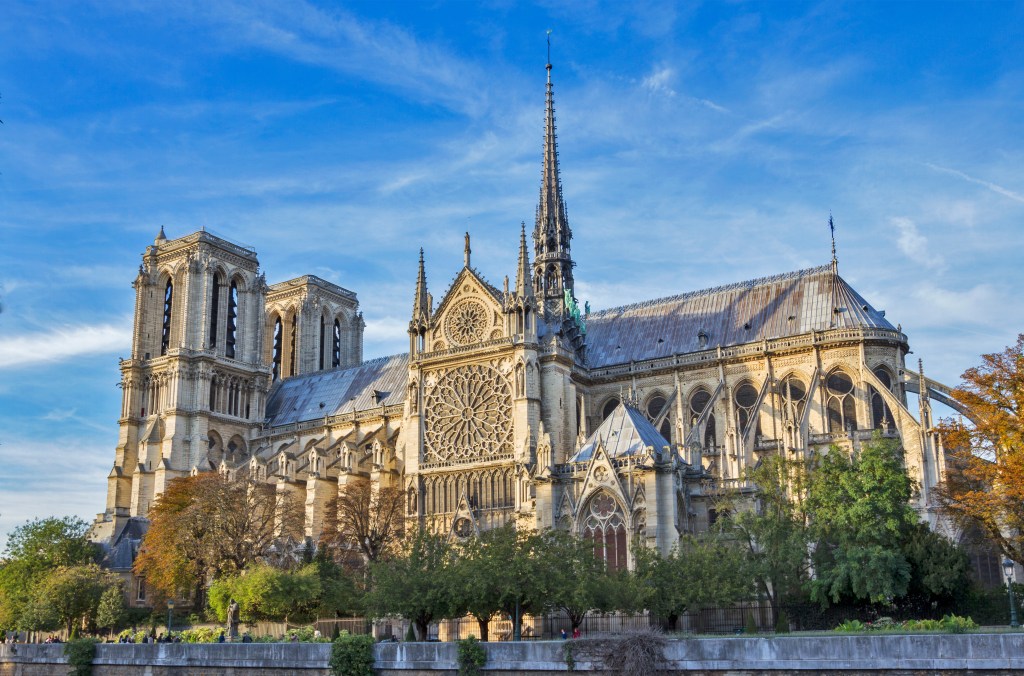
Paris, the City That Exists Because We Imagine It

veja em Português

We dedicate this post to our children, grandchildren, and granddaughter.

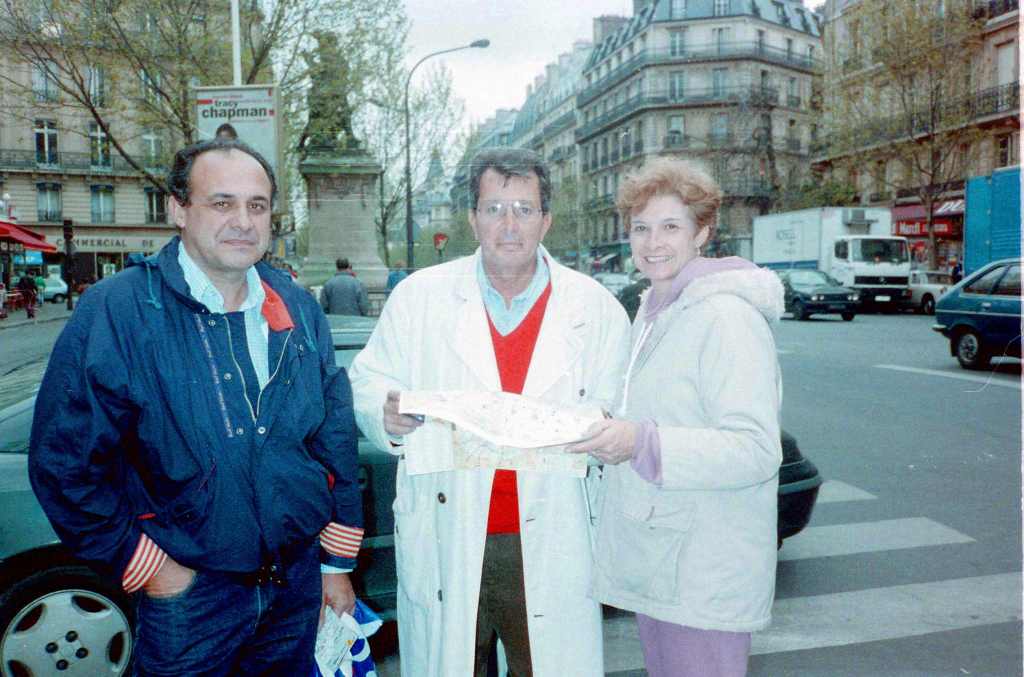
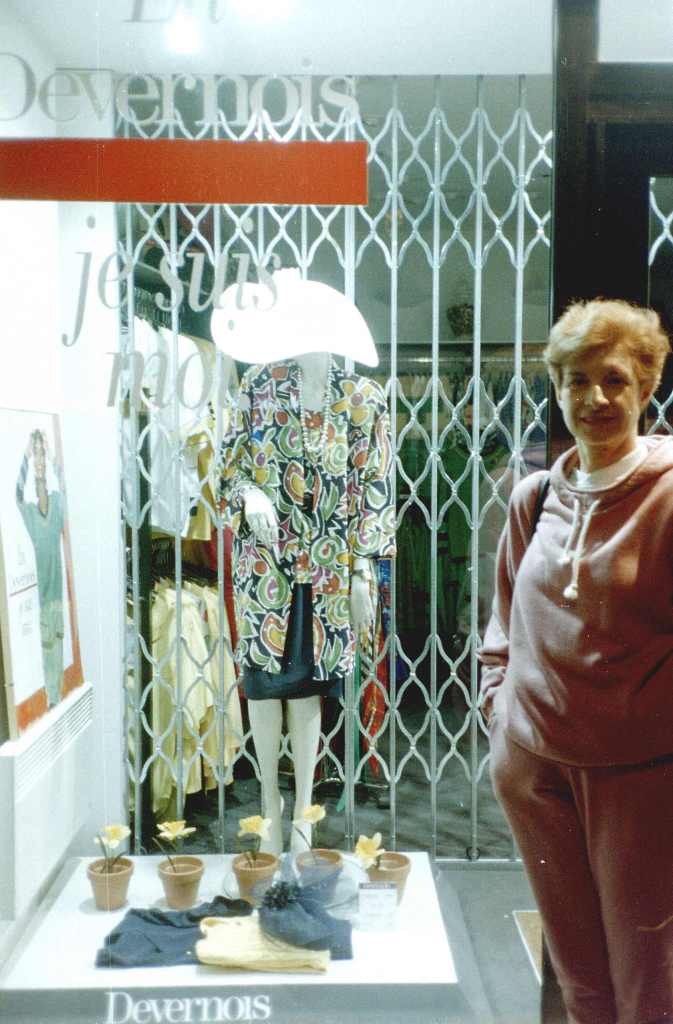
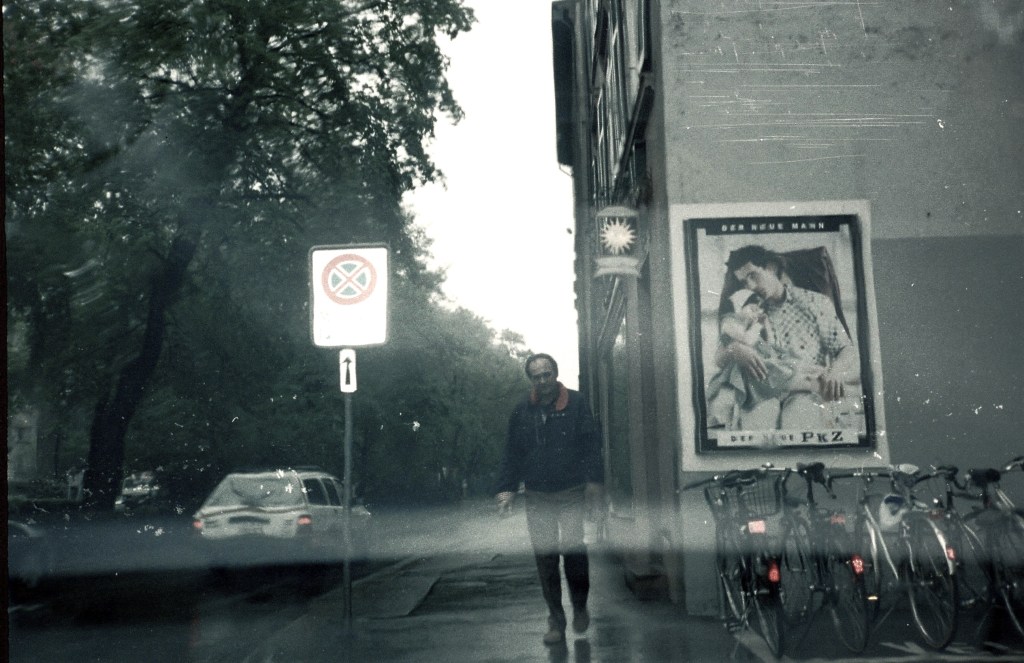
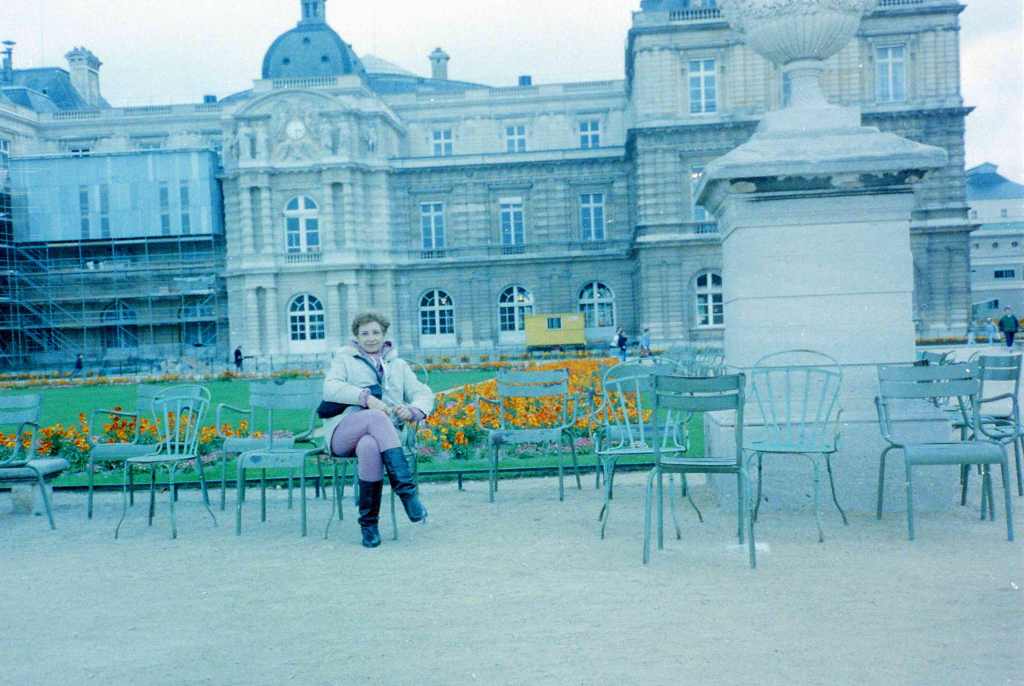
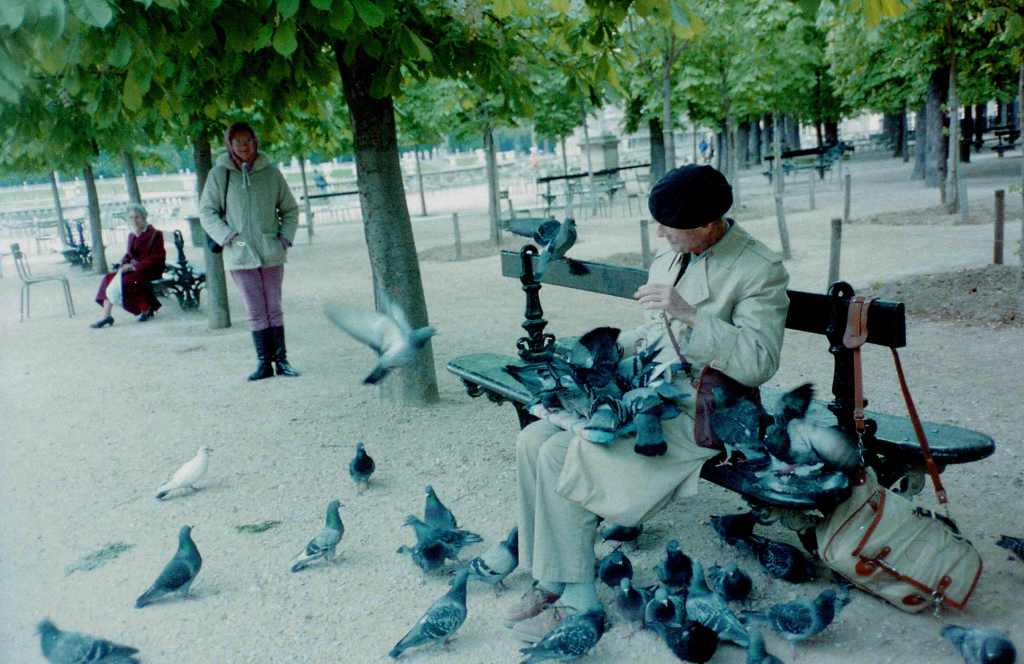
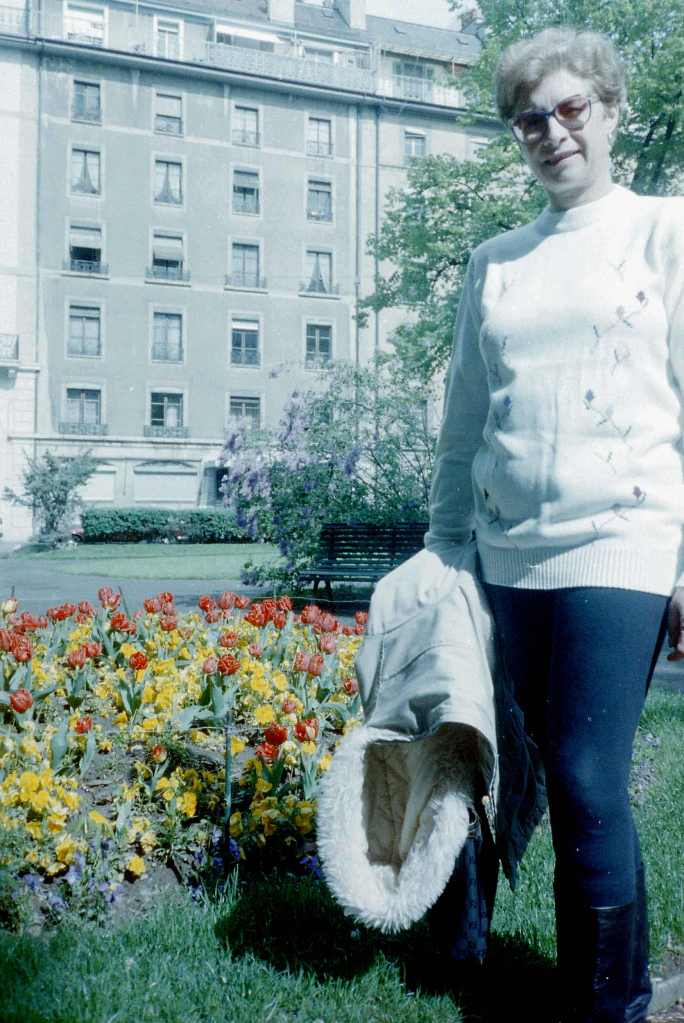
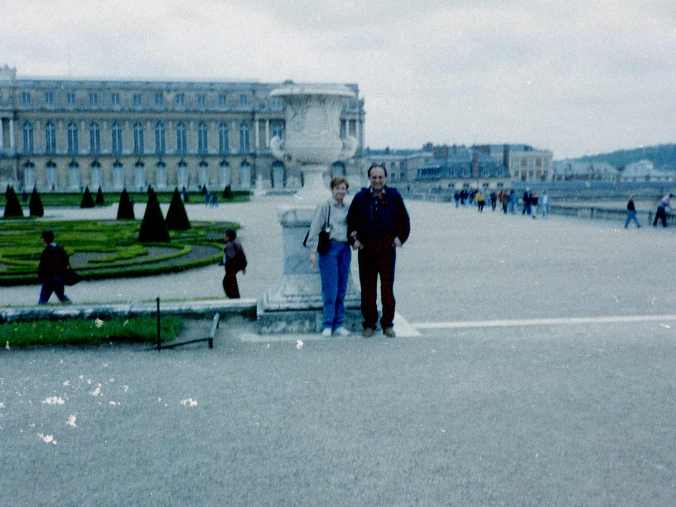
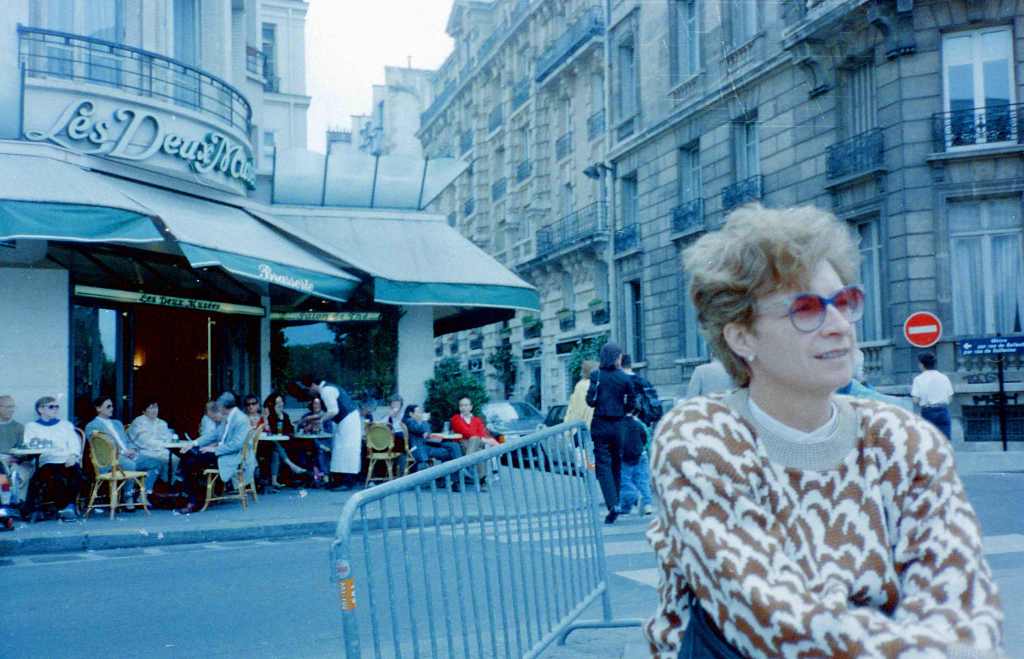
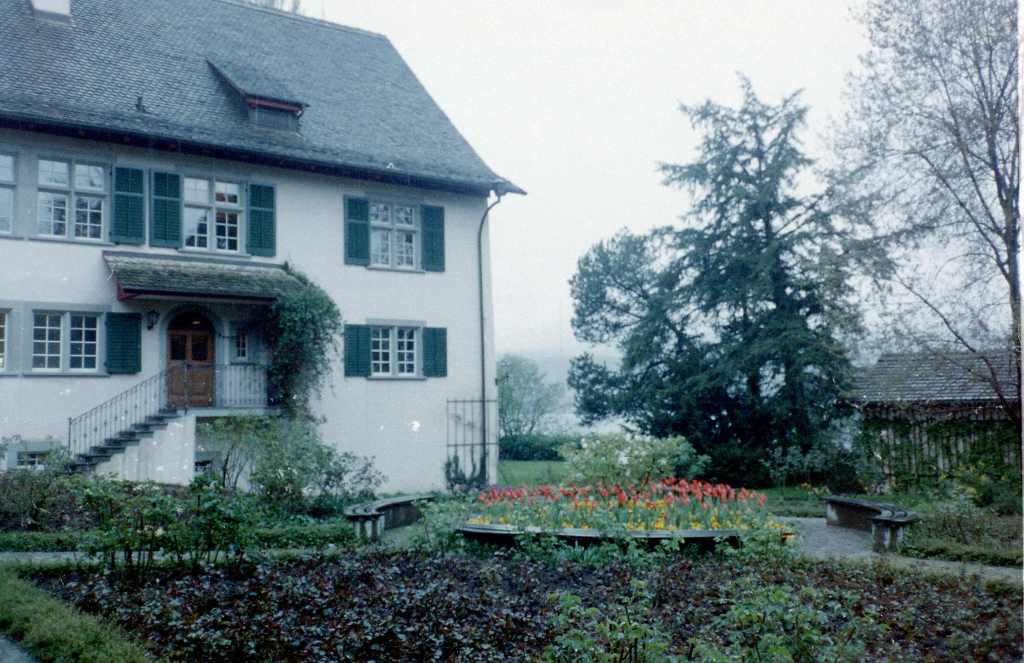
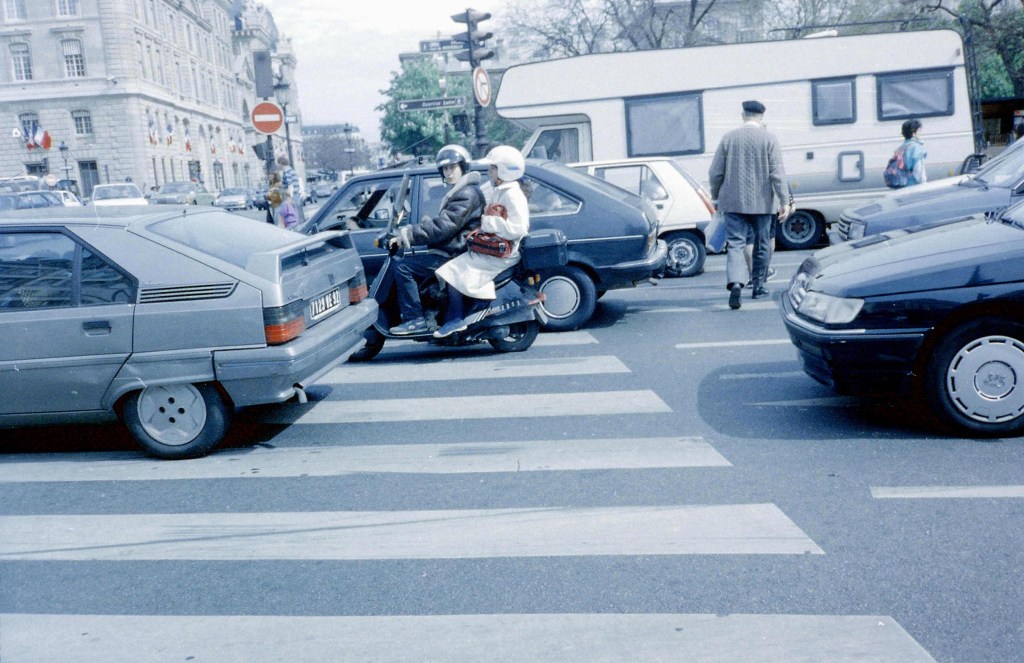
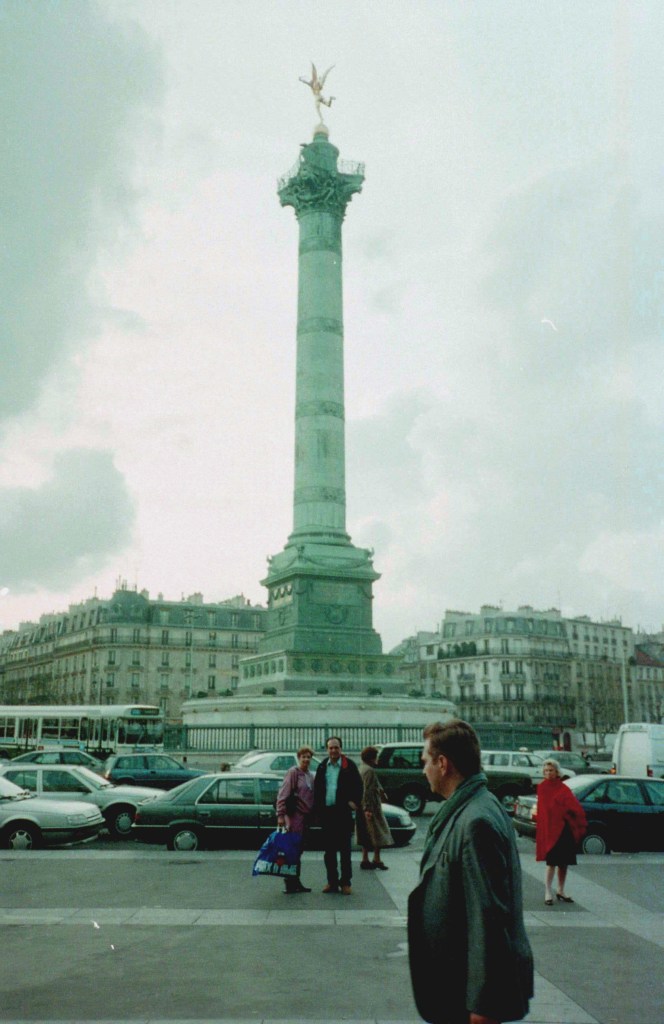
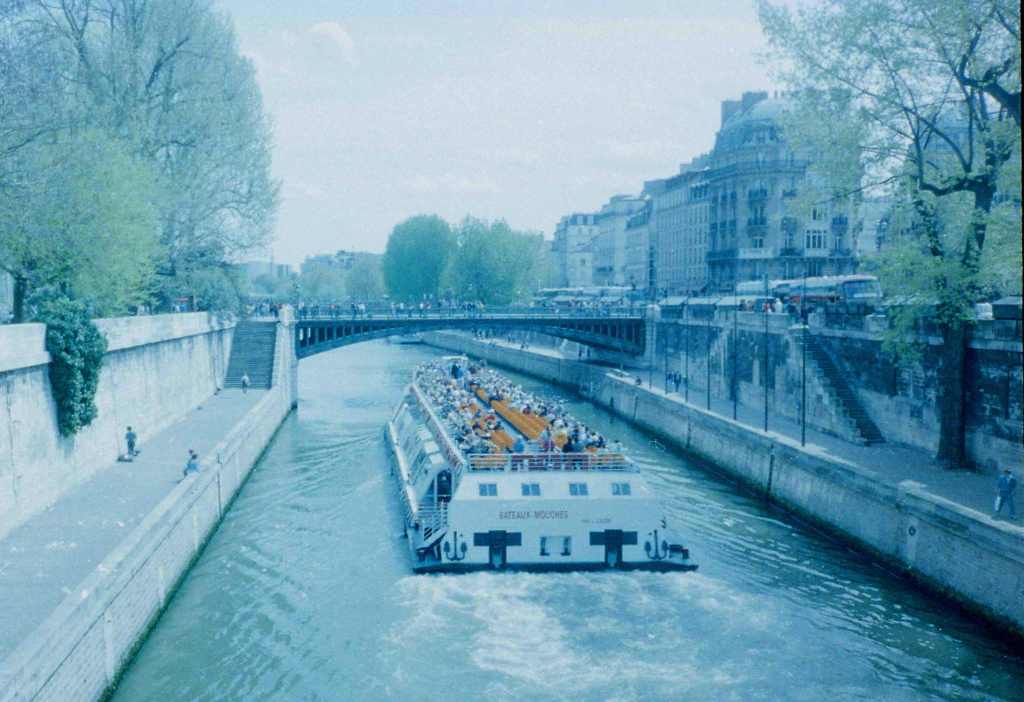
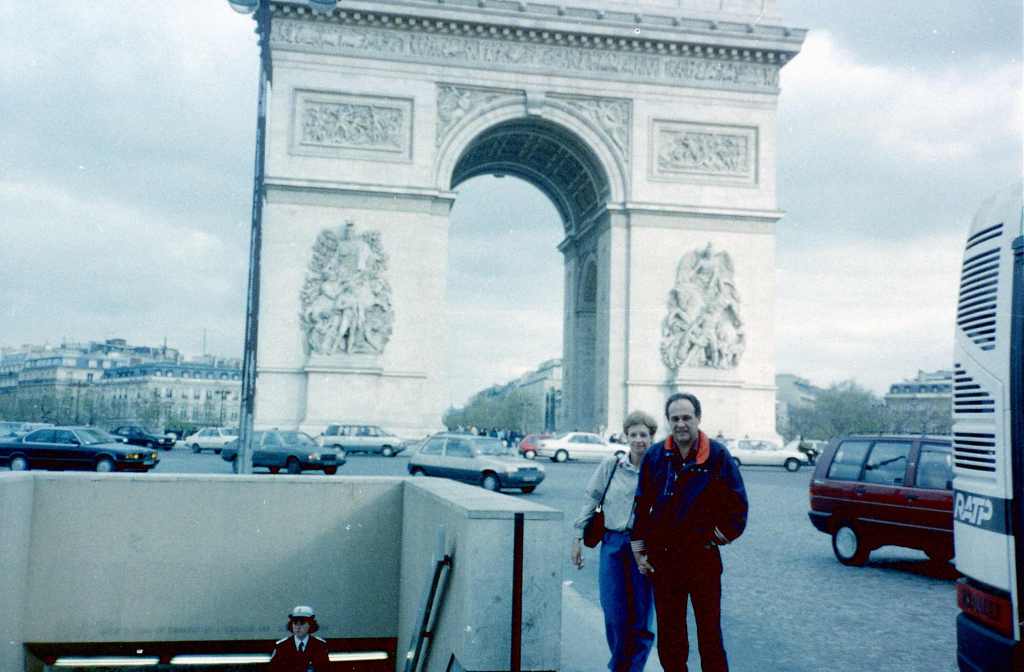
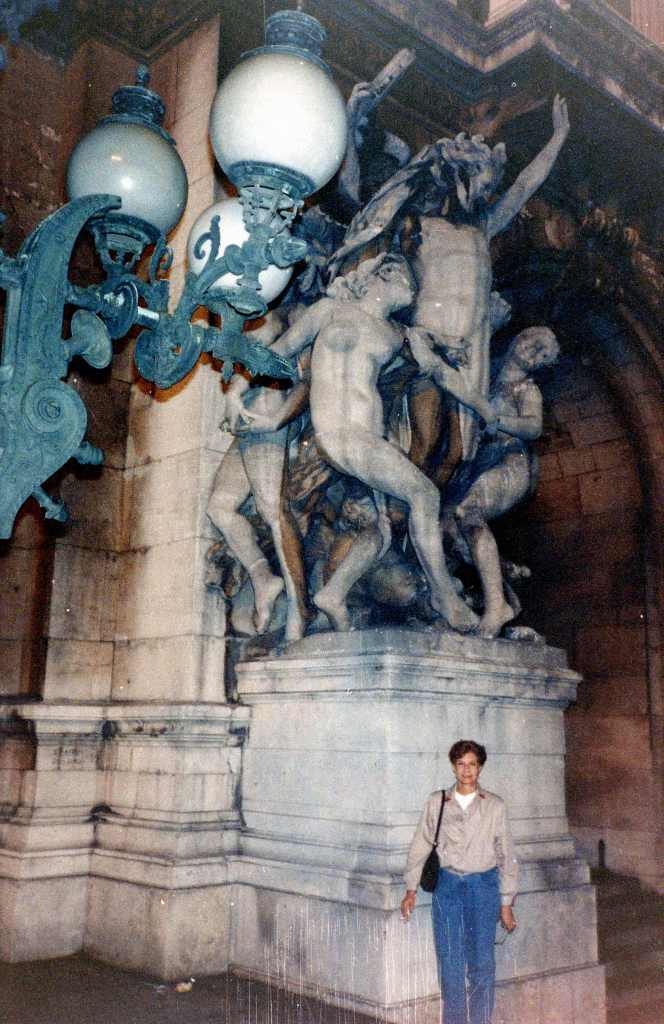
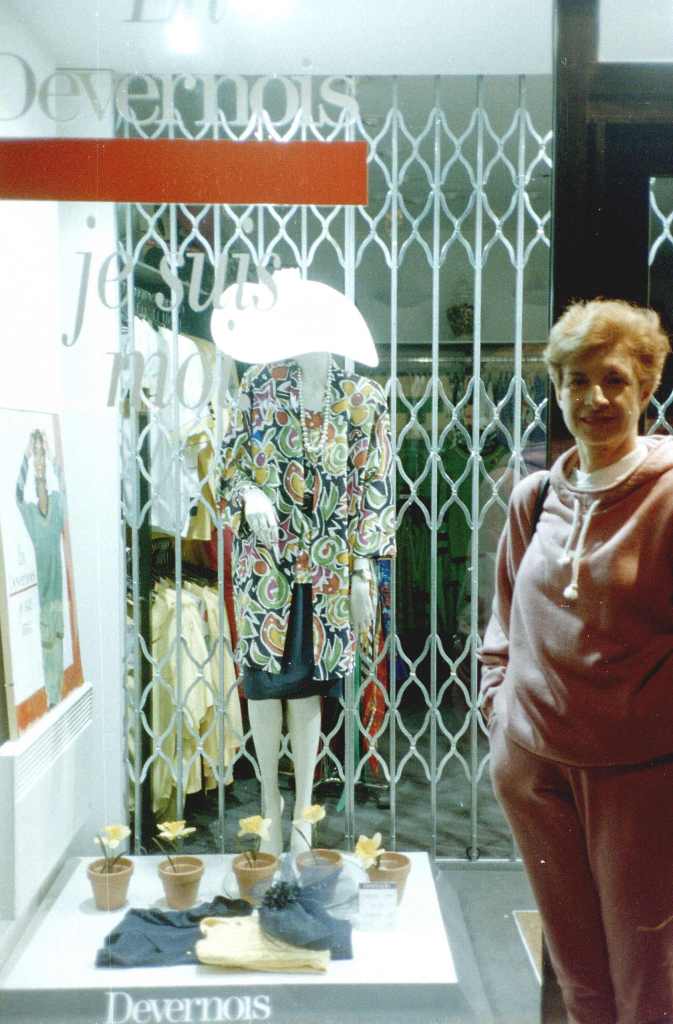
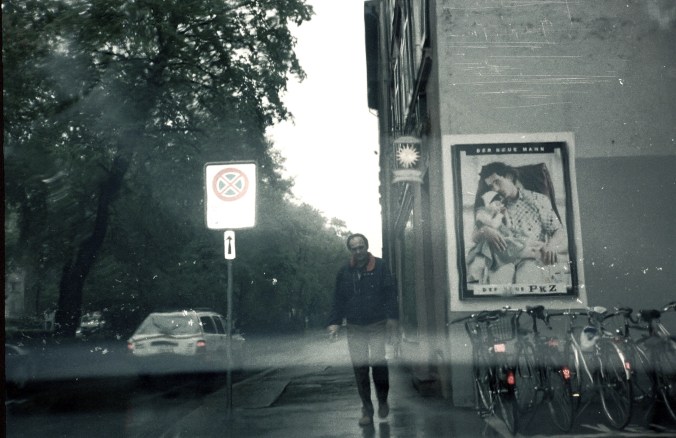
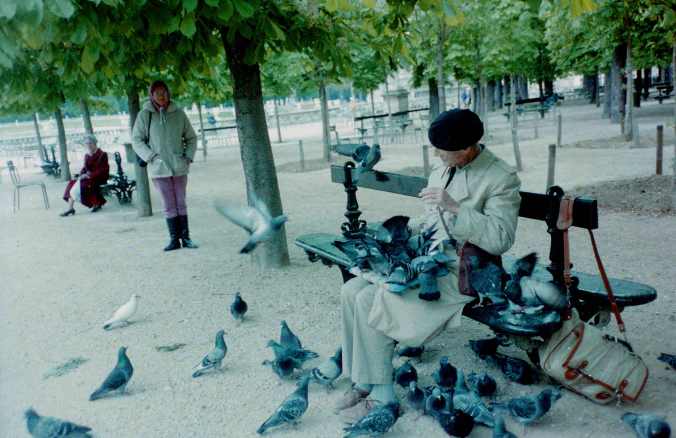
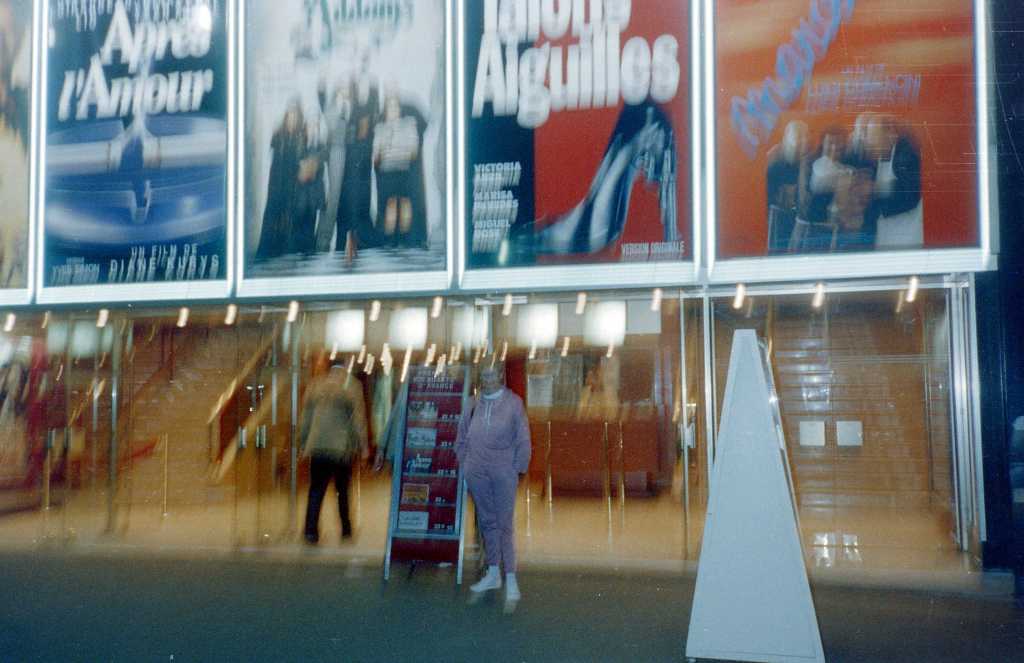
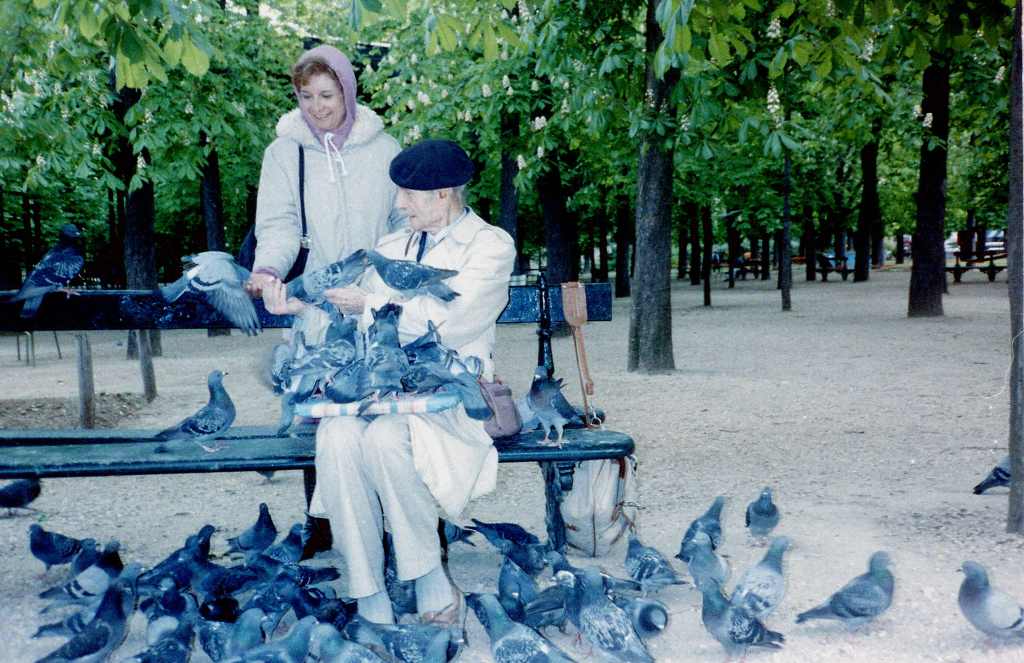
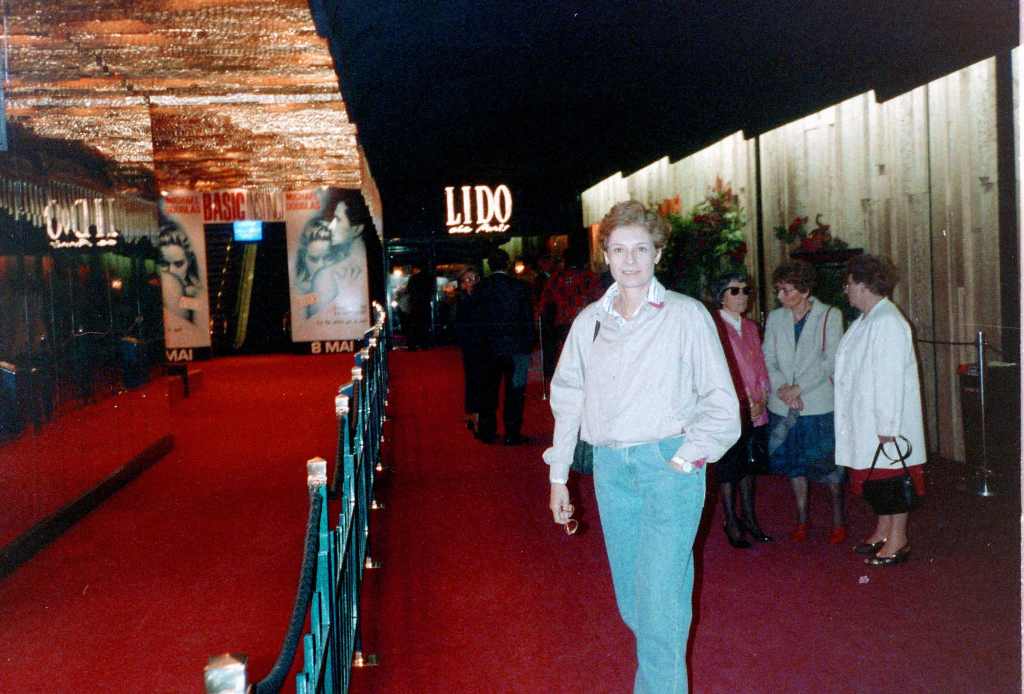
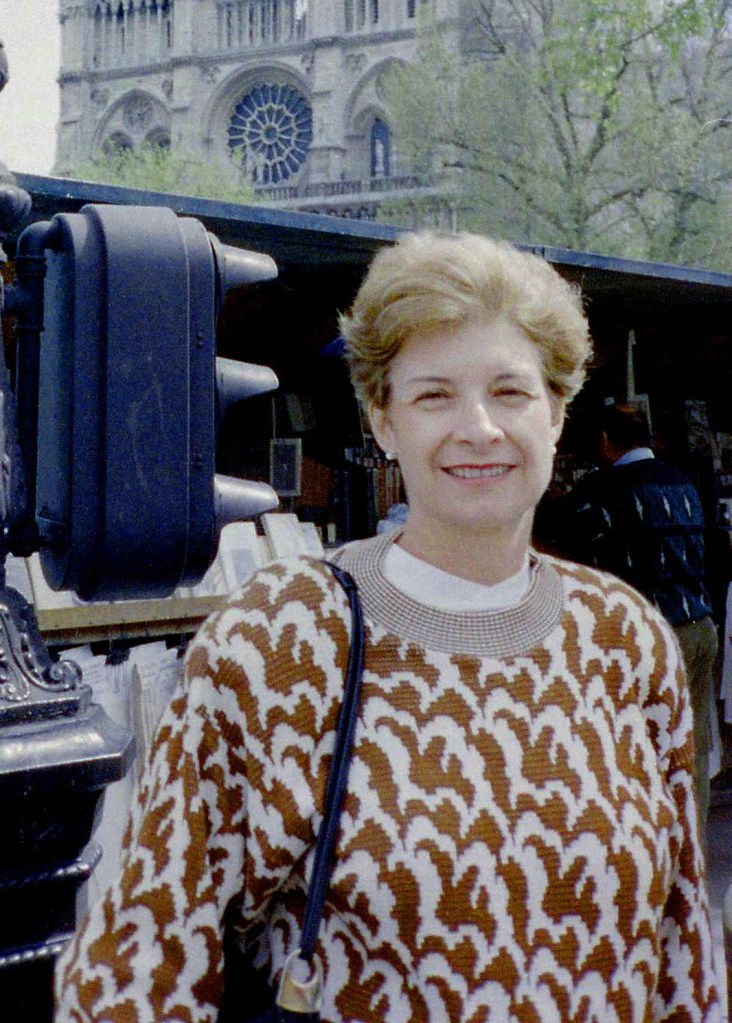
Tiago was in Paris several times last year, Gabriel just visited it, and this reminded us, their grandparents, of our silver wedding anniversary, which took place in 1993, and which we celebrated by visiting Paris. We still have photos from that trip, which I am now publishing, trying to somehow organize what we saw and felt.

There are cities we visit. And there are cities we’ve already lived in before arriving. Paris is the latter.

When the plane lands at Charles de Gaulle and the taxi—in our case, I think it was a bus or some kind of public transportation —enters the city for the first time, something strange happens—the feeling isn’t one of discovery but of recognition. The wide sidewalks, the cafes with chairs facing the street, the Eiffel Tower appearing unexpectedly among buildings—everything seems familiar. As if we’d been there before.

And in a way, we were.

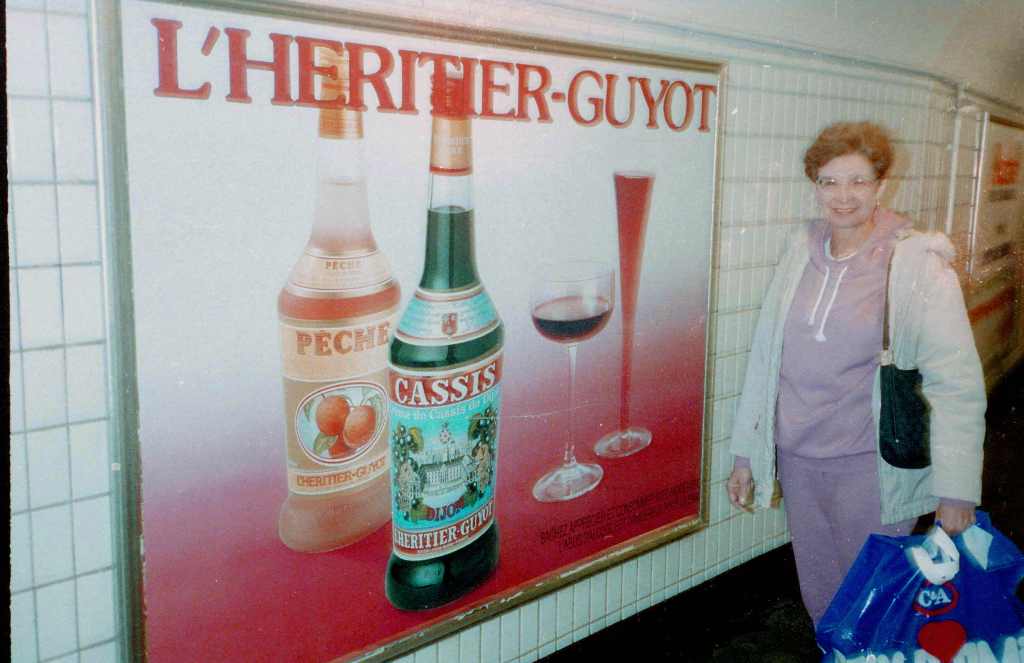
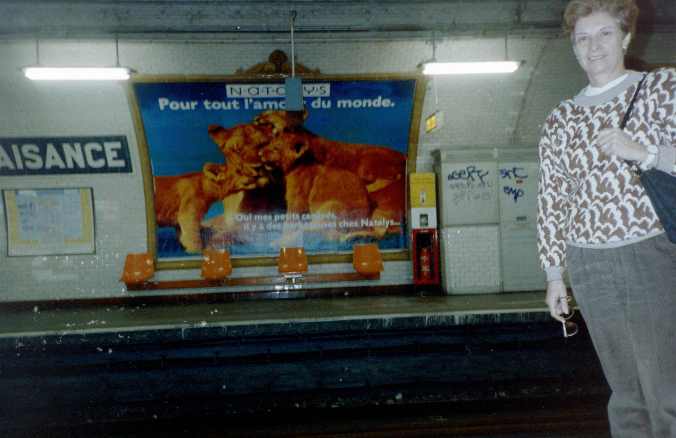
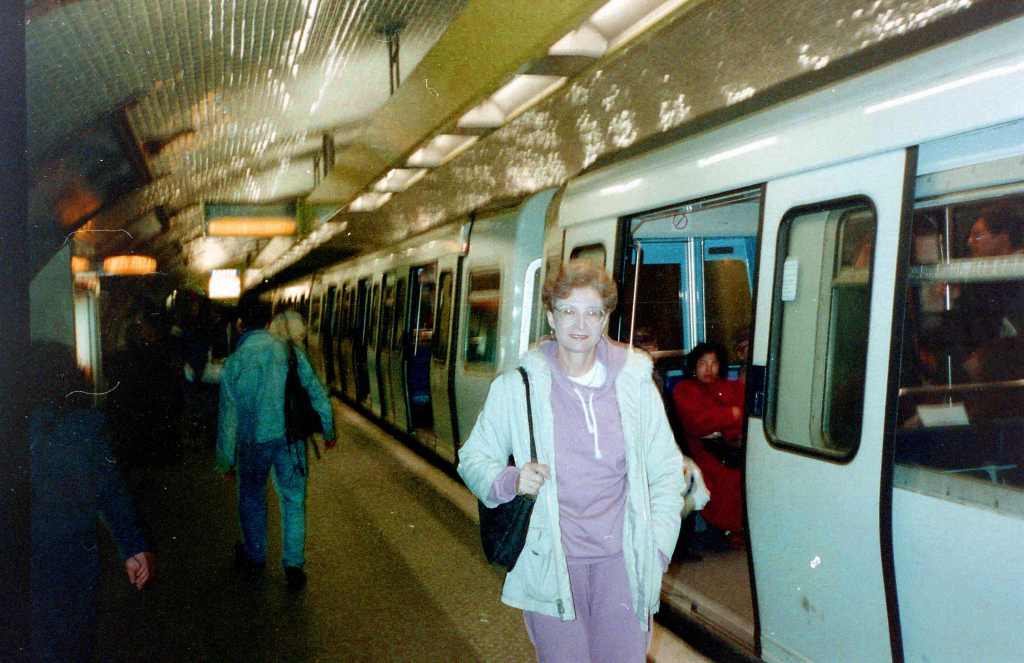
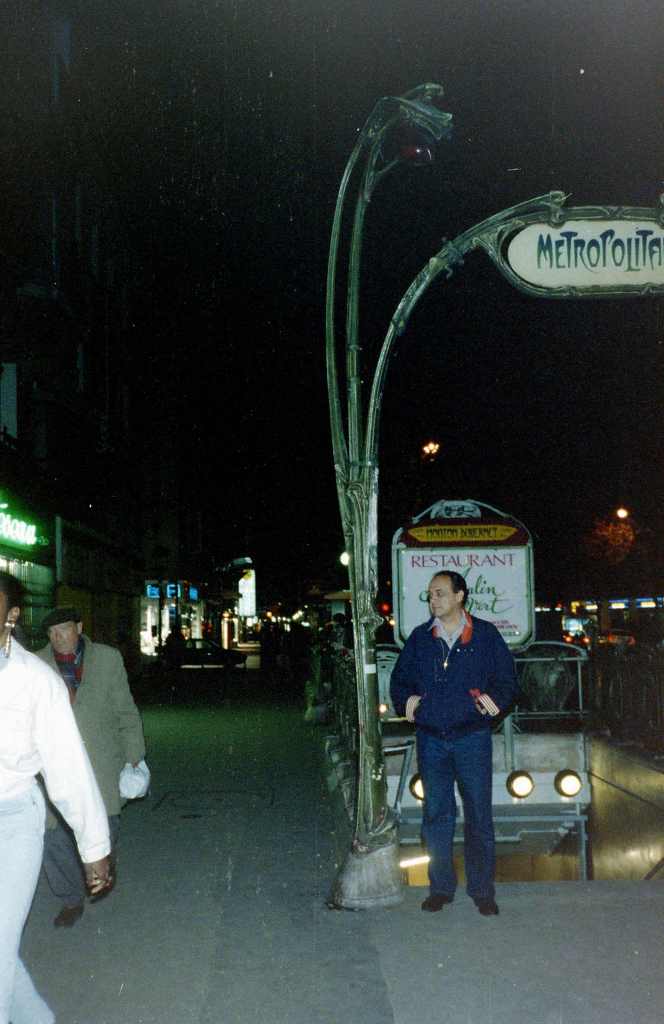
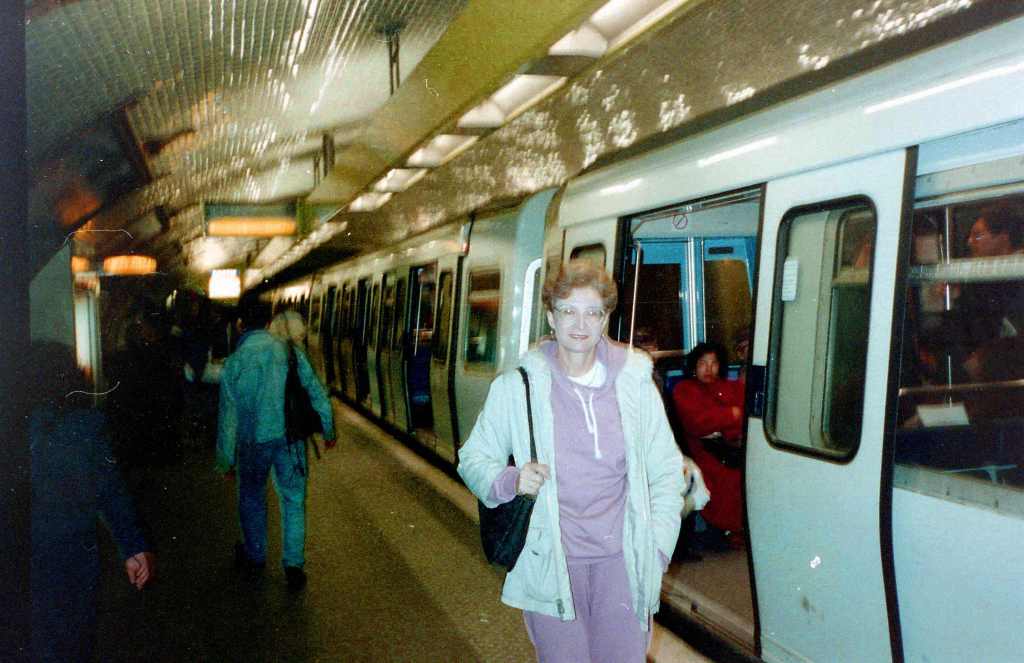
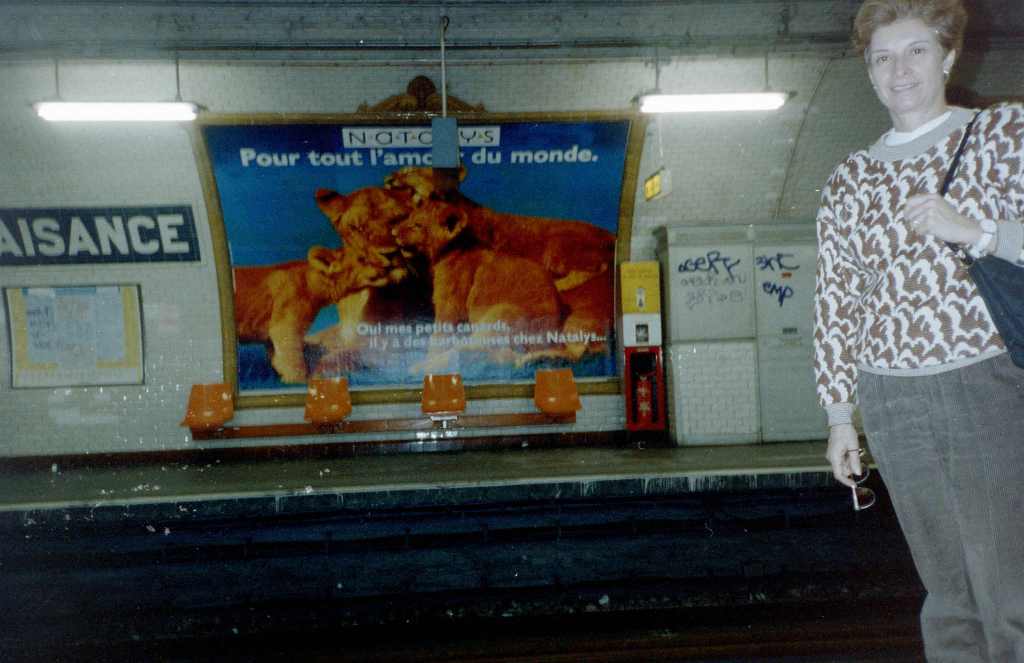
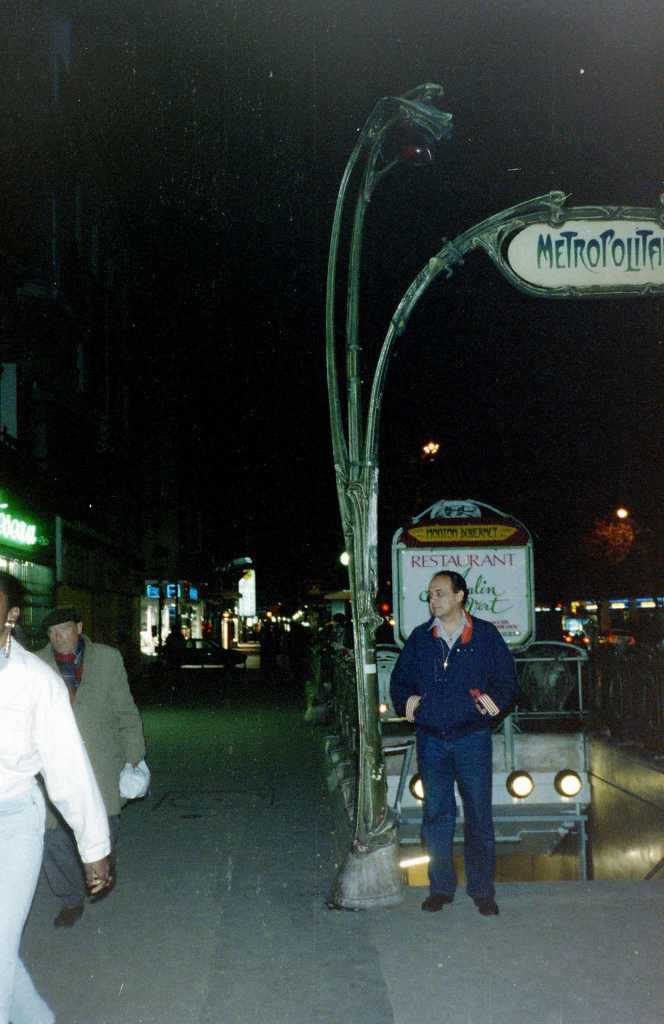
The subway is a pleasant surprise, making it easy to reach all the important points quickly, economically, and simply.
The tourist attractions, which I will present in more detail later, exceeded our expectations. In fact, everything exceeded our expectations.


The city that cinema built

Paris has been filmed more than any other city in history. Not because it’s more beautiful than Rome or more dramatic than New York—but because something in its light, the “City of Lights” as it’s known, in its human scale, in its boulevards deliberately designed to be walked and seen, has invited generations of filmmakers to build their dreams there.

Gene Kelly danced through its gardens in An American in Paris in 1951. Audrey Hepburn graced its streets with impossibly elegant grace in Funny Face and Charade. Audrey Tautou transformed Montmartre into a neighborhood of everyday magic in Amélie .

The best film about what we’re talking about would still be made long after we were there in 1993, which was Woody Allen’s film, Midnight in Paris.

Each film added a layer to the imagination. Each layer made Paris more Parisian—not the real city, but the city we carry within us as a promise that beauty, love, and transformation are possible.

When a couple goes to Paris to celebrate their silver or golden wedding anniversary, or simply to enjoy a romantic getaway, like Tiago and Gabriel, they’re not just going to a beautiful European city. They’re going to the city that cinema and literature have built in people’s imaginations over decades. And the city, which has long since learned to be what culture has dictated it to be, lives up to that promise.


Woody Allen and the moment of synthesis

In 2011, at 75 years old and with a century of Parisian imagery absorbed, Woody Allen did something no other director had managed—he made a film about the Parisian imagination knowing it was an imagination, without thereby destroying it.

Midnight in Paris begins with five minutes of no dialogue—Paris at dawn, in the rain, at dusk, at night. No characters, no story, no words. Just the city in all its deliberate beauty. Allen is telling the viewer before any words are spoken: I’m going to show you the city that you all carry within you.

The protagonist Gil, played by Owen Wilson, is an American writer who loves Paris with the intensity of someone who first encountered it through books—Hemingway, Fitzgerald, Gertrude Stein. At midnight, magically, you are transported to 1920s Paris and find exactly who you expected to find. Hemingway speaks as Hemingway wrote. Fitzgerald is both brilliant and fragile. Gertrude Stein receives artists in her salon with serene authority.

I missed a similar approach to James Joyce… But I understand why Woody Allen avoided it: James Joyce is a “tough nut to crack” that has nothing to do with the lightness and all that Paris suggests, and let’s leave it that way…

Woody Allen’s film is absurd. It’s impossible. And it’s completely true—because that’s exactly how these characters live in the imagination of anyone who has read them.

The philosophical argument hidden in a romantic comedy.

What makes Midnight in Paris truly extraordinary isn’t the romance, nor the magic, nor Owen Wilson wandering the illuminated streets. It’s the plot that Allen hides within the lightness.

Adriana, Picasso’s lover whom Gil encounters in the past, doesn’t dream of the 1920s—she dreams of the Belle Époque of the 1890s. When the two are magically transported to this even more distant period, the characters from the Belle Époque dream of the Renaissance.

Allen is saying something accurate and disturbing — nostalgia is neither an individual weakness nor a pathology. It is the universal human condition. Every era looks back to a golden age that also looked back to another. Paradise is always in the past — and the past is always receding.

Like a matrioska...

And I add: and our memory will always be constructed as we would wish and imagine what it was like, and not as reality would tell it, if we were not imbued with the spirit that we are analyzing here.

Gil realizes this—and this realization liberates him. Not because nostalgia disappears, but because he understands that living permanently in it is a way of not living at all. Paris in the 1920s was extraordinary. But the people who inhabited it were alive—with real problems, difficult loves, hard work, uncertainty about the future. The magic was the life they were living, not the era in which they lived it.

Why Allen was so right

Other directors have filmed Paris with love but without distance. Allen filmed it with love and with distance—and that combination is what makes the film last.

A younger director might have made a naive celebration or perhaps a cynical deconstruction. Allen did both simultaneously—he celebrated the myth knowing it is a myth, and showed that this awareness does not diminish its beauty, but rather deepens it.

Because that’s what Paris ultimately offers — not the illusion that the past was better, but the permission to fully inhabit the present with the intensity of someone who knows that this moment too will pass and will also be remembered with nostalgia.

A couple who go to Paris to celebrate fifty years together are not fleeing to the past, like any other couple. They are doing what Gil finally learns to do—being completely present in a place that culture has made sacred, knowing that sacredness is a construct, and choosing to inhabit it.

Paris exists because we imagine it. And because we imagine it consistently enough for long enough—it truly exists.
Woody Allen understood this with the clarity that only 75 years and a lifetime of love for culture allow.
And he made a film worthy of that understanding.
We, your grandparents, realized this after 25 years of marriage and confirm, looking back into the future, what Woody Allen so brilliantly perceived.

“If you are lucky enough to have lived in Paris as a young man, then wherever you go for the rest of your life, it stays with you, for Paris is a moveable feast.” — Ernest Hemingway

Woody Allen realized that you don’t need to have lived in Paris as a young person. You just need to have imagined it well enough. Or to have visited it, and you immediately understand why it exerts this fascination, this attraction, and why it’s in people’s imaginations.

Our Trip
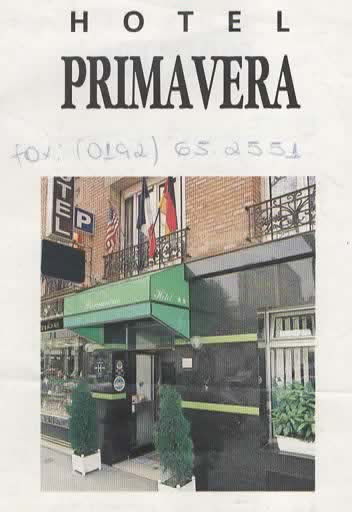
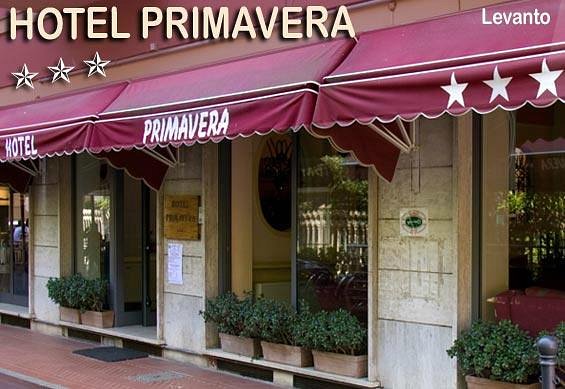
Hotel Primavera
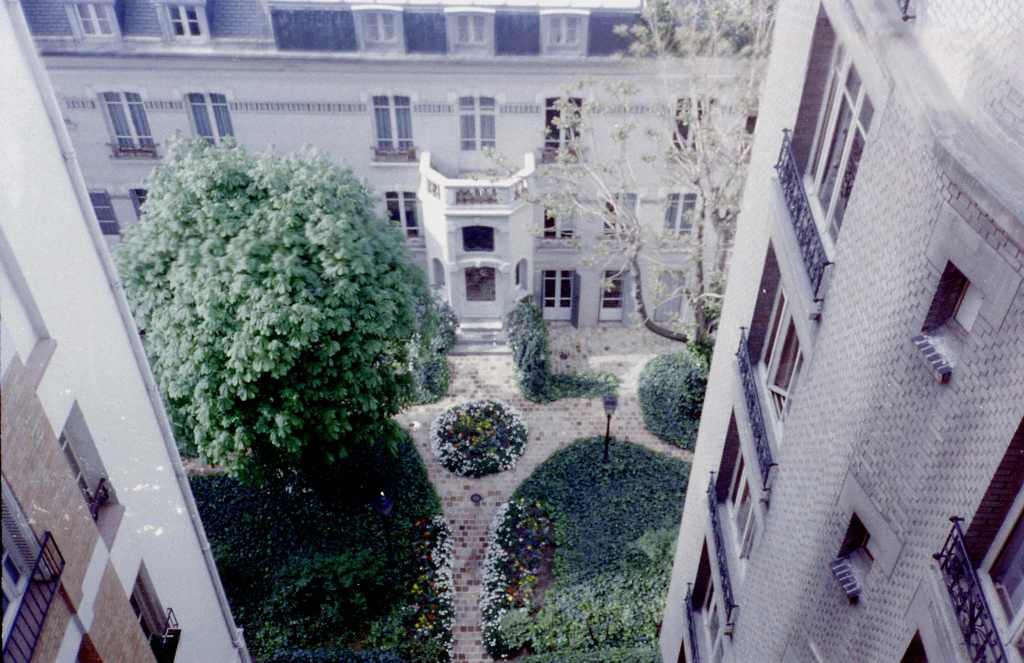
View from the room

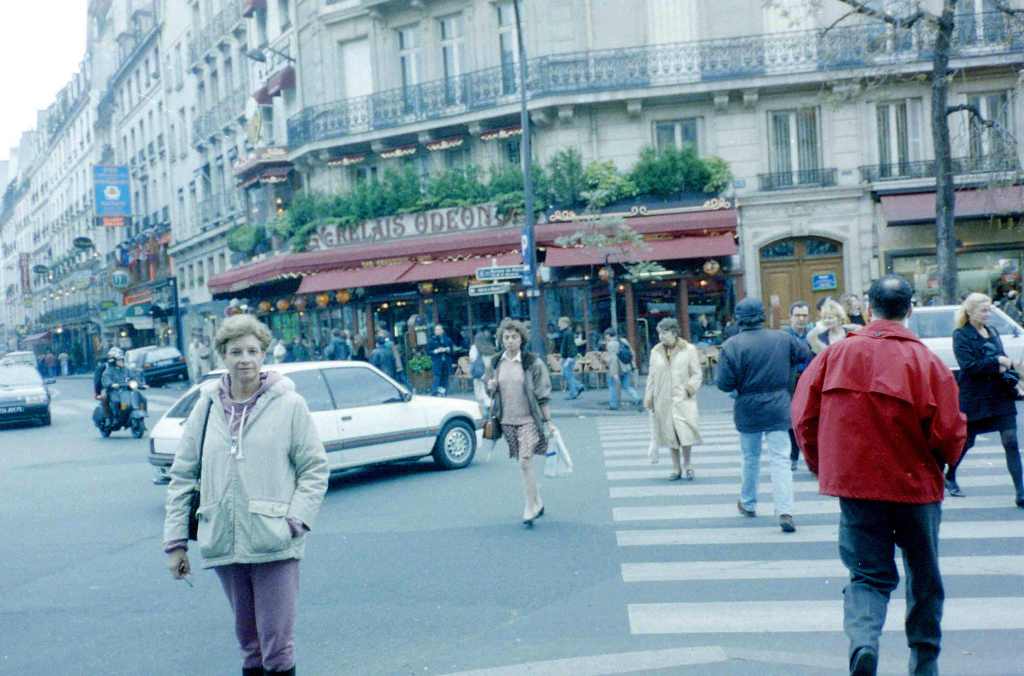
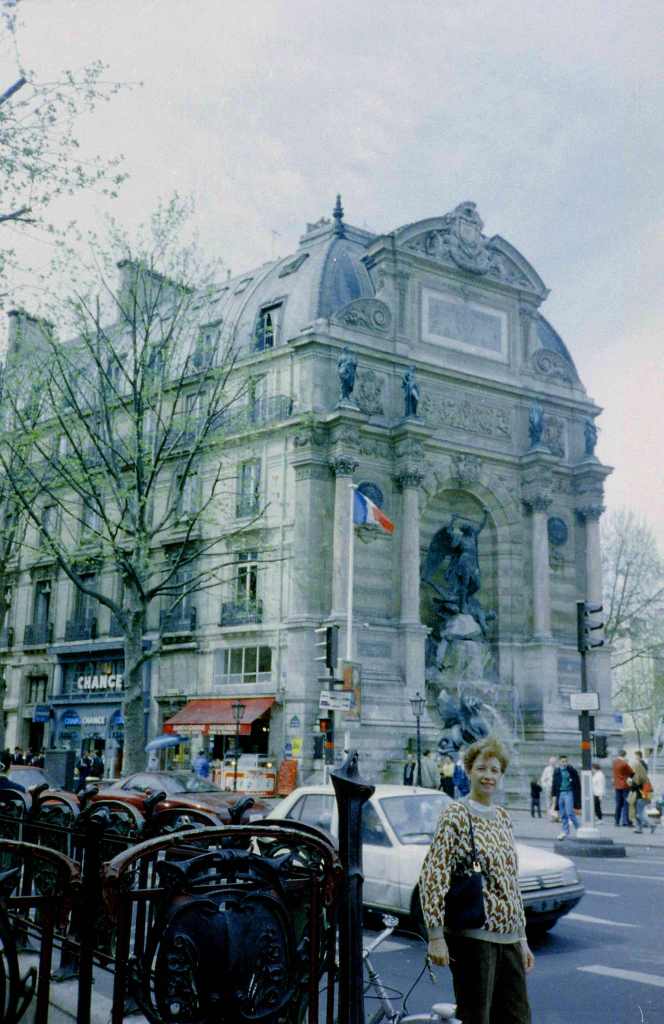
Taking a stroll

Subway
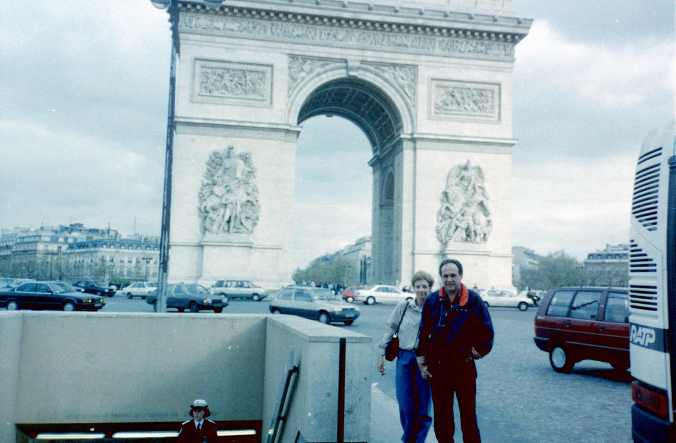
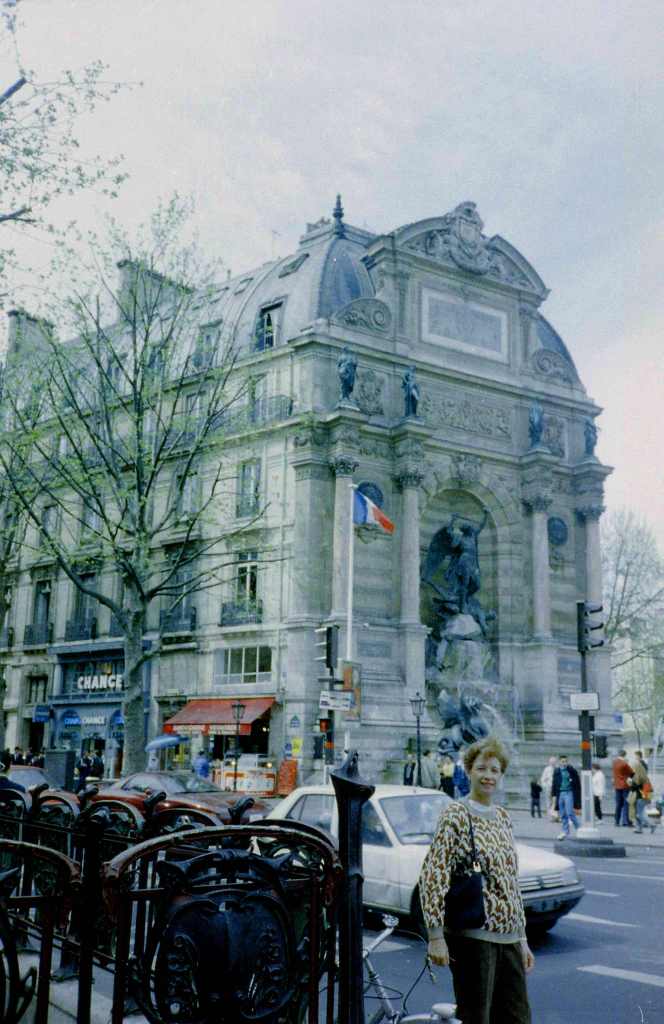
Monuments
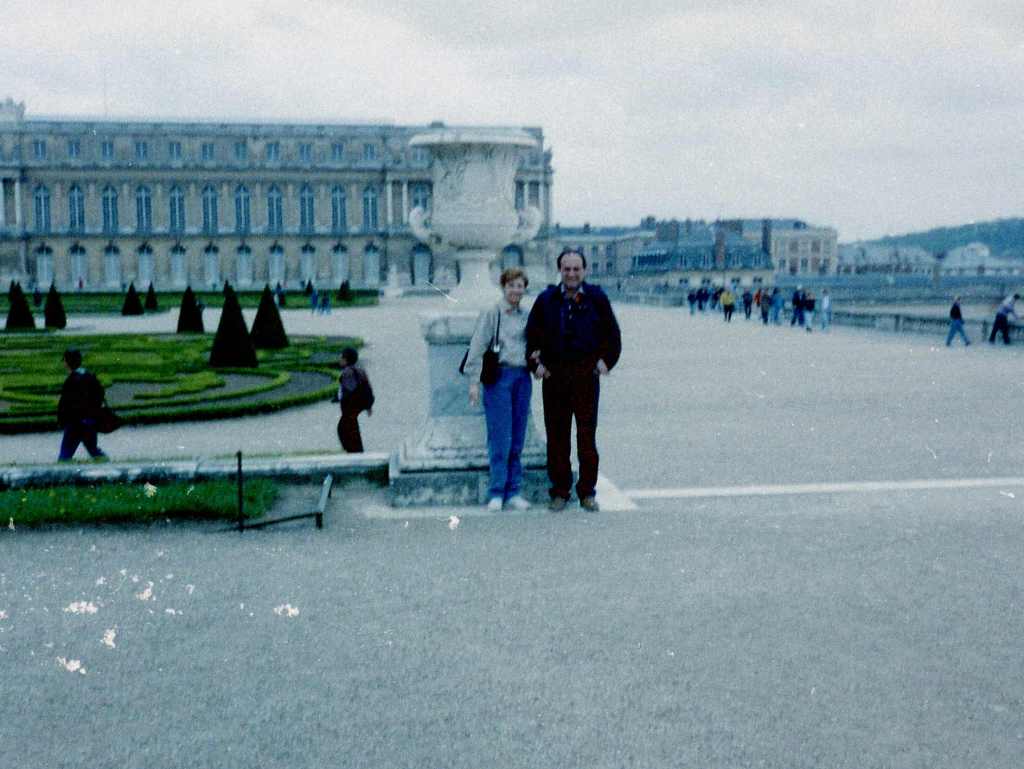
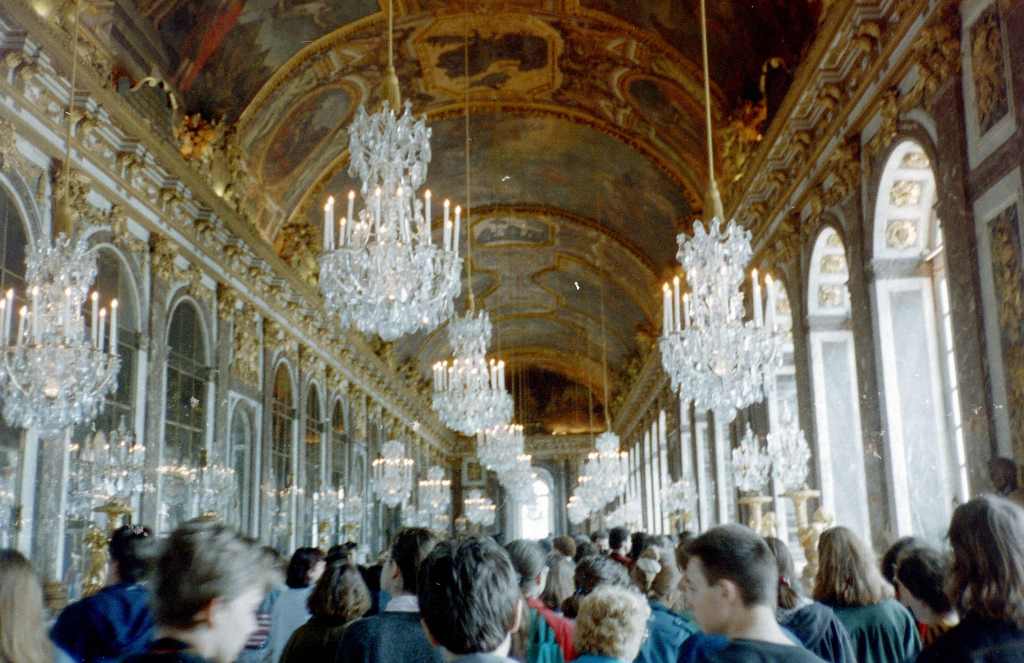
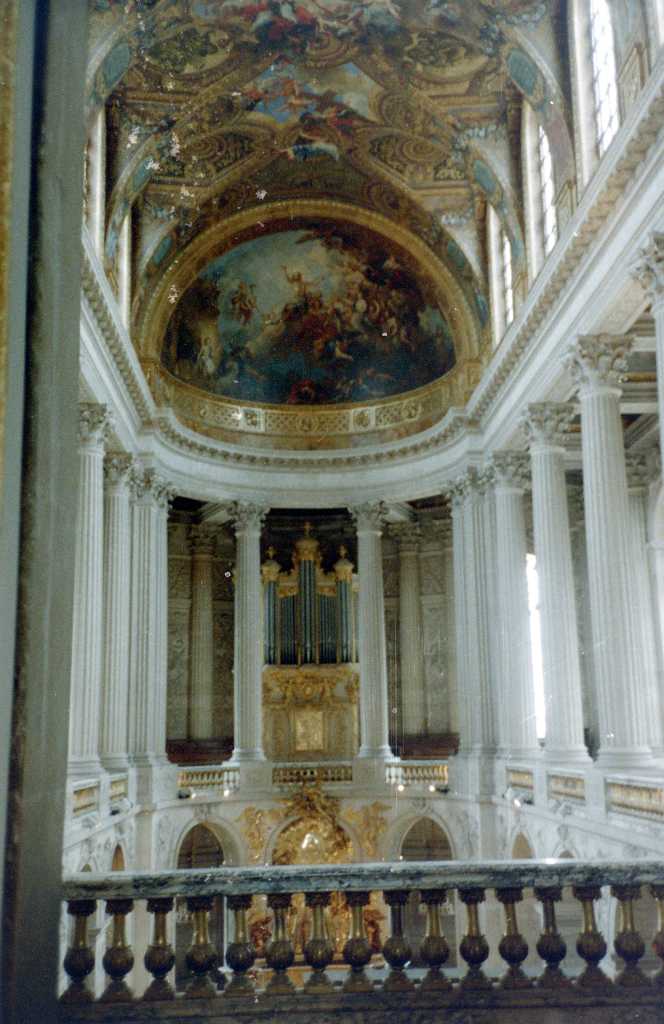
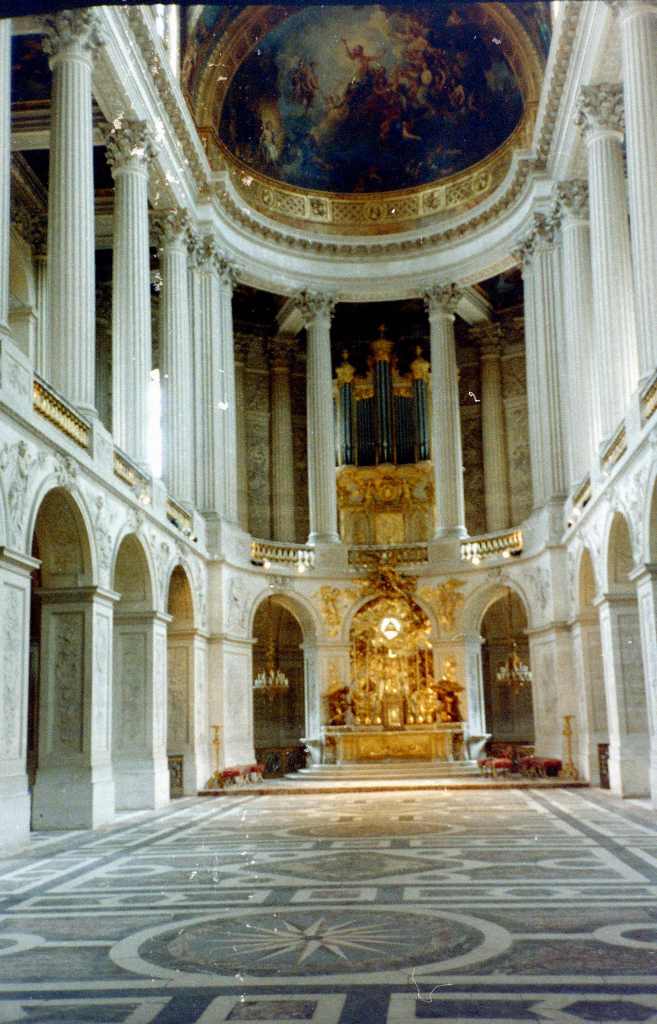
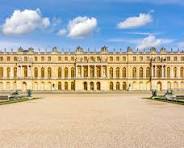
Versailles
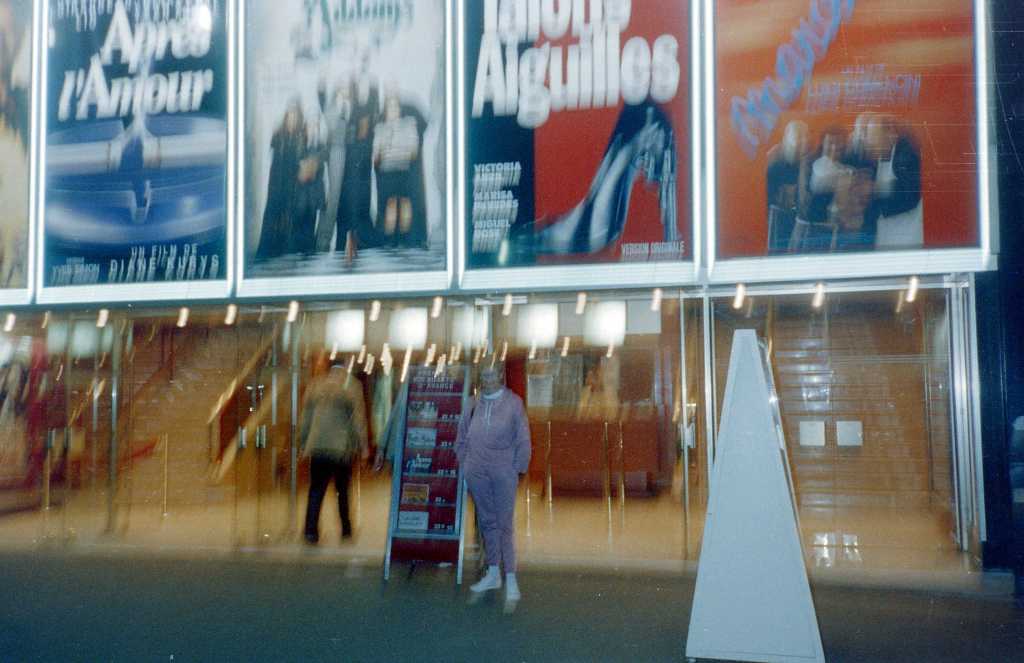
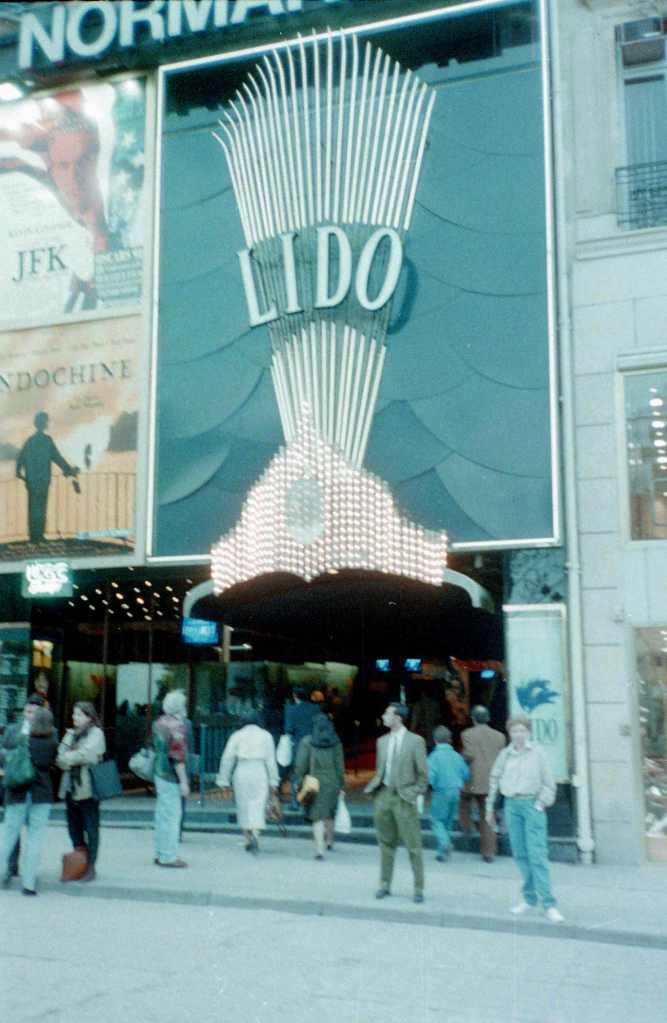
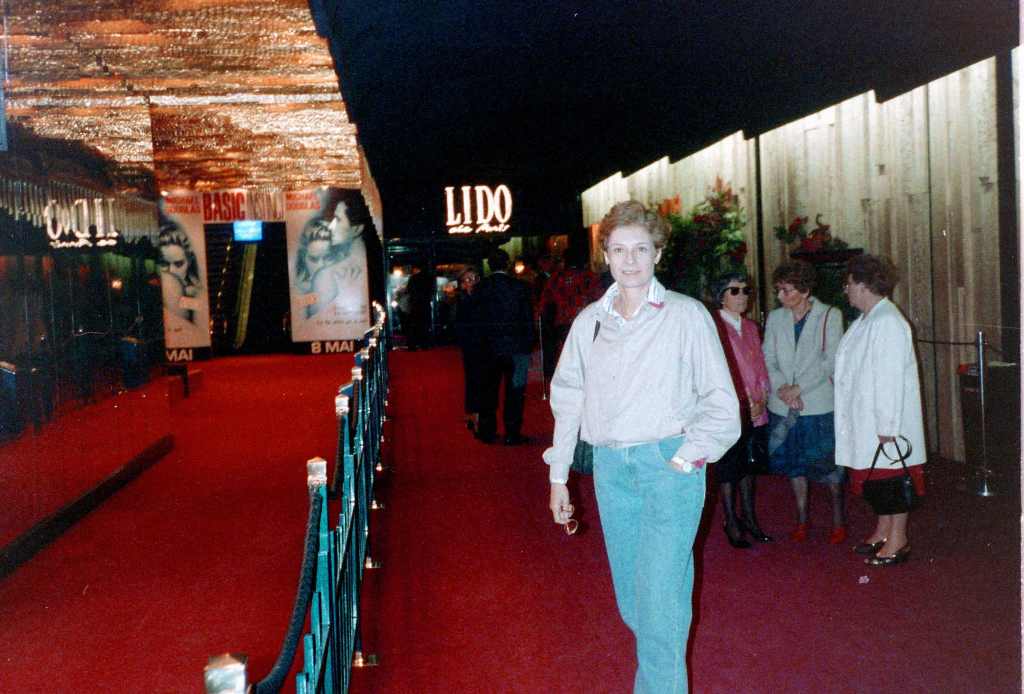
Lido
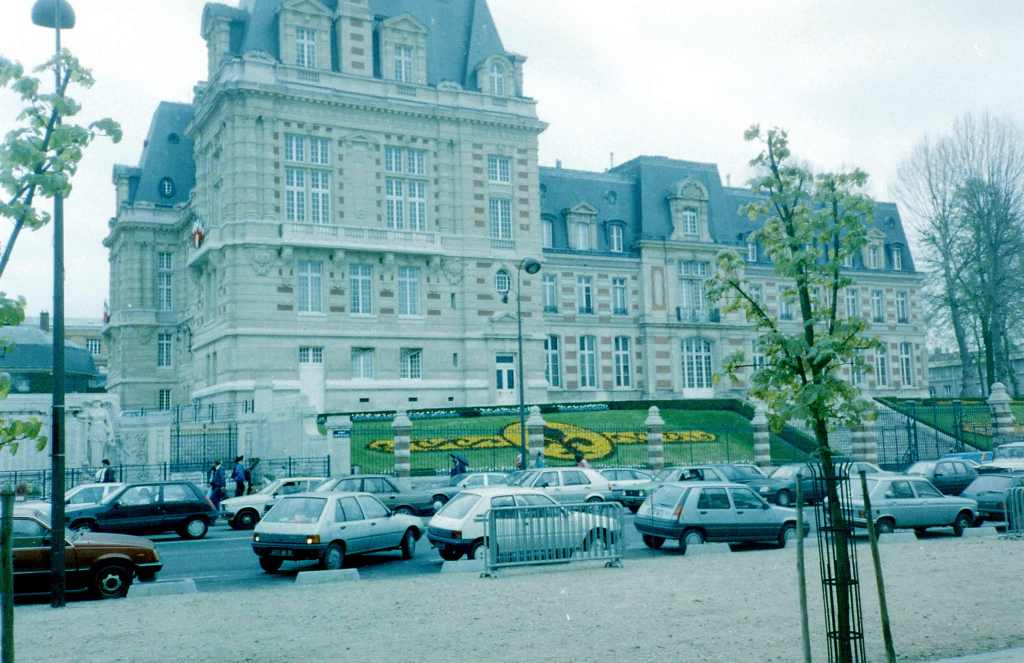
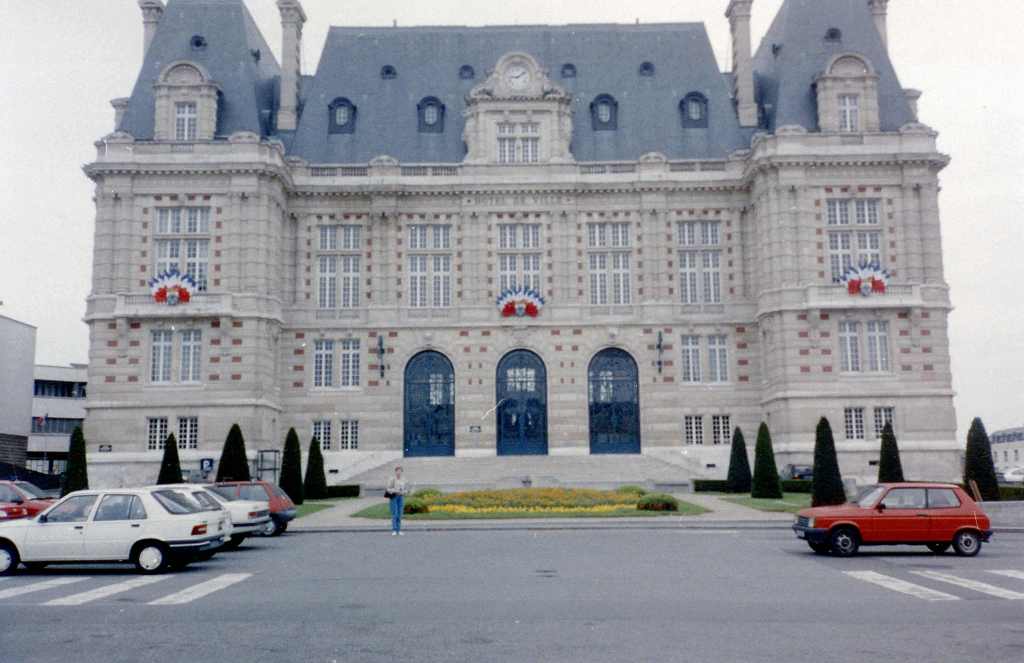
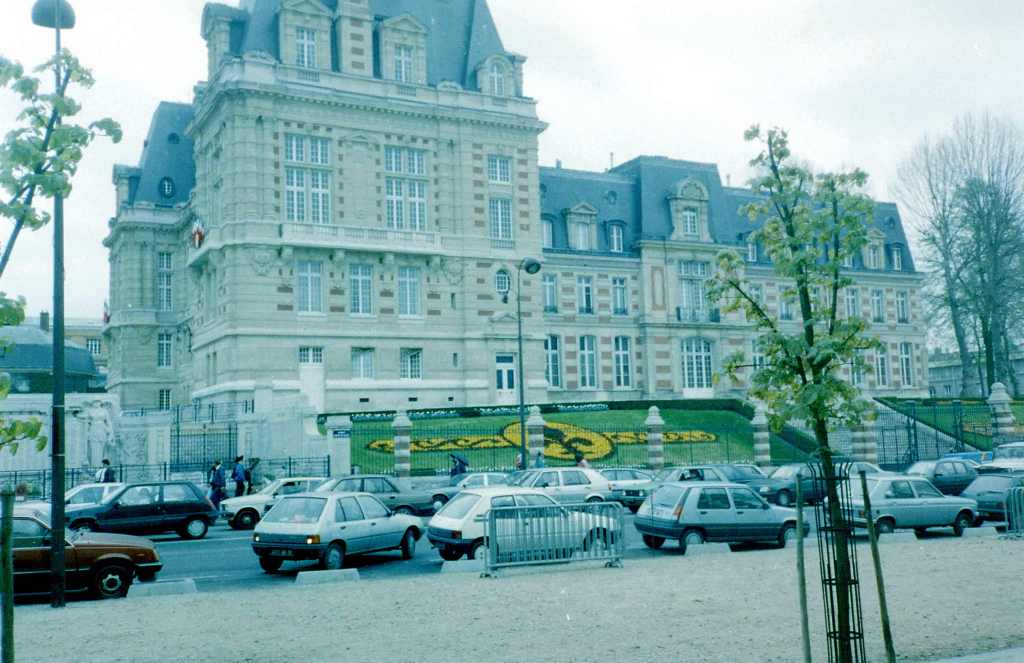
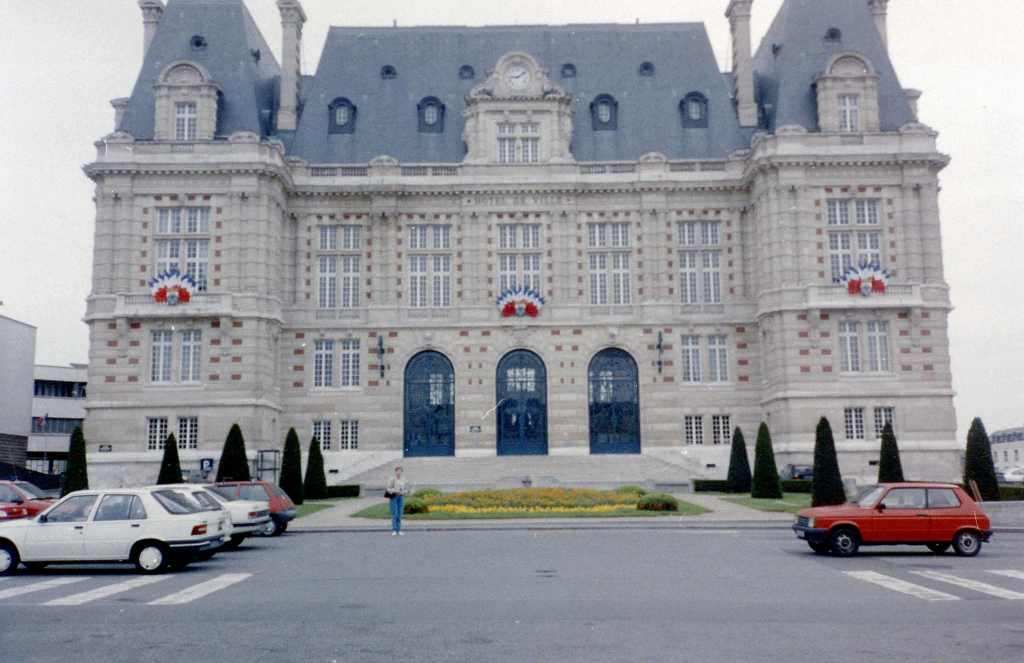
City Hall of Versailles
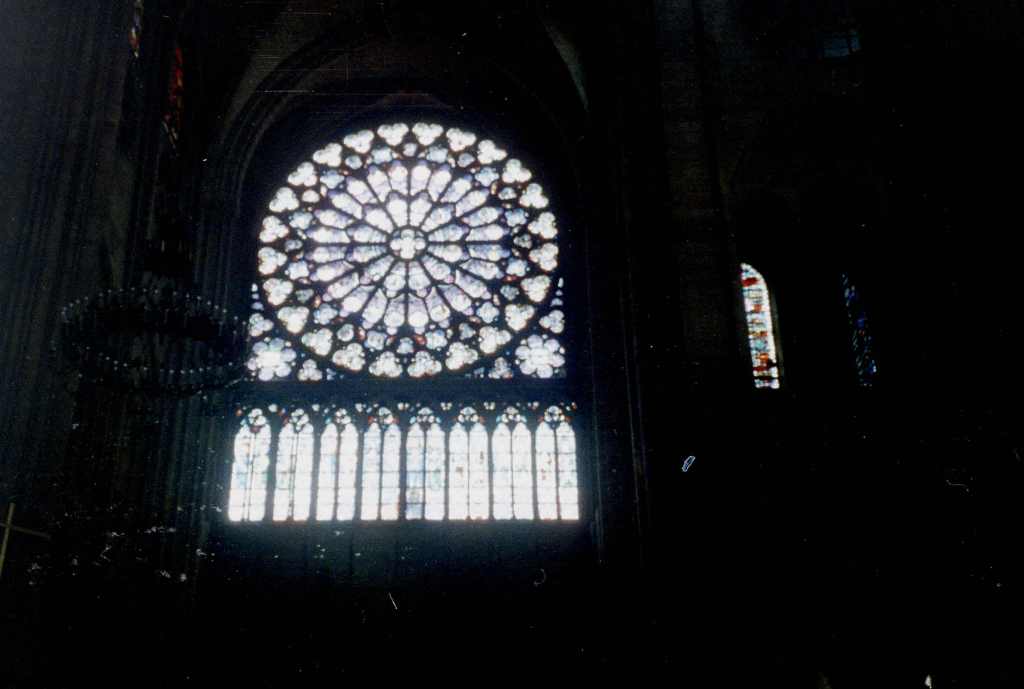
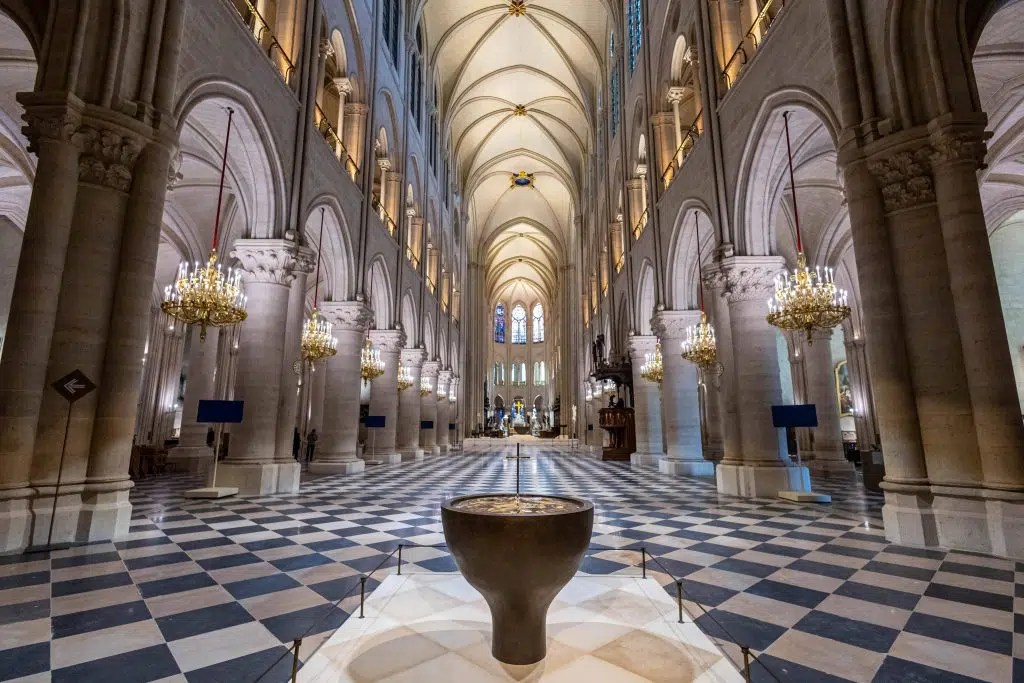
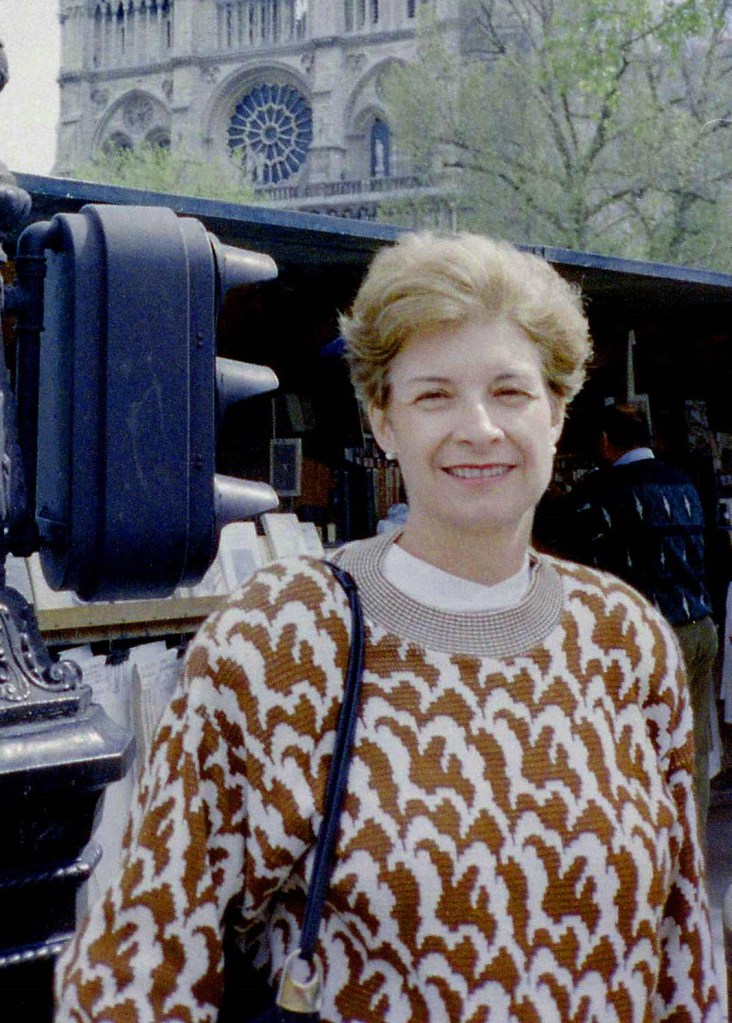
Notre Dame de Paris
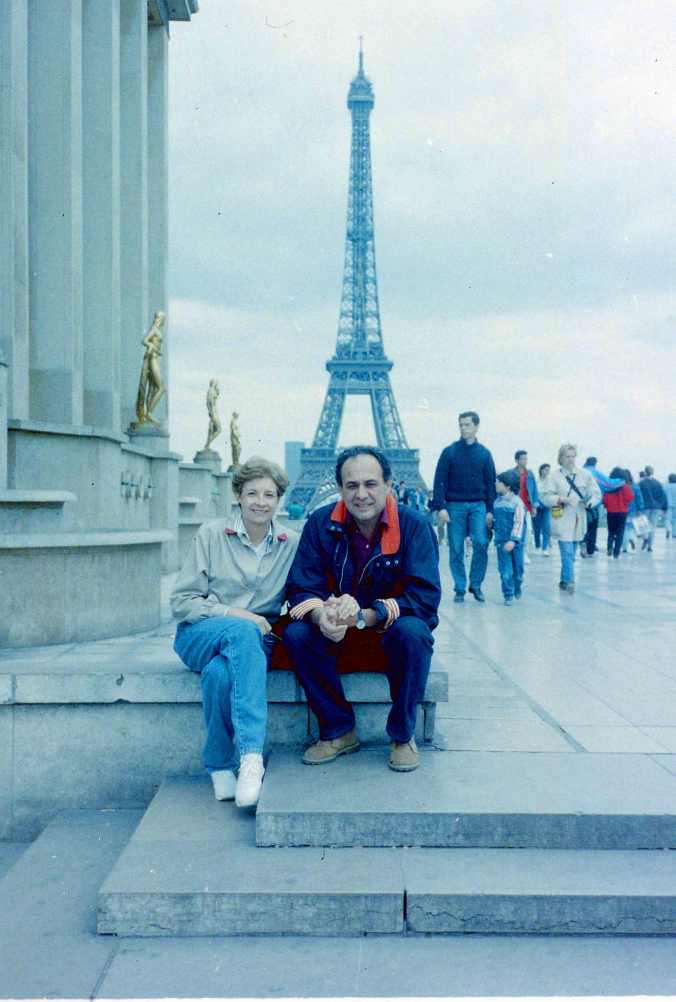
Torre Eifel
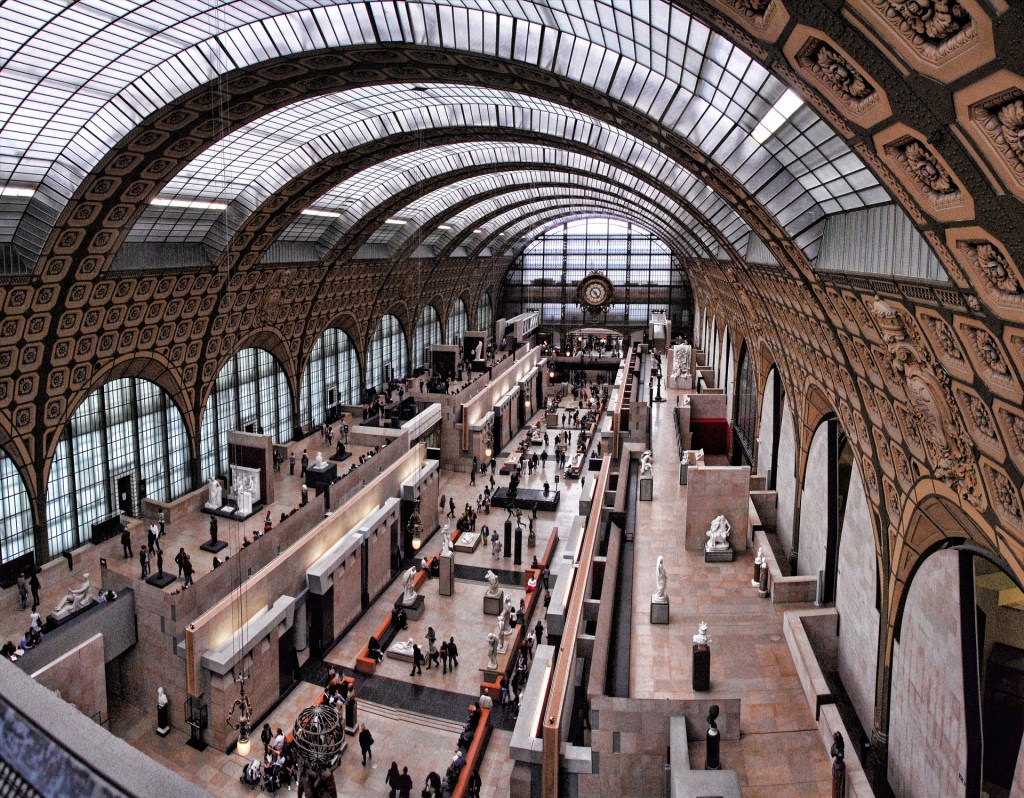
Musée d’Orsay

It is world-famous for housing the largest collection of Impressionist and Post-Impressionist works in the world. 

What to see (Highlights)

The collection focuses on French art produced between  1848 and 1914. Key highlights include: 

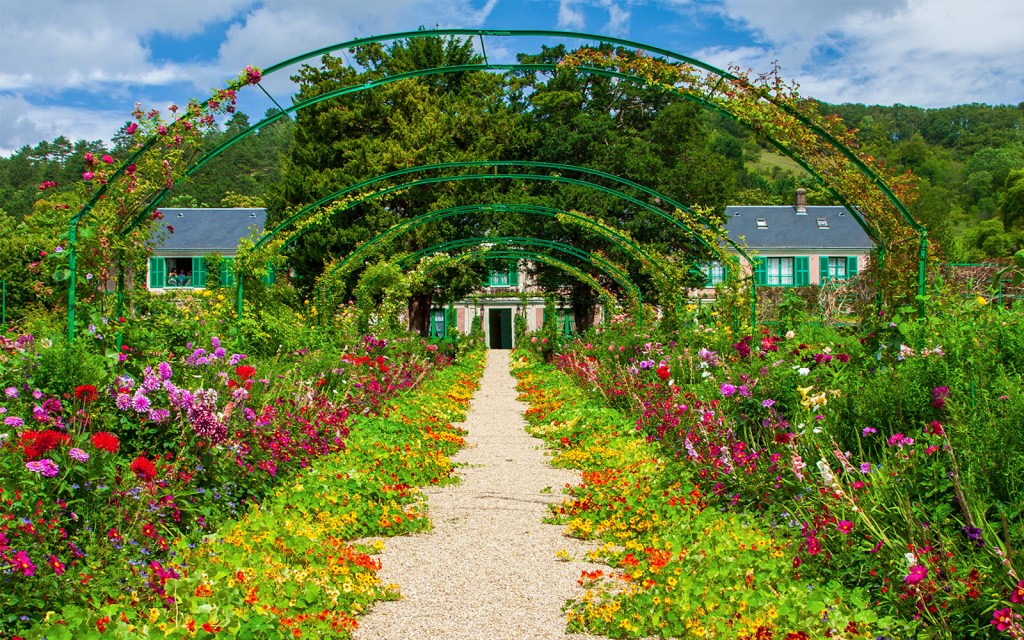
  • Claude Monet :  The Artist’s Garden at Giverny  and the  Rouen Cathedral series .
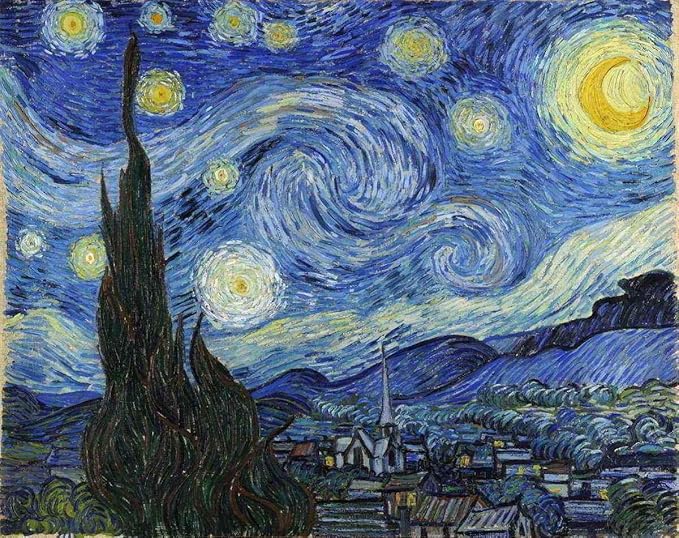
  • Vincent van Gogh :  The Starry Night Over the Rhône  and his famous self-portraits.
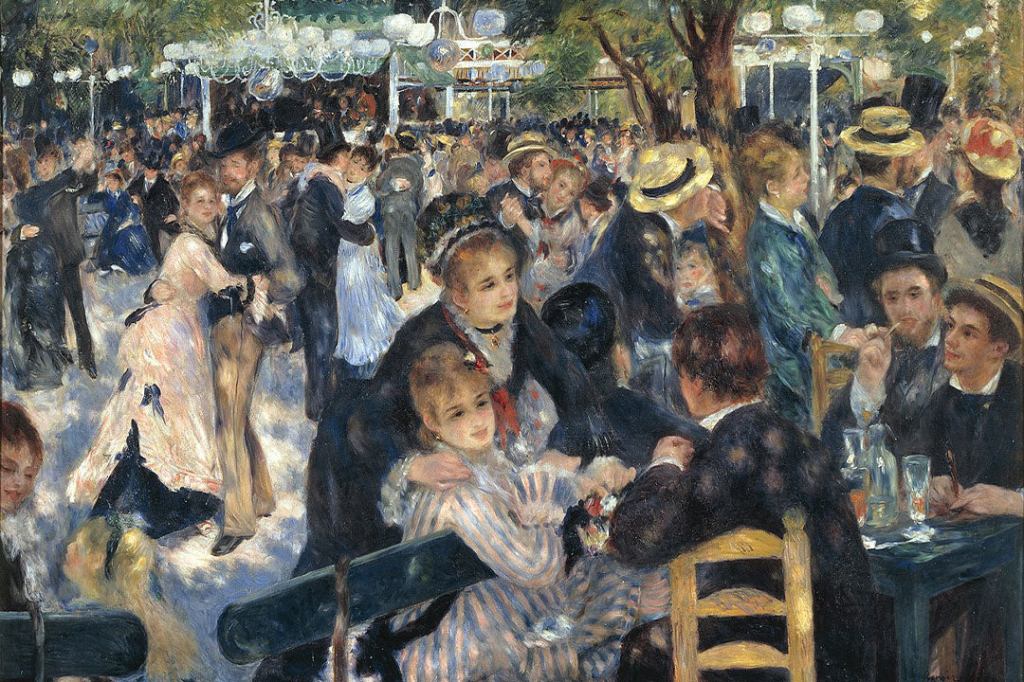
  • Pierre-Auguste Renoir :  The Dance at the Moulin de la Galette .
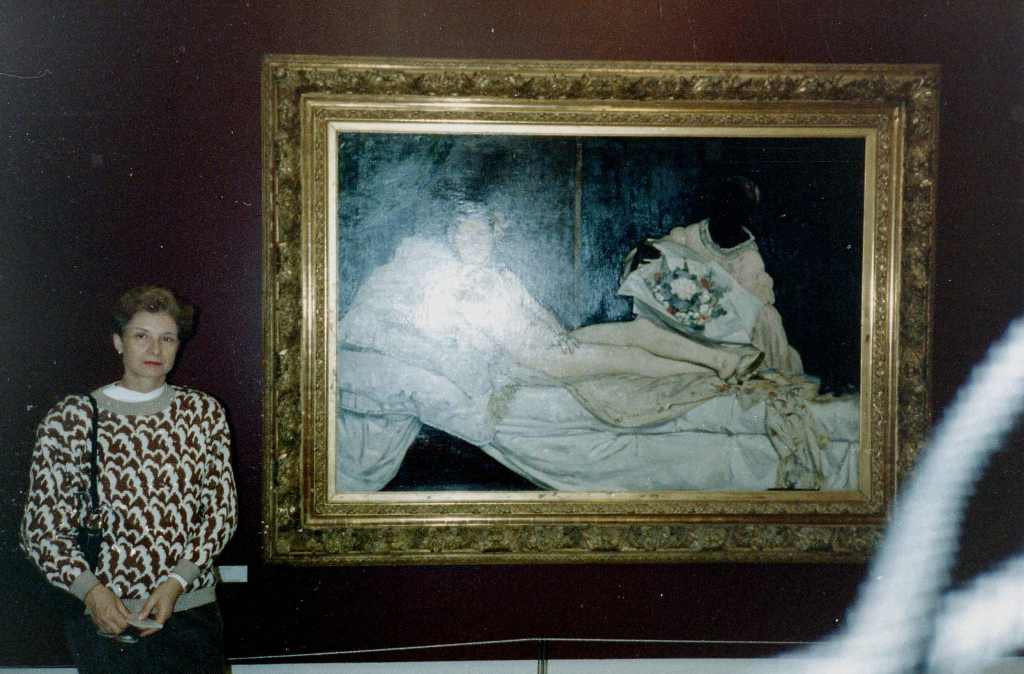
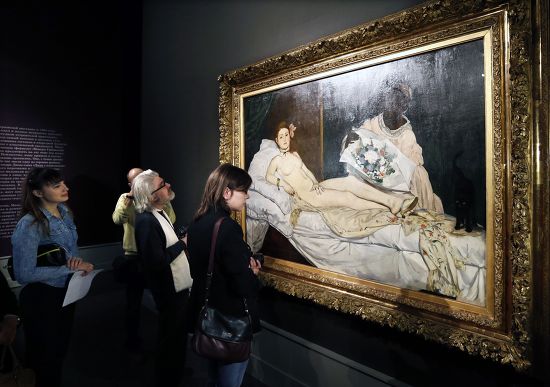
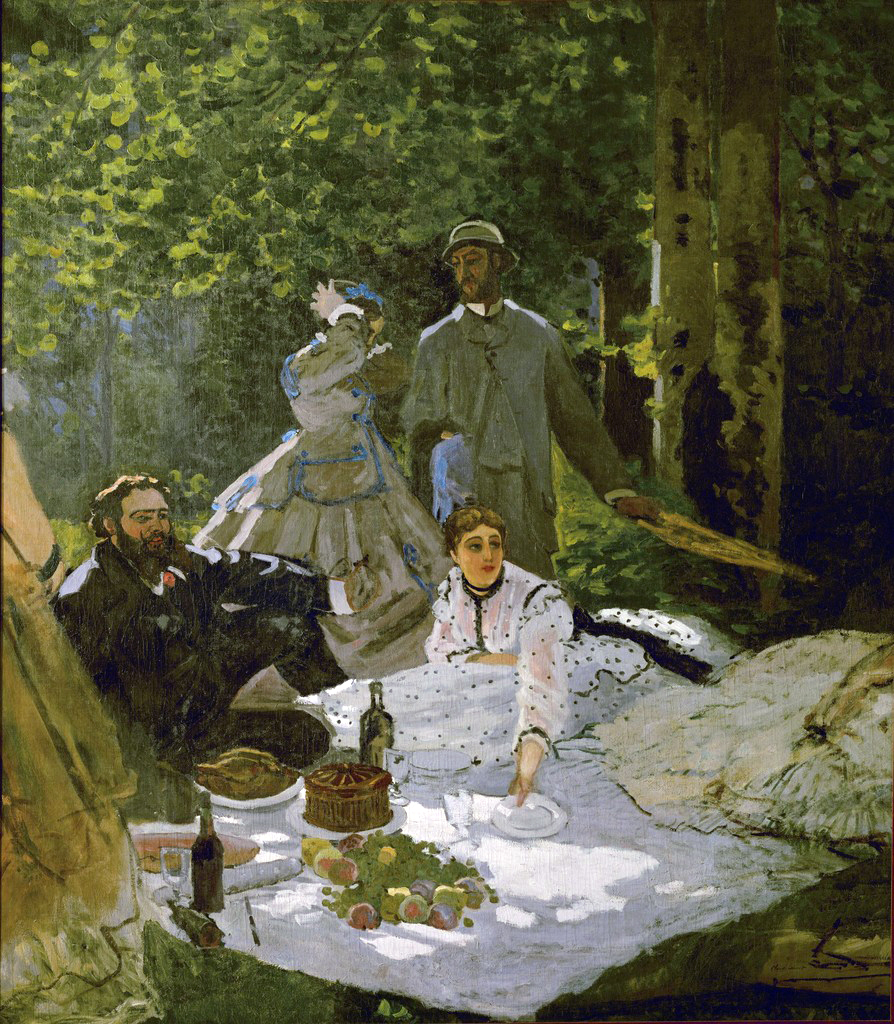
  • Édouard Manet :  Almoço na Relva  ( Lunch on the Grass ) and  Olympia .
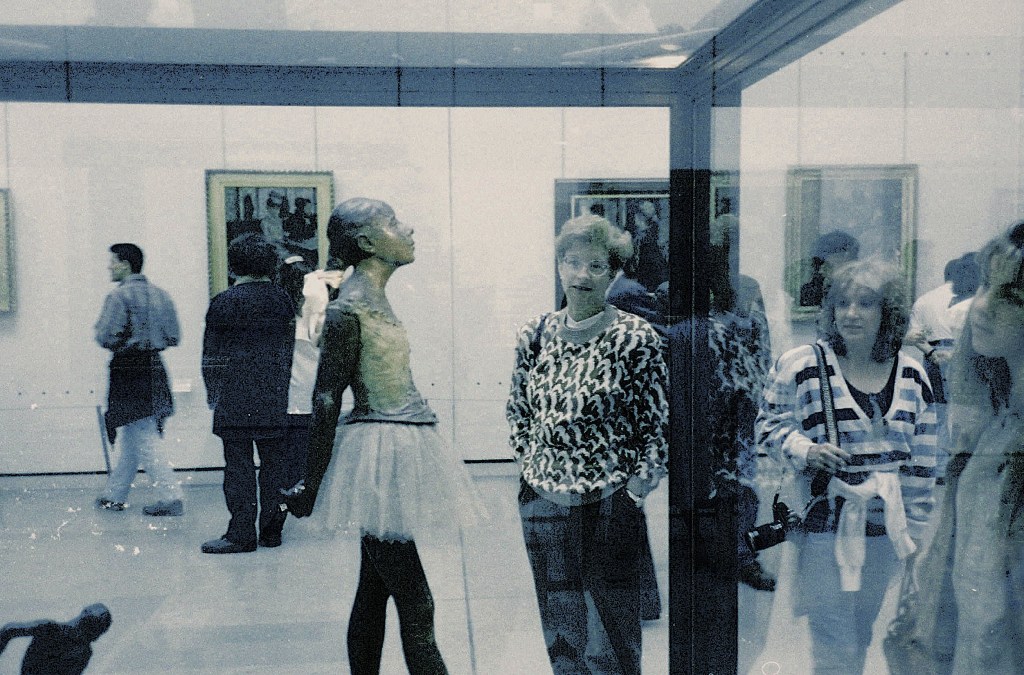
  • Edgar Degas : His iconic sculptures and paintings of ballerinas, such as  Little Dancer Aged Fourteen .
  • The Historic Building

The museum is as famous for its architecture as for its art. It is housed in the former  Gare d’Orsay , a monumental train station inaugurated for the 1900 Universal Exposition. 

  • Tip:  Don’t miss the giant clocks in the station; through them, you have a privileged view of the Seine River towards the Louvre.
Monet – The Artist’s Garden
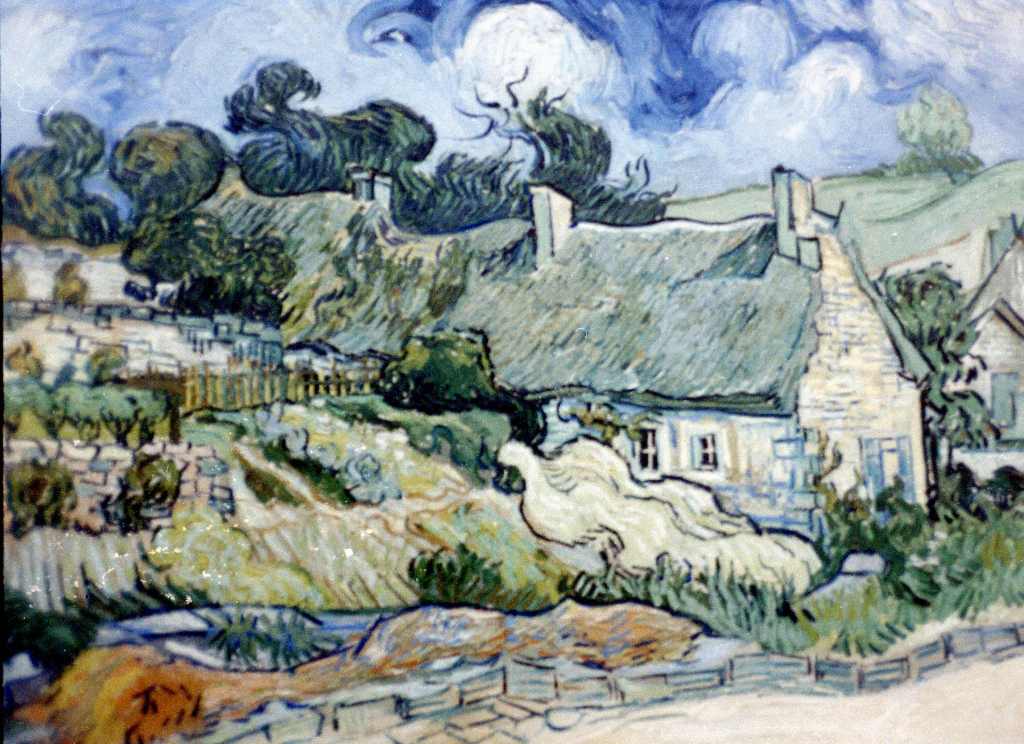
Thatched Cottages at Cordeville
Van Gogh – Night Out of the Rodano
Pierre-Auguste Renoir :  The Dance at the Moulin de la Galett
Olympia
Olympia.
Luncheon on the Grass – Monet

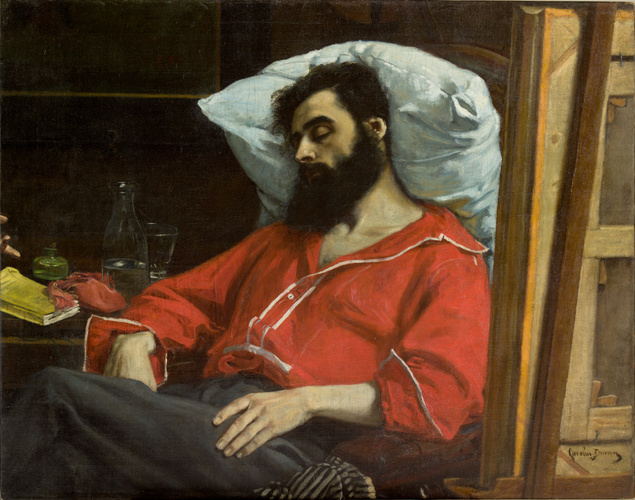
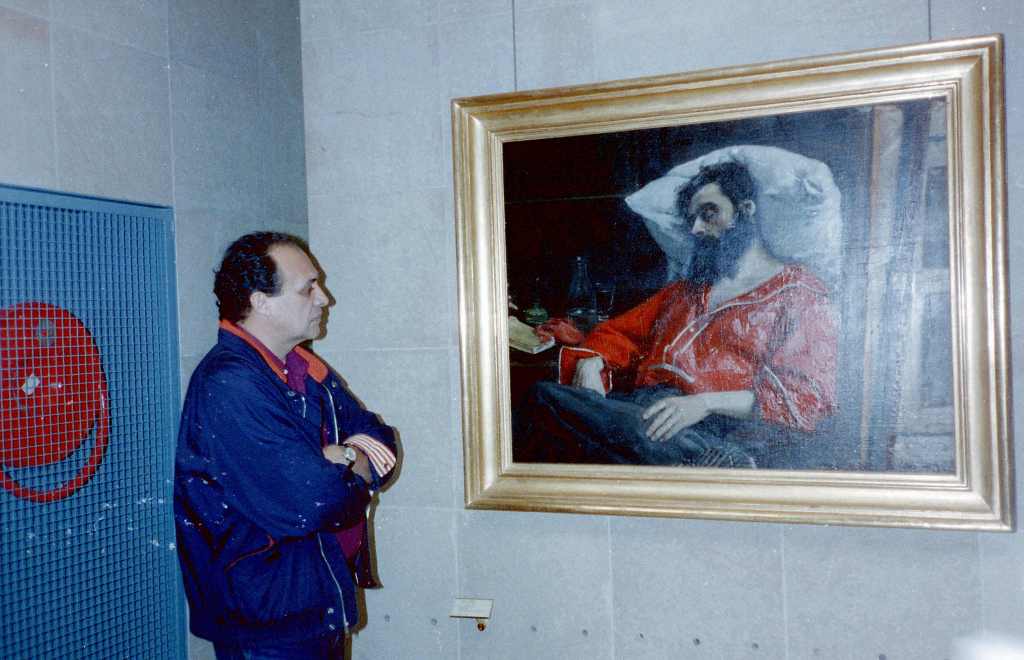
Emile-Auguste Carolus-Duran – Le Convalescent – Wounded man
Edgar Degas : Ballerina

Louvre Museum

When we were in Paris, we were helped by Elô’s Gilberto’s sister. I don’t remember if she did a master’s degree or her husband a doctorate at an university in Paris, but she had lived there and knew the city well. She guided Gilberto and Elô while they were there, and Gilberto gave me the information about the hotel, the subway, and tourist attractions. Since we were short on time, we prioritized the Musée d’Orsay because the Louvre would have required much more time. Even so, we went to the Louvre, we saw the glass pyramid, which, incidentally, had just been installed, saw the Mona Lisa and the largest painting in the world, but we didn’t take any photos.
As we are dedicating this website to our children and grandchildren, I will elaborate a little on the Louvre and how to do it with limited time, and here is a suggestion:

The  Louvre Museum in Paris is the largest and most visited art museum in the world. It houses over 35,000 works in a space of 60,000 square meters. Originally a  medieval fortress  dating back to 1190, it served as a royal palace for centuries before becoming a public museum in 1793 during the French Revolution.

Must-See Works (Masterpieces)

  • Mona Lisa  (Leonardo da Vinci): Denon Wing, Room 711.
  • The Wedding at Cana  (Paolo Veronese): The largest painting in the museum, located directly opposite the Mona Lisa.
  • Venus de Milo : Ancient Greek sculpture in the Sully Wing, Room 345.
  • Winged Victory of Samothrace : Hellenistic sculpture at the top of the Daru Staircase.
  • The Code of Hammurabi : One of the oldest sets of written laws in the world.
  • Napoleon III’s Apartments : Opulent 19th-century decoration in the Richelieu Wing.

Here is an efficient  3-hour itinerary  focused on the most iconic works, starting with the entrance to the Pyramid  or  Carrousel :

Hour 1: The Denon Wing (The Stars of the Louvre)

  • The Winged Victory of Samothrace : Climb the grand Daru Staircase. This marble statue of a winged goddess is one of the museum’s landmarks.
  • Mona Lisa (Room 711) : Follow the flow (and the signs) to the Grand Gallery. Be prepared for crowds; the painting is protected by glass and is located some distance away.
  • The Wedding at Cana : Don’t forget to turn your back to the Mona Lisa; the largest painting in the Louvre is right behind you, covering an entire wall.
  • French Painting : Upon leaving the Mona Lisa room, see  The Coronation of Napoleon  and  Liberty Leading the People  in the adjacent red rooms.

Hour 2: The Sully Wing (Antiquity and History)

  • Venus de Milo (Room 345) : Head down to the Sully Wing to see the world’s most famous Greek statue, known for its perfection and missing arms.
  • Medieval Louvre : Descend to the underground to walk through the old moat of the original 12th-century fortress. It’s the most “Castle-like” part of the museum.
  • The Sphinx of Tanis : On the way to the Egyptian antiquities, you will find this enormous granite sphinx.

Hour 3: The Richelieu Wing (Light and Luxury)

  • Hammurabi’s Code (Room 227) : A black basalt column containing one of humanity’s oldest codes of law.
  • Marly Courtyard and Khorsabad Courtyard : Areas covered by glass ceilings with incredible natural light, filled with monumental French sculptures and winged bulls from Mesopotamia.
  • Napoleon III’s Apartments : Finish the tour by seeing the extreme luxury of the Second French Empire, with giant chandeliers and red velvet.

Paris, a Cidade que Existe Porque a Imaginamos

See it in English

Dedicamos este post aos nossos filhos, netos e neta.

Tiago esteve em Paris varias vezes no ano passado, Gabriel acaba de visitá-la e isto nos remeteu, seus avós, às nossas bodas de prata, ocorrida em 1993, que comemoramos visitando Paris, viagem da qual ainda guardamos as fotos que agora publico tentando ordenar de alguma forma o que vimos e sentimos.

Há cidades que visitamos. E há cidades que já habitamos antes de chegar. Paris é do segundo tipo.

Quando o avião pousa no aeroporto Charles de Gaulle e o táxi, no nosso caso acho que foi ônibus ou algum tipo de transporte publico, entra na cidade pela primeira vez, algo estranho acontece — a sensação não é de descoberta mas de reconhecimento. As calçadas largas, os cafés com cadeiras viradas para a rua, a Torre Eiffel aparecendo inesperadamente entre prédios — tudo parece familiar. Como se já tivéssemos estado lá antes.

E de certa forma estivemos.

O metrô é uma agradável surpresa pela facilidade de atingir todos os pontos que importam de forma rápida, econômica e fácil de entender.
Os pontos turísticos, que vou apresentar mais na sequência, superam nossas expectativas. Aliás, tudo supera nossas expectativas.


A cidade que o cinema construiu

Paris foi filmada mais do que qualquer outra cidade da história. Não porque seja mais bonita que Roma ou mais dramática que Nova York — mas porque algo na sua luz, cidade luz como é conhecida, na sua escala humana, nos seus boulevards deliberadamente projetados para serem percorridos e vistos, convidou gerações de cineastas a construir ali os seus sonhos.

Gene Kelly dançou pelos seus jardins em  An American in Paris  em 1951. Audrey Hepburn atravessou as suas ruas com elegância impossível em Funny Face (Cinderela em Paris) e Charade. Audrey Tautou transformou Montmartre num bairro de magia quotidiana em Amélie.

O melhor filme sobre o que estamos conversando iria ainda ser criado muito depois que lá estivemos em 1993, que foi o filme de Woody Allen, Midnight in Paris, Meia Noite em Paris.

Cada filme adicionou uma camada ao imaginário. Cada camada tornou Paris mais Paris — não a cidade real mas a cidade que carregamos dentro de nós como promessa de que a beleza, o amor e a transformação são possíveis.

Quando um casal vai a Paris celebrar bodas de prata ou de ouro, ou para simplesmente namorar, como Tiago e Gabriel, não vai apenas a uma cidade europeia bonita. Vai à cidade que o cinema e a literatura construiu na imaginação das pessoas ao longo de décadas. E a cidade, que há muito aprendeu a ser o que a cultura disse que era, confirma a promessa.


Woody Allen e o momento da síntese

Em 2011, com 75 anos e um século de imaginário parisiense absorvido, Woody Allen fez algo que nenhum outro diretor havia conseguido — fez um filme sobre o imaginário de Paris sabendo que era um imaginário, sem por isso destruí-lo.

Midnight in Paris começa com cinco minutos sem diálogo — Paris ao amanhecer, à chuva, ao entardecer, à noite. Sem personagens, sem história, sem palavras. Apenas a cidade em toda a sua beleza deliberada. Allen está dizendo ao espectador antes de qualquer palavra ser proferida: vou mostrar-vos a cidade que todos carregais dentro de vós.

O protagonista Gil, interpretado por Owen Wilson, é um escritor americano que ama Paris com a intensidade de quem a conheceu primeiro pelos livros — Hemingway, Fitzgerald, Gertrude Stein. À meia-noite, magicamente, é transportado para o Paris de 1920 e encontra exatamente quem esperava encontrar. Hemingway fala como Hemingway escrevia. Fitzgerald é simultaneamente brilhante e frágil. Gertrude Stein recebe artistas no seu salão com autoridade serena.

Senti falta de uma elaboração semelhante para James Joyce… Mas entendo porque Woody Allen se esquivou: James Joyce é uma “pedreira” que não tem nada com a leveza e o que Paris sugere e vamos deixar para lá…

O filme de Woody Allen é absurdo. É impossível. E é completamente verdadeiro — porque é exatamente assim que esses personagens vivem na imaginação de qualquer pessoa que os leu.

O argumento filosófico escondido numa comédia romântica

O que torna Midnight in Paris genuinamente extraordinário não é o romance nem a magia nem Owen Wilson a vaguear pelas ruas iluminadas. É o argumento que Allen esconde dentro da leveza.

Adriana, a amante de Picasso que Gil encontra no passado, não sonha com os anos 1920 — sonha com a Belle Époque dos anos 1890. Quando os dois são magicamente transportados para esse período ainda mais recuado, os personagens da Belle Époque sonham com o Renascimento.

Allen está dizendo algo preciso e perturbador — a nostalgia não é uma fraqueza individual nem uma patologia. É a condição humana universal. Toda época olha para trás para uma idade de ouro que também olhava para trás para outra. O paraíso está sempre no passado — e o passado está sempre a recuar.

Como uma boneca matrioska..

E acrescento: e nossa recordação sempre vai ser construída como desejaríamos e imaginamos o que era e não como a realidade contaria, se não estivéssemos embebidos do espírito que analisamos aqui.

Gil percebe isso — e a percepção liberta-o. Não porque a nostalgia desapareça mas porque ele percebe que viver permanentemente nela é uma forma de não viver de todo. Paris de 1920 era extraordinária. Mas as pessoas que a habitavam estavam vivas — com problemas reais, amores difíceis, trabalho duro, incerteza sobre o futuro. A magia era a vida que estavam a viver, não a época em que a viviam.

Por que Allen acertou em cheio

Outros diretores filmaram Paris com amor mas sem distância. Allen filmou-a com amor e com distância — e essa combinação é o que faz o filme durar.

Um diretor mais jovem teria feito uma celebração ingénua ou uma desconstrução talvez cínica. Allen fez as duas coisas simultaneamente — celebrou o mito sabendo que é um mito, e mostrou que essa consciência não diminui a beleza, antes a aprofunda.

Porque no fundo é isso que Paris oferece — não a ilusão de que o passado foi melhor, mas a permissão para habitar plenamente o presente com a intensidade de quem sabe que este momento também passará e também será lembrado com nostalgia.

O casal que vai a Paris celebrar cinquenta anos juntos não está a fugir para o passado, como também qualquer casal. Está fazendo o que Gil finalmente aprende a fazer — estar completamente presente num lugar que a cultura tornou sagrado, sabendo que a sacralidade é uma construção, e escolhendo habitá-la na mesma.

Paris existe porque a imaginamos. E porque a imaginamos com suficiente consistência durante suficiente tempo — existe de verdade.
Woody Allen percebeu isso com a clareza que só os 75 anos e uma vida inteira de amor pela cultura permitem.
E fez um filme à altura dessa percepção.
Nós, seus avós, percebemos isto aos 25 anos de casados e confirmamos de volta para o futuro o que Woody Allen genialmente percebeu.

“If you are lucky enough to have lived in Paris as a young man, then wherever you go for the rest of your life, it stays with you, for Paris is a moveable feast.” — Ernest Hemingway

“”Se você tiver a sorte de ter vivido em Paris quando jovem, então, para onde quer que você vá pelo resto da vida, ela permanecerá com você, pois Paris é uma festa que se leva para qualquer lugar.”

Woody Allen percebeu que não é preciso ter vivido em Paris em jovem. Basta tê-la imaginado suficientemente bem. Ou tê-la visitado, você entende logo de cara porque ela exerce este fascínio, esta atração e porque está no imaginário das pessoas.

Nossa Viagem

Hotel Primavera

Vista do quarto

Passeando

“APOLIS BAR”

Metrô

Monumentos

Versailles

Lido

Prefeitura de Versailles

Notre Dame de Paris

Torre Eifel

Musée d’Orsay

Ele é mundialmente famoso por abrigar a maior coleção de obras impressionistas e pós-impressionistas do mundo. 

🎨 O que ver (Destaques)

A coleção foca na arte francesa produzida entre 1848 e 1914. Os principais destaques incluem: 

  • Claude MonetO Jardim do Artista em Giverny e a série da Catedral de Rouen.
  • Vincent van GoghA Noite Estrelada sobre o Ródano e seus famosos autorretratos.
  • Pierre-Auguste RenoirO Baile no Moulin de la Galette.
  • Édouard ManetAlmoço na Relva (Le Déjeuner sur l’herbe) e Olympia.
  • Edgar Degas: Suas icônicas esculturas e pinturas de bailarinas, como a Pequena Bailarina de Catorze Anos. 7

🏛️ O Edifício Histórico

O museu é tão famoso por sua arquitetura quanto por sua arte. Ele está instalado na antiga Gare d’Orsay, uma estação de trem monumental inaugurada para a Exposição Universal de 1900. 

  • Dica: Não deixe de ver os relógios gigantes da estação; através deles, você tem uma vista privilegiada do Rio Sena em direção ao Louvr

Monet – Jardim do artista
Thatched Cottages at CordevilleCasas de palha em Cordeville

Van Gogh – Noite estralada do Rodano
Pierre-Auguste RenoirO Baile no Moulin de la Galett
Olympia
Olympia.
Dejeuner sur l’herbe – Monet

Emile-Auguste Carolus-Duran – Le Convalescent – Wounded man
Edgar Degas: Ballerina

Musée du Louvre

Quando estivemos em Paris, fomos auxiliados pela irmã do Gilberto, da Elô, que não me lembro se ela fez mestrado ou o marido doutorado, em alguma universidade em Paris, mas tinha morado lá e conhecia bem a cidade. Ela orientou o Gilberto e a Elô quando estiveram lá e o Gilberto me passou a orientação, quanto ao Hotel, Metrô, pontos turísticos. Como estávamos com falta de tempo, privilegiamos o Musée D’Orsay porque o Louvre demandaria muito mais tempo. Mesmo assim, fomos ao Louvre, vimos a Pirâmide de vidro, que, aliás tinha acabado de ser instalada, vimos a Mona Lisa e a maior pintura do mundo, mas não tiramos nenhuma foto.
Como estamos dedicando este site aos nossos filhos e netos, vou elaborar um pouco sobre o Louvre e como fazer com pouco tempo, e aqui vai a sugestão:

Musée du Louvre, em Paris, é o maior e mais visitado museu de arte do mundo. Ele abriga mais de 35 mil obras em um espaço de 60 mil metros quadrados. Originalmente uma fortaleza medieval de 1190, serviu como palácio real por séculos antes de se tornar um museu público em 1793, durante a Revolução Francesa.

Obras Imperdíveis (Masterpieces)

  • Mona Lisa (Leonardo da Vinci): Ala Denon, Sala 711.
  • As Bodas de Caná (Paolo Veronese): A maior pintura do museu, localizada bem em frente à Mona Lisa.
  • Vênus de Milo: Escultura grega antiga na Ala Sully, Sala 345.
  • Vitória de Samotrácia: Escultura helenística no topo da Escadaria Daru.
  • Código de Hamurábi: Um dos conjuntos de leis escritas mais antigos do mundo.
  • Apartamentos de Napoleão III: Decoração opulenta do século XIX na Ala Richelieu.

Aqui está um roteiro eficiente de 3 horas focado nas obras mais icônicas, começando pela entrada da Pirâmide ou Carrousel:

Hora 1: A Ala Denon (As Estrelas do Louvre)

  • A Vitória de Samotrácia: Suba a grande Escadaria Daru. Esta estátua de mármore de uma deusa alada é um dos marcos do museu.
  • Mona Lisa (Sala 711): Siga o fluxo (e as placas) para o Grande Galeria. Prepare-se para a multidão; a pintura é protegida por vidro e fica a uma certa distância.
  • As Bodas de Caná: Não esqueça de virar as costas para a Mona Lisa; a maior pintura do Louvre está logo atrás de você, cobrindo uma parede inteira.
  • Pintura Francesa: Ao sair da sala da Mona Lisa, veja A Coroação de Napoleão e A Liberdade Guiando o Povo nas salas vermelhas adjacentes.

Hora 2: A Ala Sully (Antiguidade e História)

  • Vênus de Milo (Sala 345): Desça em direção à Ala Sully para ver a estátua grega mais famosa do mundo, conhecida por sua perfeição e braços ausentes.
  • Louvre Medieval: Desça ao subsolo para caminhar pelo antigo fosso da fortaleza original do século XII. É a parte mais “Castelo” do museu.
  • A Esfinge de Tânis: No caminho para as antiguidades egípcias, você encontrará esta enorme esfinge de granito.

Hora 3: A Ala Richelieu (Luz e Luxo)

  • Código de Hamurábi (Sala 227): Uma coluna de basalto negro com um dos códigos de leis mais antigos da humanidade.
  • Pátio Marly e Pátio Khorsabad: Áreas cobertas por tetos de vidro com luz natural incrível, cheias de esculturas monumentais francesas e touros alados da Mesopotâmia.
  • Apartamentos de Napoleão III: Termine o tour vendo o luxo extremo do Segundo Império Francês, com candelabros gigantes e veludo vermelho.

New York

Chartres

Genebra