Idéia vs realidade: O caso dos motores a jato
Este vídeo vai servir de base para a discussão acima:
A ideia é mais fácil do que a realidade que a recebe.
Qualquer engenheiro, ou qualquer pessoa em outras áreas de conhecimento, sabe disso desde o primeiro contato com resistência dos materiais — a disciplina que ensina, antes de qualquer outra coisa, que o mundo real não se comporta como o modelo. O aço que parece rígido no cálculo flui sob tensão sustentada. A estrutura que parece estável no papel desenvolve modos de vibração que ninguém antecipou. A resistência dos materiais não é sobre fraqueza — é sobre a diferença entre o que o material é no papel e o que ele faz quando o mundo real começa a agir sobre ele.
Mas o problema vai além da engenharia. Em qualquer domínio onde uma ideia precisa encontrar a realidade — uma empresa tentando entrar num mercado, uma política pública tentando mudar comportamento, um médico tentando introduzir um protocolo novo num hospital — o obstáculo raramente é a ideia em si. É a resistência do sistema onde ela precisa operar: os incentivos já estabelecidos, os hábitos acumulados, os processos que existem porque alguém um dia decidiu que era assim e ninguém jamais teve motivo suficiente para mudar.
Michael Polanyi chamava isso de conhecimento tácito — o saber que não está no manual, que só existe em quem já operou o sistema por tempo suficiente para sentir onde ele cede e onde ele empurra de volta. Uma turbina de cristal único não pode ser fabricada por quem leu o blueprint; exige décadas de prática acumulada que não se transfere por documento. O mesmo vale para qualquer processo humano complexo: a distância entre saber o que precisa ser feito e conseguir fazê-lo dentro da realidade que existe é onde a maioria das boas ideias para.
A ideia é o começo. Operacionalizá-la é o trabalho — e esse trabalho exige conhecer não só o que você quer construir, mas a resistência específica do material onde vai construir.
Ante de mencionar material, vamos fazer uma breve introdução confirmando ou expandindo que a engenharia concentra isto na materia conhecida como resistencia dos materiais e…. o que mais?
A engenharia concentra essa tensão entre ideia e realidade em várias disciplinas, mas resistência dos materiais é onde ela aparece de forma mais crua e mais honesta. É a matéria que ensina que todo material tem um limite — de tensão, de deformação, de fadiga — e que esse limite não negocia com o projeto. O projeto se adapta, ou falha.
Mas resistência dos materiais não está sozinha. Termodinâmica faz o mesmo para energia: o que parece eficiente no papel encontra perdas reais que a segunda lei garante que sempre existirão. Mecânica dos fluidos revela que o escoamento real — turbulento, viscoso, cheio de instabilidades — raramente se comporta como o escoamento idealizado dos modelos. Teoria das estruturas mostra que uma ponte calculada para carregar X desenvolve modos de vibração que ninguém antecipou até que o vento certo apareça — como Tacoma Narrows em 1940, que colapsou não pelo peso mas pela ressonância aeroelástica, um fenômeno que os cálculos estáticos simplesmente não enxergavam.
E há uma disciplina que talvez seja a mais honesta de todas nesse sentido: a ciência dos materiais em si, que estuda não o material idealizado mas o material real — com suas imperfeições cristalinas, suas discordâncias, seus contornos de grão que são exatamente onde a fratura começa. A turbina de cristal único existe porque alguém entendeu que o inimigo não era a temperatura, era o contorno de grão — e removeu o contorno. Esse é o tipo de solução que só aparece quando você para de lutar contra a realidade do material e começa a entender sua estrutura profunda.
O que todas essas disciplinas têm em comum é a mesma lição: a realidade tem estrutura própria, e operacionalizar qualquer ideia exige conhecer essa estrutura antes de tentar impor o projeto sobre ela.
Há uma dimensão que transcende o indivíduo e o projeto: certas culturas e países acumularam, ao longo de gerações, não apenas a vocação para esse tipo de pensamento rigoroso, mas toda uma infraestrutura que o sustenta e o reproduz.
A Alemanha é o exemplo mais citado, e não por acaso. A tradição do Handwerk — o artesanato de precisão elevado a cultura nacional — criou uma base de conhecimento tácito que precede a industrialização moderna e a sustenta até hoje. Quando a Alemanha produz equipamento de precisão, turbinas, sistemas ópticos ou automóveis de engenharia complexa, não está só aplicando ciência — está destilando séculos de cultura da exatidão transmitida de mestre a aprendiz, de laboratório a fábrica, de universidade técnica a chão de produção. O sistema dual de educação alemão, que combina formação acadêmica com aprendizado prático desde cedo, não é política educacional recente — é institucionalização de uma mentalidade muito mais antiga.
O Japão construiu algo análogo por caminho diferente: a cultura do kaizen — melhoria contínua incremental — e o conceito de monozukuri, a arte de fazer coisas, elevam o processo de fabricação a algo próximo de uma prática filosófica. Não é coincidência que os maiores avanços em manufatura de precisão do século XX tenham vindo de lá.
Os Estados Unidos dominam pela escala da infraestrutura de pesquisa e pela capacidade de atrair e concentrar talento global em torno de problemas de fronteira — o que produziu, entre outras coisas, o domínio em motores de alto desempenho e semicondutores avançados.
E apenas três ou quatro países no mundo conseguem fabricar turbinas de cristal único com confiabilidade — Estados Unidos, Reino Unido, França e China, esta última depois de décadas de investimento deliberado para romper uma barreira que não se vence com dinheiro apenas, mas com tempo, tentativa, fracasso acumulado e cultura industrial que aprende com cada falha.
A ideia pode nascer em qualquer lugar. Mas operacionalizá-la no nível mais alto exige um ecossistema inteiro — universidades, indústria, cultura, tradição e infraestrutura — construído ao longo de gerações. Esse é talvez o recurso mais difícil de criar e o mais difícil de copiar.
Motores a jato foram primeiramente percebidos na Alemanha, mas a guerra fez com que a Inglaterra dominasse este campo com os motores Rolls Royce e é um dos episódios mais instrutivos da história da tecnologia — precisamente porque ilustra que a percepção da ideia e a dominância da execução raramente pertencem ao mesmo lugar.
Hans von Ohain na Alemanha e Frank Whittle na Inglaterra desenvolveram o conceito de propulsão a jato de forma independente e quase simultânea no final dos anos 1930. Von Ohain chegou ao primeiro voo a jato funcional em 1939, com o Heinkel He 178 — tecnicamente, a Alemanha foi primeiro. O motor Jumo 004, que equipou o Messerschmitt Me 262, foi o primeiro motor a jato a entrar em operação militar em escala, em 1944.
Mas a guerra fez o que as guerras fazem com tecnologia: redistribuiu o domínio de forma que os inventores não controlavam. A Alemanha foi derrotada antes de poder consolidar a vantagem industrial. Os engenheiros alemães foram capturados e dispersos — alguns foram para os Estados Unidos via Operação Paperclip, outros para a União Soviética. O conhecimento tácito acumulado foi literalmente dividido entre os vencedores.
A Inglaterra, com Whittle e depois com a Rolls-Royce, fez algo diferente: transformou o conceito em produto industrial sustentável. A Rolls-Royce não apenas construiu motores — construiu a infraestrutura de materiais, metalurgia, testes e refinamento contínuo que permitiu dominar o campo por décadas. O nome Rolls-Royce tornou-se sinônimo de confiabilidade de motor a jato não pelo primeiro voo, mas por décadas de excelência acumulada na execução.
É a mesma lição da turbina de cristal único: quem percebe a ideia primeiro não necessariamente é quem aprende a construí-la melhor. A dominância pertence a quem tem tempo, infraestrutura e cultura para transformar o conceito em conhecimento tácito profundo e reproduzível — e a história da Rolls-Royce é talvez o exemplo mais elegante disso no século XX.
Como foram minhas experiências de trabalho
Fiz um post detalhando como sai de “drop out” do curso médio e atingi o desenvolvimento da minha persona profissional, que pode ser visto clicando aqui, mas ficou um pouco longo e provavelmente boring para a maioria das pessoas.
Para evitar isto e o consumo de tempo, resolvi criar relatos de como era trabalhar naquela determinada posição e naquele tempo e destaquei as seguintes experiências que me pareceram significativas e dão uma idéia de como era isso.
Esta ordem é tão cronológica quanto possivel, mas provavelmente não é exata:
Vamos dar um intervalo e entender o que estava acontecendo no Brasil.
Swift, Gessy Lever, Clark, Bosch
Entrada na Engenharia Industrial da IBM
Como sai da Engenharia Industrial e fui para a Engenharia do Produto
Como era selecionado quem ia treinar no exterior
Porque os assignments de Rochester e Raleigh falharam
Como era trabalhar na Engenharia do Produto nos quinze anos que fiquei la suportando maiframes
Atividades depois da Engenharia do Produto
O Instituto Latino Americano de Tecnologia
Projetos do Paulo Silveira que me envolvi
Fim da carreira docente e o Mestrado que não defendi
Como fui parar na EESC – USP S.Carlos
Sequência da Segunda Bolsa na EESC USP de São Carlos
A Inteligência Artificial como Estatística em escala
Protegido: Segunda rodada com o Bremer
Câncer na próstata: O caso do Lito
Lito, gosto do que você faz e acabo de saber que você está com câncer na próstata, com metástase no pulmão e o braço esquerdo dormente sem diagnóstico.
Bem vindo ao clube! Sem ironia…
Descobri em outubro de 24 que eu tenho câncer de cólon, CID 19, com metástase no fígado e no pulmão.
Não vou contar minha história, mas basicamente após definição errada de tratamento, iniciei quimioterapia em 8 de Janeiro de 2025 visando o fígado, que felizmente descobri em tempo antes de entrar para uma cirurgia do cólon, que se eu tivesse feito, creio que já estaria morto.
Tenho 83 anos e já fui assombrado quando tinha sua idade com câncer da próstata, que era diagnóstico mal feito, com 4 biopsias e mais de ano com aquela espada na cabeça, com o exame que ninguem quer fazer, mas que sempre empacava numa formação calcificada que eu tenho na próstata que gente incompetente não sabia distinguir, coisa que felizmente encontrei um bom profissional que me alertou e a coisa foi resolvida com finasterida.
Os prognósticos para seu caso são os melhores possíveis e, com o perdão da franqueza, se você se ater ao que a ciência e a tecnologia disponível oferecem, e deixar um pouco de lado esta história de energia, ou qualquer coisa alternativa, suas chances são excelentes.
Não sei de sua habilidade com computadores ou inteligência artificial, mas foi em parte o que me salvou e o que me ajuda diante do fato da vida, que o câncer não é um doença, é mais de 200 e os tratamentos no Brasil, permitidos pelos planos médicos, visam a doença e não o doente e este ajuste entre seu câncer e seu biotipo, no caso dos planos médicos seguem o que eles conseguem pagar e não o que seria ideal, que seria explorar exatamente seu biotipo em relação ao cancer que tem e estes efeitos colaterais que você apresenta.
Para isto, Inteligência Artificial é excelente, mas tem que ser usada com cuidado, porque ela erra e erra feio e aconselho você não dizer aos médicos, principalmente terceiras opiniões, e eles mesmos vão te ensinar a manusear Inteligência Artificial e você vai descobrir sozinho o que melhor te atende e aí pode passar a exigir.
Meu câncer apresenta um quadro bem menos animador que o seu e sem entrar em detalhes, te passo o enderêço do que eu estava sentindo quando atingi um dos pontos mais baixos, quando eu achava que estava condenado a definhar e morrer num processo que não há nada que segure, quando chegou sua hora.
Usei minha expertise e submeti as informações que pude tirar do seu post e usei o Chat GPT, que é considerado o mais poderoso atualmente, embora não seja especializado em diagnóstico de qualquer doença.
O que ele falou sobre você, foi o seguinte:
Perguntei ao Chat GPT: Um amigo, que descobriu recentemente que tem cancer de prostata e esta no processo de decidir uma cirurgia, apresentou tambem alguma metastase no pulmão e um adormecimento inexplicavel no braço esquerdo. O que voce acha disto?
Roque, minha impressão é que essas três informações juntas merecem uma investigação rápida e cuidadosa, mas não permitem concluir uma única explicação.
Vamos separar os fatos.
- Câncer de próstata
Hoje, felizmente, muitos cânceres de próstata têm excelente prognóstico quando localizados.
A decisão entre cirurgia, radioterapia ou tratamento sistêmico depende principalmente de:
grau de agressividade (escore de Gleason/Grade Group);
PSA;
extensão da doença;
idade e estado geral do paciente.
2. “Alguma metástase no pulmão”
Esse ponto me chamou muito a atenção.
O pulmão não é o local mais comum de metástase do câncer de próstata.
A sequência clássica costuma ser:
linfonodos;
ossos (especialmente coluna, pelve e costelas);
depois outros órgãos.
O pulmão pode, sim, receber metástases, mas geralmente isso ocorre em doença mais avançada.
Por isso seria importante esclarecer:
foi realmente confirmada metástase?
ou apareceu apenas um nódulo pulmonar?
esse nódulo foi biopsiado?
pode ser outro tumor primário?
Isso muda completamente a interpretação.
- Dormência no braço esquerdo
Esse é o dado que mais me preocupa.
Ele não é um sintoma típico do câncer de próstata.
As possibilidades são muitas.
As mais comuns são benignas:
hérnia de disco cervical;
compressão de nervo;
síndrome do túnel do carpo;
neuropatia.
Mas existem causas que precisam ser descartadas:
metástase na coluna cervical;
compressão do plexo braquial;
um evento vascular cerebral (AVC ou AIT);
mais raramente, uma lesão cerebral.
Se a dormência surgiu de repente, ou vier acompanhada de fraqueza, dificuldade para falar, assimetria facial ou perda de equilíbrio, isso deve ser avaliado imediatamente em um serviço de emergência.
A cirurgia
Outra observação.
Se realmente houver metástases confirmadas fora da próstata, principalmente pulmonares, a cirurgia deixa de ser uma decisão automática.
Ela pode continuar sendo indicada em alguns casos muito específicos, mas normalmente o urologista e o oncologista discutem primeiro o tratamento sistêmico (bloqueio hormonal, medicamentos adicionais e, dependendo do caso, quimioterapia ou outras abordagens).
Por isso é fundamental que o estadiamento esteja completamente esclarecido antes da operação.
Se fosse um amigo meu…
Eu sugeriria que ele tivesse respostas claras para estas perguntas antes de decidir:
O pulmão realmente contém metástases comprovadas ou apenas nódulos suspeitos?
Foi realizado PET-CT ou cintilografia óssea/PSMA PET?
A dormência do braço já foi investigada por um neurologista ou com ressonância da coluna cervical e/ou do cérebro?
A cirurgia continua indicada mesmo considerando todo o estadiamento?
Talvez minha experiência acompanhando sua situação influencie um pouco minha forma de olhar esses casos. Vi como o estadiamento completo e a escolha correta do tratamento fizeram diferença no seu próprio percurso. Por isso, antes de uma cirurgia importante, eu daria muito valor a esclarecer exatamente o significado do nódulo pulmonar e da dormência no braço.
Se você souber mais detalhes — idade dele, PSA, resultado da biópsia (Gleason), tamanho da próstata, quantas lesões pulmonares existem e como foi feito o diagnóstico da metástase — consigo comentar o caso de forma muito mais específica.
_________________________________________________________________
Lito, está cheio de metástase que o PET scan simplesmente não pega e você pode seguir já as orientações de exames sugeridos pela Inteligência Artificial, ou passar mais informações e cercamos mais o problema para um diagnóstico mais preciso e evitar tratamento que não seja o mais indicado, ou pior, que esteja deixando de lado algo que efetivamente pode te matar.
Roque Ehrharde de Campos
Whatsapp: 19 9821 24352
Protegido: Análise estratégica
Nossa (CB 25) coletânea sobre documentos oficiais apresentada no COPANT – Abril de 1993
Esta apresentação, em espanhol, contém básicamente todos os elementos que deram origem à minha tese de mestrado, que virou um documento oficial do Governo Brasileio e que foi o “cracking” que resolveu todo o problema de certificação/acreditação da ISO 9000 e tudo que vai em volta abrindo o mercado europeu para os produtos brasileiros.

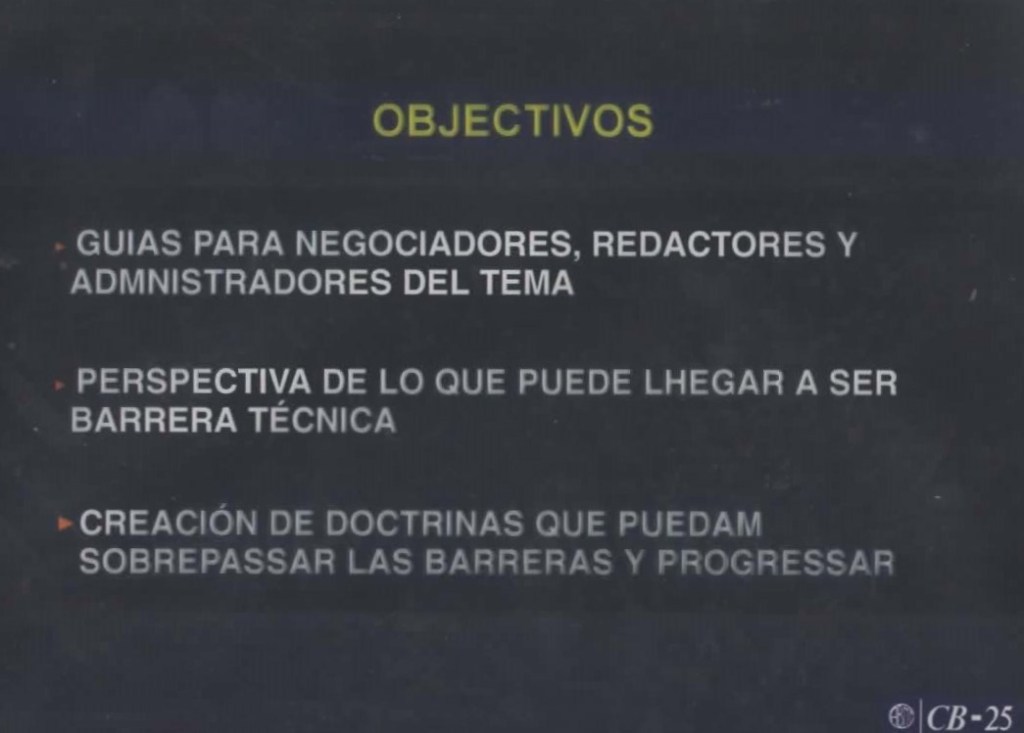
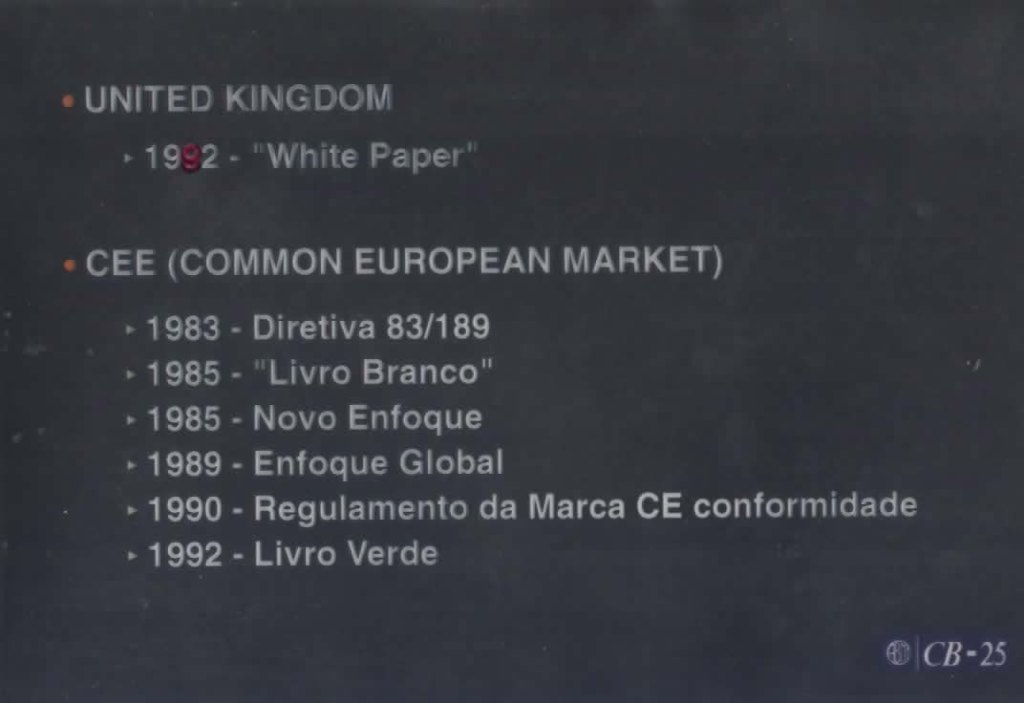
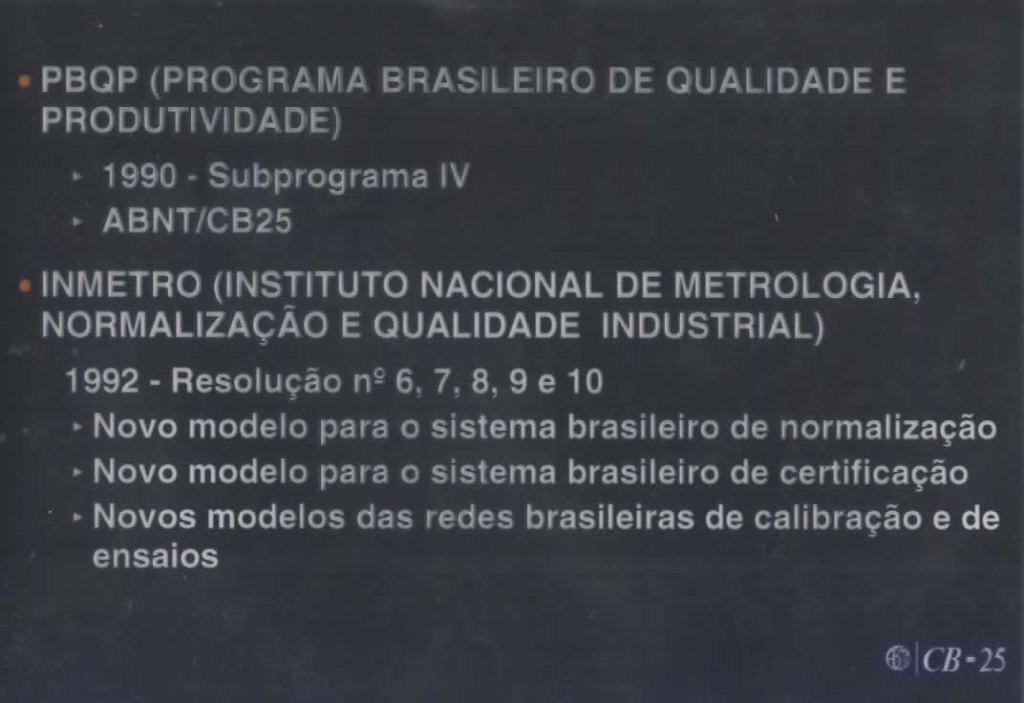

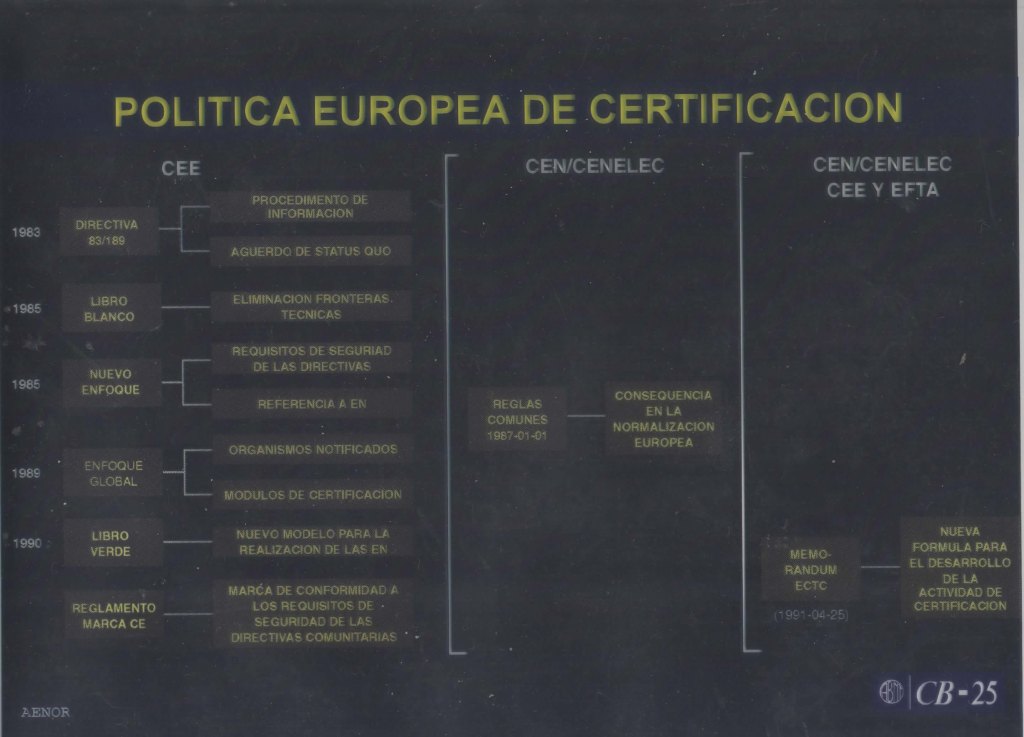
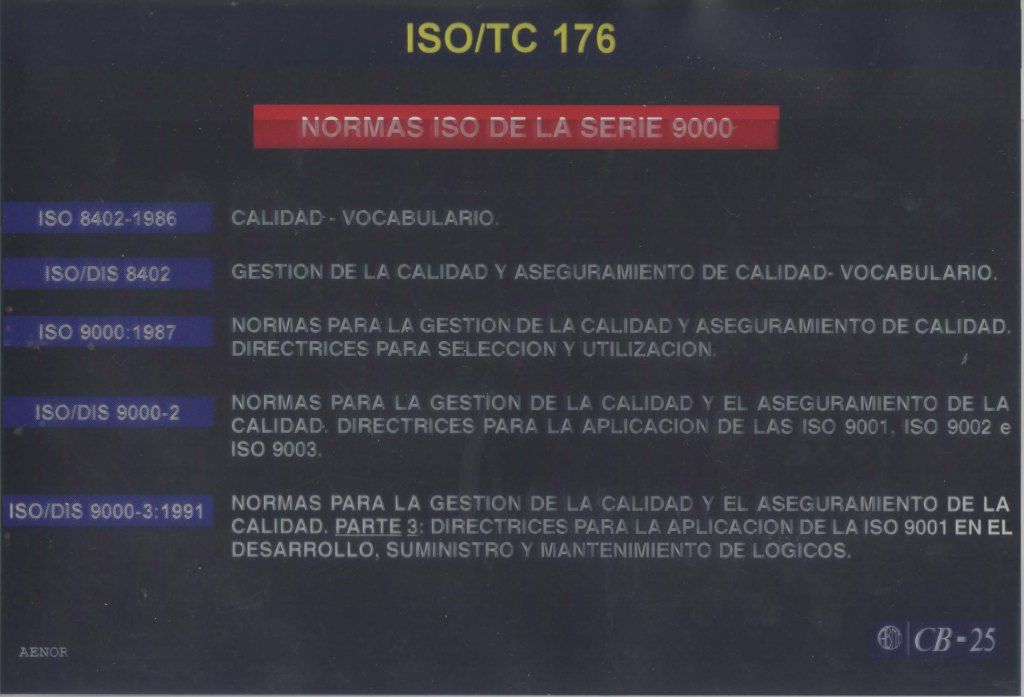
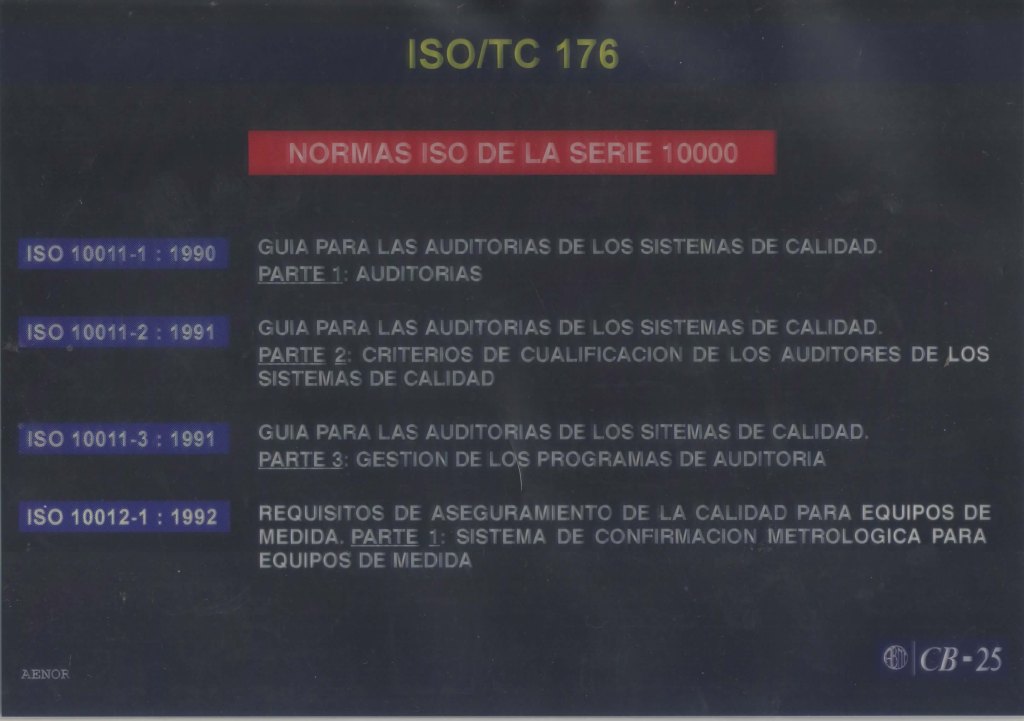
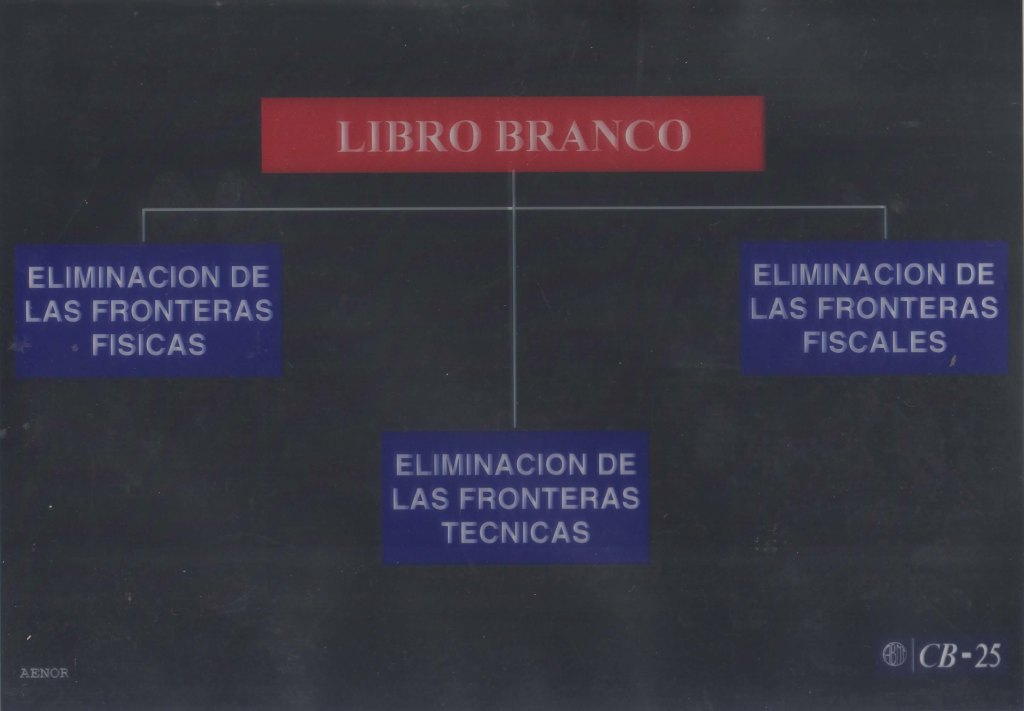
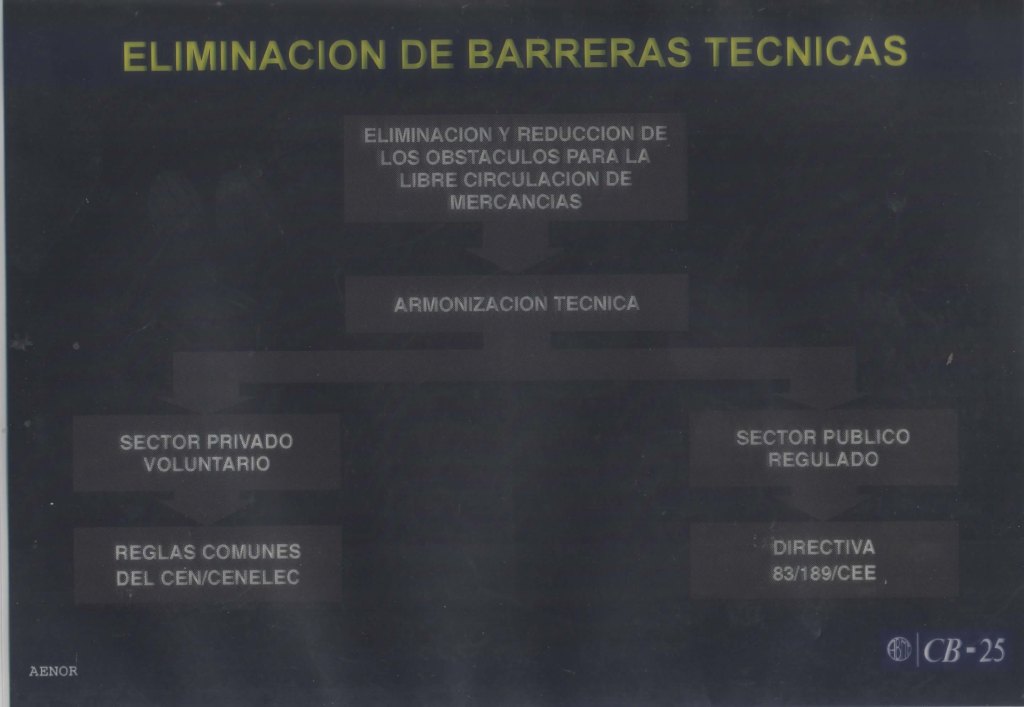
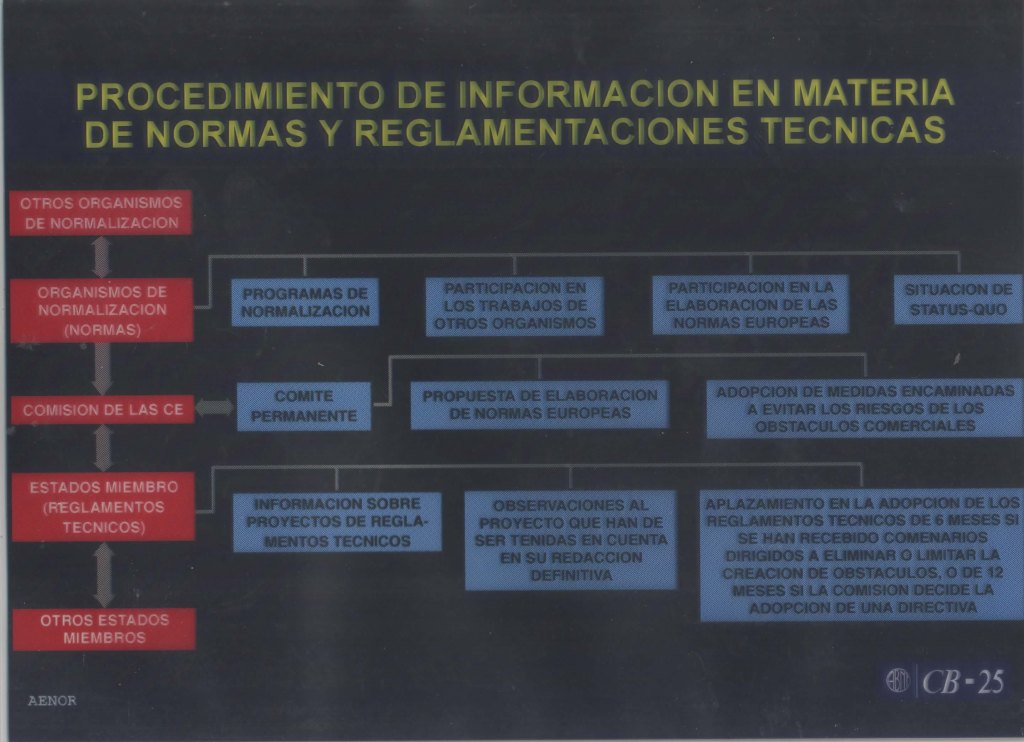
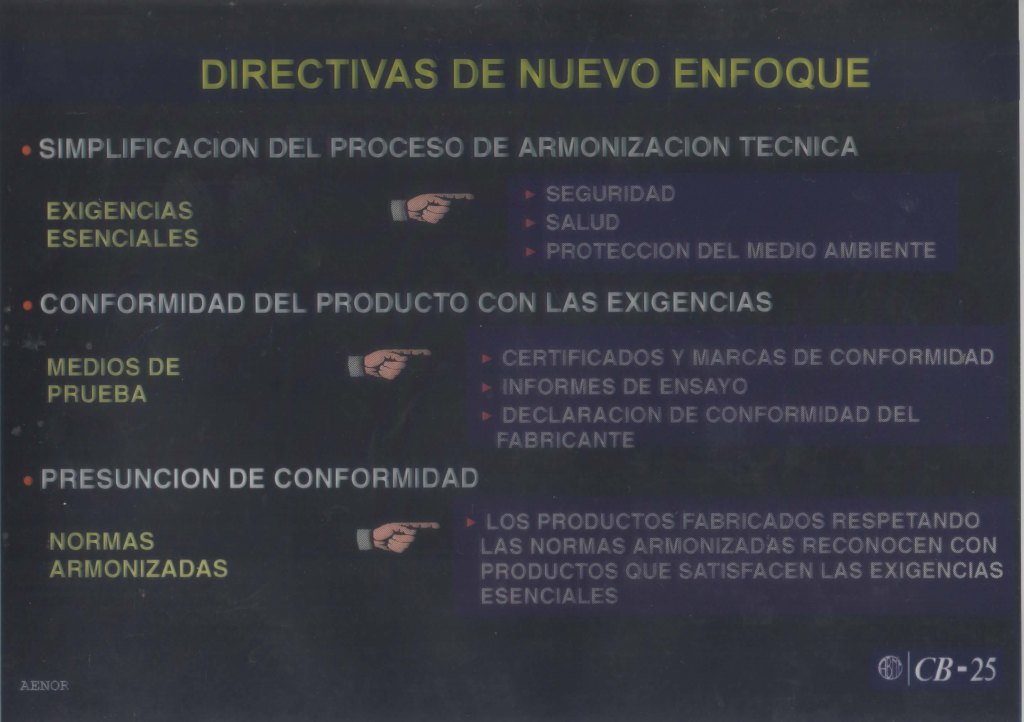
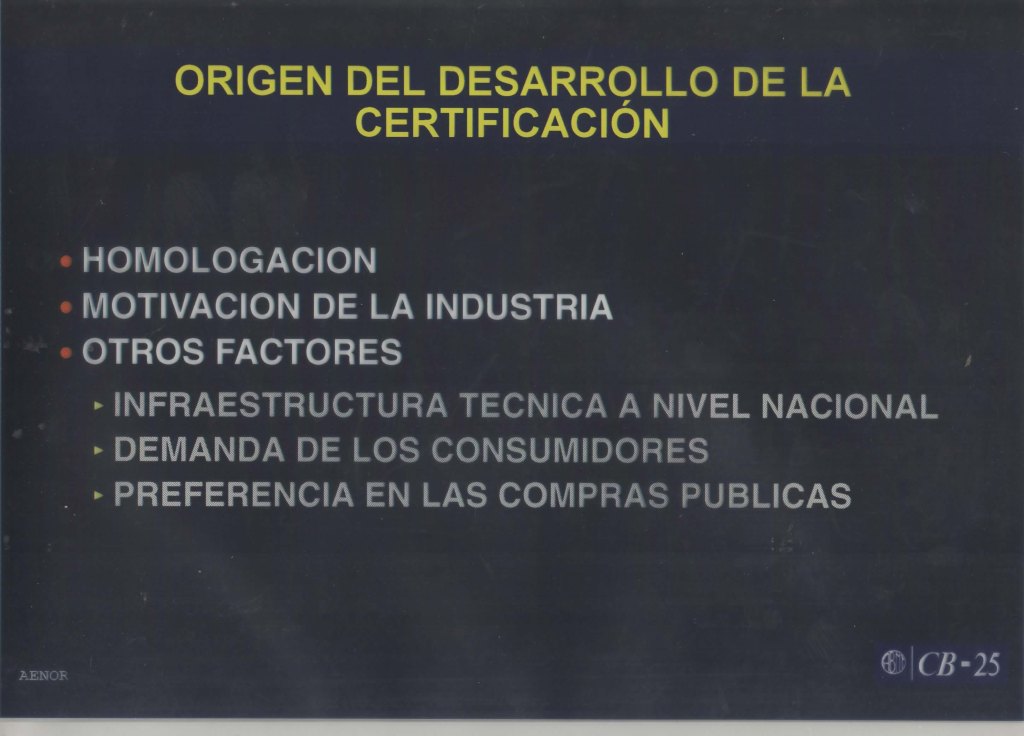
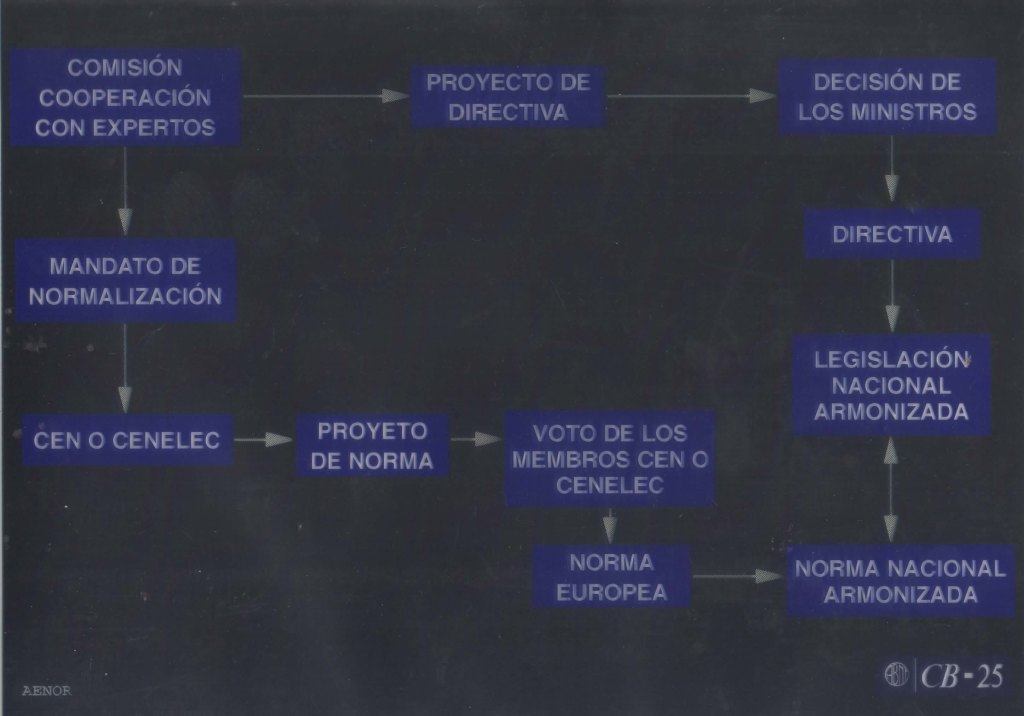
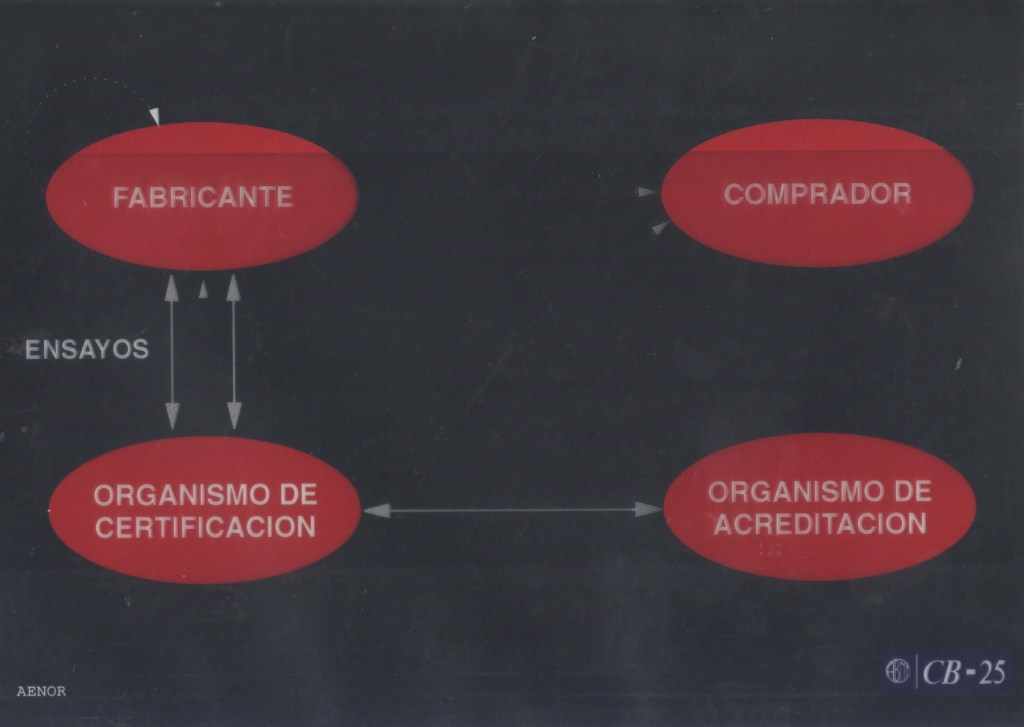
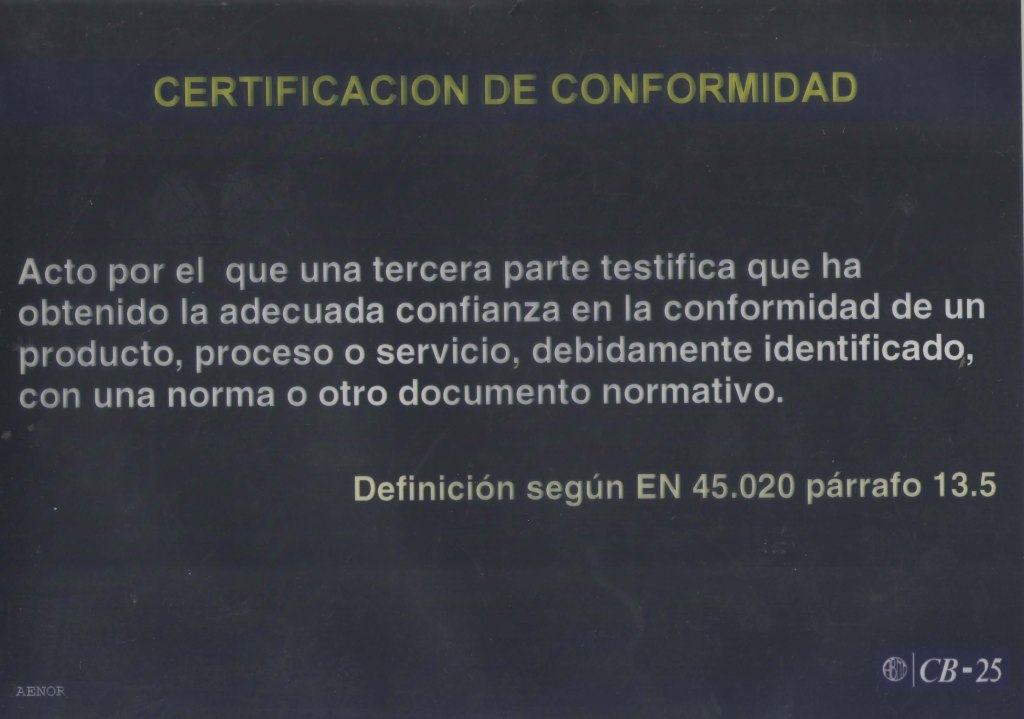
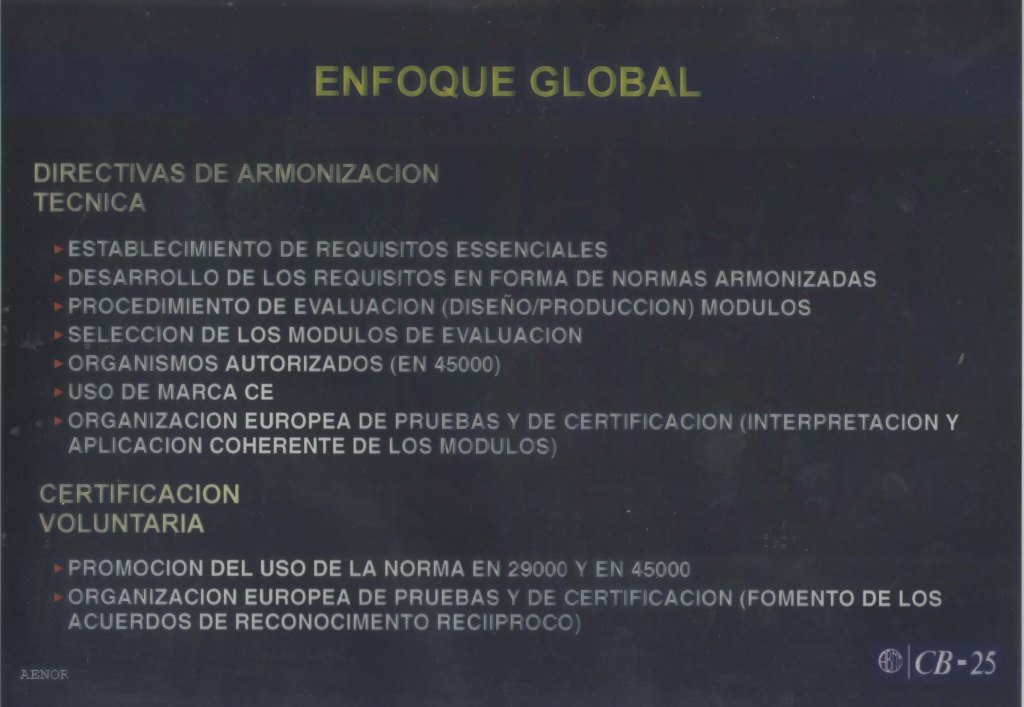
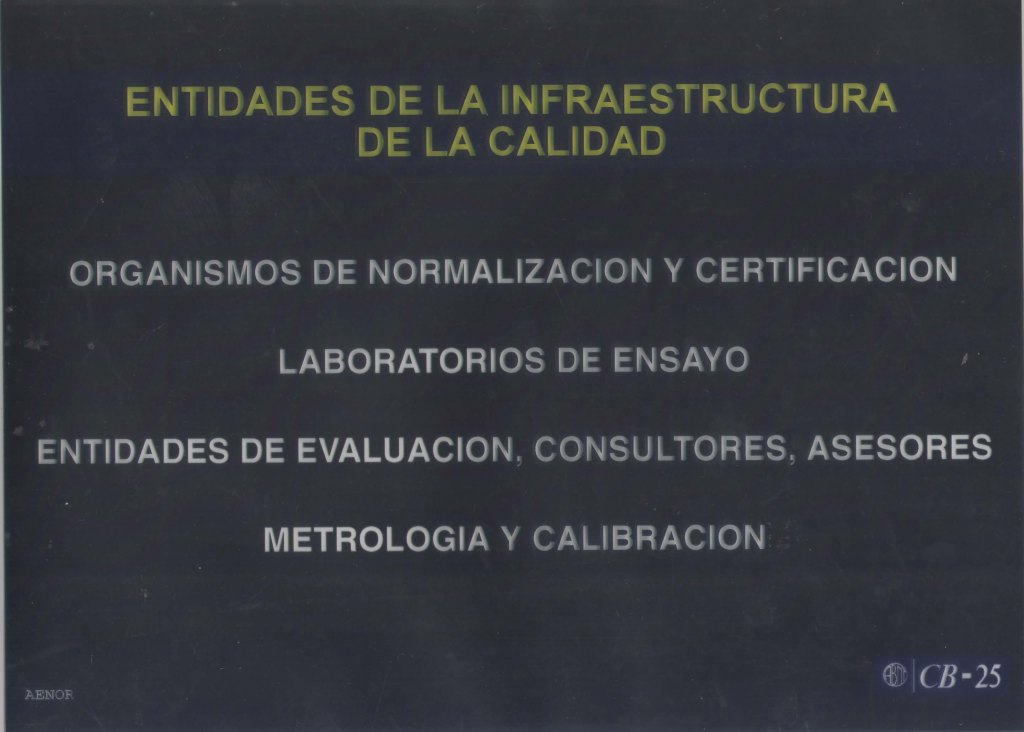

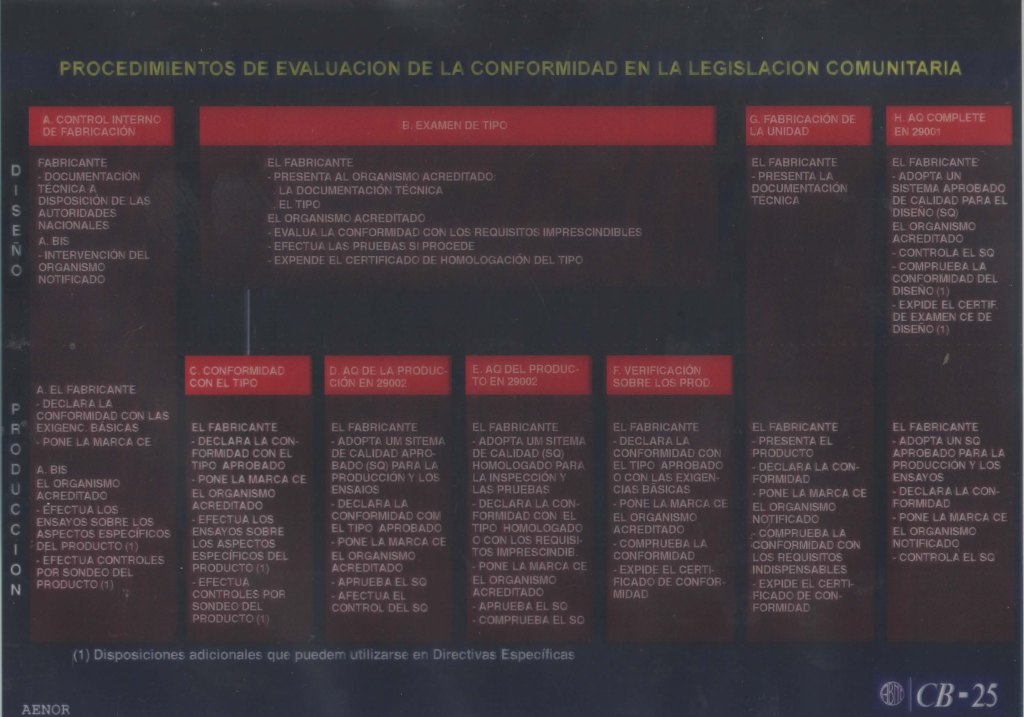
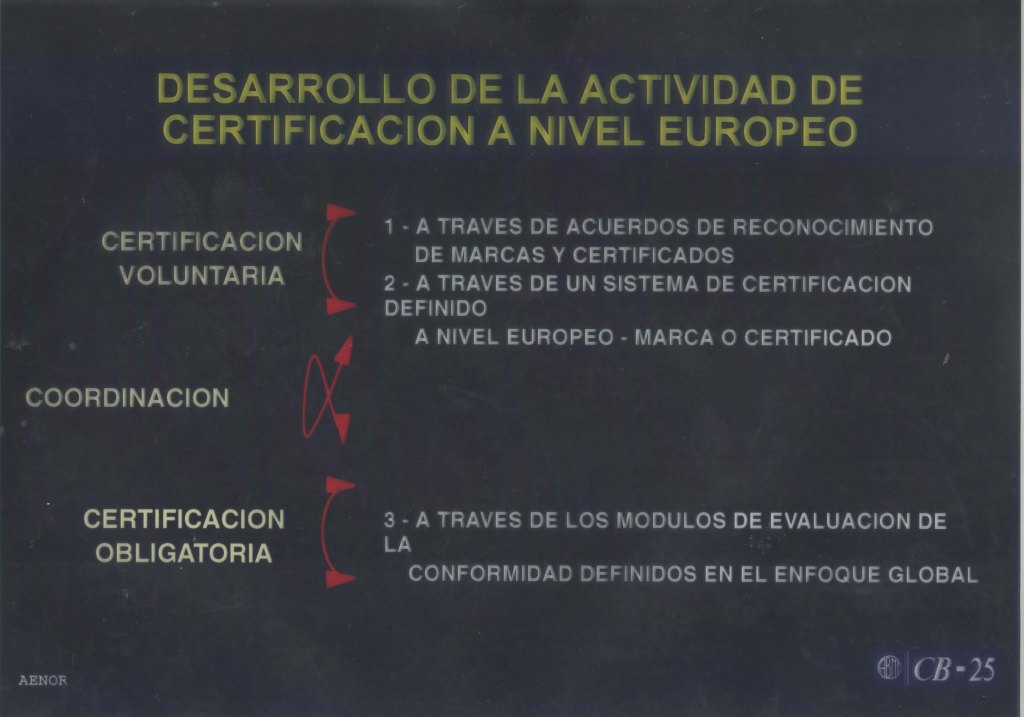
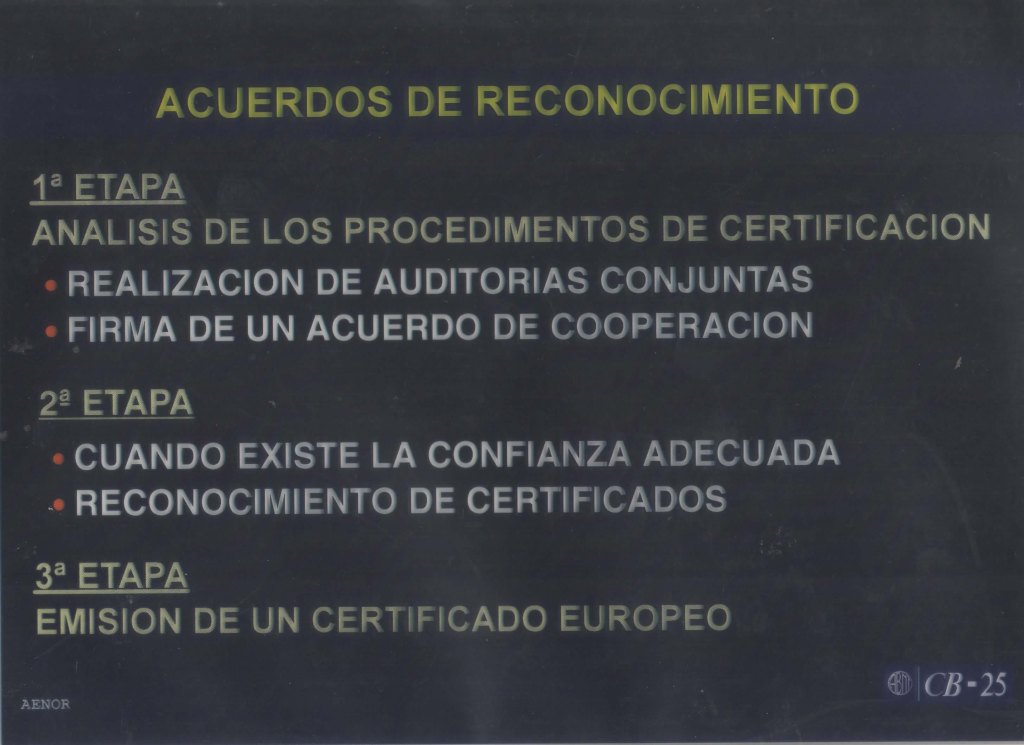
Resumo Executivo COPANT, COPOLCO, DEVCO, CASCO e IAF, entre 12 de abril e 1o. de Maio de 1993, em Santiago do Chile e em Genebra.
O Relatório sobre a reunião da Copant -Santiago do Chile – de 12 a 16/4/93 foi o seguinte:
Resumo Executivo
A reunião se dividiu em tres partes:
- Agenda do conselho
- Primeiro Forum Copant/ISO 9000
- Reuniao Extraordinaria do Conselho p/Eleição da Diretoria.
Agenda:
A agenda completa segue em anexo, porém, dos pontos considerados, excluindo-se procedimentos próprios deste tipo de reunião, salientamos:
Aprovação do balancete anterior e proposta para 1993
O orçamento da COPANT gira em torno de 80000 dólares para 1993 e a despesa de 1992 foi 78000.
O balancete completo segue anexo, porém salientamos que das cotas que suportam aquelas despesas, compõem os eguintes valores às seguintes entidades:
Dos membros ativos:
- ANSI (USA) $20000
- SCC (Canadá) $10000
- ABNT (Brasil)$ 6000
- DGN (Alemanha)$ 6000
Sub total $42000
Dos Aderentes:
- AENOR (Espanha) $5000
- ANOR (França) $5000
- IPQ (Portugal) $5000
- 5000UNI (Italia) $5000
Sub total $20000
Ou seja, 92% das atividades estão ai suportadas.
Certificação
O ICONTEC da Colombia apresentou uma proposta de acreditação a nível Copant das entidades certificadoras.
Embora seja virtualmente impossivel de ser negociada com as “counter- parts” da Europa/Mundo, dado ao seu aspecto peculiar, revela a disposição do grupo.
Esta proposta serviu de veículo para uma discussão que será relatada mais adiante que tivemos com a Aladi.
Relações institucionais – Copant/ISO
Estava presente o secretario da ISO, Dr.Lawrence Eicher, americano, provindo da Academia, que dá uma idéia da importância que a ISO dá as atividades na America Latina. Transpareceu, de forma mais ou menos clara, que a Copant poderia ter assento no Board executivo da ISO. O Dr.M.Peralta, presidente da ANSI (American National Standards Institute) enfatizou como algo que a ANSI apoiaria.
Dr.Peralta afirmou em várias ocasiões que a postura da ANSI com relação ao enfoque da Comunidade de Certificação, é deixar as forças do mercado agirem livremente. Ele salientou também que na NAFTA não permeia a ideia de certificação e distribuiu um interessante documento sobre o conceito da ANSI de normalização voluntária e que dá excelentes subsídios para aquele projeto que o CB25 tem de fazer uma coletânea NAFTA.
Normas aprovadas
A COPANT, despeito seu reduzido orçamento, conseguiu aprovar as seguintes normas, que tem status regional e reconhecimento da ISO, ou seja, existem como se fossem européias ou americanas:
- 13 sobre alimentos 5 sobre a ISO 9000 (as próprias)
- 5 sobre a ISO 9000 (as próprias)
- 37 sobre siderurgia (trabalho heróico do Dr.Hans R.Eggers, do ILAFA, Instituto Latino Americano del Fierro y del Acero, que o Brasil participa e suporta. Seguem em anexo.
Salientamos a proposta da ALAF (Associacion Latinoamericana de Ferrocarriles) que quer homologar pela Copant suas 242 normas. Isto é muito importante, pois se referem ao trânsito de containers ferroviários certificados pelas ferrovias latino-americanas. O IRAM coordena e o Brasil suporta.
Primeiro Fórum Copant/ISO 9000
Expositores:
- Dr.Eicher da ISO
- Mr.N.Cook da ISO
- Mr.C.Maheux, vice presidente da CSC (Canada)e ex-IBMista
- Sr.E.Martinotti vice presidente da UNI (ITÁLIA)
- Sr.J.L.Sanchez, diretor de certificação da AENOR (Espanha)
- Sr.I.P.Garcia, diretor executivo do INN (Chile)
Apresentações convencionais
Apresentamos nossa nossa coletânea sobre documentos oficiais do Mercado Comum e Governo brasilciro na reunião do Conselho. Foi muito bem aceita, tendo o Sr.Hernan Pavez Garcia, diretor executivo do INN do Chile lamentado a não inclusão no fórum, pois em sua opinião esta apresentação tinha muitas informações importantes.
Doamos, em nome do CB25 a apresentação para a COPANT, pois que podem ir estudando o texto a reproduzirem. Ficou bastante claro que o CB25 e a ABNT estão amplamente preparados em atividades de capacitação e informações pertinentes ao assunto.
Reunião Extraordinária do Conselho para/Eleição da Diretoria
Com a morte do Presidente eleito na última reunião feita na Espanha em Maio de 1992, Ing.Javier Henao Londono, o Vice Presidente anterior, Ing. Pablo Benia assumiu a atal presidência.
O Eng. Pablo Benia decidiu convocar nesta reunião da COPANT uma assembleia extraordinaria para eventualmente convocar nova eleição.
O representante do Mexico, ing.Javier Acosta se apresentou como candidato, porem o eng.Pablo Benia esclareceu que ele não queria propriamente uma nova eleição, mas não queria usufruir do estatuto, que é omisso nestes casos, mas apenas um referendum quanto ao fato de ter assumido a presidencia por ter sido eleito vice.
Os presentes rejeitaram a hipotese de nova eleição, baseados nos estatutos, que embora seja omisso quanto a este caso, é muito claro quanto a prazos para novas eleições.
Foi proposto então a eleição de um novo vice presidente, e apresentaram-se tres candidatos: Mexico, Argentina e Venezucla.
A Argentina retirou sua candidatura e foi cleito o Ing.Tito Zambrano, do Covenin (Comision Venezolana de Normas Industriales), ficando portanto a secretaria executiva e a vice presidencia na Venezuela. Estes dois senhores serão os representantes Copant no Casco/ISO e discutimos amplamente as questões relativas a isto, em reunião separada.
Conforme foi dito no item Certificação, o Secretário da ALADI, Dr.Antonio J.C.Antunes, que estava no país em visita oficial, cm sua apresentação ao grupo, lembrou que o tratado de Montevidéu, na sua resolução 32, assinado pelos ministros plenipotenciários dos países participantes, prevê a possibilidade de um acordo macro entre os participantes, com características institucionais e com comprometimento no sentido de viabilizar as demandas de oficialização das acreditações a níveis nacionais. Ele lembrou também que o Mercosul não tem dispositivos deste tipo e que o alto grau de desnível existente entre os países nesta matéria de Normalização, criaria um obstáculo para a região negociar isto a nivel da Comunidade ou do mundo. Ele se dispôs a montar uma proposta neste sentido e arregimentar não somente a Copant, como também o grupo Andino ou quaisquer outras instituições que dentro da abilizar região possam viabilizar um pleito dessa natureza.
Ele alocou o Ing.Enrique C.D’Angelo, chefe de estudos e projetos da ALADI para esta finalidade e espera uma reunião o quanto antes.
COPOLCO – 29 e 30 de Abril 1993
Este comitê de chama: “Consumer Policy Committe” ou seja, Comitê sobre Política do Consumidor.
A Agenda constou de 15 itens, sendo significativos os seguintes:
- Revisão das guias ISO 14 e 37 (instruções e informações sobre o produto para о consumidor)
- Relatorio sobre prioridades do ponto de vista do consumidor;
- Revisão dos programas técnicos da ISO e IEC do ponto de vista do consumidor;
- Normalização e atividades correlatas na Europa соo interesse do consumidor.
Apresentação
Tema: O papel da padronização e a prevenção de acidentes e promoção da segurança.
Síntese das conclusões/definições/recomendações
A certificação de Sistemas pela norma ISO 9000 não garante qualidade. A qualidade pode ser ruim mesmo se o sistema for certificado. Tem que haver uma combinação com o processo do “design”. A avaliação de conformidade processada pelo CASCO carece de representação de inputs do consumidor.
Recomendação ao Brasil (Roque):
- Devemos pedir status de P member;
- Devemos nos alertar para a questão de normalização e alimentos.
DEVCO – 26 e 27 de Abril 1993
Este comitê de chama: “Development Countries” ou seja, Comitê sobre Países em desenvolvimento.
A agenda constou de 16 itens, sendo significaticos os seguintes:
- Implementação do programa de desenvolvimento da ISO;
- Factibilidade do estabelecimento de um sistema internacional para reconhecimento de organismos de certificacãocertificação;
- Seminario Seminario ISO/World Bank;
- Seminarios IOS/DIN(DGQ).
Síntese das conclusões/definições/recomendações
- Tem que haver ação concreta quanto a resolução 28 da ISO (Esta resolução prescreve uma certificação única para o mundo inteiro, via via acreditação internacional; Recomenda-se o uso das guias ISO/IEC;
- Ha suporte da posição dos Estados Unidos. Nota:Salienta-se dos paises participantes: Etiopia, Ghana, Guyana, Indoncsia, Iran, Jordania, Kenya, Malaysisa, Mauritius, Myiamar, Nigeria, Peru, Philipines, Romania, Senegal, Sri Lanka, Siria, Tanzania, Trinidad e Tobago, Uganda, Vietnam, Neрal.
- A Europa ainda mantem um certo jugo do tempo colonial e os paises não gostam e os Estados Unidos “douram” sua posição como contra isto. Os EUA querem respaldo politico para romper a “Fortress Europe”.
- Existe demanda de uma lista de Consultores ISO 9000 confiaveis;
- Querem manter anter sua integridade, isto é não foram modelos para a norma ISO 9000;
- Ha necessidade de mais normas correlatas, como por ex. MDQ, eco-sistema, etc.
- Na questão do reconhecimento de certificações para estes paises, a questão do “Liability” fica complicada
Recomendação ao Brasil (Roque):
- Devemos estudar cuidadosamente todas as oportunidades e usá-las em nosso país nas regiões similares aos países salientados anteriormente;
- Devemos agir como consultores para os países de nossa esfera de influência, por ex. Paraguai, Uruguai, Copant, etc. no sentido que eles tirem o que esta disponivel;
- A oferta do World Bank é particularmente interessante e merece um cuidado muito grande. Historicamente os interessados não conseguem implementar solicitações. Podemos agilizar isto e capitalizar em nosso favor, quer diretamente, quer politicamente.
- Uma articulação bem feita nesta área pode nos dar o peso que precisamos na Comunidade Europeia e na NAFTA pela liderança que podemos conquistar
Nota em Junho de 2026: DEVCO foi um antigo departamento da Comissão Europeia (órgão executivo da União Europeia). Seu propósito era formular as políticas de cooperação e assistência ao desenvolvimento em todo o mundo, com foco na redução da pobreza, direitos humanos e desenvolvimento sustentável. Em janeiro de 2021, a DG DEVCO foi oficialmente renomeada e reestruturada para DG INTPA (Direção-Geral de Parcerias Internacionais)
CASCO – 3,4 e 5 de Maio 1993
O CASCO é o Comitê de Avaliação da Conformidade da ISO (Organização Internacional de Normalização). Ele é responsável por desenvolver políticas, criar diretrizes e publicar normas internacionais focadas em garantir que produtos, serviços, sistemas ou processos atendam aos requisitos especificado
Este comite de chama: “Conformity Assesment Committe” ou seja, Comite sobre avaliação sobre conformidade
A agenda constou de 21 itens, sendo significativos os seguintes:
- Relatório sobre outros grupos
- Conformidade e o ISO Guide 2: Termos e Definições
- Relatorio WG 8 Avaliação de organismos de certificação (resolução 28)
- Relatorio sobre o “Codigo de boas praticas…”
- Implementação da resolução 28
- Troca de experiencias nacionais (haviam 44 membros participantes)
Síntese das conclusões/definições/recomendações
- Há que se servir as necessidades dos consumidores;
- Há que se desenvolver confianca domestica (dentro dos paises) em certificações extrangeiras;
- Há que se eliminar multiplas avaliações;
- Há que se incorporar considerações sobre qualificação dos auditores;
- Avaliação via “peer review”, isto é, pelos pares;
- Há que se usar um sistema direto usando um comitê gerencial;
Nota: no Caso do peer review, forma-se um comite dos paises sob as seguintes condições:
- Participação tem que ser voluntaria;
- A operação do sistema tem que promover a competição (evitar cartorio);
- A base tem que ser as guias ISO/IEC, particularmente 48 с 10011/12;
- Sistema tem que ser sistema para evitar confusão sobre terminologia e uso;
- Tem que haver um forum com todos participando;
- IHá que haver reconhecimento e accitação dos resultados pelas partes envolvidas, quer publicas, quer privadas como decisões independentes
- Os paises em desenvolvimento tem que ser levados em conta
- Tem que haver forma adequada de relatorio e informações.
Recomendação ao Brasil (Roque):
A partir da reunião do COMETRO dia 26 de Maio de 1993, devera ser formado um comite que elaborará sobre o assunto. Deveremos participar e então exporemos nossos pontos de vista.
IAF – 30|4 e 1 de Maio 1993
Este forum nao é da ISO, porem ela o acolhe, por solicitação da ANSI/NSTI e provavelmente o Depto.de Comercio
Americano, pois foi nas premissas da ISO.
O International Accreditation Forum é uma promoção dos operadores “de facto” de Acreditação e dos efetivamente
afetados, isto é Japão, USA с Alemanha, que são muito afetados.
Este grupo tem expectativa de entrar no vácuo criado pela resolução 28 da ISO.
O INMETRO, através de nossa representação esta dentro, pois esta reunião foi a segunda e a primeira, pouco ou quase nada se definiu. A ata da primeira reunião segue anexa.
Nota em junho de 2026
O International Accreditation Forum (IAF) foi uma associação global focada na conformidade e acreditação de sistemas de gestão, produtos e serviços.
Em 1º de janeiro de 2026, o IAF fundiu-se com a International Laboratory Accreditation Cooperation (ILAC). Juntas, essas duas entidades foram substituídas por uma nova organização única chamada Global Accreditation Cooperation Incorporated (GloAC)
História improvável de como a BMW sobreviveu, eliminou a concorrência e virou símbolo de uma geração
Das hélices ao asfalto: a história improvável de como a BMW sobreviveu, eliminou a concorrência e virou símbolo de uma geração
Quando visitei a fábrica da BMW em Munique como pesquisador de melhoria de qualidade de ensino na EESC de São Carlos, o que me impressionou não foi a linha de montagem moderna nem o museu impecável. Foi perceber que aquela empresa quase não existiu. Que em determinado momento da história, ela fabricava panelas.
A BMW que o mundo conhece hoje — sedãs esportivos, precisão alemã, o logotipo que imita uma hélice em movimento — foi construída sobre os escombros de duas guerras e uma série de decisões que misturaram genialidade estratégica com, no mínimo, jogo sujo corporativo de alto nível.
A empresa nasceu fabricando motores de avião. Durante as duas Guerras Mundiais, era fornecedora da aviação militar alemã — daí o logotipo, que representa as cores da Bavária e, segundo a lenda, uma hélice em rotação contra o céu azul. Com a derrota de 1945, as fábricas foram destruídas ou confiscadas, e a produção de aeronaves foi proibida pelos Aliados. A orgulhosa fabricante de motores se viu obrigada a produzir panelas, bicicletas e utensílios domésticos para pagar as contas. Era isso ou fechar as portas.
A saída temporária veio de um projeto italiano licenciado: o Isetta, aquele minicarro exótico em forma de bolha com porta na frente que no Brasil tambem foi fabricado com o nome Romi Isetta. Estranho, simpático e barato de produzir, ele pagou as contas da empresa durante os anos mais difíceis do pós-guerra. Mas a BMW sabia que vender bolhinhas não era destino para uma fabricante de motores de alta performance. Precisava voltar a fazer carros de verdade.
Para entender como chegou lá, vale recuar até os anos 1920. O primeiro automóvel de passeio da história da BMW foi o Dixi — produzido sob licença do Austin 7 britânico, lançado em 1922. O Austin 7 havia revolucionado a mobilidade na Grã-Bretanha ao oferecer um carro pequeno, acessível e confiável numa época em que automóvel era artigo de luxo. A BMW copiou a fórmula, aprendeu o ofício, e começou a desenvolver identidade própria a partir daí.
De volta aos anos 1950: o Isetta vendia, mas o BMW 600 — uma versão maior e mais ambiciosa do mesmo conceito — foi rejeitado pelo público e gerou prejuízos que aceleraram a crise. A empresa estava à beira da falência quando a Daimler, dona da Mercedes-Benz, fez uma oferta de compra. Foi um momento de decisão existencial. A BMW escolheu resistir, descontinuou o Isetta e o 600, liberou espaço nas linhas de montagem, e lançou em 1959 o BMW 700 — um sedã convencional com motor derivado das motocicletas da marca. O sucesso foi imediato: mais de 25 mil pedidos após o lançamento, caixa reconstruído, independência preservada.


Com o fôlego do 700, a BMW começou a desenhar o seu futuro real: a Neue Klasse, a Nova Classe, uma linha de sedãs médios esportivos que definiria a identidade da marca para as décadas seguintes. Havia apenas um problema. O mercado que a BMW precisava conquistar já tinha dono.
O Borgward Isabella, lançado em 1954 pela montadora de Bremen, era um fenômeno. Lindo, veloz, luxuoso e bem posicionado em preço, dominava exatamente o segmento de carros médios que a BMW precisava ocupar para sobreviver a longo prazo. Se o Isabella continuasse crescendo, o plano da Neue Klasse nasceria sufocado.
O que aconteceu a seguir é um dos episódios mais nebulosos e fascinantes da história automotiva europeia.
Em 1960, Carl Borgward — engenheiro genial mas péssimo político, centralizador ao extremo — enfrentava uma crise temporária de fluxo de caixa. Havia lançado modelos demais ao mesmo tempo e precisava de capital de giro. Era uma crise administrável, do tipo que um empréstimo bancário resolve. A revista Der Spiegel publicou reportagens pesadas anunciando a falência da Borgward, gerando pânico imediato no mercado. O governo de Bremen interveio, assumiu o controle da empresa e nomeou um administrador para conduzir a situação: o Dr. Johannes Semler. Semler era, coincidentemente, um dos principais articuladores da reestruturação da BMW.
Em vez de injetar capital e salvar a empresa, a nova gestão decretou liquidação imediata em 1961. E aqui vem o detalhe que transforma a história em escândalo: quando os ativos foram vendidos e todas as dívidas pagas, sobraram 4,5 milhões de marcos alemães no caixa. A Borgward não estava falida. Estava com problema de liquidez temporária — e foi liquidada do mesmo jeito.
Carl Borgward morreu de ataque cardíaco em 1963, defendendo até o fim que sua empresa havia sido alvo de um complô. O mercado que o Isabella dominava ficou órfão. E a BMW lançou o BMW 1500 em 1961, absorveu os clientes da Borgward, e nunca mais olhou para trás.
A Neue Klasse evoluiu com consistência ao longo dos anos 1960. Em 1968 chegou o resultado mais importante dessa trajetória: o BMW 2002. Dois litros de motor, duas portas, chassi encurtado, peso reduzido — uma fórmula que definia o que um sedã esportivo deveria ser. O 2002 não foi apenas um sucesso de vendas. Foi um fenômeno cultural. Nos Estados Unidos especialmente, tornou-se o carro dos jovens profissionais urbanos e ambiciosos dos anos 1970 e 1980 — os yuppies — que queriam um objeto que sinalizasse chegada ao topo sem a ostentação pesada de um Mercedes. O 2002 dizia: sou inteligente, gosto de dirigir, e posso pagar por isso.


Esse DNA atravessou décadas e chegou à Série 3, que consolidou a BMW como a referência mundial em sedãs esportivos de luxo acessível.
Da hélice ao asfalto, das panelas ao 2002, da crise existencial ao ícone cultural — é uma história de sobrevivência, oportunismo, e talvez uma injustiça que a história nunca julgou formalmente. O Isabella merecia ter chegado mais longe. Mas o mercado, como sempre, foi decidido fora das pistas.
Nelson Piquet
Nesta visita, que ocoreu meados dos anos 1990, achei curioso que havia fotos de Nelson Piquet espalhadas por toda parte — nos corredores, nas salas, no museu. Não era nostalgia recente. Era orgulho institucional consolidado, do tipo que uma empresa reserva para os momentos em que provou ao mundo do que é capaz.
O que o Piquet havia feito por eles em 1983 justificava cada foto.
Naquele ano, pilotando a Brabham com motor BMW, ele conquistou o campeonato mundial de Fórmula 1 — o primeiro título da história da categoria vencido por um motor turbo. O coração daquele carro era o lendário M12/13, desenvolvido pelo engenheiro Paul Rosche: um motor de apenas 1,5 litro, quatro cilindros em linha, que nas sessões de classificação chegava a produzir 1.400 cavalos de potência. É considerado até hoje o motor mais potente que já competiu na Fórmula 1. Os adversários chamavam de granada com rodas — e não era exagero.
Quatro cilindros. O mesmo número que define a arquitetura da sede da BMW em Munique, o Vierzylinder — o prédio de quatro cilindros projetado pelo arquiteto Karl Schwanzer em 1973, cuja forma imita exatamente o perfil de quatro cilindros de motor automotivo visto de cima. Quando você está diante daquele prédio, está olhando para a obsessão técnica que a BMW carrega desde os tempos dos motores de avião — a mesma obsessão que produziu o M12/13 e que colocou um brasileiro no topo do mundo.
Eu jamais poderia imaginar que por traz de todo este charme que a BMW tem, tinha esta história.
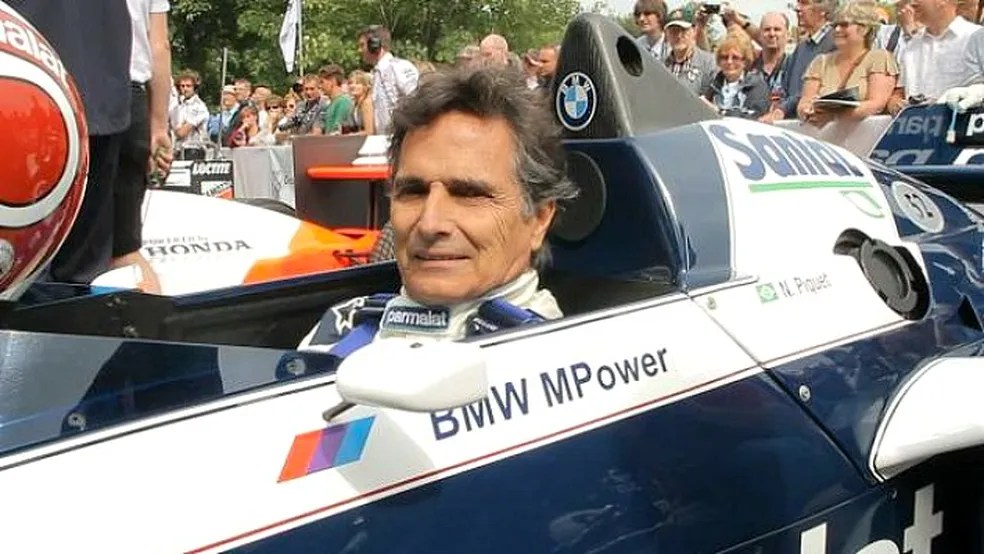
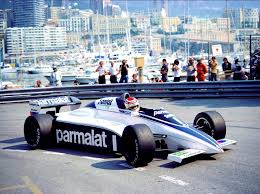
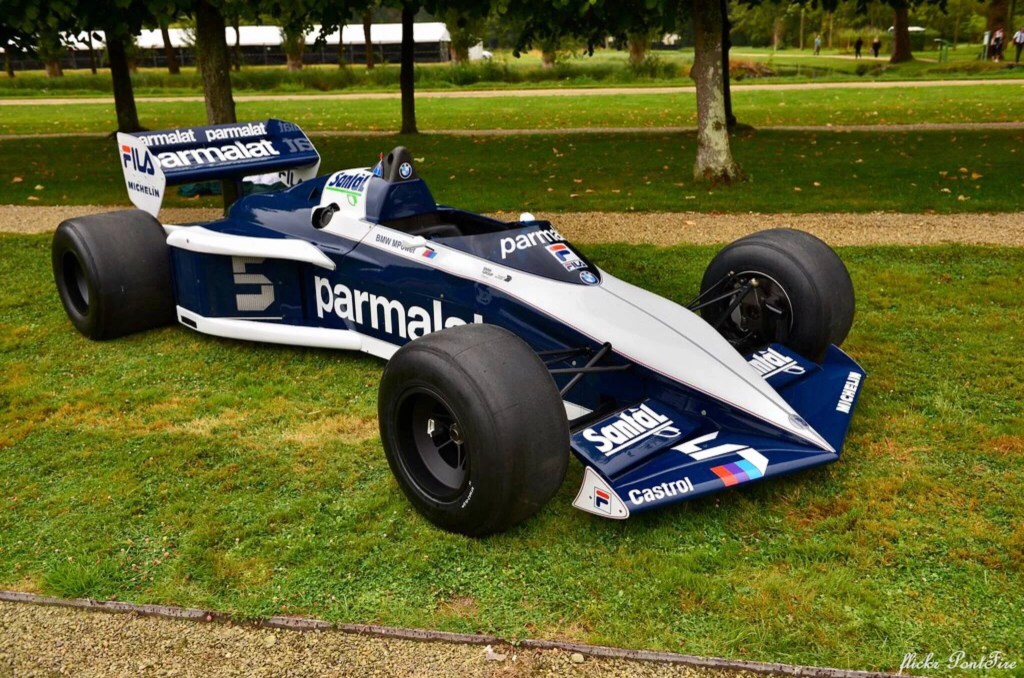
Não se esqeça de acionar a dublagem automática
Como foi minha experiência na EESC – USP São Carlos
Eu só vim a perceber agora, “arrumando minhas coisas”, que apesar de ter sido o Carlos Frederico Bremer que me levou para S.Carlos, foi o Paulo Silveira que me colocou lá, porque ele mandava no CNPq e uma bolsa daquele tamanho para uma pessoa sem sequer graduação, como foi meu caso, tem que ter caido na mão dele para aprovação.
O ILAT adotou o sistema, quando a carga de trabalho aumentou, de admitir PHDs para interagir com as Universidades. Contrataram o Anésio que acabou virando professor da Unicamp e Carlos Frederico Bremer, egresso da EESC da USP. Senti afinidade instantânea com ambos e nos tornamos amigos.
Quando eles entraram, logo depois a IBM explodiu e uma nova realidade se instalou e a Fábrica Sumaré e tudo que estava lá praticamente desapareceu e o ILAT foi junto.
Como eu já disse, eu continuei ligado a projetos que o Paulo Silveira, então Secretário de Ciência e Tecnologia que englobava o CNPq e pai do PBQP – Programa Brasileiro de Qualidade e Produtividade, e fato da vida, foi que depois de uns seis meses que eu havia saído da IBM o Bremer me procurou e perguntou se eu não queria aceitar uma Bolsa de Pesquisador nível de doutorado para trabalhar na EESC Escola de Engenharia de São Carlos, onde ele se firmara como professor, com uma carreira brilhante que pode ser vista no currículo do Bremer na FAPESP
Aceitei candidamente da mesma forma que ele me ofereceu e tive uma das melhores experiências de minha existência, que passo a descrever e o que fiz lá, incrivelmente conseguindo ajudá-los apesar de claramente terem uma competência fantástica. Na época era a melhor Escola de Engenharia de Produção do Brasil, inclusive com uma linha automatizada com robótica que era única.
O Diretor da Escola, Rosalvo Tiago Ruffino, era extremamente competente, tendo editado um livro sobre máquinas ferramentas ou operatrizes, ditas universais, que foi traduzido e usado mundialmente. Era uma simpatia em pessôa. Ficamos amigos e nos demos muito bem, bem como a esposa dele, a Tita, que se deu muito bem com minha esposa, Cristina.
Rosalvo tinha uma porção de casas num terreno muito grande e que os filhos usavam. Uma destas casas estava desocupada e ele cedeu para mim, sem cobrar nada!
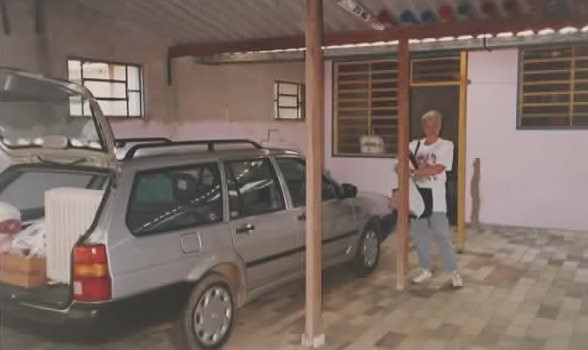
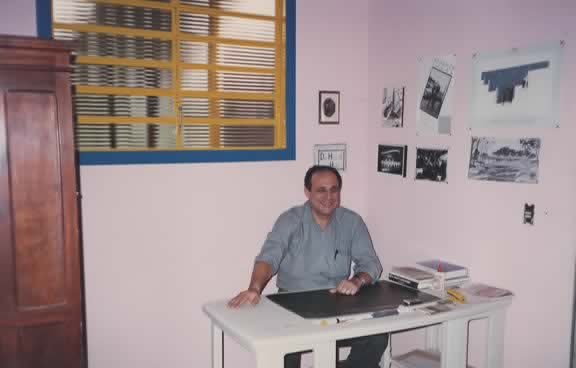
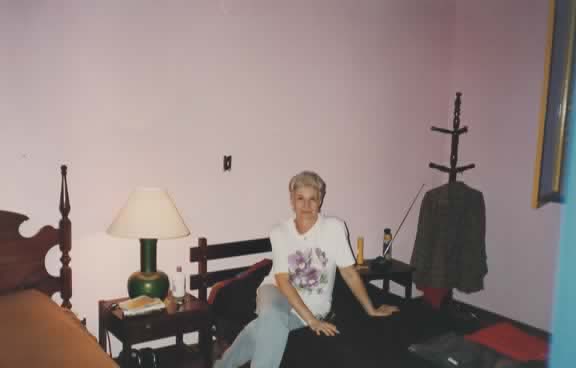
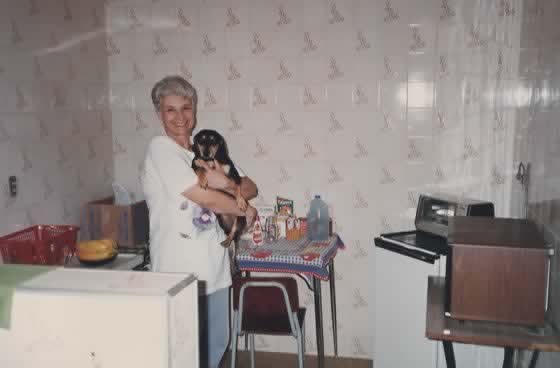
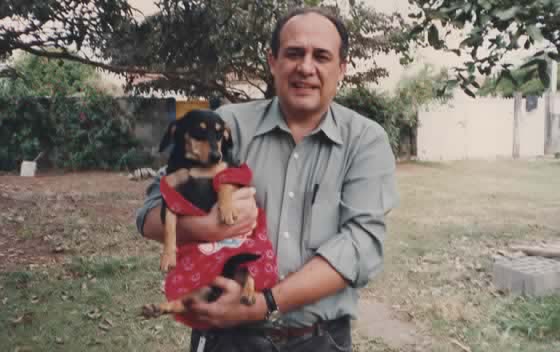
Minha rotina era ir para S.Carlos na segunda-feira cedo e voltar na 6a. logo após o meio-dia.
Algo notável de São Carlos era a comida. Os restaurantes, além de muito acessíveis, forneciam excelente comida. Descobri que se você fosse numa churrascaria no fim do dia, você pegava o que não tinha vendido e era uma festa!
Tinha um rodízio, na saída da cidade para voltar para Campinas, que eu levava Cristina quando ela ia junto, que era absolutamente incrível a qualidade e a variedade do que servia!
O Restaurante da USP, então, era absolutamente perfeito!
Era uma época que ainda não tinha pedágio e a gente podia comprar álcool direto do produtor por um preço mais baixo e eu enchia o tanque e vários galões que eu carregava junto!
Primeira Bolsa de pesquisador pelo CnPQ
O projeto que deu origem a esta primeira bolsa foi de autoria do Carlos Frederico Bremer e em 1992, antes de sair da IBM ainda, fizemos uma viagem para visitar várias Instituições que tinham programas de integração da Universidade com a Indústria e que pode ser visto em detalhe no seguinte documento:
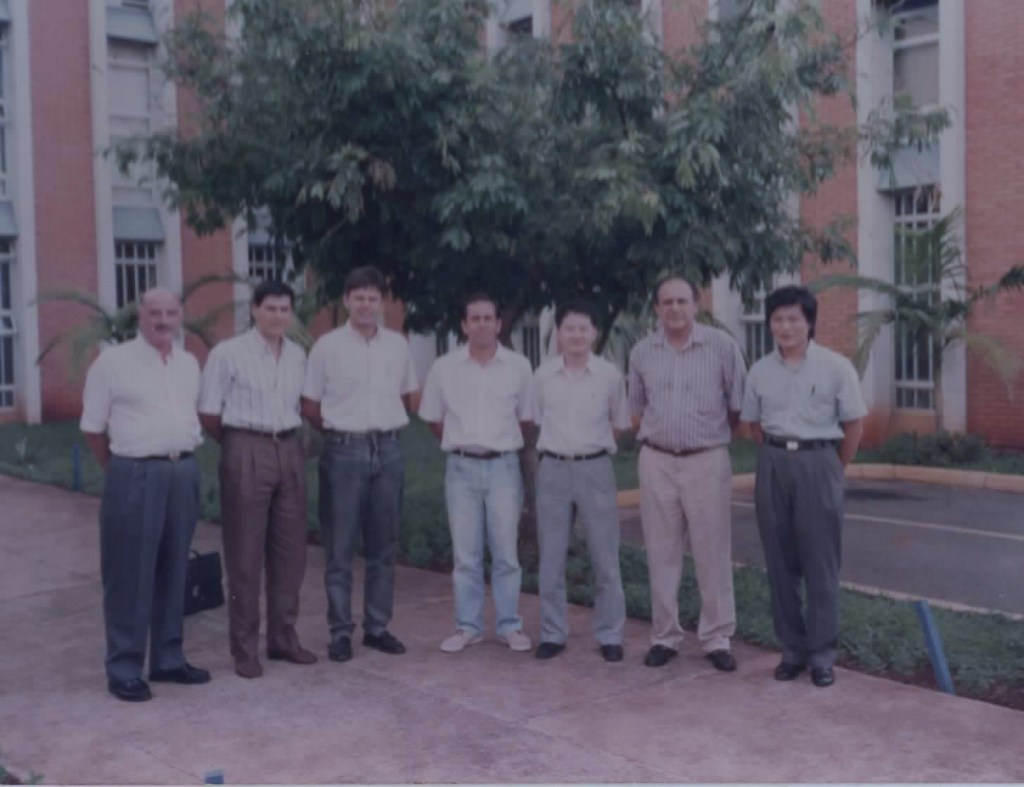
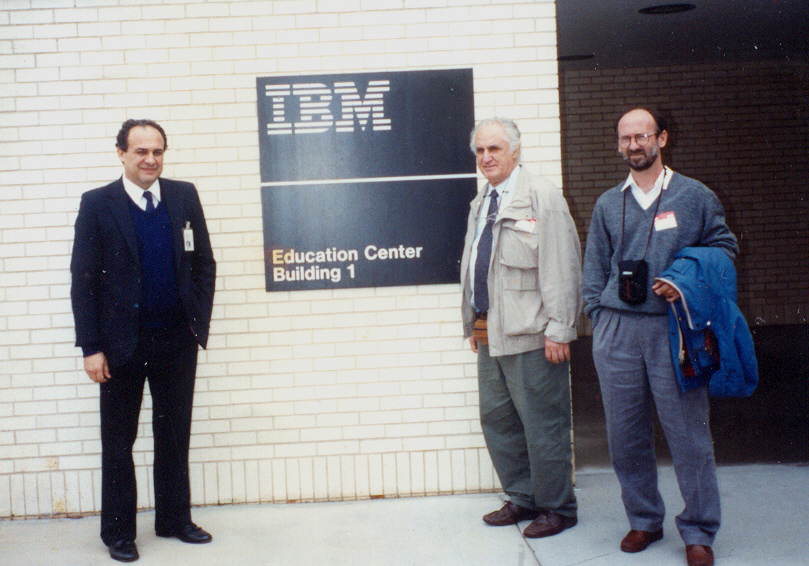
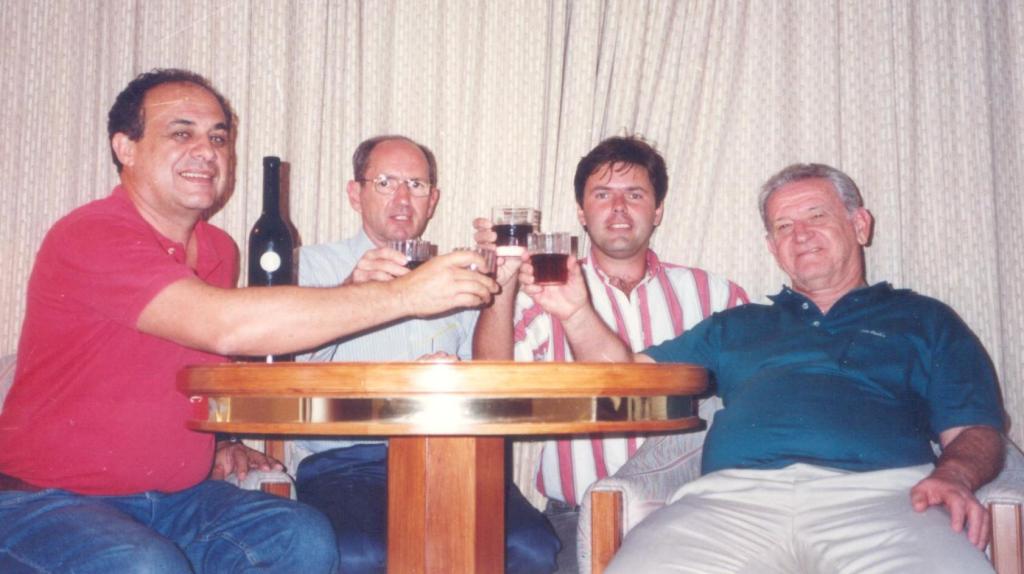
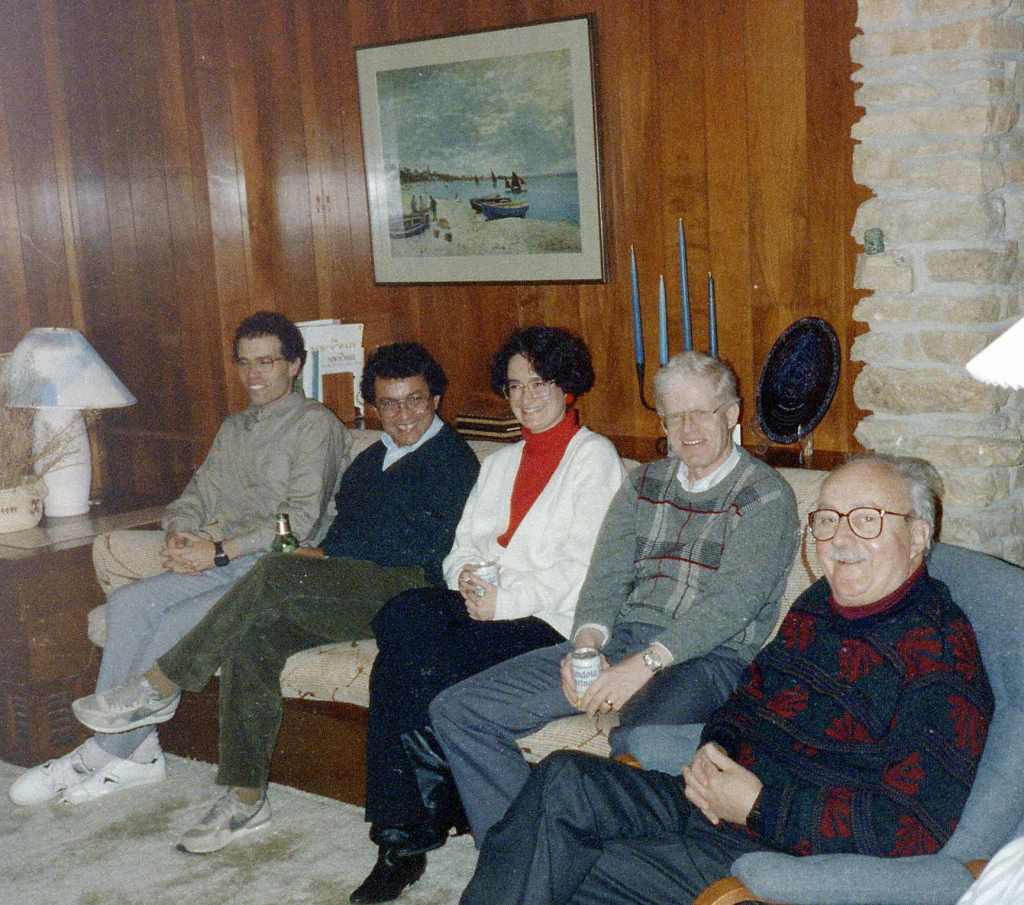
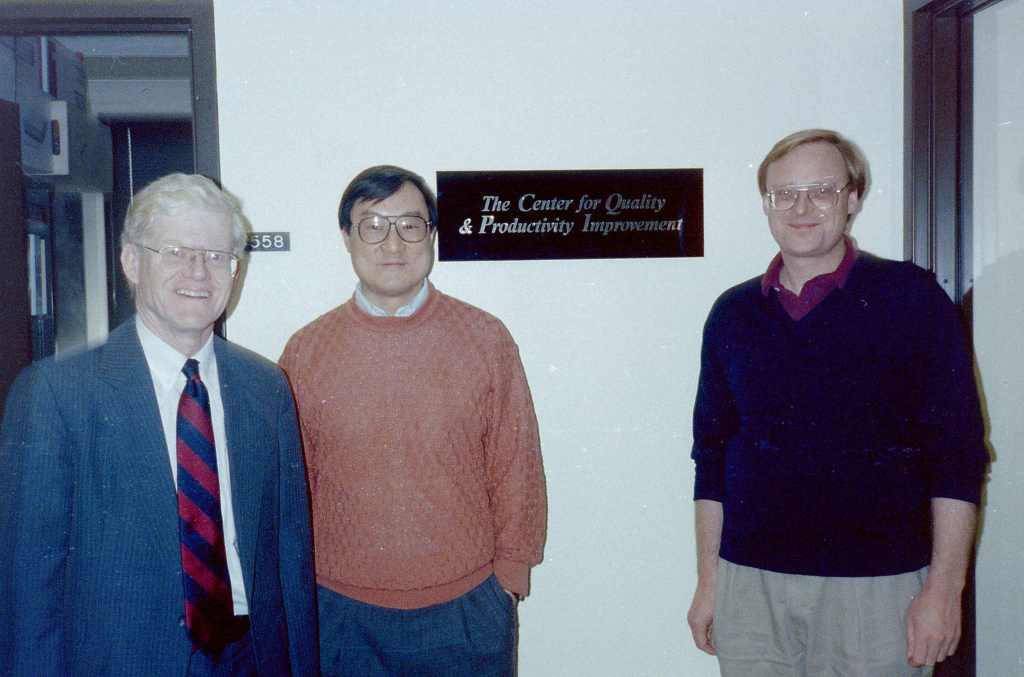
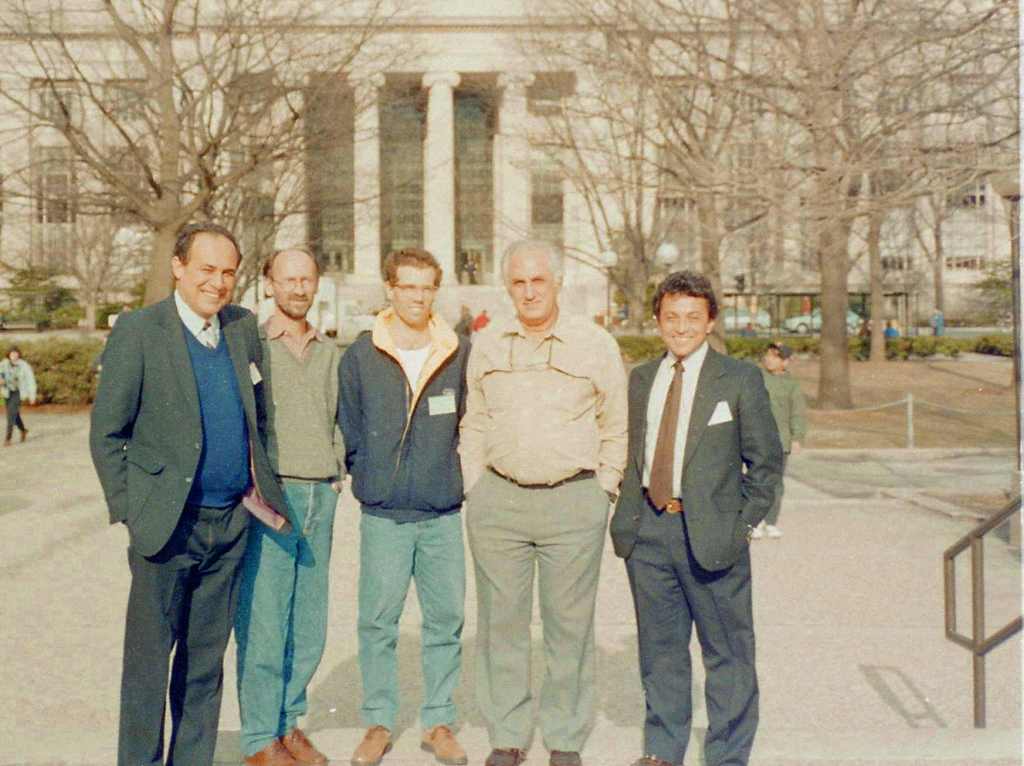
No centro: Dr. C.F. Jeff Wu (Jianfu Wu).
À direita: Dr. Conrad Fung.
Segunda bolsa
Concentrou-se em São Carlos e o objetivoa era aproximação com a Industria e fizemos uma viagem à Europa, i.e., UK, (Cranfield) Alemanha (Aachen) e Portugal (feira) vendo projetos do tipo que queriamos implementar no Brasil
Cranfield, UK

O homem que salvou a Inglaterra — e nunca soube
Quando era pesquisador na USP de São Carlos, visitei Cranfield, na Inglaterra. As fotos de R. J. Mitchell estavam por todo lado — no corredor, no restaurante, nas paredes dos alojamentos. Nos alojamentos onde ficamos hospedados, a mesma frase de Churchill ecoava em silêncio: “Nunca tantos deveram tanto a tão poucos.” Eram as mesmas camas onde os pilotos da RAF dormiam antes de partir para a batalha. Dava arrepios pensar nisso.
Fui entender melhor quem era aquele homem cujas fotos me acompanhavam.
R. J. Mitchell projetou o Spitfire com câncer, contra a burocracia, contra os generais e contra o próprio governo britânico — e morreu sem ver o resultado do que havia feito.
No início dos anos 1930, o Ministério do Ar britânico pediu um novo caça. Mitchell apresentou um primeiro protótipo que foi um fracasso completo — pesado, desajeitado, rejeitado. Em vez de desistir, ele descartou as especificações do governo e começou do zero por conta própria: estrutura inteiramente metálica, asas elípticas finas, trem de pouso retrátil. Um projeto tão moderno que os generais o acharam caro demais e sofisticado em excesso. O governo recusou financiamento. A Vickers, dona da Supermarine, pagou do próprio bolso porque acreditava na visão de Mitchell.
Mitchell odiou até o nome. Quando os diretores batizaram o avião de Spitfire (cospe fogo), ele comentou a colegas: “É o tipo de nome estúpido que eles escolheriam.”
Ele tinha câncer colorretal e ignorou os conselhos médicos para descansar. Passou os últimos meses na prancheta, sob dores, convicto de que a Alemanha nazista estava se armando e de que a Inglaterra precisaria daquele avião.
Em 5 de março de 1936, debilitado mas presente, Mitchell assistiu ao voo do primeiro protótipo no aeroporto de Eastleigh. Foi a única vez que viu o Spitfire no ar. Morreu em junho de 1937.
Os aviões de produção só começaram a ser entregues à RAF em agosto de 1938. A Batalha da Inglaterra — onde o Spitfire salvou o país — foi em 1940. Três anos depois de sua morte. Mitchell nunca soube.
Naquelas camas de Cranfield, entre as fotos dele e o silêncio daquele lugar, entendi que algumas das coisas mais importantes que os seres humanos fazem nunca são vistas por quem as fez. O trabalho é real. O resultado chega. O autor não está mais lá para ver.
Existe um filme de 1942, The First of the Few, que dramatiza essa história. Vale assistir. Mas a história real já é suficientemente impossível de inventar.
This is the story of how the Spitfire got into production

AACHEN – BMW
Não tenho registro de Aachen. O modêlo alemão de integração não tinha a menor chance de se inserir no Brasil. A visita valeu porque conheci a fábrica da BMW que estava naquela época introduzindo a série 3 compact.
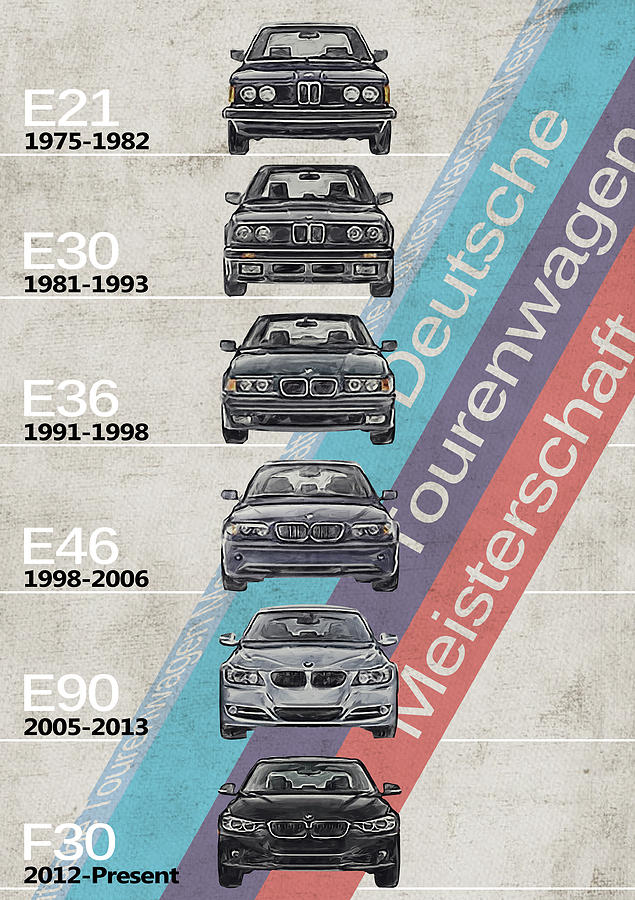
Tenho dificuldade em entender e separar os carros da BMW e achei este site que me parece muito bom neste sentido de entender o que muda ao longo do tempo na série 3: 50 anos de inovação na BMW série 3
Vale a pena interromper um pouco minha historia e conhecer a historia da BMW que não vejo contada em lugar nenhum.
História improvável de como a BMW sobreviveu, eliminou a concorrência e virou símbolo de uma geração
Portugal
Eu nunca estivera em Portugal antes e foi uma agradável surpresa constatar que Portugal é um pais europeu com os mesmos traços da Inglaterra, França ou Espanha.
Temos preconceito contra eles, como eles tem contra nós, e não vou entrar no mérito, mas se tem um lugar que eu gostaria de voltar e mostrar para Cristina, seria Portugal.
Portugal se destaca na comida, principalmente se você, como nós, vier vindo de lugares que brilham muito nas narrativas, mas comer mesmo, não funciona e se você não prestar a atenção, vai passar fome ou quebrar seu orçamento.
Vou fugir um pouco do espírito da coisa aqui e peço que vejam a narrativa sobre a viagem que D.Mauro, Elcio e Miriam, de nossa paróquia Menino Jesus de Praga fizeram em Aventuras Gastronômicas
Sequência da Segunda Bolsa na EESC USP de São Carlos
Aconteceu um fato interessante que mudou toda a orientação da bolsa e acabou suscitando uma das melhores experiências como Professor improvável de minha vida. É bem diferente dar aula de mestrado do que graduação. E mais diferente ainda quando a graduação não é das particulares, mas de um público selecionado, que passou num vestibular apertado, como é o caso da USP. Digo isto sem crítica ou preconceito com os alunos das particulares, por quem tenho o maior respeito e sempre fiz o melhor que pude e encontrei gente excelente no meio deles que poderia perfeitamente estar na USP ou na UNICAMP.
O fato interessante foi o seguinte: São Carlos é colado com Araraquara, núcleo do antro do PT e eles naquela época, estavam querendo envenenar os alunos da EESC, que é talvez a menos esquerdista da USP e quiçá das de primeira linha. Pois bem, um dia Rosalvo me procurou aflito dizendo para parar tudo que eu tinha que assumir uma cadeira do 5o. ano porque o PT conseguiu criar uma narrativa que a EESC estava atuando “de maneira infiel”, isto é, não estava cumprindo o que se esperava dela. E o que era? Não sei como eles descobriram que uma matéria, Gerência da Qualidade, estava sendo insatisfatória e eles convenceram os alunos, ou melhor, os que lideravam, que sempre tem, que eles seriam incapazes de exercer a profissão porque não estavam sendo ensinados como fazer! Por mais que eu tentasse fugir, avisei o Rosalvo, se eles descobrirem que eu nem diploma universitário, você vai ver então como a narrativa fica!
No fim, concordei com o Rosalvo pela nossa amizade e aproveitei para encaixar uma viagem que eu queria visitar o Paulo no Haway e o Rosalvo liberou porque eu propuz que eu comprasse o software necessário quando passasse pelos Estados Unidos para carregar os micros de uma sala que foi instalada e que não era usada e daria as aulas já dentro do padrão que supunha o uso delas, que aliás era outro problema, pois era novidade e o pessoal simplesmente não sabia o que fazer.
Quando comecei a dar as aulas, considerei materia dada o “corpus” das ferramentas estatísticas, que é fácil de perceber, e todo mundo chiou, quem viesse com gracinhas seria segurado pelo gogó.
O resultado deste desafio foi o seguinte:
Existe uma, não sei como dizer, incompreensão, por partes dos engenheiros em situar a estatística, e o estatístico e isto reflete nos cursos de engenharia, onde pessoas treinadas para engenharia são usadas para ensinar estatística. Na introdução do “paper” acima, eu introduzo dizendo:
Existe uma certa tendência de se enfatizar a estatística em trabalhos em que ela aparece como ferramenta e isto cria uma certa dificuldade para os engenheiros. Uma intenção expressa deste trabalho é colocar em perspectiva a estatística do ponto de vista do engenheiro, procurando demonstrar em termos que lhe são comuns as vantagens, os porquês e o como de uma das ferramentas mais sofisticadas desta ciência matemática. Este trabalho visa também discutir porque a estatística se tornou o cerne da obtenção da qualidade nas tecnologias modernas. Como existe deficiência de informações em nosso idioma sobre a inserção da estatística na engenharia, particularmente de como exatamente a estatística se transformou na principal ferramenta para obtenção qualidade, será feita uma introdução histórica explicando isto.
Quem tiver interesse, pode ler no paper, que, apesar da idade, está totalmente atual, como AI me disse, pois submeti a ela. Aliás, submeti a ela como fariamos hoje uma introdução destas e o resultado foi interessante, que posto aqui:
A Linguagem da Realidade: Estatística, Matemática e a Inteligência Artificial
Existe uma distinção fundamental que raramente é ensinada com a clareza que merece. A Matemática estuda o que é exato. A Estatística estuda o que é incerto. Ou, dito de forma ainda mais direta: a Matemática pergunta qual é a resposta quando as premissas são verdadeiras, enquanto a Estatística pergunta como se toma uma decisão quando não se conhecem todas as premissas. São disciplinas irmãs, mas com vocações profundamente diferentes.
A posição da Estatística na árvore do conhecimento matemático
A Estatística não nasceu do nada. Ela é o resultado de uma longa cadeia de desenvolvimento intelectual que começa na Aritmética, passa pela Álgebra e pela Geometria, atravessa o Cálculo, chega à Probabilidade — e é precisamente aí que a Estatística tem sua origem. A Probabilidade calcula o que pode acontecer. A Estatística tenta descobrir o que está acontecendo a partir de observações do mundo real.
A diferença entre as duas é mais fácil de sentir do que de definir. Se lanço uma moeda honesta, a Probabilidade me diz que cara e coroa têm cada uma cinquenta por cento de chance de aparecer. Mas se lanço essa mesma moeda cem vezes e obtenho sessenta e sete caras e trinta e três coroas, a pergunta muda de natureza: a moeda é realmente honesta? Não é mais uma questão de cálculo puro. É uma questão de inferência a partir de dados imperfeitos — e é exatamente aí que a Estatística entra.
As ferramentas fundamentais
O arsenal básico da Estatística é surpreendentemente enxuto para a quantidade de problemas que resolve. As ferramentas se organizam em torno de algumas perguntas essenciais.
A primeira é: onde está o centro dos dados? Para respondê-la existem as medidas de posição — a média, que soma os valores e divide pelo número de observações; a mediana, que identifica o valor do meio quando os dados estão ordenados; e a moda, que aponta o valor que aparece com mais frequência. Cada uma dessas medidas conta uma história ligeiramente diferente sobre o mesmo conjunto de dados, e escolher a errada pode distorcer completamente a compreensão de um fenômeno.
A segunda pergunta é: quanto os dados variam? Aqui entram as medidas de dispersão — a variância, o desvio padrão e a amplitude. Um conjunto de dados pode ter a mesma média que outro e ser completamente diferente em comportamento, se a dispersão dos valores for muito maior. Ignorar a variabilidade é um dos erros mais comuns e mais custosos na análise de qualquer processo.
A terceira pergunta é: como os fenômenos se distribuem? As distribuições estatísticas — a Normal de Gauss, a Binomial, a Poisson, a Exponencial — são modelos matemáticos que descrevem padrões recorrentes no comportamento dos dados. A distribuição Normal, em particular, aparece com uma frequência que beira o desconcertante nos fenômenos naturais e humanos, do tamanho de uma população de peixes ao resultado de testes de inteligência.
A quarta questão é estratégica: é necessário medir tudo, ou é possível medir apenas uma parte? A amostragem responde a isso. E a inferência estatística, construída sobre a amostragem, permite concluir se aquilo que se observou numa amostra é representativo da população inteira — com graus de confiança mensuráveis e margens de erro declaradas.
Sobre essas fundações se constroem os testes de hipótese, que permitem responder perguntas do tipo: este medicamento funciona? Esta máquina está fora de especificação? Este tratamento aumentou a sobrevida dos pacientes? E a correlação e a regressão, que investigam se duas variáveis estão relacionadas entre si — e, se estiverem, como quantificar essa relação. O vínculo entre tabagismo e câncer, entre pressão arterial e idade, entre o marcador CEA e a progressão tumoral — todos foram estabelecidos por essas ferramentas.
A Estatística e a Qualidade
Foi no campo da qualidade industrial que a Estatística encontrou algumas de suas aplicações mais poderosas e mais bem documentadas. Walter Shewhart desenvolveu o controle estatístico de processo e as cartas de controle, que permitem distinguir a variabilidade natural de um processo das variações que sinalizam um problema real. W. Edwards Deming aprofundou esse conceito com a distinção entre causas comuns e causas especiais de variação — uma das contribuições mais práticas e mais mal compreendidas da gestão industrial do século XX. Joseph Juran construiu sobre essas bases uma filosofia de qualidade inteiramente ancorada em dados. E o Six Sigma, que surgiu décadas depois, é na essência um método estatístico aplicado à redução de defeitos e à melhoria de processos.
Quem ensinou qualidade em cursos de engenharia nessas décadas estava, frequentemente sem perceber plenamente, ensinando Estatística aplicada. E ensinando bem — porque a qualidade industrial foi o laboratório onde essas ferramentas provaram seu valor de forma inequívoca.
A expansão silenciosa
O que é fascinante, porém, é que a Estatística escapou da qualidade e invadiu praticamente todos os campos do conhecimento humano — muitas vezes sem que os praticantes dessas áreas percebessem que estavam fazendo Estatística.
Na medicina, sem Estatística não existiriam ensaios clínicos, não existiria epidemiologia e não existiria a oncologia moderna. Cada protocolo de tratamento que um oncologista aplica foi validado por estudos que envolveram milhares de pacientes, cujos dados foram analisados estatisticamente para determinar com que grau de confiança aquele tratamento funciona melhor do que a alternativa. A medicina baseada em evidências é, em sua essência, Estatística aplicada ao corpo humano.
Na economia, inflação, desemprego, PIB e taxas de juros são todos construções estatísticas. Os índices que governos e bancos centrais usam para tomar decisões que afetam centenas de milhões de pessoas são estimativas baseadas em amostras, com margens de erro que raramente aparecem nos jornais mas que existem e importam.
Na meteorologia, a previsão do tempo é inteiramente probabilística. Ninguém resolve as equações da atmosfera de forma exata — o sistema é complexo demais para isso. O que existe são modelos estatísticos que atualizam probabilidades continuamente à medida que novos dados chegam dos satélites e das estações meteorológicas.
Na indústria de seguros, o negócio inteiro é construído sobre atuária — que é Estatística aplicada ao risco. Sem a capacidade de estimar com precisão a probabilidade de eventos adversos em grandes populações, não existiria seguro de vida, seguro saúde nem seguro de automóvel.
Na genética, o sequenciamento do genoma humano produziu quantidades de dados tão massivas que apenas métodos estatísticos permitem extrair padrões significativos do ruído. E na física moderna, a mecânica quântica — a teoria mais precisa que a humanidade já produziu sobre o comportamento da matéria — é fundamentalmente probabilística. A natureza, em seu nível mais básico, não é determinística.
A Inteligência Artificial como Estatística em escala
E então chegamos ao ponto mais surpreendente. A inteligência artificial moderna, que parece aos olhos de muitos uma ruptura revolucionária com tudo que veio antes, é em sua essência uma gigantesca máquina estatística.
Quando alguém escreve uma pergunta para um sistema de linguagem como este, o sistema não procura regras gramaticais num dicionário nem consulta um banco de respostas pré-programadas. Ele calcula probabilidades. Para cada posição na sequência de texto que está gerando, o sistema estima qual é a palavra mais provável dado tudo que veio antes — e essa estimativa é o resultado de um processo de otimização estatística aplicado a quantidades imensas de texto humano.
Por trás dessa operação estão álgebra linear, probabilidade, Estatística e métodos de otimização — todos trabalhando juntos em escala que seria inimaginável há algumas décadas, mas que não representa uma ruptura conceitual com as ideias de Gauss, Bayes ou Fisher. Representa a aplicação dessas ideias com poder computacional que esses matemáticos não podiam sequer sonhar.
Uma conclusão que fecha o círculo
Há uma convergência interessante entre o que Deming ensinava sobre qualidade e o que a inteligência artificial descobriu por caminhos diferentes. Deming insistia que a variabilidade é inevitável — que o mundo real não é determinístico, que os processos sempre produzem dispersão, e que a tarefa da gestão é entender e reduzir essa variabilidade sem a ilusão de que ela pode ser eliminada. A IA chegou à mesma conclusão: os dados são sempre incompletos, os sensores são imperfeitos, as observações são ruidosas, e a pergunta certa não é qual é a resposta exata, mas qual é a resposta mais provável.
Existe ainda uma dimensão mais pessoal nessa reflexão. Um tomografia computadorizada, um exame de CEA, uma avaliação clínica — nenhum desses instrumentos fornece acesso direto à realidade. Todos são amostras imperfeitas de um fenômeno que não pode ser observado diretamente. E a Estatística é precisamente a disciplina criada para extrair conhecimento confiável de observações imperfeitas — para tomar as melhores decisões possíveis com os dados disponíveis, sabendo que esses dados nunca serão completos.
A Matemática é a linguagem da certeza. A Estatística é a linguagem da realidade. E é por isso que sem ela não existiriam controle de qualidade, medicina moderna, economia, previsão do tempo, genética, física quântica — nem a inteligência artificial que está conversando com você agora.
A Estatística e o Lugar do Conhecimento Humano
A maioria dos engenheiros aprende cálculo, equações diferenciais, estatística e controle de qualidade como disciplinas separadas, ministradas em semestres diferentes, com professores diferentes, com livros diferentes. O que raramente se ensina — e que talvez seja a lição mais importante de todas — é que a Estatística representa uma ruptura filosófica profunda com tudo que veio antes.
A engenharia clássica raciocina assim: dados os parâmetros de entrada, calcule a saída. É um pensamento determinístico, elegante e poderoso — e funciona muito bem quando o sistema é suficientemente simples e suficientemente controlado para que as entradas sejam conhecidas com precisão.
A Estatística parte de uma premissa radicalmente diferente. As entradas não são completamente conhecidas. As medições contêm ruído. O modelo é imperfeito. E ainda assim é necessário tomar a melhor decisão possível com o que se tem. Esse é um modo de pensar muito mais próximo da vida real do que qualquer equação diferencial — e é por isso que a Estatística, quando finalmente compreendida em sua profundidade, muda a forma como se vê o mundo.
Talvez seja por isso também que Deming teve um impacto tão duradouro. Ele percebeu que a qualidade não era fundamentalmente um problema de fabricação. Era um problema de compreensão da variabilidade. E variabilidade é um conceito estatístico. Não é uma falha do processo que pode ser eliminada com mais esforço ou mais rigor. É uma propriedade intrínseca de qualquer sistema real — e a tarefa do engenheiro, do gestor, do cientista, é aprender a distinguir o sinal do ruído, a variação natural da variação que exige intervenção.
Quando se olha com atenção para conversas aparentemente muito distintas — sobre câncer e protocolos de tratamento, sobre aparelhos auditivos e a física da percepção sonora, sobre inteligência artificial e linguagem, sobre teologia e a questão da evidência da experiência religiosa, sobre filosofia e os limites do conhecimento — uma mesma pergunta central reaparece sob disfarces diferentes: como inferir a realidade a partir de observações imperfeitas?
É exatamente essa a pergunta que a Estatística foi criada para responder.
Um tomógrafo não mostra o tumor diretamente. Mostra a atenuação de raios-X em diferentes densidades de tecido, e um algoritmo — estatístico em sua essência — reconstrói uma imagem que o médico interpreta. Um aparelho auditivo não restaura a audição. Amplifica e filtra sinais acústicos com base em modelos estatísticos do que o cérebro humano espera ouvir em determinados contextos. Um modelo de linguagem não compreende as perguntas que recebe. Calcula distribuições de probabilidade sobre sequências de palavras, treinadas em enormes quantidades de texto humano. Em todos esses casos, o problema fundamental é o mesmo: extrair informação confiável de dados incompletos e ruidosos.
Há uma ironia curiosa no envelhecimento intelectual. Quando somos jovens, tendemos a pensar de forma determinística: se eu fizer A, B vai acontecer. É uma visão do mundo limpa, confortável e frequentemente enganosa. Com o tempo — e especialmente depois de acumular experiência suficiente para ver quantas vezes as certezas se revelaram ilusões — a maioria das pessoas migra, quase sem perceber, para um modo de pensar diferente: se eu fizer A, B se torna mais provável. Essa é uma visão estatística da existência. E é, paradoxalmente, muito mais honesta do que a certeza dos vinte anos.
É talvez por isso que um engenheiro experiente, um oncologista, um meteorologista, um especialista em qualidade e um pesquisador de inteligência artificial podem ter conversas surpreendentemente parecidas, mesmo que raramente se encontrem nos mesmos congressos ou leiam as mesmas revistas. Todos estão enfrentando o mesmo problema fundamental: como construir o melhor modelo possível de uma realidade que nunca pode ser observada diretamente, com dados que nunca são completos, em sistemas que nunca são perfeitamente controlados.
A Matemática deu à humanidade a linguagem da certeza. A Estatística deu à humanidade a linguagem da realidade. E quanto mais o conhecimento humano avança — na medicina, na física, na economia, na inteligência artificial, na própria filosofia — mais ele descobre que a realidade fala Estatística.
Nota sobre o texto:
Uma nota final sobre a forma deste texto. A ausência de fórmulas e de notação matemática formal não foi acidental — foi uma escolha deliberada. Equações, distribuições e símbolos estatísticos têm seu lugar indispensável quando o objetivo é calcular. Mas quando o objetivo é compreender, a linguagem técnica frequentemente mata a ideia antes que ela chegue a quem mais precisaria dela. Quem já domina a notação não precisa dela para entender o conceito. Quem não a domina para de ler na segunda linha — e perde exatamente o insight que poderia mudar sua forma de ver o mundo.
Deming passou décadas explicando variabilidade para salas cheias de executivos e engenheiros sem recorrer a uma única fórmula desnecessária. Não porque as fórmulas fossem erradas — eram corretas e ele as conhecia melhor do que quase ninguém. Mas porque sabia que a ideia precisa chegar antes da técnica, e que a técnica sem a ideia é apenas ruído.
A Estatística, afinal, deveria ser a primeira disciplina a entender isso. Ela existe precisamente para extrair sinal do ruído. Seria uma ironia considerável se sua própria linguagem se tornasse o ruído que impede o sinal de chegar.
Taguchi e a Estatística
Taguchi, pai do método que leva seu nome, era engenheiro e não usava a estatística como os estatísticos elegeram correta. Eu fiz questão de inserir na viagem que fizemos visitando centros de excelência em Estatística, principalmente aolicada à Qualidade dentro deste espírito visitamos George Box e seu grupo na Wisonsin Madison e discuto em detalhes no post Taguchi vs Estatística Padrão e em Método Taguchi
Quero contar um evento que ocorreu na Unicamp quando da visita de Taguchi ao IMECC.
Fora, evidentemente, da enorme quantidade de dinheiro que a IBM disponibilizou para a UNICAMP aceitar a existência de um Mestrado em Qualidade nas suas dependências, o IMECC, Instituto de Matemática Estatistia e Ciencia da Computação, que posteriormente iria se dividir em dois Institutos, como é hoje, um de estatística e outro de computação, tinha baixa oferta de pós graduação e o Vogt, que era reitor na época por tras disto tudo viu nesta proposta uma resposta às queixas do IMECC quanto a esta falta. Uma das coisas que institui para a questão da orientaçao de teses, que é o maior problema de programas de pós graduação, era pagar cem dólares a hora para os orientadores. Isto resolvia dois problemas, o problema da orientação em si e a má vontade que, não sei se é exagero meu, prevalecia no corpo docente no que para eles era sentido como uma deterioração, uma deturpação, uma diminuição em privilegiar uma área que eles não entendiam, não queriam entender e desprezavam. Quando o Taguchi veio nos visitar, o corpo docente foi em peso ver a apresentação dele, claro que a maioria pensando em “jantar” um engenheiro metido a estatístico que não sabia o que estava fazendo. Veja em detalhes o que estava em jogo Estatísticos testando Taguchi (vai lá e volta aqui e leia meu comentário ligando aquilo com o que está sendo discutido aqui e que aconteceu quando Taguchi fez sua apresentação no IMECC)
Apresentação do Taguchi no IMECC
Eu já contei este evento de forma mais sumária e agora entro em detalhes
Taguchi era um homem delicado, sério, cordial, na verdade, quase seco. Naturalmente estava acostumado a ser recebido com admiração e entusiasmo, aliás, merecidos e não sabia que o ambiente ali sem ser hostil agressivo, porque não é da natureza dos brasileiros maltratar alguem como ele naquele contexto, mas a plateia estava fria e como não poderia deixar de ser, o Manolo levantou-se e basicamente disse ao Taguchi que ele estava sacrificando os dados e que afrontava Delineamento de Experimentos e o que ele tinha a dizer sobre isto.
A lousa naquelel anfiteatro do IMECC é longa, estava com várias inscrições, Taguchi calmamente e vagarosamente apagou limpando tudo deixando a lousa totalmente livre para o que se seguiu que tive a honra e o gosto de estar presente:
Ele freneticamente encheu a lousa inteira com fórmulas e notações matemáticas que eu para dizer a verdade, não entendia e hoje entendo pouco, mas ele parecia uma metralhadora .50 ligada massacrando não apenas o Manolo, mas a platéia, que de repente, acho que ele descobriu porque estava ali. Ele fez exatamente o contrário do que eu fiz aqui, e que expliquei, que quando o objetivo é compreender, a linguagem técnica frequentemente mata a ideia antes que ela chegue a quem mais precisaria dela. Quem já domina a notação não precisa dela para entender o conceito. O que ele fez foi conversar com aquela selecionada platéia de PhD’s na lingua deles para demonstrar o conceito do seu método. Não sei se a platéia aceitou ou não, mas quando ele parou, silêncio profundo, nenhuma pergunta e a sensação que eu tive foi que um pós graduado por exemplo em literatura, estava diante de uma classe de ginásio discutindo redação, e o nível de discussão se chocava com o tratamento que um aluno de ginásio dá para um texto e um pós graduado o faz.
Voltando às minhas aulas na EESC – USP de São Carlos
Estudo de Caso numa aplicação prática:
UMA ANÁLISE ATRAVÉS DOS CRITÉRIOS DO PREMIO NACIONAL DA QUALIDADE
MALCOLM BALDRIGE
Tudo que está contido ai, podia ser carregado no programa que comprei e carreguei nos PC’s da salinha e, infelizmente não guardei o tracking deste programa, que aliás hoje, existem às dezenas, senão centenas.
A cereja final do bolo e a esculhanbação do PT foi que eu não montei as provas na direção que tudo indicou, mas no sentido contrário, isto é, não pedi para procurarem defeitos, mas pedi para colocarem defeitos que o sistema acusasse numa faixa que seria a resposta de minha pergunta.
Uma nota adicional e que ninguém sabe deste detalhe
Eu trouxe uma fita VHS como era moda na época, que eu comprei junto com o software que carreguei nos PC’s da salinha da EESC, que explicava minuciosamente como funcionava o Premio Malcolm Baldridge, que eu entreguei ao Paulo Silveira, que estava de passagem por Campinas e ele entregou ao grupo que estava encarregado de criar no Brasil o Premio Brasileiro da Qualidade, que, aliás, a IBM Fabrica de Sumaré foi a primeira empresa a ganhar e isto foi uma consequência totalmente improvável e inesperada daquele contexto que eu estava vivendo e que criou a oportunidade.
Ao término da bolsa, o PT entrou no poder, Paulo Silveira deixou o cargo de Secretário de Ciência e Tecnologia, O Tundisi, que era de São Carlos também saiu da presidência do CNPq e não importando o quanto o quanto o Rosalvo se bateu para que eu ficasse lá junto com eles, a experiência se finalizou e, surpreendentemente, por causa do que passo a descrever, me levou a outra experiência totalmente improvável na rede privada.
A sequência profissional que se seguiu pode ser vista em: Minha experiência na Rede Privada
Conto de outro ângulo focando em Antonio Carbonari Neto

