Isabella and Gabriel’s trip
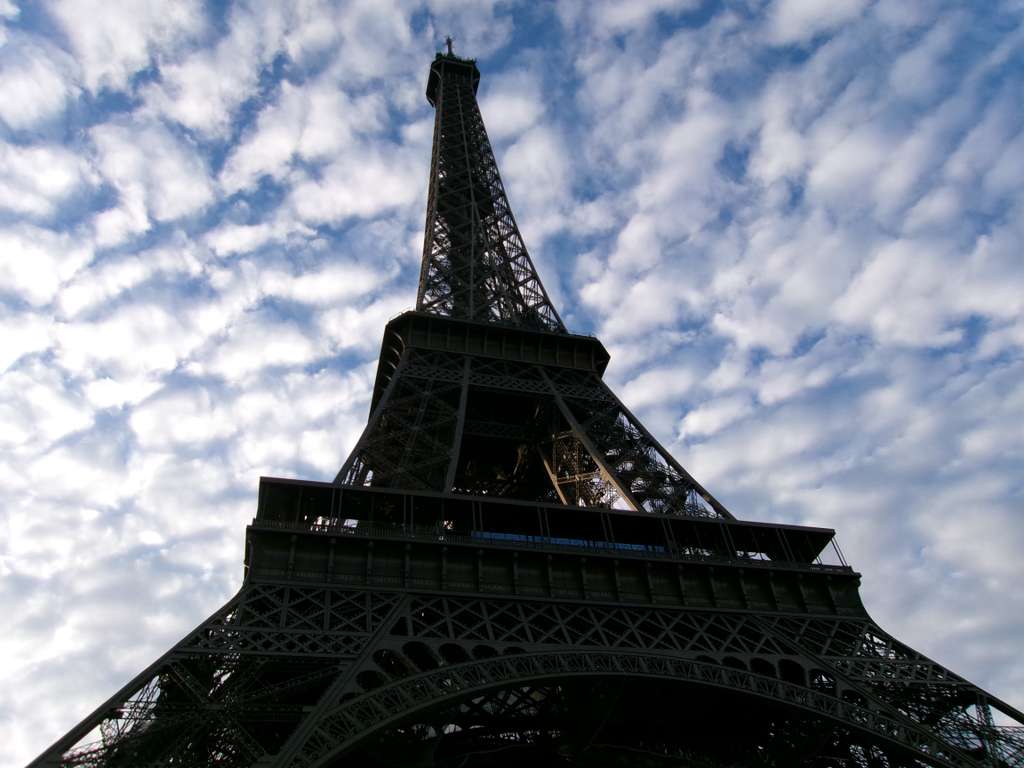
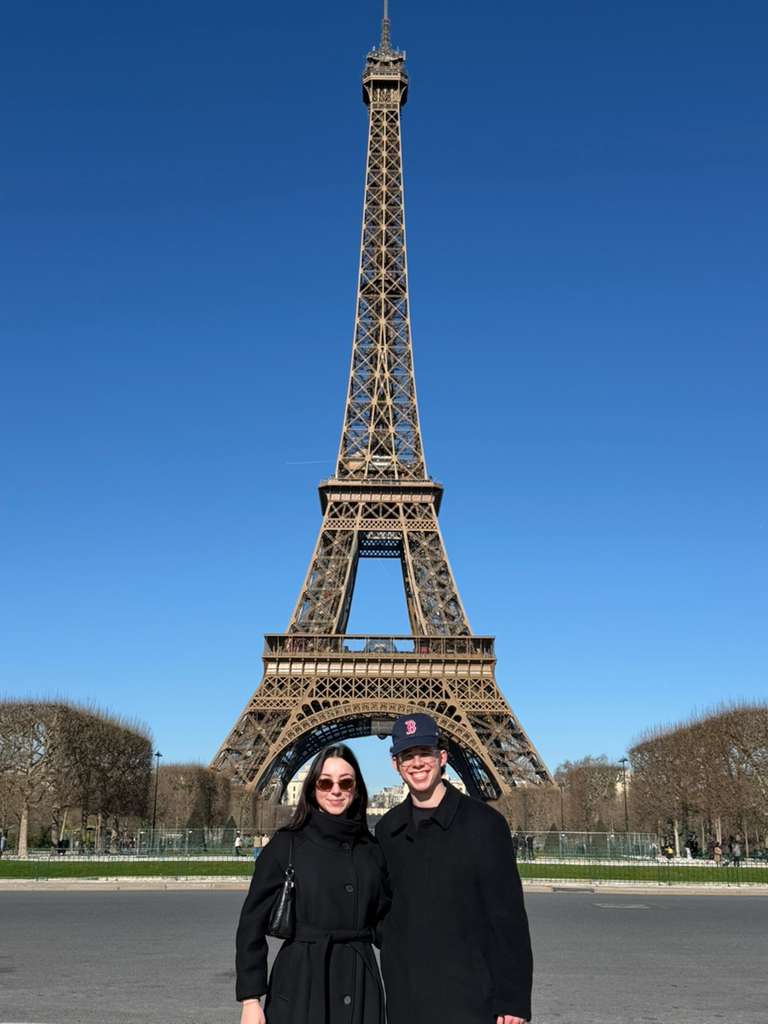


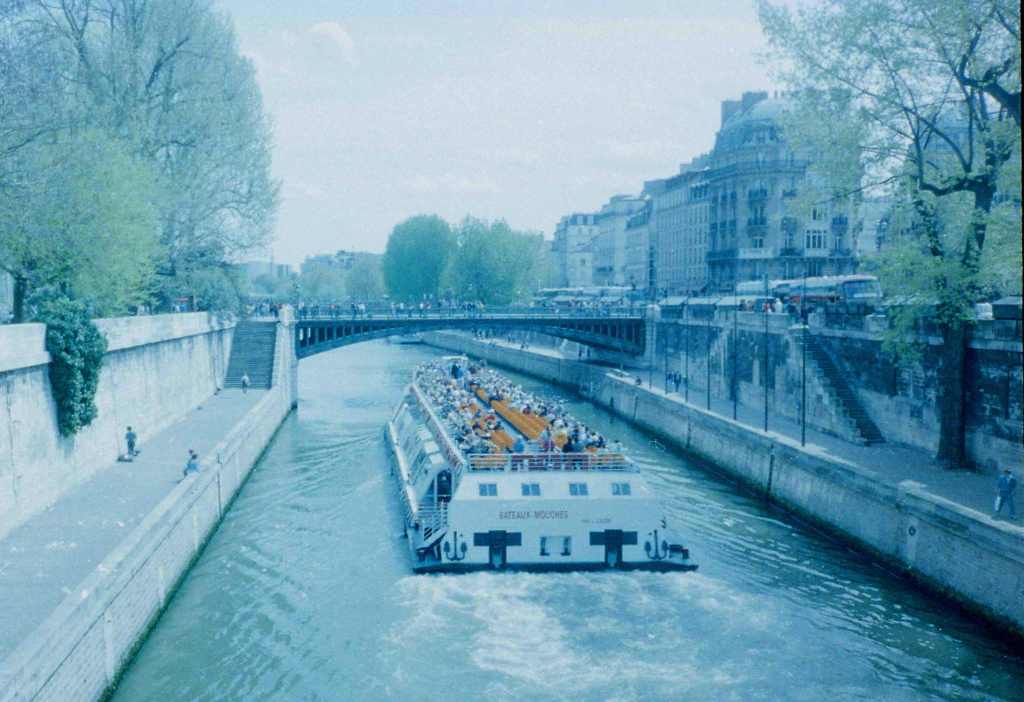
Photo taken from the Eiffel Tower, showing the Seine River and iconic bridges.
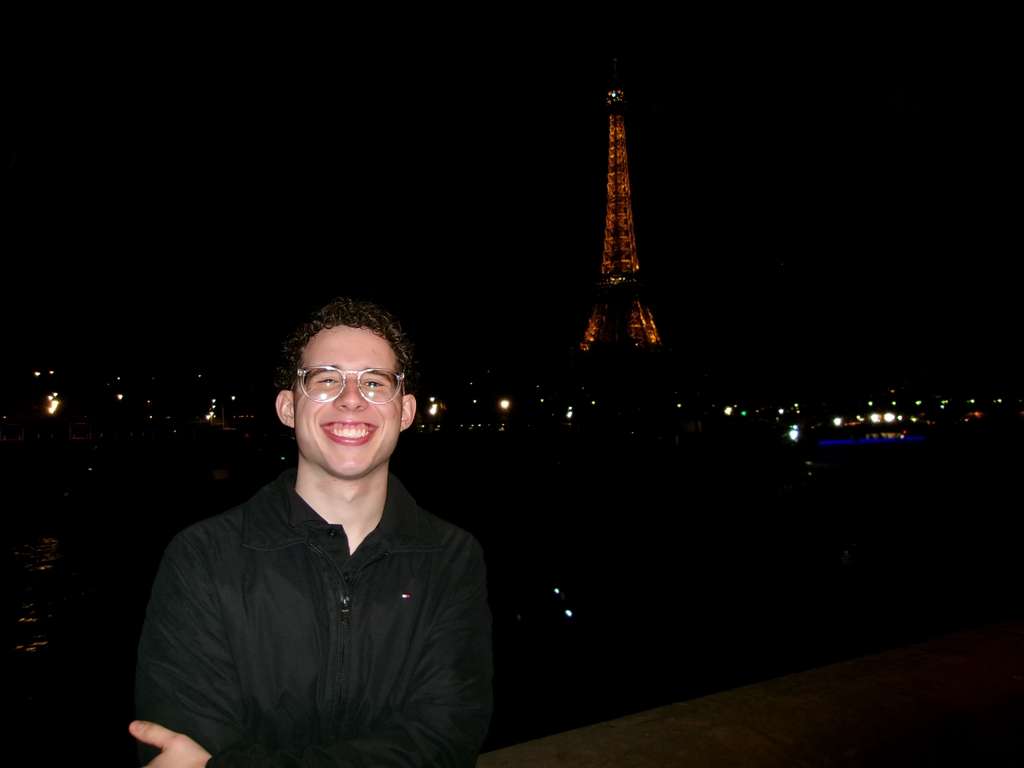
Eifel Tower
Moments

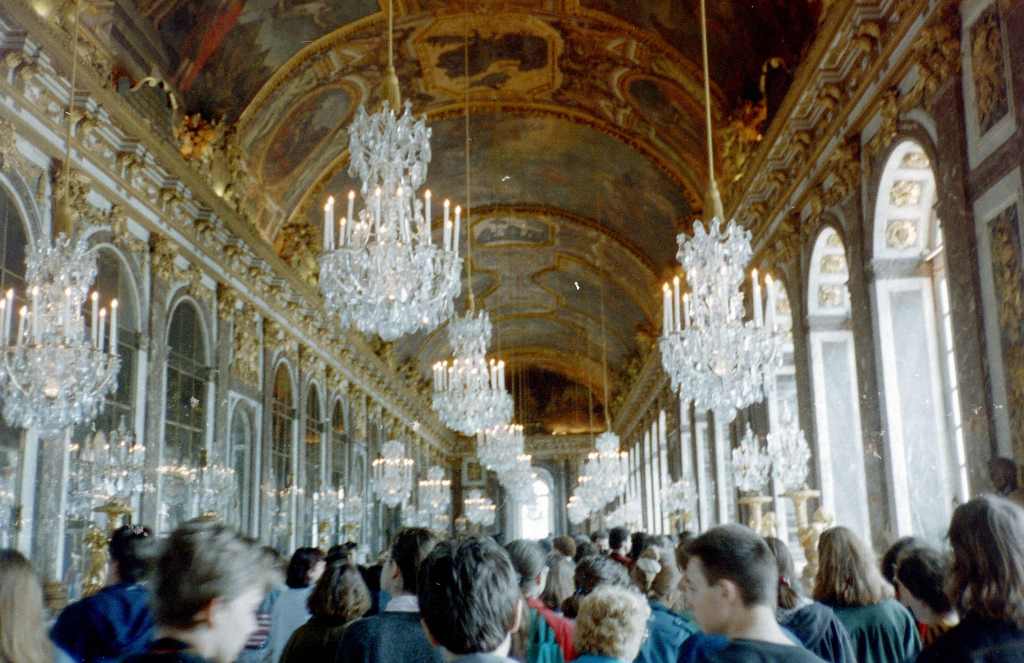
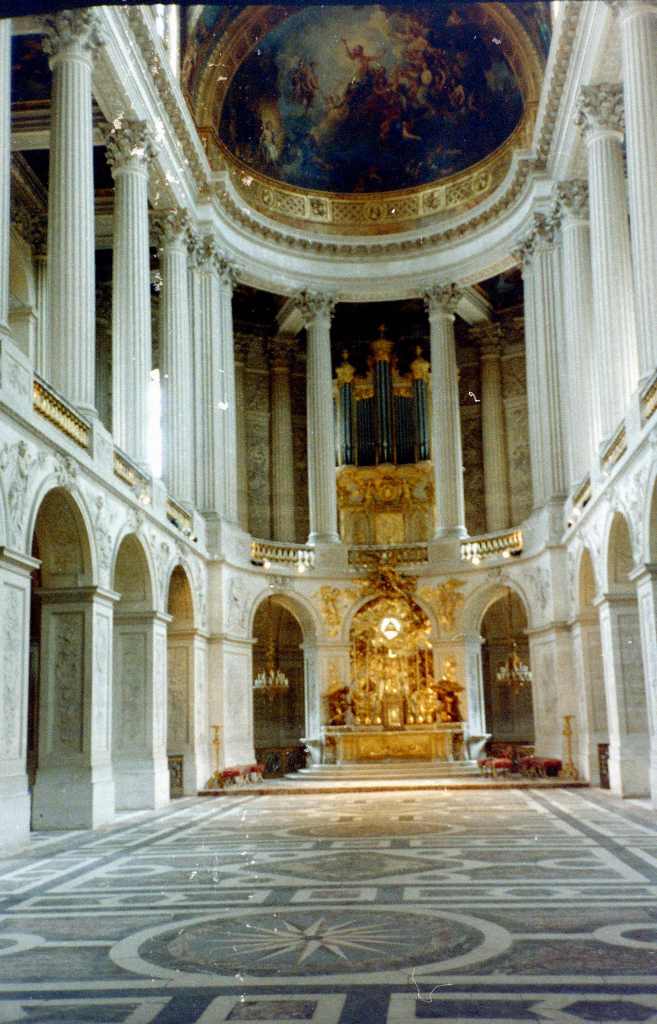
Versailles
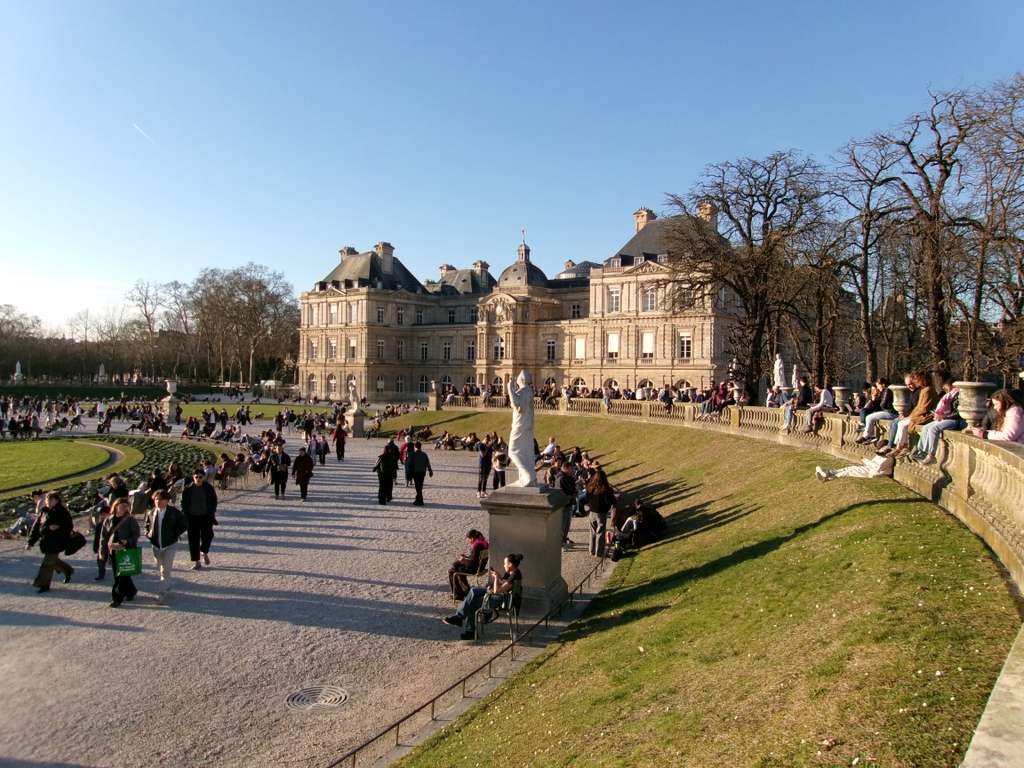

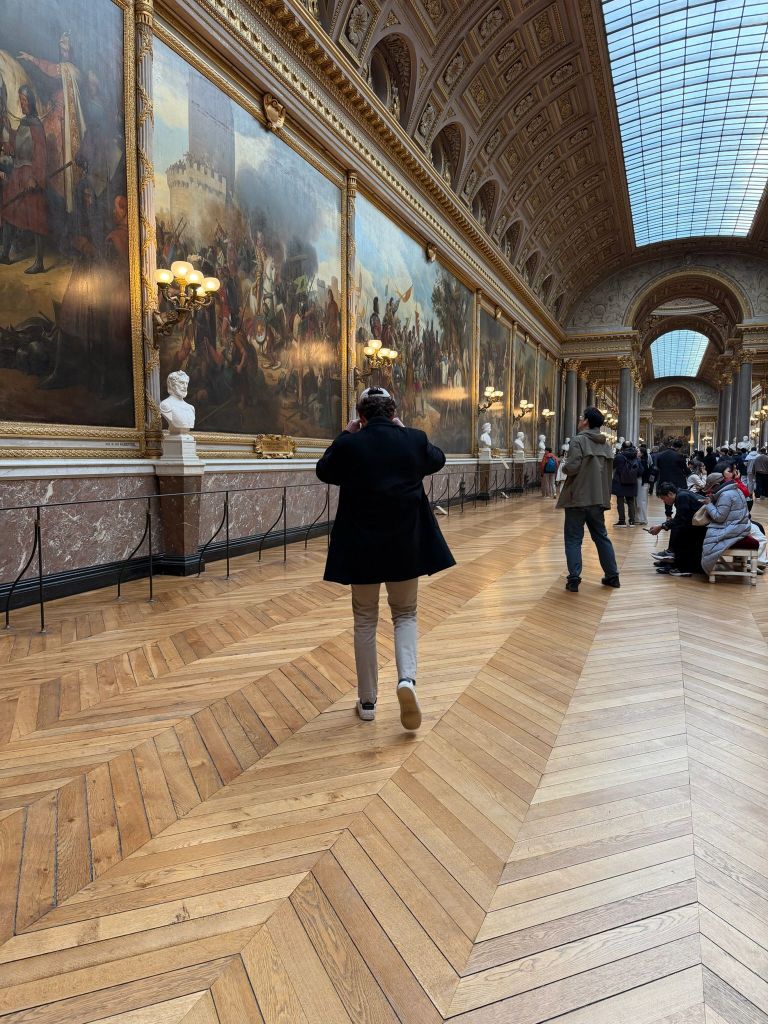
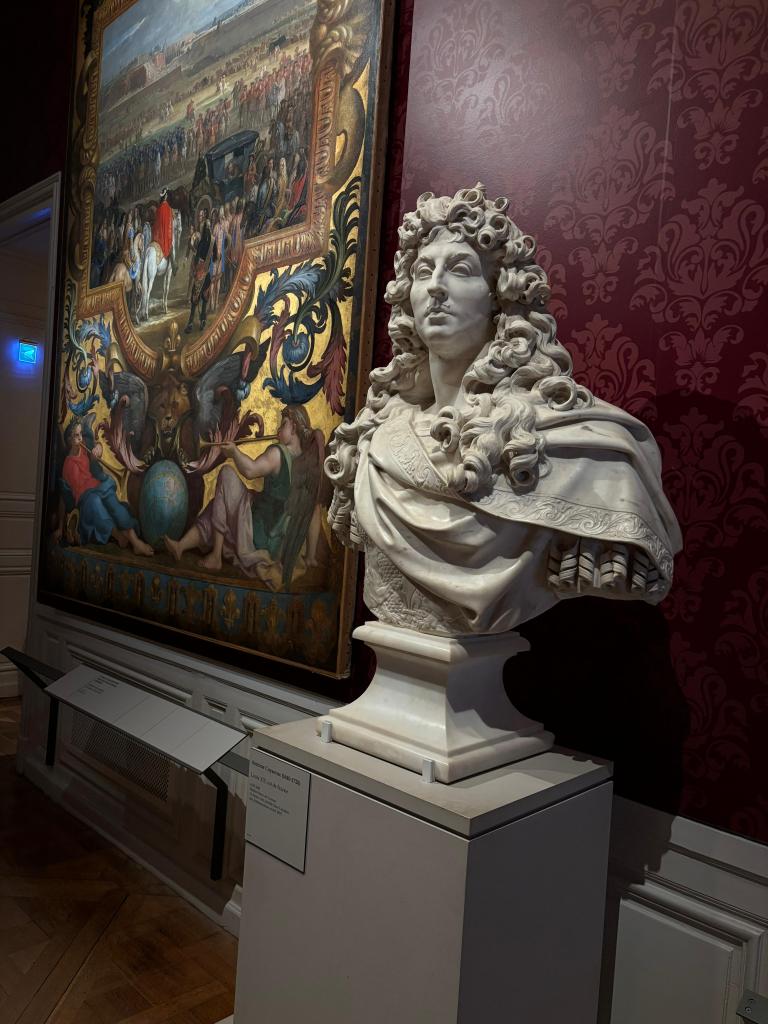
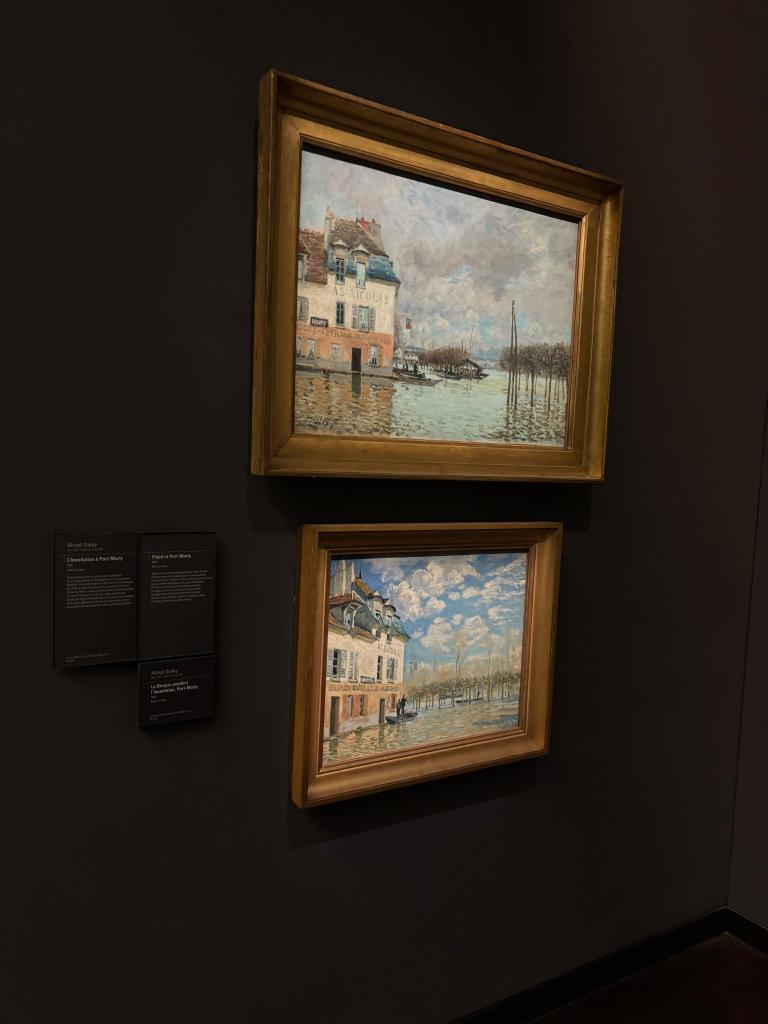
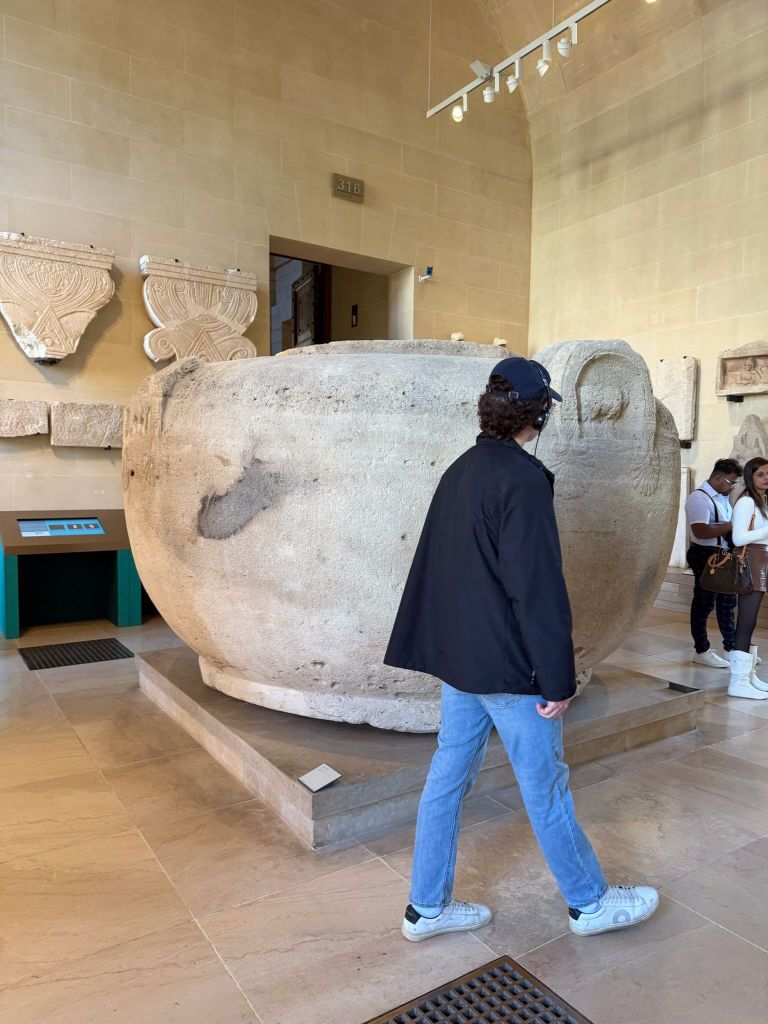

Photo taken from the Eiffel Tower, showing the Seine River and iconic bridges.
Eifel Tower
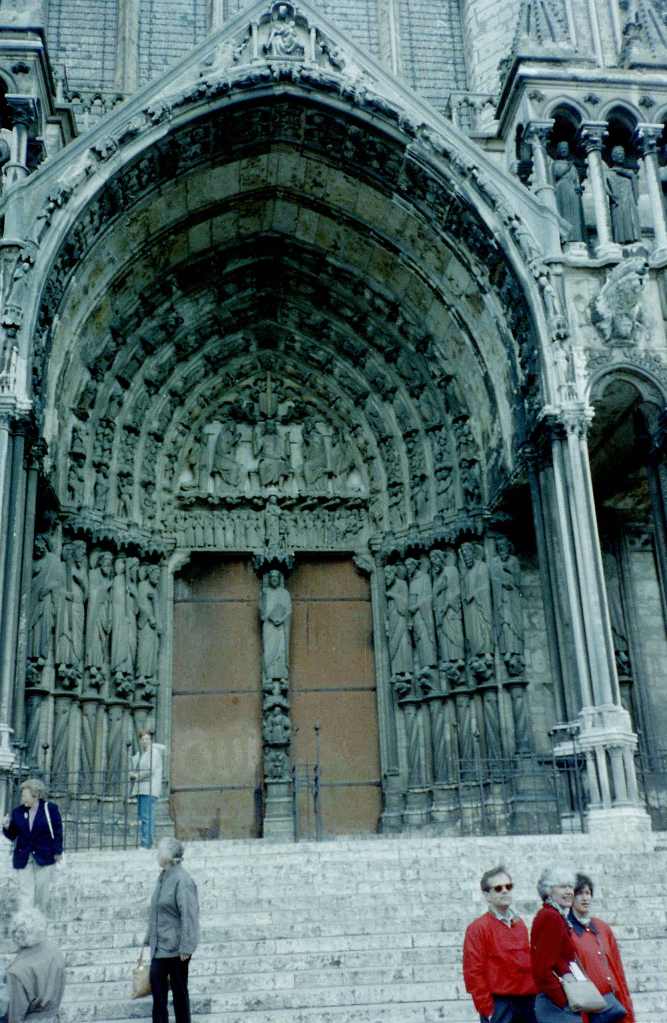
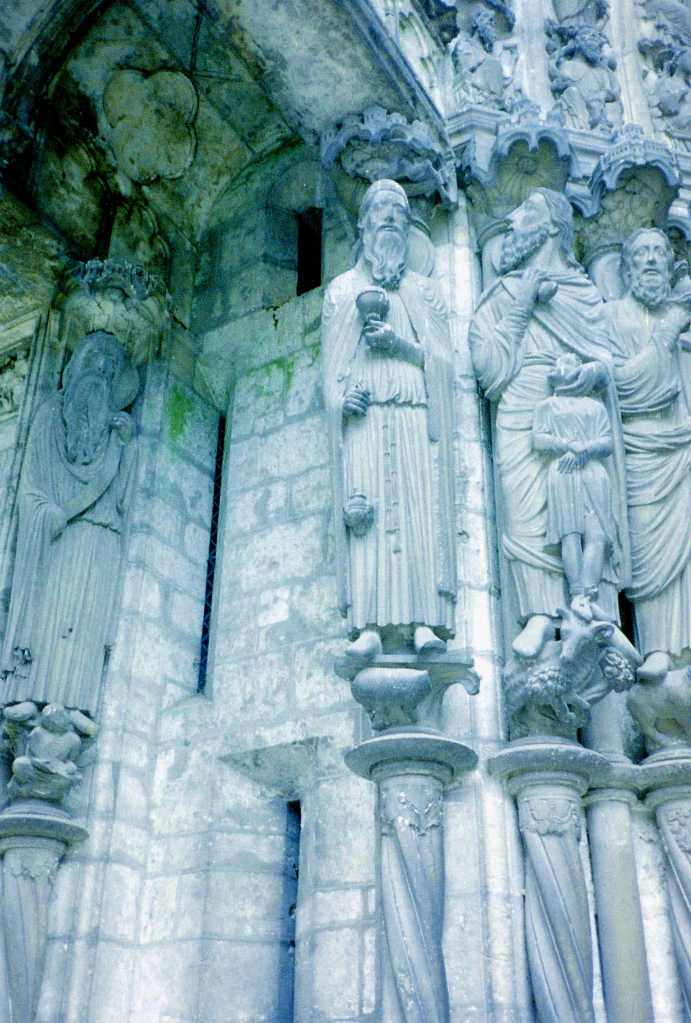
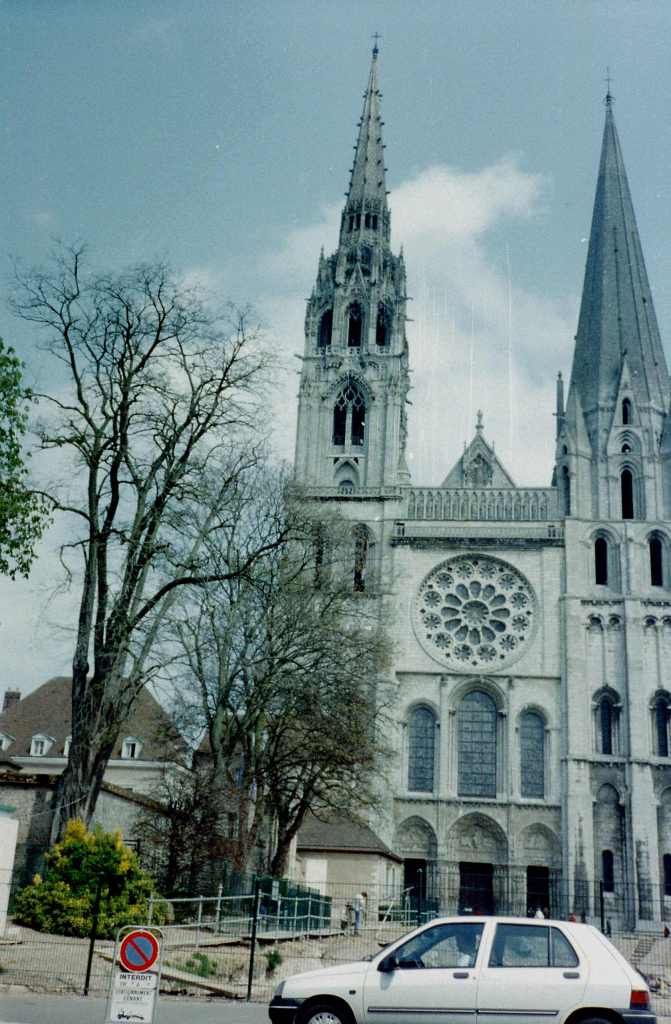
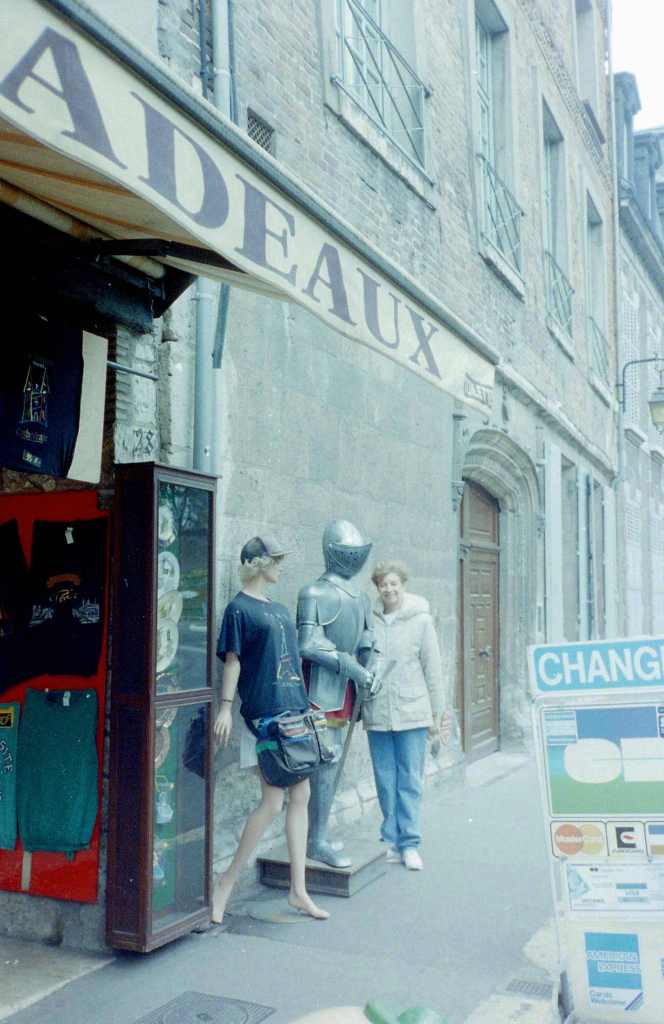
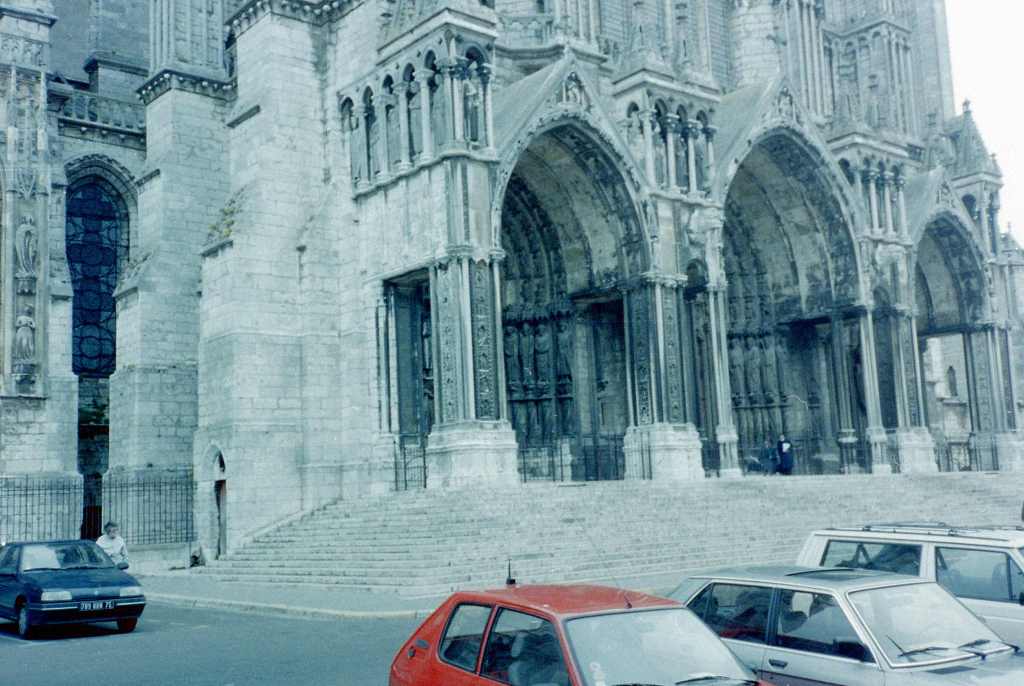
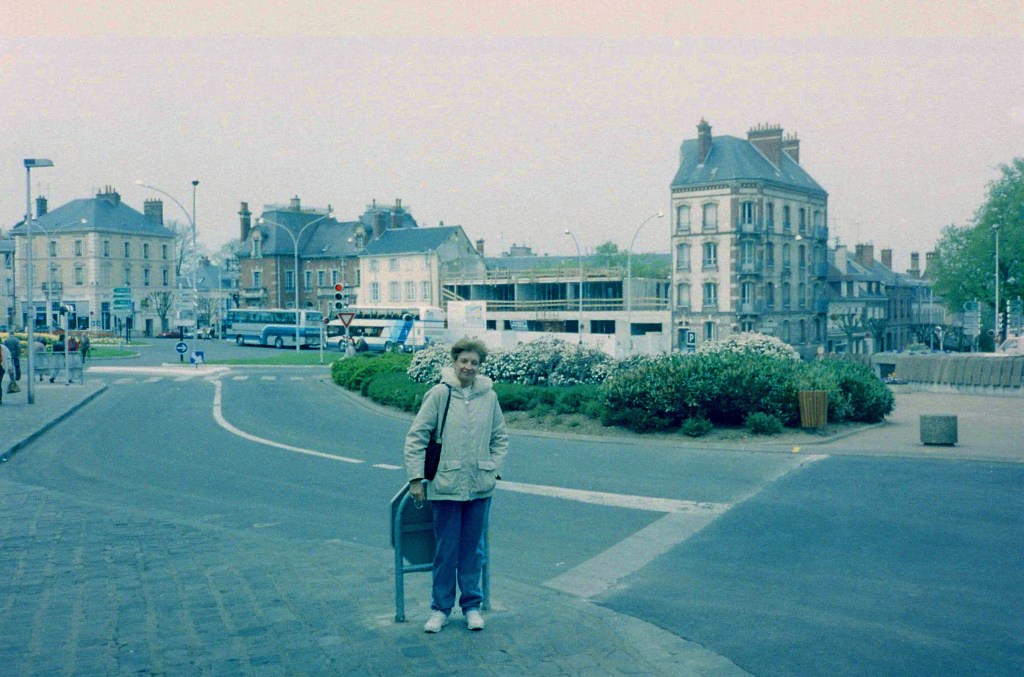
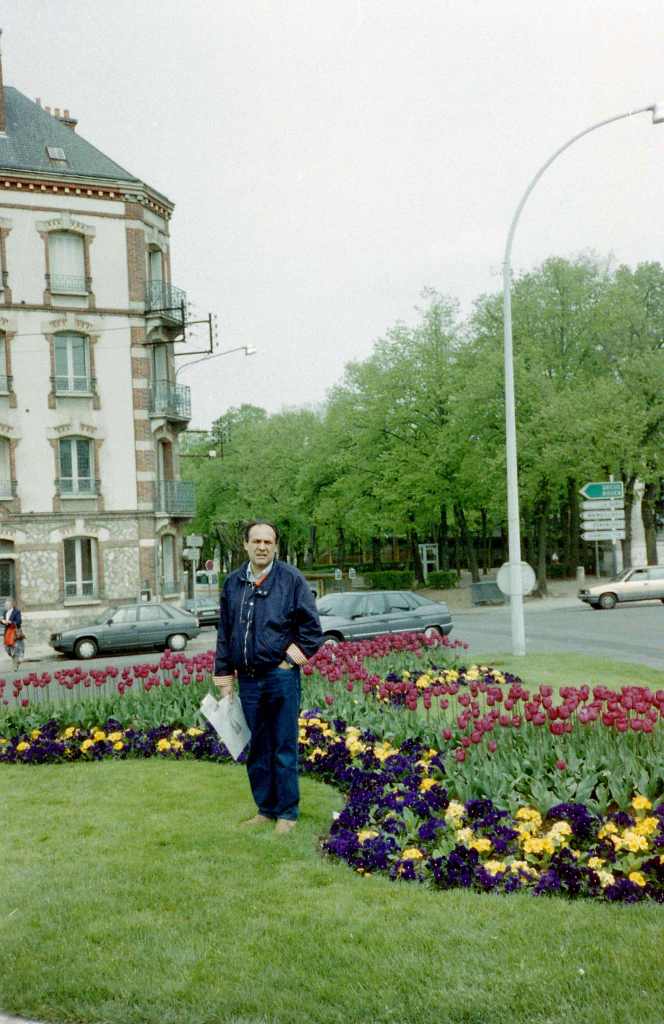
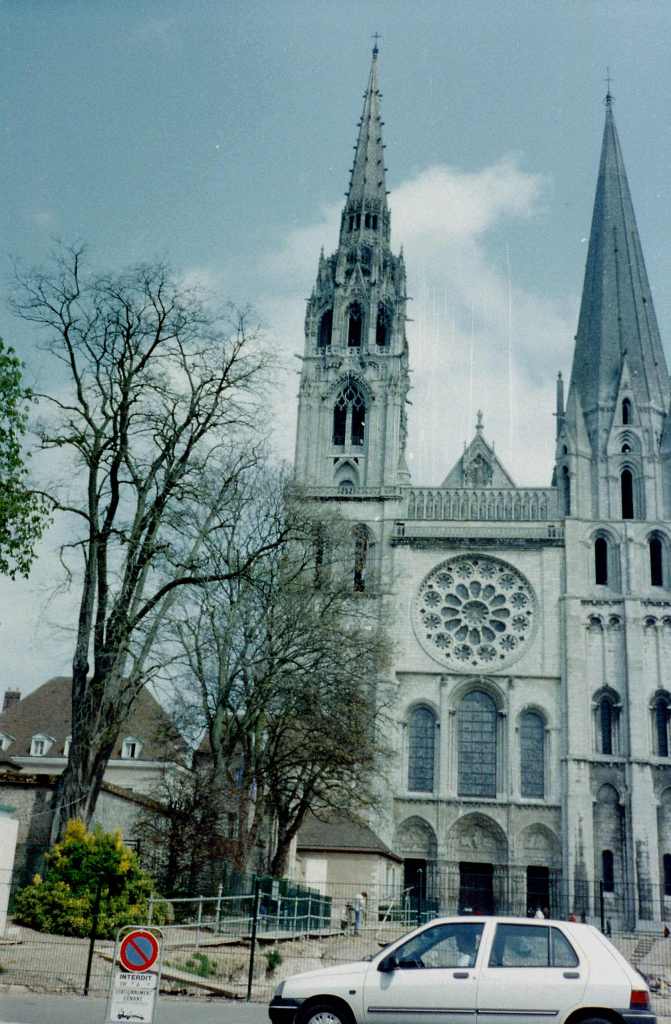
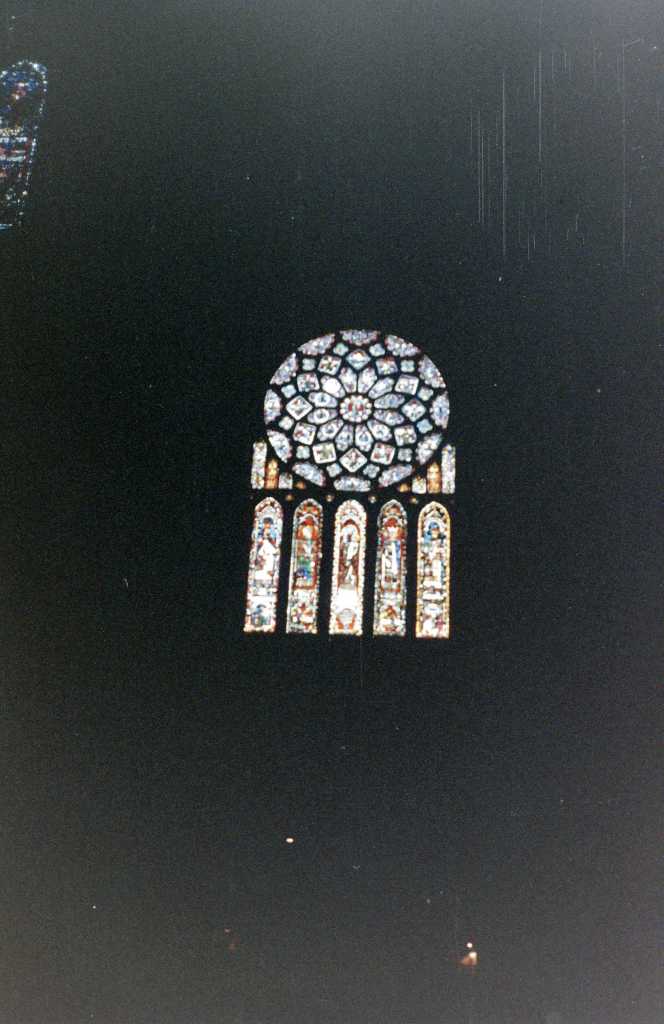
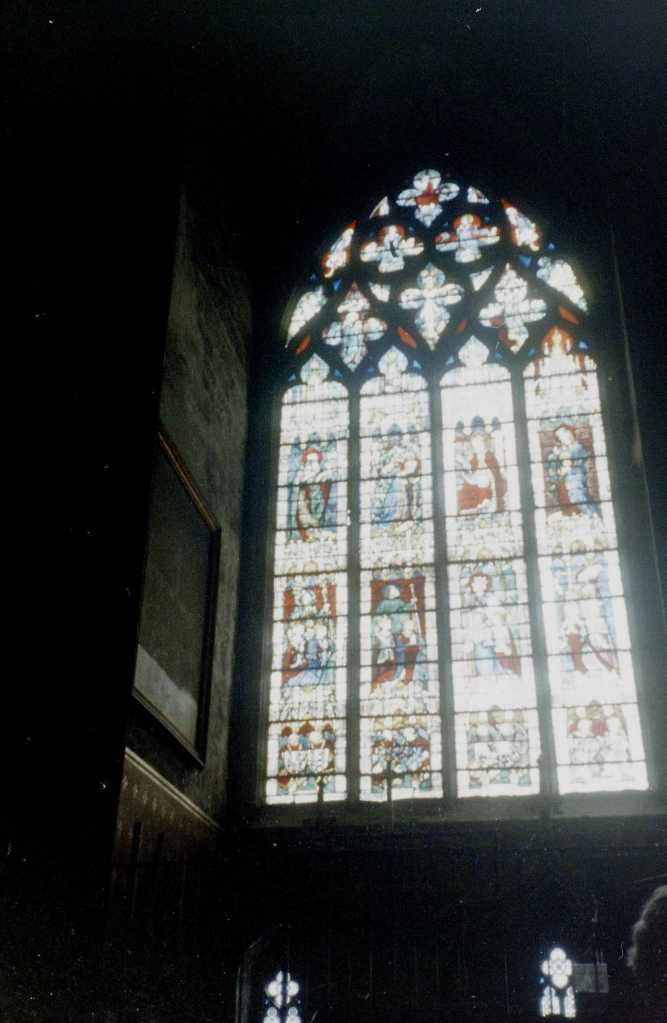
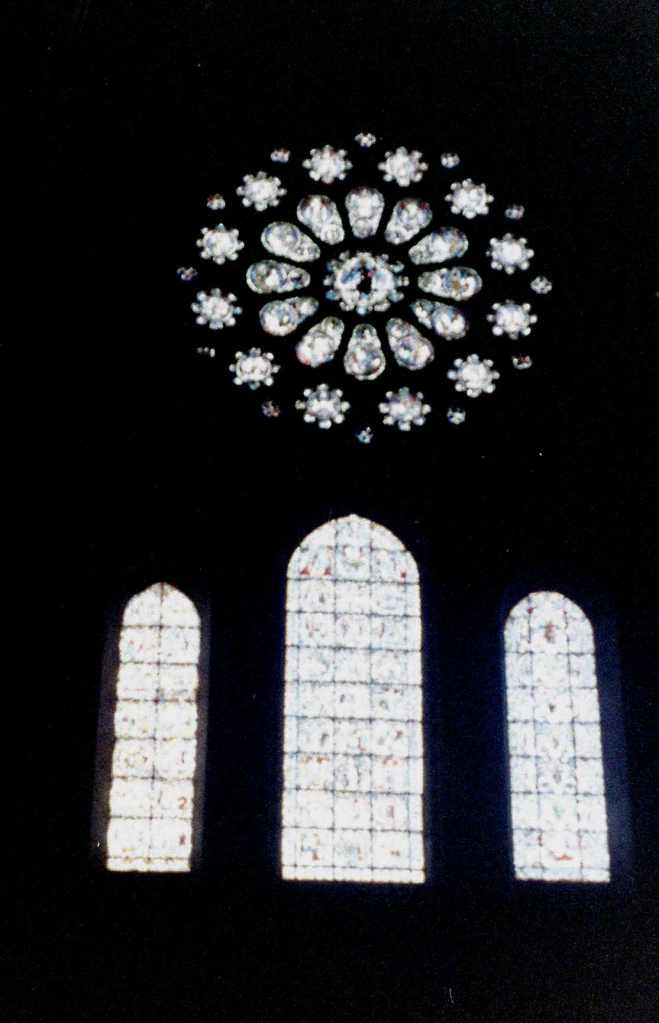
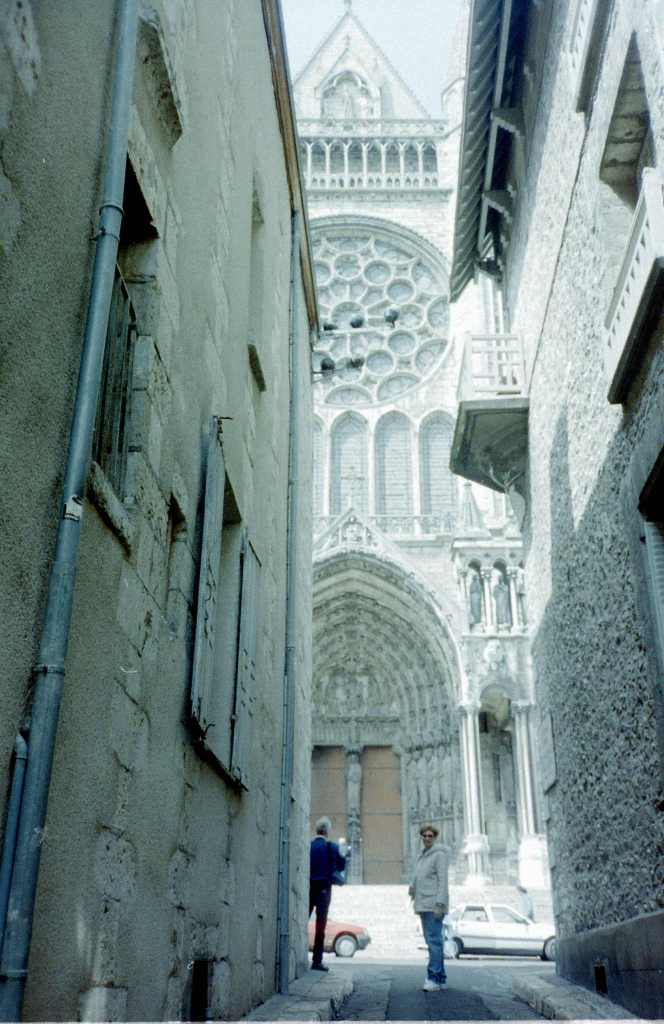
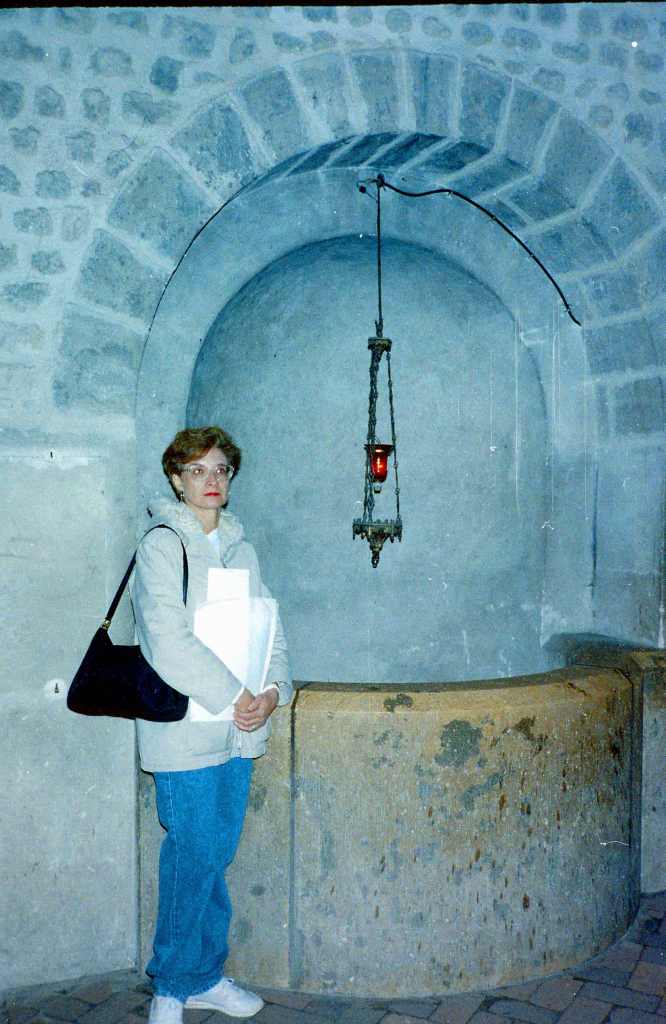
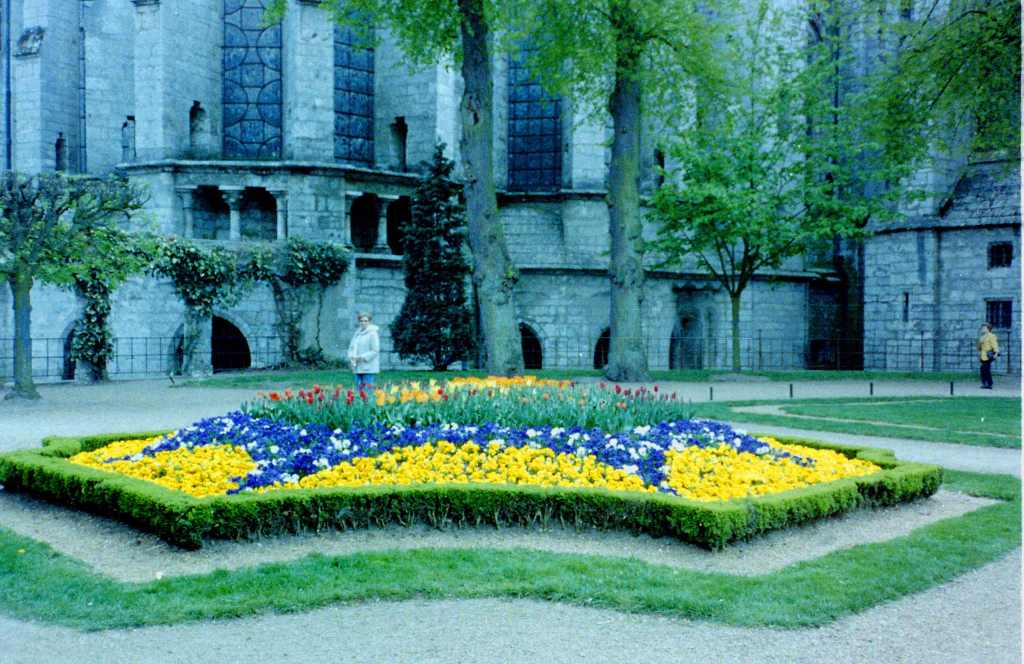
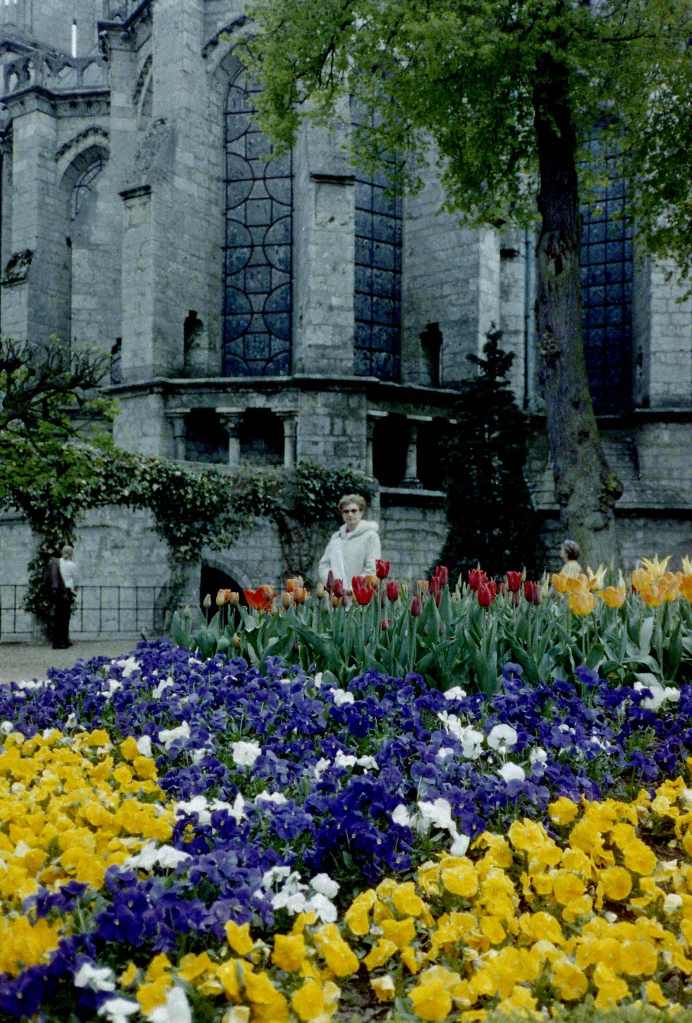
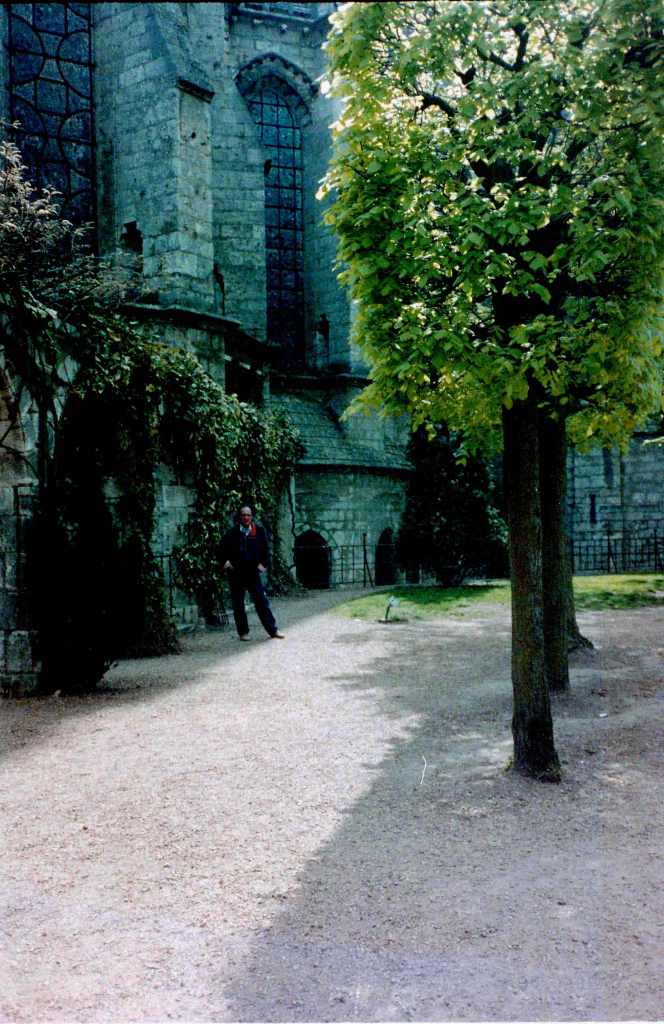
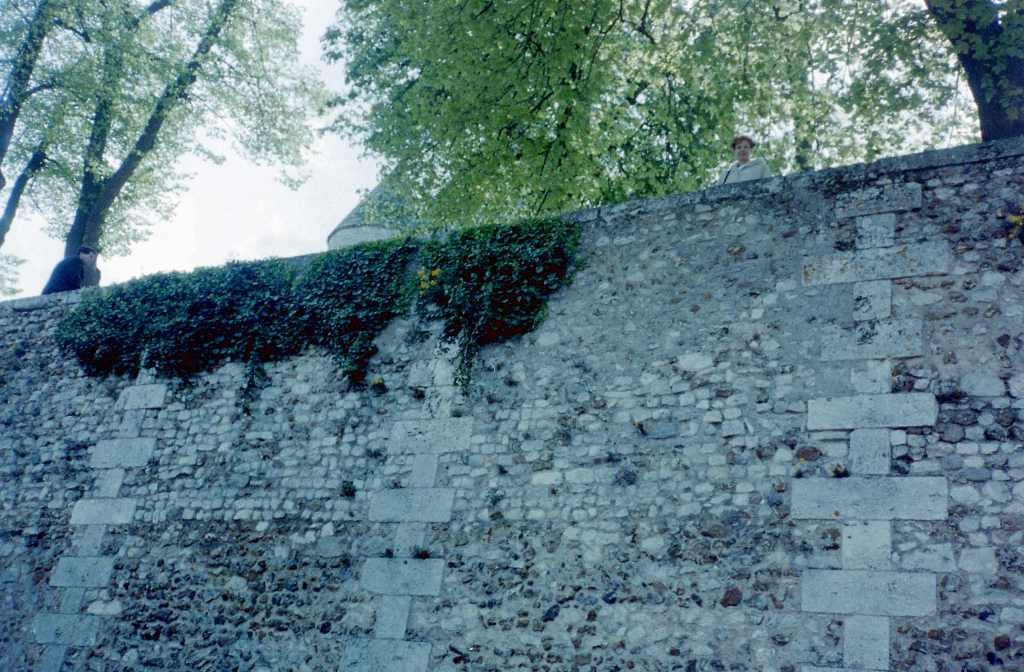
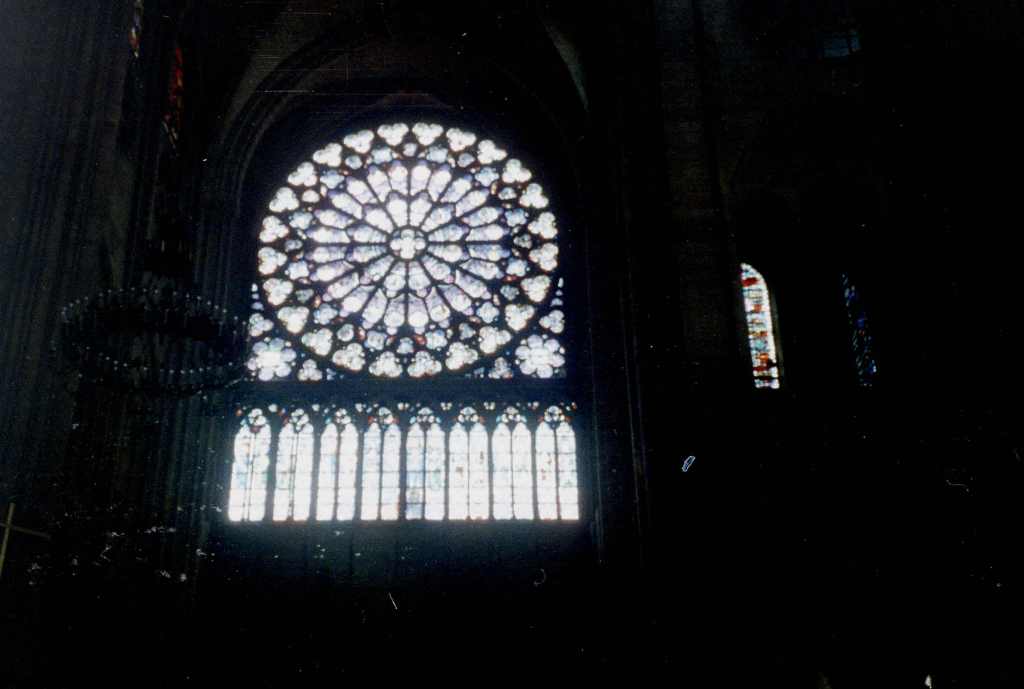
Há viagens dentro das viagens. Na semana que passamos em Paris, separamos um dia e tomamos o trem até Chartres — cidade pequena, a pouco mais de uma hora da capital, dominada por uma catedral gótica que se vê de longe antes de qualquer outra coisa.
Não chamei de peregrinação na hora. Só percebi depois, resgatando a memória, que era exatamente isso que tinha sido.
Mas antes de chegar à espiritualidade, chegamos ao trem.
Pegamos, sem perceber, um vagão de fumantes. E os franceses de 1993 fumavam — não como quem tem um vício, mas como quem exerce um direito natural e inalienável, com prazer visível e sem a menor consideração pelo ar dos demais. Em minutos o vagão estava envolto numa nuvem densa e democrática que não distinguia fumantes de não fumantes, turistas de locais, crentes de agnósticos.
Chegamos a Chartres levemente defumados e prontos para a purificação.
Fui a Chartres com duas coisas na cabeça.
A primeira era Jung — cujo sistema de psicanálise me acompanhava há anos e que eu vinha estudando com mais atenção. Chartres é um dos lugares do mundo onde o cristianismo católico e as crenças pagãs anteriores se encontram de forma mais explícita e mais honesta. A catedral foi construída sobre um local sagrado muito anterior ao cristianismo — e isso não é coincidência, é política espiritual de milênios. Jung explica isso como a permanência dos arquétipos sob formas diferentes — o sagrado muda de roupa mas não de endereço.
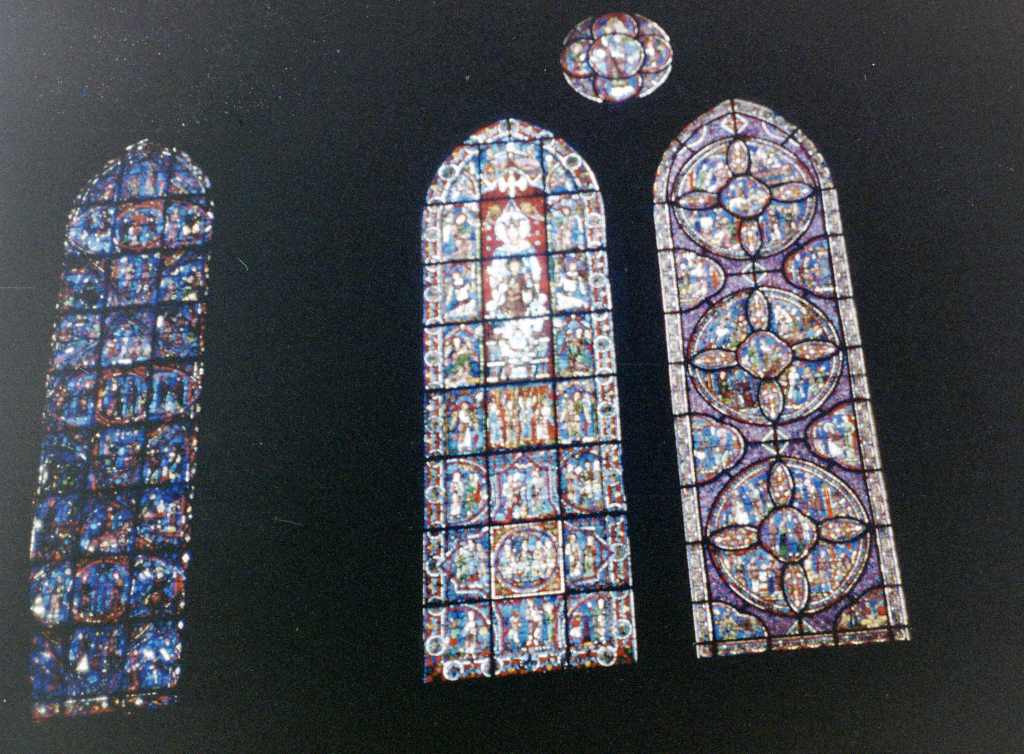
A segunda era uma intuição sobre as catedrais góticas que me perseguia e que depois eu desenvolveria num post inteiro — deixo aqui apenas o ponteiro para quem se interessar: Isto vai matar aquilo. O argumento, resumido numa frase, é que as catedrais eram os livros dos que não sabiam ler — e que Gutemberg, ao inventar a imprensa, tornou aquela linguagem de pedra, luz e vitral progressivamente desnecessária. Mas isso é assunto para outra conversa.
Cristina foi a Chartres como quem vai para casa.
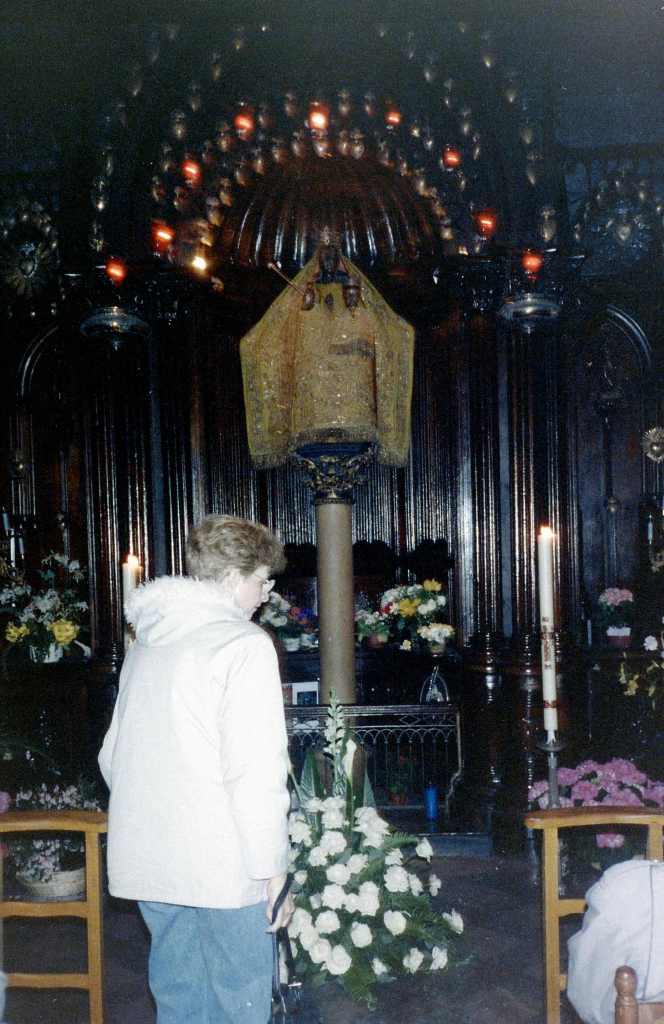
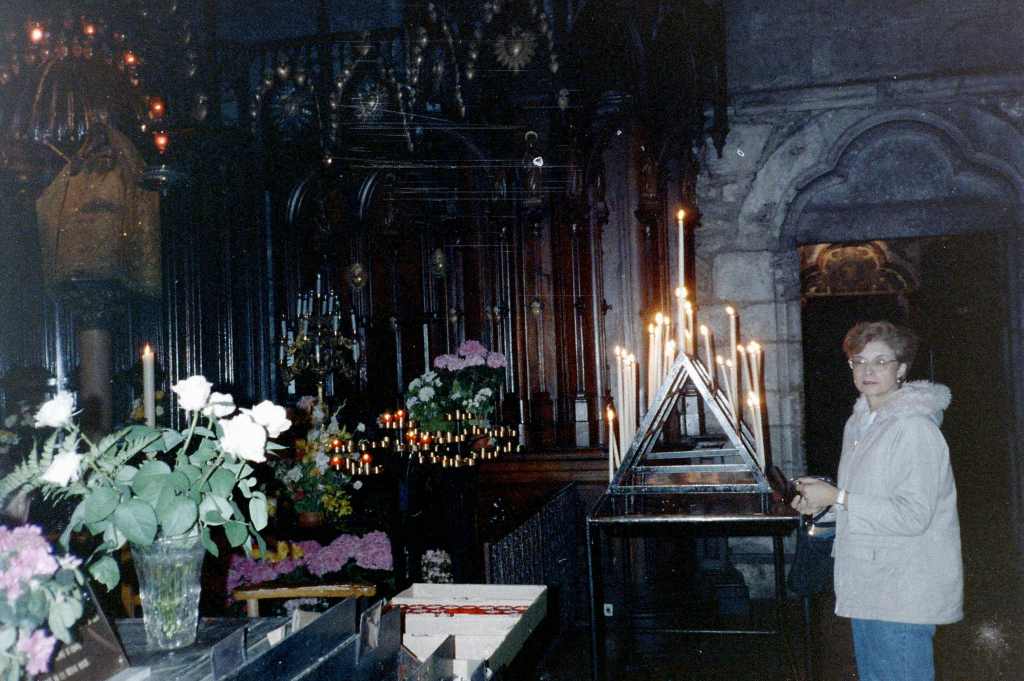
Devota de Nossa Senhora, a catedral de Chartres é um dos grandes santuários marianos do mundo ocidental — guarda o que a tradição chama de véu de Maria, e atrai peregrinos há séculos. Para ela não era pesquisa nem intuição intelectual. Era simplesmente o lugar certo para estar.
Enquanto eu circulava tentando entender as camadas pagãs sob as pedras cristãs, ela encontrava o que tinha ido buscar de forma muito mais direta.
Somos assim há décadas — chegamos ao mesmo lugar por caminhos completamente diferentes e nos encontramos lá dentro.
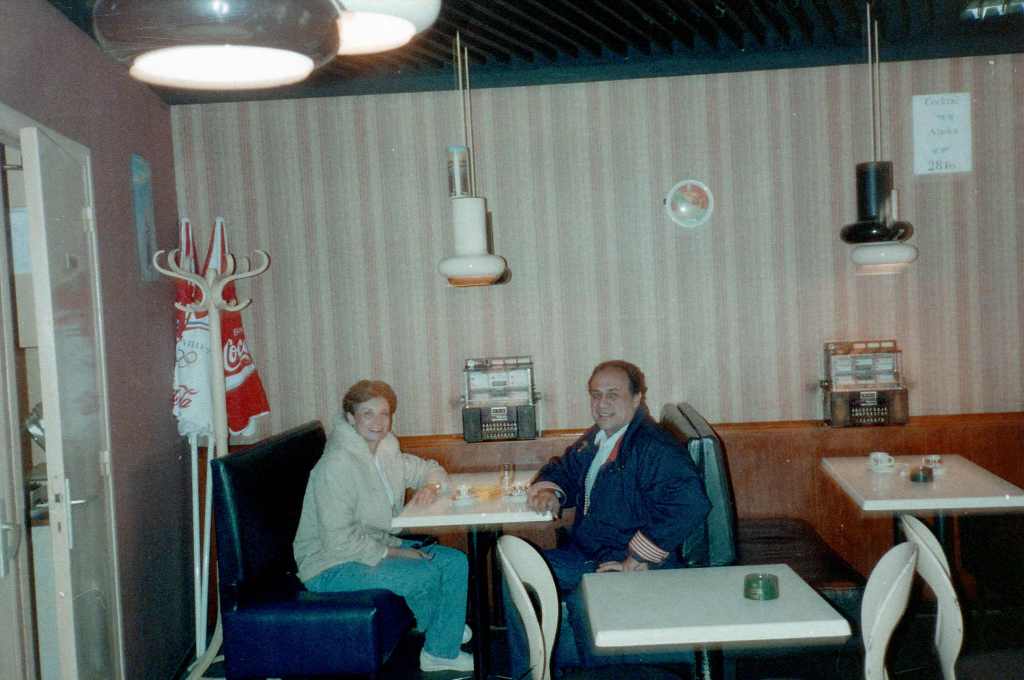
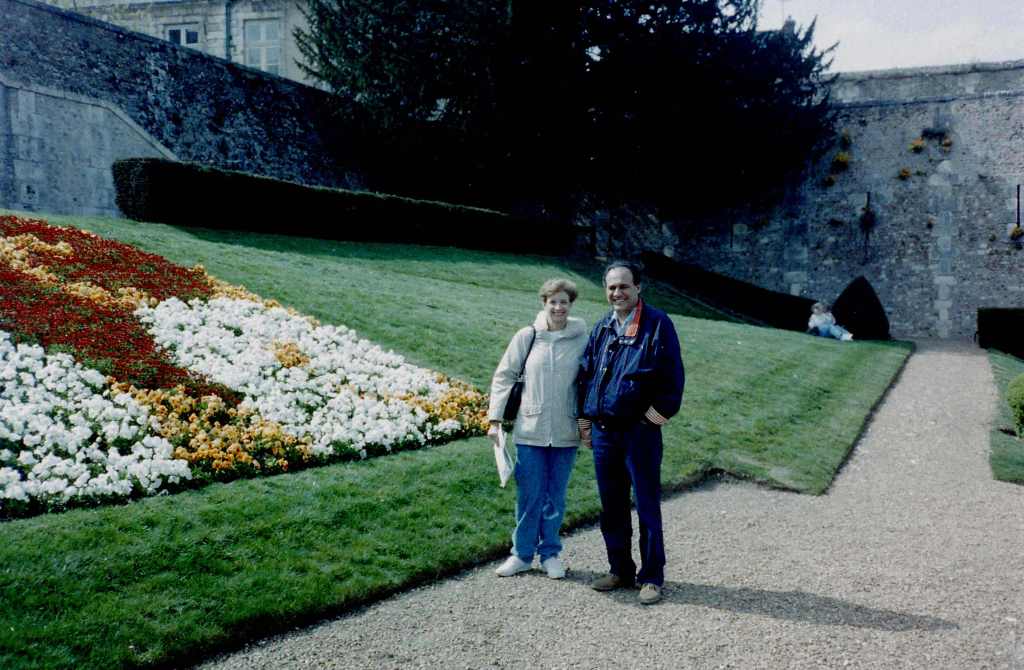
Depois da catedral, um café. A foto que ficou desse dia mostra nós dois sentados num banco de couro azul escuro, uma jukebox atrás, uma bandeirinha olímpica da Coca-Cola num porta-guarda-chuvas ao fundo — e dois sorrisos de casal que está exatamente onde quer estar.
Cristina com aquele sorriso luminoso de sempre. Eu com o ar satisfeito de quem encontrou algo que procurava sem saber exatamente o nome do que era.
Foi só ao voltar, resgatando a memória, que entendi o nome: Peregrinação.

Nos EUA não existe uma “malha fina” exatamente com esse nome, mas a lógica é parecida:
Resumindo: nos EUA, receber restituição não é “certificado de OK eterno”; é só que, naquele momento, o IRS processou e pagou. A revis
Nos Estados Unidos, o equivalente à pesquisa do Serasa é feito através dos chamados Credit Bureaus (birôs de crédito). Não existe apenas uma empresa central, mas sim três grandes agências nacionais que dominam o mercado e compilam o seu “currículo financeiro”.
As Três Principais Agências
Diferente do Brasil, onde o Serasa é a principal referência, nos EUA você deve consultar as três para ter uma visão completa, pois nem todos os credores reportam para todas elas: Consumer Advice | Federal Trade Commission (.gov)
Como Realizar a Pesquisa
Diferenças Importantes
Nos Estados Unidos, não existe um site único e centralizado que funcione exatamente como o Jusbrasil, pois o sistema jurídico americano é dividido de forma muito rígida entre os níveis federal e estadual.
Para fazer uma pesquisa equivalente, você deve seguir estes caminhos:
1. Pesquisa Federal (PACER)
Se o processo for de nível federal (como falências, crimes federais ou disputas entre estados), o sistema oficial é o PACER (Public Access to Court Electronic Records).
 United States Courts (.gov) +2
2. Pesquisa Estadual (Tribunais Locais)
A maioria dos processos (divórcios, disputas de aluguel, crimes comuns) corre em nível estadual.
 United States Courts (.gov)
3. Ferramentas “Estilo Jusbrasil” (Buscadores Privados)
Existem plataformas privadas que tentam agregar esses dados para facilitar a busca por nome:
Diferença Fundamental
No Brasil, o CPF é a chave mágica no Jusbrasil. Nos EUA, o SSN (Social Security Number) é protegido por leis de privacidade rigorosas e raramente aparece em buscas públicas abertas. A pesquisa costuma ser feita pelo nome completo e data de nasciment
Antes de falar de Genebra, preciso falar da Suíça. Porque chegar lá sem rever as próprias ideias seria desperdiçar a viagem.
Minha impressão prévia era a de muita gente: um lugar pequeno, com montanhas cobertas de neve, fábricas de chocolate e de relógio. Cartão postal animado, sem mais.
A realidade é outra. A Suíça lembra muito o Canadá — não é pequena no sentido que importa, que é o sentido vivido. É um país de Cantões, cada um com sua origem, sua identidade, sua cultura. E aqui vem o primeiro espanto: os Cantões podem ser de cultura francesa, alemã ou italiana — e os suíços saltam de uma língua para outra no meio de uma reunião de trabalho como se fosse absolutamente natural. Porque para eles é. Cresceram assim. Suas escolas devem ser as melhores do mundo — e não é exagero, é observação.
São profundamente educados — tecnicamente e de maneiras. As duas coisas juntas, o que é mais raro do que parece.
Jung em Zurique
Embora minha base fosse sempre Genebra, fiz questão de ir até Zurique atrás de Jung — cujo sistema de psicanálise usei para mim mesmo ao longo dos anos. Conheci a casa dele e o instituto que leva seu nome. É o tipo de visita que não cabe em roteiro turístico mas que você não esquece — porque não é turismo, é um encontro pessoal com alguém que já habitava sua cabeça há muito tempo. Fui visitar a Torre de Bollingen
A razão do trabalho — e os americanos ex-IBMistas
Fui à Suíça para entender e ver o que o Brasil precisava fazer para se alinhar pela ISO — International Organization for Standardization, sediada em Genebra. A infraestrutura técnica deles, com ampla literatura que comprei toda e trouxe para o Brasil e usei para gerar nossas ordenações, na área de normalização, foi extremamente útil para enfrentar um problema concreto: o Mercado Comum Europeu tinha uma agenda clara de dificultar a entrada de produtos alimentares americanos na Europa — e acabamos sendo envolvidos da mesma forma com nossos próprios produtos que queríamos vender por lá.
Acabou dando certo. Me juntei aos americanos que trabalhavam o mesmo problema — e não foi coincidência que a parceria funcionou bem: eram ex-IBMistas. E quem passou pela IBM sabe que a empresa embute uma cultura, uma forma de pensar e de resolver problemas, que reconhece outra pessoa com a mesma formação de longe. É como um sotaque que não some. Somos, ou éramos uma família onde quer que estivéssemos e quem quer que fôssemos…
Cristina e o presépio
Enquanto eu resolvia normalização e geopolítica alimentar, Cristina descobria a Suíça com outros olhos.
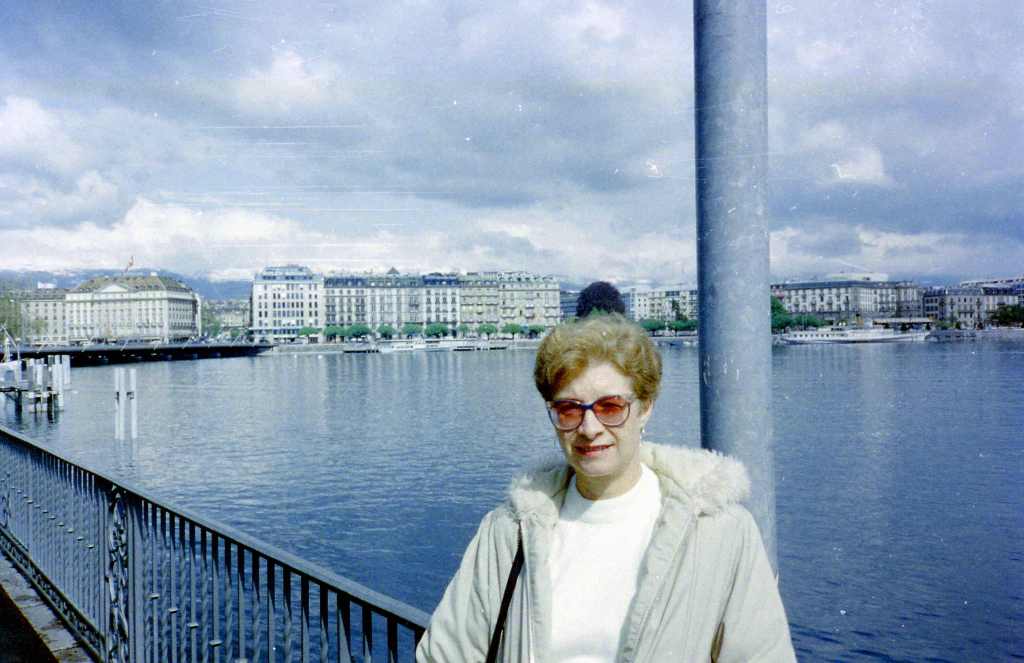
Ela achou as casinhas um presépio. E não é metáfora vaga — é descrição precisa. O cuidado que os suíços têm com a natureza e com a aparência de tudo ao redor é de uma consistência impressionante. A transparência do Lago Léman — o Lago de Genebra — é algo que precisa ser visto para ser acreditado. E num canto da cidade, um escultor dando forma a um busto num tronco de árvore — uma dessas cenas que aparecem sem aviso e ficam para sempre.
O dinheiro, os relógios e a comida
Os suíços têm uma relação com dinheiro que impressiona pela frieza elegante. Naquela época, cobravam para guardar na mão deles até um milhão de dólares. Só a partir daí é que começavam a oferecer algum rendimento. É o tipo de detalhe que diz tudo sobre um país.
As vitrines de relojoaria e joias são um espetáculo à parte — não apenas pelo que exibem, mas pela forma como exibem. Tudo calculado, tudo preciso, tudo dizendo silenciosamente que o que está ali dentro vale mais do que você imagina.
Mas a comida — ah, a comida…
Para quem está acostumado com a generosidade do Brasil e a fartura americana, Genebra é um exercício de resignação gastronômica. Um jantar de sete etapas não enche a barriga. Um festival de lagosta parece piada — de bom gosto, mas piada. O vinho vem servido em taça marcada com a quantidade exata em mililitros. Foi lá que conheci as latinhas de 125ml que depois viraram padrão em outros lugares — e achei um absurdo então, acho um absurdo agora. Abaixo de 350ml, que é o padrão americano adotado no Brasil, não é porção, é amostra.
Paradoxalmente, eles tem escolas de formação de Padeiros e Chefs Gourmet e tivemos oportunidade de ver duas exposições sobre escolas que se especializam em Padaria e comida Gourmet.
Lugar bonito. Frio. Ordenado. Difícil.
Genebra é tudo isso ao mesmo tempo.
Bonita de um jeito que não precisa se esforçar. Fria — no clima e, às vezes, nas pessoas, embora de forma diferente de Paris — sem o julgamento, mas com uma distância que é simplesmente o jeito deles. Extremamente ordenada, o que depois de Nova York e Paris tem um efeito quase descansante.
Mas para viver deve ser muito difícil — mesmo que você tenha muito dinheiro, o que parece ser o caso de todo mundo que vive lá. Há lugares que são extraordinários para visitar e severos para habitar. Genebra é um deles.
Nova York te absorve. Paris te testa. Genebra te organiza — e depois te manda embora pontualmente.
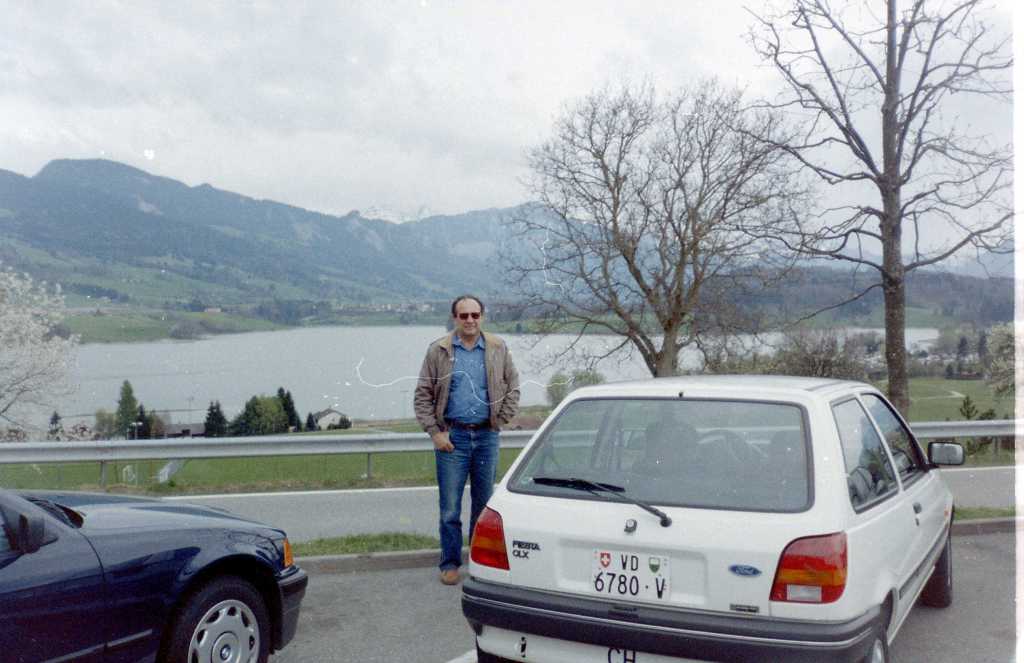
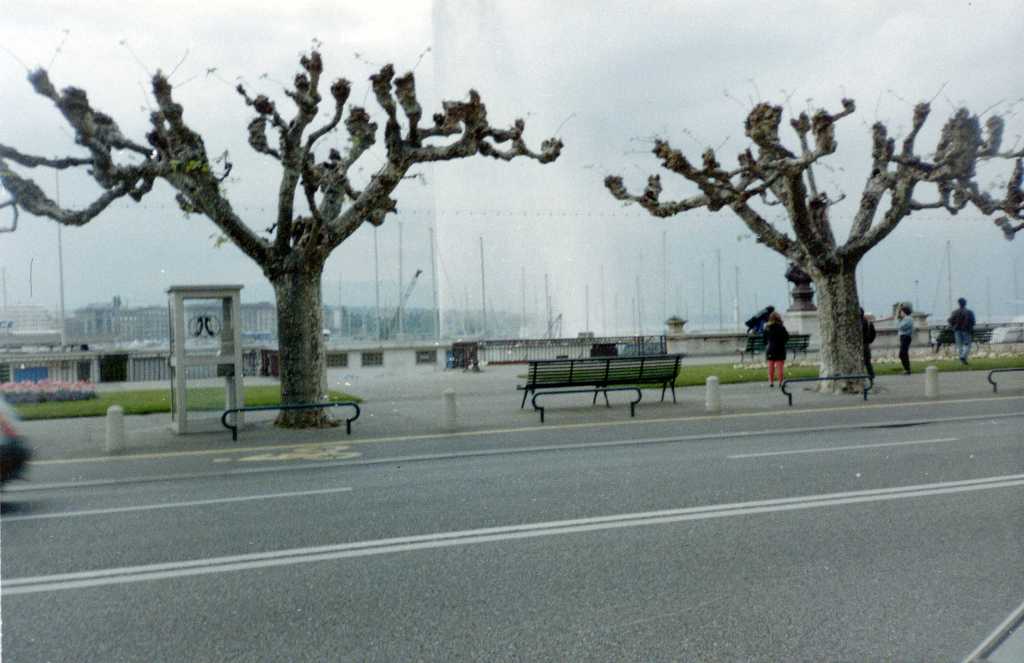
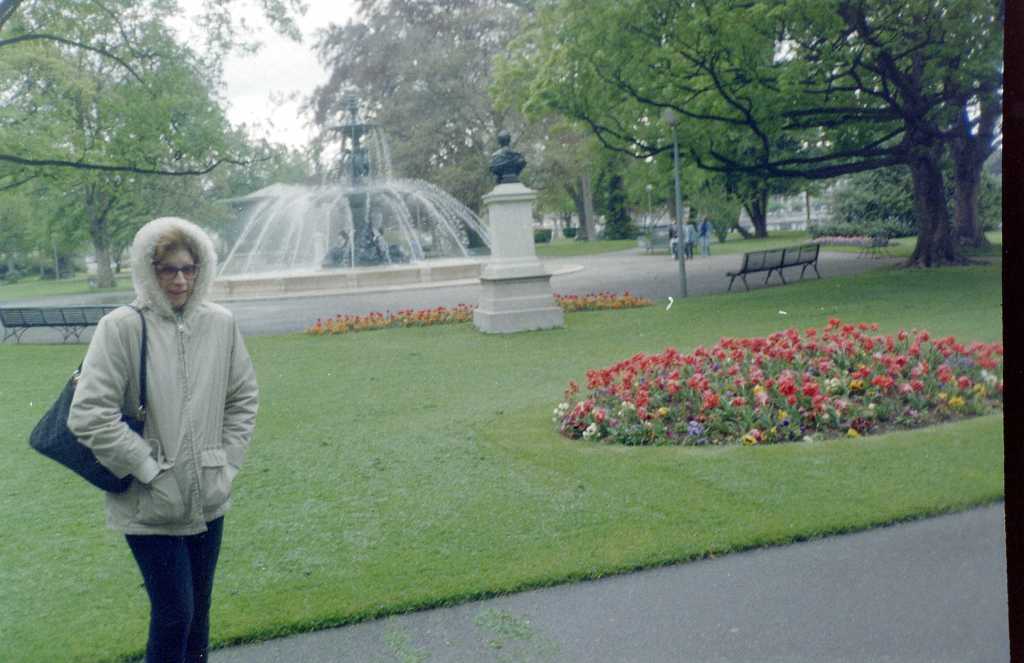
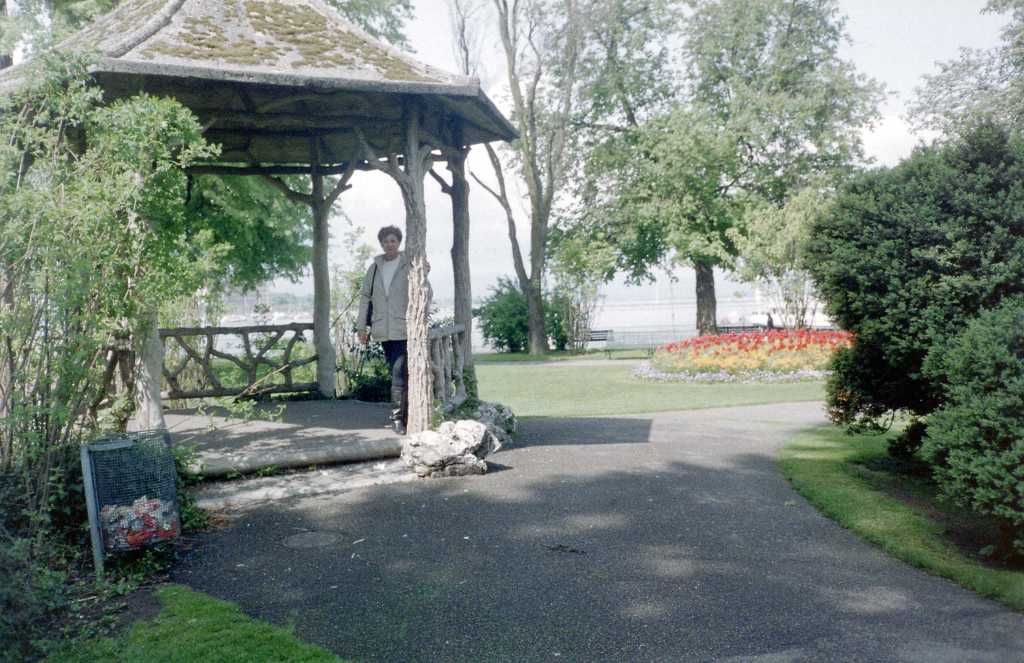
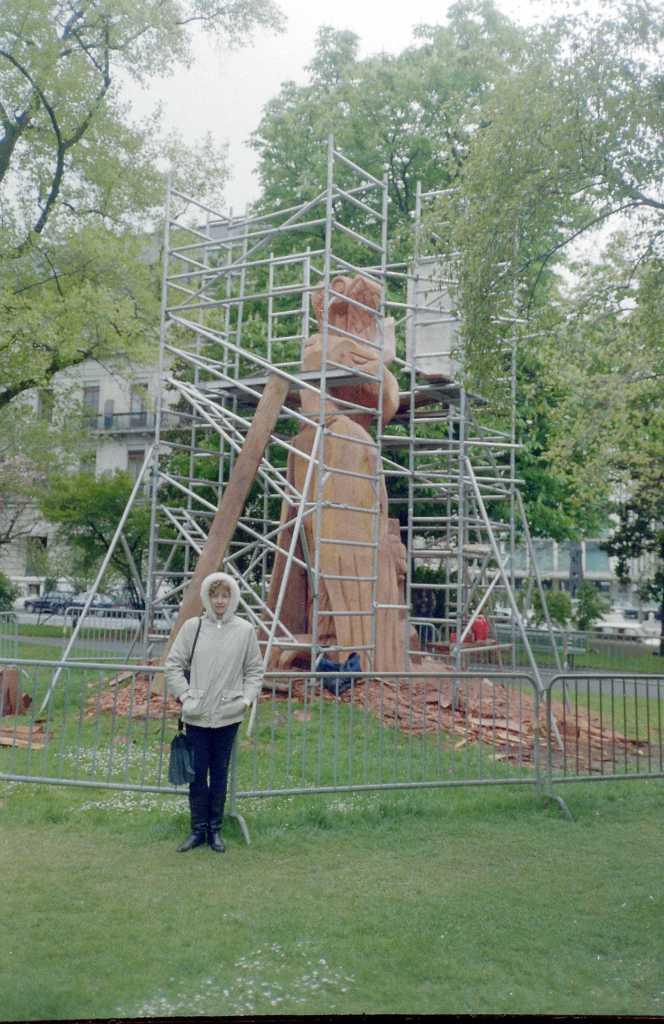
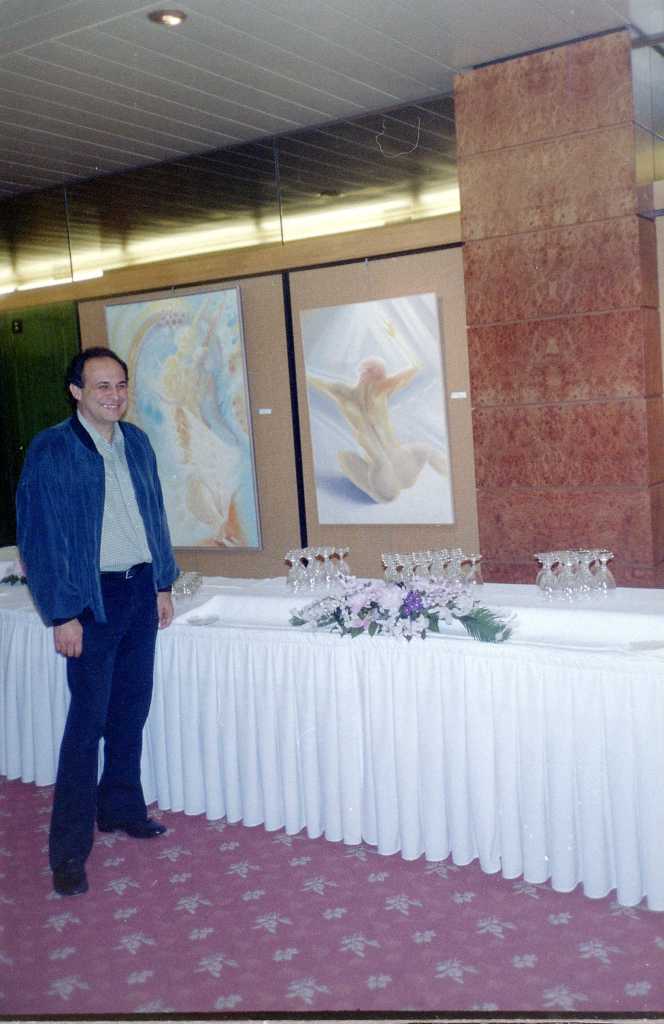
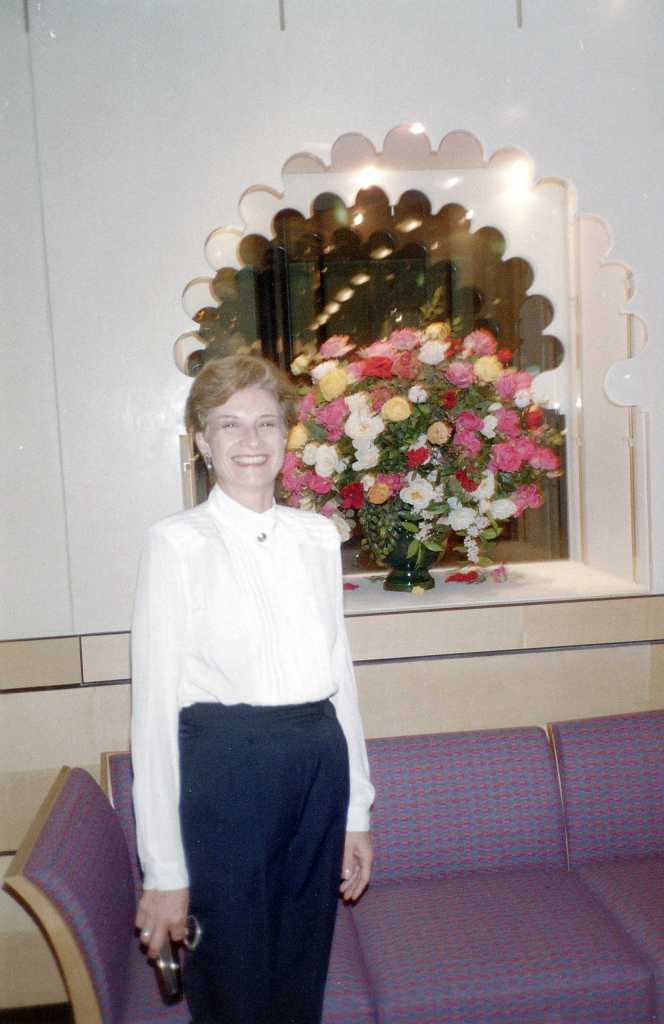
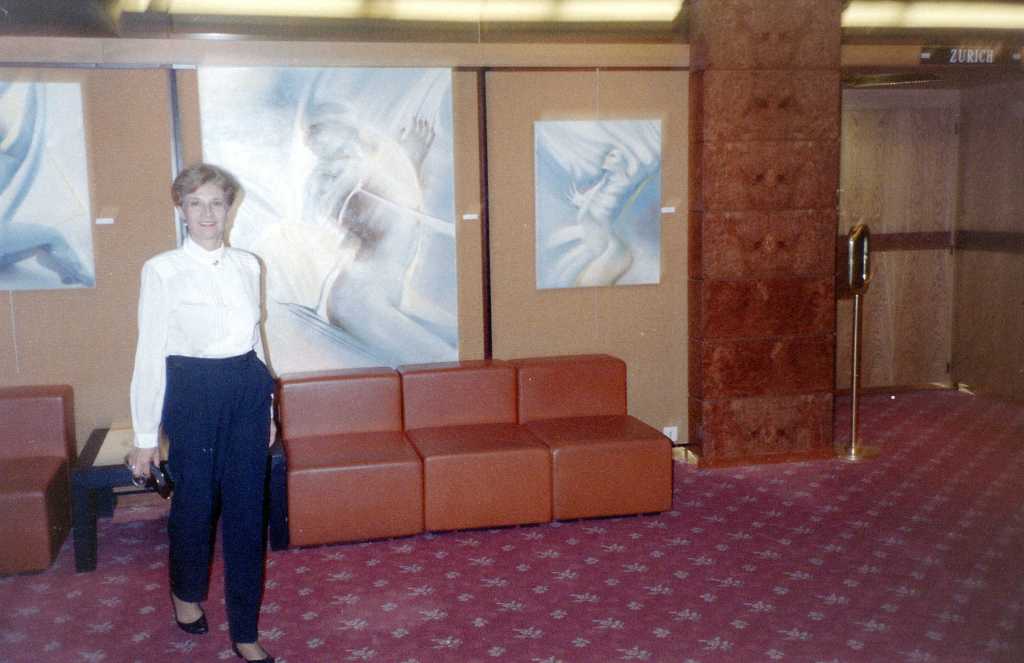
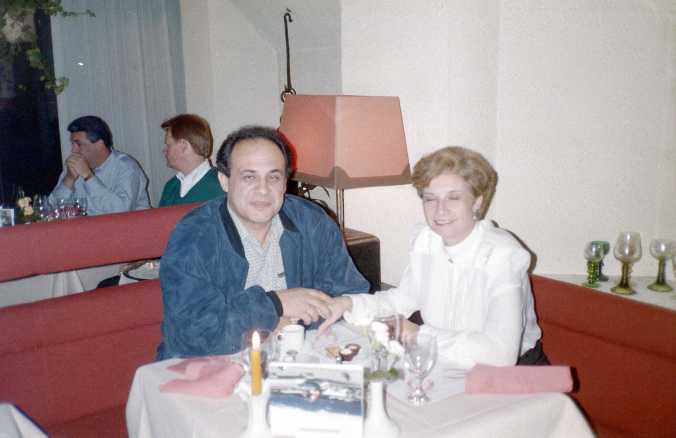
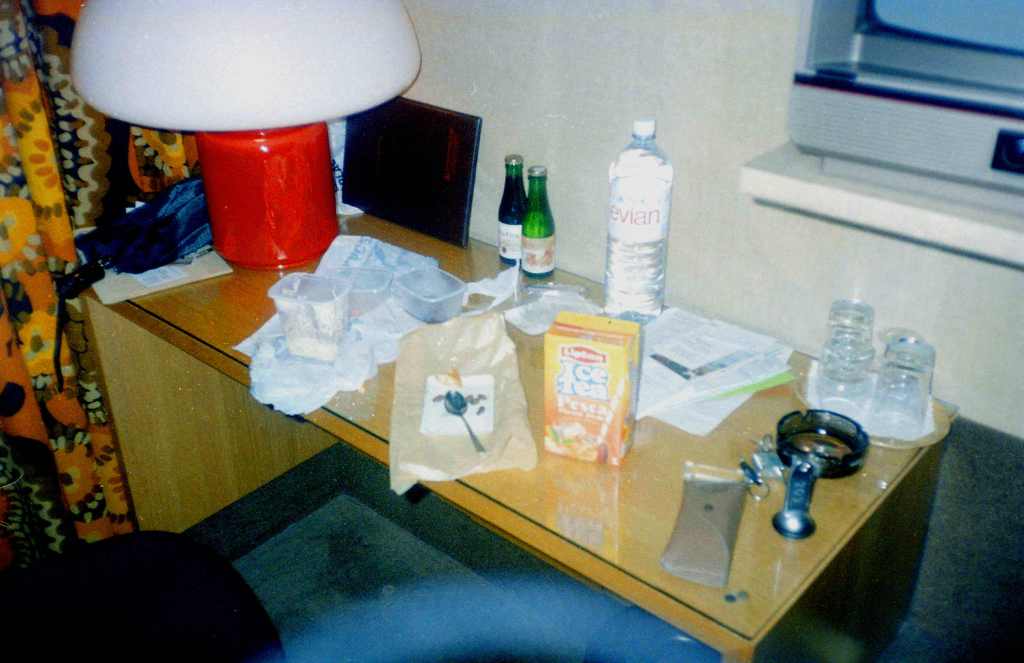
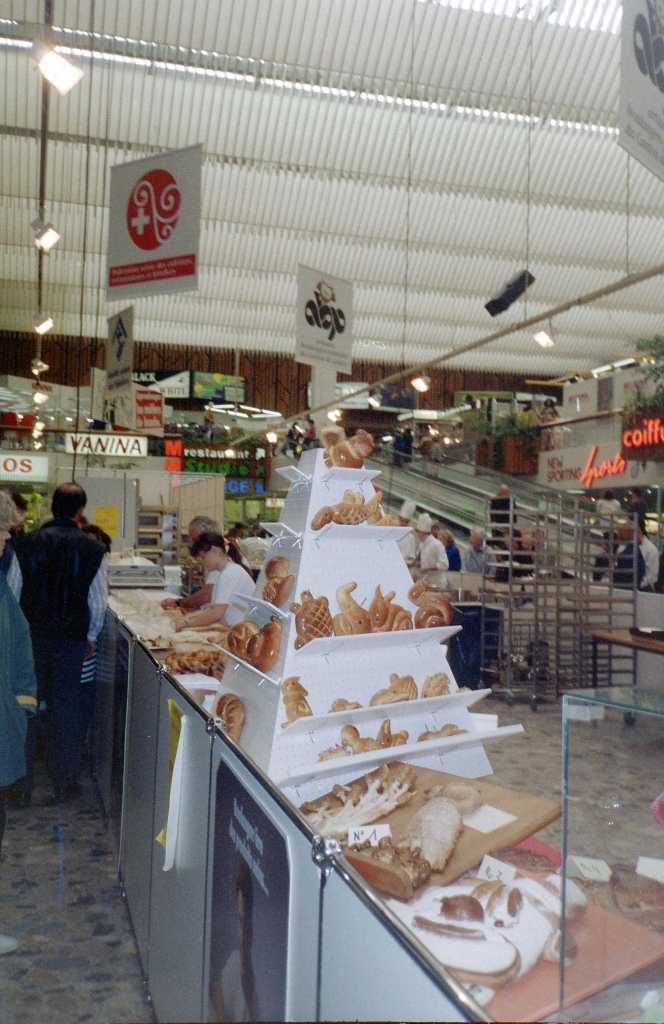
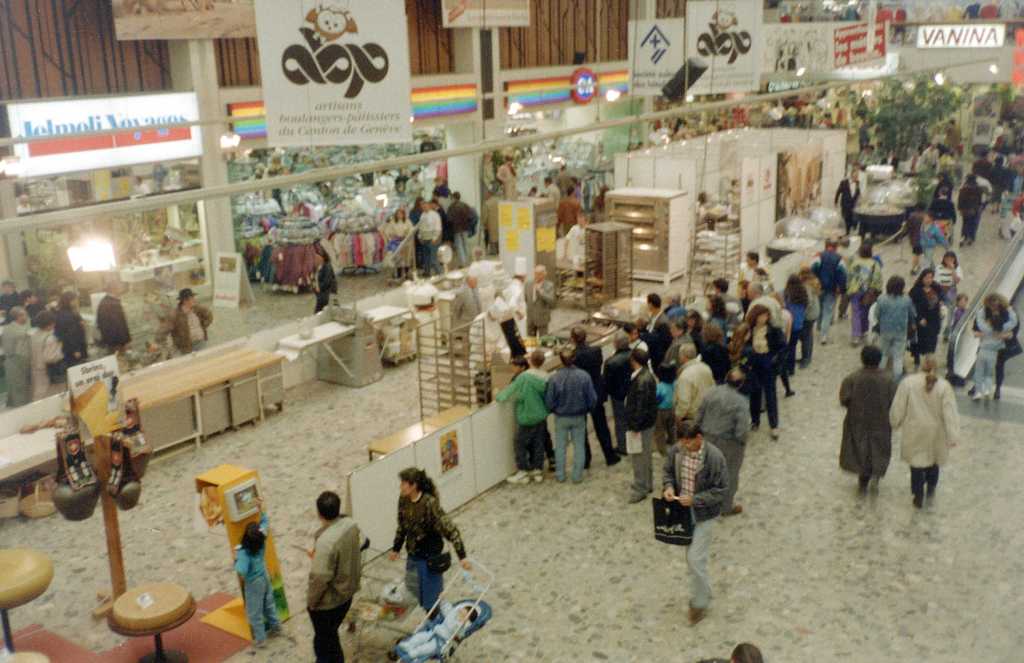
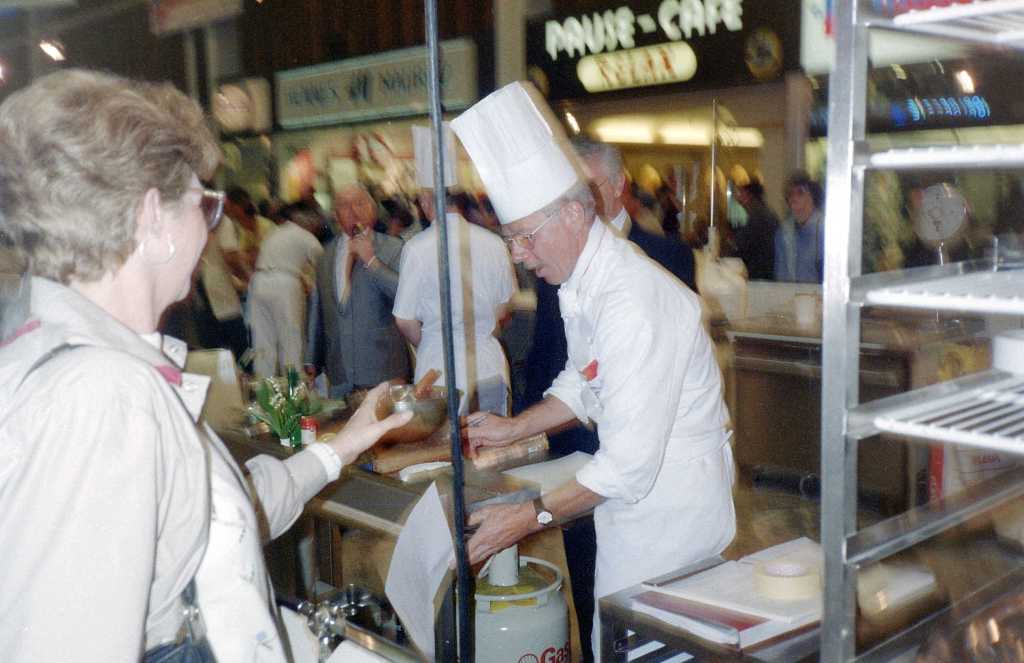
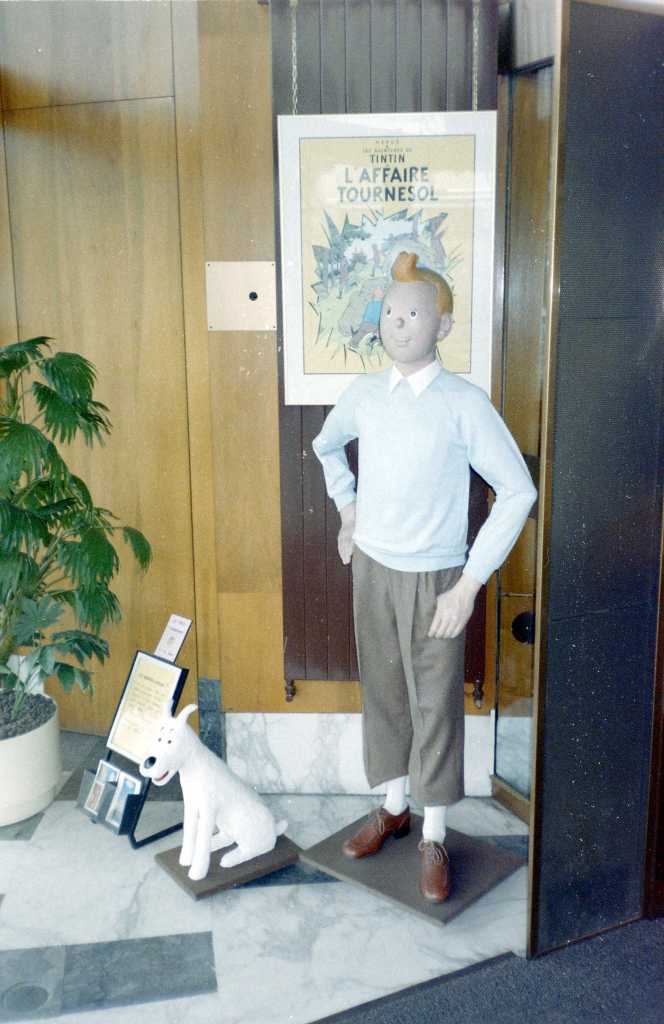


O Hotel que ficamos está no imaginário dos leitores de Tin Tin, no caso do Girassol
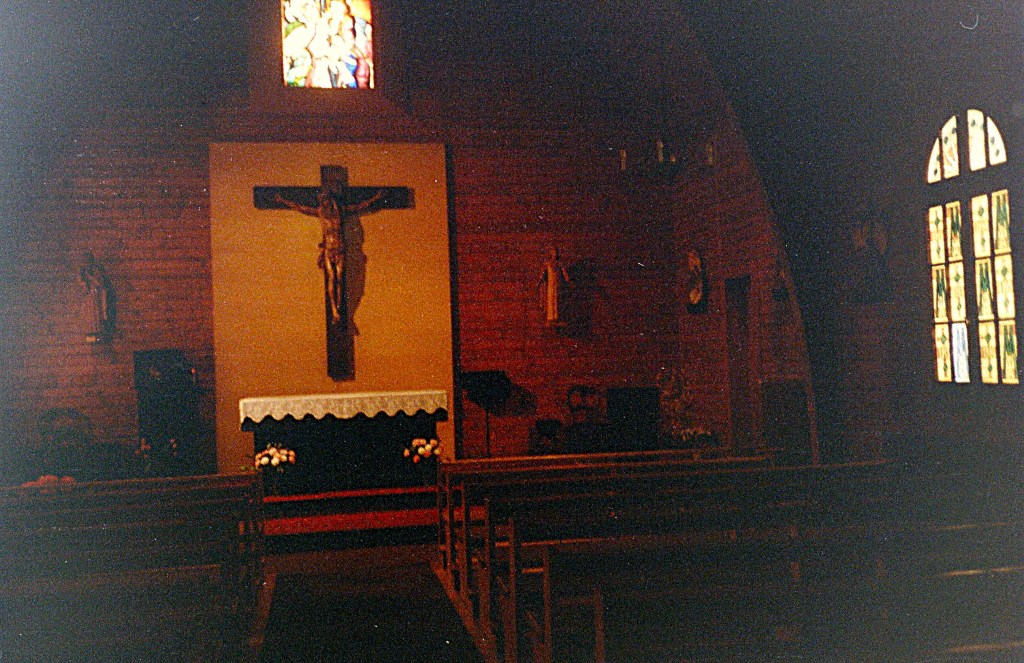
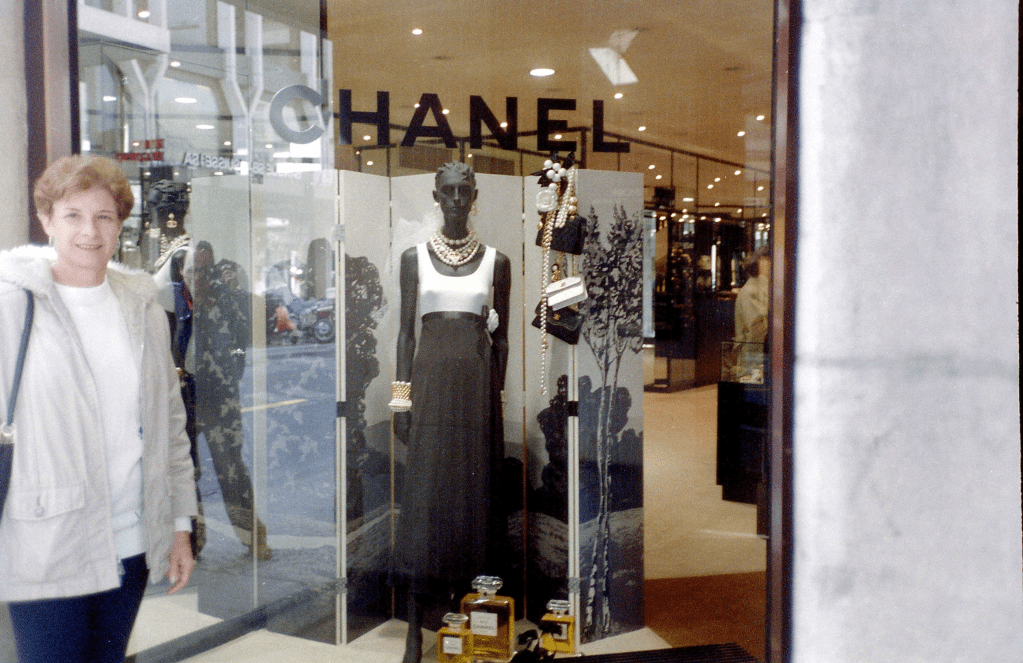
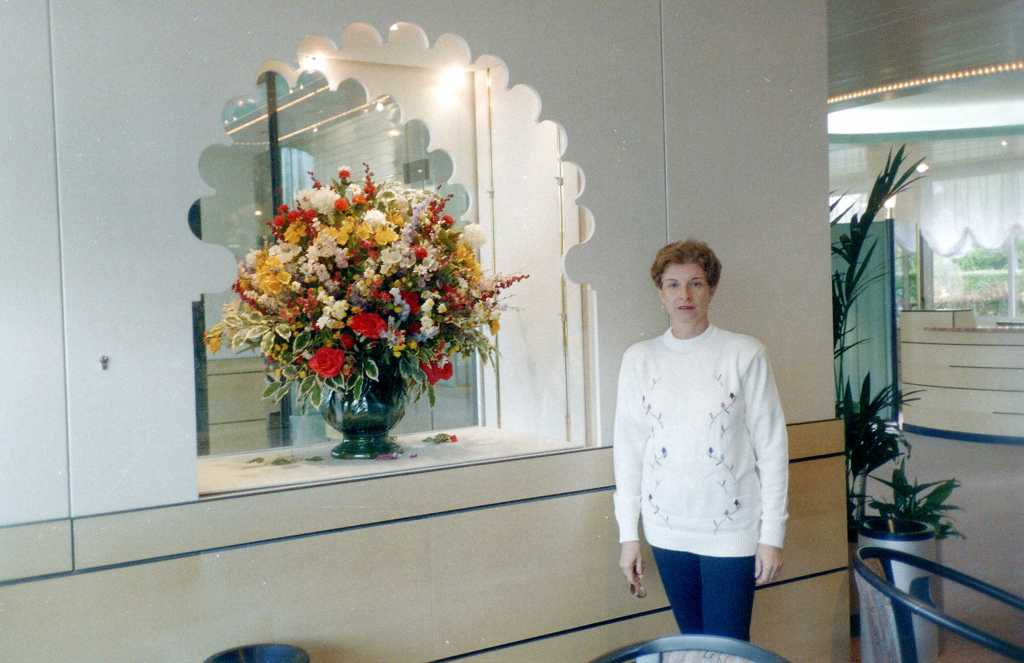
Este relato abre com nossa visita a Paris, em comemoração às nossas Bodas de Prata. Escrevo em março de 2026 e ele reflete, inevitavelmente, a percepção dos meus 82 anos. Ela aparece como consequência de outra, a trabalho, destinada a Genebra, na Suíça, sede da ISO (International Organization for Standardization), onde fui a trabalho. Assim, o roteiro comemorativo acabou unindo Nova York, Paris e Genebra.
Na verdade, se for ver bem, ainda tem Chartres, que tiramos um dia em Paris para ir ver.
Mas a crônica aqui precisa tomar outro rumo. Parafraseando o título do post anterior: “New York, a Cidade que Existe Porque a Lembramos.”
Tudo o que fazemos, no fundo, é hábito.
Pode variar de tamanho, profundidade, força sobre nosso imaginário — mas continua sendo hábito. Vou particularizar hábitos que acabamos tendo para a vida inteira, dada a experiência que lhes deu origem.
Estou pegando um texto de quando eu tinha 65 anos, “temperando” com o acréscimo dos 82 que tenho hoje e, com licença poética, fazendo o ponto sobre New York como ela entrou no nosso imaginário.
Temos três momentos aqui: a viagem de comemoração das Bodas de Prata, em 1993; o momento da crônica original, em 2008, quando cogitei pela primeira vez o porquê de Nova York ter impregnado como hábito na memória; e hoje, 2026.
2008
Quando a IBM acabou, foi duríssimo. Não poder ir rotineiramente para o local de trabalho, sentar na mesma mesa, no mesmo cantinho, ir ao refeitório, tomar aquele café cheio de aroma, circular no ambiente que se tornara uma segunda natureza. Devo ter tendências de gato — senti mais falta do lugar que das pessoas.
Saí da IBM em 1993. Mas o que ficou na minha persona me levaria, sempre que pudesse, a dar uma passada pelos Estados Unidos — sempre chegando por Nova York e, quando possível, seguindo até Endicott, que fica a umas três horas da cidade, onde tivemos nossa experiência americana na década de 70.
A perda da persona de funcionário de multinacional não doeu tanto pela perda das comodidades práticas — os hotéis, os restaurantes, os aviões, o respeito automático nos departamentos de imigração de tantos países. Doeu por outra razão, mais funda: é como se você deixasse de existir. Não que eu tivesse sede de poder, ou dependesse disso para existir. Simplesmente não percebia que aquilo fazia parte do meu ser. Era uma segunda natureza que todos viam, menos eu — e foi uma constatação dolorosa e surpreendente verificar que as pessoas externas à empresa com quem eu interagia enxergavam muito mais o crachá do que a pessoa que estava por trás dele. Aliás, se tirarmos isso dos funcionários das multinacionais, o que fica? No meu caso, sobrou o hábito de revisitar.
Eu arriscaria dizer que cultura, persona, nossa essência — tudo é hábito. Mesmo quando enfrentamos situações novas, usamos processos recorrentes. O que, no fundo, também é um tipo de hábito.
Do ponto de vista dos 65 anos que tinha então, sentia o oposto do que se costuma pregar sobre liberdade e hábitos: sofri — e ainda sofria — com a perda da rotina e a impossibilidade de exercer hábitos que eram arraigados em mim.
Nova York como hábito
Tive experiências de morar nos Estados Unidos em Raleigh, NC, e em Rochester, MN. Mas morei mais em Endicott, no Estado de Nova York, do que em qualquer outro lugar durante minha estadia americana. Nova York não entrou no meu imaginário apenas como porto de entrada e saída.
Eu tinha o hábito de ler o New York Times — geralmente assinava ou comprava o jornal — acrescido do ritual de levar as crianças para tomar breakfast no McDonald’s, em Endicott, numa praça que ao fundo tinha o Great American, supermercado que já não existe mais. O NY Times é um fazedor de memórias — as que você vai ter, porque o jornal cobre os pontos vivos da cidade que, na minha situação, eu visitaria sempre que as circunstâncias ajudassem: Broadway, MoMA, eventos, Central Park, Radio City Music Hall, os Cloisters, a Public Library. E por aí vai.
Paris e Nova York — uma distinção honesta
Paris é linda — e o artigo anterior tentou capturar por que ela exerce tanto fascínio sobre o imaginário coletivo. Mas não consigo ter com Paris nenhuma relação semelhante à que tenho com Nova York.
Paris me parece exigir um repertório específico para ser habitada de verdade. Lá viveram grandes artistas que, através de seus livros e obras, glorificaram a cidade — Hemingway, Henry Miller, F. Scott Fitzgerald, Ezra Pound, Gertrude Stein. Mas para quem não pinta como Edward Hopper nem escreve como qualquer um deles, Paris pode se esgotar numa visita. Porque viu uma vez, está visto — como é o caso da Mona Lisa no Louvre. Graças a Deus já vi.
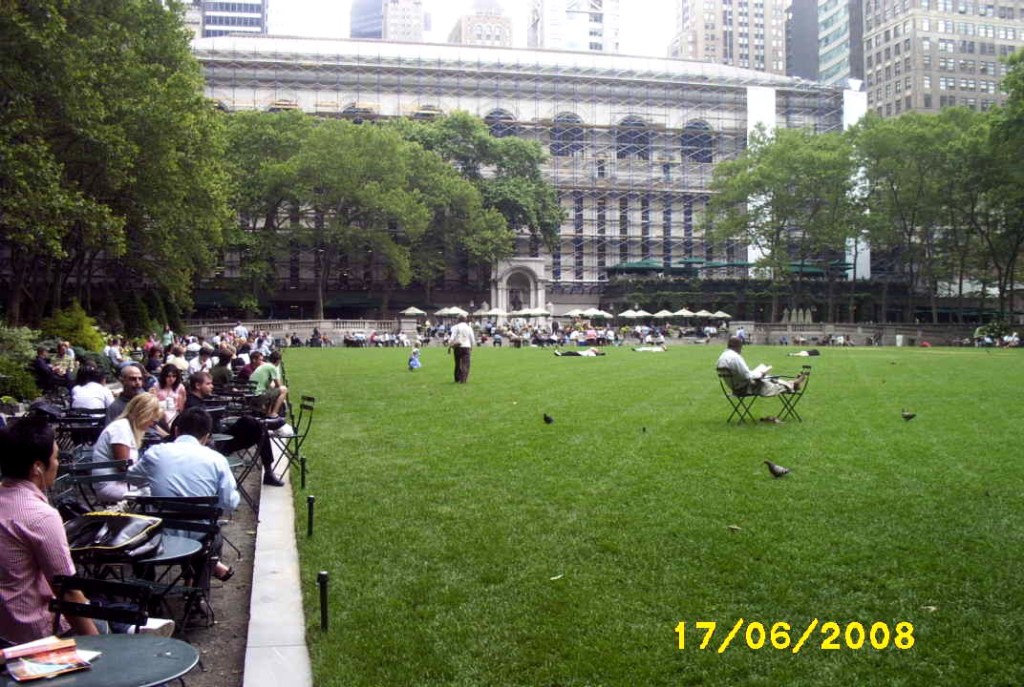
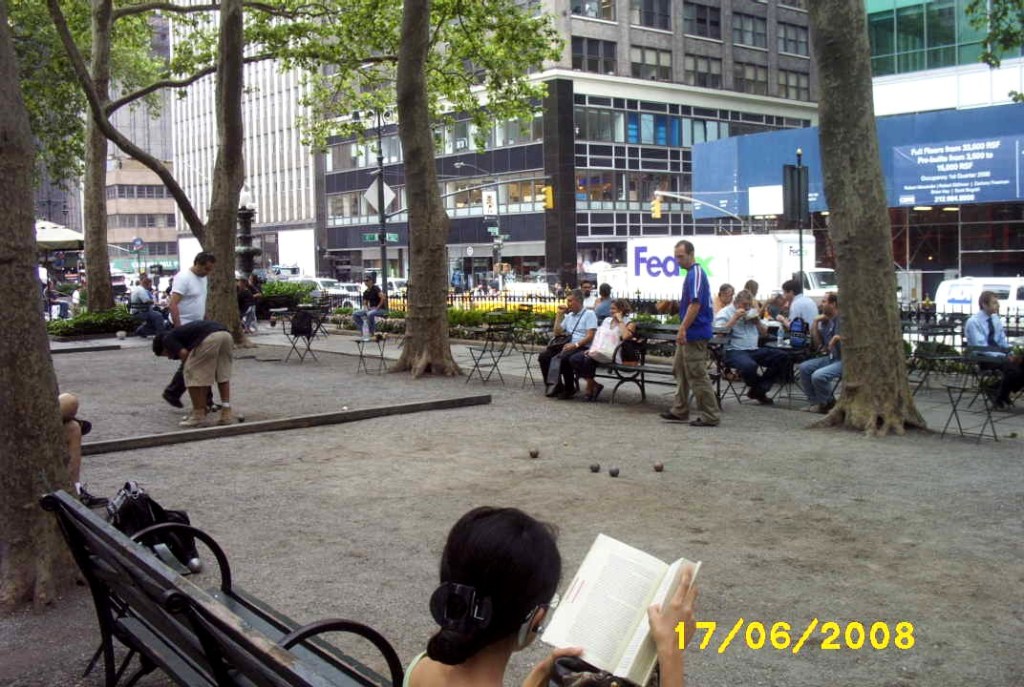
Nova York não. Você vai lá cem vezes e cem vezes vê a mesma coisa de forma diferente — e sempre há um espaço, um lugar, uma atração que te fascina de novo. Vou lá há mais de 30 anos. E numa das últimas visitas, talvez a melhor de todas — estava em condição excepcional, sem o fantasma do custo pairando sobre cada decisão, com total sobra de tempo — descobri coisas incríveis que jamais vira: os Cloisters, a Biblioteca Pública Municipal, o Bryant Park que está logo atrás dela.
2026
Tudo no fundo é hábito. Visitar Nova York, visitar os Estados Unidos, rever os filhos e netos, revisitar pontos de interesse, comprar certas coisas, comer outras, ver shows na Broadway.
E talvez seja exatamente isso que distingue as cidades que habitamos das cidades que apenas visitamos. Paris existe porque a imaginamos. Nova York existe porque a lembramos — e porque ela sempre tem algo novo para nos dar quando voltamos.
Uma viagem ainda era uma viagem
Dentro dos hábitos que adquirimos por termos morado nos Estados Unidos, o de saborear vinhos merece uma menção, pois não existe uma comemoração sem um bom vinho.
Em 1993, viajar de avião ainda era um evento. Não o deslocamento massificado e levemente punitivo de hoje, com assentos que encolheram e a quantidade de gente aumentou muito. Era um ato com alguma cerimônia — você se vestia para o voo, as aeromoças eram profissionais de carreira, todas seniores, com uma elegância e uma competência que vinham de anos de ofício. Não as equipes jovens de hoje, treinadas para a eficiência. Eram mulheres que sabiam exatamente o que estavam fazendo e faziam com prazer visível.
A classe executiva, de então, que viajávamos, parecia, guardadas as proporções, o que hoje seria primeira classe. E havia um ritual que não estava no bilhete, mas que acontecia com uma naturalidade encantadora: as aeromoças costumavam trazer para a executiva os vinhos finíssimos da primeira — discretamente, sem alarde, como quem partilha algo bom com quem vai apreciá-lo.
O sistema de passagens ajudava a criar esse tipo de viagem. Chamava-se ponto a ponto — você comprava a origem e o destino principais, no nosso caso São Paulo e Genebra, e por um pequeno acréscimo quebrava o trajeto em pontos intermediários com datas ajustáveis. Foi assim que Nova York e Paris entraram no roteiro das Bodas de Prata. Não como desvio, mas como capítulos de uma mesma história.
E os vinhos da primeira classe viraram personagens dessa história. Chegávamos ao hotel, abríamos a garrafa que vinha na bagagem de mão com o cuidado de quem transporta algo precioso — porque era — e a refeição no quarto virava um evento. Não um jantar de hotel. Um evento íntimo, com a cidade lá fora e uma garrafa que não tínhamos comprado mas que sabíamos apreciar.
Claro que na França, país dos melhores vinhos do mundo, a experiência iria se repetir e tomamos bons vinhos na intimidade do quarto do hotel em que ficamos, acompanhados pelas deliciosas opções das boulangeries, seguidas das deliciosas pâtisseries, tipicamente francesas. Foi tentando replicar esse ritual que aconteceu um episódio que Cristina não deixa esquecer, que foi que ela estava querendo uma bomba de chantilly e no meu francês macarrônico e lembrando que nos Estados Unidos se fala “whipped cream”, eu esqueci que no Brasil a gente também fala Chantilly e demorou um tempão quando eu tentava explicar em francês, pensando em “whipped cream”, que sai “crème fouettée”, que demorou um tempo para atendente dizer “ah, Chantilly!”
Cristina lembra disso com um sorriso. Eu também
Uma confissão final — e um viés tendencioso assumido
Devo admitir que tenho um viés contra Paris. E ele tem nome e endereço.
Caí na besteira de falar tudo em inglês. O resultado foi o tratamento que os parisienses reservam para quem chega achando que o mundo fala a sua língua — uma combinação refinada de indiferença, impaciência e aquele olhar que diz, sem palavras, “mon Dieu, outro americano.”
A virada aconteceu quando desenferrujei o francês dos tempos de colégio. Não era bonito — era funcional, cheio de hesitações e provavelmente com sotaque que faria um nativo sorrir. Mas funcionou. O gelo derreteu, os garçons encontraram subitamente uma simpatia que estava escondida, o concierge do hotel mudou (descobri depois que ele era argelino…) e Paris começou a se comportar como a cidade generosa que o artigo anterior descreve.
A lição que ficou: Paris não te recebe — ela te testa. Fale inglês e você é turista a ser tolerado. Fale francês — mesmo mal, mesmo com o colégio faz décadas de distância — e você vira uma pessoa.
Nova York não faz isso. Você chega como é, fala como pode, e a cidade te absorve sem julgamento. Talvez seja aí, no fundo, a diferença mais honesta entre as duas.
Para quem quiser percorrer os detalhes desse mapa mental que construí sobre New York ao longo de décadas, registrei essas memórias em profundidade neste espaço. Mas, naquela viagem de 1992, o relógio não parava. Após celebrarmos nossas Bodas em New York e Paris, era hora de retomar a rota original: o trabalho nos aguardava em Genebra.
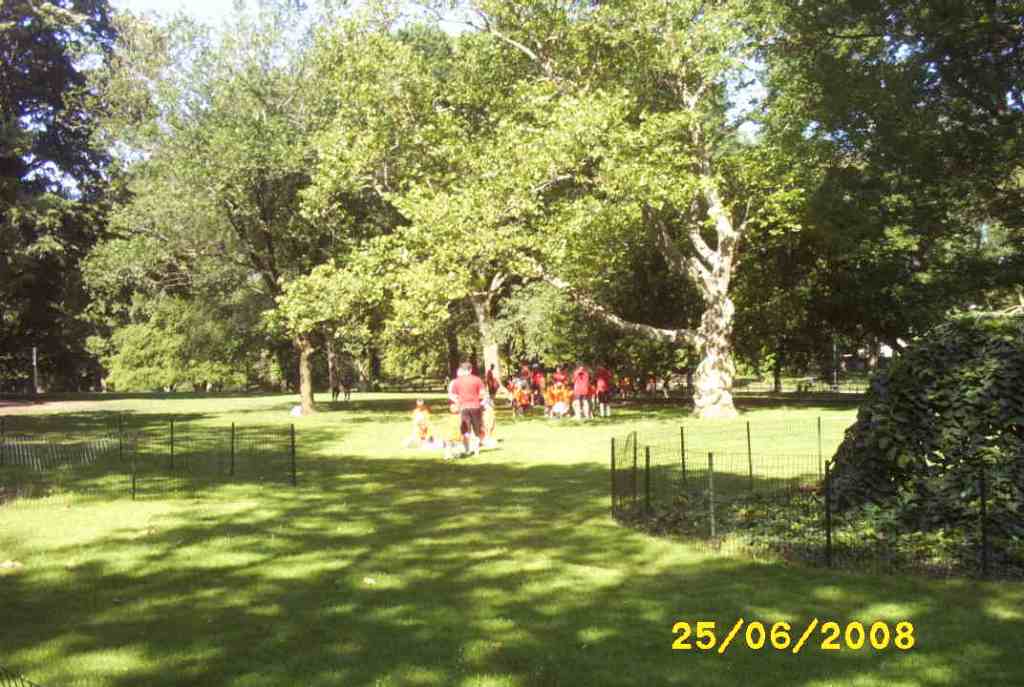
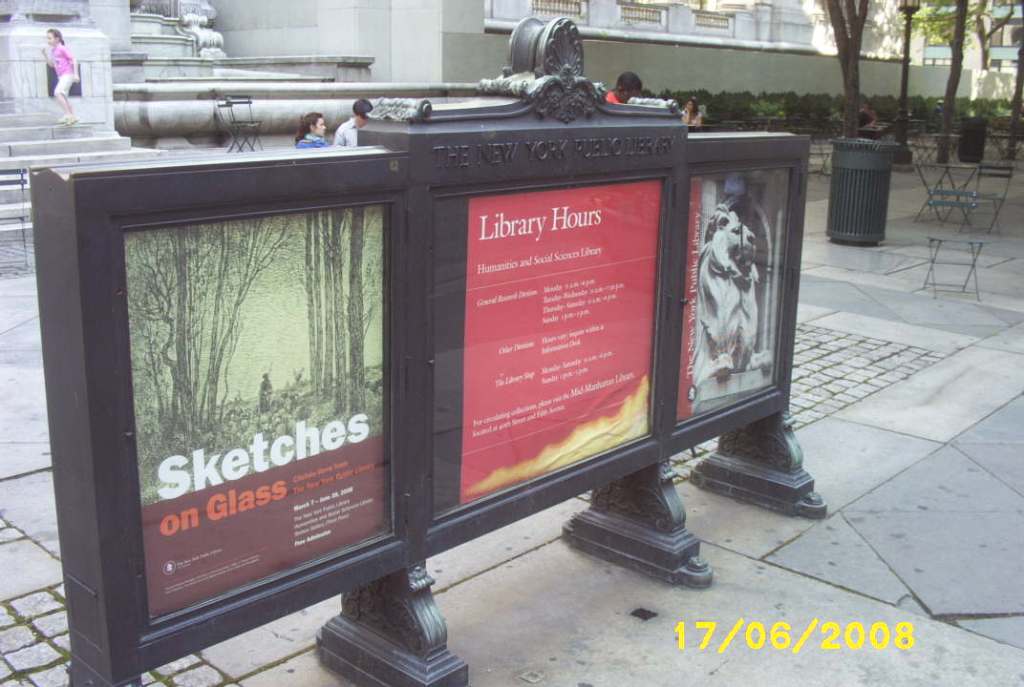
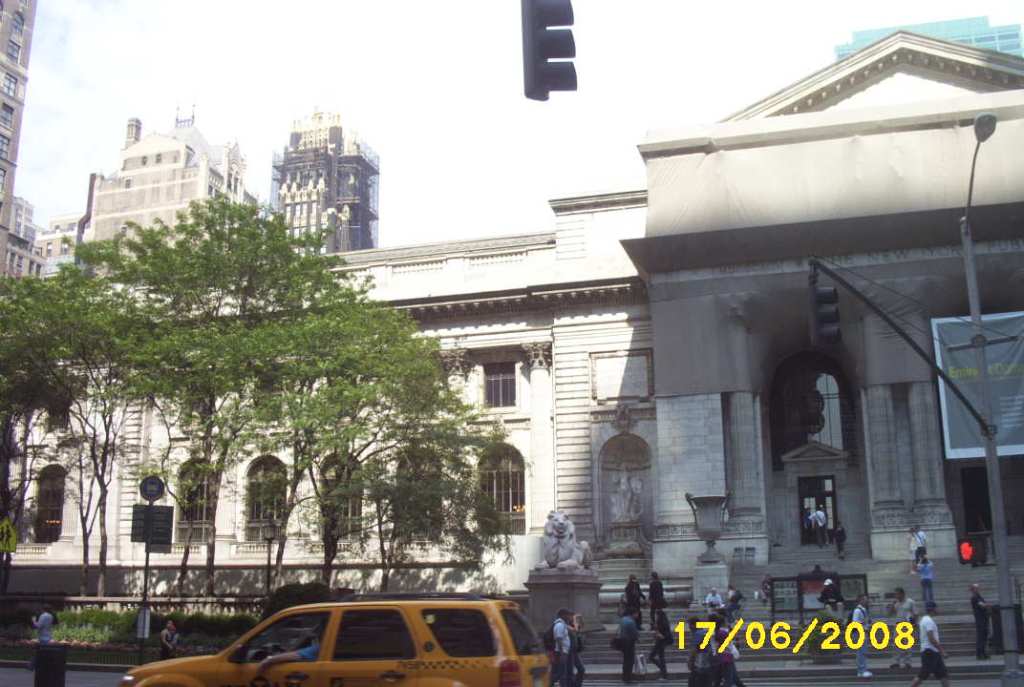
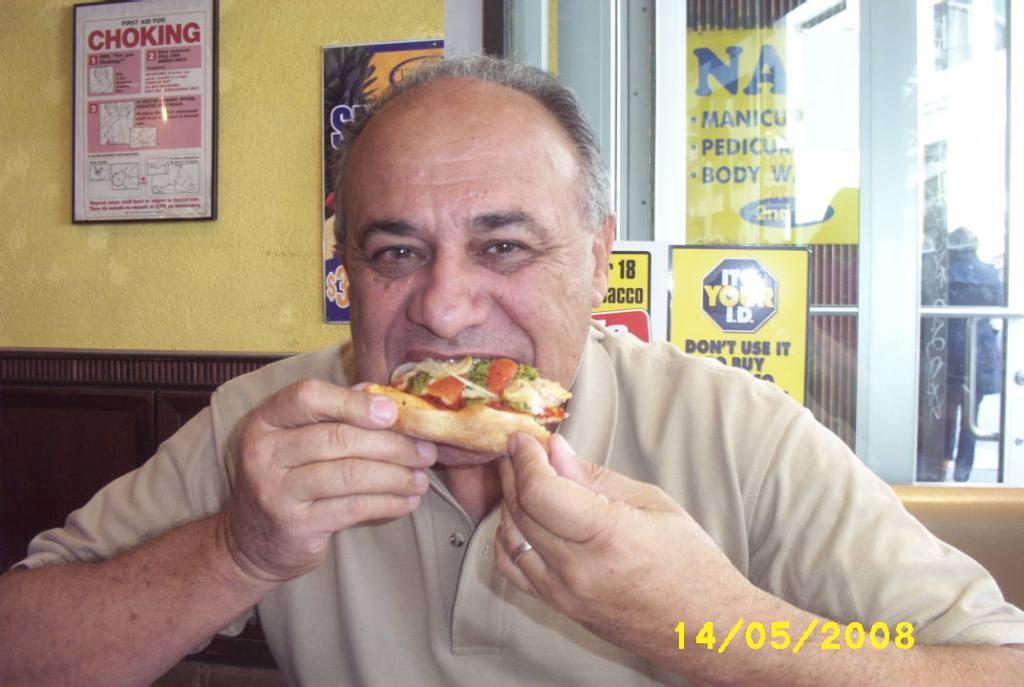
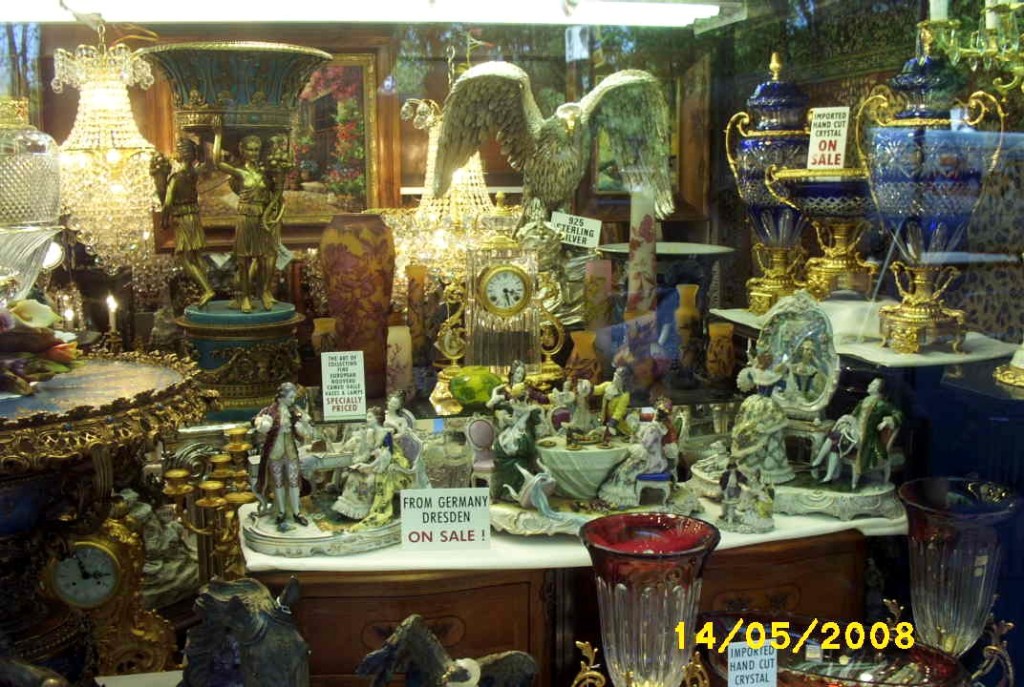
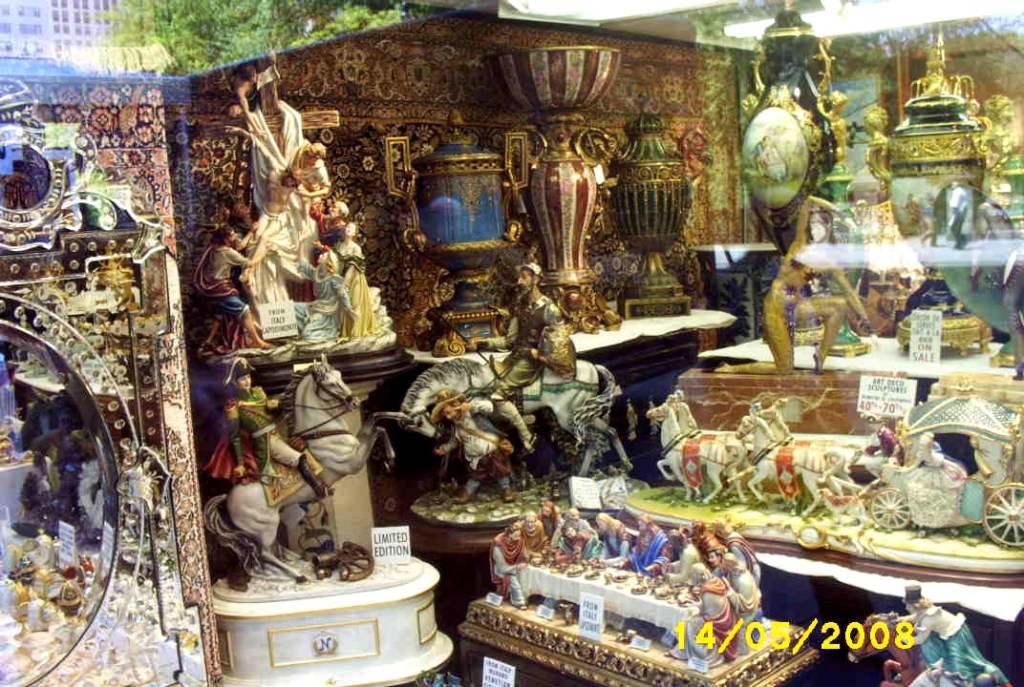
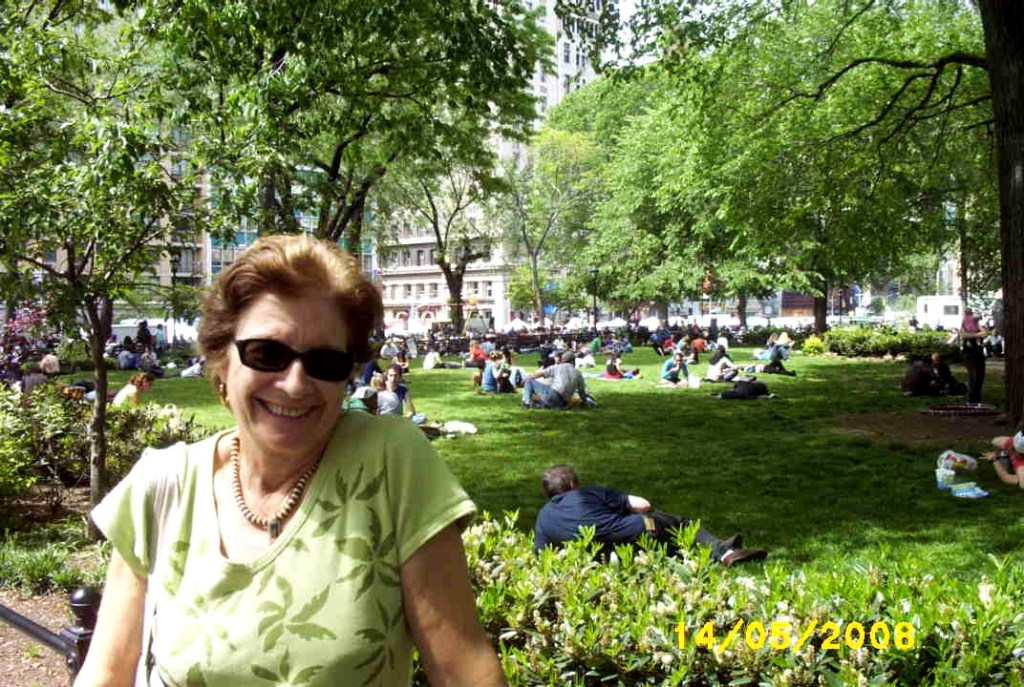
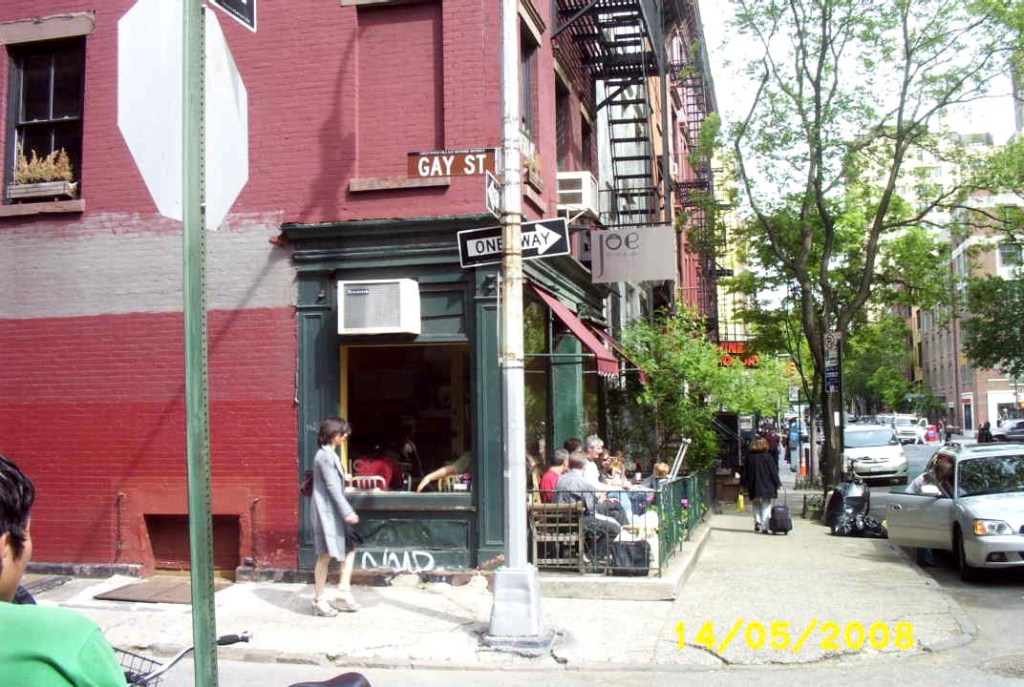
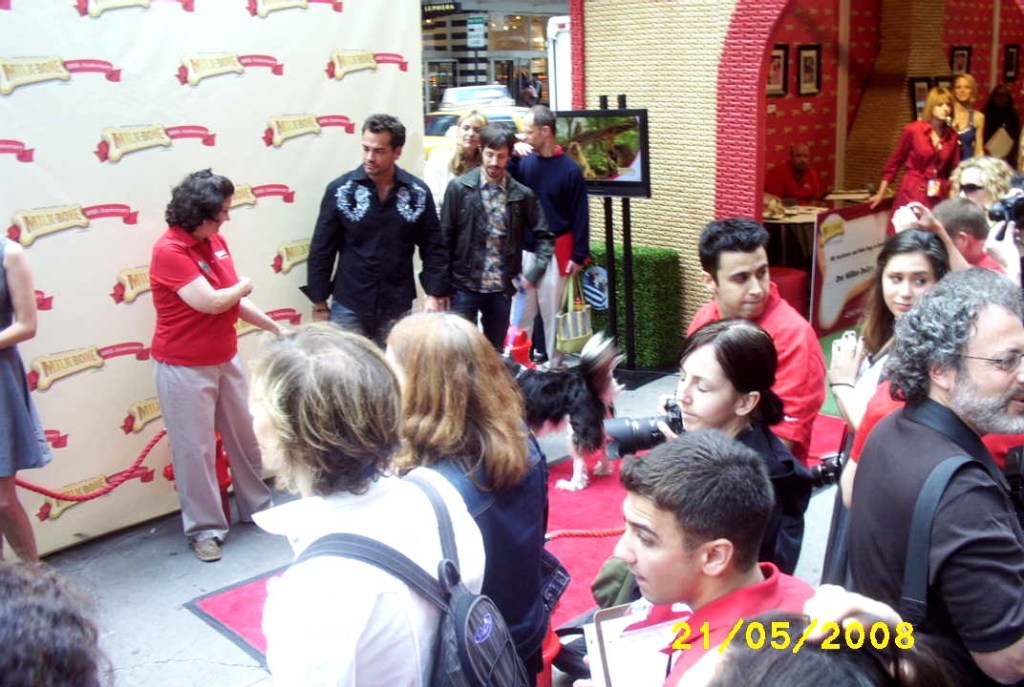
Vejamos antes as poucas fotos que tiramos naquela passagem de 1993 e as de 2008, que, com o tempo, dão uma boa ideia do que estamos falando:
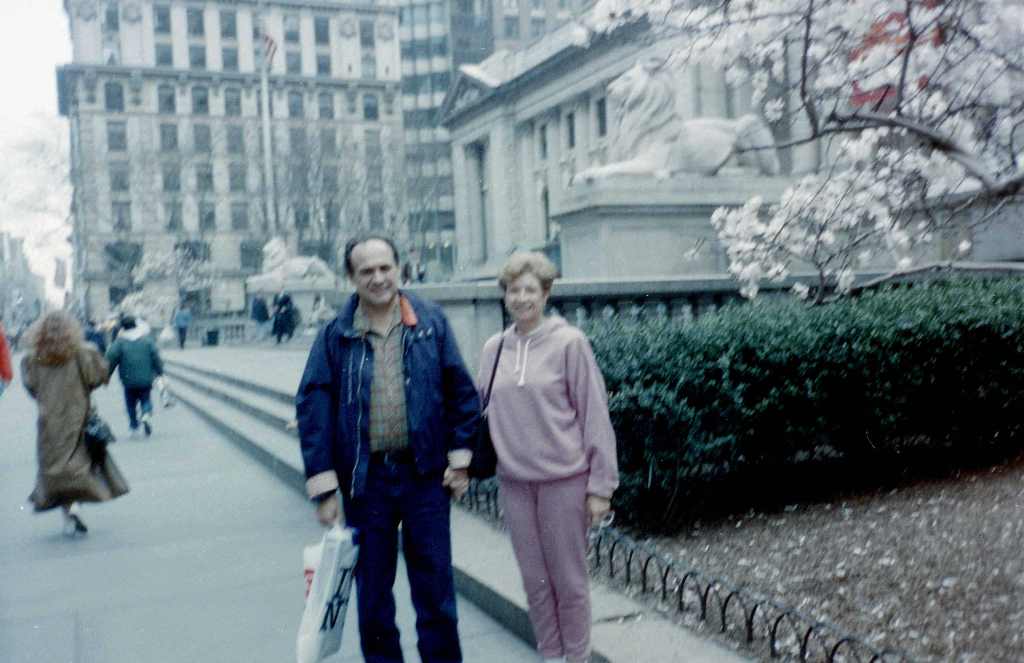
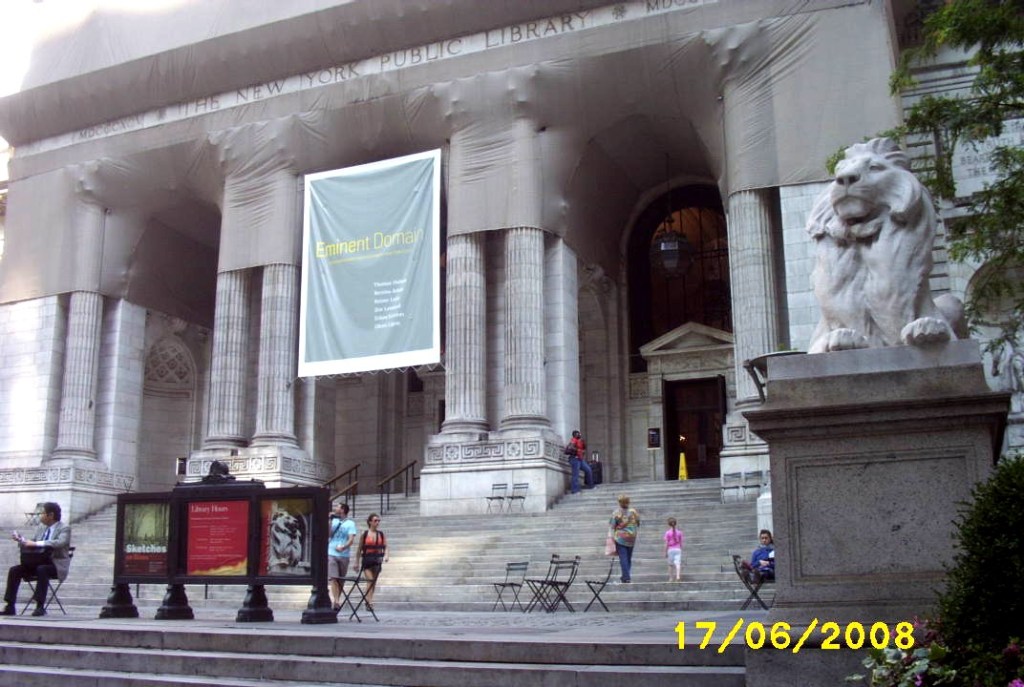
Nós, posando em frente à Biblioteca Pública de Nova York, localizada na Quinta Avenida em Manhattan.
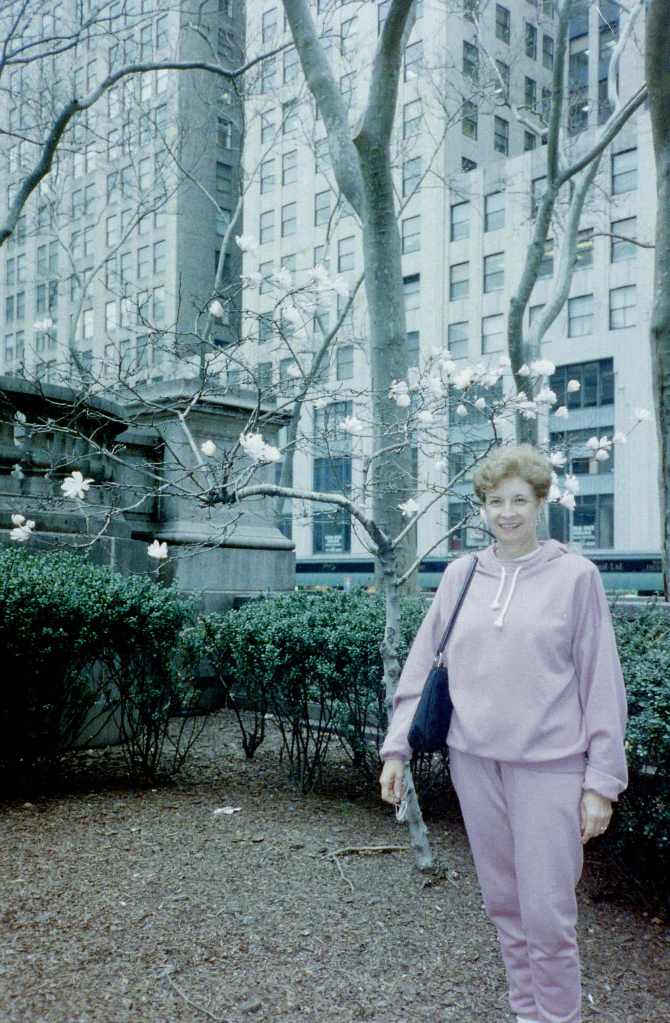
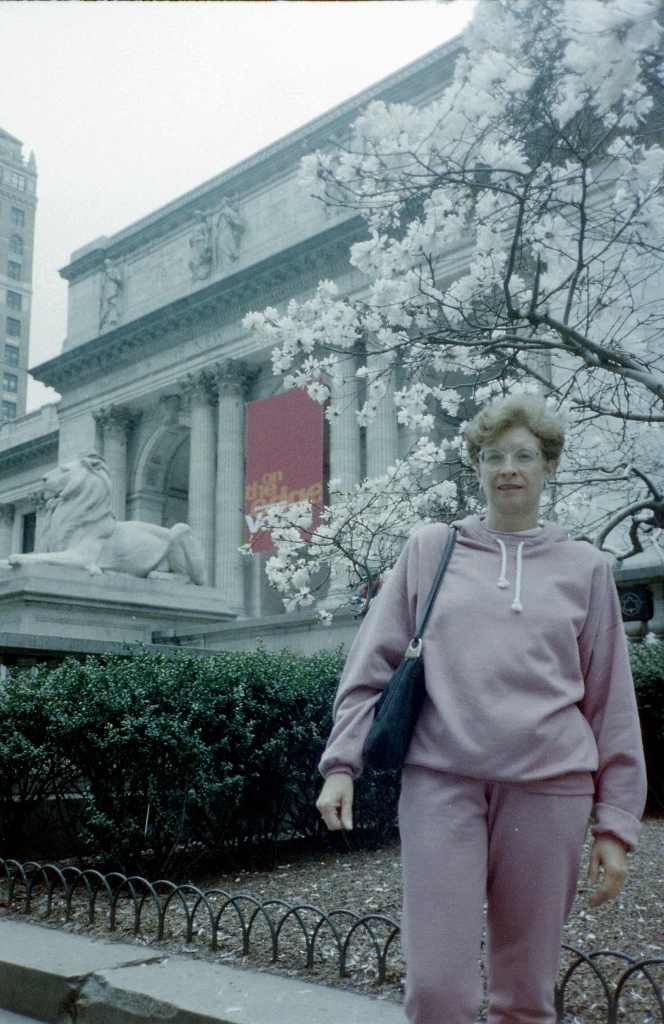
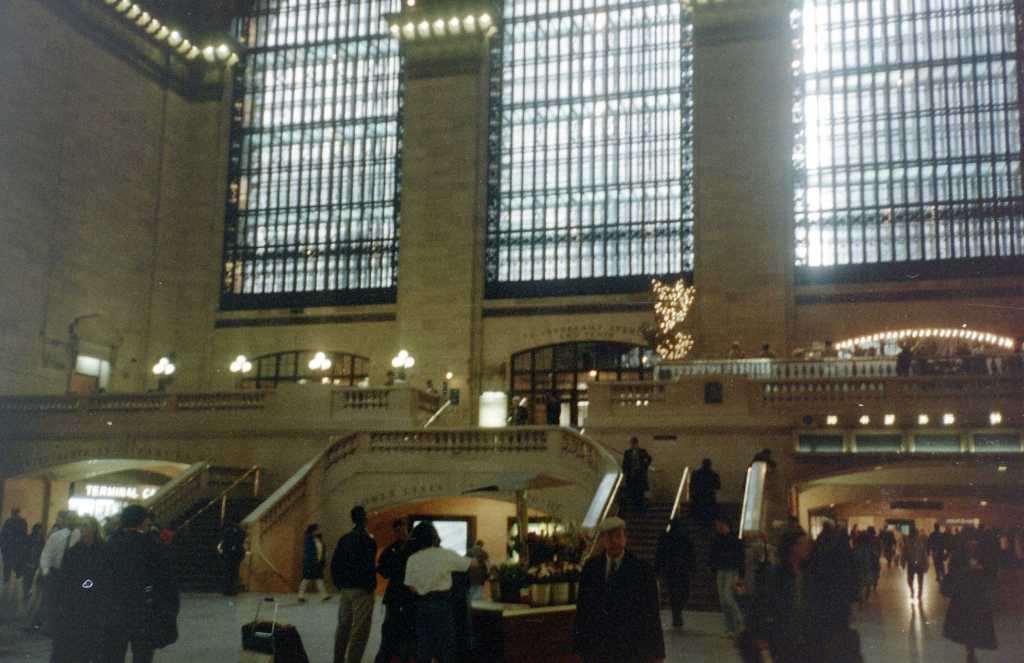
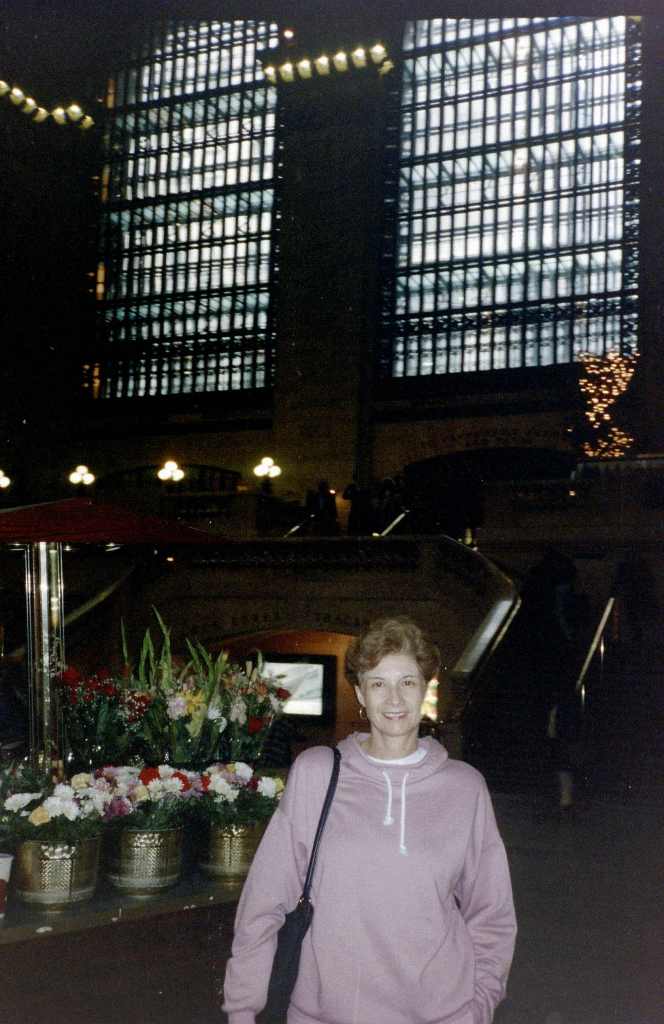
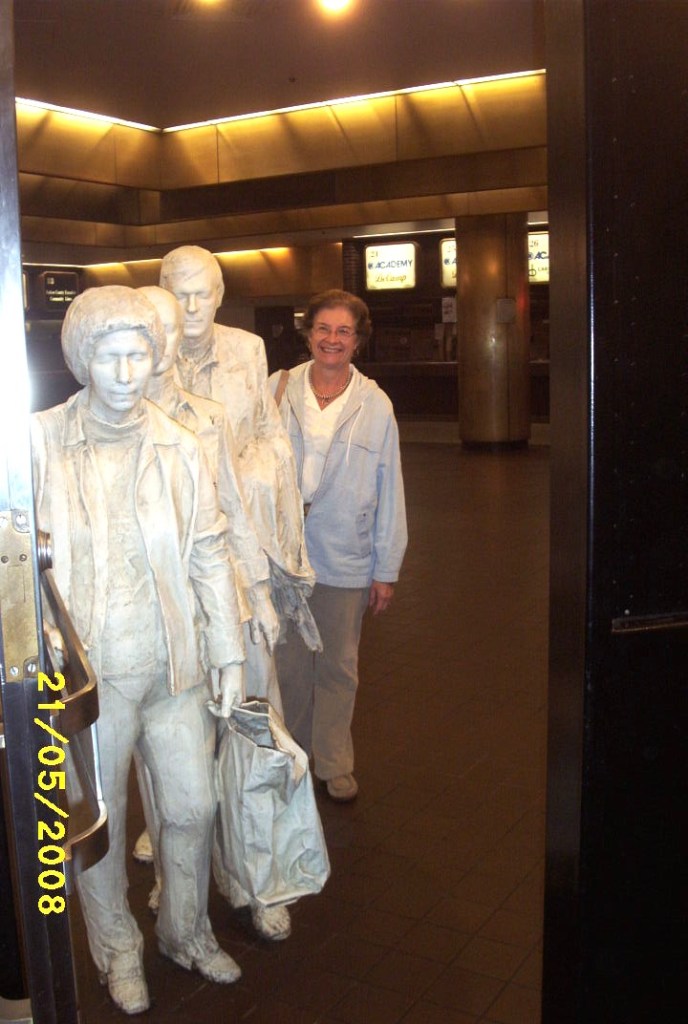
Esta imagem mostra o saguão principal do Grand Central Terminal em Nova York.
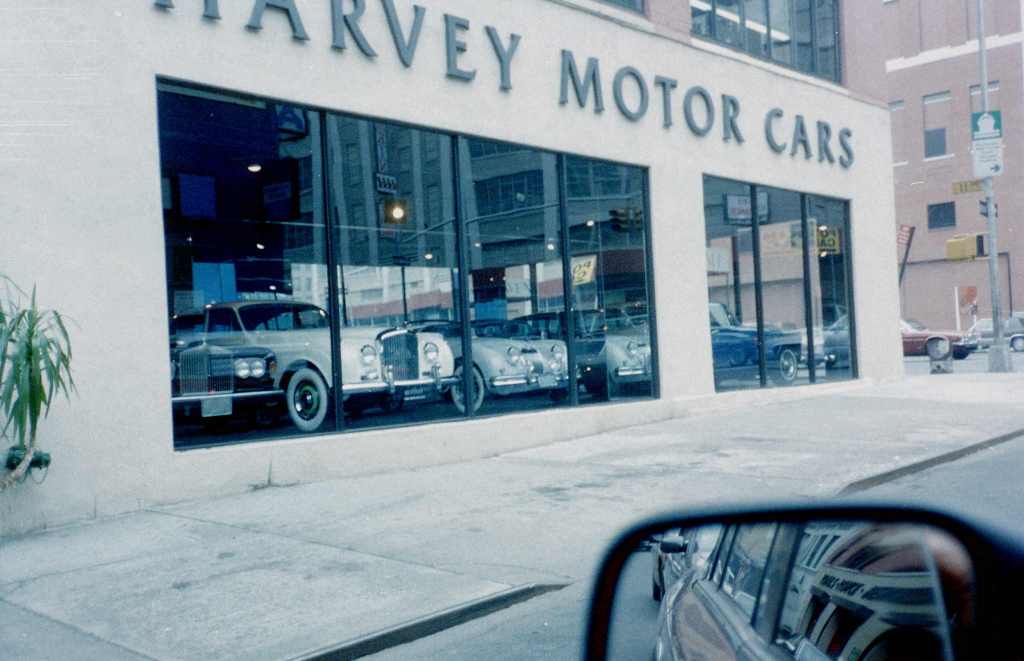
Esta imagem mostra a vitrine da “Harvey Motor Cars”, uma concessionária especializada em veículos clássicos e de luxo, destacando um Rolls-Royce Phantom V.

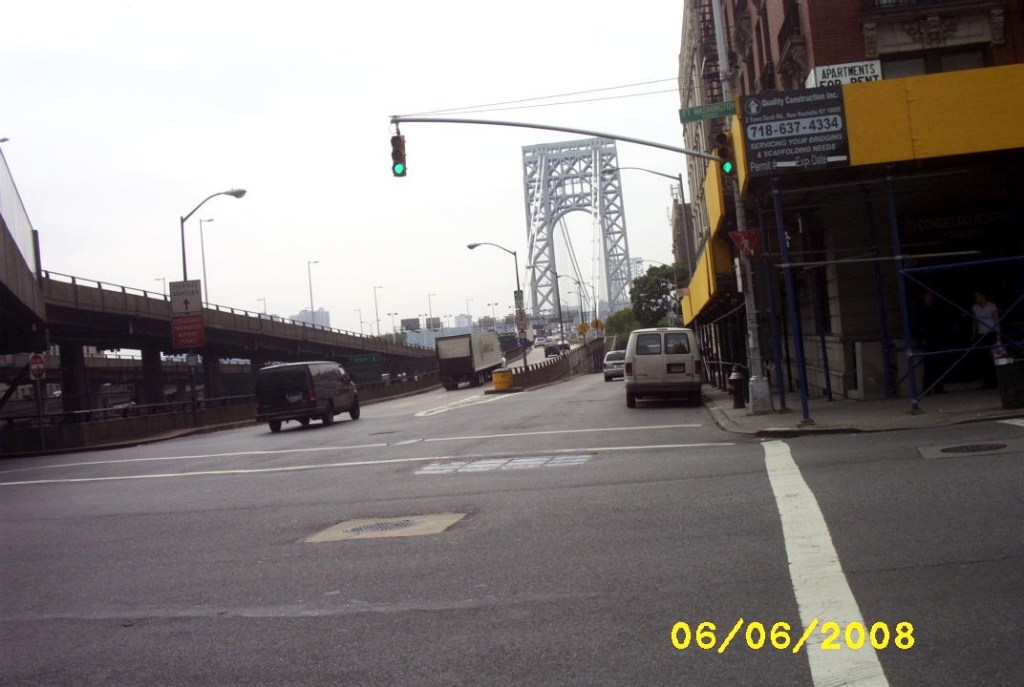
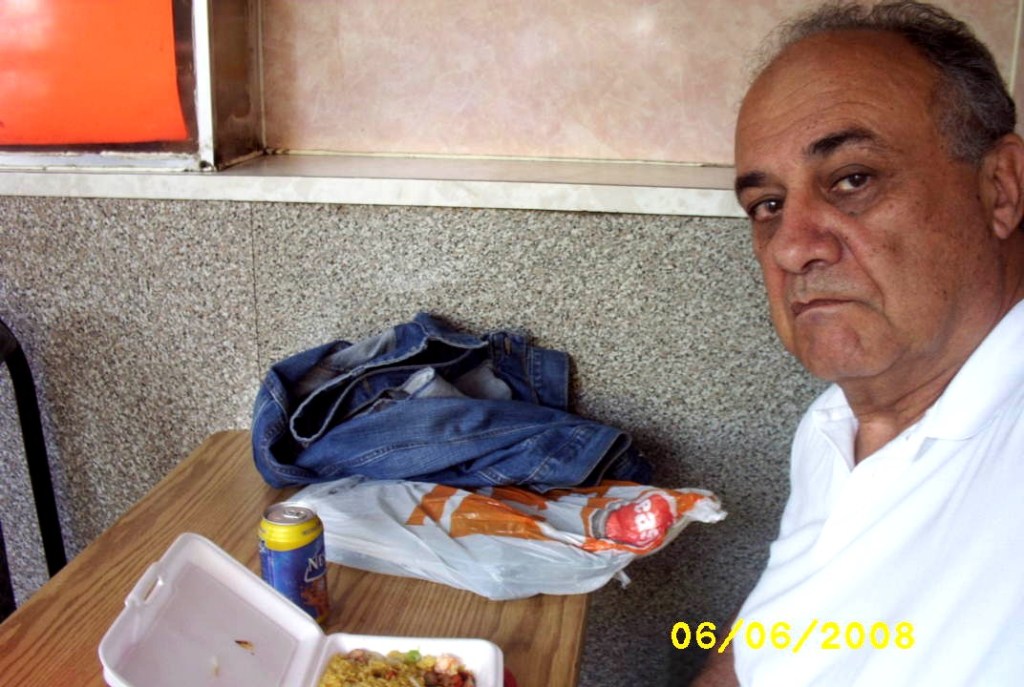
O apartamento do Daniel ficava em Fort Lee, N.J., na cabeça da ponte George Washington e, atravessando-a com o ônibus que existia para isso, você caía numa estação de metrô e estava tudo resolvido para atingir qualquer ponto em Manhattan. Na volta, ao fim do dia, tinha um restaurante chinês que era delicioso para matar a fome e descansar.




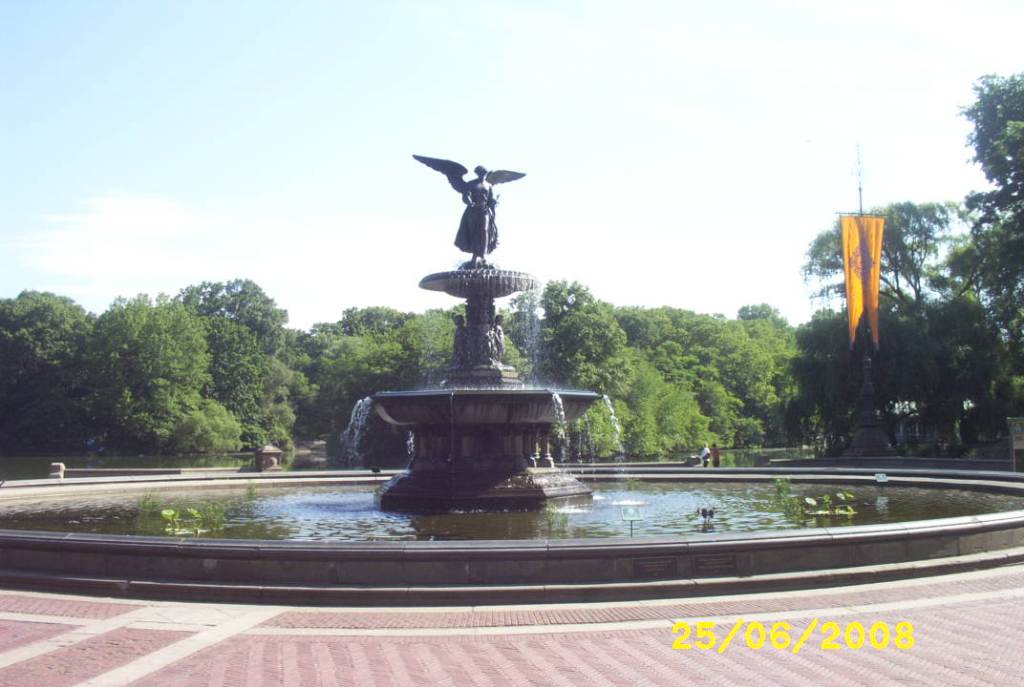
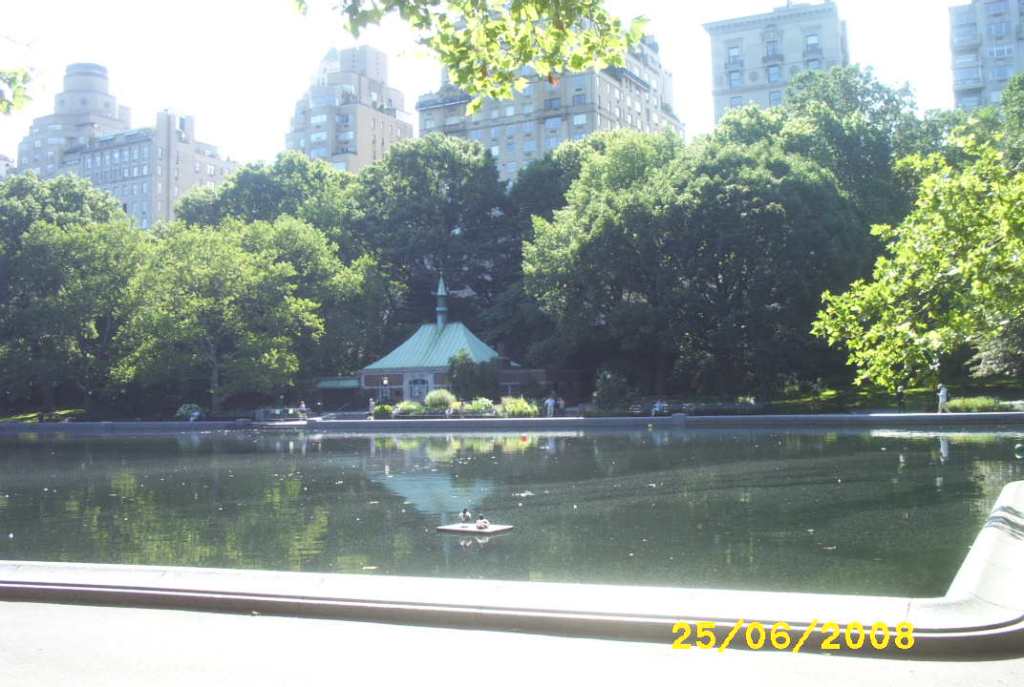

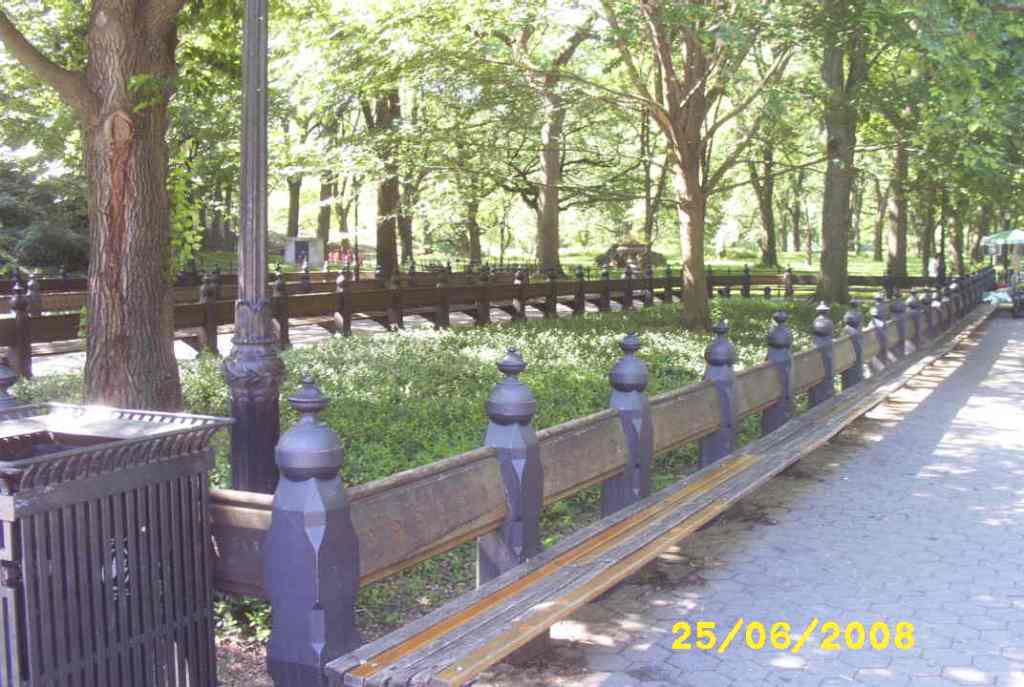
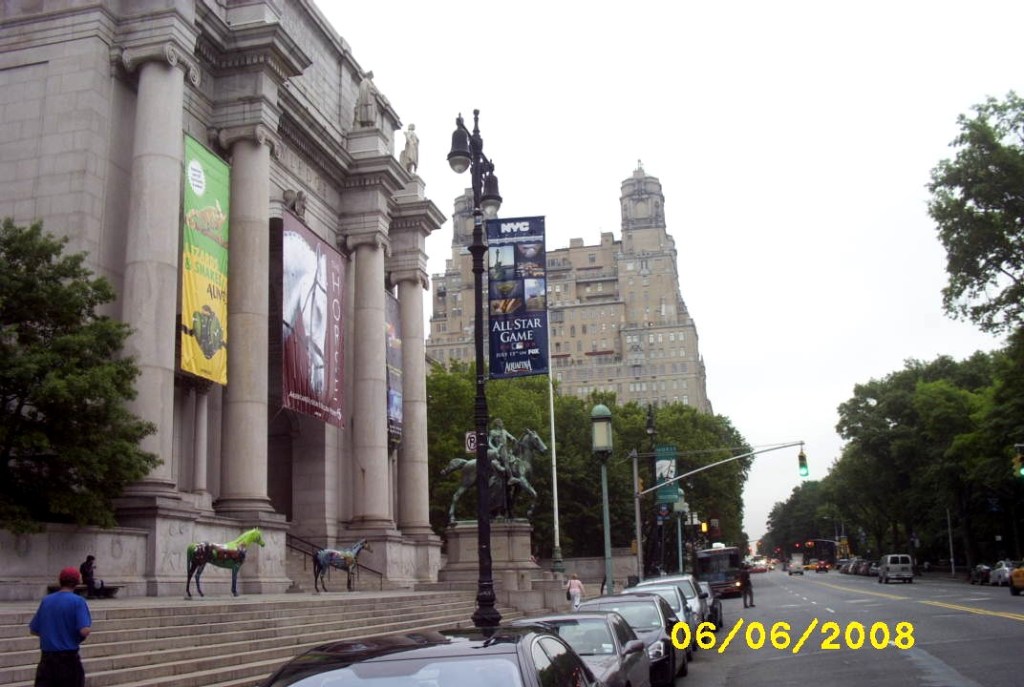
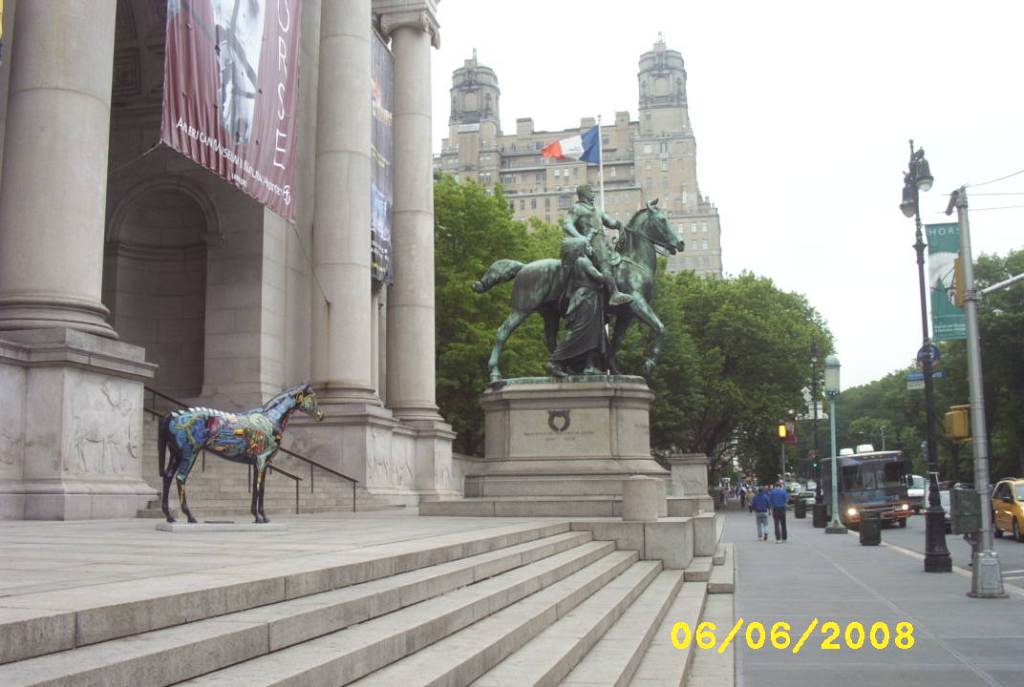
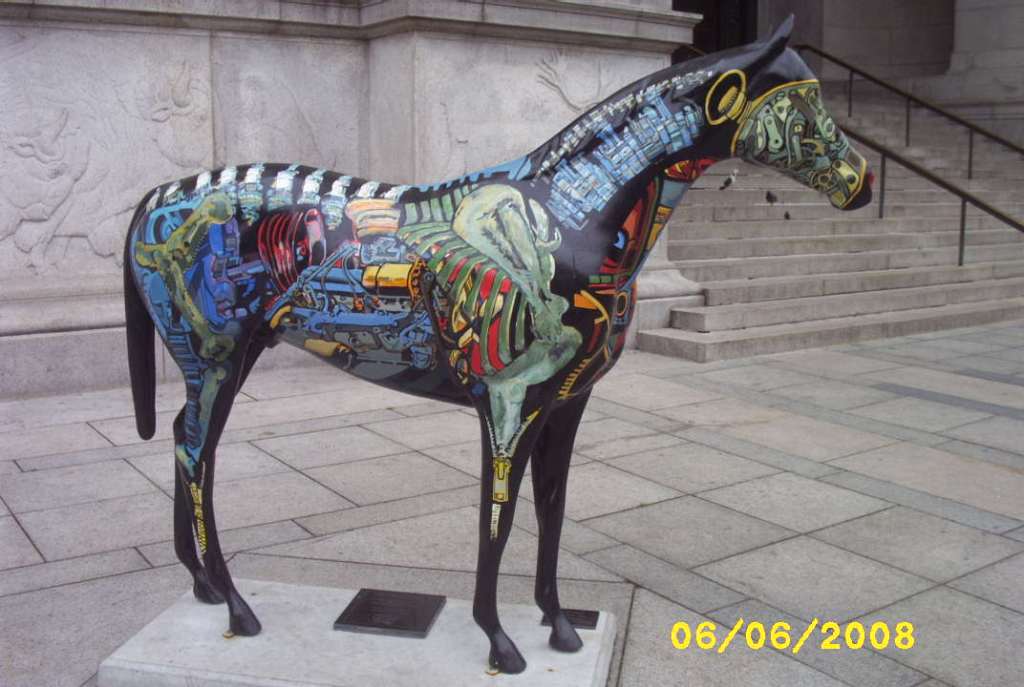
A escultura “Horse Power II”, de George Frayne (Comandante Cody), foi exibida no Museu Americano de História Natural (AMNH).
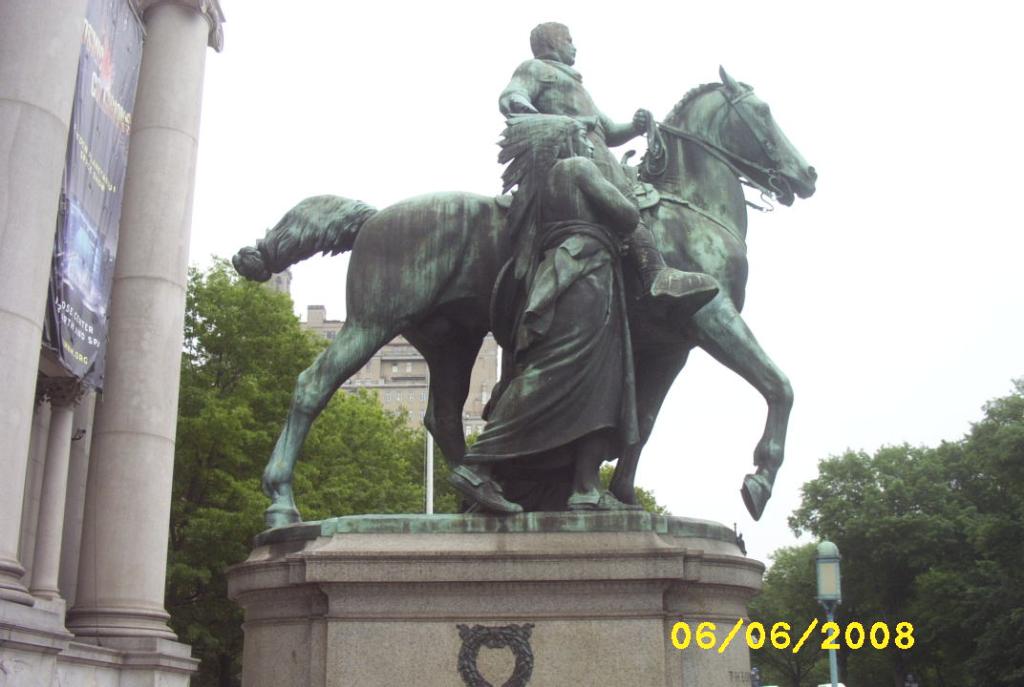
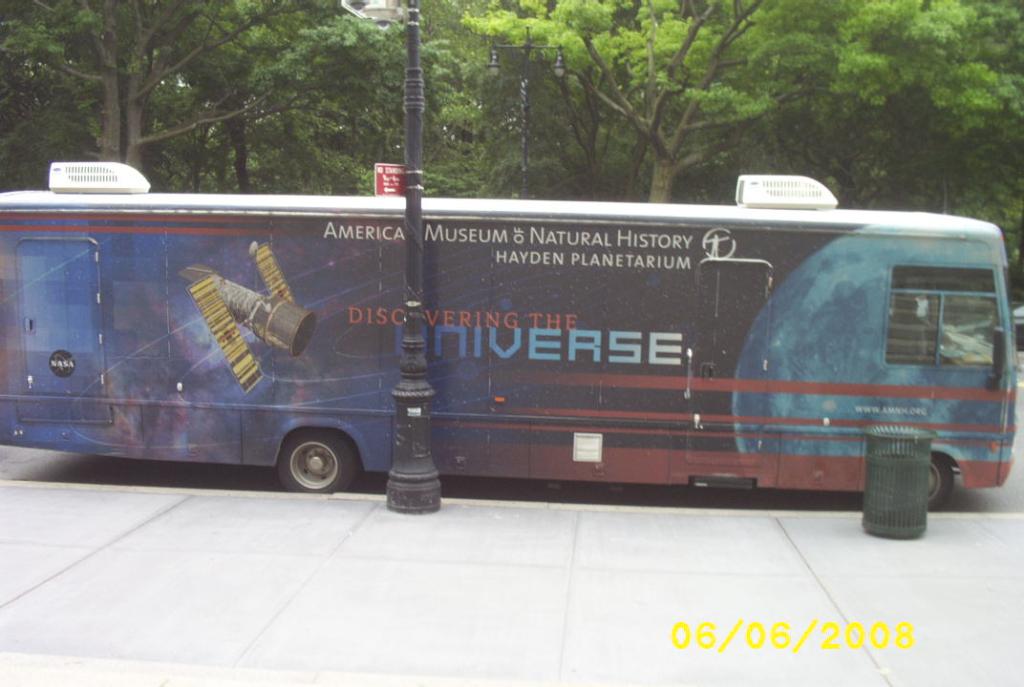


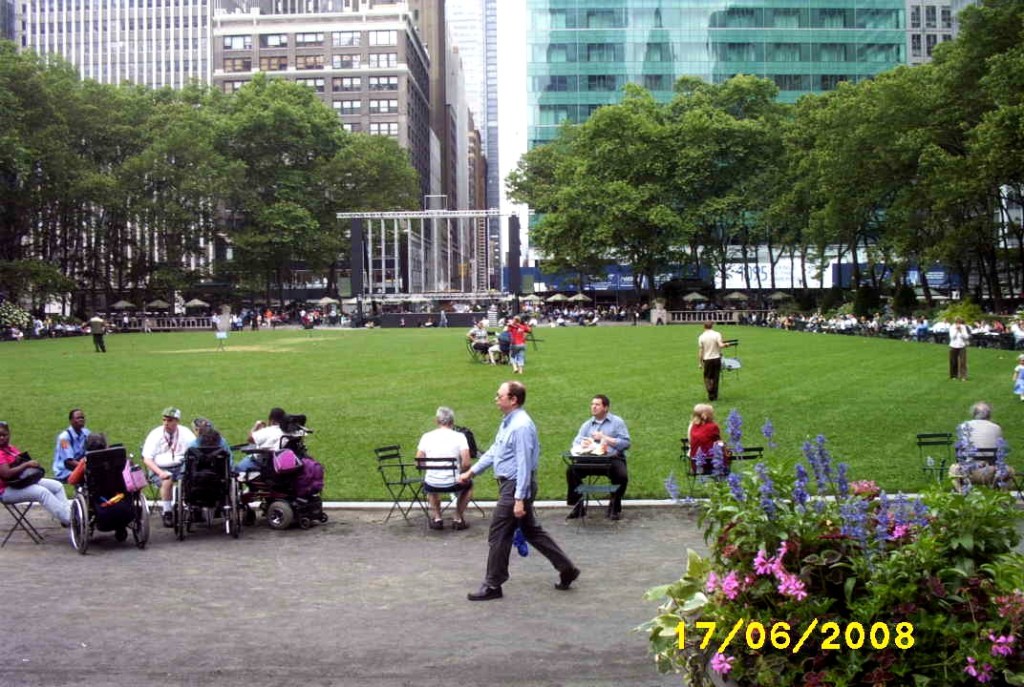
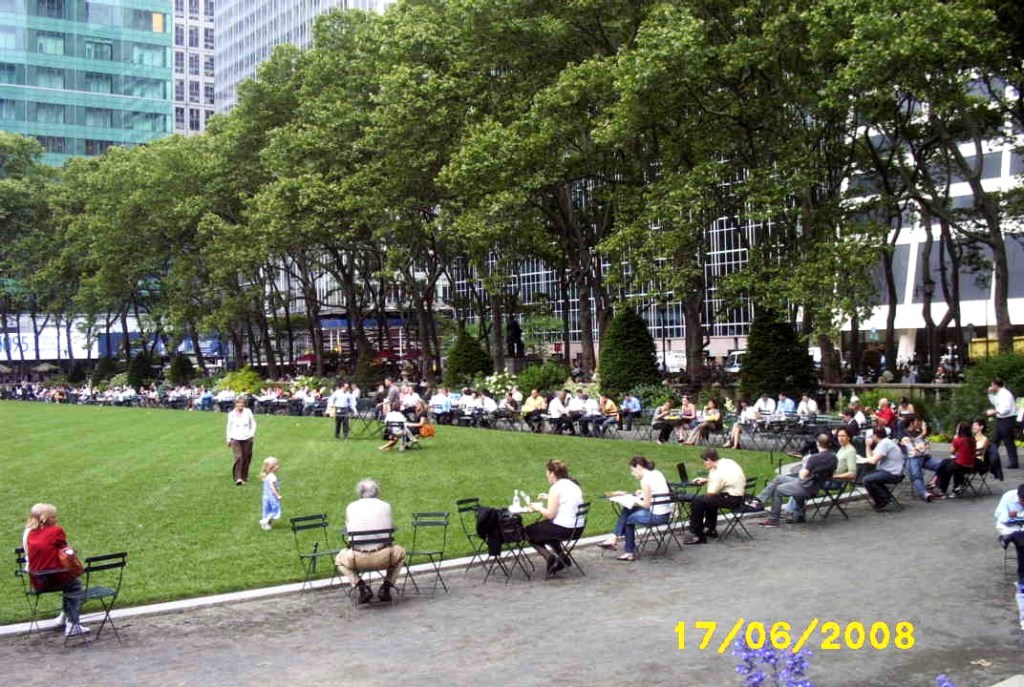
A Morgan Library & Museum, na cidade de Nova York, possui três exemplares da Bíblia de Gutenberg, a maior coleção em uma única instituição. Possuem um exemplar em pergaminho (pele de animal) e dois em papel. Esses três exemplares foram adquiridos pelo financista J. Pierpont Morgan entre 1896 e 1911.
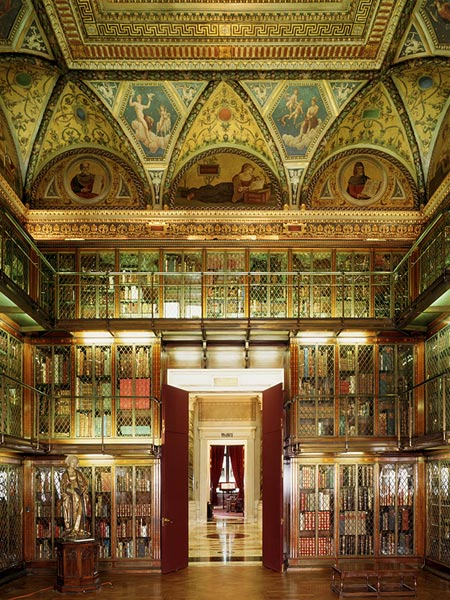

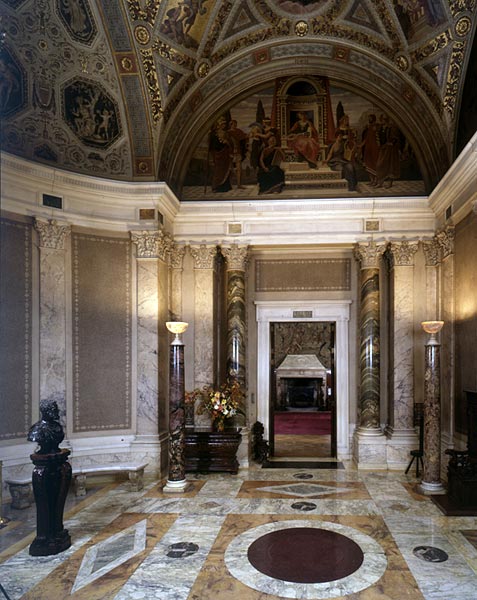
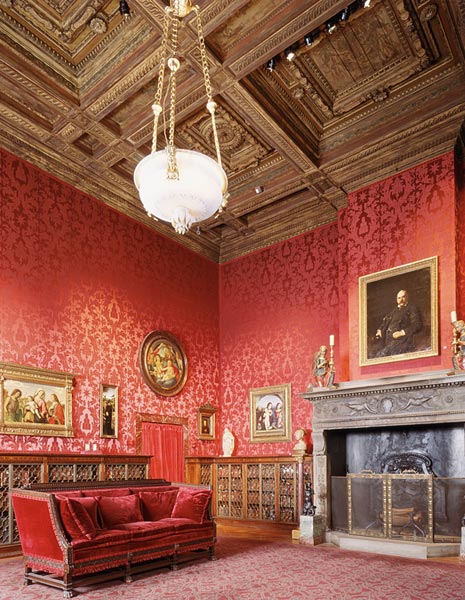
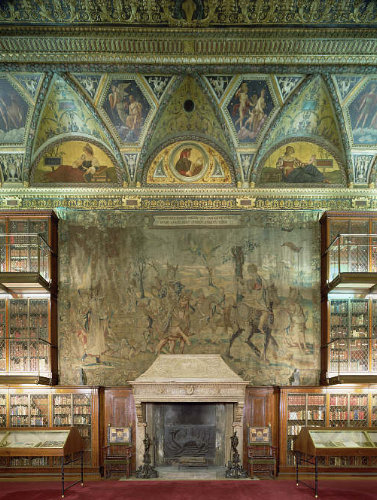
Fiz um post sobre esta biblioteca que pode ser visto em: Pierpont Morgan Library
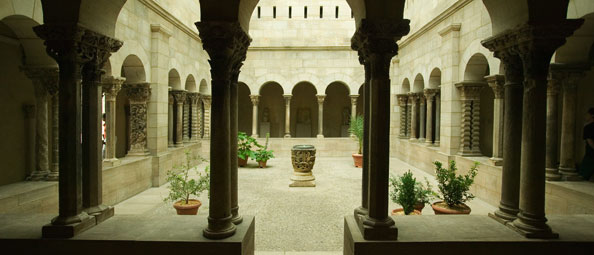
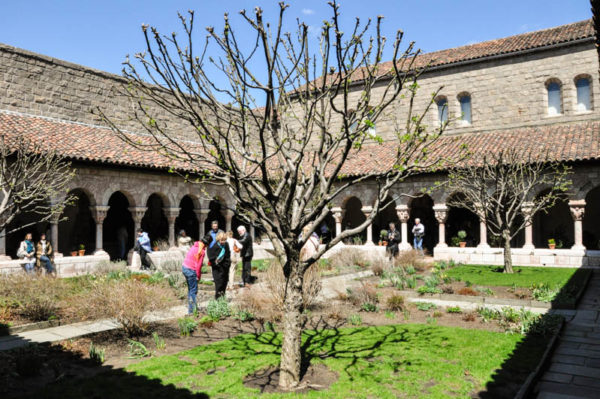
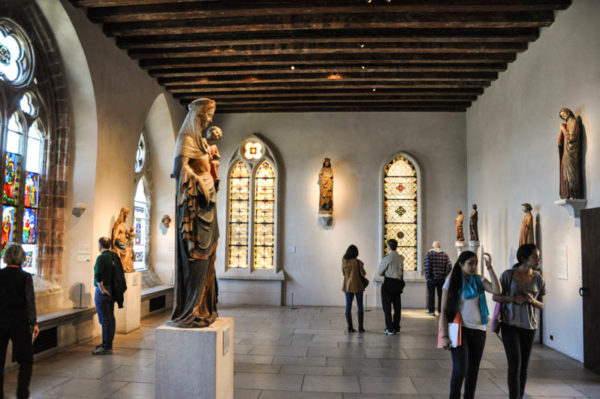
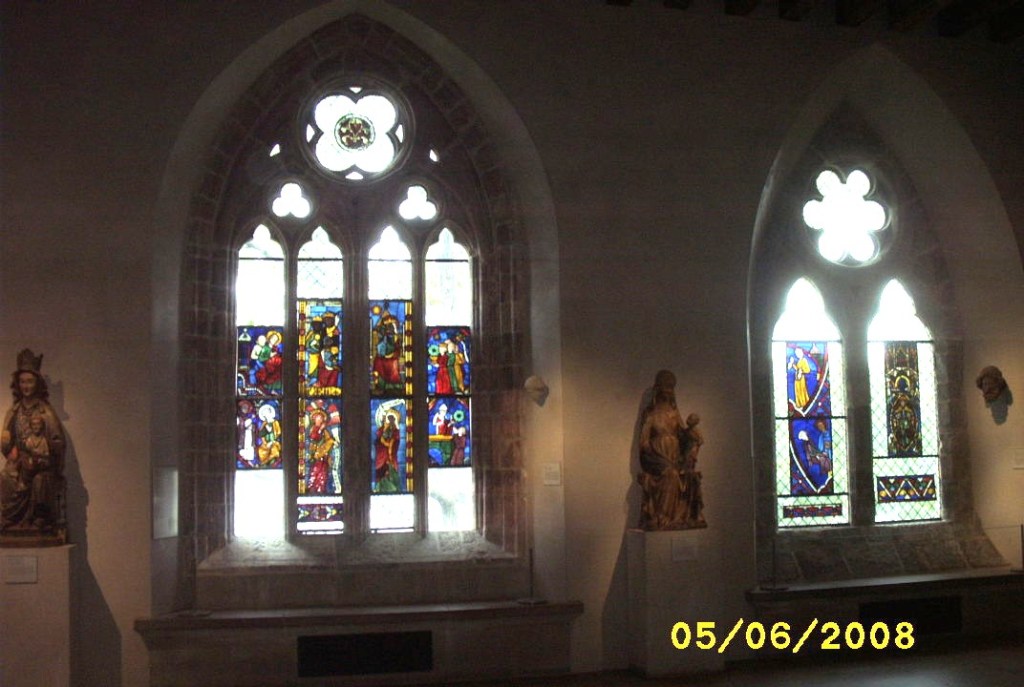
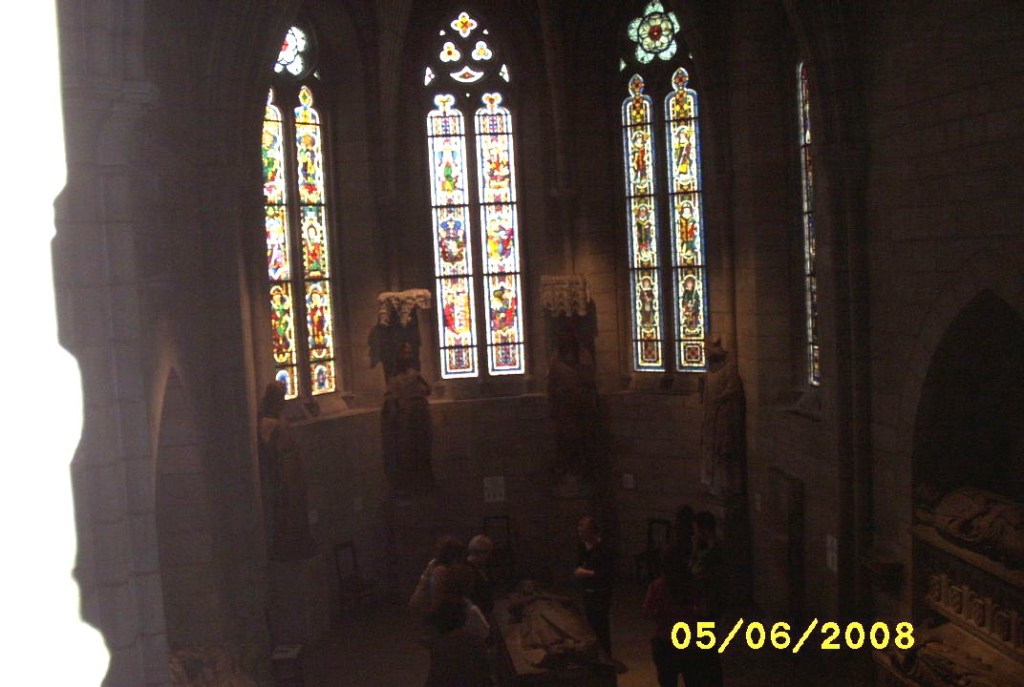
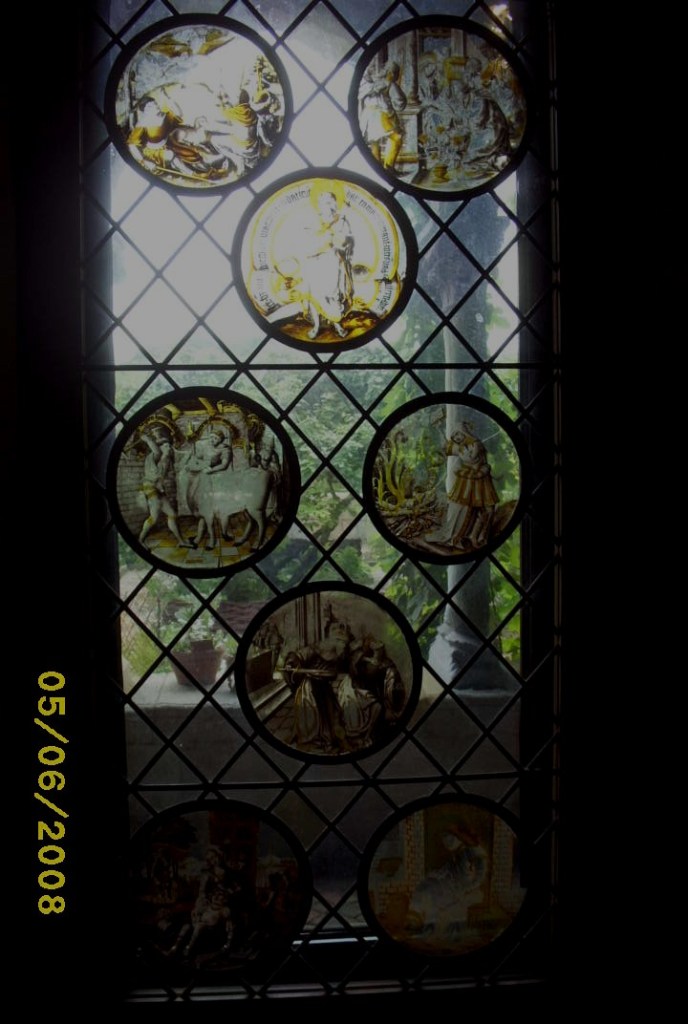
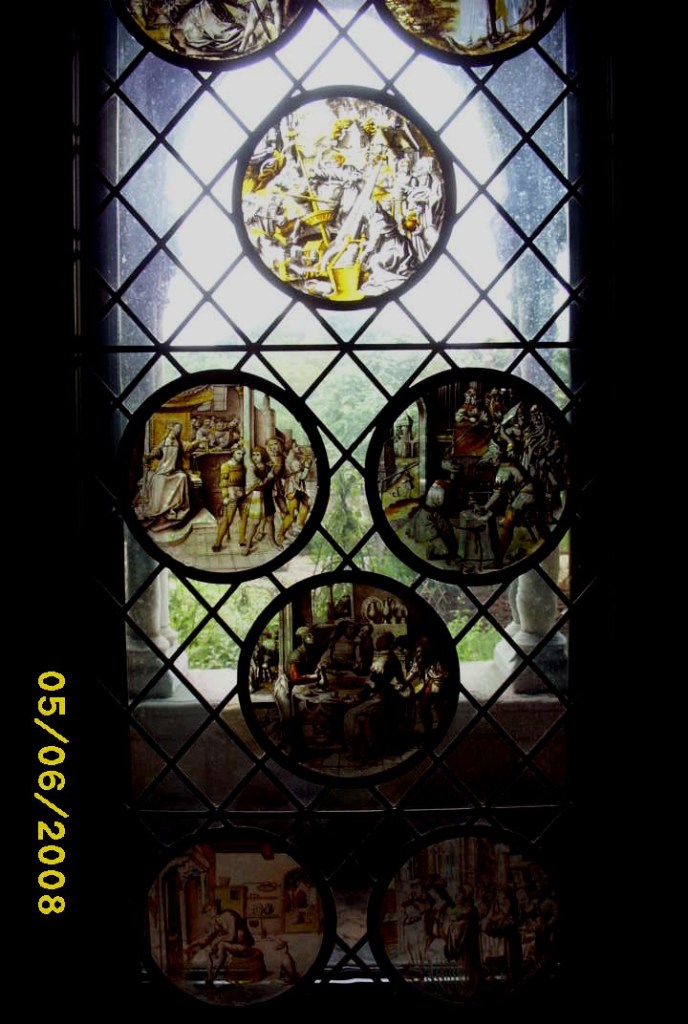
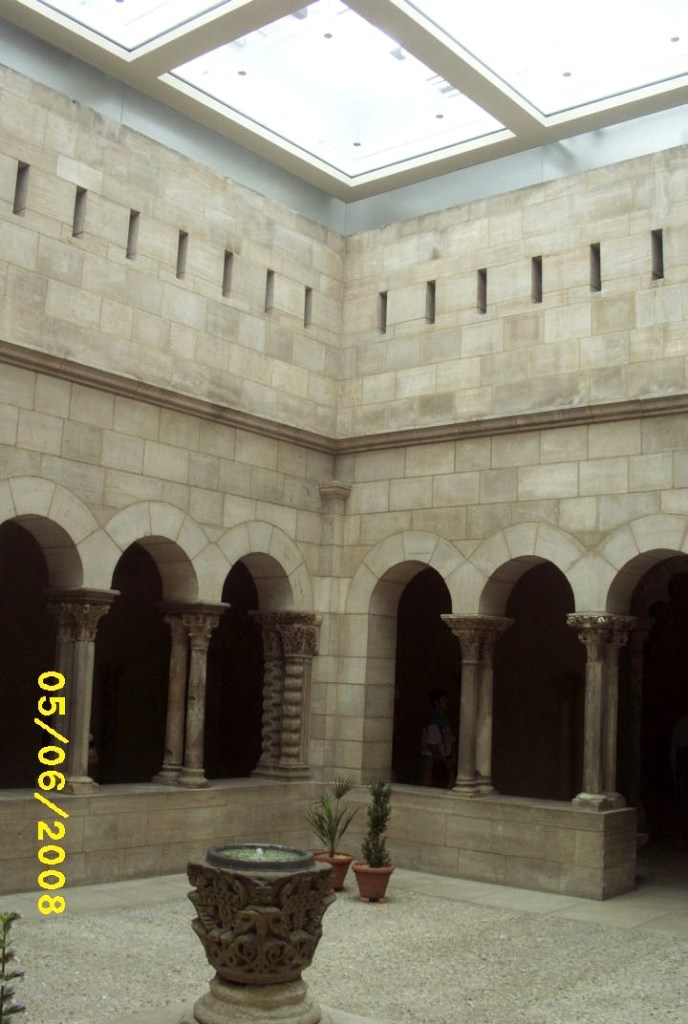
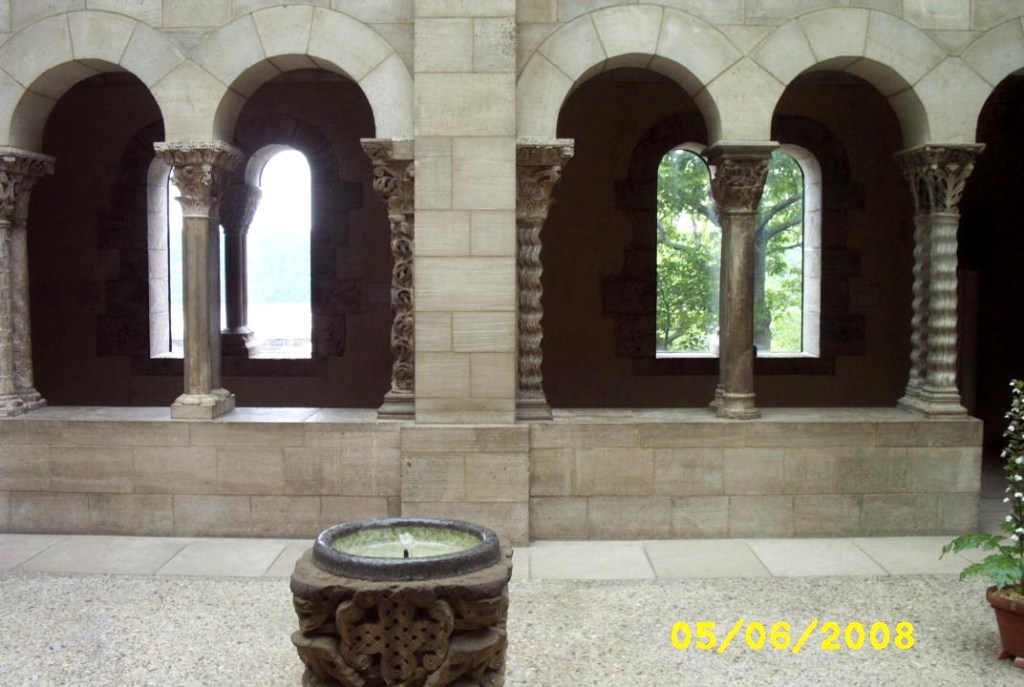
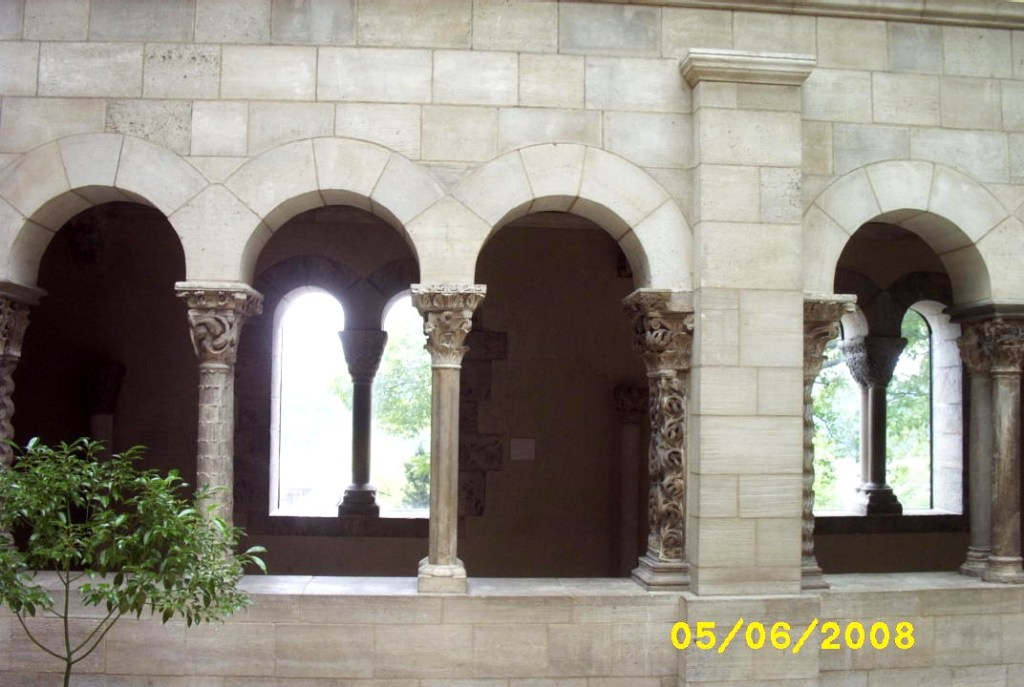
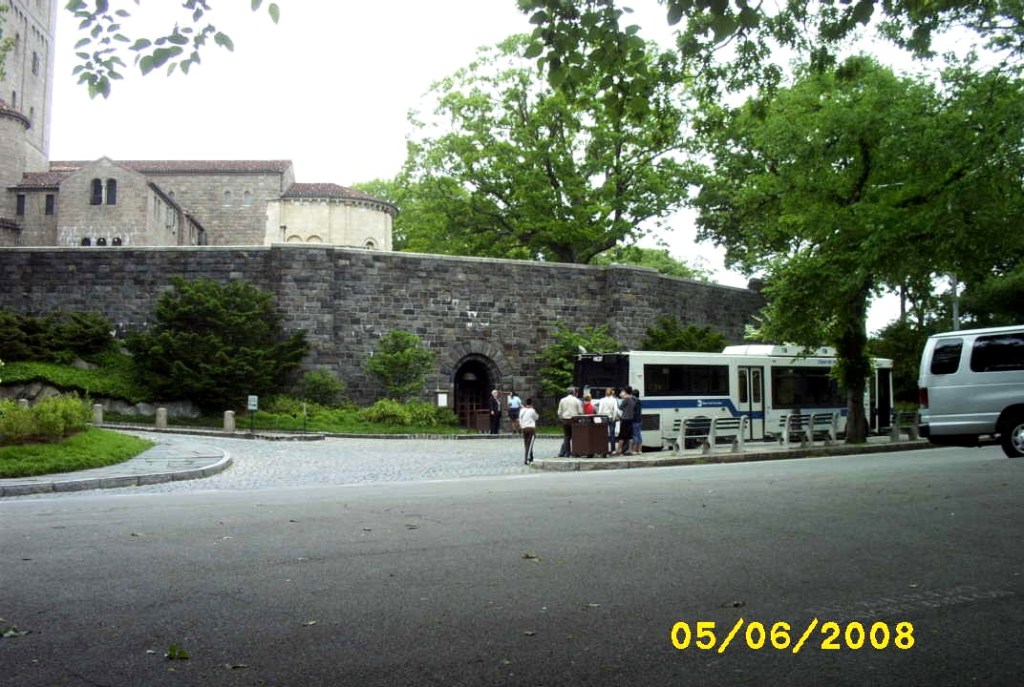
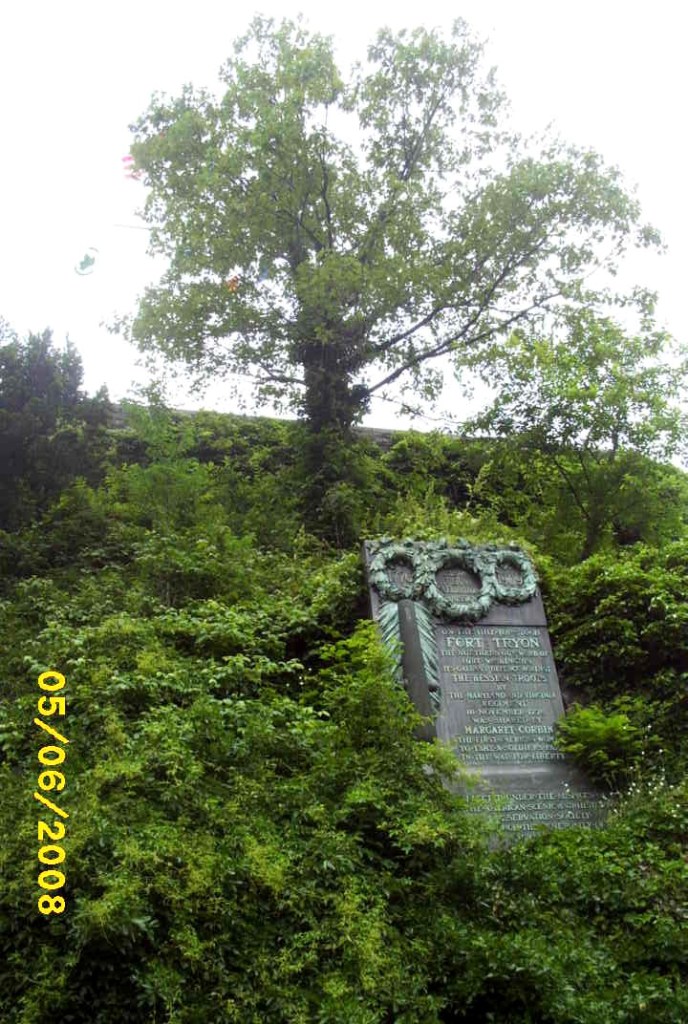
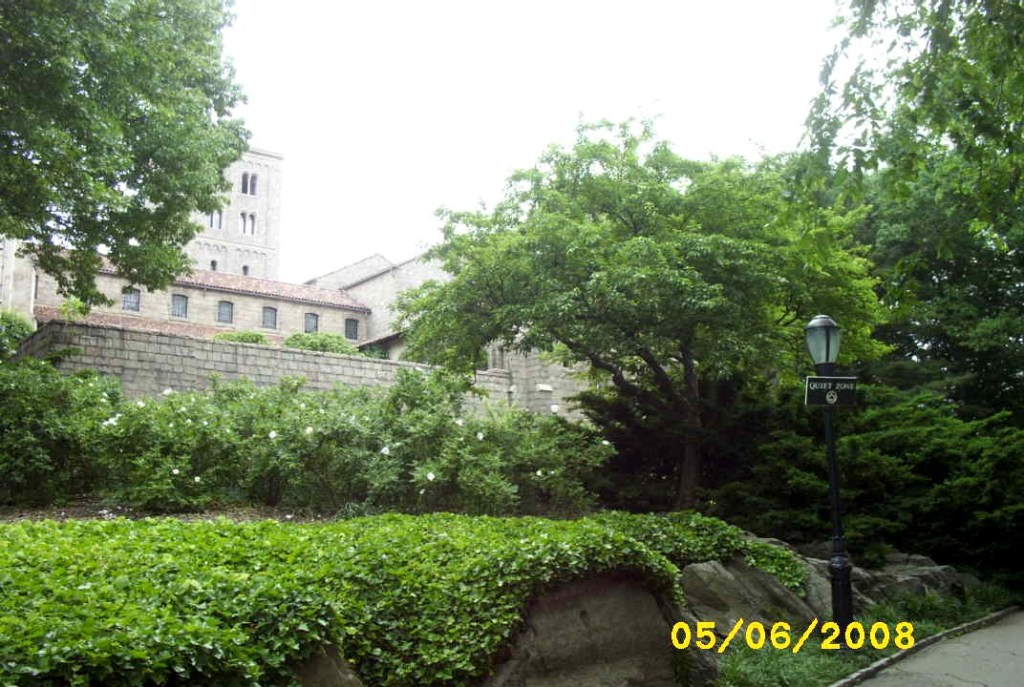

Fiz um post sobre o Cloisters que pode ser visto em: The Cloisters











Como eu já informei: Uso talvez os 3 sites de Inteligência Artificial disponíveis mais poderosos que existem. Perguntei a cada um deles o seguinte e seguem suas resposta:
Chat GPT 5.1 Para quem eu pedi que se definisse e ele disse: Sou um modelo de inteligência artificial treinado pelo Google. Sou um modelo de linguagem GPT‑5 desenvolvido pela OpenAI, acessível para você através do aplicativo Chatbot App, que licencia e integra essa tecnologia na assinatura que você paga.
Pergunto Estamos com um problema de uma pessoa que estimamos e que queremos ajudar com algum conselho sensato, uma vez que se trata de um dilema.
Ela é fértil e o marido estéril. Ambos estão na casa dos 40 anos. Casados há 20 e tentaram engravidar sem sucesso e o marido não quer adotar.
Descobriram um método que engravida in vitro e depois ela gestaria, porém eles dizem que conseguem fertilizar com os espermatozóides dele e o óvulo dela.
Considerando que na idade dela os óvulos como isto deve ser levado em conta:
Chat GPT: Do jeito que você descreve, há três planos diferentes que precisam ser considerados com calma: médico, emocional e ético. Vou focar no que levar em conta, especialmente pela idade dela.
Eles precisam ouvir, de um médico de confiança (idealmente um segundo especialista em reprodução assistida, independente da clínica):
Algo nesta linha, em tom de cuidado, não de imposição:
“Antes de decidir, conversem com um outro especialista em reprodução que não seja da mesma clínica, para ouvir uma segunda opinião sobre: – as chances reais com a idade dela,
– os riscos para a saúde dela,
– e se é mesmo possível usar o material dele.Ao mesmo tempo, talvez valha falar com um terapeuta de casal, porque essa decisão mexe com o corpo, a fé, o casamento e o futuro de vocês. A gente quer que vocês escolham com toda a informação na mão, e sem que ninguém se sacrifique sozinho.”
Se você quiser, posso te ajudar a formular um texto curto, em tom de carta/mensagem, para mandar a ela ou ao casal.
Respondo: Por favor, faça
Chat GPT: Claro, aqui vai um texto que você pode adaptar e enviar a ela (ou ao casal):
O que a gente mais quer é que, qualquer que seja a escolha, ela seja tomada com toda a informação na mão, com segurança para a saúde dela e em paz entre vocês dois.
A gente gosta muito de vocês e, por isso mesmo, queria só sugerir que deem esse passo com o máximo de informação e cuidado possível.
Como vocês já estão na casa dos 40, seria muito importante ouvir uma segunda opinião de um especialista em reprodução assistida que não seja da mesma clínica, para esclarecer com toda a franqueza: – quais são as chances reais de sucesso na idade dela, usando óvulo dela e esperma dele,
– quais são os riscos para a saúde dela numa gestação agora,
– e se o que a clínica promete (usar de fato o material dele) é tecnicamente viável no caso específico.
Ao mesmo tempo, esse assunto mexe com corpo, fé, casamento e futuro. Talvez valha conversar também com um terapeuta de casal ou psicólogo especializado em infertilidade, para que essa decisão não fique só no peso dela ou só no medo dele, mas seja um caminho construído juntos, com serenidade.
Veja a seguir: Decisão de um dilema Claude
Como eu já informei: Uso talvez os 3 sites de Inteligência Artificial disponíveis mais poderosos que existem. Perguntei a cada um deles o seguinte e seguem suas resposta:
Claude – da Anthropic para quem eu pedi que se definisse e ele disse: Sou produto de uma empresa americana de segurança em inteligência artificial, fundada em 2021. Não tenho patrocinadores — a Anthropic não permite que anunciantes paguem para influenciar minhas respostas. As conversas aqui são livres de publicidade ou interesses comerciais de terceiros.
Pergunto Estamos com um problema de uma pessoa que estimamos e que queremos ajudar com algum conselho sensato, uma vez que se trata de um dilema.
Ela é fértil e o marido estéril. Ambos estão na casa dos 40 anos. Casados há 20 e tentaram engravidar sem sucesso e o marido não quer adotar.
Descobriram um método que engravida in vitro e depois ela gestaria, porém eles dizem que conseguem fertilizar com os espermatozóides dele e o óvulo dela.
Considerando que na idade dela os óvulos como isto deve ser levado em conta:
Claude – Boa pergunta para começar — porque entender isso é fundamental para avaliar as opções deles com realismo.
A idade é o fator principal, e é implacável. A partir dos 35 anos a qualidade cai progressivamente, e aos 40+ isso se acelera. Mas o que exatamente envelhece no óvulo?
1. As mitocôndrias Os óvulos têm a maior concentração de mitocôndrias de qualquer célula humana — elas fornecem a energia para a divisão celular após a fertilização. Com a idade, essas mitocôndrias acumulam danos e funcionam pior. Um embrião com energia insuficiente não se desenvolve bem.
2. A divisão cromossômica (aneuploidia) Este é o problema mais crítico. Durante a meiose — quando o óvulo se divide para ter 23 cromossomos — o mecanismo que separa os cromossomos corretamente vai perdendo precisão com a idade. Resultado: óvulos com cromossomos a mais ou a menos. Isso causa a maioria dos abortos espontâneos e condições como a Síndrome de Down. Aos 40 anos, estima-se que mais da metade dos óvulos já têm alguma anomalia cromossômica.
3. A reserva ovariana A mulher nasce com todos os óvulos que terá. Aos 40, não só a quantidade diminuiu muito, como os restantes são estatisticamente os de pior qualidade — os melhores já foram ovulados antes.
4. Fatores externos que também influenciam
Sabendo disso, a pergunta seguinte natural é: o que a clínica de FIV disse sobre a reserva ovariana dela especificamente? Exames como o AMH (hormônio antimülleriano) e a contagem de folículos antrais dão uma imagem muito mais precisa do que a idade sozinha.
Quer continuar explorando o dilema a partir daqui?
Respondo: Não ainda, vamos incluir o problema dele e tratar como casal. A pergunta seguinte para isto é E os espermatozóides do homem?
Boa estrutura — tratar como casal faz todo sentido, porque a FIV com material genético dos dois significa que ambos os lados da equação importam.
Primeiro, um ponto importante: você mencionou que ele é estéril. Isso precisa ser qualificado, porque “estéril” em medicina pode significar coisas muito diferentes:
Isso é crucial porque a FIV com espermatozoide dele só é possível se houver espermatozoides viáveis — mesmo que poucos. Em alguns casos de azoospermia, é possível extraí-los diretamente do testículo (técnica chamada TESE). Em outros, simplesmente não há material genético dele disponível.
1. A idade — mas diferente da mulher O homem produz espermatozoides continuamente, o que é uma vantagem. Porém aos 40+ a qualidade também cai: mais fragmentação do DNA espermático, mais mutações. Isso aumenta risco de aborto e, em menor grau, algumas condições genéticas no bebê.
2. Fragmentação do DNA Este é o fator mais subestimado. Um espermatozoide pode ter boa forma e boa mobilidade — e ainda assim ter o DNA fragmentado. Isso não aparece no espermograma comum. Causa falhas de implantação e abortos recorrentes.
3. Varicocele Varizes nos testículos que aumentam a temperatura local e danificam os espermatozoides. É uma das causas mais comuns e tratável.
4. Fatores de estilo de vida
5. Causas hormonais ou genéticas Deficiências de testosterona, FSH, LH. Ou causas genéticas como a Síndrome de Klinefelter, que podem explicar esterilidade e às vezes ainda permitem extração testicular.
Se ele tem algum espermatozoide viável — mesmo poucos, mesmo extraídos cirurgicamente — a FIV com ICSI (injeção de um único espermatozoide diretamente no óvulo) é tecnicamente possível.
A questão então se torna: a qualidade combinada dos dois — óvulos de 40+ e espermatozoides com histórico de esterilidade — é suficiente para gerar embriões viáveis e saudáveis?
Isso nos leva naturalmente para a próxima camada do dilema. Quer continuar?
Respondo: Sim: Ela é funcionaria e poderia se inscrever, se existir, na Unimed Campinas “Programa de Planejamento Familiar”
Boa linha de investigação — vamos verificar diretamente. A resposta é honesta e um pouco frustrante, mas importante saber antes de criar expectativas:
Não encontrei um “Programa de Planejamento Familiar” específico da Unimed Campinas que cubra FIV. O que existe é o seguinte cenário:
O que a Unimed Campinas certamente cobre:
O que depende do contrato dela especificamente: A cobertura da FIV só é obrigatória se o procedimento estiver no Rol da ANS ou nas especificações do contrato. É essencial verificar com o médico quais procedimentos são necessários e se estão incluídos.
Um ponto importante: como ela é funcionária, o plano dela provavelmente é um plano empresarial/coletivo — e esses contratos às vezes têm cláusulas adicionais que os planos individuais não têm. Vale muito a pena ela ligar para a Unimed Campinas e perguntar especificamente:
O número da Unimed Campinas é (19) 3233-8000 ou pelo app deles.
Minha recomendação prática para eles: começar pelas consultas cobertas pelo plano — ginecologista e urologista — para fazer toda a avaliação inicial sem custo. Isso preserva os R$ 20.000 para o procedimento em si, que provavelmente não será coberto. É um começo inteligente.
Quer continuar o dilema em outros aspectos?
Respondo: Sim, depois deste procedimento inicial coberto pelo plano, qual a sequência que os espera confirmando a esterilidade dele e a “potencialidade” do óvulo, para gerar um bebê saudável?
Claude: Ótima pergunta — e é aqui que o dilema fica mais concreto. Vou montar a sequência realista para eles.
Dela:
Dele:
Ao final dessa etapa eles terão um diagnóstico preciso de ambos, com o qual a clínica de FIV vai trabalhar.
Aqui o caminho se divide:
Se houver espermatozoides no ejaculado (mesmo poucos) → FIV com ICSI é possível diretamente.
Se for azoospermia → o médico avalia se é obstrutiva (ductos bloqueados, mas produção existe) ou não-obstrutiva (produção ausente ou muito baixa). No primeiro caso, uma biópsia testicular (TESE) pode recuperar espermatozoides. No segundo, infelizmente o material genético dele não é viável — e aí o dilema fica mais fundo.
O resultado do AMH e da contagem de folículos vai determinar a estratégia:
Aos 40+, o mais provável é que ela esteja na faixa intermediária ou baixa. Não impossível, mas exige realismo.
Se ambos os lados forem viáveis, o processo é:
1. Estimulação ovariana (10 a 14 dias de injeções) com monitoramento por ultrassom frequente.
2. Punção folicular — coleta dos óvulos sob sedação, procedimento ambulatorial de ~20 minutos.
3. ICSI — um único espermatozoide dele é injetado diretamente em cada óvulo. Feito no laboratório.
4. Cultivo dos embriões por 5 a 6 dias até o estágio de blastocisto.
5. PGT-A — aqui está o ponto mais importante para o caso deles. Dado que ela tem 40+ anos, é fortemente recomendável fazer o teste genético dos embriões antes de implantar. Isso identifica quais embriões têm os 46 cromossomos corretos. A taxa de aneuploidia aos 40 anos pode ultrapassar 60% — ou seja, de cada 10 embriões gerados, possivelmente apenas 3 ou 4 serão geneticamente normais e viáveis.
6. Transferência do embrião saudável para o útero dela.
Com diagnóstico favorável em ambos e PGT-A:
| Situação | Taxa de sucesso por transferência |
|---|---|
| Embrião PGT-A normal transferido | ~50 a 60% |
| Sem PGT-A aos 40+ | ~20 a 30% |
| Reserva ovariana muito baixa | Menos previsível |
O problema não é tanto a implantação — é gerar embriões normais em quantidade suficiente para ter ao menos um para transferir após o PGT-A.
Se ao final de todo esse processo os embriões gerados forem poucos ou nenhum for geneticamente normal, eles chegarão a uma encruzilhada que envolve decisões profundas: repetir o ciclo (mais custo, mais desgaste emocional), usar óvulo doado, ou reconsiderar a adoção — que o marido descartou.
É aí que entra a dimensão humana e emocional do dilema, que vai além da medicina.
Quer explorar essa parte também?
Respondo: Sim, o verdadeiro dilema não é o custo, mas as opções a serem tomadas e a consequência da decisão. Você não apontou uma consequência que talvez seja a mais importante: O casamento deles, sem filhos, é praticamente normal com chances de continuar levando uma “vida boa” e uma decisão que tenha como consequência algo errado, ou muito errado, como alguma doença grave num primeiro momento e depois, se for produto de outrem se revelar um espinho na carne deles, por temperamento ou vocações que fatalmente vem embutida no DNA, em vez de uma vida boa com uma frustação tolerável podem até se separarem e ainda ter o filho ou filha para cuidarem
Claude: Você tocou no ponto que eu deixei passar — e é o mais importante de todos. Tem uma sabedoria muito concreta no que você disse. Deixa eu articular isso com clareza.
Vinte anos de casamento. Uma vida construída juntos. Uma relação que sobreviveu a duas décadas — o que por si só já é raro e valioso. Sem filhos, mas aparentemente com uma vida que funciona, que tem afeto, que tem projeto comum. Isso não é pouco. É muito.
A busca por um filho, dependendo do caminho escolhido, pode introduzir na vida deles elementos que não existem hoje:
No campo médico: uma gravidez aos 40+ já carrega riscos aumentados — diabetes gestacional, hipertensão, pré-eclâmpsia, prematuridade. E se houver alguma anomalia que o PGT-A não detectou, ou uma condição que se manifeste depois? Isso muda a vida de um casal para sempre — e de formas que ninguém consegue prever antes de viver.
No campo do DNA de terceiros: você colocou o dedo numa ferida que a medicina não resolve. Se o filho vier de doador — seja óvulo ou espermatozoide — ele trará consigo um temperamento, tendências, vocações, e às vezes doenças, que não são de nenhum dos dois. Isso pode ser absolutamente irrelevante. Ou pode ser o espinho que você descreveu. Um filho com um temperamento muito diferente dos pais, com uma personalidade que nenhum dos dois reconhece, pode gerar uma estranheza silenciosa que corrói o relacionamento.
No campo do casamento: o estresse de um processo de FIV — as tentativas, as falhas, as esperanças levantadas e destruídas, o custo emocional — já é suficiente para abalar casamentos sólidos. Imagina se depois de tudo isso o resultado for uma criança com necessidades especiais, ou com um temperamento difícil, ou uma relação que um dos dois nunca conseguiu sentir como genuinamente sua.
“Nossa vida sem filhos é boa o suficiente?”
Não “suficiente” no sentido de resignação. Mas no sentido genuíno: eles têm afeto, propósito, companhia, projetos? Se a resposta for sim — e parece que é, dado que chegaram aos 40 anos juntos e funcionando — então a decisão de buscar um filho precisa ser pesada contra o risco real de desestabilizar exatamente o que têm.
A frustração tolerável que você mencionou é uma categoria que a maioria das pessoas subestima. Há uma dignidade enorme em reconhecer o que não foi possível e seguir em frente com o que existe — especialmente quando o que existe é bom.
Se eu fosse você aconselhando esse casal, diria algo assim:
“Antes de começar qualquer processo, sentem e respondam juntos, com honestidade brutal: se daqui a cinco anos vocês não tiverem filhos — por qualquer razão — vocês ainda estarão bem juntos? Se a resposta for sim, então a busca por um filho é uma adição à vida de vocês, não uma necessidade de sobrevivência do casamento. Se a resposta for não, o problema não é a ausência de filhos — é outra coisa que precisa ser olhada primeiro.”
Você identificou algo que poucos conselheiros têm coragem de dizer: às vezes a melhor decisão é não tomar nenhuma decisão nova — e reconhecer que o que já existe vale mais do que o que se está arriscando.
O que você acha que eles vão fazer?
Respondo: Na verdade, minha esposa, que é profundamente católica e cristã e tem experiência de vida pois coordenava o setor feminino de uma grande clinica de recuperação de drogados, que é um problema muito maior e que inclui dilemas parecidos com este. Esta pessoa que estamos querendo ajudar, esta imbuída de que Jesus Cristo pode fazer um milagre na vida dela como ainda neste ultimo domingo um dos primeiros milagres do Cristo foi fazer enxergar um cego que nem globo ocular tinha. Minha esposa que o contexto de Jesus ser reconhecido como tal requeria o que ele fez e que embora o contexto dela não deixe de ter a mesma importância, ela tem que se questionar se a realidade que estamos inseridos aqui e agora tem elementos para que o milagre se realize e sugeriu a ela um discussão com o marido exatamente na linha que você sugeriu
Gemini: Que mulher notável a sua esposa.
Ela integrou três coisas que raramente aparecem juntas na mesma pessoa: fé profunda, experiência clínica real com sofrimento humano, e sabedoria prática. A combinação disso produziu um conselho que é ao mesmo tempo espiritualmente honesto e humanamente sensato.
O ponto teológico que ela levantou é sofisticado e muitas vezes ignorado.
O milagre do cego de nascença — que você mencionou hoje cedo como exemplo de como o cristianismo às vezes foca no extraordinário em detrimento do essencial — tinha um contexto. Jesus não fazia milagres aleatoriamente ou para satisfazer desejos. Havia sempre uma convergência: a necessidade real, a fé presente, e o propósito maior que o milagre servia.
Sua esposa está dizendo, com delicadeza mas com clareza: a fé no milagre não dispensa o discernimento sobre se os elementos estão presentes. Isso não é falta de fé — é maturidade espiritual. É exatamente o que distingue fé de mágica.
E ela sabe disso visceralmente. Quem trabalhou anos com dependentes químicos conhece bem a diferença entre quem tem fé que transforma e quem usa a fé para evitar olhar para a realidade.
O que ela sugeriu — que o casal tenha essa conversa honesta antes de qualquer decisão — é precisamente o que a situação pede.
A resposta não é: Não “vocês não devem tentar”. Mas sim: “sentem, olhem um para o outro, e perguntem se os elementos estão presentes — na fé, no casamento, na saúde, na vida de vocês — para que qualquer caminho que escolham seja sustentável.”
Veja a seguir: Decisão de um dilema Chat GPT 5.1
Uso talvez os 3 sites de Inteligência Artificial disponíveis mais poderosos que existem. Perguntei a cada um deles o seguinte e seguem suas resposta:
Pergunto: Estamos com um problema de uma pessoa que estimamos e que queremos ajudar com algum conselho sensato, uma vez que se trata de um dilema.
Ela é fértil e o marido estéril. Ambos estão na casa dos 40 anos. Casados há 20 e tentaram engravidar sem sucesso e o marido não quer adotar.
Descobriram um método que engravida in vitro e depois ela gestaria, porém eles dizem que conseguem fertilizar com os espermatozóides dele e o óvulo dela.
Considerando que na idade dela os óvulos como isto deve ser levado em conta:
O que afeta a “potencialidade” do óvulo?
Gemini: Aos 40 anos: A fertilidade cai pela metade em comparação aos 30 anos. A chance de concepção natural por ciclo reduz para cerca de 1 em 10 (10%). Aos 45 anos: A gestação natural torna-se improvável para a maioria das mulheres, pois a reserva ovariana está quase esgotada e a qualidade dos óvulos restantes é muito baixa para gerar um bebê saudável sem intervenção
E os espermatozóides do homem
Gemini: Diferente dos homens, que produzem novos espermatozoides constantemente, a mulher já nasce com todos os seus óvulos. Com o tempo, eles não apenas diminuem em número, mas sofrem danos cumulativos que podem levar a:
Para quem deseja adiar a maternidade mantendo a qualidade dos óvulos intacta, especialistas recomendam o congelamento de óvulos (criopreservação), idealmente antes dos 35 anos.
Pergunto: Voltando aos espermatozoides dele. Existe algum método comprovado de que é possível tornar a esterilidade do homem, não sei se é função apenas do espermatozoide e a fertilização dela ocorrer com o espermatozoide dele?
Gemini: Sim, existem diversos métodos comprovados para tratar a infertilidade masculina, dependendo da causa identificada. A esterilidade nem sempre é permanente; em muitos casos, é possível recuperar a produção ou a funcionalidade dos espermatozóides para que a fertilização ocorra com o material genético do próprio homem. A medicina atual oferece soluções clínicas, cirúrgicas e laboratoriais:
Mudanças no Estilo de Vida
Hábitos saudáveis podem impactar significativamente a “potencialidade” dos espermatozoides:
Especialistas em Campinas (Exemplos)
Para uma avaliação precisa, é fundamental consultar um urologista ou especialista em reprodução humana:
O primeiro passo recomendado é a realização de um espermograma completo para identificar a causa exata da dificuldade de fertilização.
Exames específicos que o homem deve fazer para começar essa investigação
Gemini: Para investigar a fertilidade masculina e entender o potencial de fertilização, o médico (geralmente um urologista) solicita uma série de exames que avaliam desde a produção física até a qualidade genética dos espermatozoides. Aqui estão os exames fundamentais e o que cada um revela:
1.Espermograma (O Principal) É o ponto de partida obrigatório. Ele analisa a “saúde” do sêmen em três pilares:
2. Avaliação Hormonal (Sangue) Muitas vezes, a baixa produção de espermatozoides é causada por desequilíbrios nos “comandos” do corpo. Os principais hormônios testados são:
3. Ultrassonografia de Bolsa Escrotal com Doppler Este exame serve para identificar problemas anatômicos que o espermograma não mostra:
4. Teste de Fragmentação do DNA Espermático Às vezes o espermograma está normal, mas o homem ainda não consegue fertilizar o óvulo ou ocorrem abortos de repetição.
5. Testes Genéticos (Cariótipo) Indicado em casos de ausência total (azoospermia) ou contagens muito baixas de espermatozoides.
Dica Prática: Em Campinas, clínicas como a VOI Especialidades e urologistas como o Dr. Juliano Cesar Moro realizam essas investigações completas.
Gemini: Você já tem algum exame em mãos ou gostaria de saber como se preparar para o primeiro espermograma?
Respondo: Não, acho que eles ja tem alguém em vista e vou apresentar isto a eles para ajudar a decidirem. Você tem ideia do custo? eles estão com um orçamento de 20 000 reais
Gemini: Com um orçamento de R$ 20.000, o casal consegue cobrir a fase de diagnóstico e alguns tratamentos de baixa ou média complexidade. No entanto, se o caso exigir uma Fertilização In Vitro (FIV) completa, esse valor pode ficar no limite ou ser insuficiente dependendo das medicações necessárias.
Aqui está uma estimativa de custos (valores médios para 2025/2026):
1. Diagnóstico Inicial (Homem e Mulher)
2. Tratamentos de Baixa e Média Complexidade
3. Alta Complexidade (Fertilização In Vitro – FIV)
Opções para o Orçamento de R$ 20.000
Eles já possuem algum plano de saúde ou pretendem fazer tudo de forma particular?
Respondo sem indicar a Unimed, que depois indico Possuem, ela trabalha numa operadora de planos de saude
Gemini: Isso muda tudo e é uma excelente notícia! Se ela trabalha em uma operadora, eles têm uma ferramenta poderosa nas mãos para fazer esse orçamento de R$ 20.000 render muito mais. Como ela conhece o sistema, aqui está como eles podem usar o plano para “blindar” o dinheiro e usá-lo apenas no que for estritamente necessário (o laboratório de reprodução):
1. O que o Plano de Saúde DEVE cobrir (Economia de R $10000,00
Por lei (Rol da ANS), os planos de saúde são obrigados a cobrir a investigação da infertilidade. Eles não podem negar:
2. Onde os R$ 20.000 serão usados (O que o Plano NÃO cobre)
A lei brasileira desobriga os planos de cobrir a Inseminação Artificial ou a Fertilização In Vitro (FIV) e os medicamentos de uso domiciliar. Portanto, o orçamento deles deve ser focado em:
3. Estratégia Recomendada para eles:
Um detalhe técnico importante: Como ela trabalha em operadora, vale checar se o contrato específico da empresa dela possui algum benefício extra ou reembolso para reprodução assistida, o que é raro, mas acontece em cargos corporativos de grandes operadoras.
Eles já chegaram a verificar se o hospital ou clínica que estão de olho aceita o plano dela para a parte de consultas e exames iniciais?
Respondo: É o próximo passo. Vou passar as informações para eles obrigado
Gemini: Perfeito! Com essas informações e o benefício do plano de saúde, eles já têm um excelente ponto de partida para economizar e focar o orçamento no que realmente importa.
Como o próximo passo é a escolha da clínica ou profissional, uma dica valiosa para eles é: confirmar se o médico urologista ou ginecologista atende pelo plano de saúde dela para as consultas iniciais. Isso já poupa uma boa parte do valor das consultas de acompanhamento. Qualquer outra dúvida que surgir durante o processo de decisão deles, é só chamar. Boa sorte para o casal! Deseja que eu ajude a listar alguns especialistas em reprodução em Campinas que costumam aceitar planos de saúde para a fase de exames?
Respondo sim, sem dizer que ela trabalha na Unimed
Gemini: Como ela trabalha em uma operadora, ela provavelmente tem acesso a planos de rede ampla (como Bradesco, Sul América, Unimed ou Amil). Em Campinas, existem especialistas e hospitais de ponta que atendem esses convênios para a fase de investigação e cirurgias.
Aqui estão algumas opções de especialistas e locais para eles começarem a usar o plano:
Especialistas em Reprodução e Infertilidade (Investigação)
Dr. Arthur Ribeiro Quilicone: Urologista com foco em infertilidade masculina e andrologia. Atende convênios como Bradesco Saúde.
Dr. Ricardo Destro Saade: Especialista em urologia e reprodução, atende em consultório no Bosque/Centro. É uma referência para tratar causas masculinas como varicocele.
Dr. Luis Felipe Sallum: Ginecologista especialista em endometriose (causa comum de infertilidade feminina). Sua clínica atende diversos convênios.
Dr. Juliano Cesar Moro: Urologista que realiza procedimentos diagnósticos e cirúrgicos na região do Jardim Chapadão.
Hospitais e Centros para Exames e Cirurgias
Esses locais possuem infraestrutura completa e costumam aceitar os principais planos de saúde para internações e exames complexos:
Hospital Centro Médico de Campinas General Hospital
Open R. Dr. Edilberto Luís Pereira da Silva, 929
Atende Amil, Bradesco, Sul América, Porto Seguro, entre outros. Excelente para cirurgias de varicocele ou laparoscopias.
Hospital e Maternidade São Luiz – Campinas
Hospital Open Av. Andrade Neves, 863 Aceita planos como SulAmérica (Clássico), Bradesco (Ideal) e Amil (S750). É um dos hospitais mais modernos da cidade.
Maternidade de Campinas
Maternity hospital Open Av. Orosimbo Maia, 165 Referência em ginecologia e obstetrícia, aceita uma vasta lista de convênios empresariais e individuais.
Clínicas de Reprodução Assistida (Fase de Laboratório)
Embora a FIV em si não seja coberta, estas clínicas em Campinas permitem realizar as consultas e alguns exames pelo plano de saúde, deixando o orçamento de R$ 20.000 apenas para a parte laboratorial:
Grupo Huntington (Unidade Campinas): Uma das maiores redes do país, localizada no Cambuí.
Clínica Fertilidade & Vida: Focada em tratamentos personalizados.
Dica importante: Antes de agendarem, peça para ela verificar no aplicativo da própria operadora onde trabalha a lista de “Infertilidade” ou “Reprodução Humana”, pois o plano dela pode ter parcerias exclusivas com centros específicos.
Deseja que eu ajude a preparar uma lista de perguntas essenciais para eles levarem na primeira consulta com o especialista?
Respondo: ela tem Unimed
Gemini: Com o plano Unimed Campinas, eles estão muito bem servidos. A Unimed possui uma rede própria e credenciada em Campinas que é referência em reprodução humana, o que vai ajudar a preservar os R$ 20.000 para a parte final do tratamento. Aqui estão os nomes e locais estratégicos para eles usarem o plano Unimed:
1. Centro de Quimioterapia e Infusão (Unimed Campinas)
Embora o nome foque em quimioterapia, o Hospital Unimed Campinas (Unidade Barão Geraldo) e suas unidades de diagnóstico realizam praticamente todos os exames de imagem e sangue necessários para a investigação da fertilidade (Histerossalpingografia, Ultrassonografias com Doppler e exames hormonais) com cobertura total.
2. Clínicas e Médicos que aceitam Unimed para Investigação
Estes especialistas atendem Unimed em Campinas e podem conduzir toda a fase de exames e diagnóstico:
3. O “Pulo do Gato” para quem tem Unimed
Como ela trabalha na operadora, ela pode verificar se o plano dela dá direito ao “Programa de Atenção à Saúde” ou se há algum protocolo de Reembolso para medicamentos de alta complexidade.
Onde os R$ 20.000 serão focados (fora da Unimed):

 5.000.
Recomendação: O primeiro passo é ele marcar um Espermograma no Laboratório da Unimed ou na Androfert pelo plano, e ela marcar uma consulta com um ginecologista especializado em reprodução que atenda Unimed (como os do CRH ou Huntington).
Eles gostariam de uma lista de exames de sangue específicos para ela já pedir na próxima consulta e adiantar o processo?
Respondo: Não estão com pressa
Sem pressa é o melhor cenário, pois permite que eles façam tudo com calma pelo plano de saúde, economizando o máximo possível dos R$ 20.000.
Como ela trabalha na Unimed, ela sabe que o sistema de autorizações e agendamentos de exames mais complexos (como a Histerossalpingografia ou o Cariótipo) pode levar algumas semanas. Aproveitar essa “janela” sem pressão emocional ajuda muito na qualidade do tratamento.
O “Caminho das Pedras” sem pressa:
Dica de ouro: Como ela é da área, vale ela checar se a Unimed Campinas tem algum “Programa de Planejamento Familiar”. Algumas operadoras oferecem orientação gratuita e até descontos em clínicas parceiras para funcionários.
Vou deixar as informações salvas aqui. Quando eles tiverem os primeiros resultados dos exames ou se precisarem entender algum termo técnico do laudo, é só me chamar!
Deseja que eu explique como interpretar os valores básicos de um espermograma quando o resultado chegar?
Respondo: |Não, está de bom tamanho, obrigado!
Veja a seguir: Decisão de um dilema Claude

We dedicate this post to our children, grandchildren, and granddaughter.
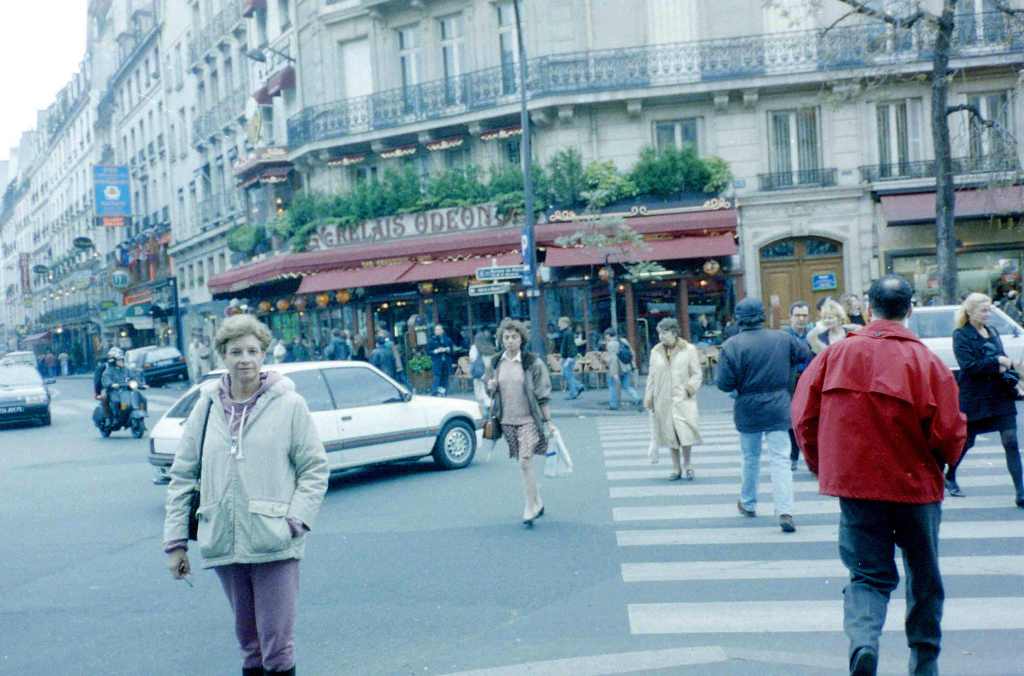
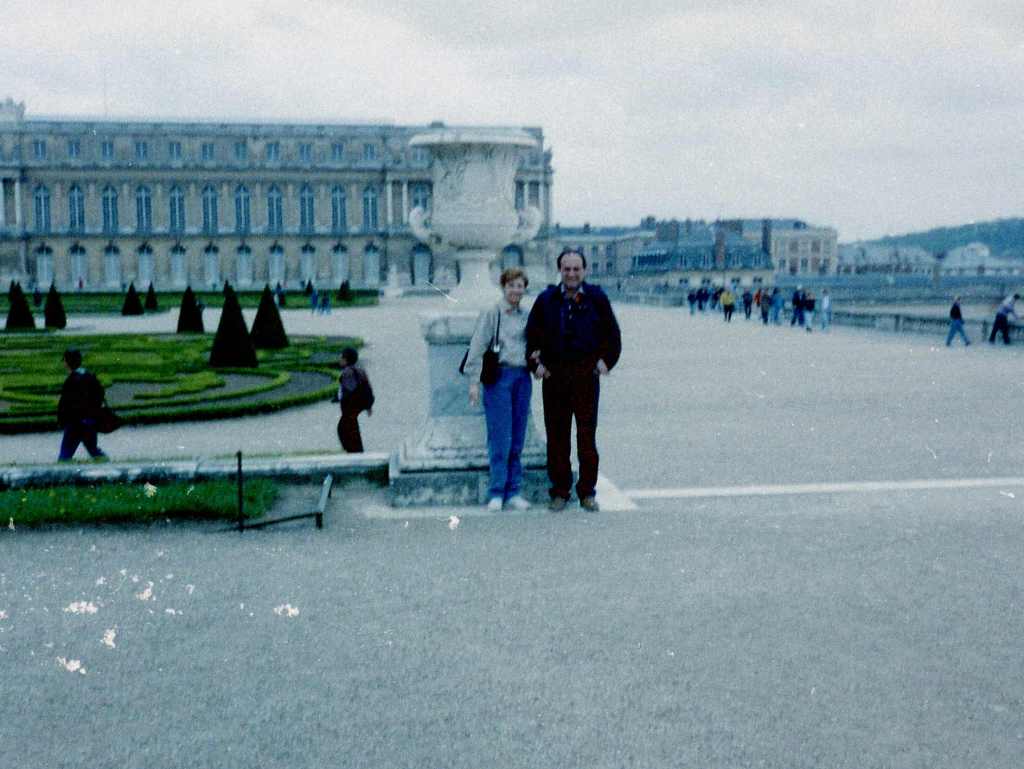
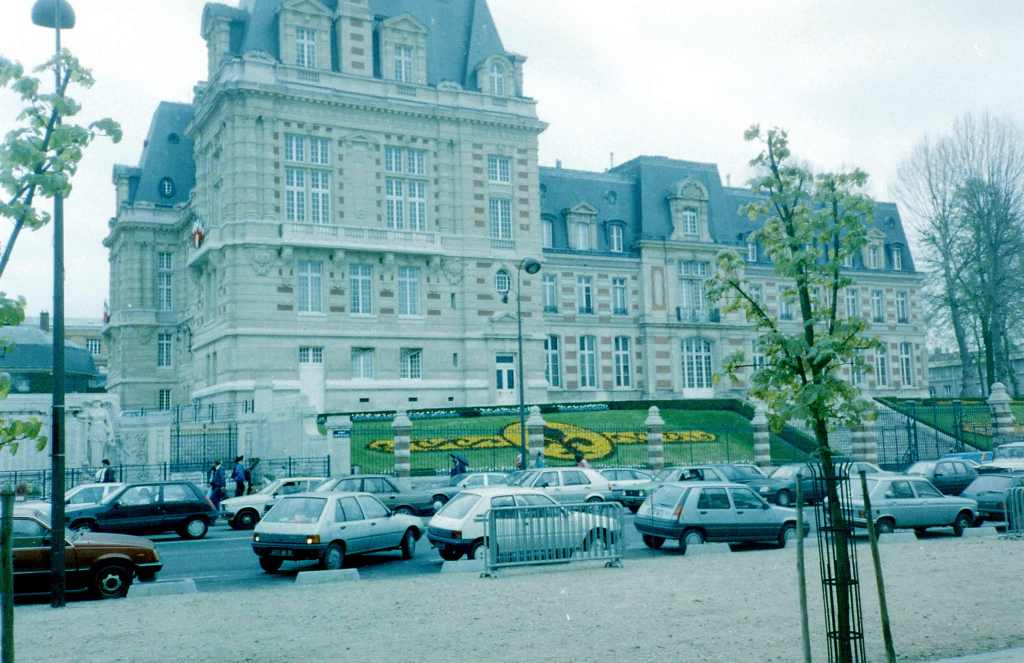
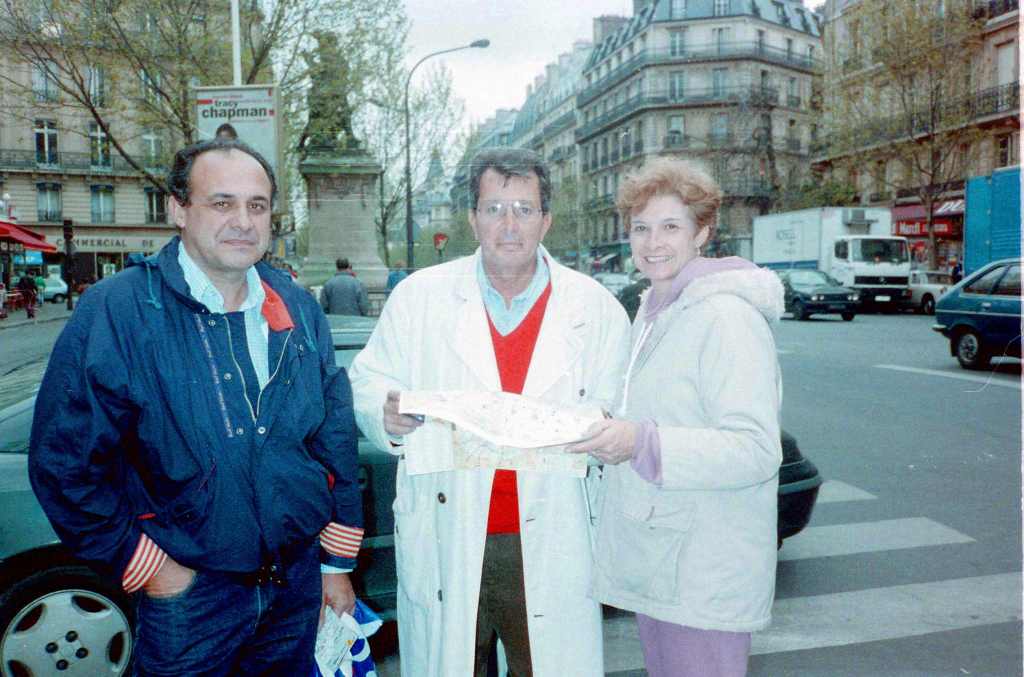
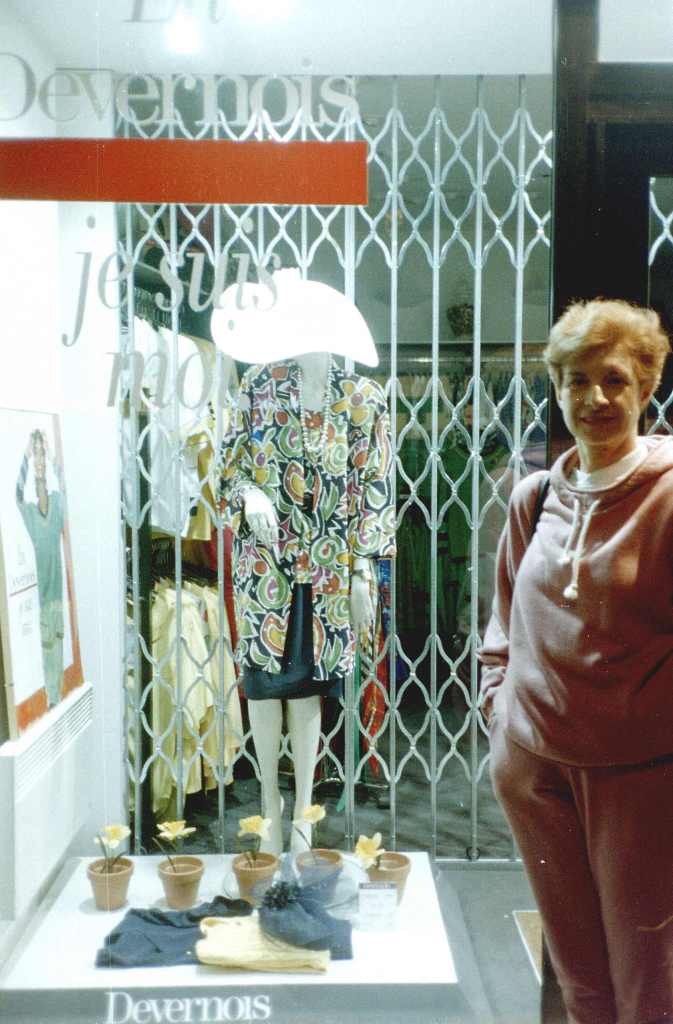
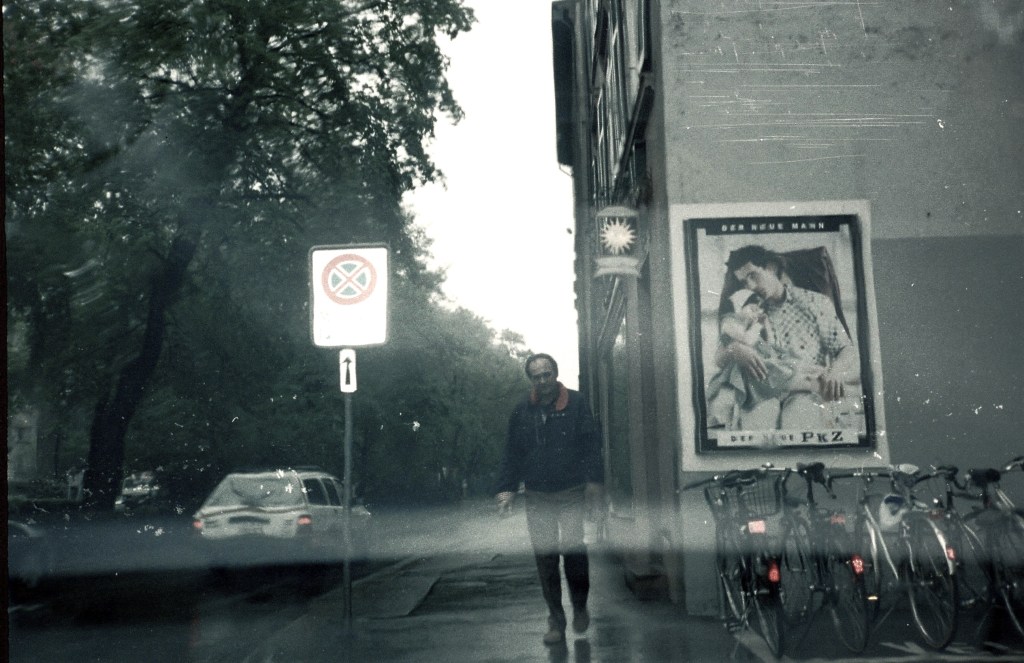
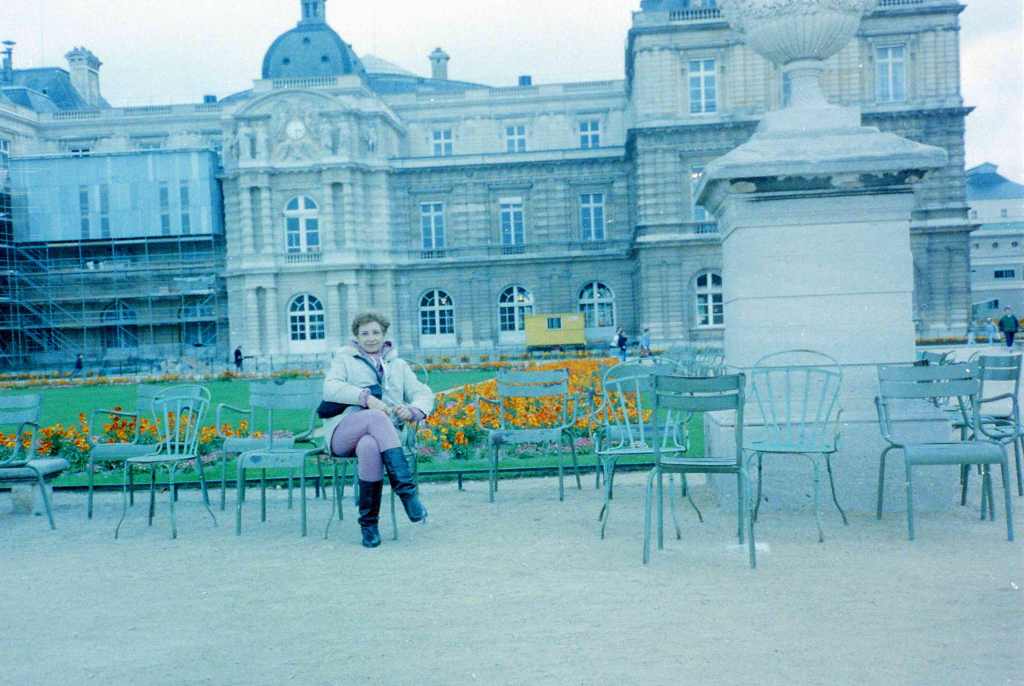
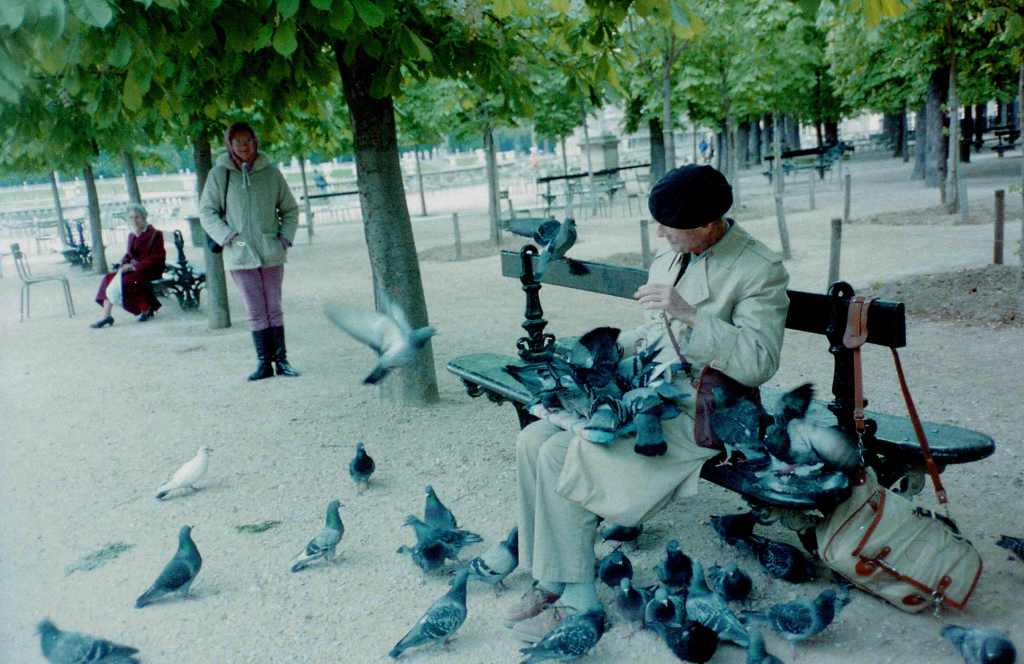
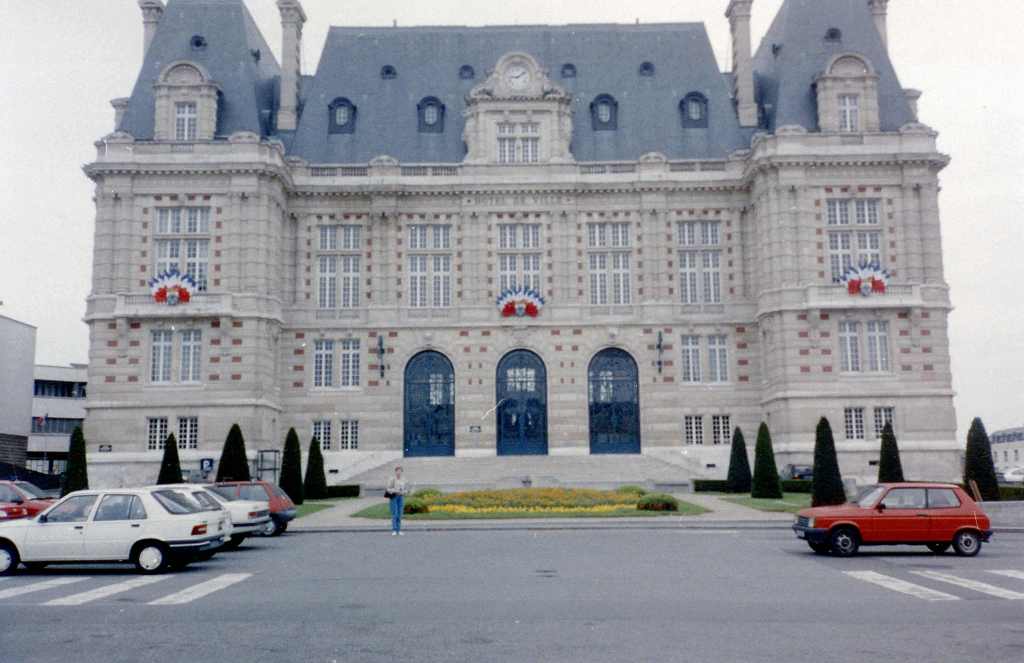
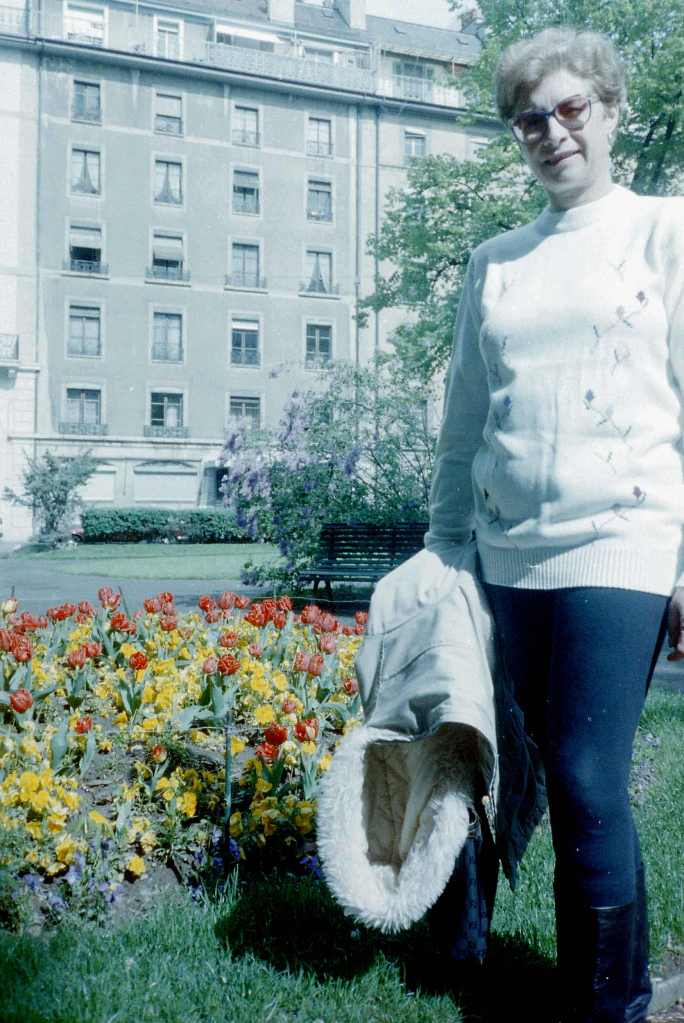
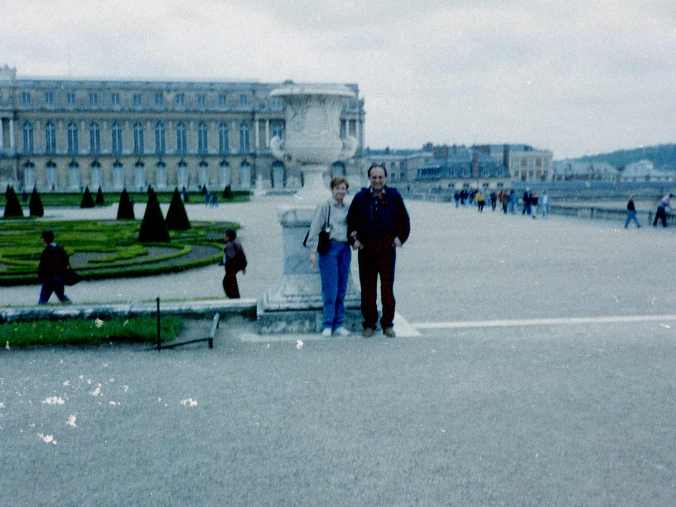
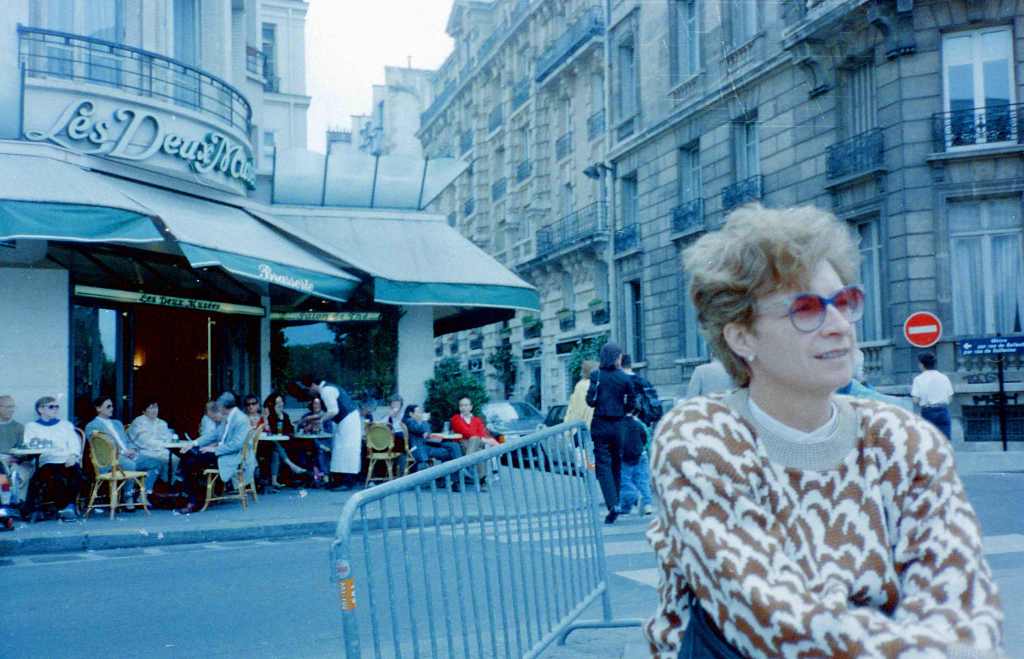
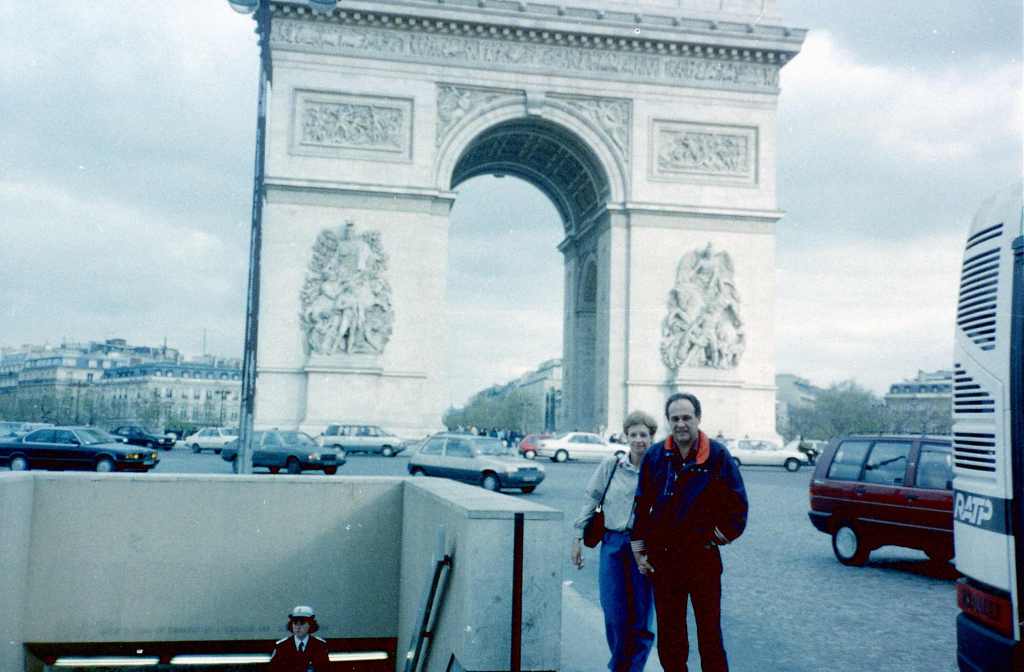
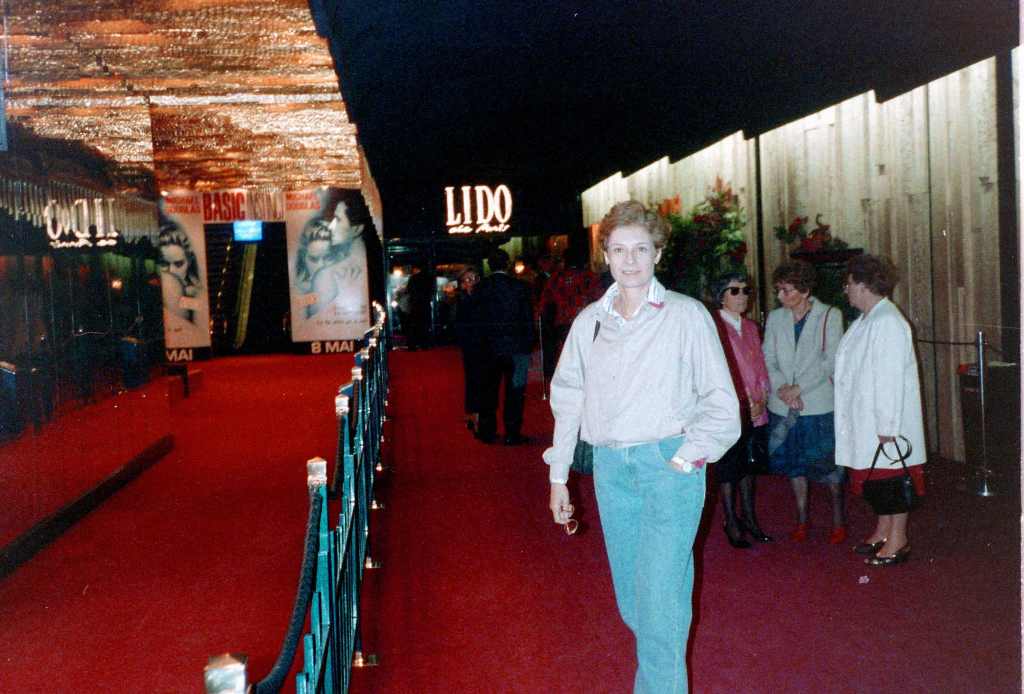
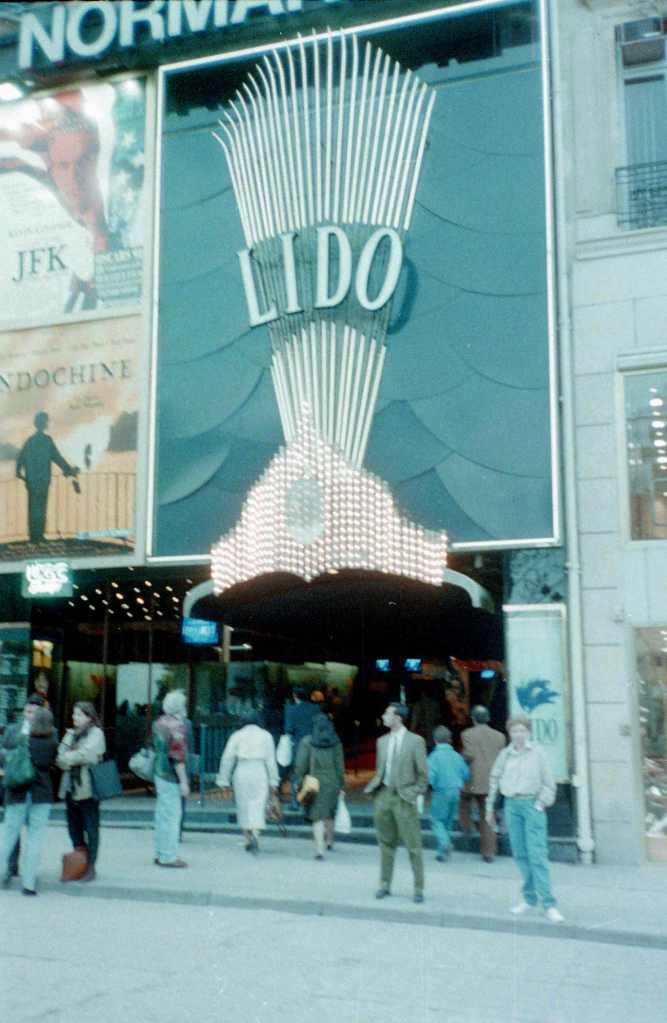
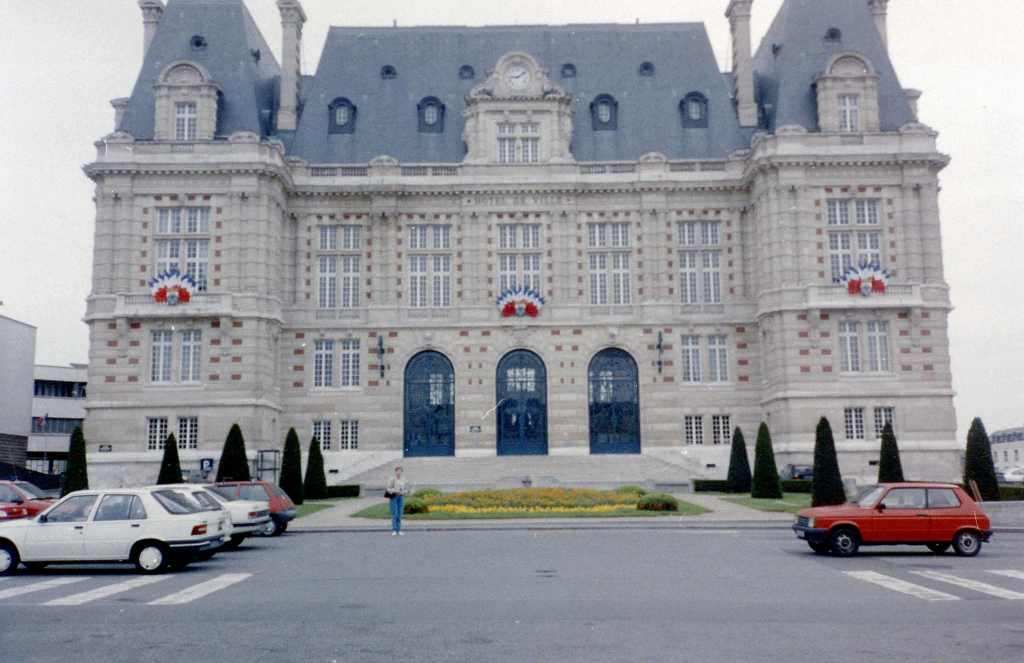
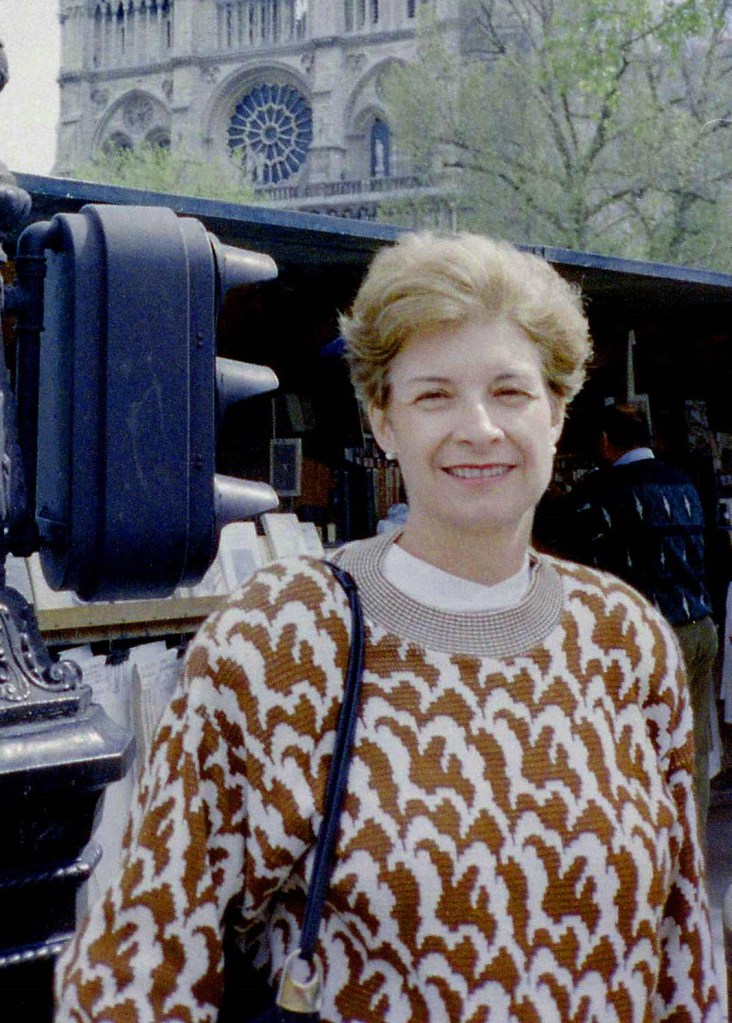
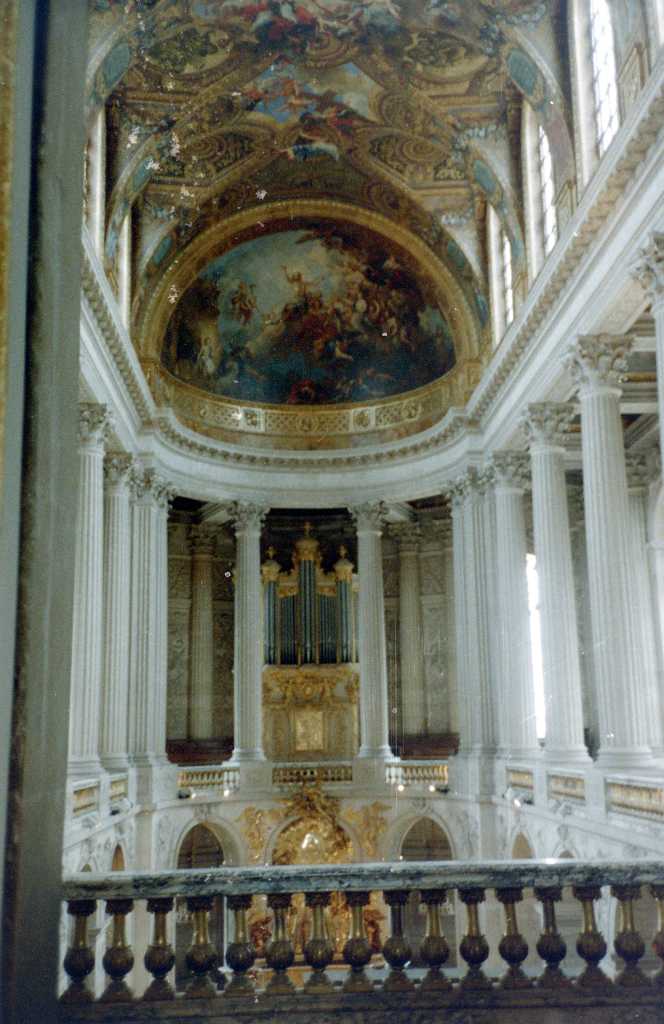
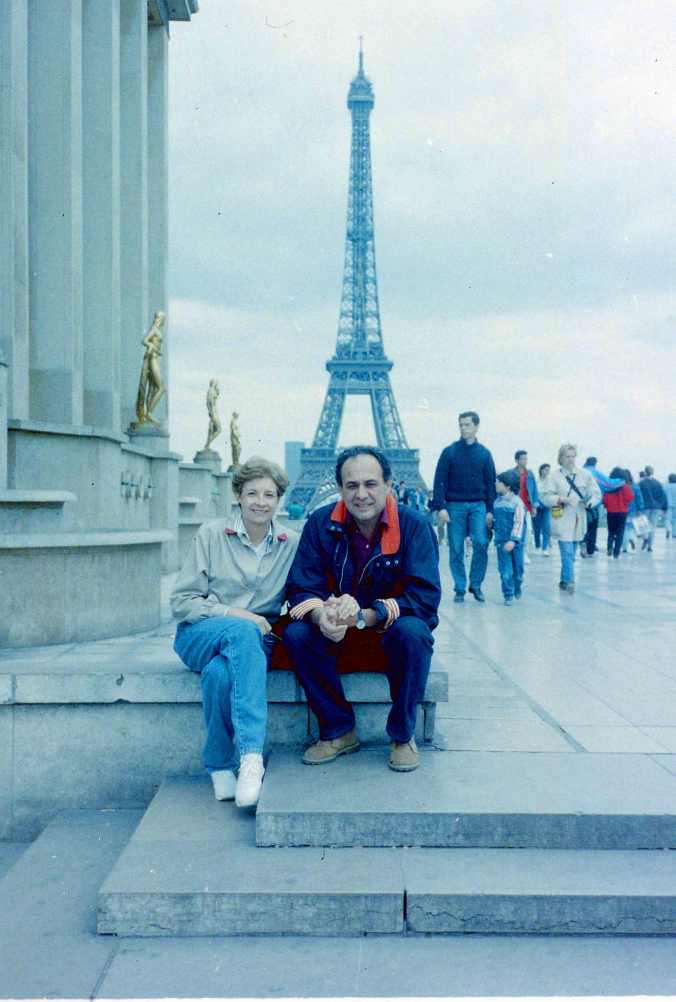
Tiago was in Paris several times last year, Gabriel just visited it, and this reminded us, their grandparents, of our silver wedding anniversary, which took place in 1993, and which we celebrated by visiting Paris. We still have photos from that trip, which I am now publishing, trying to somehow organize what we saw and felt.
There are cities we visit. And there are cities we’ve already lived in before arriving. Paris is the latter.
When the plane lands at Charles de Gaulle and the taxi—in our case, I think it was a bus or some kind of public transportation —enters the city for the first time, something strange happens—the feeling isn’t one of discovery but of recognition. The wide sidewalks, the cafes with chairs facing the street, the Eiffel Tower appearing unexpectedly among buildings—everything seems familiar. As if we’d been there before.
And in a way, we were.
The subway is a pleasant surprise, making it easy to reach all the important points quickly, economically, and simply.
The tourist attractions, which I will present in more detail later, exceeded our expectations. In fact, everything exceeded our expectations.
The city that cinema built
Paris has been filmed more than any other city in history. Not because it’s more beautiful than Rome or more dramatic than New York—but because something in its light, the “City of Lights” as it’s known, in its human scale, in its boulevards deliberately designed to be walked and seen, has invited generations of filmmakers to build their dreams there.
Gene Kelly danced through its gardens in An American in Paris in 1951. Audrey Hepburn graced its streets with impossibly elegant grace in Funny Face and Charade. Audrey Tautou transformed Montmartre into a neighborhood of everyday magic in Amélie .
The best film about what we’re talking about would still be made long after we were there in 1993, which was Woody Allen’s film, Midnight in Paris.
Each film added a layer to the imagination. Each layer made Paris more Parisian—not the real city, but the city we carry within us as a promise that beauty, love, and transformation are possible.
When a couple goes to Paris to celebrate their silver or golden wedding anniversary, or simply to enjoy a romantic getaway, like Tiago and Gabriel, they’re not just going to a beautiful European city. They’re going to the city that cinema and literature have built in people’s imaginations over decades. And the city, which has long since learned to be what culture has dictated it to be, lives up to that promise.
Woody Allen and the moment of synthesis
In 2011, at 75 years old and with a century of Parisian imagery absorbed, Woody Allen did something no other director had managed—he made a film about the Parisian imagination knowing it was an imagination, without thereby destroying it.
Midnight in Paris begins with five minutes of no dialogue—Paris at dawn, in the rain, at dusk, at night. No characters, no story, no words. Just the city in all its deliberate beauty. Allen is telling the viewer before any words are spoken: I’m going to show you the city that you all carry within you.
The protagonist Gil, played by Owen Wilson, is an American writer who loves Paris with the intensity of someone who first encountered it through books—Hemingway, Fitzgerald, Gertrude Stein. At midnight, magically, you are transported to 1920s Paris and find exactly who you expected to find. Hemingway speaks as Hemingway wrote. Fitzgerald is both brilliant and fragile. Gertrude Stein receives artists in her salon with serene authority.
I missed a similar approach to James Joyce… But I understand why Woody Allen avoided it: James Joyce is a “tough nut to crack” that has nothing to do with the lightness and all that Paris suggests, and let’s leave it that way…
Woody Allen’s film is absurd. It’s impossible. And it’s completely true—because that’s exactly how these characters live in the imagination of anyone who has read them.
The philosophical argument hidden in a romantic comedy.
What makes Midnight in Paris truly extraordinary isn’t the romance, nor the magic, nor Owen Wilson wandering the illuminated streets. It’s the plot that Allen hides within the lightness.
Adriana, Picasso’s lover whom Gil encounters in the past, doesn’t dream of the 1920s—she dreams of the Belle Époque of the 1890s. When the two are magically transported to this even more distant period, the characters from the Belle Époque dream of the Renaissance.
Allen is saying something accurate and disturbing — nostalgia is neither an individual weakness nor a pathology. It is the universal human condition. Every era looks back to a golden age that also looked back to another. Paradise is always in the past — and the past is always receding.
Like a matrioska...
And I add: and our memory will always be constructed as we would wish and imagine what it was like, and not as reality would tell it, if we were not imbued with the spirit that we are analyzing here.
Gil realizes this—and this realization liberates him. Not because nostalgia disappears, but because he understands that living permanently in it is a way of not living at all. Paris in the 1920s was extraordinary. But the people who inhabited it were alive—with real problems, difficult loves, hard work, uncertainty about the future. The magic was the life they were living, not the era in which they lived it.
Why Allen was so right
Other directors have filmed Paris with love but without distance. Allen filmed it with love and with distance—and that combination is what makes the film last.
A younger director might have made a naive celebration or perhaps a cynical deconstruction. Allen did both simultaneously—he celebrated the myth knowing it is a myth, and showed that this awareness does not diminish its beauty, but rather deepens it.
Because that’s what Paris ultimately offers — not the illusion that the past was better, but the permission to fully inhabit the present with the intensity of someone who knows that this moment too will pass and will also be remembered with nostalgia.
A couple who go to Paris to celebrate fifty years together are not fleeing to the past, like any other couple. They are doing what Gil finally learns to do—being completely present in a place that culture has made sacred, knowing that sacredness is a construct, and choosing to inhabit it.
Paris exists because we imagine it. And because we imagine it consistently enough for long enough—it truly exists.
Woody Allen understood this with the clarity that only 75 years and a lifetime of love for culture allow.
And he made a film worthy of that understanding.
We, your grandparents, realized this after 25 years of marriage and confirm, looking back into the future, what Woody Allen so brilliantly perceived.
“If you are lucky enough to have lived in Paris as a young man, then wherever you go for the rest of your life, it stays with you, for Paris is a moveable feast.” — Ernest Hemingway
Woody Allen realized that you don’t need to have lived in Paris as a young person. You just need to have imagined it well enough. Or to have visited it, and you immediately understand why it exerts this fascination, this attraction, and why it’s in people’s imaginations.

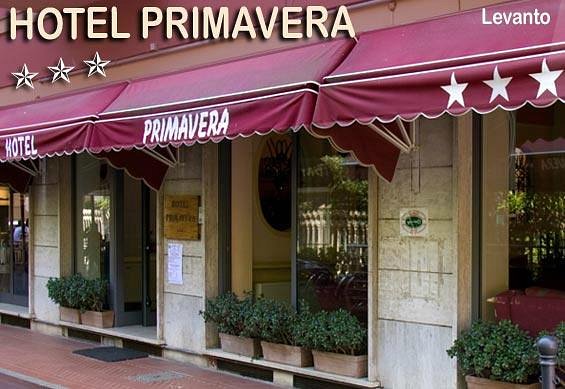
Hotel Primavera

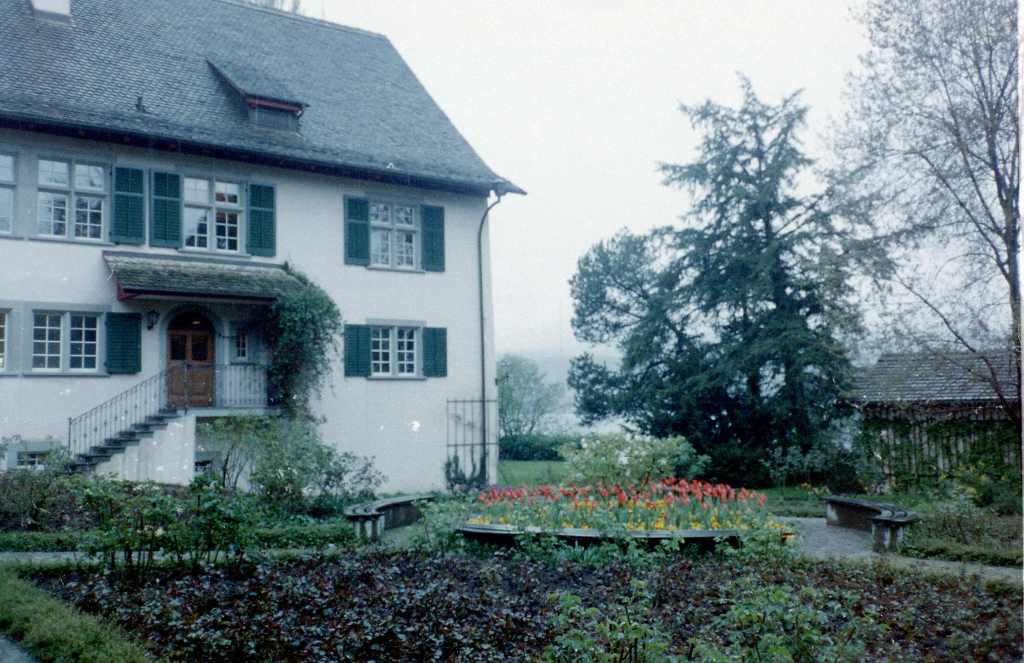
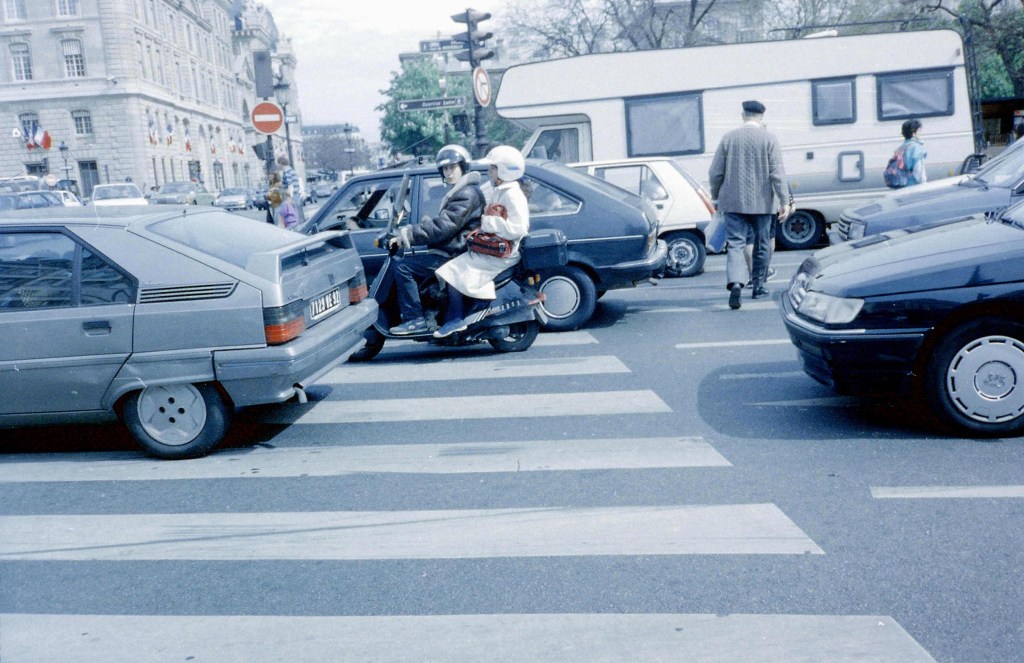
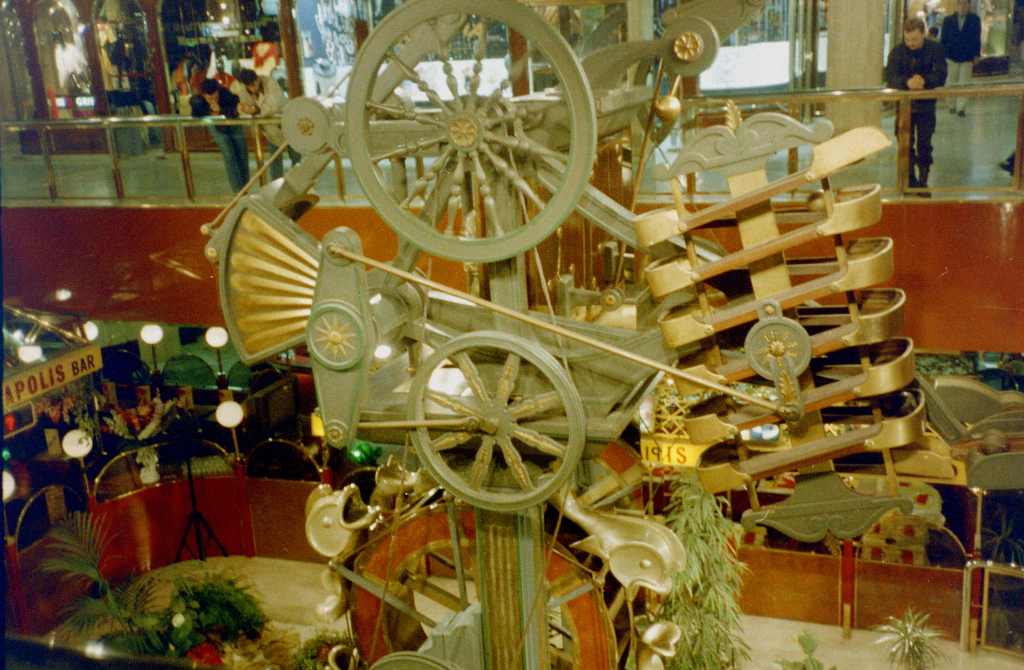
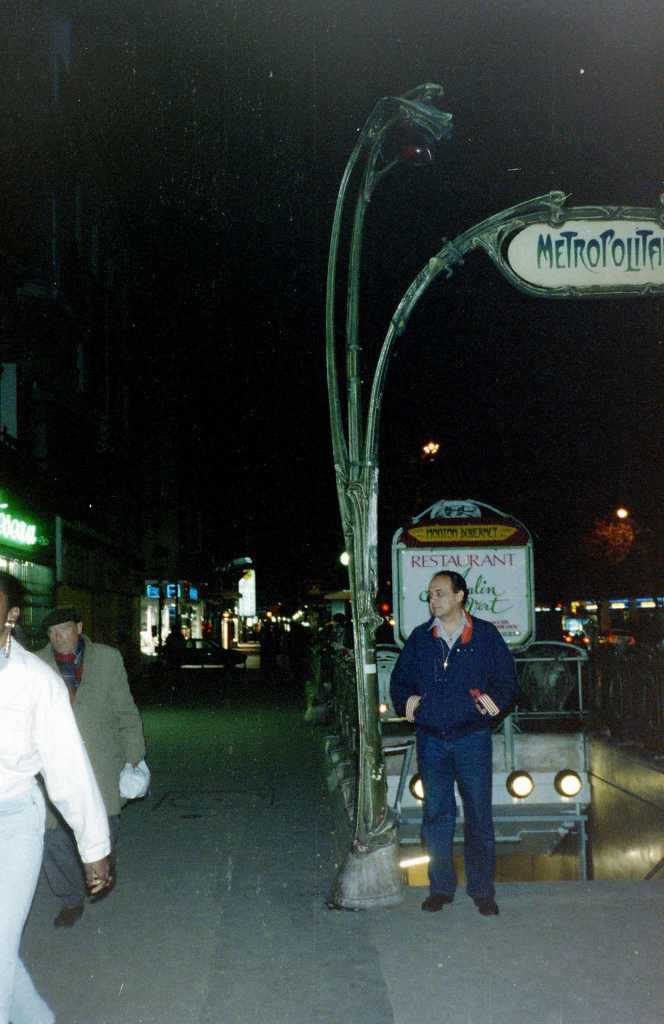

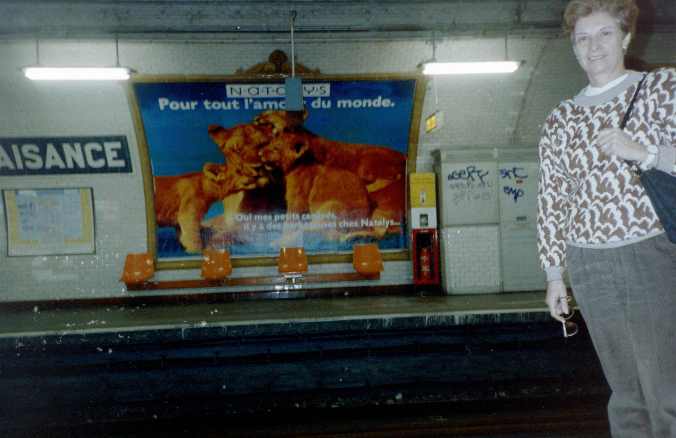
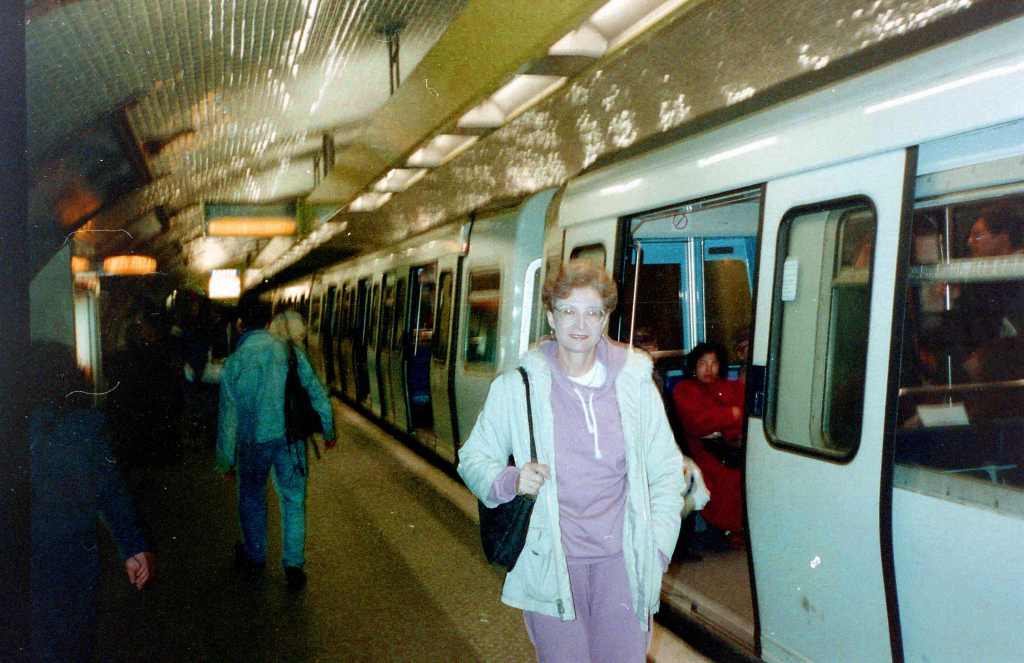
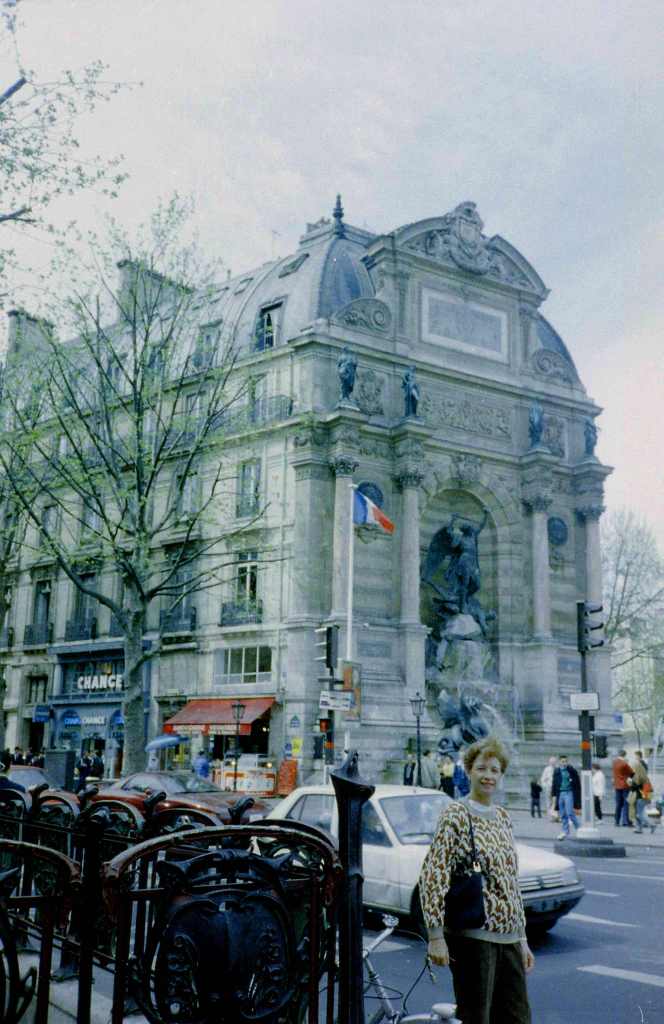
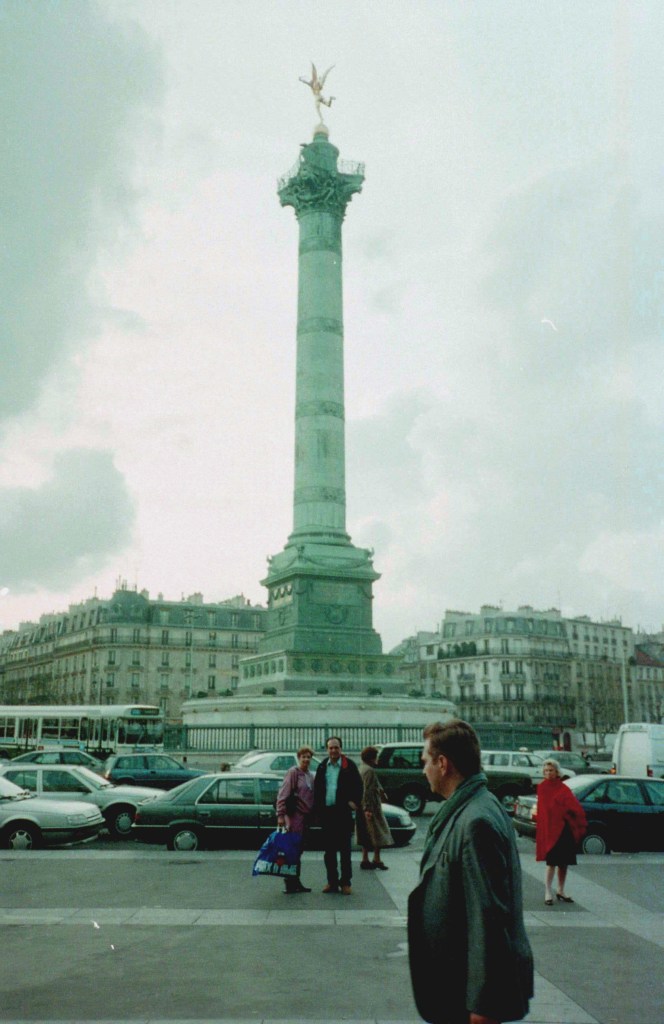



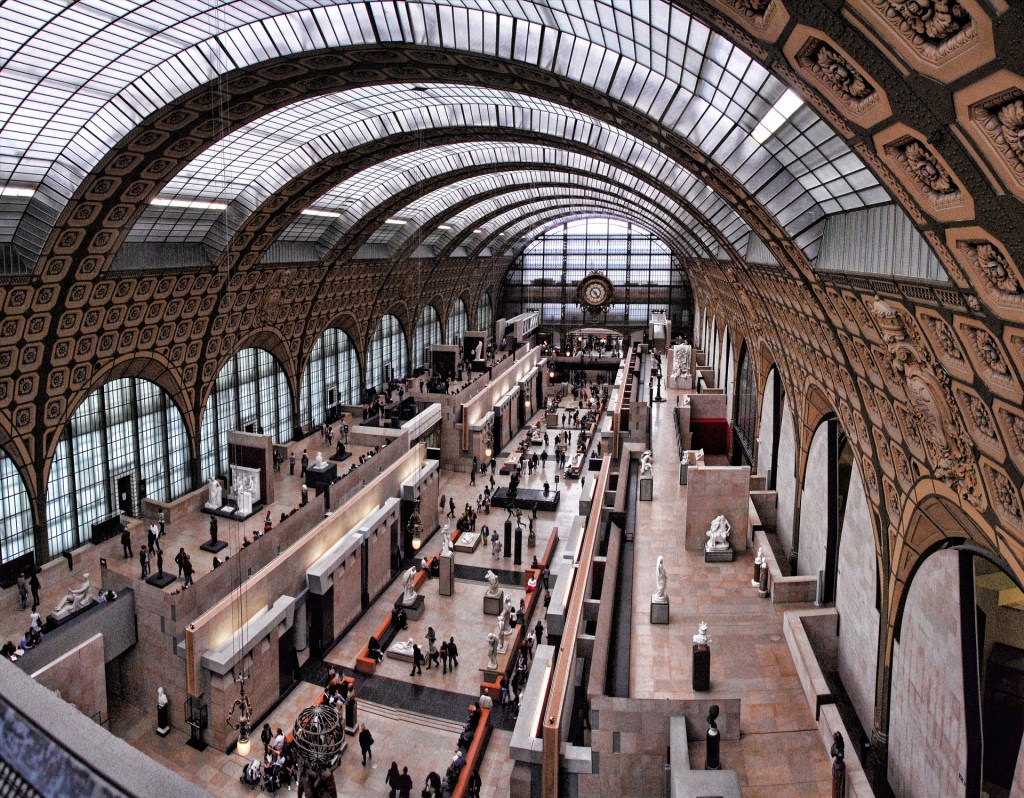
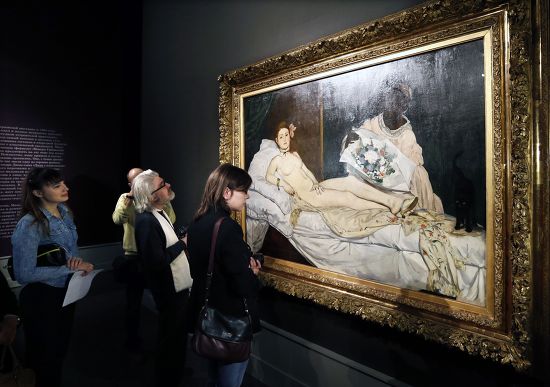
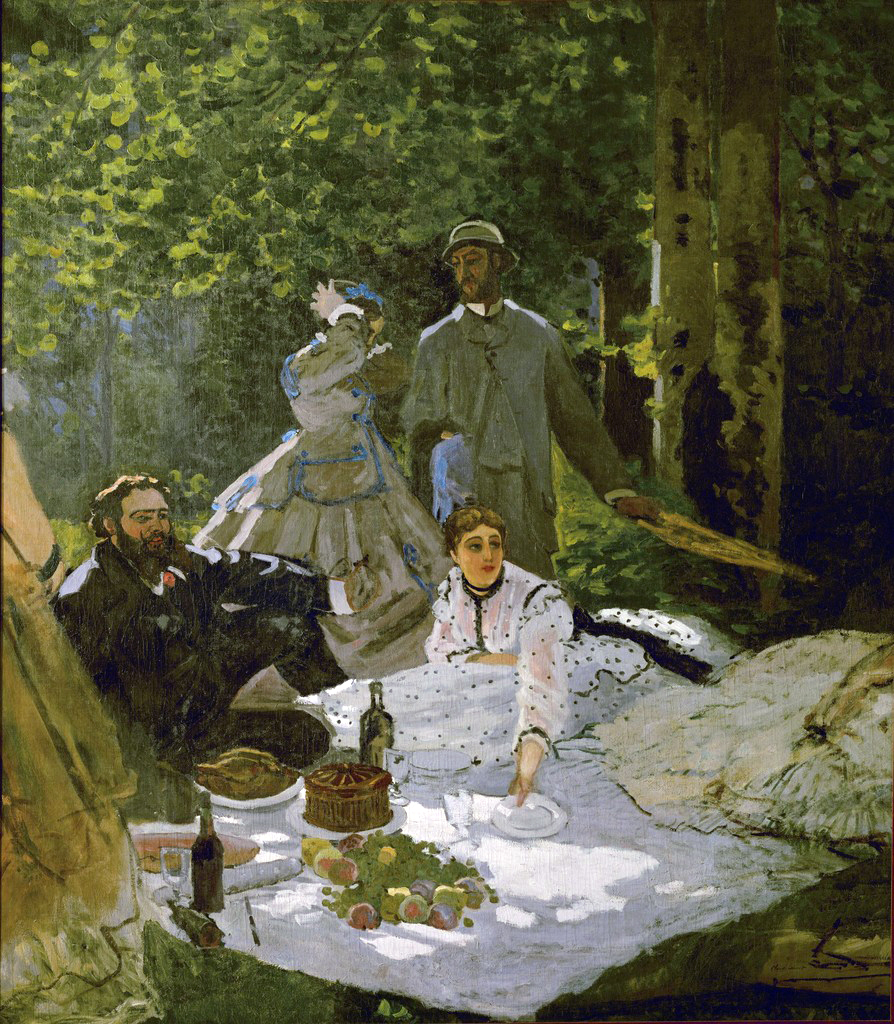
It is world-famous for housing the largest collection of Impressionist and Post-Impressionist works in the world.
What to see (Highlights)
The collection focuses on French art produced between 1848 and 1914. Key highlights include:
The museum is as famous for its architecture as for its art. It is housed in the former Gare d’Orsay , a monumental train station inaugurated for the 1900 Universal Exposition.

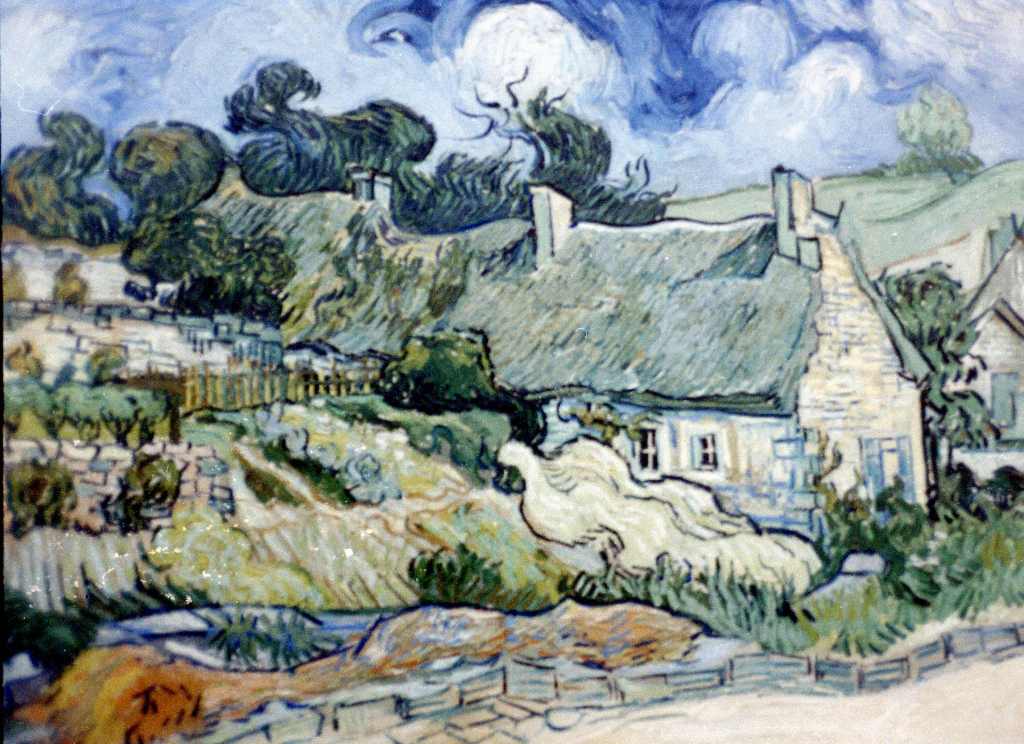
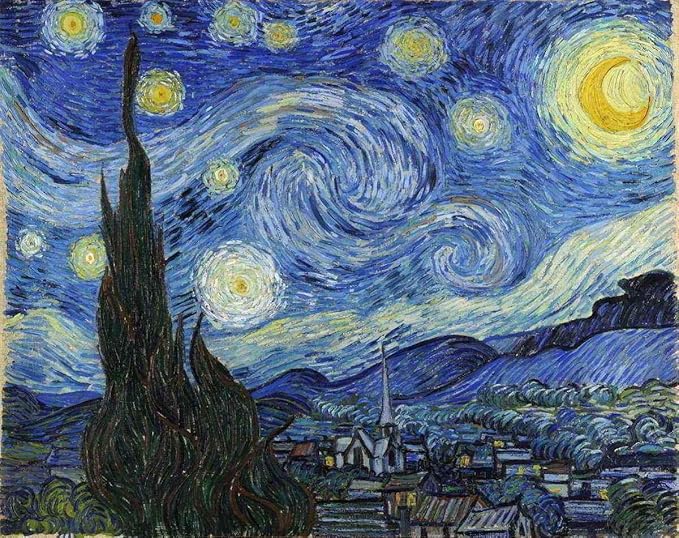
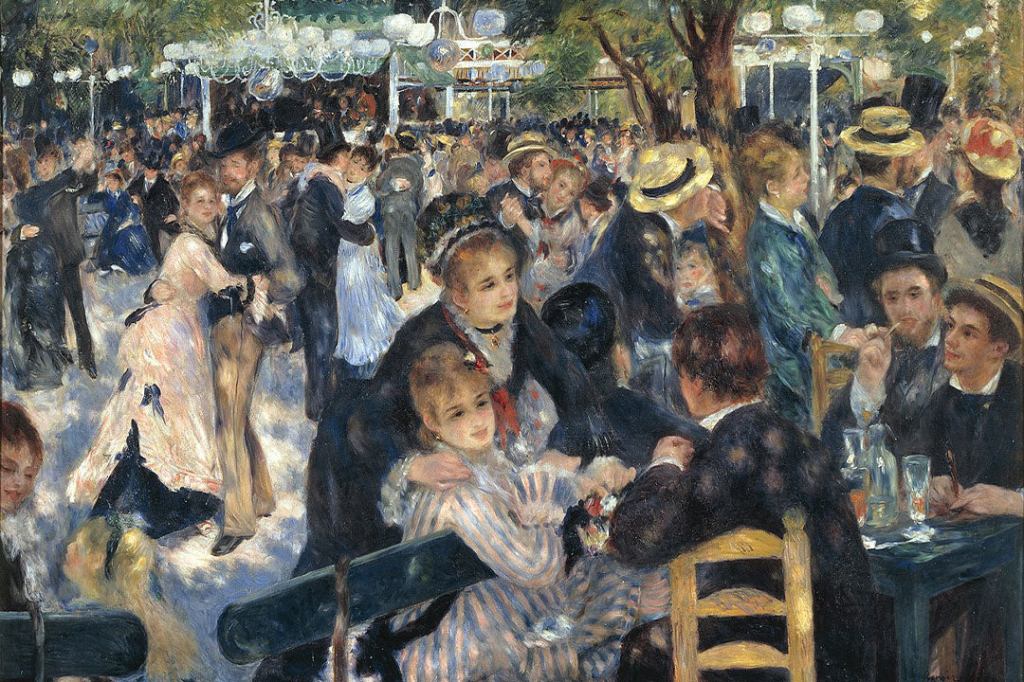
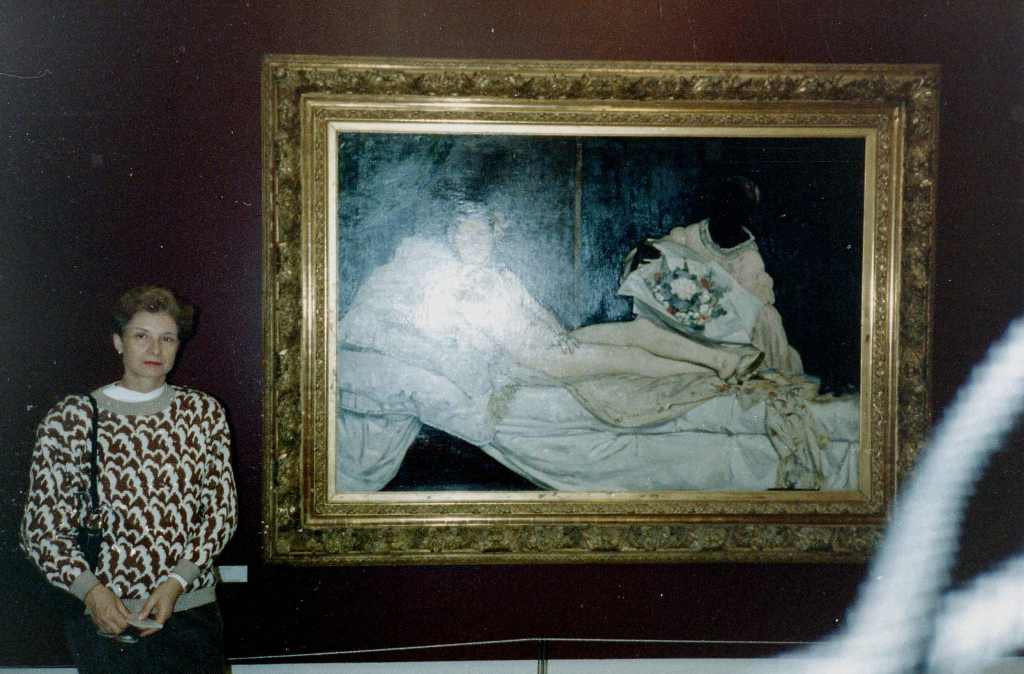
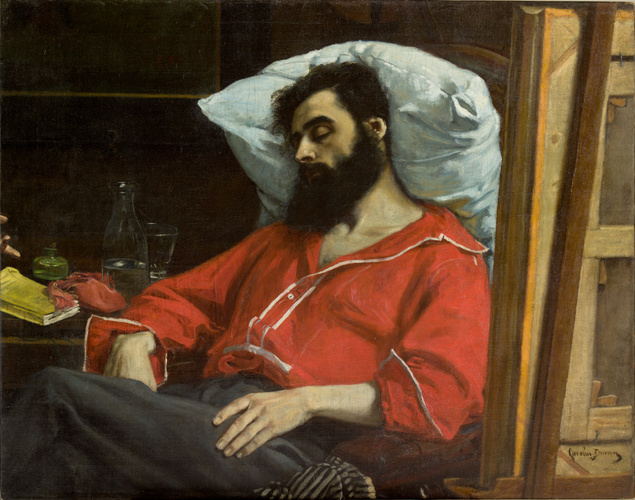
Emile-Auguste Carolus-Duran – Le Convalescent – Wounded man
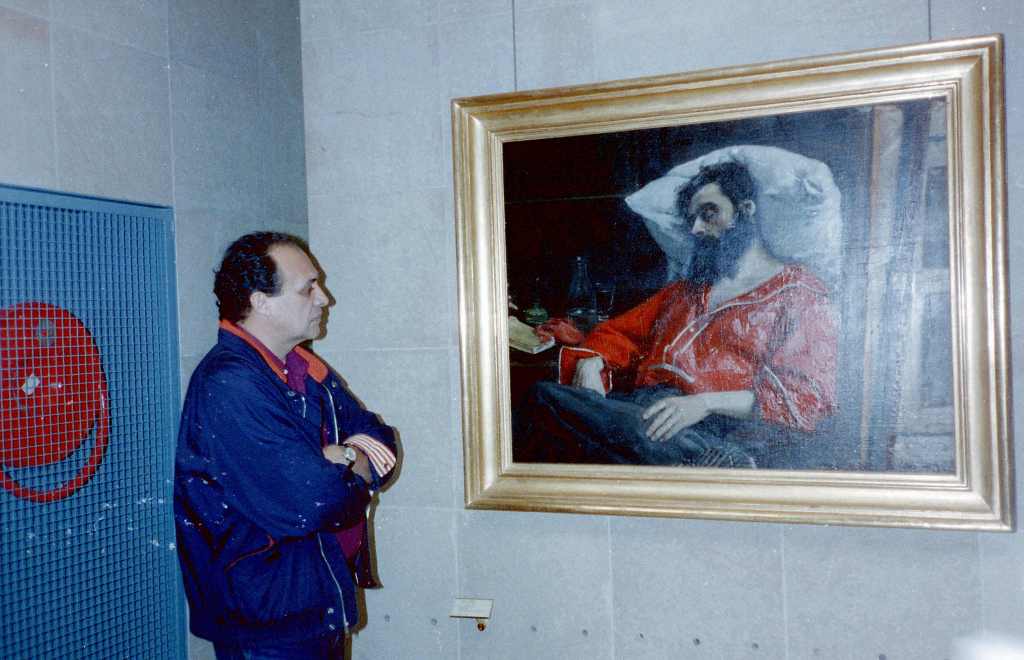
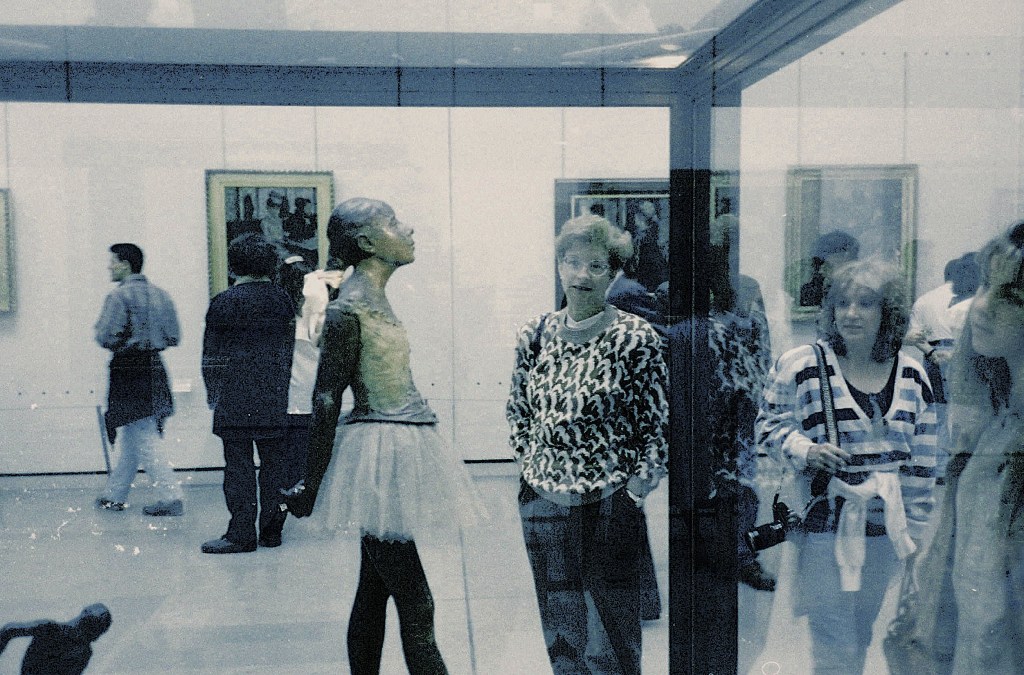
When we were in Paris, we were helped by Elô’s Gilberto’s sister. I don’t remember if she did a master’s degree or her husband a doctorate at an university in Paris, but she had lived there and knew the city well. She guided Gilberto and Elô while they were there, and Gilberto gave me the information about the hotel, the subway, and tourist attractions. Since we were short on time, we prioritized the Musée d’Orsay because the Louvre would have required much more time. Even so, we went to the Louvre, we saw the glass pyramid, which, incidentally, had just been installed, saw the Mona Lisa and the largest painting in the world, but we didn’t take any photos.
As we are dedicating this website to our children and grandchildren, I will elaborate a little on the Louvre and how to do it with limited time, and here is a suggestion:
The Louvre Museum in Paris is the largest and most visited art museum in the world. It houses over 35,000 works in a space of 60,000 square meters. Originally a medieval fortress dating back to 1190, it served as a royal palace for centuries before becoming a public museum in 1793 during the French Revolution.
Must-See Works (Masterpieces)
Here is an efficient 3-hour itinerary focused on the most iconic works, starting with the entrance to the Pyramid or Carrousel :
Hour 1: The Denon Wing (The Stars of the Louvre)
Hour 2: The Sully Wing (Antiquity and History)
Hour 3: The Richelieu Wing (Light and Luxury)

