“merocratic” is a less common spelling or variant of “meritocratic.” While meritocratic is the standard term found in major dictionaries The word was originally coined in 1958 by sociologist Michael Young as a combination of “merit” (from the Latin mereō) and “-cracy” (from the Greek kratos, meaning power). “Merocratic” is often used interchangeably in informal contexts, but meritocratic is the preferred version for formal use.
Meritocratic — the standard form — describes a system or principle where individuals advance, are rewarded and gain power based on demonstrated ability, talent and effort rather than inherited privilege, wealth, social class or personal connections.
The concept carries both a promise and a critique built into its origins. Michael Young coined the term in his 1958 satirical novel “The Rise of the Meritocracy” — and the irony that most people miss is that Young intended it as a warning, not a celebration. He argued that a society that rewards merit creates a new and particularly cruel form of inequality — because if your position reflects your ability, then those at the bottom have no one to blame but themselves. The old aristocracy at least had the decency to be arbitrary. The meritocracy is arbitrary while pretending not to be.
The tension in the concept today
The meritocratic ideal — the best rise regardless of origin — remains powerful as an aspiration precisely because the alternative, inherited privilege, is so obviously unjust.
But the critique has grown stronger — that what passes for meritocracy in practice measures the ability to perform well in systems designed by and for the already advantaged. The child who tests well because of expensive tutoring, the candidate who networks effectively because of elite university connections — these are merit in the formal sense but privilege in the substantive sense.
Young lived to see his satirical warning become an unironic ideology — and was horrified.
It is one of the more instructive cases of a concept escaping its creator’s intentions entirely — not unlike what happened to Gramsci.
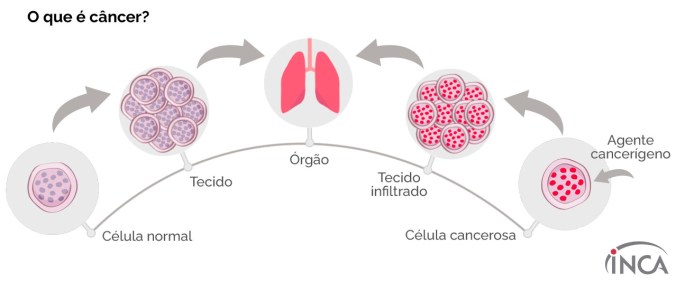
It is the name given to a group of more than 100 diseases that have in common the disordered growth of cells, which invade tissues and organs.
Other characteristics that differentiate the different types of cancer from each other are the speed at which cells multiply and the ability to invade neighboring or distant tissues and organs, known as metastasis.
The human body is made up of cells that grow and die in an orderly and regular manner. When cells become diseased and disordered growth occurs, cancer forms. Cancer can also be called a malignant neoplasm or tumor. This disordered growth of cells can compromise organs and tissues close or not to the originally diseased site, which we call metastasis.
Is there treatment?
For each type of cancer, a different treatment is determined, defined according to the evaluation of specialists. In oncology, there are several protocols that determine:
What are the tests needed to diagnose the disease?
The technologies used to detect cancer in our organs have advanced significantly, enabling earlier diagnosis and more precise treatment planning. These technologies can be broadly categorized into imaging techniques, laboratory tests, and biopsy procedures, often complemented by genomic and molecular analysis.
1. Imaging Technologies
Imaging is a cornerstone of cancer detection, allowing visualization of abnormal growths or changes in tissues.
a. X-Ray
How It Works:
Uses radiation to create images of structures inside the body.
Common Applications:
Detects lung cancer, bone metastases, and tumors in the chest.
Example: Mammography for breast cancer screening.
b. CT (Computed Tomography) Scan
How It Works:
Combines X-ray images from multiple angles to create detailed cross-sectional images.
Common Applications:
Detects cancers in the lungs, liver, pancreas, kidneys, and other organs.
c. MRI (Magnetic Resonance Imaging)
How It Works:
Uses strong magnetic fields and radio waves to produce detailed images of soft tissues.
Common Applications:
Brain, spinal cord, breast, and pelvic cancers.
Advantages:
No radiation exposure; highly detailed images of soft tissues.
d. Ultrasound
How It Works:
Uses high-frequency sound waves to create real-time images.
Common Applications:
Detects liver, ovarian, thyroid, and testicular cancers.
Advantages:
Non-invasive and radiation-free.
e. PET (Positron Emission Tomography) Scan
How It Works:
Involves injecting a radioactive sugar tracer to detect areas of high metabolic activity, often indicative of cancer.
Common Applications:
Detects metastases and monitors treatment response.
f. Endoscopy
How It Works:
Uses a thin, flexible tube with a camera to visualize internal organs.
Common Applications:
Detects gastrointestinal, throat, and lung cancers.
Proteins or substances produced by cancer cells that can be detected in blood.
Examples:
PSA (Prostate-Specific Antigen) for prostate cancer.
CA-125 for ovarian cancer.
AFP (Alpha-Fetoprotein) for liver cancer.
Circulating Tumor Cells (CTCs):
Detects cancer cells that have entered the bloodstream.
b. Liquid Biopsy
How It Works:
Detects fragments of tumor DNA (ctDNA) or RNA in blood or other bodily fluids.
Advantages:
Non-invasive; can monitor tumor progression and treatment response.
c. Urine and Stool Tests
Examples:
Fecal Immunochemical Test (FIT) or Cologuard for colorectal cancer.
Urinary markers for bladder or prostate cancers.
3. Biopsy Technologies
a. Needle Biopsy
Removes a small sample of tissue using a needle for pathological examination.
Types:
Fine Needle Aspiration (FNA): Uses a thin needle.
Core Needle Biopsy: Uses a larger needle for more tissue.
b. Surgical Biopsy
Removes part or all of a suspicious lesion for diagnosis.
Examples:
Excisional biopsy: Removes the entire lesion.
Incisional biopsy: Removes a portion of the lesion.
c. Image-Guided Biopsies
Uses imaging techniques like CT, MRI, or ultrasound to guide the biopsy needle.
Example:
CT-guided lung biopsy.
4. Genomic and Molecular Diagnostics
a. Next-Generation Sequencing (NGS)
Analyzes DNA or RNA to identify genetic mutations associated with cancer.
Applications:
Identifies targeted therapies for specific cancer types.
b. Immunohistochemistry (IHC)
Detects specific proteins in tissue samples to classify tumors.
c. Fluorescence In Situ Hybridization (FISH)
Identifies chromosomal abnormalities in cancer cells.
5. AI and Advanced Technologies
a. Artificial Intelligence (AI) in Imaging
AI algorithms analyze imaging data to detect early signs of cancer with high accuracy.
Examples:
AI in mammograms to detect breast cancer.
b. Breath Tests
Experimental technologies analyze volatile organic compounds (VOCs) in breath that may indicate cancer.
c. Optical Imaging
Uses light to visualize cellular and molecular changes in tissues.
6. Emerging Technologies
a. Nanotechnology
Nano-sensors can detect cancer markers at extremely low levels.
b. Theranostics
Combines diagnostics and therapy to detect and treat cancer simultaneously.
Conclusion
Detecting cancer involves a combination of technologies, tailored to the suspected type and location of cancer. From traditional imaging like X-rays and ultrasounds to cutting-edge methods like liquid biopsies and AI-assisted analysis, these tools are revolutionizing early detection, improving outcomes, and personalizing treatments for cancer patients.
What are the treatments?
They are:
Chemotherapy,
Radiotherapy,
Surgery,
Immunotherapy,
Hormone therapy
Accordingly only one therapy or more than one therapy will be used the following way:
The combination and order of administration to the treatment, which drugs will be used, their doses and frequency of administration and how long the treatment should last and which will be the application interval.
Types of cancer treatments
Oncological surgery
Removal of the tumor or removal of fragments for laboratory analysis. There are 3 types:
Curative Surgery
It is performed when there is an expectation of the paddle to the entire tumor. Generally, parts of neighboring tissues are also removed to ensure a margin of safety.
Adjuvant Surgery:
used as a complementary treatment to chemotherapy or radiotherapy to remove the remains of the tumour.
Palliative Surgery:
An alternative to relieve symptoms of pain or compression and, in some cases, to the removal of 6 groups that are contributing to the advancement of the disease. It helps improve the patient’s quality of life and control symptoms.
Radiotherapy
Local treatment using radiation Electromagnetic ionizing materials. Radiation can destroy cancer cells or prevent them from growing.
TELETHERAPY OR EXTERNAL RADIATION THERAPY
the radiation is emitted by a device that is away from the patient lying down, directed to the site to be treated. The applications are usually daily.
BRYCHYTHERAPY:
Radiotherapy applicators are placed directly at the site to be treated and the radiac; is issued from the device to the applicators. In this modality, the irradiac source; when it is in direct contact with the tumor tissue.
In some cases, radiotherapy can be used in conjunction with chemotherapy, which we call concomitant treatment.
Most cases of treatments with radiac; oes have positive results for control or even disappearance of the disease. And, when it is not possible to obtain a cure, it can also contribute to the improvement of quality of life, reducing symptoms and providing relief to patients
Hormone Therapy
Some tumors depend onthe growth hormones
For this, it is possible to block tumor growth with hormone therapy, which uses drugs that seek to prevent the growth of cancer by inhibition of the hormone or by the introduction of an antagonistic substance (with the opposite effect to the hormone)
These substances are responsible for controlling the disease and can be used orally, subcutaneously, or intramuscularly
Imunotherapy
Main breakthrough in cancer treatment in recent years.
Immunotherapy stimulates the body to identify cancer cells and attack them with drugs that modify the immune response and acts differently from that promoted by any other type of cancer treatment, helping the patient’s own immune system to identify and fight cancer. Its indication depends on the type and time of treatment in which the patient is
Chemoterapy
Treatment by means of chemical substances that affect cell function.
Most drugs are applied into the vein, and can also be given orally, intramuscularly, subcutaneously, t6picly, and intrathecally. These drugs mix with the blood and are taken to all parts of the body, destroying the diseased cells that are forming the tumor and also preventing them from spreading throughout the body.
Chemotherapy agents can also be used to treat disease, autoimmune diseases, such as multiple sclerosis and rheumatoid arthritis, in addition to being used to prevent rejection to transplants (immunosuppression).
There are several different chemotherapies, each of them with specific indications and specific side effects.
Chemotherapy can be curative or palliative.
Curative chemotherapy aims to completely eliminate the disease. Palliative chemotherapy aims to reduce the symptoms of the disease; a and prolong patient survival.
Chemotherapy protocol
Combination of medicines and standardization of treatments.
Based on scientific studies and established by regulatory entities and international medical specialty societies, the chemotherapy protocol aims to define the proposals for treatment that combine different medications, with doses and dates of administration scheduled. The recovery of the patient’s body is also estimated by the protocol, which provides for a treatment-free period before the start of each new chemotherapy cycle.
Port-a-Cath
A Port-a-Cath, also known as an implantable port or port catheter, is a medical device used primarily for patients undergoing chemotherapy or other treatments that require frequent access to the bloodstream. Here are some key points about the Port-a-Cath: ort-a-Cath, also known as an implantable port or port catheter, is a medical device used primarily for patients undergoing chemotherapy or other treatments that require frequent access to the bloodstream. Here are some key points about the Port-a-Cath: Port-a-Cath, also known as an implantable port or port catheter, is a medical device used primarily for patients undergoing chemotherapy or other treatments that require frequent access to the bloodstream. Here are some key points about the Port-a-Cath:
1. Design and Function
Implantable Device: The Port-a-Cath consists of a small, implanted reservoir (or port) connected to a catheter that is threaded into a large vein, often in the chest. The port is typically made of a durable material, such as titanium or silicone, and has a self-sealing membrane.
Access: A healthcare provider can access the port using a special needle, which allows for the administration of medications, blood draws, and other treatments without the need for repeated needle sticks.
2. Benefits
Reduced Discomfort: Since the port is implanted under the skin, it minimizes discomfort associated with frequent needle sticks and provides a reliable access point for treatment.
Long-Term Use: Port-a-Caths can remain in place for months or even years, making them suitable for patients who require long-term treatment, such as those with cancer.
3. Indications
Chemotherapy: They are commonly used for patients receiving chemotherapy, as these treatments often require multiple infusions over an extended period.
Other Medications: Ports can also be used for the administration of antibiotics, nutrition (TPN), and other intravenous therapies.
4. Placement and Care
Surgical Procedure: The placement of a Port-a-Cath is a minor surgical procedure performed under local anesthesia. Proper placement is crucial to ensure that the catheter is correctly positioned in the vein.
Maintenance: Patients with a Port-a-Cath need to follow specific care guidelines to prevent infection and maintain the integrity of the device. Regular flushing and monitoring for signs of complications are essential.
5. Potential Risks
Infection: As with any implanted device, there is a risk of infection at the insertion site or within the bloodstream.
Thrombosis: There is also a risk of blood clots forming in the catheter or the vein.
Conclusion
The Port-a-Cath is an important tool in the management of patients requiring long-term intravenous therapy, particularly those undergoing chemotherapy. Its design allows for easier access to the bloodstream and helps improve the overall treatment experience for patients.
Portable Infuser
A portable infuser for chemotherapy is a small, wearable device designed to deliver chemotherapy drugs continuously or intermittently over an extended period, allowing patients to receive treatment outside of a hospital or clinic. These devices are particularly useful for infusions that require long durations (e.g., 24-48 hours or more) and provide greater convenience and mobility for patients.
Components of a Portable Chemotherapy Infuser
Infuser Pump:
The core of the device, which controls the flow of chemotherapy medication.
Types of pumps:
Elastomeric Pumps (e.g., “balloon pumps”):
Utilize an expandable balloon or elastomer that gradually pushes the medication through the catheter at a preset rate.
Electronic Pumps:
Battery-powered devices that provide precise control over infusion rates and can be programmed for complex regimens.
Medication Reservoir:
A container or bag holding the chemotherapy drugs.
Can be prefilled and connected to the pump.
Catheter or Line:
Delivers the medication into the patient’s bloodstream.
Typically connected to a Port-o-Cath (implanted port), PICC line, or central venous catheter.
Carrying Case or Holder:
A discreet pouch or strap allows the patient to carry the device comfortably (e.g., on a belt or over the shoulder).
How It Works
The chemotherapy drug is preloaded into the infuser by medical staff.
The pump delivers the medication at a controlled rate into the bloodstream via the catheter.
The device is portable, enabling the patient to move around and carry on with daily activities during treatment.
Uses
Continuous Chemotherapy Infusions:
For drugs that need to be administered slowly over long durations (e.g., 24-96 hours).
Common regimens include drugs like 5-fluorouracil (5-FU) in colorectal cancer.
Outpatient Cancer Treatment:
Reduces the need for hospital stays or repeated clinic visits.
Palliative Care:
For patients who require ongoing symptom management but prefer to stay at home.
Benefits
Convenience and Mobility:
Patients can receive treatment while at home, work, or engaging in normal activities.
Improved Quality of Life:
Reduces the time spent in hospitals or clinics.
Precise Drug Delivery:
Ensures accurate and consistent dosing.
Minimized Interruptions:
Continuous infusion can optimize drug efficacy by maintaining steady drug levels in the bloodstream.
Challenges and Considerations
Device Maintenance:
Patients need to be educated on how to handle the device properly, including troubleshooting alarms (for electronic pumps).
Potential Risks:
Risk of infection at the catheter site.
Potential dislodgment of the catheter or tubing.
Monitoring:
Patients must monitor for adverse effects, such as redness, swelling, or leakage near the catheter site.
Cost:
Portable infusers and associated supplies can be expensive, though they may be covered by insurance in many cases.
Examples of Portable Chemotherapy Infusers
Elastomeric Pumps:
Devices like the Baxter Infusor or FOLFIRI pump use elastic reservoirs to deliver chemotherapy at a fixed rate.
Ambulatory Electronic Pumps:
Examples include CADD-Solis® or BodyGuard® pumps, which allow programmable infusion rates and greater flexibility.
Care and Maintenance
Patients and caregivers should be trained on:
Cleaning the catheter site.
Recognizing signs of infection or complications.
Properly disconnecting or disposing of the device after treatment (when supervised by medical staff).
Conclusion
Portable chemotherapy infusers are a significant advancement in cancer treatment, offering convenience, mobility, and effective drug delivery for patients requiring continuous or prolonged infusions. They enhance the patient experience by reducing the burden of hospital visits while maintaining the effectiveness of chemotherapy regimens. Proper education and monitoring are essential to ensure safe and effective use.
Side effects
Nausea and vomiting
WHAT IS IT ?
Some chemotherapy drugs have a side effect to sensation; nausea, nausea and vomiting, which may occur soon after, a few hours later or a few days after the chemotherapy infusion. To prevent or minimize your discomfort, your doctor may prescribe the use of antiemetics (drugs that combat these symptoms) during chemotherapy and for home use if necessary.
General guidelines
Take antiemetics in the days following chemotherapy, as directed by the doctor, maintaining a regular schedule and respecting the time intervals (6/6h, or 8/Sh, or 12/12h or if necessary). If you need to take more thana medication for nausea and vomiting, intersperse the schedules;
After taking the antitheretics, wait 30 to 60 minutes to eat;
Do not use alcoholic beverages or tobacco;
Eat in small quantities, with light foods. Avoid fatty, very hot and tender foods. Follow the recommendations; nutritional ootions carried out by our nutrition team;
Drink plenty of liquids, in small quantities and frequently. Avoid drinking liquids during meals and hot liquids. You can flavor the water with herbs and fruits;
Use candy or ginger tea if you don’t have hypertension;
Do not force yourself to eat food if you are nauseous. Eat in small portions; all day long;
Avoid staying indoors, with a strong smell of cleaning products, perfumes, cigarettes and food;
Perform oral hygiene frequently, as directed;
If you feel the need, rest during a few moments of the day;
Do not wear clothes that put pressure on the belly, this can cause more discomfort;
If you vomit, write down the onset of symptoms and the number of times it occurred during the day, in order to to report to the team, as well as what was the intake of liquids in this format.
Warning signs
Not urgent – follow general recomentadtions
1 to 2 episodes of vomiting per day, with no associated symptoms.
Urgent – contact the team
3 to 5 episodes of vomiting per day and symptoms that do not improve with the recommended strategies
Urgent, go to the emergency room
More than 6 episodes of vomiting per day
Temperature greater than or equal to 37.8 C (100.4 F)
Blood (red or coffee grounds-like) in the vomit
Severe cramping or sharp abdominal pain
Dark urine
Excessive thirst
Dizziness, weakness or mental confusio
Anorexia
WHAT IS IT ?
It is the involuntary loss of appetite or desire to eat that results in reduced caloric intake and It is often associated with weight loss.
General guidelines
Identify factors that contribute to loss of appetite or weight – when possible, minimize or eliminate these factors.
Perform physical exercises as directed; that of the education professional; to the phrysica to maintain lean body mass, forc_; a and phrasic functioning.
Perform relaxation exercises 30 to 60 minutes before refeic_; To reduce tension and promote appetite.
You will use at least two liters of water per day.
Split meals in small portions and do not go more than three hours without eating.
Use food supplements guided by the nutritionist. If you have any questions, enter in contract with the team.
Neuropathy
WHAT IS IT ?
It can cause symptoms, such as numbness, tingling, increased sensitivity to cold, or Warmth, pain, and weakness of hands (in the form of gloves), legs, and feet (in the form of boots), due to injury or degeneracy; to the nerve fibers, being an effect adverse that may arise during and after the treatment due to application; that of some chemotherapy patients. This can hinder daily activities such as writing, buttoning clothes or manipulation; to objects. These are reversible symptoms and the length of stay varies according to each person and treatment.
General guidelines
Avoid exposing your fingers and toes to temperatures that are too hot or too cold.
Avoid ice packs or heat on the limbs. For showering or bathing, ensure that the water temperature is below 43 degrees.
Wear gloves for activities, eat washing louc; or manipulate plants, and protect your hands while cooking.
Do daily hands and feet inspection and watch out for wounds or blisters.
Practice hand and foot exercises daily.
Use different textures on your hands and feet daily (sponges, rugs, brushes, textured balls , among others).
Do massage movements using cream of your choice in regions with numbness, tingling or pain.
Choose to wear pants; that are comfortable on a daily basis.
Avoid eating cold foods or cold drinks for a few days after treatment.
Maintain a high-fiber diet to avoid constipation; To.
Avoid performing activities that require precise manual work until symptoms subside.
To avoid dizziness, swing your legs before standing up. To lift, use secure surfaces with support
Warning signs
Not urgent – follow general recomentadtions
Mild numbness, tingling, pain and weakness in hands and legs or feet
Urgent – contact the team
Severe numbness, tingling and pain that limits daily activities
Urgent, go to the emergency room
Falls due to loss of sensation or drop in blood pressure when standing up
Mucositis
WHAT IS IT ?
Mucositis is the inflammation to acute and lesion formation in the oral mucosa. It can cause pain and discomfort and interfere with ingestion, swallowing action and speech. The most frequent lining is oral mucositis, but it can commit the entire mucosa of the gastrointestinal tract. It starts with the dryness of the mouth and can progress to mucosal redness, difficulty swallowing and canker sores. These symptoms can usually occur five to ten days after chemotherapy administration.
General guidelines
Take care of your oral health throughout the treatment phase . This is necessary to maintain your hydro hydrated and adequately nursed and to reduce the incidence, severity and duration of oral mucositis and prevent or minimize the effects of oral complications;
Drink 8 to 10 glasses of water a day. Avoid drinking liquids during the meal and warm filters.
Brush your teeth with a soft, rounded-edged toothbrush and non-abrasive toothpaste. Perform oral hygiene after each meal;
Maintain the use of dental floss carefully so as not to cause trauma to the gums. If you have the platelets in quantity less than 50,000, do not use dental floss
Observe the oral cavity daily and inform the team if it shows some injury.
Rinse with solus to the alcohol-free antibacterial mouthpiece.
Use a bicarbonate water solution after brushing, alternating with alcohol-free antibacterial mouthpiece. Use 200 ml of filtered water and a teaspoon of baking soda.
Remain 30 minutes without ingesting nutrients or foods after hygiene with oral mouthwash.
Laser therapy is indicated as a prophylactic measure and treatment for mucositis.
If you have a dry mouth, you can use artificial saliva.
Avoid acidic, spicy and dry foods.
Suspend the use of dental prostheses (in case you have it) if lesions are found in the oral mucosa.
Warning signs
Not urgent – follow general recomentadtions
Reddish, slightly painful mucosa
Urgent – contact the team
Moderate pain, which interferes with oral intake
Urgent, go to the emergency room
Severe pain, which makes any oral intake impossible
Neutropenia
WHAT IS IT ?
Neutrophils are defense cells (white cells) that act to fight infections. These cells are produced in the bone marrow. During the chemotherapy treatment, the bone marrow can be compromised, leading to decreased production neutrophils and consequent drop in immunity, increasing the risk of infection. Neutropenia It is the decrease in neutrophils and occurs more frequently between 7 to 10 days after chemotherapy
General guidelines
An increase in your body temperature, greater than 37.8°C, (100.04 F) may indicate that you have an infection. If you feel unwell, cough, pain in any part of your body, or chills, check your temperature. How to measure: place the thermometer in the dry armpit and leave it for 5 minutes (if it is digital, wait for it to beep). If your temperature is equal to or greater than 37.89C, notify the team. If you cannot contact the team, go to the emergency room
Watch out for the signs of infection: pain when urinating, cough, chills, sweating, mouth or throat sores, vaginal running or itching and flu-like symptoms, such asbody aches and extreme tiredness.
Wash your hands before handling food, before and after eating, after using the bathroom, coughing, or sneezing into your hands.
Avoid closed places and crowds of people, as well as contact with sick people.
Do not use razors with Blades, do not discard or remove cuticles and be careful with abrasions and skin wounds. Avoid squeezing blackheads andpimples.
Do not perform any dental treatment without authorization from your doctor.
Use a water-soluble lubricant during intercourse anduse a condom. Check with your doctor for the need to avoid sexual intercourse in the presence of neutropenia.
Avoid rnanhandling animal feces, including fish tanks, bird cages, andcat litter boxes.
Do not use suppositories or enemas to avoid trauma to the rectal tissue.
Talk to your doctor before taking any medicine, dietary supplement, vitamins or teas that promise to increase your defenses
Brush your teeth after each meal; Do not use a soft brush, with rounded corners and without making sudden movements that could cause a wound in the legs, cheeks or tongue.
After brushing your teeth or after each meal; Use alcohol-free mouthwash.
The preparations of these foods should be consumed immediately after preparation or stored under refrigeration; to the moment of consumption.
Avoid food from unsafe places from a sanitary point of view, eatbars, stalls and some restaurants.
Maintain proper hygiene in the place where food is prepared and also in the utensils used to prepare it.
Wash cans and bottles of food or beverages before opening or storing in the refrigerator, that is, add to already cooked food.
Keep trash covered and away from food preparation areas.
Change the dishwashing sponge frequently (ideally once a week) and if possible not use dishcloth, using paper towels instread.
Warning signs
Not urgent – follow general recomentadtions
uneventful oncological treatment
Urgent – contact the team/go to the emergency room
Signs of infection Fever > 37.8 C (100.04F) Neutrophils < 1500/mm3
Plaquetopenia
WHAT IS IT ?
Thrombocytopenia or thrombocytopenia is the low level of platelets in the blood. Platelets are cells of blood clotting that facilitate healing and prevent bleeding. Due to the action of chemotherapy In the bone marrow, where these cells are produced, a decrease in platelets can occur, leading to thrombocytopenia. Signs of severe thrombocytopenia are unexpected bleeding, red or purple spots under the skin, bleeding from the nose or gums, evacuation; to the or vomit with blood, heavy vaginal bleeding or menstrual period greater than normal, headache, vertigo and fatigue.
General guidelines
When blowing your nose, do not blow too hard to avoid rupturing small vessels and cause bleeding. Do not remove nasal crusts, humidify with saline solution or similar. On dry days, use saline solution to moisten your nostrils frequently. This helps prevent the rupture of small vessels and decrease nasal secretion (phlegm). In case of nosebleeds, press your nose and use ice wrapped in a cloth to apply to the site.
Consult the team about the use of dental tape/floss for cleaning the teeth, as its use is important in oral hygiene, however, it can cause bleeding.
Be careful when handling sharp objects such as scissors, knives, and sharp and pointed objects. Use them carefully to avoid cuts in the skin.
Cut your nails carefully and, if your platelets are too low, the ideal is to file them.
Do not use sharp equipment such as razor blades. It is better to use an electric shaver.
If you cut yourself, stay calm! Press firmly on the site for 3 to 5 minutes continuously, hoping to stop bleeding. If the bleeding continues despite this, seek an emergency room.
Always wear comfortable shoes that protect your feet. Avoid wearing slippers when you leave the house and do not wear closed shoes without socks.
Physical or sports activities are important, however, consult an education professional
Choose a sport that, in your case, brings benefits and does not offer risks. When platelets are below 50,000, don’t do impact sports, weight-bearing exercise, or strenuous activities.
Warning signs
Not urgent – follow general recomentadtions
uneventful oncological treatment
Urgent – contact the team/go to the emergency room
Active bleeding Changes in level of consciousness, with platelets below 75,000/mm3
Diarrhea
WHAT IS IT ?
Diarrhea is the abnormal increase in the frequency, volume and liquidity of stool, quite different from the usual patterns of intestinal elimination. Some chemotherapies and radiotherapy treatment can cause this symptom. Diarrhea is considered to be presence of three or more episodes of bowel movements per day, of soft or liquid consistency.
General guidelines
Tome de 8 a 10 copos de agua por dia. É muito importante se hidratar.
Realize refeições pequenas e frequentes.
Evite o consumo de alimentos picantes e fritos, fibra insoluvel (peles de frutas e legumes, alimentos integrais e multigraos), alimentos/fluidos muito quentes ou frios, alcool e cafefna.
Limpe a pele perianal com agua morna e sabao após cada evacuação. Nao esfregue, seque suavemente. Utilizar cremes de barreira, se necessario
Always observe the appearance of the stool.
Monitor and record the number of evacuation episodes.
If you have a fever, go to the emergency room.
Watch for emergency signs: bloody stools, severe cramps, acute abdominal pain associated with nausea and vomiting, dizziness, weakness, mental confusion, excessive thirst, dark urine.
Do not self-medicate. Take medications only with guidance; ao and prescribed; to the doctor.
Warning signs
Not urgent – follow general recomentadtions
Observe and evaluate stool characteristics, frequency and presence; that of blood or mucus.
Prefer constipating foods, such as mashed potatoes, apple, apple banana, guava.
Drink plenty of water
Urgent – contact the team
Observe and evaluate stool characteristics, frequency and presence of blood or mucus.
Preferably eat constipating foods.
Drink plenty of water.
Use Loperamide orally, as prescribed; to the doctor.
Urgent, go to the emergency room
Bloody stools.
Severe colics.
Acute abdominal pain associated with nausea and vomith.
Dizziness, weakness, mental confusion.
Excessive thyrst
Anemia
WHAT IS IT ?
Anemia happens when red blood cells (hemoglobins) are low. These cells are responsible for transporting oxygen, carrying it from the lungs to the body’s tissues. When hemoglobin is low, there is less oxygen circulating in your body and you may feel tired, dizzy, pale, and tachycardia. Anemia can be identified by blood count
General guidelines
Avoid intense activities that can lead to fatigue or any discomfort.
Notify the team if there is an increase in symptoms. Drug intervention or blood transfusion may be necessary to correct anemia.
In your diet, you can increase the consumption of foods of animal origin, eat beef, poultry, fish andbeef or chicken meat. Vegetables like legumes, dried fruits, dark green vegetables also have a large amount of iron.
If you are not too tired, you can perform light activities and relative rest interspersed according to limitations and feeling of effort in a home environment.
If you have shortness of breath, chest tightness, or palpitations, go to the emergency room for evaluation.
If blood transfusion is required, you will be referred to a referral service.
Warning signs
Not urgent – follow general recomentadtions
Tiredness, mild hemoglobin between 10-12 g/dl.
Urgent – contact the team
Moderate tiredness, hemoglobin between 8-10 g/dl.
Urgent, go to the emergency room
Tiredness, shortness of breath,feeling of chest chest tightness or palpitations.
Fatigue
WHAT IS IT ?
Fatigue is the persistent feeling of tiredness or exhaustion. It is debilitating because it compromises activities of daily living and causes damage to the quality of life. During cancer treatment, several factors can lead to this symptom, such as chemotherapy and radiotherapy, anemia, low food intake, dehydration, diarrhea, vomiting, pain, depression or anxiety. If you feel discouraged or extremely tired, talk to your doctor and team for the best management. Communicate immediately if you have mental confusion, dizziness, loss of balance, inability to get out of bed for more than 24 hours, severe lack of care, worsening of signs and symptoms.
General guidelines
Alternate and balance the periods of activity and rest.
Keep exercising, if indicated and evaluated by the physical education professional.
Exercise during and after cancer treatment can result in more physical energy, better appetite, and greater ability to perform life activities.
Organize and plan your day, listing activities and ranking them into priorities and eliminate unnecessary tasks.
Value the activities enjoyed on the days when you feel better and develop a routine for rest and activity.
When taking a shower, try to use a chair to sit on. If possible, install grab bars in the bathroom.
Monitor what improves and what makes fatigue worse and what times it happens.
Don’t nap during the day and perform calming activities at the sleeping mat, such as meditation, yoga, music, and reading.
Avoid lying in bed at times when you are not sleepy or when your attention may be distracted by noise (television, radio) during sleep. Avoid caffeine and exercise near the sleeping farm.
Maintain a balanced diet and adequate water intake.
Warning signs
Not urgent – follow general recomentadtions
Mild tiredness, with no limitation of daily activities
Urgent – contact the team
Moderate tiredness, moderate fatigue that limits daily activities
Urgent, go to the emergency room
• Fatigue that makes it impossible limits daily activities or carry out any activity. Confinement to bed or inability.
Oral Care
WHAT IS IT ?
Chemotherapy can cause changes in the mucosa of the mouth, coma canker sores and inflammation. These effects usually regress a few months after the end of treatment, but some care is essential during cancer treatment.
General guidelines
Moisturize your lips with lip balms.
Floss at least once a day, being very careful not to hurt the gums. Do not use it if you have bleeding gums that do not stop after 6 minutes or if platelet count is below 50,000/mm3.
Brush your teeth with a soft-bristled, rounded-sided brush at every meal. Brush all tooth surfaces using short circular motion or horizontal strokes.
Use fluoride, non-abrasive toothpaste.
Stick your tongue from behind to the front to nao cause nausea.
Wash the toothbrush thoroughly after each use and allow it to air dry.
Replace the toothbrush when the bristles are no longer firm.
Observe the oral cavity daily andinform the team if some injury appears.
Rinse with alcohol-free antibacterial mouthwash.
Use bicarbonated water solution after brushing, alternating with alcohol-free antibacterial oral solution
Use 200 ml of filtered water and a teaspoon of baking soda.
Spend 30 minutes without drinking liquids or foods after cleaning with oral rinse.
If you have a dry mouth, you can use artificial saliva.
If you have dentures, remove them before oral hygiene.
Brush and rinse your dentures after each meal andbefore going to bed. Do not wear a tight or loose prosthesis and try to stay a few moments without using it.
Warning signs
Not urgent – follow general recomentadtions
Intact oral mucosa.
Urgent – contact the team
Pain in oral intake.
mouth ulcers and lesions
Urgent, go to the emergency room
Fever over >37,8 C (100.0504 F)
Intense pain interfering oral intake
Skin and nail care
WHAT IS IT ?
Chemotherapy can cause skin dryness and changes in the integrity and color of the nails. All these effects usually regress a few months after the end of the treatment, but some precautions are essential during this period.
General guidelines
Take good care of your skin using neutral soap, avoiding baths with high temperatures and prolonged time, always drying gently with a clean towel.
Use neutral, alcohol-free creams or lotions.
Use sunscreen in exposed areas, with a sun protection factor of at least 30.
Assess skin conditions daily.
Do not apply any product, cream, or lotion without the consent of the team.
Do not expose yourself to the sun.
Moisturize your lips with lip balms.
Use gloves to perform household activities and
Avoid direct contact with cleaning products
Fall prevention for older adults
WHAT IS IT ?
HOW TO PREVENT FALLS AT HOME?
Avoid getting up quickly when sitting or lying down.
Use a walker, cane and supporter when you need support to walk.
Avoid long clothes that make it easy to stumble.
Wear rubber soles or non-slipshoes.
Maintain a healthy diet.
Avoid the use of alcoholic beverages.
Do not exercise on an empty stomach.
Do not use medication without a prescription.
Do not lock doors.
Keep porthole light on at night.
HOW TO PREVENT FALLS DURING NON-OUTPATIENT TREATMENT PERIOD?
Whenever possible, try to stay with a companion.
If you are in bed, keep the bell within reach and the bed low, locked and with the rails raised.
Communicate with the team whenever you need to go to the toilet and try to go with the companion. Don’t lock the bathroom door.
HOW CQA AND CIS DEAL WITH RISK AND FALL PREVENTION
(CQA and CIS are local chemotherapy infusion and cancer treatment centers)
All patients who come to our institution are evaluated by the
nursing to identify risk factors for falls.
Patients who have any risk factors
will be identified with an alert bracelet. This procedure is necessary so that all Our professionals can work in the best way to assist you, offering support and necessary assistance
HOW CAN YOU AND YOUR COMPANIONS/FAMILY MEMBERS COLLABORATE?
Our nursing team will be able to ask questions regarding falls, general condition or the need for help with daily activities. This is a procedure that aims at the safety of your service. Inform your history and difficulties with your companions so that they can also help identify risks.
HOW TO PREVENT FALLS OUTSIDE THE HOME?
Avoid locking doors.
Do not ride on damp or wet floors.
Place flooring or non-slip in the shower stall.
Use a support bar in the box and toilet.
lnstale handrail and anti-slip strip on stairs and ramps.
Avoid placing rugs and leaving animals loose around the house.
Do not climb on benches or stairs.
Avoid carrying heavy objects.
Keep the lighting;; to the proper on stairs and
Runners.
Have a list of useful telephone numbers in an easily accessible place, as well as a mobile phone and/or intercom.
Keep a porthole light on at night .
Avoid leaving objects on the floor, such as toys, electrical wires, magazines and others.
COMMON CAUSES OF FALLS
Patient debilitated by advanced age, illness or treatment.
Previous curfew history.
Alteration of vision, hearing and touch.
Difficulty in locomotion.
Neurological impairment.
Anaemia.
Cardfae arrhythmias.
Osteoporosis.
Fraqueza muscular.
Malnutrition.
Urinary urgency.
Balance changes.
Alcohol intake.
Decreased sensation in the feet.
Use of medications that can cause drowsiness
and decreased reflexes.
IN CASE OF A FALL, WHAT TO DO?
Falls can cause non-apparent fractures and improper movement can lead to irreversible consequences. Always call for help, preferably specialized professionals.
John Main, Prior of the Benedictine Priory of Montreal, in one of his lectures, opens by saying that “The impersonal theory, however correct it may be, seems to me to be always floating in the stratosphere. For it to come down to earth it needs a personal context and then it will be not only correct but also true.
For everything that has been exposed here to become a truth, it is necessary to have a personal context, which will be my experience with colon cancer that affected me and that led me to chemotherapy treatment and that, once it is concluded, will be reported in detail through a narrative: “A case of CID C19”
Paris has long been a beacon for American jazz musicians, offering a haven where their artistry could flourish, often free from the racial prejudices prevalent in the United States. This enduring relationship has significantly shaped both the city’s cultural landscape and the evolution of jazz itself.
Early 20th Century: The Introduction of Jazz to Paris
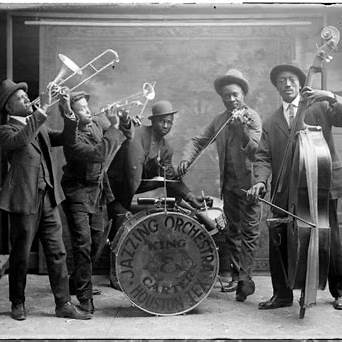
The bond between Paris and American jazz began during World War I, when the African American military band led by James Reese Europe introduced the genre to French audiences in 1918. Their performances captivated Parisians and laid the groundwork for the city’s burgeoning jazz scene.
The 1920s, known as the Jazz Age, saw an influx of American jazz musicians to Paris, drawn by the city’s acceptance and enthusiasm for the new musical form. Montmartre became the epicenter of jazz clubs, with venues like Le Grand Duc and Bricktop’s thriving. Artists such as Sidney Bechet and Josephine Baker found immense popularity, with Baker’s “Revue Nègre” in 1925 exemplifying the era’s vibrant cultural exchange.
During the Nazi occupation in World War II, jazz was suppressed as “degenerate” music. However, clandestine performances persisted, maintaining the genre’s presence. After the war, American musicians returned to Paris, invigorating the scene. The inaugural Festival International de Jazz in 1948 featured luminaries like Dizzy Gillespie, and subsequent festivals showcased talents such as Charlie Parker and Miles Davis, reinforcing Paris’s status as a jazz hub.
The 1950s and 1960s solidified Paris’s role in the jazz world. The Saint-Germain-des-Prés neighborhood became synonymous with jazz, hosting clubs that attracted both local and international artists. American musicians like Kenny Clarke settled in Paris, contributing to its rich jazz tapestry. The city’s embrace of jazz provided a platform for artistic freedom and cross-cultural collaboration, elements that continue to define its musical identity.
In summary, Paris’s relationship with American jazz is a testament to the city’s openness and appreciation for artistic innovation. This synergy has fostered a dynamic cultural exchange, leaving an indelible mark on the history of jazz.
Most famous american jazz performers connected with the Paris scene
Chet Baker
Chet Baker, the renowned American jazz trumpeter and vocalist, had a significant connection with Paris, both through his performances and recordings.
Performances in Paris:
Baker performed extensively in Paris, especially during the 1950s and 1980s. Notably, he played at various Parisian jazz clubs and venues, captivating audiences with his distinctive trumpet style and vocal delivery. His performances contributed to the vibrant jazz scene in Paris, a city that embraced jazz music and its artists.
Recordings in Paris:
In 1955 and 1956, Baker recorded a series of sessions in Paris for Barclay Records. These sessions were later compiled into albums such as “Chet Baker in Paris” and “Chet in Paris.” The recordings featured collaborations with European jazz musicians and showcased Baker’s versatility and artistry. The “Chet Baker in Paris” sessions have been reissued, highlighting their enduring significance in his discography.
In the early 1980s, Baker returned to Paris, where he continued to perform and record. Live recordings from this period, such as “Chet Baker Trio: Live in Paris,” capture his performances at venues like the Petit Opportun jazz club. These recordings feature Baker in a drum-less trio setting, allowing his trumpet and vocal performances to shine.
Chet Baker’s association with Paris not only enriched his musical career but also contributed to the city’s rich jazz heritage, leaving a lasting legacy that continues to be celebrated by jazz enthusiasts worldwide.
For a glimpse of Chet Baker’s performances in Paris, you might enjoy this video:
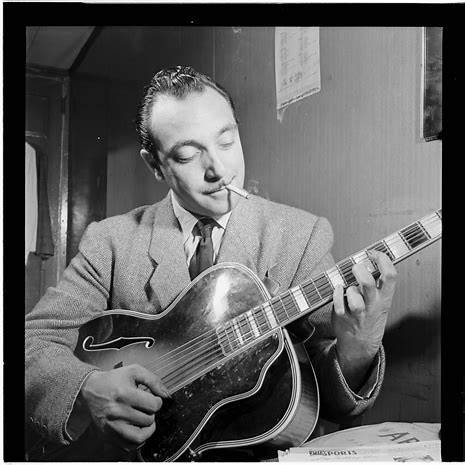
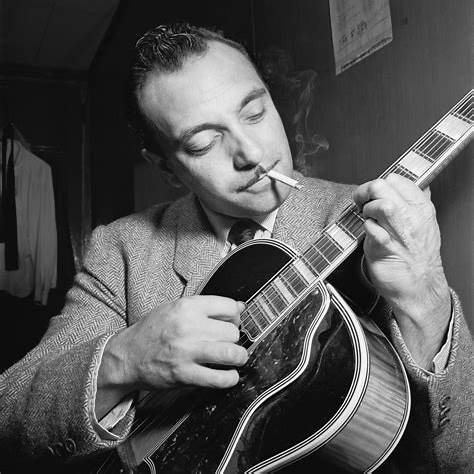
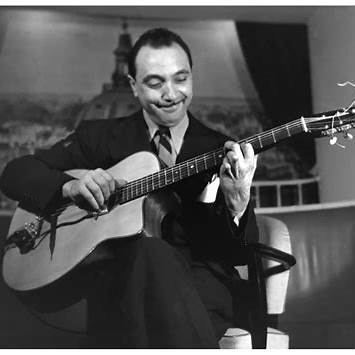
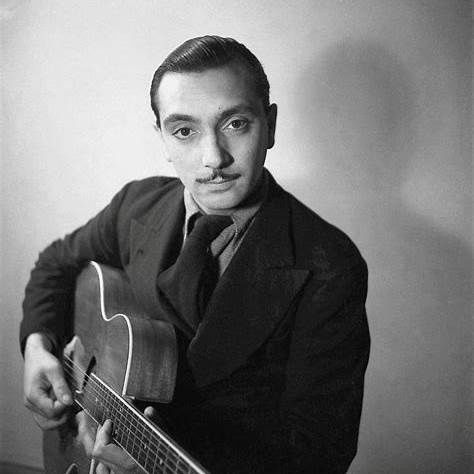
Django Reinhardt
Sucesso dele que eu gosto nesta performance:
Other famous jazz musicians are connected with Paris
Paris has long been a magnet for jazz musicians, offering a vibrant scene that has attracted numerous renowned artists. Beyond Django Reinhardt and Chet Baker, several other jazz luminaries have significant connections to the city:
1. Sidney Bechet
An American clarinetist and soprano saxophonist, Sidney Bechet was among the first prominent jazz soloists. He moved to Paris in the 1920s, where he became a central figure in the French jazz scene, performing extensively and influencing many local musicians.
2. Josephine Baker
An American-born French entertainer, Josephine Baker gained fame in Paris during the 1920s. Known for her performances at venues like the Folies Bergère, she became a symbol of the Jazz Age in Paris and was instrumental in popularizing jazz and African-American culture in Europe.
3. Louis Armstrong
The legendary trumpeter and vocalist Louis Armstrong performed in Paris multiple times, notably headlining the Paris Jazz Festival at Salle Pleyel in 1950. His performances were pivotal in solidifying jazz’s popularity in France.
4. Miles Davis
The influential trumpeter Miles Davis had a profound connection with Paris. He performed at the Festival International de Jazz in Paris in 1949 and collaborated with French musicians and filmmakers, including composing the score for Louis Malle’s film “Ascenseur pour l’échafaud” in 1957.
5. Charlie Parker
The pioneering alto saxophonist Charlie Parker performed in Paris during the late 1940s, including appearances at the Festival International de Jazz. His bebop style left a lasting impact on the French jazz community.
6. Thelonious Monk
The innovative pianist and composer Thelonious Monk performed in Paris, notably at the Festival International de Jazz in 1949. His unique approach to jazz piano was influential among European audiences.
7. Kenny Clarke
An American jazz drummer and bandleader, Kenny Clarke moved to Paris in 1956. He became a central figure in the Paris jazz scene, co-founding the Modern Jazz Quartet and performing with numerous European and American musicians.
These artists, among others, contributed to Paris’s rich jazz heritage, making the city a pivotal hub for the development and dissemination of jazz music throughout the 20th century.