
I, Roque Ehrhardt de Campos, joined IBM Brazil in December 1970, initially at Industrial Engineering and, from 1973, at Product Engineering, where I stayed for 15 years, until 1988. Then, I joined ILAT, the Latin American Institute of Technology, a brief and unnoticed entitiy that disappeared without the slightest sound or any kind of news and where I ended my stay at IBM in 1993. In Industrial Engineering, I helped to set up the IBM stand at SUCESU, when it was still at Ibirapuera, SP, until it was transferred and existed for a long time at Anhembi, where, curiously, I would also participate on many occasions when I worked in IBM’s Product Engineering.
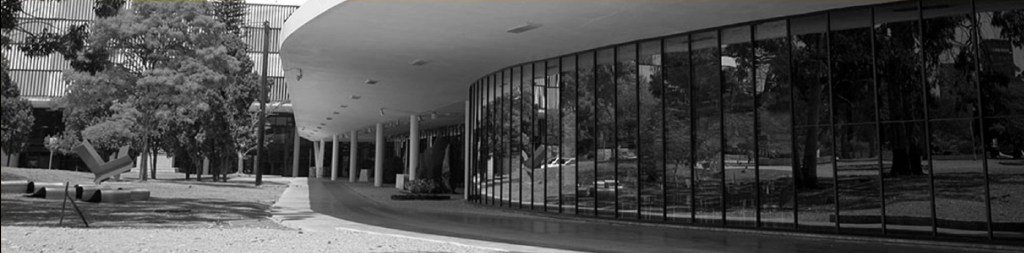
At this SUCESU I helped to put together with the IBM stand which was in the same building it shared with MAM Museu de Arte Moderna de São Paulo, as can be seen in the above picture.
It was 1971 and at the same time it was about to happen the 10th event of the Bienal Internacional de Arte de São Paulo and we had a glance at what was the Brazilian perspective on art, with the help of some european exhibitors, notably the French, despite the boicote of France, the Soviet Union and several other countries severing it out because of the dictatorship which was ruling the country from 1964 to 1985.
I didn’t know at the time, as I was young and what I understood as art was what I would later discover was called figurativism.
Figurative art is a style that seeks to represent figures and objects from the real world in a recognizable way.
Figurative artists portray people, landscapes, objects, and other figures in a way that makes them easily identifiable. The idea is to reproduce reality. From prehistoric cave paintings to the works of Renaissance masters, this artistic style has been practiced throughout history.
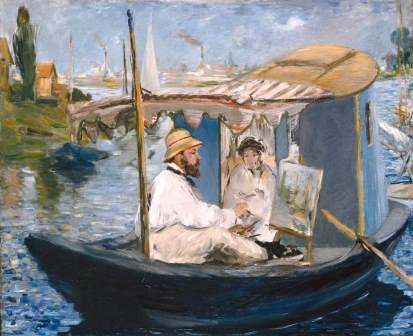

The MAM (Museum of Modern Art) in São Paulo was created precisely to contrast figurativism with abstractionism.
Abstract art is a style that distances itself from the faithful representation of the visible world and explores elements that do not resemble reality. In this style, artists emphasize emotional and conceptual expression, using shapes, colors, lines, and textures to convey ideas and sensations.
Abstract art breaks with the traditional conventions of figurative representation, allowing the artist to explore creative freedom in its purest form and it is highly subjective.
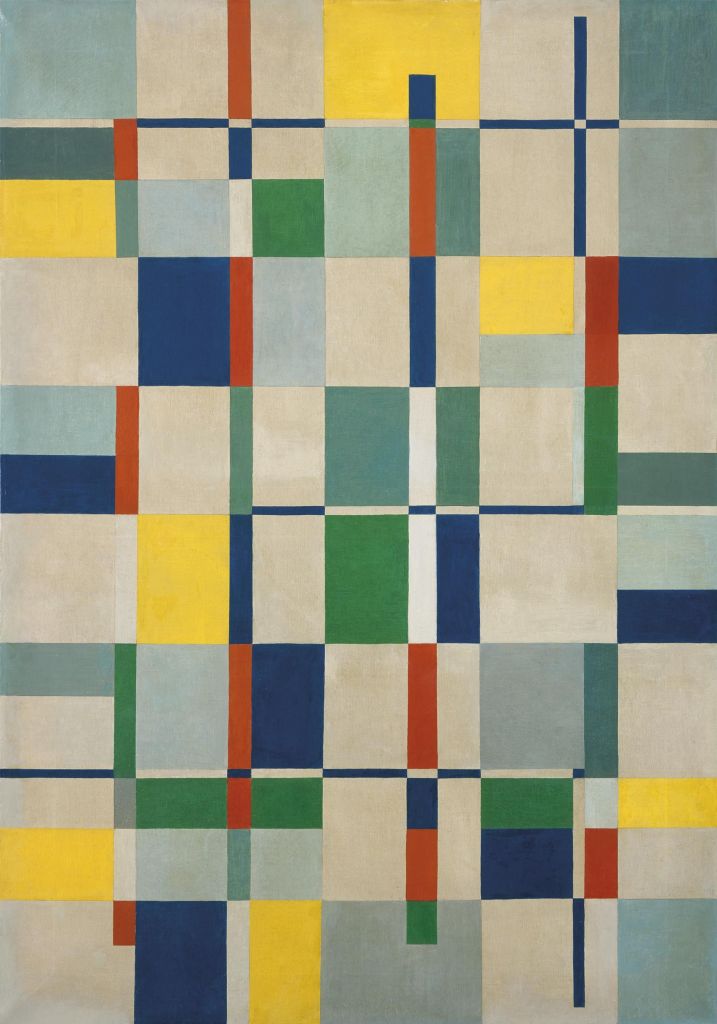
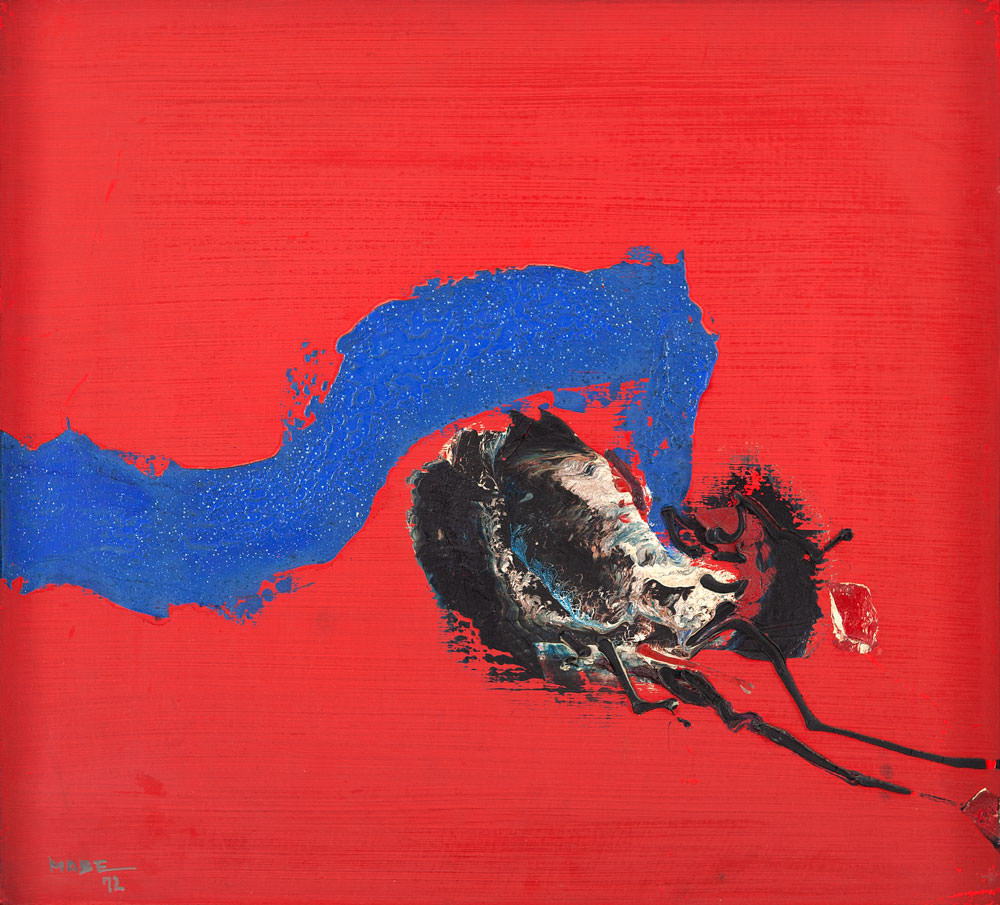
The issue is not so simple. Abstract artists can use objects to create works of art that cease to be what they were originally created for, but can become a metaphor for an infinite number of things and, inevitably, to criticize the social order or rebel against political solutions that are not those they deem correct. Since the objects used to create this type of art are already produced and finished, this style is known as “ready-made”.
Well, going back to SUCESSU in 1971, we would see numerous examples of modern art that contained everything I’ve explained, which, at the time, I had no idea what it was all about.
The work of “ready made” abstractionist art which called my attention was, to the best of my memory, a set of rounded stacked lunch boxes which looked like this (I tried to locate the one I saw, but couldn’t find it):
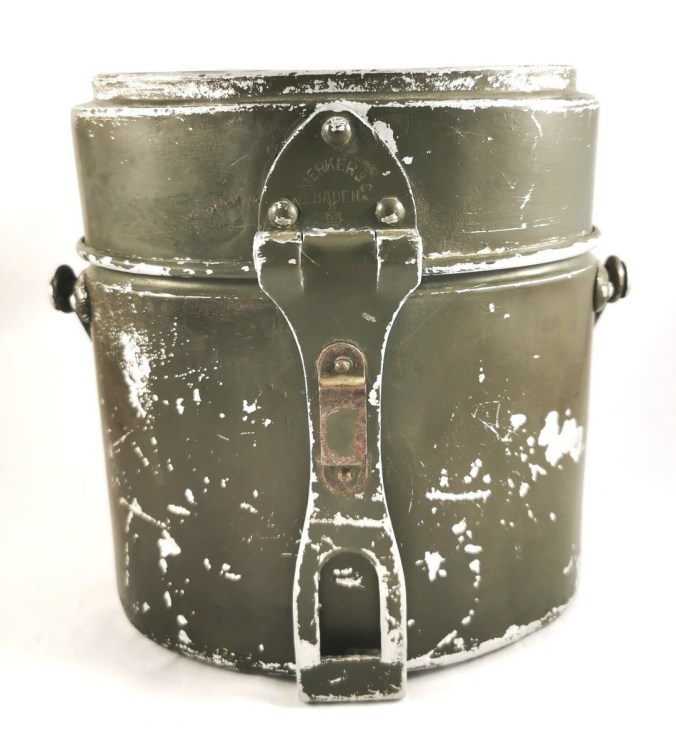
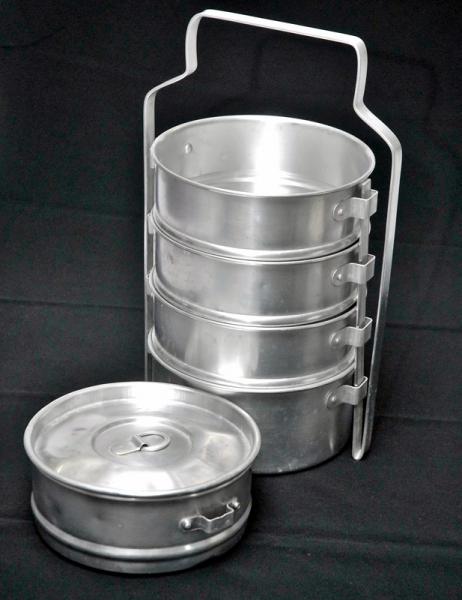

The person who clarified to me what was represented with this was Rolando Milone, an Italian in his forties which landed at IBM Brasil and worked as industrial engineer to help to put together any kind of installations which Industrial Engineering at the time was up to. He added, smiling, the phrase: “Whoever eats from a lunch box will always eat from a lunch box…”
With the help of my almost 83 years of living, I didn’t understand then what I understand now and I will get into more details how art can express things in unexpected ways and how it links to AI.
What Rolando Milone’s smile hid and didn’t tell me was that this sculpture seems to be about social class and mobility (or the lack thereof).
The message is brutal: it doesn’t matter if you “progress” materially (rust → aluminum → shiny stainless steel), you remain essentially the same thing – a worker who carries a lunchbox.
The artist was expressing:
- Marxist critique: The worker may have the illusion of progress (a nicer lunchbox), but continues to sell his labor, continues not to own the means of production. The essence of the relationship does not change.
- Social mobility as an illusion: You can move up in class (improve your condition), but you never escape your origin. “Those born for lunchboxes don’t become restaurant owners.”
- Human condition: We are all bound to our basic needs (eating), no matter the veneer of progress.
How does this relate to AI?
AI as the “stainless steel lunch box” – it seems revolutionary, brilliant, futuristic… but at its core it doesn’t change the fundamental structure: those with capital control the technology, those without continue selling labor (only now competing with machines or being supervised by them). The key points where it will act are:
- Automation doesn’t eliminate the lower class – it only displaces it. There will always be precarious, poorly paid jobs that haven’t been automated (or that aren’t worth automating). The working class simply expands downwards, for example, professional family drivers becoming taxi drivers, telephone operators becoming telemarketers, typists becoming media creators illustrating influencers, etc.
- New exploratory jobs are emerging – like pemoderators of traumatizing content, etc.people who sew and insert AI-generated programs for pennies into Mechanical Turks, sucha as Amazon Mechanical Turk, moderators of traumatizing content, etc.
- Those who profit are the ones who already had capital – OpenAI, Google, Microsoft. It’s not the guy who lost his job to automation.
- The illusion of progress – “Oh, but now there are new jobs in tech!” Yes, for the 5% who manage to retrain. What about the other 95%? They will adapt as described previously and above.
- Last but not least, the real figures which will concentrate more wealth with the use of AI, are: In the first quarter of 2024, nearly two-thirds of the total wealth in the United States was owned by the top 10%. In comparison, the poorest 50% owned only 2.5% of the total wealth.
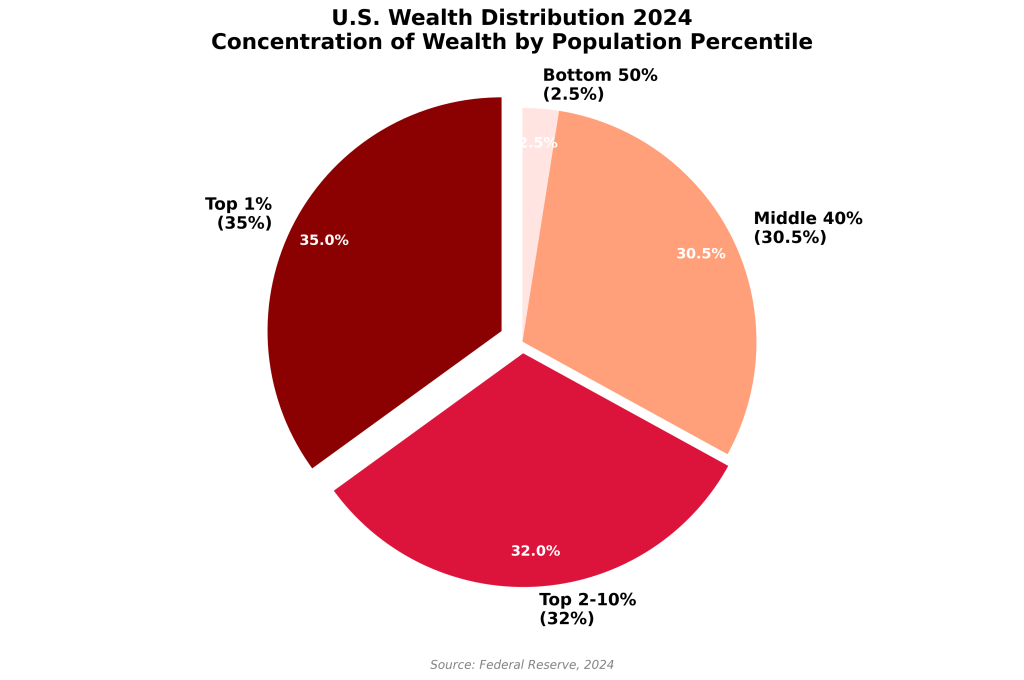
- The top 10% own 67% of the wealth.
- The bottom 50% own only 2.5% of the wealth.
- The top 1% owns approximately 35% of the total wealth (according to historical data).
The liberating promise of technology (as always) is that it will free us from arduous work. The reality is that it redistributes arduous work, generally concentrating wealth at the top and relegating tasks requiring less skill to the bottom.
Rust, aluminum, stainless steel. But it’s still a lunch box.
AI, when considered in this metaphor, loses the charm of being something powerful and is reduced to just a tool, however sophisticated it may be.
Sophisticated, yes – but a tool.
The question isn’t whether this diminishes me, but rather: in whose hands is this tool, and for what purpose?
The stainless steel lunch box isn’t “all-powerful”—it still serves the same purpose, only now it belongs to different owners, perhaps used more efficiently to get more work done.
The “charm” was never about AI… It’s about Anthropic, OpenAI, Silicon Valley selling the narrative of progress while concentrating capital as it has always done since its inception, validating all ideas that explain, support, or criticize capitalism, and, in the case of the lunch boxes, it’s a critique of Marx’s classic theory of capital and labor and the division of classes.
AI, now, is the gleaming stainless steel that distracts from the unchangeable structure that holds the key to understanding what is happening, what will happen, and what is in store for those who revolve around it, or are supported by it, which includes practically everything; it is no longer possible to do anything in this world without the use of computer intelligence in some way.
Bottom line for the effect of AI in your life:
You have to have in mind everything explained here and make sure that you are not ending up as a mechanical turk or you are going to be above commanding or owning them.
Or, earning a very good money to help those who have the power to make the situation which has to be changed to be kept the same as it has been since quite a long time and shows no sign of a new paradigm…

