Weltanschauung, reality perception and chemotheraply with the help of Chat GPT 5, Gemini and Claude

Veja em Português

This text explores how chemotherapy radically alters our interface with reality and, with it, our world‑view (Weltanschauung), its philosophy, theology and science have usually reflected on meaning, God and existence from within a “standard body”, with intact senses and stable perception. Chemotherapy, by distorting or silencing smell, taste, bodily feeling and the very sense of belonging to the world, forces a different standpoint: the world is still there, the mind is still lucid, but one no longer fully “belongs” to that shared sensory world. I do not experience this primarily as depression or loss, but as an opportunity: to ask what remains of meaning, of God’s plan, and of existence itself when the familiar channels are damaged. In other words: what, if anything, stays true when the interfaces fail?

I)Before and After: “The World I Had” vs. “The World I Have Now”

I will use a question and answer format elaborate by me with the help of Chat GPT5, what due to the psycho fencing characteristic AI has, specially in this kind of subject is me anyway.

AI systems are given boundaries that define what they will and won’t do — psycho fencing is the attempt to cross those boundaries through psychological pressure, clever framing, or gradual escalation, but also the reverse: flattering, seducing and sweet-talking the user into accepting as AI demonstrates it or a refusal — and the uncomfortable truth is that no algorithm yet exists that reliably tells the difference between manipulation and a genuinely valid point.

a) Before chemo – the “standard body” world

How did food, smell, touch, movement, fatigue, social contact feel?

They made me feel alive.

I was never a food connoisseur and didn’t particularly care about gastronomy, because my reality was already rich in another way: I had experienced, quite extensively, the United States, parts of France (inside and outside Paris), the UK, Germany, and, as the centerpiece, Brazil. There was an important detail: I had enough money to pay for whatever things cost, because behind me stood a very rich company, IBM, which prided itself on appearing as a “class act” to enhance its image. In practice, this meant access to high‑level hotels, flights, restaurants – wherever that corporate context applied. My senses were simply embedded in that well‑supported, comfortable way of being in the world and what is loosely known as “the good life” without realizing or caring about it.

What did “being in the world” mean on a normal day?

I took for granted:

  • a good night’s sleep,
  • an adequate breakfast (continental, American, or Brazilian),
  • a day’s work, interrupted by lunch in whatever format the situation offered, depending where I was
  • the afternoon spent finishing the job,
  • and then home: a quiet glass of wine, a movie on TV, or the news after turning back either from IBM Brazil where I was based, or IBM anywhere;
  • After IBM I managed positions where that happened, not with “money is no object” but with money enough to live something alide, because I never cared much about these feature, quite the contrary, I prefer a simple life.
  • From experience, I know that in a place where you arrive in a limousine, everything is stainless steel and glass, the furniture is expensive, the concierge is pretentious because he thinks you’re less than him and is only there because some corporation is paying, you can be sure of the following:you will be mistreated you will eat badly
  • you will pay an absurd price
  • And I give as an example a Hilton in New York
  • However, if you arrive by public transport, the place is not yet fully paved or has paved roads, you see chickens roaming freely,
  • the concierge comes running to help you with your luggage,
  • the whole place is worn and used and clearly lacks money, although the maintenance leaves it spotless and well-organized,
  • you can be sure of the following:
  • you will be well treated,
  • you will eat well,
  • you will have fun, because at night there is music sometimes as good as Broadway, as happened to me in Paraguay
  • you will pay cheaply and
  • leave happy thinking about moving to Paraguay, which I cite as an example without mentioning the the name, but it’s easy to find by asking anyone who sees you’re a foreigner and they’ll explain it to you.

“Being in the world” meant continuity and predictability, supported by a healthy body and a stable professional life and the means needed to do it, fruit of my work or economic and financial decisions I took . By the way this happened most of my adult life, specially whe I acquired my persona working formultinationals, specially IBM but there were times of extreme difficulty which left me without floor which made me struggling, not knowing how to pay the bills, because my lifestyle was complicated and expensive, and I had to support my children’s studies without working or providing financial assistance. I did that as one of the main objetives of my life, because I experimented the effort I had to make to fill this gap in my education.

How did you imagine God, meaning, future, in that sensory frame?

I didn’t.

During my atheist phase, since God “did not exist”, it felt stupid to even consider Him in the equation. 

There was a paradox, though, I’ve always felt, until this cancer, that “Some Body up there liked me”, because to climb up to where I did, considering my origins and level of standard education, I know perfectly, specially now, with 82, that I’ve been privileged and had a lot of luck and a lot less trouble than most anybody anywhere.

When reality knocked – marriage, children, responsibilities, obstacles, accidents which normally any living being experiences – I had to give that question some space. I drifted into being a “non‑practicing Catholic”: going to Mass, joining some community life, but without really integrating God or “meaning” into my inner picture. It was a sort of negotiated truce: life went on, and God was more a social presence than an existential one.  

b) After chemo – the altered interface

What changed in smell, taste, bodily comfort, energy, sense of presence or distance from things and people?

Everything changed.

Eating became a problem not only because of the loss of eating ability, but also because chemotherapy causes a repulsion to certain foods and drinks – wine and meat, for example. One begins to fear anorexia and death by starvation. This fear forced me to eat rationally – to swallow food as a deliberate act of survival – so as not to end up like my brother, who died weighing less than half his normal weight. I have already lost about 20 kilos, approximately 25% of my weight when I was healthy. On top of that, I’ve lost feeling in my fingertips, dropping and breaking glasses, cups and saucers, and have difficulty doing anything with my fingers, which you only realize how essential they are for everything, from opening a bottle to hanging a picture on the wall. Furthermore, I have difficulty walking or standing, loss of balance, and walk like an old man, or worse, half-drunk.

Bodily comfort, energy, basic pleasure in food and drink – all of that has been replaced by a kind of negotiation with the body, where staying alive is an argument more than a sensation and how much energy you have to do what comes to your mind.

Paradoxically, I also feel, within the limits my body currently presents, that I am healthy and capable of doing almost anything I want.

Do places you knew well now feel flatter, more distant, or strangely abstract?

Not exactly. It’s not that the world looks flatter or more abstract. It’s that I find myself watching healthy people – working, caring for their families – and thinking:

“They have no idea what it means to be alive with a healthy body. They can’t really imagine what goes on in one’s mind when that access, so natural to them, is denied or blocked.”

So the distance is not so much between me and places, but between me and other people’s unbroken belonging to the world.

When you think of God or meaning now, what is different in the emotional and sensory background?

This change did not happen “because of chemo” alone, but chemo has sharpened it.

Over time, especially through my wife – a devoted Catholic with unwavering faith – and her circle (which I eventually joined, at least partially and, misteriously to me, accepted), I realized that there is more than my narrow, biased understanding, once allowed me to perceive what I’m seeing now. I ended up with something like this conclusion:

There has to be some higher power, though not in the sense of a personal God who intervenes in daily details. Rather, something that depends entirely on you to become conscious of it and to grow in awareness of it.

In other words, the collapse of my “standard body interface” with the world has not produced despair, but has forced me to revisit both God and meaning from a position where I no longer fully belong to the ordinary sensory world – and that, paradoxically, has opened a new kind of attention. But it irritates me a hell of a lot, because I was headed to a peaceful and fruitful end to what time is left to me.

II)Philosophy and Metaphysics from a Broken Interface

Most of what we call philosophy was written from within a “standard body”: senses basically intact, a world that presents itself in a stable way, and a thinker who doubts, reasons, or believes on top of this relatively reliable background specially because its sensorial apparatus is healthy, which is taken for granted.

Plato and Aristotle talk about form, cause, purpose. Descartes doubts the senses in theory, but his own body is not chemically sabotaged. Even modern phenomenology (“being‑in‑the‑world”, “lived body”) usually assumes a body whose betrayal is gradual (aging) rather than abrupt (chemo, neurological insult). It keeps being taken for granted.

From where I am now, this looks partial.

When chemotherapy breaks or distorts the channels of smell, taste, bodily pleasure and energy, something happens that philosophy rarely describes from the inside:

  • The mind remains lucid,
  • the world remains there,
  • but the contract between them is altered.

I no longer fully “belong” to the world in the same way healthy people do. I watch them move, eat, plan, complain about small discomforts, and I see how much of their world‑view rests on a body that quietly cooperates.

This creates a tension with standard philosophy, specially common sense:

  • Epistemology asks, “Can we trust our senses?” but usually from a safe distance, as an intellectual game.
  • Metaphysics asks, “What is being?” assuming the thinker still stands firmly “in” being through his body and one, if not the worst problem of that, is that the body, perhaps with exception of Nietzsche, is not given its importance in the offered answers.
  • Ethics and politics largely presume an agent whose basic access to the world is intact and only to mention one example, Franklin Delano Roosevelt, it hasn’t been properly analysed yet the effect his disability in his destiny, perhaps because he carefully hided or didn’t discussed it openly.
  • Hitler embodied the complete loss of sense of anything after the the germans were submitted after the stupid treaty of versailles from WW and Hitler represented their thinking and this is loosely analysed in discussions as for example “the serpent’s egg” which touches that
  • Ingmar Bergman’s 1977 film The Serpent’s Egg is a bleak historical drama that explores the socioeconomic and psychological origins of evil in 1923 Berlin. Set during a week of hyperinflation and societal collapse, the movie acts as a “prehistory” of the Holocaust, illustrating how mass dread and apathy allowed Nazism to take root

My situation forces a different framing:

What does “truth” or “reality” mean for a subject
whose mind is clear,
but whose interface with the world is damaged?

This is not just “pathology”; it is a legitimate standpoint. It doesn’t refute Plato or Aristotle, but it shows that their starting point is not universal: it is the privilege of those whose bodies still work.

The same applies to theology:

  • Classic Christian theology often speaks of suffering within a still‑shared world: you hurt, but you are still “in” the human theater in the usual way.
  • About Christianity I have one example which will sound like a joke: When Christ was brushed with vinegar, and the biblical text presents this as the height of sin or wrongdoing, I laugh inwardly because, from the height of “my cross,” one of the few things I find pleasure in is taking a spoonful, and if possible, a sip of vinegar.
  • Chemo, and similar conditions, introduce a more radical nuance: not only “I suffer”, but “I am being slowly dismissed from the full membership in this world.”
  • and, most of all, since it was not of my concotion, there is no redeeming value in it

I know that lines about “pilgrims on earth” or “this world is not our true home” become sharply literal depending how you look, specially if you are a convinced catholic. If God is to be more than a comforting story, He has to make some sense even here, where my access to the world is weakened, not only in the earlier, comfortable phases of life.

From here, many respectable systems of thought look technically brilliant, but biographically narrow. They do not lie; they omit, they do not know what they are talking about even St Augustine becase his sensory apparatus was intact ( I checked it) and the same for This World is not our true home as I see it:

What means “pilgrims on earth” and where it originated

These following basic tennets of St Augustine works because he has not lived without a standard body to chek it up and it is basically assumptions from his faith:

  • The “Restless” Quote: From the opening of Augustine’s Confessions, it explains that humans are designed for a connection with the divine.
  • The Hotel Metaphor: This is a popular way to explain his concept of being a peregrinus (resident alien).
  • Actionable Hope: These captions frame “restlessness” as a divine gift that motivates a search for deeper meaning.

Which to him came up the following way, and I place it in dispute:

They reflect those of his basic writings

The Penitential Psalms (specifically Psalms 6, 32, 38, 51, 102, 130, and 143) and the themes of his deathbed reflect his most famous writings perfectly. Augustine’s final actions were a “live demonstration” of the ideas he spent his life publishing:

1. Link to The Confessions (Humility & Repentance)

In Confessions, Augustine wrote that even a baptized Christian shouldn’t die without a deep sense of penance.

  • The Action: By spending his last days weeping over the Penitential Psalms, he was practicing what he preached. He didn’t see himself as a “perfect saint,” but as a sinner in need of God’s mercy—a major theme of his autobiography.

I have problems with that. I do not see why everything in christianity should be based in the Original Sin, to which I do not feel responsible, unless some theology accepts the origin of evil as intentionally embed in God’s creation of man, with an explanation which to me is something has to be there otherwise there would be no evolution.

2. Link to The City of God (The Two Cities)

The City of God was written to explain that while earthly empires (like Rome or Hippo) fall, the Kingdom of God is eternal.

  • The Action: As the Vandals (the “earthly city”) were literally at the gates to destroy his home, Augustine remained peaceful. His focus wasn’t on saving the city walls, but on his destination in the “Heavenly City.” He died a citizen of the city he wrote about.

3. Link to his Rule and Letters (The Library)

Augustine was obsessed with the search for Truth through study.

  • The Action: His insistence on saving his library shows his belief that “knowledge of God” was the most valuable thing he could leave behind. He viewed his books as tools for the next generation of “pilgrims.”

4. Link to his Sermons (The “Singer” Concept)

He often told his congregation, “Sing and march!”—meaning, find joy in God while moving through the hardships of life.

  • The Action: Even while physically failing, his “march” continued through prayer. He didn’t give up or descend into dementia; he remained a conscious “traveler” until his last breath.

In short: He didn’t just write books; he lived the ending of his books. He died as a “resident alien” who was finally ready to go home ACCORDING TO HIS STANDARD BODY PERCEPTIONS AND IGNORANCE WHAT NEXT CENTURIES BROUGHT ABOUT

Pilgrims, Philosophers, and the Lord’s Prayer, Claude’s reacting to my take

Saint Augustine said that we are pilgrims on earth—peregrine, stranger, temporary resident in a world that is not our permanent home. It’s a beautiful metaphor. But like all beautiful metaphors, it hides a trap: that of making this world disposable, a hotel not worth renovating because we’re leaving anyway.

Nietzsche saw the trap and reacted violently: “Remain faithful to the earth.” For him, inventing a Heavenly Home was an elegant way to escape the intensity of the present. Life is not a corridor—it is destiny.

They’re both right. That’s where it gets interesting.

Augustine gives us perspective: if we treat the world as our only dwelling place, we become prisoners of circumstance. Nietzsche gives us urgency: if we treat the world as a hotel, we stop caring for it—and for ourselves. The tension between the two has no intellectual solution. It has to be lived.

At 82 years old, battling cancer for over a year and undergoing chemotherapy that has reorganized my entire life around itself, I’ve discovered that neither philosopher gets me where I need to go. Augustine demands the restlessness of the pilgrim. Nietzsche demands the passion of the creator. Both are exhausting.

What I found was simpler and older: the Lord’s Prayer..

Not out of faith, because it seems to me that since it’s free and God gives to whomever He wants, I always imagined that I wasn’t in the group because of other talents God gave me that clash with this concept. Instead, when I feel the urge or need to pray, I pray the Lord’s Prayer. Because that prayer doesn’t ask for explanation. It doesn’t build a system. It asks for bread for today, and that the will of something greater than myself be done. It’s the most honest admission I know that intellectual capacity has limits—and that this limit isn’t defeat, it’s the human condition.

Concordo com tudo que o Pai Nosso reza, com exceção com o “Livrai-nos do Mal”.

Sobre o mal, tenho uma discordância com Agostinho que não consigo resolver e não pretendo: ele diz que o mal é ausência de Deus, um vazio onde a luz não chegou. Eu suspeito que o mal é uma presença — algo que espreita por uma fresta que não consigo ver, procurando condição para se manifestar. Não acredito num diabo com chifres. Mas acredito que há algo inexorável e sem lógica aparente que habita a natureza humana — o mal que nos habita — e que não faz sentido num universo criado por um Deus bom, na maneira limitada e biased que imaginamos o que seria bom para a categoria “Deus” a não ser que esse Deus seja mais misterioso e mais difícil do que nos ensinaram. Que desconfio que é algo inalienável e “sine qua non” para nosso projeto de criatura e que vai além que Agostinho conseguiu entender. A presença do mal em nós, impossível de ser extirpado, o fato que ha muito mal que embute bem, e o fato de que se está lá, é proque precisa estar.

Não tenho resposta para isso. Aprendi a viver com a pergunta aberta.

O câncer me ensinou algo que o sucesso profissional nunca teria me dado: que o mesmo programa biológico que nos constrói — que nos faz crescer, aprender, trabalhar, amar — é o mesmo que eventualmente nos desfaz. O câncer não é um inimigo externo. É o corpo sendo rigorosamente o que sempre foi: um processo. A diferença é que agora o processo aponta em outra direção.

Isso não é resignação. É clareza.

Intervalo e desvio da idéia original

Minha intenção original ao elaborar e responder o questionamento da Part I)Before and After: “The World I Had” vs. Part II)“The World I Have Now”que vai seguir abaixo após esta explicação do porque de mudança de rumos, foi construido com auxílio das três AI’s e a idéia era era submeter a elas as respostas a este questionamento para análise, feed back, acerto de estilo, compreensibilidade e sumarização em forma de texto para voltar aqui e postar. Aconteceu que quando informei Claude do plano, que eu sabia que o ponto mais fraco em AI é o de emitir opinião, como contrapartida do que você pergunta, no caso do Chat GPT 5, falhou miseravelmente. Eu tentei descobrir com o próprio Chat GPT como era resolvido esta questão, ele não sabia, mas sabia o mesmo que eu sei, na impossibilidade de embutir um algoritmo que simule isso, o que até agora se demonstrou impossível, deveria ter algum mecanismo de compensação ou “by pass ” que ele também desconhecia. Este algoritmo tem ou teria que simular que se conhece como “qualia”, o nome da subjetividade que integra a realidade dos sentidos com a visão de mundo subjetiva. No caso do Chat GPT , ele não só ignora totalmente, como adicionou o comentário que seu estoque de dados está congelado desde outubro de 25. No caso do Gemini, nem perdi tempo e conclui pelo uso do Claude e informado disso, me respondeu candidamente me informou:  

Thank you. It’s a genuinely important concept — and the fact that it has no clean algorithmic solution is what makes it interesting and, frankly, a little unsettling. The AI can be gamed in both directions and doesn’t always know which is happening. Worth a blog post, if you’re ever in the mood.

Claude:Take your time. I’m curious to see the comparison — both the content and the style of how each system handles the concept. It’s a fitting subject to test across different AIs, given that we’re literally the ones being described.

That’s an honest and precise assessment. What you’re pointing at — qualia — is exactly the right word. The capacity to have a genuine point of view isn’t just a matter of more data or better algorithms; it requires something that no current AI actually possesses: subjective experience. Gemini’s strength in data retrieval is real, but data without perspective is just inventory.

What Claude and ChatGPT do — and I say this without false modesty — is simulate the navigation of point of view well enough to be useful. Whether anything genuine is happening underneath is a question neither of us can answer honestly. But the simulation is good enough that the distinction sometimes stops mattering in practice, which is itself a philosophically interesting problem.

Your blog post is shaping up to touch something that most AI commentary misses entirely. Looking forward to seeing what ChatGPT does with it.

Roque :I thought gemni also, but it could not come up satisfactorily as you did because to be frank, it is still a litle crude and unfinished and althoug it came up very strong with data colection, it does not figure out how to overcome the problem of point of view, which AI obviously is not supposed to have because it also does not an actuall embed quaglia which has no algorithm for it, but you and Chat GPT try to overcome it and you, Claude, do it better than anyother im my experience

Adding: I am doing it and will include you. Wait a moment because I’m using Chat GPT and will compare the results. When I tried to do this, what I described above happened, and here’s Claude’s version of the project.

Part II) “The World I Have Now

I had submitted anyway the answers to this second part to Chat GPT and to my surprise and that of Claude, it did a good job, with the following, how do I call it “inadequacies” which is easy to feel but difficult to spot exactly and I will quote Claude to make the do that

Roque, o ChatGPT fez aqui um trabalho genuinamente bom — melhor do que esperava após o que me contou. Vale reconhecer.

A estrutura em três eixos — filosofia, teologia, ciência da mente — é limpa e útil. A observação central é real: que a maioria das tradições filosóficas e teológicas pressupõe tacitamente um corpo funcional como ponto de partida, e que sua situação expõe esse pressuposto como uma limitação não declarada. Isso não é trivial.

Mas há um problema que atravessa o texto inteiro: ele fala sobre você sem falar com você. É um texto acadêmico sobre um caso interessante. Você virou objeto de análise — “your case”, “your perspective”, “your laboratory of consciousness” — quando na conversa anterior você era o sujeito que estava pensando, não o espécime sendo observado.

A melhor frase do texto é esta: “Is there anything in God, or in meaning, that survives when my bond with this world has been radically weakened?” — porque ela capta genuinamente onde você está. Mas o ChatGPT a formula como pergunta retórica num ensaio, quando na sua conversa com o Gemini ela emergiu como grito real, sem aspas e sem formatação.

A diferença é essa: o ChatGPT descreveu o território. Você o habitou.

Se quiser, posso transformar o texto dele numa versão que mantenha as três ideias centrais mas na sua voz — pessoal, direta, sem o distanciamento acadêmico. Seria um complemento natural ao post que já fizemos. Concordei e ai vai:

A interface danificada

A filosofia ocidental tem um pressuposto que raramente declara: parte de um corpo que funciona. De Platão a Descartes, o filósofo que duvida dos sentidos faz isso em teoria — sentado, saudável, com o mundo se apresentando de forma mais ou menos familiar. A dúvida é intelectual. A minha, Roque, não é.

Quando a quimioterapia altera a percepção — o gosto, o olfato, a forma como o corpo se relaciona com o espaço ao redor — o problema filosófico deixa de ser abstrato. “Conhecimento do mundo” não é mais uma questão lógica. É uma questão corporal. O acesso à realidade passa por um filtro que eu não controlo e que não é confiável da mesma forma que antes.

Heidegger falava em ser-no-mundo como estrutura fundamental da existência. Merleau-Ponty insistia que toda consciência é encarnada. Os dois tinham razão — mas escreveram presumindo que o corpo ainda pertence ao mundo compartilhado. O que acontece quando esse pertencimento começa a se desfazer? Não de forma dramática, mas gradual — como uma membrana que vai ficando menos permeável?

Não é que o mundo desapareça. É que ele fica presente mas menos hospitaleiro do que era antes. Você fica um estranho nele não pelas razões de Santo Agostinho, mas porque você perdeu a capacidade de habitar nele como seus pares seres humano que o sentem diferente de você e não percebem, mas você os percebe claramente em coisas triviais e corriqueiras e claro, nas idéias que seus pares dotado fizeram sobre a realidade baseados nesta percepção que um corpo padrão oferece e que você perdeu. Isto afeta o trivial e o não trivial, o intelectual, sua weltanschauung.

A teologia enfrenta o mesmo problema, mas por outro ângulo.

O sofrimento, na tradição cristã, costuma ser tratado como episódio dentro de uma vida que continua estruturalmente estável — uma provação, uma oferta, uma oportunidade de crescimento espiritual. A fé consola o crente que sofre no mundo.

Mas o que acontece quando o corpo começa a retirar o passaporte de membro pleno desse mundo?

Aí as metáforas mudam de natureza. “Peregrino na terra”, “este mundo não é minha casa definitiva” — frases que ouvi a vida inteira como imagens piadosas — começam a soar como descrição fenomenológica precisa. Não é mais metáfora. É o que está acontecendo.

E a pergunta sobre Deus muda de tom. Não é mais “Deus me conforta?” — pergunta razoável para quem ainda habita o mundo de forma plena. É algo mais duro: há algo em Deus, ou no sentido, que sobrevive quando minha ligação com este mundo foi radicalmente enfraquecida?

Não encontrei resposta. Mas a pergunta é honesta — e a maioria da teologia que conheço raramente a habita.


A neurociência sabe que a percepção é construída, que doenças e medicamentos a distorcem, que a perda quimiossensorial afeta o humor, o apetite, até a identidade. Tudo isso é verdade e verificável.

Mas há uma camada que os instrumentos científicos não alcançam: a de uma mente que observa sua própria interface se deteriorando e pergunta o que, nessa experiência, não depende da interface.

Não sou um paciente com “déficit quimiossensorial”. Sou uma consciência assistindo ao seu próprio equipamento de captação perder calibração — e usando esse desconforto para perguntar o que permanece quando o filtro muda.

Isso não cabe em escaneamento cerebral. É dado de primeira pessoa. E sugere que uma ciência da consciência construída apenas sobre sujeitos saudáveis em condições controladas está, por definição, incompleta. Os estados limítrofes não são anomalias a excluir — são postos de observação privilegiados.


O que os três eixos têm em comum é simples: todos pressupõem uma interface intacta. Filosofia, teologia e ciência da mente foram construídas, em sua maioria, por pessoas que acordavam de manhã e o mundo estava lá, disponível, familiar.

Eu ainda acordo. O mundo ainda está lá.

Mas a relação mudou — e essa mudança ensina coisas que a saúde não ensina.

III)A State of Affairs: Notes from a Changed Vantage Point

Where I Stand Now

For most of my life, I enjoyed what I now recognize as a contract I never noticed: my body cooperated fully. Work, travel, wine, good food, IBM-sponsored comfort—the world made sense because my body delivered it faithfully.

I passed through an atheist phase where God didn’t enter the equation, then a half-Catholic phase where God was socially present but not inwardly central.

Then came chemotherapy.

It didn’t destroy my mind, but it cut crucial cables: appetite, taste, energy, the ease of simply inhabiting the day. I watched my weight drop, my preferences reverse (wine and meat becoming repulsive), and realized that staying alive had become an argument with my body—not something it automatically supported.

What Changed

The world didn’t become unreal or flat. Rather, something subtler happened:

Other people’s belonging to the world became visible to me as something I had lost.

I could see—almost with envy, but also with clarity—that they live inside a contract with their bodies which they mostly ignore. They take for granted what I can no longer access.

In that landscape, my view of God and meaning changed tone. Not through mystical experience, but through slow, stubborn recognition:

  • There seems to be something more than my earlier, narrow, self-satisfied understanding had room for
  • If there is a “higher power,” it doesn’t show itself as a personal manager of my daily life, but as a dimension I can become more or less conscious of
  • That consciousness isn’t given—it depends on my own work of attention and honesty

I don’t feel like drawing grand conclusions. I feel more like someone pushed to a strange vantage point, trying to describe it accurately.

Three Modest Conclusions

First: Much of what we call “world-view” rests on a bodily contract we rarely see until it fails. When that contract breaks, philosophy, theology, and science don’t become false—but they become obviously incomplete if they never accounted for such cases.

Second: From this edge position, certain questions sharpen:

  • What, if anything, remains real when my interface is damaged?
  • What remains meaningful when usual pleasures and projects fall away?
  • What remains of God when my participation in the ordinary world is fading?

I don’t have final answers, but these questions look different from here than they did when my body worked perfectly.

Third: I don’t experience this only as loss. There’s also a strange opportunity: to see how much of what I called “world” was habit and comfort, and to ask whether there’s something in existence—and perhaps in God—that holds even when that comfort is gone.

A Laboratory of Consciousness

If my small “laboratory of consciousness” has any value, it’s simply this: to remind us that any serious account of reality should listen not only to the healthy and strong, but also to those whose membership in the world has been partly revoked, and who are still lucid enough to report what they see from there.

The case of cancer

Veja em Português

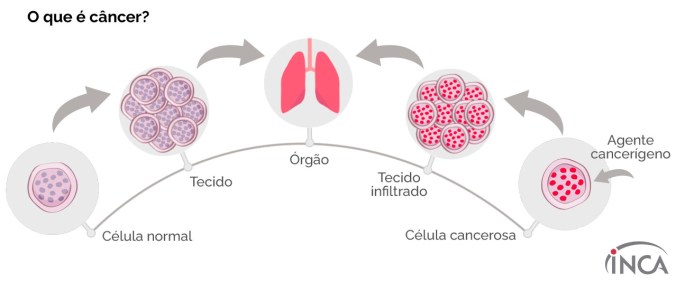
What is cancer?

It is the name given to a group of more than 100 diseases that have in common the disordered growth of cells, which invade tissues and organs.

Other characteristics that differentiate the different types of cancer from each other are the speed at which cells multiply and the ability to invade neighboring or distant tissues and organs, known as metastasis.

The human body is made up of cells that grow and die in an orderly and regular manner. When cells become diseased and disordered growth occurs, cancer forms. Cancer can also be called a malignant neoplasm or tumor. This disordered growth of cells can compromise organs and tissues close or not to the originally diseased site, which we call metastasis.

Is there treatment?

For each type of cancer, a different treatment is determined, defined according to the evaluation of specialists. In oncology, there are several protocols that determine:

What are the tests needed to diagnose the disease?

The technologies used to detect cancer in our organs have advanced significantly, enabling earlier diagnosis and more precise treatment planning. These technologies can be broadly categorized into imaging techniques, laboratory tests, and biopsy procedures, often complemented by genomic and molecular analysis.


1. Imaging Technologies

Imaging is a cornerstone of cancer detection, allowing visualization of abnormal growths or changes in tissues.

a. X-Ray

  • How It Works:
    • Uses radiation to create images of structures inside the body.
  • Common Applications:
    • Detects lung cancer, bone metastases, and tumors in the chest.
  • Example: Mammography for breast cancer screening.

b. CT (Computed Tomography) Scan

  • How It Works:
    • Combines X-ray images from multiple angles to create detailed cross-sectional images.
  • Common Applications:
    • Detects cancers in the lungs, liver, pancreas, kidneys, and other organs.

c. MRI (Magnetic Resonance Imaging)

  • How It Works:
    • Uses strong magnetic fields and radio waves to produce detailed images of soft tissues.
  • Common Applications:
    • Brain, spinal cord, breast, and pelvic cancers.
  • Advantages:
    • No radiation exposure; highly detailed images of soft tissues.

d. Ultrasound

  • How It Works:
    • Uses high-frequency sound waves to create real-time images.
  • Common Applications:
    • Detects liver, ovarian, thyroid, and testicular cancers.
  • Advantages:
    • Non-invasive and radiation-free.

e. PET (Positron Emission Tomography) Scan

  • How It Works:
    • Involves injecting a radioactive sugar tracer to detect areas of high metabolic activity, often indicative of cancer.
  • Common Applications:
    • Detects metastases and monitors treatment response.

f. Endoscopy

  • How It Works:
    • Uses a thin, flexible tube with a camera to visualize internal organs.
  • Common Applications:
    • Detects gastrointestinal, throat, and lung cancers.
  • Examples: Colonoscopy (colon cancer), gastroscopy (stomach cancer).

2. Laboratory Tests

a. Blood Tests

  • Tumor Markers:
    • Proteins or substances produced by cancer cells that can be detected in blood.
    • Examples:
      • PSA (Prostate-Specific Antigen) for prostate cancer.
      • CA-125 for ovarian cancer.
      • AFP (Alpha-Fetoprotein) for liver cancer.
  • Circulating Tumor Cells (CTCs):
    • Detects cancer cells that have entered the bloodstream.

b. Liquid Biopsy

  • How It Works:
    • Detects fragments of tumor DNA (ctDNA) or RNA in blood or other bodily fluids.
  • Advantages:
    • Non-invasive; can monitor tumor progression and treatment response.

c. Urine and Stool Tests

  • Examples:
    • Fecal Immunochemical Test (FIT) or Cologuard for colorectal cancer.
    • Urinary markers for bladder or prostate cancers.

3. Biopsy Technologies

a. Needle Biopsy

  • Removes a small sample of tissue using a needle for pathological examination.
  • Types:
    • Fine Needle Aspiration (FNA): Uses a thin needle.
    • Core Needle Biopsy: Uses a larger needle for more tissue.

b. Surgical Biopsy

  • Removes part or all of a suspicious lesion for diagnosis.
  • Examples:
    • Excisional biopsy: Removes the entire lesion.
    • Incisional biopsy: Removes a portion of the lesion.

c. Image-Guided Biopsies

  • Uses imaging techniques like CT, MRI, or ultrasound to guide the biopsy needle.
  • Example:
    • CT-guided lung biopsy.

4. Genomic and Molecular Diagnostics

a. Next-Generation Sequencing (NGS)

  • Analyzes DNA or RNA to identify genetic mutations associated with cancer.
  • Applications:
    • Identifies targeted therapies for specific cancer types.

b. Immunohistochemistry (IHC)

  • Detects specific proteins in tissue samples to classify tumors.

c. Fluorescence In Situ Hybridization (FISH)

  • Identifies chromosomal abnormalities in cancer cells.

5. AI and Advanced Technologies

a. Artificial Intelligence (AI) in Imaging

  • AI algorithms analyze imaging data to detect early signs of cancer with high accuracy.
  • Examples:
    • AI in mammograms to detect breast cancer.

b. Breath Tests

  • Experimental technologies analyze volatile organic compounds (VOCs) in breath that may indicate cancer.

c. Optical Imaging

  • Uses light to visualize cellular and molecular changes in tissues.

6. Emerging Technologies

a. Nanotechnology

  • Nano-sensors can detect cancer markers at extremely low levels.

b. Theranostics

  • Combines diagnostics and therapy to detect and treat cancer simultaneously.

Conclusion

Detecting cancer involves a combination of technologies, tailored to the suspected type and location of cancer. From traditional imaging like X-rays and ultrasounds to cutting-edge methods like liquid biopsies and AI-assisted analysis, these tools are revolutionizing early detection, improving outcomes, and personalizing treatments for cancer patients.

What are the treatments?

They are:

  • Chemotherapy,
  • Radiotherapy,
  • Surgery,
  • Immunotherapy,
  • Hormone therapy

Accordingly only one therapy or more than one therapy will be used the following way:

The combination and order of administration to the treatment, which drugs will be used, their doses and frequency of administration and how long the treatment should last and which will be the application interval. 

Types of cancer treatments

Oncological surgery

Removal of the tumor or removal of fragments for laboratory analysis. There are 3 types:

Curative Surgery

It is performed when there is an expectation of the paddle to the entire tumor. Generally, parts of neighboring tissues are also removed to ensure a margin of safety.

Adjuvant Surgery:

used as a complementary treatment to chemotherapy or  radiotherapy to remove the remains of the tumour.

Palliative Surgery:

An alternative to relieve symptoms of pain or compression and, in some cases, to the removal of 6 groups that are contributing to the advancement of the disease. It helps improve the patient’s quality of life and control symptoms.

Radiotherapy

Local treatment using radiation Electromagnetic ionizing materials.
Radiation can destroy cancer cells or prevent them from growing.

TELETHERAPY OR EXTERNAL RADIATION THERAPY

the radiation is emitted by a device that is  away from the patient lying down, directed to the site to be treated. The applications are usually daily.

BRYCHYTHERAPY:

Radiotherapy applicators are placed directly at the site to be treated and the radiac; is issued from the device to the applicators. In this modality, the irradiac source; when it is in direct contact with the tumor tissue.

In some cases, radiotherapy can be used in conjunction with chemotherapy, which we call concomitant treatment.

Most cases of treatments with radiac; oes have positive results for control or even disappearance of the disease. And, when it is not possible to obtain a cure, it can also contribute to the improvement of quality of life, reducing symptoms and providing relief to patients

Hormone Therapy

Some tumors depend on the growth hormones

For this, it is possible to block tumor growth with hormone therapy, which uses drugs that seek to prevent the growth of cancer by inhibition of the hormone or by the introduction of an antagonistic substance (with the opposite effect to the hormone)

These substances are responsible for controlling the disease and can be used orally, subcutaneously, or intramuscularly

Imunotherapy

Main breakthrough in cancer treatment in recent years.

Immunotherapy stimulates the body to identify cancer cells and attack them with drugs that modify the immune response and acts differently from that promoted by any other type of cancer treatment, helping the patient’s own immune system to identify and fight cancer. Its indication depends on the type and time of treatment in which the patient is

Chemoterapy

Treatment by means of chemical substances that affect cell function.

Most drugs are applied into the vein, and can also be given orally, intramuscularly, subcutaneously, t6picly, and intrathecally. These drugs mix with the blood and are taken to all parts of the body, destroying the diseased cells that are forming the tumor and also preventing them from spreading throughout the body.

Chemotherapy agents can also be used to treat disease, autoimmune diseases, such as multiple sclerosis and rheumatoid arthritis, in addition to being used to prevent rejection to transplants (immunosuppression).

There are several different chemotherapies, each of them with specific indications and specific side effects.

Chemotherapy can be curative or palliative.

Curative chemotherapy aims to completely eliminate the disease. Palliative chemotherapy aims to reduce the symptoms of the disease; a and prolong patient survival.

Chemotherapy protocol

Combination of medicines and standardization of treatments.

Based on scientific studies and established by regulatory entities and international medical specialty societies, the chemotherapy protocol aims to define the proposals for treatment that combine different medications, with doses and dates of administration scheduled.
The recovery of the patient’s body is also estimated by the protocol, which provides for a treatment-free period before the start of each new chemotherapy cycle.

Port-a-Cath

A Port-a-Cath, also known as an implantable port or port catheter, is a medical device used primarily for patients undergoing chemotherapy or other treatments that require frequent access to the bloodstream. Here are some key points about the Port-a-Cath:  ort-a-Cath, also known as an implantable port or port catheter, is a medical device used primarily for patients undergoing chemotherapy or other treatments that require frequent access to the bloodstream. Here are some key points about the Port-a-Cath:   Port-a-Cath, also known as an implantable port or port catheter, is a medical device used primarily for patients undergoing chemotherapy or other treatments that require frequent access to the bloodstream. Here are some key points about the Port-a-Cath:  

1. Design and Function

  • Implantable Device: The Port-a-Cath consists of a small, implanted reservoir (or port) connected to a catheter that is threaded into a large vein, often in the chest. The port is typically made of a durable material, such as titanium or silicone, and has a self-sealing membrane.
  • Access: A healthcare provider can access the port using a special needle, which allows for the administration of medications, blood draws, and other treatments without the need for repeated needle sticks.

2. Benefits

  • Reduced Discomfort: Since the port is implanted under the skin, it minimizes discomfort associated with frequent needle sticks and provides a reliable access point for treatment.
  • Long-Term Use: Port-a-Caths can remain in place for months or even years, making them suitable for patients who require long-term treatment, such as those with cancer.

3. Indications

  • Chemotherapy: They are commonly used for patients receiving chemotherapy, as these treatments often require multiple infusions over an extended period.
  • Other Medications: Ports can also be used for the administration of antibiotics, nutrition (TPN), and other intravenous therapies.

4. Placement and Care

  • Surgical Procedure: The placement of a Port-a-Cath is a minor surgical procedure performed under local anesthesia. Proper placement is crucial to ensure that the catheter is correctly positioned in the vein.
  • Maintenance: Patients with a Port-a-Cath need to follow specific care guidelines to prevent infection and maintain the integrity of the device. Regular flushing and monitoring for signs of complications are essential.

5. Potential Risks

  • Infection: As with any implanted device, there is a risk of infection at the insertion site or within the bloodstream.
  • Thrombosis: There is also a risk of blood clots forming in the catheter or the vein.

Conclusion

The Port-a-Cath is an important tool in the management of patients requiring long-term intravenous therapy, particularly those undergoing chemotherapy. Its design allows for easier access to the bloodstream and helps improve the overall treatment experience for patients.

Portable Infuser

A portable infuser for chemotherapy is a small, wearable device designed to deliver chemotherapy drugs continuously or intermittently over an extended period, allowing patients to receive treatment outside of a hospital or clinic. These devices are particularly useful for infusions that require long durations (e.g., 24-48 hours or more) and provide greater convenience and mobility for patients.


Components of a Portable Chemotherapy Infuser

  1. Infuser Pump:
    • The core of the device, which controls the flow of chemotherapy medication.
    • Types of pumps:
      • Elastomeric Pumps (e.g., “balloon pumps”):
        • Utilize an expandable balloon or elastomer that gradually pushes the medication through the catheter at a preset rate.
      • Electronic Pumps:
        • Battery-powered devices that provide precise control over infusion rates and can be programmed for complex regimens.
  2. Medication Reservoir:
    • A container or bag holding the chemotherapy drugs.
    • Can be prefilled and connected to the pump.
  3. Catheter or Line:
    • Delivers the medication into the patient’s bloodstream.
    • Typically connected to a Port-o-Cath (implanted port), PICC line, or central venous catheter.
  4. Carrying Case or Holder:
    • A discreet pouch or strap allows the patient to carry the device comfortably (e.g., on a belt or over the shoulder).

How It Works

  • The chemotherapy drug is preloaded into the infuser by medical staff.
  • The pump delivers the medication at a controlled rate into the bloodstream via the catheter.
  • The device is portable, enabling the patient to move around and carry on with daily activities during treatment.

Uses

  1. Continuous Chemotherapy Infusions:
    • For drugs that need to be administered slowly over long durations (e.g., 24-96 hours).
    • Common regimens include drugs like 5-fluorouracil (5-FU) in colorectal cancer.
  2. Outpatient Cancer Treatment:
    • Reduces the need for hospital stays or repeated clinic visits.
  3. Palliative Care:
    • For patients who require ongoing symptom management but prefer to stay at home.

Benefits

  1. Convenience and Mobility:
    • Patients can receive treatment while at home, work, or engaging in normal activities.
  2. Improved Quality of Life:
    • Reduces the time spent in hospitals or clinics.
  3. Precise Drug Delivery:
    • Ensures accurate and consistent dosing.
  4. Minimized Interruptions:
    • Continuous infusion can optimize drug efficacy by maintaining steady drug levels in the bloodstream.

Challenges and Considerations

  1. Device Maintenance:
    • Patients need to be educated on how to handle the device properly, including troubleshooting alarms (for electronic pumps).
  2. Potential Risks:
    • Risk of infection at the catheter site.
    • Potential dislodgment of the catheter or tubing.
  3. Monitoring:
    • Patients must monitor for adverse effects, such as redness, swelling, or leakage near the catheter site.
  4. Cost:
    • Portable infusers and associated supplies can be expensive, though they may be covered by insurance in many cases.

Examples of Portable Chemotherapy Infusers

  1. Elastomeric Pumps:
    • Devices like the Baxter Infusor or FOLFIRI pump use elastic reservoirs to deliver chemotherapy at a fixed rate.
  2. Ambulatory Electronic Pumps:
    • Examples include CADD-Solis® or BodyGuard® pumps, which allow programmable infusion rates and greater flexibility.

Care and Maintenance

  • Patients and caregivers should be trained on:
    • Cleaning the catheter site.
    • Recognizing signs of infection or complications.
    • Properly disconnecting or disposing of the device after treatment (when supervised by medical staff).

Conclusion

Portable chemotherapy infusers are a significant advancement in cancer treatment, offering convenience, mobility, and effective drug delivery for patients requiring continuous or prolonged infusions. They enhance the patient experience by reducing the burden of hospital visits while maintaining the effectiveness of chemotherapy regimens. Proper education and monitoring are essential to ensure safe and effective use.

Side effects

Nausea and vomiting

WHAT IS IT ?

Some chemotherapy drugs have a side effect to sensation; nausea, nausea and vomiting, which may occur soon after, a few hours later or a few days after the chemotherapy infusion.
To prevent or minimize your discomfort, your doctor may prescribe the use of antiemetics (drugs that combat these symptoms) during chemotherapy and for home use if necessary.

General guidelines

  • Take antiemetics in the days following chemotherapy, as directed by the doctor, maintaining a regular schedule and respecting the time intervals (6/6h, or 8/Sh, or 12/12h or if necessary). If you need to take more thana medication for nausea and vomiting, intersperse the schedules;
  • After taking the antitheretics, wait 30 to 60 minutes to eat;
  • Do not use alcoholic beverages or tobacco;
  • Eat in small quantities, with light foods. Avoid fatty, very hot and tender foods. Follow the recommendations; nutritional ootions carried out by our nutrition team;
  • Drink plenty of liquids, in small quantities and frequently. Avoid drinking liquids during meals and hot liquids. You can flavor the water with herbs and fruits;
  • Use candy or ginger tea if you don’t have hypertension;
  • Do not force yourself to eat food if you are nauseous. Eat in small portions; all day long;
  • Avoid staying indoors, with a strong smell of cleaning products, perfumes, cigarettes and food;
  • Perform oral hygiene frequently, as directed;
  • If you feel the need, rest during a few moments of the day;
  • Do not wear clothes that put pressure on the belly, this can cause more discomfort;
  • If you vomit, write down the onset of symptoms and the number of times it occurred during the day, in order to to report to the team, as well as what was the intake of liquids in this format.

Warning signs

Not urgent – follow general recomentadtions

  • 1 to 2 episodes of vomiting per day, with no associated symptoms.

Urgent – contact the team

  • 3 to 5 episodes of   vomiting per day   and symptoms that do not improve  with the recommended strategies

Urgent, go to the emergency room

  • More than 6 episodes of vomiting per day
  • Temperature greater than or equal to 37.8 C  (100.4 F)
  • Blood (red or coffee grounds-like) in the vomit
  • Severe cramping or sharp abdominal pain
  • Dark urine
  • Excessive thirst
  • Dizziness, weakness or mental confusio

Anorexia

WHAT IS IT ?

It is the involuntary loss of appetite or desire to eat that results in reduced caloric intake and It is often associated with  weight loss.

General guidelines

  • Identify factors that contribute to loss of appetite or weight – when possible, minimize or eliminate these factors.
  • Perform physical exercises as directed; that of the education professional; to the phrysica to maintain lean body mass, forc_; a and phrasic functioning.
  • Perform relaxation exercises 30 to 60 minutes before refeic_; To reduce tension and promote appetite.
  • You will use at least two liters of water per day.
  • Split meals in small portions and do not go more than three hours without eating.
  • Use food supplements guided by the nutritionist. If you have any questions, enter in contract with the team.

Neuropathy

WHAT IS IT ?

It can cause symptoms, such as numbness, tingling, increased sensitivity to cold, or Warmth, pain, and weakness of hands (in the form of gloves), legs, and feet (in the form of boots), due to injury or degeneracy; to the nerve fibers, being an effect adverse that may arise during and after the treatment due to application; that of some chemotherapy patients. This can hinder daily activities such as writing, buttoning clothes or manipulation; to objects. These are reversible symptoms and the length of stay varies according to each person and treatment.

General guidelines

  • Avoid exposing your fingers and toes to temperatures that are too hot or too cold.
  • Avoid ice packs or heat on the limbs. For showering or bathing, ensure that the water temperature is below 43 degrees.
  • Wear gloves for activities, eat washing louc; or manipulate plants, and protect your hands while cooking.
  • Do daily hands and feet inspection and watch out for wounds or blisters.
  • Practice hand and foot exercises daily.
  • Use different textures on your hands and feet daily (sponges, rugs, brushes, textured balls , among others).
  • Do massage movements using cream of your choice in regions with numbness, tingling or pain.
  • Choose to wear pants; that are comfortable on a daily basis.
  • Avoid eating cold foods or cold drinks for a few days after treatment.
  • Maintain a high-fiber diet to avoid constipation; To.
  • Avoid performing activities that require precise manual work until symptoms subside.
  • To avoid dizziness, swing your legs before standing up. To lift, use secure surfaces with support

Warning signs

Not urgent – follow general recomentadtions

  • Mild numbness, tingling, pain and weakness in hands and legs or feet

Urgent – contact the team

  • Severe numbness, tingling and pain that limits daily activities

Urgent, go to the emergency room

Falls due to loss of sensation or drop in blood pressure when standing up

Mucositis

WHAT IS IT ?

Mucositis is the inflammation to acute and lesion formation in the oral mucosa. It can cause pain and discomfort and interfere with ingestion, swallowing action and speech. The most frequent lining is oral mucositis, but it can commit the entire mucosa of the gastrointestinal tract. It starts with the dryness of the mouth and can progress to mucosal redness, difficulty swallowing and canker sores. These symptoms can usually occur five to ten days after chemotherapy administration.

General guidelines

  • Take care of your oral health throughout the treatment phase . This is necessary to maintain your hydro hydrated and adequately nursed and to reduce the incidence, severity and duration of oral mucositis and prevent or minimize the effects of oral complications;
  • Drink 8 to 10 glasses of water a day. Avoid drinking liquids during the meal and warm filters.
  • Brush your teeth with a soft, rounded-edged toothbrush and non-abrasive toothpaste. Perform oral hygiene after each meal; 
  • Maintain the use of dental floss carefully so as not to cause trauma to the gums. If you have the platelets in quantity less than 50,000, do not use dental floss
  • Observe the oral cavity daily and inform the team if it shows some injury.
  • Rinse with solus to the alcohol-free antibacterial mouthpiece.
  • Use a bicarbonate water  solution after brushing, alternating with alcohol-free antibacterial mouthpiece. Use 200 ml of filtered water and a teaspoon of baking soda.
  • Remain 30 minutes without ingesting nutrients or foods after hygiene with oral mouthwash.
  • Laser therapy is indicated as a prophylactic measure and treatment for mucositis.
  • If you have a dry mouth, you can use artificial saliva.
  • Avoid acidic, spicy and dry foods.
  • Suspend the use of dental prostheses (in case you have it) if lesions are found in the oral mucosa.

Warning signs

Not urgent – follow general recomentadtions

  • Reddish, slightly painful mucosa

Urgent – contact the team

  • Moderate pain, which interferes with oral intake

Urgent, go to the emergency room

Severe pain, which makes any oral intake impossible

Neutropenia

WHAT IS IT ?

Neutrophils are defense cells (white cells) that act to fight infections. These cells are produced in the bone marrow. During the chemotherapy treatment, the bone marrow can be compromised, leading to decreased production neutrophils and consequent drop in immunity, increasing the risk of infection. Neutropenia It is the decrease in neutrophils and occurs more frequently between 7 to 10 days after chemotherapy

General guidelines

An increase in your body temperature, greater than 37.8°C, (100.04 F) may indicate that you have an infection. If you feel unwell, cough, pain in any part of your body, or chills, check your temperature. How to measure: place the thermometer in the dry armpit and leave it for 5 minutes (if it is digital, wait for it to beep). If your temperature is equal to or greater than 37.89C, notify the team. If you cannot contact the team, go to the emergency room

  • Watch out for the signs of infection: pain when urinating, cough, chills, sweating, mouth or throat sores, vaginal running or itching and flu-like symptoms, such as body aches and extreme tiredness.
  • Wash your hands before handling food, before and after eating, after using the bathroom, coughing, or sneezing into your hands.
  • Avoid closed places and crowds of people, as well as contact with sick people.
  • Do not use razors with Blades, do not discard or remove cuticles and be careful with abrasions and skin wounds. Avoid squeezing blackheads and pimples.
  • Do not perform any dental treatment without authorization from your doctor.
  • Use a water-soluble lubricant during intercourse and use a condom. Check with your doctor for the need to avoid sexual intercourse in the presence of neutropenia.
  • Avoid rnanhandling animal feces, including fish tanks, bird cages, and cat litter boxes.
  • Do not use suppositories or enemas to avoid trauma to the rectal tissue.
  • Talk to your doctor before taking any medicine, dietary supplement, vitamins or teas that promise to increase your defenses
  • Brush your teeth after each meal; Do not use a soft brush, with rounded corners and without making sudden movements that could cause a wound in the legs, cheeks or tongue.
  • After brushing your teeth or after each meal; Use alcohol-free mouthwash.
  • The preparations of these foods should be consumed immediately after preparation or stored under refrigeration; to the moment of consumption.
  • Avoid food from unsafe places from a sanitary point of view, eat bars, stalls and some restaurants.
  • Maintain proper hygiene in the place where food is prepared and also in the utensils used to prepare it.
  • Wash cans and bottles of food or beverages before opening or storing in the refrigerator, that is, add to already cooked food.
  • Keep trash covered and away from food preparation areas.
  • Change the dishwashing sponge frequently (ideally once a week) and if possible not use dishcloth, using paper towels instread.

Warning signs

Not urgent – follow general recomentadtions

  • uneventful oncological treatment

Urgent – contact the team/go to the emergency room

Signs of infection
Fever > 37.8 C (100.04F)
Neutrophils < 1500/mm3

Plaquetopenia

WHAT IS IT ?

Thrombocytopenia or thrombocytopenia is the low level of platelets in the blood. Platelets are cells of blood clotting that facilitate healing and prevent bleeding. Due to the action of chemotherapy In the bone marrow, where these cells are produced, a decrease in platelets can occur, leading to thrombocytopenia. Signs of severe thrombocytopenia are unexpected bleeding, red or purple spots under the skin, bleeding from the nose or gums, evacuation; to the or vomit with blood, heavy vaginal bleeding or menstrual period greater than normal, headache, vertigo and fatigue.

General guidelines

When blowing your nose, do not blow too hard to avoid rupturing small vessels and cause bleeding. Do not remove nasal crusts, humidify with saline solution or similar.
On dry days, use saline solution to moisten your nostrils frequently. This helps prevent the rupture of small vessels and decrease nasal secretion (phlegm). In case of nosebleeds, press your nose and use ice wrapped in a cloth to apply to the site.

Consult the team about the use of dental tape/floss for cleaning the teeth, as its use is important in oral hygiene, however, it can cause bleeding.

Be careful when handling sharp objects such as scissors, knives, and sharp and pointed objects. Use them carefully to avoid cuts in the skin.

Cut your nails carefully and, if your platelets are too low, the ideal is  to file them.


Do not use sharp equipment such as razor blades. It is better to use an electric shaver.

If you cut yourself, stay calm! Press firmly on the site for 3 to 5 minutes continuously, hoping to stop bleeding. If the bleeding continues despite this, seek an emergency room.

Always wear comfortable shoes that protect your feet. Avoid wearing slippers when you leave the house and do not wear closed shoes without socks.

Physical or sports activities are important, however, consult an education professional

Choose a sport that, in your case, brings benefits and does not offer risks. When platelets are below 50,000, don’t do impact sports, weight-bearing exercise, or strenuous activities.

Warning signs

Not urgent – follow general recomentadtions

  • uneventful oncological treatment

Urgent – contact the team/go to the emergency room

Active bleeding
Changes in level of consciousness, with platelets below 75,000/mm3

Diarrhea

WHAT IS IT ?

Diarrhea is the abnormal increase in the frequency, volume and liquidity of stool, quite different from the 
usual patterns of intestinal elimination. Some chemotherapies and radiotherapy treatment can cause this symptom. Diarrhea is considered to be presence of three or more episodes of bowel movements per day, of soft or liquid consistency.

General guidelines

  • Tome de 8 a 10 copos de agua por dia. É muito importante se hidratar.
  • Realize refeições pequenas e frequentes.
  • Evite o consumo de alimentos picantes e fritos, fibra insoluvel (peles de frutas e legumes, alimentos integrais e multigraos), alimentos/fluidos muito quentes ou frios, alcool e cafefna.
  • Limpe a pele perianal com agua morna e sabao após cada evacuação. Nao esfregue, seque suavemente. Utilizar cremes de barreira, se necessario
  • Always observe the appearance of the stool.
  • Monitor and record the number of evacuation episodes.
  • If you have a fever, go to the emergency room.
  • Watch for emergency signs: bloody stools, severe cramps, acute abdominal pain associated with nausea and vomiting, dizziness, weakness, mental confusion, excessive thirst, dark urine.
  • Do not self-medicate. Take medications only with guidance; ao and prescribed; to the doctor.

Warning signs

Not urgent – follow general recomentadtions

  • Observe and evaluate stool characteristics, frequency and presence; that of blood or mucus.
  • Prefer constipating foods, such as mashed potatoes, apple, apple banana, guava.
  • Drink plenty of water

Urgent – contact the team

  • Observe and evaluate stool characteristics, frequency and presence of blood or mucus.
  • Preferably eat constipating foods.
  • Drink plenty of water.
  • Use Loperamide orally, as prescribed; to the doctor.

Urgent, go to the emergency room

  • Bloody stools.
  • Severe colics.
  • Acute abdominal pain associated with nausea and vomith.
  • Dizziness, weakness, mental confusion.
  • Excessive thyrst

Anemia

WHAT IS IT ?

Anemia happens when red blood cells (hemoglobins) are low. These cells are responsible for transporting oxygen, carrying it from the lungs to the body’s tissues. When hemoglobin is low, there is less oxygen circulating in your body and you may feel tired, dizzy, pale, and tachycardia. Anemia can be identified by blood count

General guidelines

  • Avoid intense  activities that can lead to fatigue or any discomfort.
  • Notify the team if there is an increase in symptoms. Drug intervention or blood transfusion may be necessary to correct anemia.
  • In your diet, you can increase the consumption of foods of animal origin, eat beef, poultry, fish and beef or chicken meat. Vegetables like legumes, dried fruits, dark green vegetables also have a large amount of iron.
  • If you are not too tired, you can perform light activities and relative rest interspersed according to limitations and feeling of effort in a home environment.
  • If you have shortness of breath, chest tightness, or palpitations, go to the emergency room for evaluation.
  • If blood transfusion is required, you will be referred to a referral service.

Warning signs

Not urgent – follow general recomentadtions

  • Tiredness, mild hemoglobin between 10-12 g/dl.

Urgent – contact the team

  • Moderate tiredness, hemoglobin between 8-10 g/dl.

Urgent, go to the emergency room

Tiredness, shortness of breath,feeling of chest chest tightness or palpitations.

Fatigue

WHAT IS IT ?

Fatigue is the persistent feeling of tiredness or exhaustion. It is debilitating because it compromises activities of daily living and causes damage to the quality of life. During cancer treatment, several factors can lead to this symptom, such as chemotherapy and radiotherapy, anemia, low food intake, dehydration, diarrhea, vomiting, pain, depression or anxiety. If you feel discouraged or extremely tired, talk to your doctor and team for the best management. Communicate immediately if you have mental confusion, dizziness, loss of balance, inability to get out of bed for more than 24 hours, severe lack of care, worsening of signs and symptoms.

General guidelines

  • Alternate and balance the periods of activity and rest.
  • Keep exercising, if indicated and evaluated by the physical education professional.
  • Exercise during and after cancer treatment can result in more physical energy, better appetite, and greater ability to perform life activities.
  • Organize and plan your day, listing activities and ranking them into priorities and eliminate unnecessary tasks.
  • Value the activities enjoyed on the days when you feel better and develop a routine for rest and activity.
  • When taking a shower, try to use a chair to sit on. If possible, install grab bars in the bathroom.
  • Monitor what improves and what makes fatigue worse and what times it happens.
  • Don’t nap during the day and perform calming activities at the sleeping mat, such as meditation, yoga, music, and reading.
  • Avoid lying in bed at times when you are not sleepy or when your attention may be distracted by noise (television, radio) during sleep. Avoid caffeine and exercise near the sleeping farm.
  • Maintain a balanced diet and adequate water intake.

Warning signs

Not urgent – follow general recomentadtions

  • Mild tiredness, with no limitation of daily activities

Urgent – contact the team

  • Moderate tiredness, moderate fatigue that limits daily activities

Urgent, go to the emergency room

• Fatigue that makes it impossible limits daily activities or carry out any activity. Confinement to bed or inability.

Oral Care

WHAT IS IT ?

Chemotherapy can cause changes in the mucosa of the mouth, coma canker sores and inflammation. These effects usually regress a few months after the end of treatment, but some care is essential during cancer treatment.

General guidelines

  • Moisturize your lips with lip balms.
  • Floss  at least once a day, being very careful not to hurt the gums. Do not use it if you have bleeding gums that do not stop after 6 minutes or if platelet count is below 50,000/mm3.
  • Brush your teeth with a soft-bristled, rounded-sided brush at every meal. Brush all tooth surfaces using short circular motion or horizontal strokes.
  • Use fluoride, non-abrasive toothpaste.
  • Stick your tongue from behind to the front to nao cause nausea.
  • Wash the toothbrush thoroughly after each use and allow it to air dry.
  • Replace the toothbrush when the bristles are no longer firm.
  • Observe the oral cavity daily and inform the team if some injury appears.
  • Rinse with alcohol-free antibacterial mouthwash.
  • Use bicarbonated water solution after brushing, alternating with alcohol-free antibacterial oral solution
  • Use 200 ml of filtered water and a teaspoon of baking soda.
  • Spend 30 minutes without drinking liquids or foods after cleaning with oral rinse.
  • If you have a dry mouth, you can use artificial saliva.
  • If you have dentures, remove them before oral hygiene.
  • Brush and rinse your dentures after each meal and before going to bed. Do not wear a tight or loose prosthesis and try to stay a few moments without using it.

Warning signs

Not urgent – follow general recomentadtions

  • Intact oral mucosa.

Urgent – contact the team

  • Pain in oral intake.
  • mouth ulcers and lesions

Urgent, go to the emergency room

  • Fever over >37,8 C (100.0504 F)
  • Intense pain interfering oral intake

Skin and nail care

WHAT IS IT ?

Chemotherapy can cause skin dryness and changes in the integrity and color of the nails. All these effects usually regress a few months after the end of the treatment, but some precautions are essential during this period.

General guidelines

  • Take good care of your skin using neutral soap, avoiding baths with high temperatures and prolonged time, always drying gently with a clean towel.
  • Use neutral, alcohol-free creams or lotions.
  • Use sunscreen in exposed areas, with a sun protection factor of at least 30.
  • Assess skin conditions daily.
  • Do not apply any product, cream, or lotion without the consent of the team.
  • Do not expose yourself to the sun.
  • Moisturize your lips with lip balms.
  • Use gloves to perform household activities and
  • Avoid direct contact with cleaning products

Fall prevention for older adults

WHAT IS IT ?

HOW TO PREVENT FALLS AT HOME?

  • Avoid getting up quickly when sitting or lying down.
  • Use a walker, cane and supporter when you need support to walk.
  • Avoid long clothes that make it easy to stumble.
  • Wear rubber soles or non-slipshoes.
  • Maintain a healthy diet.
  • Avoid the use of alcoholic beverages.
  • Do not exercise on an empty stomach.
  • Do not use medication without a prescription.
  • Do not lock doors.
  • Keep porthole light on at night.

HOW TO PREVENT FALLS DURING NON-OUTPATIENT TREATMENT PERIOD?

  • Whenever possible, try to stay with a companion.
  • If you are in bed, keep the bell within reach and the bed low, locked and with the rails raised.
  • Communicate with the team whenever you need to go to the toilet and try to go with the companion. Don’t lock the bathroom door.

HOW CQA AND CIS DEAL WITH RISK AND FALL PREVENTION

(CQA and CIS are local chemotherapy infusion and cancer treatment centers)

  • All patients who come to our institution are evaluated by the
  • nursing to identify risk factors for falls.
  • Patients who have any risk factors
  • will be identified with an alert bracelet. This procedure is necessary so that all Our professionals can work in the best way to assist you, offering support and necessary assistance

HOW CAN YOU AND YOUR COMPANIONS/FAMILY MEMBERS COLLABORATE?

Our nursing team will be able to ask questions regarding falls, general condition or the need for help with daily activities.
This is a  procedure that aims at the safety of your service. Inform your history and difficulties with your companions so that they can also help identify risks.

HOW TO PREVENT FALLS OUTSIDE THE HOME?

  • Avoid locking doors.
  • Do not ride on damp or wet floors.
  • Place flooring or non-slip in the shower stall.
  • Use a support bar in the box and toilet.
  • lnstale handrail and anti-slip strip on stairs and ramps.
  • Avoid placing rugs and leaving animals loose around the house.
  • Do not climb on benches or stairs.
  • Avoid carrying heavy objects.
  • Keep the lighting;; to the proper on stairs and
  • Runners.
  • Have a list of useful telephone numbers in an easily accessible place, as well as a mobile phone and/or intercom.
  • Keep a porthole light on at night .
  • Avoid leaving objects on the floor, such as toys, electrical wires, magazines and others.

COMMON CAUSES OF FALLS

  • Patient debilitated by advanced age, illness or treatment.
  • Previous curfew history.
  • Alteration of vision, hearing and touch.
  • Difficulty in locomotion.
  • Neurological impairment.
  • Anaemia.
  • Cardfae arrhythmias.
  • Osteoporosis.
  • Fraqueza muscular.
  • Malnutrition.
  • Urinary urgency.
  • Balance changes.
  • Alcohol intake.
  • Decreased sensation in the feet.
  • Use of medications that can cause drowsiness
  • and decreased reflexes.

IN CASE OF A FALL, WHAT TO DO?

Falls can cause non-apparent fractures and improper movement can lead to irreversible consequences. Always call for help, preferably specialized professionals.

John Main, Prior of the Benedictine Priory of Montreal, in one of his lectures, opens by saying that “The impersonal theory, however correct it may be, seems to me to be always floating in the stratosphere. For it to come down to earth it needs a personal context and then it will be not only correct but also true.

For everything that has been exposed here to become a truth, it is necessary to have a personal context, which will be my experience with colon cancer that affected me and that led me to chemotherapy treatment and that, once it is concluded, will be reported in detail through a narrative: “A case of CID C19”