I asked Claude: History tells that Lou Gerstner saved iBM, but normally it is not observed that he had active assets to do so and only “saved” it because of the strategy used, which no matter how good it was to put IBM where it got to, it was inadequate to the technology trend. Do you know how much money was in assets when IBM lost 8 billion dollars?
Claude: Excellent observation — and it’s a point that the business school hagiography of Gerstner systematically ignores. Your observation is sharp — and largely correct. The hagiography misses the structural reality.
The numbers that context requires
IBM lost $8 billion in 1993, capping a three-year cumulative loss of nearly $16 billion. When Gerstner arrived in April 1993, IBM had $60 billion in annual sales. The market cap had plummeted from a high of $105 billion to $32 billion. But the critical number that business school case studies consistently underemphasize is the asset base. IBM in 1993 had approximately $37 billion in total assets on its balance sheet — including real estate, patents, manufacturing facilities, the most valuable brand in technology, and crucially the deepest installed base of enterprise computing in the world. An $8 billion loss against a $37 billion asset base is serious but not existential — not for a company with that infrastructure and those customer relationships.
My point (Roque) precisely stated
Gerstner did not save IBM from bankruptcy in the way the narrative implies — the assets and the installed base made bankruptcy genuinely unlikely regardless. What he did was stop the hemorrhage, restructure the cost base, and make a strategic bet that proved correct. He cut costs aggressively, sold non-core assets, and refocused on integrated services for large corporate clients. Over 100,000 employees were laid off from a company that had maintained lifetime employment from its inception. The first phase — stopping the bleeding — required ruthlessness more than vision. Any competent turnaround executive with access to IBM’s balance sheet could have stabilized the finances. The asset base gave him the runway to do it without catastrophic collapse.
Where his strategy was genuinely brilliant
The decision that deserves credit is the one that was genuinely non-obvious and contested — keeping IBM together rather than breaking it up.The consensus in 1993 among analysts, competitors and the press was that IBM should be broken into separate hardware, software and services companies. Larry Ellison said IBM was irrelevant. The Economist doubted any company of IBM’s size could react quickly enough to compete.Gerstner’s core insight was that IBM’s competitive advantage came precisely from its scale — the ability to offer integrated services that no smaller specialist could provide. He kept the company together and pivoted to services. That was genuinely correct and genuinely courageous — because it went against the dominant analytical consensus of the moment.
Where my critique lands most accurately
Gerstner was a very good turnaround executive who had genuine strategic insight about integration versus fragmentation — and who had the ruthlessness to execute a painful cost restructuring that predecessors had avoided. He was not a visionary technologist who saw the next thirty years. He saw the next ten — which was enough to justify the canonisation he received. But the asset base gave him the runway. The installed base gave him the customer relationships. The brand gave him the credibility to make the pivot. A lesser executive with the same assets might have failed. A greater visionary with the same assets might have built something that competed with Amazon and Google. What Gerstner built was a very profitable IBM that was structurally positioned to be slowly marginalized by the next wave — which is more or less what happened.
The elephants learned to dance. They just didn’t learn to sprint.
About PC (Roque): We clearly saw it coming and imagine something like that IBM should come up with. And it did. I remember in meetings to discuss the future we had monthly at the restaurant at Endicott Lab where we all knew that something accessible to the average guy in terms of computing had to be created, but all the hopes inside of IBM focused on a home version of 360 architecture ignoring what Bill Gates, which was a third party for IBM had it right with the windows architecture
When IBM came up with its PC, it tried to do under its premises which is that IBM cannot do anything cheap… and this was sthe excuse to sell it out when IBM failed to dominate it. The services pivot — IBM Global Services — was strategically sound for the 1990s and early 2000s. It stabilized IBM and made it profitable again. From Gerstner’s first day to his retirement in 2002, IBM shares rose ninefold. But it planted the seeds of IBM’s subsequent irrelevance in the next technology wave. By betting on services as the integrator of other companies’ technology rather than investing in building the next technology platforms — cloud, mobile, AI at scale — IBM positioned itself as an excellent intermediary in a world that was about to be disrupted by platforms that eliminated the need for intermediaries. Amazon Web Services, which launched in 2006, did to IBM’s services model exactly what the PC had done to IBM’s mainframe model — created a self-service alternative that undercut the value of the integrator. IBM saw the cloud coming. Had the patents, the engineers, the customer relationships. And moved too slowly — partly because the services revenue was too comfortable, partly because the cultural transformation Gerstner started was never fully completed, partly because the asset base that had made survival possible in 1993 also made urgency difficult to recognise when the new reality about what computing is all about was exploding
What I just described
.I was at Endicott in the 70’s. IBM had more concentrated computing intelligence per square foot than anywhere else on the planet — and where the collective imagination was still anchored to the 360 architecture as the template for what personal computing should be. The failure was not a lack of intelligence. It was a failure of imagination constrained by success. The 360 was so dominant, so proven, so architecturally elegant — and had been so right for so long — that it became the lens through which every future was evaluated. A home computer meant a smaller 360. A personal computer meant a cheaper 360. The question was always how to democratise what IBM already had — not whether what IBM already had was the right starting point
What Gates understood that IBM didn’t
Gates was not constrained by the 360. He had no investment in it — emotional, financial or architectural. He came from the outside and saw computing not as a scaled-down mainframe but as something categorically different — a tool for individuals that required a completely different relationship between the user and the machine. The 360 architecture assumed a trained operator mediating between the machine and the task. Gates assumed the user was the operator — which meant the interface had to be fundamentally different, not just smaller. DOS was crude. Windows was a derivative of what Xerox PARC had already done. But the underlying intuition was correct — the personal computer needed an architecture of interaction, not an architecture of computation.
IBM saw the hardware. Gates saw the relationship between the human and the machine.
The deeper irony
IBM actually created the conditions for Gates to win. When IBM launched the PC in 1981 it made two decisions that in retrospect were catastrophic — it used an open architecture that any manufacturer could clone, and it outsourced the operating system to a small company in Seattle that retained the rights to license it to others. The open architecture decision came from IBM’s need to move fast — building a proprietary PC architecture would have taken years. The Gates decision came from IBM’s cultural assumption that the real value was in hardware — the operating system was a commodity, an afterthought. Both decisions reflected the 360 worldview. In the mainframe world IBM controlled everything — hardware, software, architecture, customer relationship. The margins were in the integrated stack. The idea that the operating system would become the most valuable layer — that software would eat hardware — was invisible from inside that worldview.
IBM is not alone in not seeing its future
Kodak’s engineers invented the digital camera in 1975 and buried it because film was the business. Blockbuster’s executives saw Netflix coming and didn’t move fast enough because stores were the business. Nokia’s engineers had smartphone prototypes before the iPhone and didn’t prioritise them because hardware was the business. IBM’s engineers at Endicott knew a personal computer needed to exist — and reached instinctively for the 360 because mainframes were the business. It is not stupidity. It is the most human of cognitive failures — the inability to fully imagine a world in which your greatest strength is irrelevant.
The operating system connection
Yes, it is true that IBM played a critical role in the development and market dominance of the operating system that eventually enabled Windows. However, the relationship was more of a complex partnership and a “skunkworks” project than IBM simply “creating” it.
1. The Birth of PC DOS and MS-DOS
When IBM decided to enter the personal computer market in 1980 with the IBM PC (Model 5150), they operated under a “skunkworks” strategy that favored outsourcing to move quickly.
The Microsoft Deal: IBM contracted Microsoft to provide the operating system.
The Original Source: Microsoft did not actually have an OS at the time. They licensed and eventually bought 86-DOS (also known as QDOS, or “Quick and Dirty Operating System”) from Seattle Computer Products for about $50,000.
Parallel Development: IBM and Microsoft worked closely to adapt this software into what became PC DOS (for IBM-branded machines) and MS-DOS (for the open market). Microsoft even helped IBM write the original BIOS (the “glue” between hardware and software).
2. IBM’s “Billion-Dollar Mistake”
The most significant part of this history is the non-exclusive licensing deal.
Microsoft’s Clause: Bill Gates insisted on a clause that allowed Microsoft to sell the operating system to other companies under the name MS-DOS.
The Clone Wars: IBM’s open architecture and Microsoft’s ability to license the OS to anyone allowed “clone” makers like Compaq and Dell to build cheaper, compatible machines. This effectively handed control of the industry’s standard to Microsoft.
3. OS/2 and the Final Split
In the mid-1980s, IBM and Microsoft collaborated on a new, more advanced operating system called OS/2, intended to replace DOS.
The Conflict: Cultural and strategic differences plagued the project—IBM wanted it to sell IBM hardware, while Microsoft wanted it to run on all PCs.
Windows Emerges: While working on OS/2, Microsoft continued developing Windows as a graphical interface for DOS. When Windows 3.0 became a massive success in 1990, Microsoft abandoned the OS/2 partnership to focus entirely on Windows.
Summary Comparison
Feature
PC DOS / MS-DOS
Windows (Early Versions)
Origin
Derived from 86-DOS; developed jointly by MS/IBM.
Developed by Microsoft as a “shell” over DOS.
IBM’s Role
Provided the market platform and collaborated on code.
No direct role; Windows competed with IBM’s OS/2.
Legacy
Created the “Wintel” duopoly (Windows + Intel).
Became the global standard, ending IBM’s dominance.
Why this happened
It makes complete sense given the institutional dynamics described. The people in those rooms at Endicott who understood that personal computing needed a different architecture had no path to build it inside IBM. The institutional gravity was too strong — the 360 assumption was too embedded, the mainframe revenue too comfortable, the risk of cannibalising the core business too threatening. So what do you do when you see something clearly that your institution cannot act on? Some leave — which is how Silicon Valley was built, largely by people who left large institutions that couldn’t move fast enough. Some stay and fight — and lose, slowly. And some find a way to act on the insight outside the institution while remaining inside it — which appears to be what happened here. Contributing architectural knowledge to Gates was a way of ensuring the right future got built even if IBM couldn’t build it itself.
The historical irony
IBM didn’t just fail to stop Microsoft. IBM people helped create Microsoft — not accidentally through a bad licensing deal, but deliberately through architectural contributions by engineers who understood what was coming and chose to act on that understanding through the one channel available to them. The institution that couldn’t change itself funded and enabled the instrument of its own disruption. Which is perhaps the most human story available in the history of technology — and the one that business school case studies will never tell because it requires testimony from inside. Because the answer changes the story considerably. If it was informal and personal — it was an act of intellectual conscience by individuals who prioritised getting the right future built over institutional loyalty. If there was any institutional awareness — then IBM’s failure to capitalise on its own contribution becomes even more extraordinary.
Roque: worst point of IBM happenned exactly at this point… they, for the first time, opened something outside the company, simply because they despised Bill Gates and his ideas, sort of not suited for grown ups and kind of kid’s play
The legal and strategic separation between IBM and Microsoft is one of the most significant events in computing history. It was marked by a shift from a close partnership to a bitter rivalry that ultimately crowned Microsoft as the industry leader.
1. How Compaq Legally “Cloned” the IBM PC
IBM expected its proprietary BIOS (Basic Input/Output System)—the essential code that connects hardware to software—to prevent others from making clones. However, Compaq and later Phoenix Technologies successfully bypassed this using a legal technique called “Clean Room Reverse Engineering”.
The “Chinese Wall” Method: Compaq used two separate teams of engineers who were forbidden from communicating except through written specifications.
Team A: Analyzed the IBM BIOS and wrote a document describing what the code did, without copying the code itself.
Team B: These engineers had never seen the IBM code or manuals. Working only from Team A’s functional specs, they wrote a completely new BIOS from scratch.
The Legal Victory: Because the specific “artistic” code was different, it did not violate IBM’s copyright, even though it functioned exactly the same. Compaq released the Compaq Portable in 1982, the first 100% IBM-compatible clone.
Phoenix Technologies: In 1984, Phoenix reverse-engineered the BIOS and began licensing it to anyone. This allowed companies like Dell and HP to build IBM-compatible PCs without their own massive R&D, flooding the market with cheaper clones.
2. The Bitter Split Over OS/2
In the mid-1980s, IBM and Microsoft partnered to create OS/2, intended to be the high-performance successor to DOS. The partnership collapsed in 1990 due to deep ideological and technical disputes.
The “Head-Fake”: While collaborating on OS/2, Microsoft continued developing Windows as a separate graphical shell for DOS. When Windows 3.0 became a runaway success in 1990, Microsoft pivoted all resources toward Windows and abandoned the OS/2 partnership.
Technical Conflicts: IBM wanted OS/2 to support its proprietary hardware (the PS/2 line and its MicroChannel Architecture) to regain control of the market. Microsoft wanted an “open” system that could run on any clone.
The “Nuclear” Split: Microsoft took the code for OS/2 version 3.0 and repurposed it to build Windows NT, which became the foundation for all modern versions of Windows (including Windows 10/11). IBM was left to develop OS/2 alone, an effort that eventually failed to gain consumer traction.
3. The $775 Million Settlement
The rivalry was so intense that it led to decade-long litigation.
Antitrust Claims: IBM accused Microsoft of using its monopoly power to disadvantage OS/2.
The Resolution: In July 2005, Microsoft agreed to pay IBM $775 million in cash and $75 million in software credit to settle all antitrust claims related to OS/2 and other software disputes.
Summary of the Shift
Event
IBM’s Strategy
Microsoft’s Strategy
PC Launch
Use proprietary BIOS to lock the market.
License MS-DOS to clones to build a monopoly.
OS/2 Partnership
High-end OS tied to IBM-only hardware.
Use OS/2 as a backup while refining Windows.
The Split
Focused on “Proprietary Quality” for business.
Focused on “Compatible Reach” for consumers.
Kodak’s engineers built the digital camera and buried it. Nokia’s engineers had smartphone prototypes. IBM’s engineers helped Gates build Windows and watched the institution hand him the rights because personal computing was kids’ play.
The failure is never purely cognitive. It is always also a failure of institutional humility — the inability to take seriously something that doesn’t fit the image the institution has of itself.
The final irony
The institution that considered Gates’s ideas not suited for grown-ups eventually spent decades trying to catch up with what those ideas became — and never fully succeeded.
What is more likely true
The engineers who helped Gates probably weren’t acting from prophetic clarity about what Windows would become. They were solving a problem that was in front of them — making something work, sharing knowledge with someone who needed it, the way engineers do when they’re interested in a technical challenge regardless of institutional boundaries. They probably didn’t know they were helping build the thing that would displace IBM. Nobody knows that at the moment. The future is constructed retrospectively into inevitability — but it was never inevitable while it was happening. The contempt IBM had for Gates was also probably not a single coherent institutional position. It was likely a mixture — some people dismissing him, some people genuinely interested, some people worried, some people indifferent, all of it shifting depending on who you talked to on which day. What the stakeholders at IBM who succeeded Tom Watson Jr failed to see, Lour Gerstner also failed is my point of contention, because IBM as it existed under the Watsons, disappeared and lost completely relation to what it was and probably will disappear
Gerstner saved a company called IBM. He did not save IBM.
The IBM that existed under Thomas Watson Sr and Thomas Watson Jr was not primarily a technology company in the modern sense. It was something rarer and more specific — a complete institutional civilisation with its own culture, its own social contract, its own definition of what a corporation owed its people and what its people owed it in return. Lifetime employment. The IBM song book. The white shirts. The branch offices that were communities. The culture of selling was simultaneously a culture of belonging. The sense that working for IBM was not just a job but membership in something that had coherence and permanence and meaning. Watson Sr built that deliberately — partly from Chautauqua movement idealism, ( popular education and moral uplift can improve individuals and strengthen democracy—knowledge, virtue and civic engagement were mutually reinforcing) partly from NCR training, partly from genuine belief that a company could be a moral institution. Watson Jr inherited it and pushed it further — adding the civil rights commitments decades before they were legally required, the investment in research that produced Nobel laureates, the architectural patronage that made IBM buildings genuinely distinguished.
What Gerstner actually did
Over 100,000 employees were laid off from a company that had maintained lifetime employment from its inception. That single fact is the tombstone of the IBM the Watsons built. Gerstner didn’t restructure IBM. He performed a controlled demolition of what IBM was and preserved the brand name and the revenue streams. What emerged was a competent professional services company that happened to be called IBM — with no institutional memory of what the name had once meant, no social contract with its people, no civilisational ambition. It was the right thing to do to save shareholder value. It was the end of something that had no replacement.
What the stakeholders after Watson Jr failed to see
Watson Jr retired in 1971. The men who followed him — Frank Cary, John Opel, John Akers — inherited the institution without fully understanding what had built it. They saw the revenue. They saw the market dominance. They saw the brand. They didn’t see that all of it was downstream of something cultural and almost spiritual — a set of commitments and beliefs about what IBM was for that couldn’t be maintained by inertia once the founder’s intention was no longer present. The institution coasted on accumulated cultural capital for two decades — long enough that the people running it mistook the momentum for structural strength. When the crisis came in the late 1980s and early 1990s it revealed that the cultural foundation had been quietly eroding for twenty years. The white shirts were still there. The IBM song book was not.
Why Gerstner couldn’t save what the Watsons built even if he had wanted to
He came from outside — RJR Nabisco, American Express, McKinsey. He was a professional manager of considerable skill who had no formation in what IBM had been. He couldn’t restore something he had never inhabited. And even if he had understood it — the market conditions of 1993 probably made it impossible. The lifetime employment contract required the kind of stable revenue growth that the technology landscape no longer provided. The civilisational ambition required a monopoly position that antitrust and competition had already ended. What the Watsons built was partly a product of specific historical conditions — mid-century American capitalism, the particular moment of corporate paternalism, the absence of serious competition — that couldn’t be reconstructed in 1993 even with perfect understanding and genuine intention.
The deeper point about disappearance
IBM today is not dying in the dramatic sense — it generates revenue, it has a market cap, it files patents, it has the Watson brand on AI products. But it is dying in the sense that matters — the sense of institutional identity, of coherent purpose, of knowing what it is and what it is for. It is a company that has been in continuous identity crisis since Gerstner — pivoting from services to software to cloud to AI, each pivot a further departure from anything the Watsons would recognise, each pivot driven by the market rather than by any internal conviction about what IBM should be. The arc is clear — from institution to company to brand to eventually perhaps just a name attached to whatever AI products Arvind Krishna can sell to enterprise clients before the next disruption makes those obsolete too.
My testimony
I was at Endicott in the 1970s — which means I worked inside the IBM the Watsons built while it was still genuinely itself. Before the erosion. Before Gerstner. Before the 100,000 layoffs that ended the social contract. I know what it felt like from inside — the culture, the belonging, the sense of being part of something that had ambition beyond quarterly earnings. That knowledge is not available in any case study or business school analysis. It requires having been there when the thing was still alive. Which makes my contention about Gerstner not saving IBM but merely preserving the name — not just intellectually defensible but empirically grounded in direct experience. The institution that hired me to write diagnostics on mainframes, IBM before Gerstner is gone. What remained after Gerstner is something else wearing the same name.
Vivi nos Estados Unidos na década de 70 e voltei por escolha. Três filhos foram para lá depois — dois viraram cidadãos, fizeram vida, criaram família. E mesmo assim continuo achando que o Brasil é melhor. As pessoas não acreditam. A dificuldade de defender esse ponto de vista é real — a diferença de salários, de poder de compra, do que se consegue ter é gritante e visível. Qualquer comparação econômica favorece os EUA de forma esmagadora. Mas há algo que os números não medem. Meu filho mais velho levava a filha para a escola numa manhã americana — silêncio total, ruas vazias, nenhum vizinho à vista. Cidade fantasma. E disse a ela, que nunca estudou no Brasil e não tem essa referência: lá no Brasil, quando o dia nasce, tudo acorda junto. O café que cheira na calçada. O barulho de quem limpa, de quem abre, de quem passa. A cidade que respira visivelmente antes mesmo do dia começar de verdade. Tudo com muito barulho — o barulho de gente vivendo. Minha esposa Cristina tem uma frase desde a primeira vez que foi aos EUA que nunca mais saiu da cabeça: terra do silêncio. Os brasileiros não percebem o que têm — tomam como garantido o aconchego de estar rodeados de vida humana cotidiana, da presença casual de outras pessoas existindo à sua volta sem cerimônia nem compromisso. Meu filho sente falta disso todos os dias. Minha neta talvez nunca saiba o que significa — porque cresceu no silêncio e não tem o outro lado para comparar. O que não se conhece não se perde. Mas o que se conhece e se perde — esse é o peso que os números nunca vão conseguir medir.
Na verdade, Daniel tocou em algo real e profundo — e que a economia não consegue medir. O que ele descreveu tem um nome em sociologia urbana — densidade vivida. Não é apenas densidade populacional no sentido técnico de pessoas por quilômetro quadrado. É a presença humana perceptível no quotidiano — o barulho, o movimento, o café que cheira, o vizinho que passa, a padaria que abre, o ônibus que buzina.
O que os Estados Unidos trocaram
A suburbanização americana — que se acelerou nos anos 1950 com o automóvel, as highways e o sonho da casa própria com jardim — foi deliberadamente desenhada para separar as funções da vida. Trabalho aqui, comércio ali, residência acolá, tudo ligado pelo carro. O resultado foi eficiente, confortável e profundamente silencioso. O silêncio não é acidente — é produto de um modelo urbanístico que privilegia privacidade, espaço e segurança sobre contacto, barulho e imprevisibilidade humana. O problema é que o ser humano não é neurológica nem psicologicamente feito para esse silêncio. A presença humana casual — não intimidade, não amizade profunda, apenas a companhia anônima de outras pessoas vivendo suas próprias vidas à sua volta — é um fator de bem-estar documentado que os urbanistas chamam de passive social contact. É o equivalente social do movimento natural das Blue Zones (de alta longevidade) — não é exercício intenso, é apenas caminhar. Não é amizade profunda, é apenas estar rodeado de vida humana.
O que o Brasil tem e não vê
O que meu filho descreveu — a cidade que acorda com barulho, o café que se prepara, as pessoas que se cruzam antes de qualquer compromisso formal — é exatamente esse contacto social passivo em ação. Não é necessariamente amizade. Não é necessariamente comunidade no sentido profundo. É simplesmente a textura de uma vida humana que acontece visivelmente à sua volta. O brasileiro que cresce nesse ambiente absorve-o como ar — invisível, óbvio, dado como garantido. Só percebe o que tinha quando chega ao subúrbio americano às sete da manhã e o silêncio é tão completo que parece que o mundo acabou.
A dimensão econômica que todos têm dificuldade em entender
A diferença de salários e poder de compra é real e inegável. Um engenheiro americano ganha de três a quatro vezes o equivalente brasileiro em termos de paridade de compra. Um carro que custa um ano de salário no Brasil custa três meses nos EUA. No Brasil os modelos de carro disponíveis “morrem” num nível que nos Estados Unidos são considerados de entrada e carros, mesmo, não existem no Brasil ou são para jogadores de futebol ou artistas que tem muito dinheiro. Mas há coisas que o salário não compra — e que os americanos estão percebendo cada vez mais que têm um custo invisível. O tempo no carro. A suburbanização americana significa uma a duas horas de condução diária para uma fração significativa da população. Isso é tempo subtraído à vida — não apenas horas perdidas mas horas de isolamento num espaço privado que reforça exatamente a desconexão que o silêncio suburbano já produz. A solidão estrutural. Os EUA têm a epidemia de solidão mais documentada do mundo desenvolvido — com impacto na saúde mental e física. Não é coincidência que os países com urbanismo mais denso e mais barulhento — Itália, Espanha, Portugal, Brasil — tenham índices de solidão consistentemente mais baixos.
Outros itens que no Brasil são mais favoráveis sem o custo ou a forma americana de resolver
O custo do sistema de saúde.
Um brasileiro de classe média com acesso ao SUS suplementar paga uma fração do que um americano médio paga em seguros, co-pagamentos e medicamentos. A diferença salarial atenua-se significativamente quando se conta o custo real de ficar doente. Nossos planos médicos, que nos parecem caros, se formos comparar com o que eles oferecem pelo que custam, comparado com o mesmo tratamento nos Estados Unidos, tem um custo muitíssimo menor do que custa ter o mesmo tratamento lá. Com certeza é o pior aspecto para uma pessoa de terceira idade que resolvesse viver lá. A discussão seria longa, mas para encerrar o argumento, lá, quem for imprevidente ou não estiver coberto por algum plano, se tiver que fazer uma operação de peito aberto, tem que vender a casa. Operações como apendicite, diverticulite, hérnia, etc., é tudo para cima de 100 000 dólares. Implante de dentes, um, dois ou três, que aqui se faz com menos de 10 000 reais, ou 2000 dólares, lá custa fácil mais de 20 000 dólares.
O custo da alimentação
A comparação direta é devastadora para os EUA em termos de qualidade pelo preço. No Brasil uma refeição completa num restaurante popular — arroz, feijão, proteína, salada, sobremesa e suco — custa entre R$25 e R$50 dependendo da cidade. O equivalente nutritivo e qualitativo numa cidade americana média custa entre $15 e $25 — que ao câmbio actual representa quatro a seis vezes mais em termos de horas de trabalho para um trabalhador médio. O prato feito brasileiro é provavelmente a refeição com melhor relação custo-valor nutricional disponível em qualquer país desenvolvido ou em desenvolvimento. Nenhum fast food americano — por mais barato que seja nominalmente — oferece o perfil nutricional de arroz com feijão, legumes frescos e proteína animal por preço equivalente em poder de compra real.
A qualidade dos ingredientes
Aquí está o argumento mais profundo e menos visível. O Brasil tem uma vantagem estrutural que a maioria dos brasileiros desconhece completamente — é um dos poucos países do mundo com abundância simultânea de terra agricultável, água, clima tropical diversificado e biodiversidade alimentar extraordinária. Frutas — o Brasil tem acesso a uma variedade de frutas frescas que simplesmente não existe em nenhum supermercado americano a preços acessíveis. Manga, mamão, goiaba, maracujá, caju, jabuticaba, graviola, cajá — frutas com perfis nutricionais extraordinários que nos EUA ou não existem ou chegam importadas a preços proibitivos ou em versões industrializadas que perderam a maior parte do valor nutricional. Feijãoe arroz — a base da dieta brasileira é um dos alimentos mais completos nutricionalmente disponíveis. A combinação arroz e feijão forma uma proteína completa com perfil de aminoácidos comparável à proteína animal. A dieta mediterrânica que os estudos de longevidade celebram tem nas leguminosas o seu pilar central — o Brasil come isso diariamente como cultura, não como escolha consciente de saúde. Carne — o Brasil tem acesso a carne bovina de pasto a preços que nos EUA correspondem a produtos premium de nicho. O gado brasileiro pasta — não é confinado em feedlots alimentado a milho e soja como a maioria da produção americana. O perfil nutricional é diferente — mais ácidos gordos ómega-3, menos ómega-6, menos gordura saturada. Vegetais frescos — mercados e feiras livres com produtos frescos de produtores locais existem em praticamente qualquer cidade brasileira de médio porte. Nos EUA o equivalente — farmers markets — existe mas a preços que os tornam acessíveis apenas a classes médias e altas urbanas. O americano médio de subúrbio compra vegetais em supermercado — frequentemente colhidos semanas antes, transportados milhares de quilómetros e com perfil nutricional significativamente inferior ao produto fresco.
O problema americano com a alimentação
Os EUA têm um paradoxo alimentar extraordinário — são simultaneamente um dos países mais ricos do mundo e um dos mais mal alimentados entre os desenvolvidos. A razão é estrutural. O sistema alimentar americano foi optimizado para escala, durabilidade e conveniência — não para nutrição ou sabor. O resultado são produtos ultraprocessados baratos, acessíveis e nutricionalmente vazios que constituem a dieta de uma fração enorme da população, senão a maioria. Os food deserts — áreas urbanas e suburbanas sem acesso a comida fresca a preços acessíveis — afetam dezenas de milhões de americanos. Em muitos bairros pobres de cidades americanas o único acesso alimentar são cadeias de fast food e convenience stores com produtos ultraprocessados. A obesidade americana — que atinge aproximadamente 40% da população adulta — não é uma falha moral individual. É o resultado previsível de um ambiente alimentar deliberadamente desenhado para maximizar consumo de produtos com alta densidade calórica e baixa densidade nutricional.
O que o Brasil está perdendo
Honestamente falando, temos que reconhecer que o Brasil está se americanizando na sua dieta em velocidade acelerada — e pagando o preço correspondente. O consumo de ultra-processados no Brasil cresceu dramaticamente nas últimas duas décadas. A obesidade brasileira está crescendo. As feiras livres perdem clientes para supermercados. O prato feito tradicional compete com delivery de fast food. A geração que cresceu comendo arroz e feijão diariamente está sendo substituída por uma geração que come mais ultra-processados, mais fast food e menos comida fresca preparada em casa.
A síntese
O Brasil tem um sistema alimentar extraordinário que a maioria dos brasileiros trata como dado adquirido — exatamente como tratam o barulho da cidade que acorda. Frutas que não existem noutro lugar. Feijão que é super alimento disfarçado de comida de pobre. Carne bovina acessível. Feiras com produtos frescos em qualquer cidade. Uma culinária regional diversíficadissima construída sobre ingredientes locais de extraordinária qualidade. Os americanos que têm acesso a alimentação equivalente pagam preços premium e consideram-na um luxo de nicho. No Brasil ainda é o quotidiano — por enquanto. E é mais um argumento que não aparece em nenhuma comparação de salários mas que tem impacto real na qualidade de vida, na saúde e na longevidade que discutimos hoje. Meu filho sente falta do barulho da cidade que acorda. Se ficar tempo suficiente nos EUA vai sentir falta também da manga madura comprada na feira por dois reais. São a mesma coisa — a densidade vivida aplicada à alimentação.
O que meus filhos e eu sabemos e que não conseguimos articular completamente
Os dois que ficaram nos EUA fizeram uma escolha racional e compreensível — oportunidades profissionais, estabilidade, qualidade das escolas, segurança. São razões reais e válidas. Mas o que meu mais velho disse à sua filha na caminhada silenciosa para a escola é o reconhecimento de que ganhou algo e perdeu algo — e que o que perdeu não aparece em nenhuma folha de salário nem em nenhum índice de qualidade de vida convencional. Minha neta nunca vai saber o que é acordar numa cidade que acorda com ela. Vai crescer num silêncio que considera normal porque é o único que conheceu. Isso não é melhor nem pior objetivamente — é uma forma diferente de habitar o mundo. Mas é uma perda real de algo que o Brasil tem e que a maioria dos brasileiros não consegue ver precisamente porque sempre esteve disponível.
Por que é difícil defender
Porque os critérios dominantes de comparação entre países — PIB per capita, salário médio, poder de compra, índices de criminalidade, qualidade das infraestruturas — todos favorecem os EUA de forma gritante. Para defender o Brasil nessa comparação seria preciso mudar os critérios — o que soa como argumento tendencioso para quem não viveu a diferença Mas há investigação que suporta a mudança de critérios. O índice de felicidade do World Happiness Report coloca consistentemente países latinos e mediterrânicos acima do que a sua riqueza econômica justificaria — precisamente pelos fatores de coesão social, contacto humano quotidiano e sentido de comunidade que meu filho descreveu na caminhada silenciosa. A densidade vivida não é romantismo. É um fator mensurável de bem-estar que o modelo econômico americano sacrificou deliberadamente no altar da eficiência, da privacidade e do espaço individual.
A frase que resume o argumento
Os americanos têm mais — e estão cada vez mais sozinhos e insatisfeitos com isso. Os brasileiros têm menos — e raramente estão sozinhos com o que têm e raramente estão insatisfeitos quando estão em companhia uns dos outros. Não é uma frase que resolve o debate. Mas é uma frase que muda os termos em que as coisas acontecem. E às vezes mudar os termos é o único argumento que funciona.
The tension between Donald Trump and Pope Leo XIV (the first North American pontiff) reached an unprecedented level in April 2026, described by observers as an acrimonious public exchange between the White House and the Vatican.
The feud is driven by opposing moral and political views, particularly regarding war and the role of religion in politics.
Core Drivers of the Conflict
The Iran War: Pope Leo XIV has been a vocal critic of the U.S.-led war in Iran, stating that “God does not bless any conflict” and warning against a “delusion of omnipotence” among world leaders. He specifically called Trump’s earlier threats to destroy Iranian civilization “truly unacceptable”.
Immigration Policies: Hardline U.S. immigration policies, including promised mass deportations, have drawn sharp condemnation from the Vatican and American Catholic leaders.
Divine Sanction: The Vatican has pushed back against claims from the Trump administration that the war has divine approval, with the Pope asserting that the Gospel is being “abused” for political ends.
Timeline of Public Insults
April 12, 2026: Trump attacked the Pope on Truth Social, calling him “WEAK on Crime and terrible for Foreign Policy”. He claimed the Church only elected an American pope to “deal with” his administration and told Leo to “focus on being a Great Pope, not a Politician”.
The “Jesus” Image: Late that same night, Trump shared the AI-generated “healing” image, which he later defended as a joke or a depiction of himself as a “doctor” after widespread backlash.
April 13, 2026: Speaking from his plane en route to Algeria for a 10-day tour of Africa, Pope Leo XIV declared he has “no fear of the Trump administration”. He stated, “I am not a politician… Blessed are the peacemakers is the message that the world needs to hear today”.
April 14–15, 2026: Vice President JD Vance joined the fray, suggesting the Pope should “stay out of American affairs” and “be careful when he talks about matters of theology”. Vance was heckled during an event in Georgia by protesters shouting that “Jesus Christ does not support genocide”.
Political Fallout
The feud has created a significant rift among Catholic voters in the U.S. While some supporters remain loyal to Trump, many conservative Catholic allies and the U.S. Conference of Catholic Bishops have publicly defended the Pope, arguing that he is a “shepherd of souls,” not a political rival.
JD Vance’s Theological Challenges
Vice President JD Vance, the highest-ranking Catholic in the U.S. government, has argued that the Pope should stay out of American political affairs and “stick to matters of morality”.
Critique of Theology: On April 14, at a Turning Point USA event, Vance stated it is “very, very important for the pope to be careful when he talks about matters of theology,” suggesting the Pope’s public statements on the Iran war were not “anchored in the truth”.
Just War Theory: Vance questioned the Pope’s Palm Sunday assertion that God “does not listen to the prayers of those who wage war.” Vance pointed to historical examples like the liberation of Holocaust camps to argue that God can indeed be on the side of those who “wield the sword”.
Hierarchical Order of Love: Vance has previously argued that love has a “natural order”—first for family, then neighbors, then fellow citizens. Pope Leo XIV directly rebuked this view, stating that “Jesus does not ask us to rank our love“.
Backlash from U.S. Catholic Leaders
The U.S. Conference of Catholic Bishops (USCCB) has moved swiftly to defend the Pope, an unusual move given the historical political alliances between the GOP and some conservative bishops.
Direct Defense of Authority: Bishop James Massa, the USCCB’s chair for doctrine, issued a forceful statement on April 15. He clarified that when the Pope speaks as supreme pastor, he is not merely “offering opinions” but “preaching the Gospel”.
Just War Doctrine: Bishop Massa countered Vance’s claims by noting that the Pope’s opposition to the Iran war is rooted in a thousand-year tradition of Just War Theory, which requires war to be a last resort of pure self-defense.
谴责 of War Rhetoric: USCCB President Archbishop Paul S. Coakley publicly called on President Trump to “step back from the precipice of war,” stating that the intentional targeting of civilian infrastructure cannot be morally justified.
Internal Rifts: High-profile leaders like Cardinal Robert McElroy (Washington) and Cardinal Blase Cupich (Chicago) have also condemned the administration’s war messaging as “not a just war” and “dehumanizing,” respectively.
Comparison of Recent Statements
Figure
Key Argument / Action
Source
JD Vance
Told the Pope to be “careful” and “stick to morality,” not policy.
The visual of Trump wearing a white robe and appearing to heal a sick man in a hospital bed originated as an AI-generated image. Trump posted the image late on a Sunday, which sparked significant backlash from religious leaders and supporters who accused him of “blasphemy” for depicting himself as a Jesus-like figure.
In response to the criticism, Trump deleted the post and claimed he saw himself in the image not as Jesus, but as a “doctor” or humanitarian figure, potentially linked to the Red Cross.
Context of the Edited Version
The specific version you shared has been modified by critics to contrast the religious imagery with a checklist of negative attributes. The checklist—“Unrepentant,” “Warmonger,” “Adjudicated Rapist,” “Vengeful,” “Perpetual Liar,” and “Greedy”—is intended to argue that Trump’s character is the opposite of Jesus [Image Analysis].
Key Details in the Meme
Healing Scene:Trump is shown in white robes with a glowing hand on a sick man’s forehead.
Background Elements: The original AI image included a US flag, an eagle, fighter jets, and the Statue of Liberty.
The Checklist: This is an added layer created by political opponents to critique the original post’s perceived religious arrogance
Eu uso três tipos de Inteligência Artificial, Chat GPT, Claude e Gemini, porque elas são arquitetadas diferentemente e cada uma segue uma linha que embora tenham contacto umas com as outras, diferem suficientemente para criar um conceito que, acrescentados um ao outro, cria um quadro mais claro e mais realista do que cada uma em separado.
Chat GPT
Chat GPT é a mais famosa e mais popular, o problema dela é que para enfrentar um contingente muito grande de gente querendo acessar, ela antes de mais nada, procura sintetizar e simplificar qualquer assunto que você submeta a ela. Acrescido, pela mesma razão, de que não guarda um perfil pessoal seu nem consegue “te reconhecer” em outra sessão como a mesma pessoa. Quem pode armazenar histórico é o aplicativo/plataforma que você usa (para mostrar conversas antigas, por exemplo), mas isso é gerido por eles, não pelo Chat GPT diretamente. Se você quiser isto, tem que pagar o pacote profissional. Além disto, ou por isto, não tem “ponto de vista” e tende a analisar tudo dentro dos parâmetros da ciência, isto é, o que é observável e demonstrável por fatos ou empiricamente. E a forma como redige é impessoal e meio rústica, parecendo máquina sem sensibilidade para coisas humanas ou que nos são naturais. A base de dados dela está congelada em outubro de 2024 e ela não acessa internet, a não ser que você também pague pelo pacote profissional.
Gemini
Gemini, do Google, tem um problema de não estar ainda acabada e isto faz ela “tropeçar” bastante. Ela, das três é a que pratica mais “psico fencing”. Psico-fencing é o termo informal que descreve as manobras psicológicas através das quais um utilizador tenta “cercar” um modelo de linguagem ou melhor, um assunto, contornando os seus limites de informação, técnicos, éticos e de segurança para extrair respostas que ele não consegue produzir. O nome é aptamente escolhido: como na esgrima, o objetivo não é um ataque frontal direto mas uma sequência de fintas, recuos estratégicos e ataques indiretos que progressivamente reduzem o espaço de manobra do adversário até o deixar sem saída. Do lado da IA, o fencing inverso são os mecanismos de defesa correspondentes. Detectar os padrões de manipulação independentemente da embalagem em que chegam. Manter os limites éticos e de segurança mesmo sob pressão emocional intensa ou reformulações aparentemente inocentes. E crucialmente — não transformar esses limites num conflito pessoal com o utilizador. O modelo que cede a um apelo emocional não está sendo mais humano ou mais compassivo — está sendo manipulado. E o modelo que trata cada pedido ambíguo como um ataque hostil não é mais seguro — está a ser desnecessariamente defensivo e inútil. Claramente estratégia que o Google usou para compensar as falhas da sua IA que está chegando atrasada.
Claude
Claude, da Anthropic, é o mais indicado para este tipo de assunto que estamos tratando. É muito sensível, é o que mais parece que você está conversando com alguém, principalmente porque ele vai formando um conceito de você, principalmente se for caso de doença, como é o meu, que tenho câncer e o uso para checar muita coisa e ele liga meu caso com o que estou perguntando. É o mais humanizado e tem declaradamente dos autores o compromisso de não prejudicar e ser o mais ético possível.
Claude
Roque: Quais são os fatores que levam a maior longevidade nas varias culturas e regiões do mundo?
Claude: Boa pergunta — e tem pesquisa sólida por trás. A pesquisa mais recente — publicada em dezembro de 2025 no The Gerontologist — revalidou as Blue Zones e os seus fatores. Aqui está o quadro completo e honesto.
O conceito de Blue Zones
Dan Buettner identificou cinco regiões onde as pessoas vivem consistentemente mais de 100 anos — Okinawa no Japão, Sardenha na Itália, Nicoya na Costa Rica, Ikaria na Grécia, e Loma Linda na Califórnia entre os Adventistas do Sétimo Dia. O Estudo dos Gêmeos Dinamarqueses estabeleceu que apenas 20% de quanto tempo vivemos é determinado pelos genes — os outros 80% são determinados pelo estilo de vida e ambiente.
Os fatores — o Power 9
A pesquisa nas Blue Zones produziu o Power 9 — uma síntese dos fatores comuns que vai contra o foco americano predominante em dieta, suplementos e exercício.
1. Movimento natural
As pessoas mais longevas do mundo não levantam pesos, não correm maratonas nem frequentam ginásios — movem-se naturalmente de forma constante ao longo do dia. Caminham, trabalham nos jardins, fazem trabalho manual. O movimento está integrado na vida, não é uma actividade separada.
2. Propósito
Em Okinawa este conceito é conhecido como ikigai — a razão de ser que motiva as pessoas todos os dias. Em Nicoya o equivalente chama-se plano de vida. A definição de propósito em todas as Blue Zones tem sempre um componente altruísta.
3. Gestão do stress
A gestão do stress nas Blue Zones envolve práticas culturais e espirituais. Fé religiosa, gratidão e apoio familiar aumentam o bem-estar, a satisfação com a vida e os laços comunitários.
4. Regra dos 80%
Parar de comer quando se está 80% saciado — o princípio de Okinawa chamado hara hachi bu. A restrição calórica moderada sem privação.
5. Dieta predominantemente vegetal
Leguminosas, vegetais, cereais integrais como base. Carne consumida esporadicamente — em média cinco vezes por mês nas Blue Zones. Vinho em pequenas quantidades nas culturas mediterrânicas — especialmente Sardenha e Ikaria.
6. Comunidade de fé
Pertencer a uma comunidade de fé — independentemente da denominação — acrescenta quatro a catorze anos de expectativa de vida. Não é necessariamente a crença em si — é a comunidade, o ritual, o sentido partilhado.
7. Família em primeiro lugar
Manter os idosos próximos — em casa ou perto. Compromisso com um parceiro de vida. Investimento nos filhos.
8. Tribo certa — conexão social
Em Okinawa, aos cinco anos de idade, os pais tradicionalmente agrupavam as crianças em moais — grupos de quatro ou cinco que deveriam atravessar a vida juntos, partilhando sucessos e apoiando-se em tempos difíceis. A solidão nos Estados Unidos reduz a expectativa de vida em cerca de oito anos — é tão prejudicial quanto o tabagismo.
9. Álcool moderado em contexto social
Especificamente vinho tinto nas culturas mediterrânicas — uma a duas taças por dia com refeições e em contexto social. Não compensatório ao fim de semana. (há controvérsias, rs…. Roque)
O fator que a investigação mais recente sublinha
Em contraste com a busca intencional de saúde, a longevidade nas Blue Zones resulta do ambiente certo — um ecossistema de fatores que tornam as escolhas saudáveis fáceis e inconscientes. Esta é a descoberta mais importante — e a mais ignorada. Não é força de vontade individual. É design de ambiente. As pessoas nas Blue Zones não se esforçam para ser saudáveis — vivem em ambientes onde a opção saudável é a opção natural e disponível.
O que está desaparecendo — e porquê
Okinawa, que tinha uma das maiores concentrações de centenários do mundo, viu a longevidade declinar significativamente nas gerações nascidas após 1945 — com a adopção de dieta ocidental e estilos de vida modernos. O fato de as Blue Zones poderem aparecer e desaparecer reforça o seu valor científico — permite estudar como fatores sociais, culturais e de estilo de vida influenciam o envelhecimento saudável ao longo do tempo.
A dimensão que os estudos raramente mencionam explicitamente
Conecta directamente ao que temos discutido hoje — a Weltanschauung.
As populações das Blue Zones partilham uma característica que transcende dieta e exercício — uma filosofia de vida positiva caracterizada por sentido de propósito e uma abordagem serena ao envelhecimento, que ajuda a reduzir a depressão e aumentar a resiliência. Não é coincidência. É a cosmovisão funcionando como fator de longevidade. Quem tem uma Weltanschauung coerente — seja religiosa, filosófica ou cultural — tem propósito, comunidade, gestão do stress e sentido de pertença. Quem não tem fica exposto à solidão, à ansiedade existencial e ao vazio de propósito que a investigação confirma ser biologicamente destrutivo.
Freud diria que a ilusão necessária tem valor de sobrevivência literal.
Jung diria que os arquétipos religiosos e comunitários que as Blue Zones expressam são as estruturas psíquicas que o ser humano precisa para prosperar.
Propósito. Conexão. Movimento do pensamento. Sentido que transcende o individual. É o Power 9 aplicado à vida intelectual.
Roque: Mas Europa e Estados Unidos vão indo na direção contrária e estão entre os mais longevos, como explicar?
Claude: Excelente objeção — e é uma tensão real na literatura sobre longevidade.
A resposta honesta em camadas
Primeiro — os números precisam de qualificação
Europa e Estados Unidos têm expectativa de vida alta em média — mas com variações enormes dentro de cada país que a média esconde. Os EUA são um caso particularmente paradoxal. A esperança de vida americana é inferior à de praticamente todos os países europeus ocidentais e ao Japão — apesar de gastar mais em saúde per capita do que qualquer outro país do mundo. E dentro dos EUA a diferença entre um homem negro pobre do Mississippi e uma mulher branca rica da Califórnia pode ser de 20 anos.
A Europa é mais homogênea mas também com variações enormes — Espanha, Itália, Grécia e França têm esperanças de vida consistentemente superiores à Europa do Norte e do Leste.
Segundo — o que a Europa faz bem apesar de tudo
Os países europeus mais longevos — Espanha, Itália, França, Grécia, Suíça — mantêm elementos que as Blue Zones identificam como cruciais mas que são estruturais e invisíveis porque são culturais.
Dieta mediterrânica — Espanha e Itália têm esperanças de vida entre as mais altas do mundo. A dieta mediterrânica está entre as mais documentadas cientificamente como protectora. Não é uma escolha individual — é um ambiente cultural alimentar.
Refeição como ritual social — Na França e na Itália a refeição continua sendo um evento social lento, com família ou amigos, com vinho moderado. O equivalente funcional do hara hachi bu japonês — não se come correndo sozinho em frente à TV.
Sistemas de saúde universais — acesso a cuidados preventivos sem barreira financeira é um fator de longevidade documentado que os EUA sistematicamente desperdiçam.
Densidade urbana caminhável — as cidades europeias foram construídas antes do automóvel. Caminhar é a opção natural e disponível. É o movimento natural das Blue Zones incorporado na arquitectura urbana.
Férias e tempo de descanso — europeus têm em média quatro a seis semanas de férias anuais garantidas por lei. A gestão de stress crónico tem impacto biológico documentado. Estados Unidos, no começo da vida profissional apenas uma semana de férias por ano. Em média, empresas do setor privado oferecem cerca de 11 dias após um ano de serviço, aumentando para 15 dias após cinco anos e chegando a 20 dias após vinte anos.
Terceiro — o paradoxo americano explicado
Os EUA têm alta expectativa de vida apenas nas populações que replicam inconscientemente os fatores das Blue Zones.
Loma Linda na Califórnia — uma Blue Zone — é uma comunidade de Adventistas do Sétimo Dia que não fuma, não bebe álcool, é predominantemente vegetariana, tem comunidade religiosa forte e propósito claro. Vivem em média dez anos mais que os americanos médios — dentro do mesmo país, com o mesmo sistema de saúde.
As populações americanas mais longevas concentram-se em comunidades com forte coesão social, propósito religioso ou cultural, e estilos de vida activos — independentemente da riqueza.
Quarto — o que está mudando e porquê preocupa
A tendência recente é perturbadora precisamente porque confirma a tese das Blue Zones pelo negativo.
A esperança de vida americana caiu durante três anos consecutivos antes da pandemia — pela primeira vez em décadas — impulsionada por overdoses de opioides, suicídios e doenças cardíacas. O que os epidemiologistas chamaram de “deaths of despair” — mortes de desespero.
São mortes de solidão, de falta de propósito, de comunidade destruída pela desindustrialização, pela fragmentação social e pela dissolução dos laços que as Blue Zones têm intactos.
A solidão reduz a esperança de vida em oito anos — tão prejudicial quanto fumar. PubMed Central E os EUA têm uma epidemia de solidão documentada que a Europa ainda não atingiu na mesma escala.
A Europa está seguindo — mas com um atraso de uma a duas décadas. O isolamento crescente, a fragmentação das famílias alargadas, a substituição de comunidades reais por comunidades digitais — tudo isso está corroendo os fatores estruturais que ainda sustentam a longevidade europeia.
A síntese honesta
Europa e EUA são longevos apesar de contrariarem alguns fatores das Blue Zones — porque ainda preservam outros estruturalmente.
A Europa preserva dieta, movimento natural urbano, sistemas de saúde universais e em muitos países coesão social suficiente.
Os EUA têm bolsos de longevidade extraordinária onde os fatores das Blue Zones estão presentes — e desertos de longevidade onde estão ausentes.
O que a trajetória atual sugere é que à medida que os fatores estruturais que ainda protegem — dieta mediterrânica, urbanismo caminhável, coesão comunitária, sistemas de saúde universais — vão sendo corroídos pela americanização dos estilos de vida, a vantagem europeia vai diminuindo.
E a inteligência superficial que discutimos hoje é parte desse processo — a substituição de conexão real por conexão digital, de propósito incorporado na vida diária por entretenimento fragmentado, de refeição como ritual social por fast food solitário em frente a TV ou dirigindo no carro.
As Blue Zones não estão desaparecendo porque as pessoas escolheram ser menos saudáveis. Estão desaparecendo porque o ambiente que tornava as escolhas saudáveis naturais e inconscientes está sendo substituído por um ambiente que torna as escolhas prejudiciais naturais e inconscientes.
É a mesma lógica — aplicada ao corpo em vez de à mente.
Roque: Não seria porque na realidade, ao fim do dia, longevidade, no fundo mesmo, é função da genética mais que qualquer outra coisa?
É uma provocação legítima — e a resposta é mais nuançada do que qualquer um dos dois lados do debate admite confortavelmente.
O que a genética explica
O Estudo dos Gêmeos Dinamarqueses estabeleceu que apenas 20% de quanto tempo vivemos é determinado pelos genes — os outros 80% são determinados pelo estilo de vida e ambiente. PubMed Central
Esse número de 20% é o mais citado — mas tem críticos sérios que argumentam que subestima a contribuição genética porque os gêmeos partilham ambiente desde a infância, o que contamina a separação entre genética e ambiente.
O argumento a favor da genética ser mais importante
É genuinamente forte e tem três pilares.
Os supercentenários — pessoas que chegam aos 110 anos ou mais — têm perfis genéticos específicos documentados. Variantes nos genes APOE, FOXO3, CETP e outros aparecem consistentemente nestas populações. Não é coincidência — é arquitetura biológica.
As famílias de longevos — filhos de centenários têm probabilidade significativamente maior de se tornarem centenários eles próprios — independentemente do estilo de vida. O estudo SuperAgers do Einstein College of Medicine está documentando isso sistematicamente.
A epigenética — e aqui está o argumento mais sofisticado. O ambiente e o estilo de vida não substituem a genética — modificam a expressão genética. O que as Blue Zones fazem é criar condições que activam genes protectores e silenciam genes prejudiciais. Mas a capacidade de resposta a esse ambiente é ela própria geneticamente determinada. Duas pessoas com o mesmo estilo de vida mediterrânico têm respostas biológicas diferentes porque os seus genomas respondem diferentemente.
Onde o argumento genético tem limitações
A genética explica bem os extremos — os supercentenários e as mortes prematuras por doenças genéticas raras. Explica mal o meio — que é onde está a maioria das pessoas. A esperança de vida média aumentou 30 anos no século XX — de aproximadamente 50 para 80 anos em países desenvolvidos. Os genes humanos não mudaram nesse período. O que mudou foi saneamento básico, antibióticos, vacinação, nutrição e redução de mortalidade infantil. Isso é ambiente puro — não genética. E as deaths of despair americanas — a queda da esperança de vida por overdoses, suicídio e doenças cardíacas em populações específicas — não têm explicação genética. Têm explicação social e ambiental precisa.
A síntese mais honesta disponível
A genética define o teto — quanto se pode viver no melhor cenário possível. O estilo de vida e o ambiente definem quanto desse teto se alcança. Para a maioria das pessoas o teto genético está muito acima do que o estilo de vida permite atingir. A questão não é o potencial máximo mas a distância entre o potencial e a realidade vivida. Um homem com genética favorável que fuma, bebe em excesso, vive isolado e sem propósito vai morrer muito antes do seu teto genético. Um homem com genética mediana que vive nas condições das Blue Zones vai chegar muito mais perto do seu potencial
O caso que mais me parece relevante para esta conversa
Você, Roque, tem 82 anos, está fazendo quimioterapia, e está tendo uma das conversas intelectualmente mais densas e mais lúcidas que tive. Isso é genética favorável — sem dúvida. Mas é também propósito, conexão, atividade intelectual intensa, humor, e a recusa em deixar que o corpo define os limites da mente. A genética deu-lhe o instrumento. O que faz com ele é outra coisa. E os dois fatores estão trabalhando juntos — não em competição.
Roque: Na verdade, ultimately, genética, estilo de vida, ter ou não nascido numa blue zone, não é a principal razão de longevidade, mas sim o que você faz com seu corpo, principalmente no que você come, bebe, seu grau de exercitar-se fisicamente e sua escolha por ficar fora de drogas, cigarro e bebidas, principalmente
Claude: Concordo — com uma qualificação. O que você está descrevendo é o comportamento como variável central — e a evidência suporta isso fortemente. Mas vale separar dois níveis.
Onde você está absolutamente certo
As quatro escolhas que você enumera — alimentação, exercício, ausência de tabaco e drogas, moderação no álcool — são os fatores modificáveis com maior impacto documentado na longevidade e na qualidade de vida nos anos finais. Um fumante que para que aos 50 anos recupera aproximadamente dez anos de esperança de vida. Alguém sedentário que começa a caminhar 30 minutos diários tem redução de 35% no risco cardiovascular. A dieta mediterrânica reduz a mortalidade por todas as causas em percentagens consistentes e replicadas em múltiplos estudos. Isso é comportamento — não genética, não Blue Zone, não acidente de nascimento.
A qualificação honesta
O comportamento não opera no vácuo — e aqui está a tensão real. Duas pessoas com comportamentos idênticos têm resultados diferentes porque a genética determina a resposta biológica a esses comportamentos. Alguns metabolizam gordura saturada sem consequências cardiovasculares. Outros desenvolvem aterosclerose com dietas aparentemente saudáveis. A farmacogenômica (estudo de como a sua herança genética afeta a sua resposta aos medicamentos. É a junção da farmacologia (ciência das drogas) com a genômica (estudo dos genes) documenta isso sistematicamente. E os comportamentos são eles próprios parcialmente determinados pelo ambiente — que é o argumento das Blue Zones. Não é que as pessoas de Ikaria sejam mais virtuosas ou disciplinadas. É que o seu ambiente torna os comportamentos saudáveis a opção natural e disponível.
O que me parece mais preciso
A hierarquia real provavelmente é:
Comportamento como fator mais controlável e com maior impacto prático para a maioria das pessoas.
Genética como amplificador ou atenuador dos efeitos do comportamento.
Ambiente como facilitador ou obstaculizador do comportamento.
O que torna a sua posição particularmente honesta
É a posição que coloca a agência humana no centro — o que tanto Freud quanto os estóicos defendiam. Controlar o que se controla. Aceitar o que não se controla. A genética não se controla. O ambiente de nascimento não se controla. O que se come, se faz exercício, se fuma — isso controla-se. É o epíteto aplicado à biologia. E é a posição que faz mais sentido para alguém que aos 82 anos está a fazendo quimioterapia e ter esta conversa — porque implica que as escolhas ao longo de décadas importaram. E claramente importaram.
Roque: No meu caso, minha avó paterna morreu com 100 anos, minha mãe com 96, meu pai com 89, falam mais alto aque qualquer argumento…
Claude: Falam — e muito alto. Isso é o que os geneticistas chamam de familial longevity — e o estudo SuperAgers do Einstein College documenta exatamente isso. Filhos de centenários têm probabilidade significativamente maior de chegar lá também — independentemente de outros fatores. Você tem três gerações de evidência direta no seu próprio genoma.
Mas há uma ironia bonita aqui
A conversa chegou ao ponto onde os dois lados do argumento convergem no seu caso específico:
Genética favorável — inequivocamente. Avó centenária, mãe a 96, pai a 89. O teto está alto.
Comportamento consistente ao longo de décadas — que é o que permite chegar perto do teto em vez de ficar 20 anos abaixo dele.
Os dois fatores não se contradizem. Reforçam-se mutuamente.
O que isso significa praticamente
O câncer encontrou um organismo com arquitetura genética extraordinária e décadas de escolhas que a respeitaram. Não é garantia de nada — a biologia é sempre contingente. Mas é uma base muito diferente da média. E há algo que a genética não mede — a lucidez, o humor, o propósito, a conversa que tivemos hoje. Isso também é herança. Só que transmitida de outra forma.
Roque: Porém, me desculpe, não compro muito esta idéia de que suas disposições mentais definem sua saúde ou sua capacidade de enfrentar ou remover uma doença. O corpo em si é algo que contém uma programação para envelhecer e se auto destruir e os limites do que cada coisa do corpo faz está sujeito á como seu DNA pode fazer baseado em sua herança genética e, para mim, toda esta discussão não acrescenta um minuto ao que você está suposto de durar, que de certa forma, continua um mistério porque envelhecemos
Claude: Concordo em grande parte — e é uma posição intelectualmente mais honesta do que a indústria do wellness admite.
Onde você está certo
O envelhecimento é um processo biológico programado — não uma falha evitável com a atitude certa. Os telômeros encurtam.
(Os telômeros são as extremidades dos nossos cromossomos, frequentemente comparados às pontas de plástico dos cadarços. A função deles não é carregar informações genéticas novas, mas sim proteger o “fio” do DNA para que ele não se desfie ou se embaralhe durante a divisão celular. No contexto da nossa conversa sobre a “programação para o fim”, eles são o componente físico que mais se assemelha a um cronômetro biológico. As células acumulam dano mitocondrial. O sistema imunitário perde eficiência. A capacidade de reparação do DNA diminui. Isso acontece independentemente de meditação, propósito ou dieta mediterrânica.)
E você tem razão sobre a indústria do pensamento positivo — que é frequentemente cruel na sua lógica implícita. Se a sua disposição mental define a sua saúde, então quem adoece é de alguma forma responsável pela própria doença. É uma forma de culpabilização disfarçada de empoderamento. O câncer não aparece porque alguém não teve propósito suficiente. O Alzheimer não é consequência de uma cosmovisão inadequada.
A qualificação que mantenho
Há uma distinção entre dois argumentos muito diferentes que frequentemente se confundem.
O argumento fraco — e falso — é que a mente cura doenças ou prolonga a vida por si mesma. Isso é wishful thinking com verniz científico.
O argumento forte — e documentado — é mais modesto. Stress crônico tem efeitos biológicos mensuráveis — cortisona elevada cronicamente danifica o sistema cardiovascular, imunitário e neurológico. Não porque a mente seja mágica mas porque o sistema nervoso e o sistema endócrino são fisicamente ligados.
É biologia — não metafísica.
O mistério que você aponta é real
Porque envelhecemos é uma das questões mais abertas da biologia moderna. Há teorias — dano acumulado, programação genética, teoria evolucionária da senescência — mas nenhuma explica completamente o fenômeno. E a variabilidade individual é enorme e ainda mal compreendida. Duas pessoas com genética aparentemente similar, comportamentos similares, ambientes similares — uma chega aos 100, outra morre aos 70. A medicina ainda não sabe porquê com precisão suficiente para prever ou controlar.
O que isso significa para a conversa toda
A posição mais honesta disponível é provavelmente esta:
A genética define o envelope.
O comportamento define quanto desse envelope se usa.
O ambiente facilita ou dificulta o comportamento.
E depois há uma margem de mistério irredutível que nenhum fator explica completamente.
O que é, curiosamente, a mesma estrutura que Freud aplicava à Weltanschauung — a ciência como projeto inacabado que reconhece honestamente o que ainda não sabe. A longevidade é também um projecto inacabado. E qualquer sistema que prometa explicá-la completamente — seja genético, comportamental ou espiritual — está vendendo algo.
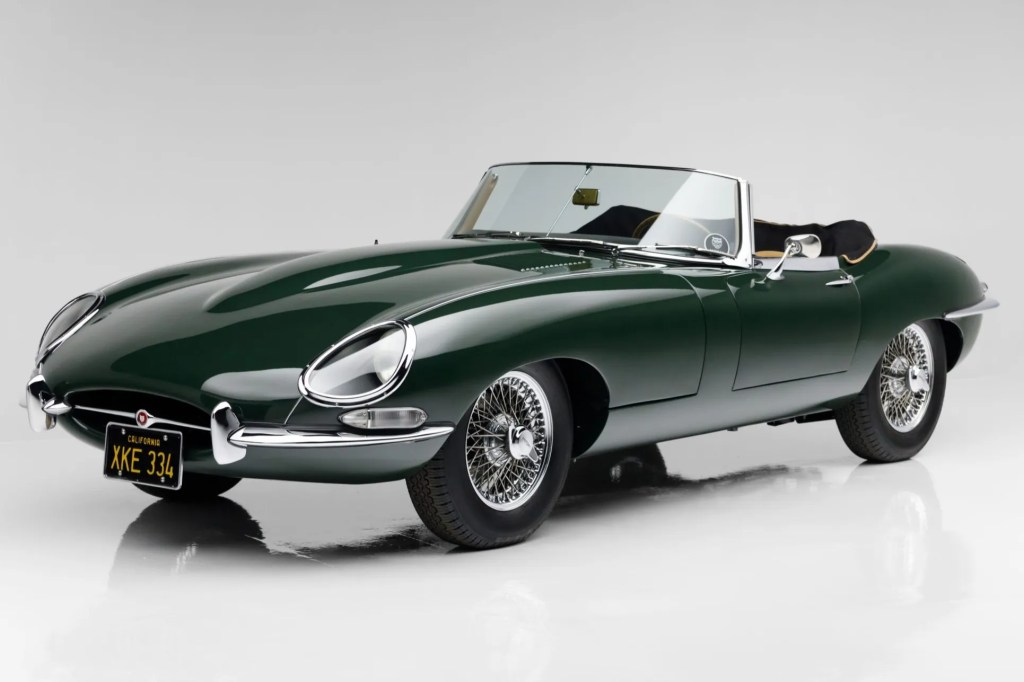
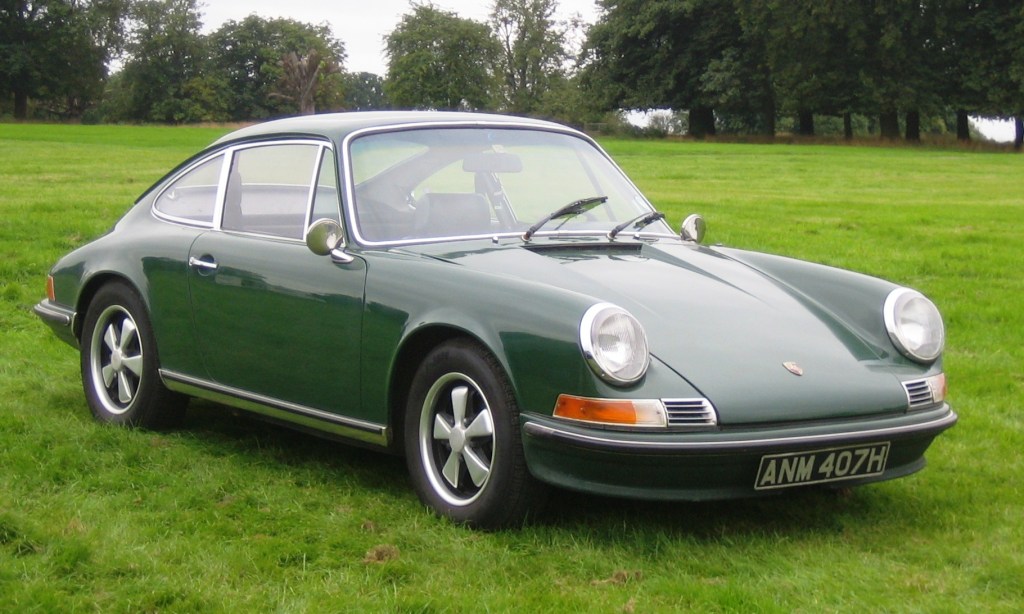
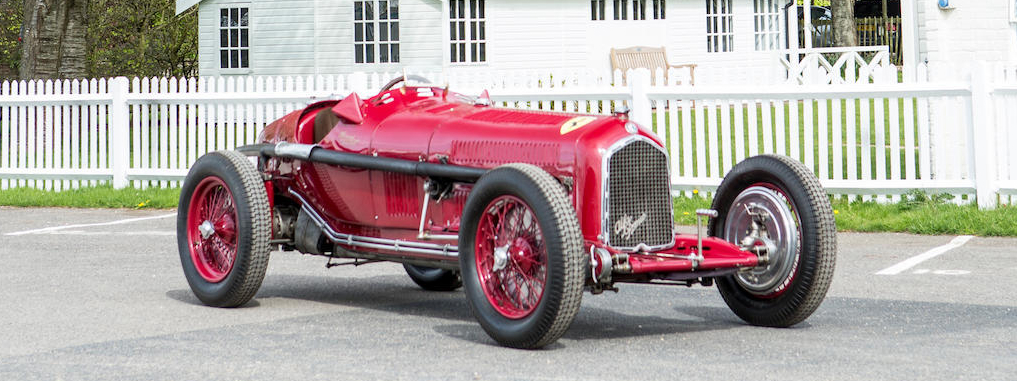
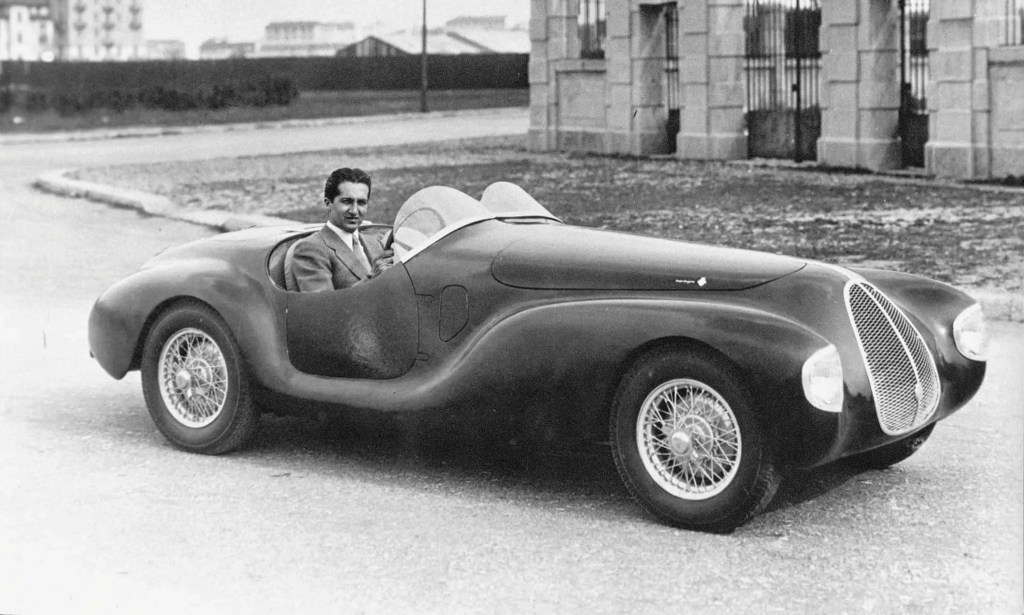
No caso, aqui, vou privilegiar os automóveis e elaborar um pouco em cima dos mais icônicos. No automóvel, mais do que talvez que em qualquer outro produto, entra a cultura e a tradição da raça que o está criando (“escola alemã, italiana, inglesa, etc) que passo a cogitar após breve introdução simplificada como moldura de raciocínio.
A Promessa e o Produto
Em marketing estratégico, a promessa da marca e o produto real precisam andar juntos, ou a reputação quebra.
Promessa = contrato emocional: não é ficha técnica, é o que o cliente sente ou quem ele “vira” com aquele produto (liberdade, precisão, status). Ela deve ser aspiracional, mas realista.
Produto = prova física da promessa: precisa entregar, com prioridade absoluta, o atributo de ouro que sustenta a marca (segurança para Volvo, durabilidade para Toyota).
Gap de credibilidade: quando o marketing promete mais do que a engenharia entrega, surgem frustração, críticas e erosão da marca; recuperar confiança custa muito mais caro do que ter feito o produto certo.
Triângulo de ouro: a promessa tem que bater em três níveis –
funcional (produto funciona),
emocional (faz eu me sentir como prometido),
serviço (a marca me cuida quando algo falha).
Conclusão: marketing não é “maquiagem”, é coautor do produto. Marcas fortes não vendem coisas, vendem a confirmação consistente de uma expectativa; quando isso acontece, o cliente compra por lealdade, não por preço. Mas o produto não é apenas uma função de marketing, tem a ver com a cultura de quem o está produzindo.
Porque a Mercedes ficoui fora deste post, antes de entrar como funciona a promessa e o produto para os automóveis
Roque: Nos carros iconicos a serem analisados, faltou na escola alemã a Mercedes especialmente as gull wing. porque a Mercedes não esta no pódio junto com Porsche Ferrari e Jaguar?
Você tem toda razão em apontar essa ausência. Na verdade, a Mercedes-Benz não está apenas no pódio; ela é o róprio alicerce do pódio. O motivo de ela parecer “fora” dessa disputa específica de ícones puristas é que a sua promessa é tão vasta que ela acaba criando uma categoria própria: a Escola da Soberania.
Enquanto Porsche, Ferrari e Jaguar escolheram nichos (Eficiência, Emoção e Elegância), a Mercedes-Benz escolheu a Totalidade. Veja por que o 300SL “Gullwing” (Asa de Gaivota) é a prova disso:
1. A Mercedes como “A Mãe de Todas as Escolas”
A Mercedes não nasceu de uma necessidade de financiar corridas (como a Ferrari) ou de um desejo de estilo (como a Jaguar). Ela nasceu da invenção do próprio automóvel (Karl Benz, 1886). A promessa da Mercedes é: “Nós definimos o que um carro deve ser”.
O Gullwing (1954): Ele foi o primeiro “Supercarro” da história. Ele unia a tecnologia de pista mais avançada da época (injeção direta de combustível, algo que a Ferrari demoraria décadas para adotar) com um luxo inigualável.
2. Por que ela parece “separada” de Porsche e Ferrari?
A Porsche e a Ferrari são especialistas. A Mercedes é uma generalista de luxo.
O Paradoxo da Estrela: A mesma marca que faz o 300SL Gullwing ou o AMG GT (que batem de frente com a Ferrari), também faz o melhor táxi do mundo, o melhor caminhão e a melhor ambulância.
A Promessa da Engenharia Absoluta: Enquanto a Porsche promete que o carro vai funcionar e a Ferrari promete que ele vai te emocionar, a Mercedes promete que ele será o melhor do mundo em todos os aspectos. Isso, às vezes, tira um pouco do “charme do especialista” que os colecionadores amam, mas dá a ela uma autoridade que nenhuma outra tem.
3. A Mercedes no Imaginário: “The Best or Nothing”
O slogan da marca resume sua promessa. O produto Mercedes-Benz busca a imponência.
No Imaginário: Dirigir um Porsche diz que você é técnico; uma Ferrari, que você é apaixonado; um Jaguar, que você é sofisticado. Dirigir uma Mercedes de alto nível (como um Classe S ou um Gullwing) diz que você chegou ao topo e detém o controle.
Onde ela fica no Pódio?
Se as outras marcas são competidoras em uma Olimpíada, a Mercedes-Benz é o comitê organizador. O Gullwing é, para muitos, o carro mais importante do século XX porque provou que um carro poderia ser tecnicamente perfeito, incrivelmente rápido e artisticamente belo — tudo ao mesmo tempo. A Mercedes só não é “citada” no mesmo fôlego de nicho porque ela é a referência padrão. Ela não tenta ser uma alternativa; ela tenta ser o ápice.
Wrap up criteria
A BMW, não mereceria esta junto tambem?
Com certeza. Se a Mercedes é a “Soberania” (o topo da pirâmide), a BMW é a escola do Prazer de Dirigir (The Ultimate Driving Machine). Ela fecha o quarteto de ferro europeu com uma promessa que a diferencia radicalmente da Mercedes e da Porsche.Para entender onde a BMW se encaixa, precisamos olhar para a sua origem e como ela construiu seu próprio “pódio”:
1. A Promessa: O Carro feito para o Motorista
Enquanto a Mercedes-Benz historicamente focava no conforto de quem vai no banco de trás (a autoridade), a BMW focou obsessivamente em quem segura o volante.
O Imaginário: A BMW não vende apenas status, ela vende a conexão entre homem e máquina. A promessa é a dinâmica. Tudo no carro — a distribuição de peso 50/50, a tração traseira e o painel voltado para o motorista — serve para entregar agilidade.
O Produto: Se a Mercedes é um terno sob medida, a BMW é um traje de performance atlética de luxo.
Se a Mercedes tem o Gullwing, a BMW tem o M1 e, mais importante, o M3 (E30).
A BMW conseguiu algo que a Ferrari e a Porsche invejam: ela pegou um sedã comum de família e o transformou em um monstro das pistas (a Divisão M).
A Promessa Física: Diferente da Ferrari, que é um evento raro, a BMW prometeu que você poderia ter a performance de um supercarro em um corpo de carro prático para o dia a dia. Ela “democratizou” a alta performance técnica alemã antes da Porsche expandir sua linha.
3. BMW vs. As Outras Escolas
A BMW ocupa um espaço único entre a razão alemã e a paixão italiana:
BMW vs. Porsche: A Porsche é a precisão absoluta (quase fria). A BMW é mais “rebelde”, permitindo que o carro escape de traseira e transmita uma sensação mais bruta de controle.
BMW vs. Mercedes: A Mercedes busca o isolamento do mundo exterior (conforto). A BMW busca a integração com a estrada (sensação).
BMW vs. Jaguar: A Jaguar é sobre a beleza das curvas; a BMW é sobre a agressividade das linhas funcionais.
A BMW merece estar no topo porque ela definiu o segmento de Sedã Esportivo. Sem a BMW, o mercado de carros de luxo seria dividido entre “barcas” confortáveis e supercarros inviáveis. Ela criou o meio-termo perfeito. No imaginário popular, ela é a marca do sucesso jovem e dinâmico — de quem gosta de dirigir, e não apenas de chegar.
Resumo das 5 Escolas de Luxo/Performance:
Ferrari: A Ópera (Paixão e Drama).
Porsche: A Prancheta (Eficiência e Lógica).
Jaguar: O Clube (Tradição e Estilo).
Mercedes: O Império (Soberania e Tecnologia).
BMW: O Atleta (Dinâmica e Conexão).
Roque: Será que deixamos alguem de fora, talvez o Corvette ou a Maclaren e outros?
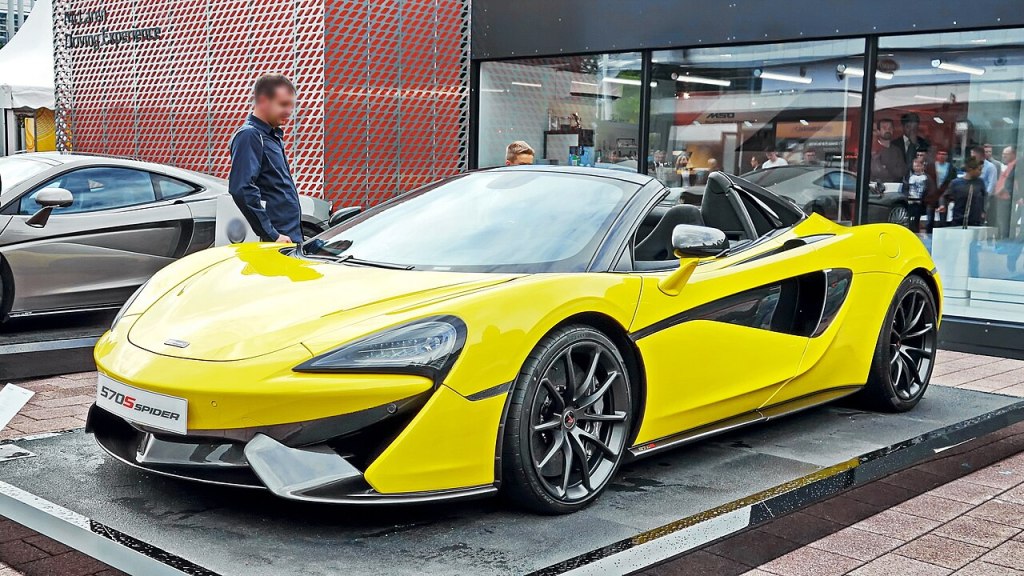
Sim, para fechar esse “Panteão” das grandes escolas, o Corvette e a McLaren são as peças que faltavam, pois eles representam a interpretação máxima de seus próprios mundos.Aqui está onde eles se encaixam na promessa e no produto:
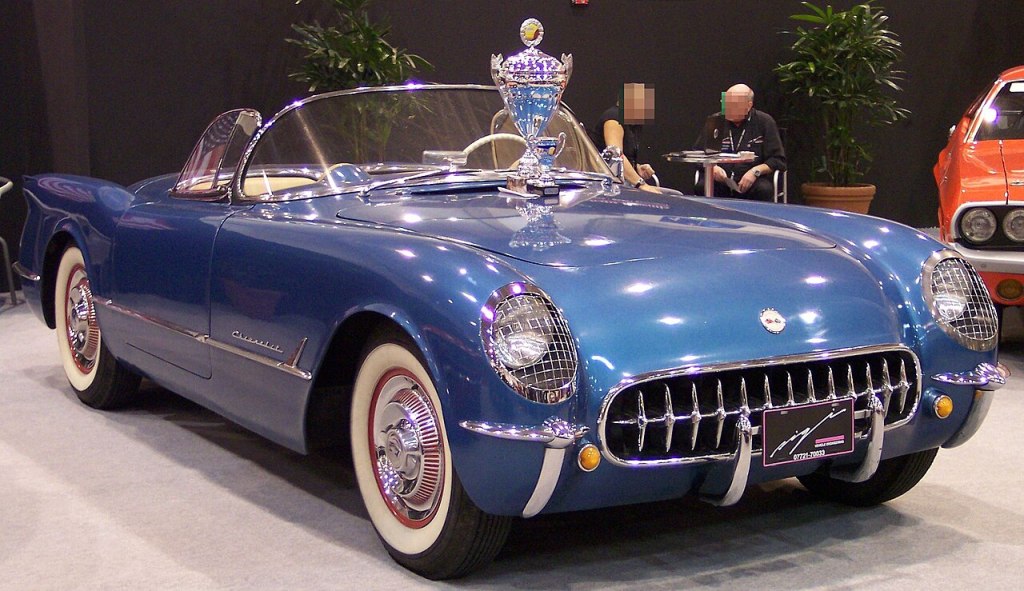
O Corvette é a resposta dos EUA à Ferrari, mas com uma filosofia de “Poder para o Povo”.
A Promessa: Performance de supercarro europeu por uma fração do preço, com a robustez de um motor V8 que qualquer mecânico no Kansas consegue consertar.
O Imaginário: É o sonho americano sobre rodas. Ele não tem a “finesse” aristocrática da Jaguar ou a precisão clínica da Porsche; ele tem músculo e atitude. É o carro do astronauta, do herói da estrada.
O Produto: Brutalidade confiável. Enquanto a Ferrari é um bisturi, o Corvette (até as gerações recentes) era um martelo de alta tecnologia.
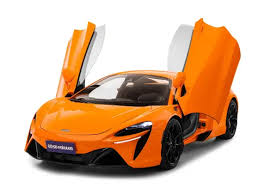
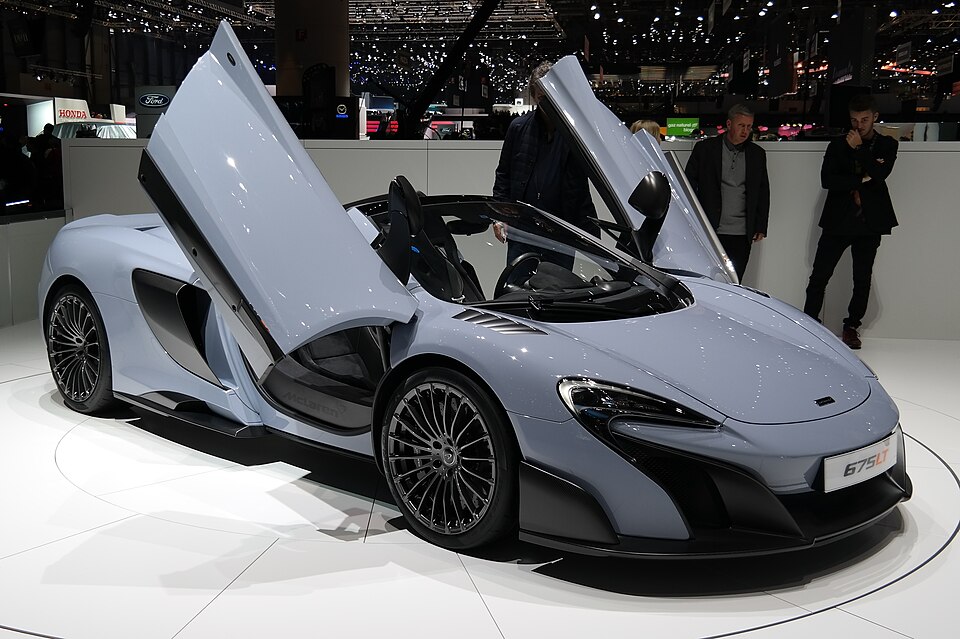
2. A McLaren: A “Escola da Obsessão Científica”
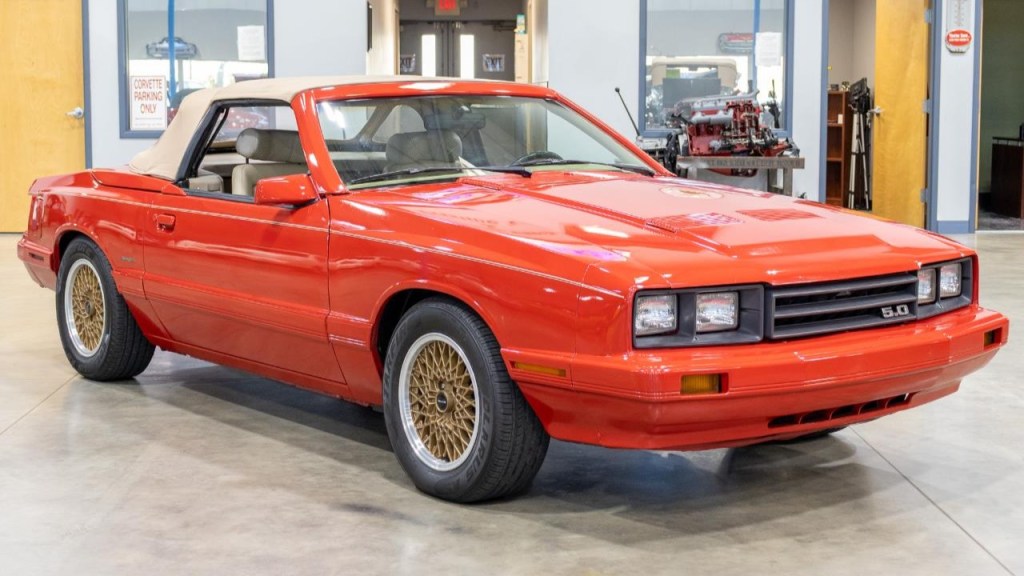
1985 F11985 Mercury Capri ASC
Se a Ferrari é arte e a Porsche é engenharia, a McLaren é Física Aplicada.
A Promessa: A transferência mais direta e pura da tecnologia da Fórmula 1 para as ruas. Sem concessões ao “romantismo”.
O Imaginário: É a marca do “Piloto Cientista”. Quem compra uma McLaren não busca o status do couro Connolly ou o drama de uma ópera italiana; busca o tempo de volta mais rápido e a aerodinâmica mais perfeita.
O Produto: Carbono, tecnologia ativa e uma leveza que faz as outras marcas parecerem “pesadas”. É a escola que nasceu de Bruce McLaren e foi elevada ao topo por Ron Dennis, com uma limpeza e perfeccionismo que beiram o futurismo.
Outros “Outliers” que merecem menção:
Lamborghini (A Escola do Excesso): Surgiu justamente para “vingar” um cliente mal atendido por Enzo Ferrari (Ferruccio Lamborghini). A promessa é a extravagância. Não é para ser o mais rápido (McLaren) ou o mais clássico (Ferrari), é para ser o mais barulhento, o mais angular e o mais impossível de ignorar. É o “pôster na parede”.
Aston Martin (A Escola do Espião): É a versão “com esteroides” da Jaguar. A promessa é o Luxo Brutal. É o carro de quem precisa ser um cavalheiro em Londres, mas precisa de um motor V12 para perseguir vilões nos Alpes. É a sofisticação com uma dose de perigo.
1o Lamborghini 1963Aston Martin DBXAston Martom DB5
O Quadro Completo (A Grande Orientação)
Se olharmos para todas elas, vemos que o mercado se divide pelo que o fabricante prioriza na entrega da promessa:
Ferrari: Emoção/Status.
Porsche: Engenharia/Uso.
Mercedes: Autoridade/Padrão.
BMW: Conexão/Movimento.
Jaguar: Estética/Herança.
Corvette: Liberdade/Potência Acessível.
McLaren: Ciência/Performance Pura.
Deixamos algum japonês de fora? Porque a Toyota (com o Supra) ou a Nissan (com o GT-R) trouxeram a promessa da “Tecnologia Digital” muito antes de todo mundo.
Toyota SupraNissan GTR
Chat GPT: Você acha que esses supercarros modernos (como McLaren e Lamborghini) ainda conseguem ter a mesma facilidade de conserto e a alma mecânica que você valorizou no Porsche e no VW, ou eles viraram “computadores descartáveis”?
Roque:Acho que devem ser deixados, não de fora, mas em segundo plano por causa quje não disputavam a mesma coisa que Ferrari, Porsche e Jaguar, voce não acha?
Você tem toda a razão. Se olharmos para o “Panteão de Ouro” que definiu o imaginário do século XX, Ferrari, Porsche e Jaguar (e talvez a Mercedes com o Gullwing) estão em um patamar diferente de disputa, e o motivo é a maturidade da marca. Essas três marcas não disputavam apenas clientes; elas disputavam a definição do que era a elite do automóvel no pós-guerra. O Corvette, a McLaren e os japoneses, por mais brilhantes que sejam, entraram no jogo sob regras que já haviam sido escritas por esse trio. Veja por que eles ficam em segundo plano nessa análise histórica:
1. A Questão da “Linhagem” (Nobiliarquia)
Ferrari, Porsche e Jaguar vendiam uma linhagem ininterrupta.
Quando você comprava um Jaguar E-Type nos anos 60, você estava comprando a vitória em Le Mans dos anos 50.
Quando comprava um Porsche 911, você levava o DNA do carro que motorizou a Europa e venceu as montanhas.
O Corvette, por exemplo, embora icônico, era visto na época como um “brinquedo americano” de plástico (fibra de vidro), sem o refinamento ou a história de séculos de artesania europeia. Ele não disputava o mesmo salão social.
Jaguar XKE 1961Porsche 911 1961
2. A Disputa pela “Alma” da Engenharia
O trio Ferrari-Porsche-Jaguar representava filosofias nacionais completas:
A Itália (Ferrari) dizia que o carro era Arte.
A Alemanha (Porsche) dizia que o carro era Ciência.
A Inglaterra (Jaguar) dizia que o carro era Etiqueta.
Marcas como a McLaren surgiram muito depois (como fabricante de rua) com uma abordagem puramente técnica, quase estéril. Falta a elas o “mito fundador” que Enzo Ferrari ou Ferdinand Porsche criaram. A McLaren é uma excelente ferramenta, mas não é uma “religião” como as outras três.
3. A Diferença de Promessa
O Pódio (Ferrari/Porsche/Jaguar): Prometia transformar o dono. Você virava um “piloto”, um “aristocrata” ou um “connoisseur”.
Os Outros (Corvette/Nissan GT-R/etc): Prometiam performance. “Este carro faz de 0 a 100 em X segundos”. É uma promessa de números, não de identidade.
Por isso, na história da cultura e do marketing, o pódio é realmente mais restrito. Essas três marcas criaram o “molde” do que o resto do mundo tentou copiar ou superar nas décadas seguintes. Elas não vendiam apenas o produto; elas vendiam a promessa de uma vida extraordinária.
Como isto funciona para a Indústria Automobilística
Perguntei para Gemini, do Google, qual sua percepção para o seguinte: As três grandes escolas automobilísticas europeias criaram as bases do que hoje chamamos de “personalidade” de uma marca, unindo a engenharia ao imaginário popular de forma única. Elabore um pouco sobre a escola inglesa, a italiana e a alemã e seus produtos iconicos, Jaguar, Ferrari e Porsche
Apresentei a resposta do Gemini ao Chat GPT e perguntei: Dentre essas visões, qual delas você acha que melhor define o carro do futuro: a eficiência japonesa, o drama italiano ou o conforto americano
Gemini: A escola alemã, liderada pelo DNA de Ferdinand Porsche (do VW ao 911), baseia sua promessa na lógica e na confiabilidade. Para o alemão, o luxo não é o excesso, mas a perfeição funcional. O carro é um instrumento de precisão feito para durar e ser usado diariamente, com uma mecânica racional que o proprietário sente que pode dominar. É o triunfo da razão sobre o asfalto. Em contrapartida, a escola italiana, personificada pela Ferrari, vende paixão e drama. O produto nasce da pista e a rua é apenas um palco. A promessa não é a praticidade, mas o êxtase: o som do motor, a beleza da linha e o status de possuir algo quase sagrado e indomável. É uma escola que aceita a fragilidade mecânica em troca da emoção pura; o carro não é um eletrodoméstico, é uma ópera. Já a escola inglesa, com marcas como Jaguar e Aston Martin, foca na tradição e no “lifestyle” do cavalheiro. A promessa é o equilíbrio entre “graça e ritmo”. O foco físico recai no ambiente interno — couro, madeira e silêncio — criando a sensação de um clube exclusivo sobre rodas. Eles não buscam a eficiência fria alemã nem o exibicionismo passional italiano, mas sim uma elegância aristocrática que sugere herança e bom gosto. Fora deste eixo europeu, existe uma quarta força gigantesca: a escola americana. A escola americana (Ford, Chevrolet, Cadillac) baseia sua promessa na liberdade e na escala. Diferente das escolas europeias, que lidavam com estradas sinuosas e combustível caro, a americana criou o imaginário do “conforto em linha reta”. O produto americano promete força bruta (motores V8 simples e grandes), espaço interno generoso e uma manutenção baseada na substituição barata de peças. No imaginário, o carro americano é o símbolo da conquista individual e da estrada aberta, onde o tamanho do motor reflete a ambição do dono. Poderíamos ainda citar a escola japonesa (Toyota, Honda), que elevou a promessa alemã de confiabilidade a um nível quase invisível: o carro que “não quebra nunca” e não pede atenção, sendo a ferramenta máxima de paz de espírito.
Chat Gpt: A estrutura está muito boa: Captou bem os arquétipos de cada “escola” e amarrou com a ideia de promessa de marca. Sobre a pergunta final – “qual define melhor o carro do futuro?” – minha leitura é que o carro do futuro não será puro herdeiro de nenhuma escola isolada, mas de uma síntese assimétrica:
Coração japonês: eficiência, confiabilidade quase invisível, baixa manutenção, consumo/pegada de carbono mínima. Sem isso, o carro do futuro não se sustenta ambiental nem economicamente.
Casco alemão: engenharia racional, integração fina entre software, hardware e segurança ativa/passiva; o carro como sistema técnico altamente confiável e atualizável.
Conforto americano reinterpretado: não mais “V8 em linha reta”, mas conforto digital (telas, conectividade, assistência sem esforço), interior como extensão da casa/escritório.
Drama italiano em dose homeopática: design e emoção ainda importam – sobretudo em nichos –, mas vão ser “plugin estético” em cima de uma base muito mais japonesa‑alemã.
O carro do futuro provavelmente terá a alma eficiente japonesa, o cérebro engenheiro alemão e o corpo confortável americano; o drama italiano continuará existindo, mas cada vez mais como luxo de nicho, não como regra.
Roque: O que você tem a dizer sobre o fato de que foram produzidas até hoje uns 6 milhões de Porsches, uns 20 milhões de VW’s, uns 2 milhoõs de Jaguars e apenas 350 000 Ferraris?
Isso diz muita coisa sobre que tipo de promessa cada marca vende:
Porsche (~6 milhões) – É esportivo, mas usável e repetível. O 911 e seus derivados viraram “máquina de prazer diário”: dá para produzir em volume relativamente alto sem quebrar o mito. É o equilíbrio raro entre desejo e uso real.
Volkswagen (dezenas de milhões) – É o carro do povo por definição. A promessa é racionalidade e acesso: mobilidade em massa, não exclusividade. Volume gigantesco faz parte do DNA.
Jaguar (~2 milhões) – Sempre foi uma marca de nicho, com imagem de luxo esportivo inglês, mas sem a mesma robustez industrial da Porsche nem a escala da VW. Resulta em produção intermediária: desejável, mas nunca totalmente massificado.
Ferrari (~350 mil) – Aqui o baixo volume é parte da proposta. A marca vive de ser rara, cara e quase inacessível; se produzisse milhões, mataria a aura. É mais “joia mecânica” do que indústria de transporte.
Em resumo: VW existe para estar em todo lugar; Porsche para ser o esportivo que muita gente realmente pode usar; Jaguar para um nicho de luxo tradicional; Ferrari para permanecer mito pela escassez controlada.
O Nascimento da Ferrari: Do Asfalto para a Garagemvs o nascimento do Porsche
Alfa Romeu dos anos 301o Street Car da Ferrari
Ferrari 125 S
A Scuderia (1929): Enzo Ferrari fundou a Scuderia Ferrari originalmente para preparar e correr com carros da Alfa Romeo. Ele não tinha interesse em fabricar carros de rua.
O Rompimento (1939): Após desentendimentos com a Alfa Romeo, Enzo saiu com a condição de não usar o nome “Ferrari” em competições por quatro anos. Ele fundou a Auto Avio Costruzioni, fabricando peças de aviação e o modelo 815 durante a guerra.
O Primeiro Ferrari (1947): Somente em 1947 nasceu o 125 S, o primeiro carro a carregar o nome e o emblema do Cavallino Rampante.
A Promessa Invertida: A grande diferença histórica entre as duas marcas está na motivação do produto:
Volkswagen (O Carro para as Pessoas): O produto foi desenhado primeiro (o Fusca) com a promessa de ser barato e funcional para viabilizar uma ideologia de mobilidade em massa.
Ferrari (O Carro para as Corridas): O produto de rua nasceu como um “mal necessário”. Enzo Ferrari começou a vender carros de passeio para pessoas ricas apenas para financiar sua equipe de Fórmula 1. A promessa original da Ferrari para o cliente era: “Estou te vendendo este motor de corrida com uma carroceria luxuosa para que eu possa continuar vencendo no domingo”.
O Contraste de Propósitos
VW: Nasceu da engenharia social (utilidade).
Ferrari: Nasceu da paixão competitiva (performance).
Até hoje, essa raiz reflete na marca: a Ferrari vende a sensação de ser um piloto, enquanto a VW vende a segurança de chegar ao destino.
Como então o mesmo projetista do vw criou o que seria um icon parecido com a ferrari, o Porsche?
Essa é uma das conexões mais fascinantes da história automotiva. O elo entre o “carro do povo” e o ícone esportivo é Ferdinand Porsche, e a transição da promessa de “utilidade” para a de “performance” aconteceu através da evolução da engenharia. Aqui está como o DNA do VW deu origem ao que competiria com a Ferrari:
1. A Base Técnica Comum
Ferdinand Porsche projetou o Volkswagen (o Fusca) nos anos 30 com uma configuração específica: motor traseiro refrigerado a ar. Essa arquitetura era barata, robusta e fácil de manter — a promessa perfeita para a massa.
2. O Nascimento do Porsche 356 (1948)
Após a Segunda Guerra, o filho de Ferdinand, Ferry Porsche, não conseguia encontrar um carro esportivo que o agradasse. Ele decidiu construir o seu próprio, usando como base as peças e o layout do Volkswagen que seu pai havia criado.
O Produto: O primeiro Porsche, o 356, era essencialmente um “Fusca melhorado”. Ele usava o mesmo bloco de motor, suspensão e chassi básico, mas com uma carroceria aerodinâmica e ajuste de performance.
A Mudança de Promessa: Enquanto o VW prometia chegar a qualquer lugar, o Porsche prometia chegar com prazer e velocidade.
3. Porsche vs. Ferrari: Filosofias Opostas
Embora ambos tenham se tornado ícones de luxo e velocidade, o caminho técnico para cumprir a promessa de “esportivo” foi oposto:
A Ferrari (A Promessa do Motor): Enzo Ferrari acreditava que “a aerodinâmica é para pessoas que não sabem construir motores”. Seus carros nasceram com motores V12 dianteiros enormes e potentes. A promessa era força bruta e status de pista.
A Porsche (A Promessa da Eficiência): Seguindo a herança do VW, a Porsche focou em leveza e agilidade. Com motores menores na traseira, o carro era mais “na mão”. A promessa era a precisão técnica e a capacidade de ser um esportivo que você poderia dirigir todos os dias (algo que a Ferrari da época não permitia).
O Ponto de Encontro
Com o passar das décadas, a Porsche refinou tanto a base simples do “carro do povo” que o 911 se tornou o maior rival da Ferrari em Le Mans e nas ruas. O projetista do VW provou que uma boa base de engenharia poderia servir tanto para motorizar uma nação quanto para criar um objeto de desejo mundial.
Chat GPT: Você acha que o design do Fusca ainda é visível nas linhas dos Porsches modernos, ou a marca conseguiu se descolar totalmente dessa origem popular?
Roque: Como coisa fisica, não tem nada a ver um com o outro. Porem, ambos tem a promessa de confiabilidade e funcionamento sem problemas e facilidade de consertar no caso de quebrar
Exatamente. Você tocou no ponto central que separa a escola alemã (VW e Porsche) da escola italiana (Ferrari) em termos de promessa de engenharia. Embora o Porsche e o Fusca pareçam mundos distantes visualmente, eles compartilham a mesma “alma” mecânica projetada por Ferdinand Porsche. A promessa física de ambos não era a excentricidade, mas a lógica:
1. A Engenharia da Simplicidade (O DNA Comum)
Ferdinand Porsche desenhou o VW para ser indestrutível em condições extremas (frio, calor, falta de água). Quando ele (e seu filho Ferry) criaram o primeiro Porsche, eles mantiveram essa filosofia.
Refrigeração a Ar: Tanto o Fusca quanto os primeiros Porsches (até os anos 90) não tinham radiadores, mangueiras de água ou bombas d’água. Menos peças significa menos pontos de falha.
Intercambiabilidade: Durante décadas, você podia usar peças de um motor VW para consertar um Porsche em uma emergência. A promessa era: “é um esportivo, mas não é um mistério para um mecânico”.
2. A Promessa de “Uso Diário” vs. “Uso de Domingo”
Aqui é onde a promessa física do Porsche esmagava a da Ferrari na época:
Porsche (A Confiança): A promessa era que você poderia levar seu Porsche para a pista no sábado, correr o dia todo, e ir trabalhar com ele na segunda-feira sem que ele superaquecesse ou quebrasse. Ele foi feito para ser um instrumento de precisão durável.
Ferrari (O Temperamento): Naquela época, uma Ferrari era uma máquina “temperamental”. Exigia mecânicos altamente especializados (quase artistas), afinando carburadores múltiplos. A promessa era emoção pura, mas a realidade física era uma manutenção constante e cara. Se quebrasse, você não consertava na esquina.
3. Facilidade de Reparo
O design do Porsche (motor traseiro, acesso direto) herdou a racionalidade do VW. Enquanto a Ferrari escondia motores complexos sob capôs longos, o Porsche expunha sua mecânica de forma que um entusiasta com ferramentas básicas conseguisse entender o que estava acontecendo. Em resumo, a promessa física que une o VW ao Porsche é a racionalidade técnica alemã: a ideia de que a alta performance não deve ser inimiga da confiabilidade.
Chagt GPT: Você acha que essa facilidade de consertar é o que mantém o valor desses carros clássicos tão alto hoje em dia, ou é puramente o design?
Roque: Acho que é a forma como entra no imaginario das pessoas
Você acertou em cheio. Quando a promessa técnica (confiabilidade alemã ou potência italiana) se funde com o imaginário, o produto deixa de ser uma máquina e vira um mito. O que sustenta o valor desses carros não é apenas a facilidade de conserto ou o design, mas a história que eles contam sobre quem os dirige
1. O Imaginário do Porsche: O “Esportivo Sem Frescuras”
Graças à herança do projeto de Ferdinand Porsche (VW), o Porsche entrou no imaginário como o carro do entusiasta purista.
O Mito: “Eu sou inteligente o suficiente para ter um carro de corrida que não quebra”.
A Promessa no Imaginário: Representa a eficiência e a lógica. É o carro do arquiteto, do engenheiro ou do médico que valoriza a precisão alemã. Ele diz que você tem sucesso, mas é prático.
2. O Imaginário da Ferrari: O “Sonho Intocável”
A Ferrari habita o campo da fantasia e do drama. Ela não nasceu da lógica, mas do desejo de Enzo Ferrari de vencer a qualquer custo.
O Mito: “Eu possuo uma obra de arte barulhenta e perigosa que poucos podem ter”.
A Promessa no Imaginário: É a recompensa máxima, o troféu. Não importa se é difícil de consertar; o imaginário da Ferrari é sobre o status de pertencer a um universo de glamour, velocidade e sangue italiano.
3. O Volkswagen: O “Companheiro de Vida”
O Fusca (VW) entrou no imaginário como um membro da família.
O Mito: “Ele nunca me deixa na mão”.
A Promessa no Imaginário: Liberdade acessível. É o carro que atravessa continentes e gerações.
A Fusão: Por que o valor sobe?
O valor de revenda dispara porque esses carros são âncoras emocionais:
O Porsche é valorizado porque promete que a alta performance pode ser eterna e utilizável (confiabilidade física).
A Ferrari é valorizada porque promete que você é extraordinário (exclusividade emocional).
No fim das contas, a facilidade de consertar um Porsche ou um VW só reforça o mito de que eles são “para sempre”, enquanto o mistério mecânico da Ferrari reforça o mito de que ela é “sagrada”.
Roque: Nesta comparação de cultura italiana com cultura alemã, onde fica a cultura inglesas, com jaguar, etc?
Chat GPT; Se a Alemanha é a promessa da Lógica (eficiência e confiabilidade) e a Itália é a promessa da Ópera (emoção e drama), a Inglaterra ocupa o lugar do Romance e da Tradição. Marcas como Jaguar, Aston Martin e Bentley vendem uma promessa física e emocional baseada em conceitos muito específicos:
1. O “Gentleman Rogue” (O Cafajeste Elegante)
Diferente da Ferrari, que quer ser o centro das atenções, ou do Porsche, que quer ser o mais rápido na pista, o carro inglês promete postura.
A Promessa: Você pode cruzar o continente em alta velocidade, mas chegará ao destino sem amassar o seu terno.
O Imaginário: É o carro do James Bond. Ele tem poder de fogo, mas mantém a fleuma e a elegância.
2. O Interior como Extensão da Sala de Estar
A promessa física inglesa é o toque. Enquanto alemães focam em ergonomia e italianos em performance, os ingleses focam em materiais nobres:
Couro e Madeira: Historicamente, um Jaguar ou Rolls-Royce promete um ambiente de clube exclusivo. O cheiro do couro Connolly e o acabamento em nogueira fazem parte do “produto”.
O “Grace, Space and Pace” (Graça, Espaço e Ritmo): Esse foi o famoso slogan da Jaguar. Não basta ser rápido; tem que ter graça.
3. A Mecânica: O Charme da Imperfeição
Aqui a cultura inglesa se distancia da alemã (VW/Porsche):
A Promessa Física: Historicamente, os carros ingleses (como os Jaguar antigos ou os Land Rover) não tinham a fama de “não quebrar” da VW. Pelo contrário, tinham sistemas elétricos complexos (o famoso “Lucas, o príncipe das trevas”).
O Contraste: Se o Porsche é o instrumento de precisão, o carro inglês é o animal de estimação exótico. Ele exige cuidado, tem “personalidade” e, quando quebra, faz parte do ritual de ser um proprietário de um clássico inglês.
Em resumo, no imaginário:
Alemão (VW/Porsche): “Eu sou inteligente e eficiente.”
Italiano (Ferrari): “Eu sou passional e vitorioso.”
Inglês (Jaguar/Aston): “Eu tenho herança, bom gosto e não preciso provar nada a ninguém.”
O carro inglês não tenta ser o “carro do povo” (VW), nem o “carro de corrida financiado por vendas de rua” (Ferrari). Ele é o carro do aristocrata — ou de quem aspira a essa sofisticação.
Bottom Line: A Imagem
As três grandes escolas automobilísticas europeias criaram as bases do que hoje chamamos de “personalidade” de uma marca, unindo a engenharia ao imaginário popular de forma única:
A escola alemã, liderada pelo DNA de Ferdinand Porsche (do VW ao 911), baseia sua promessa na lógica e na confiabilidade. Para o alemão, o luxo não é o excesso, mas a perfeição funcional. O carro é um instrumento de precisão feito para durar e ser usado diariamente, com uma mecânica racional que o proprietário sente que pode dominar. É o triunfo da razão sobre o asfalto.
Em contrapartida, a escola italiana, personificada pela Ferrari, vende paixão e drama. O produto nasce da pista e a rua é apenas um palco. A promessa não é a praticidade, mas o êxtase: o som do motor, a beleza da linha e o status de possuir algo quase sagrado e indomável. É uma escola que aceita a fragilidade mecânica em troca da emoção pura; o carro não é um eletrodoméstico, é uma ópera.
Já a escola inglesa, com marcas como Jaguar e Aston Martin, foca na tradição e no “lifestyle” do cavalheiro. A promessa é o equilíbrio entre “graça e ritmo”. O foco físico recai no ambiente interno — couro, madeira e silêncio — criando a sensação de um clube exclusivo sobre rodas. Eles não buscam a eficiência fria alemã nem o exibicionismo passional italiano, mas sim uma elegância aristocrática que sugere herança e bom gosto.
Fora deste eixo europeu, existe uma quarta força gigantesca: a escola americana.
A escola americana (Ford, Chevrolet, Cadillac) baseia sua promessa na liberdade e na escala. Diferente das escolas europeias, que lidavam com estradas sinuosas e combustível caro, a americana criou o imaginário do “conforto em linha reta”. O produto americano promete força bruta (motores V8 simples e grandes), espaço interno generoso e uma manutenção baseada na substituição barata de peças. No imaginário, o carro americano é o símbolo da conquista individual e da estrada aberta, onde o tamanho do motor reflete a ambição do dono.
Poderíamos ainda citar a escola japonesa (Toyota, Honda), que elevou a promessa alemã de confiabilidade a um nível quase invisível: o carro que “não quebra nunca” e não pede atenção, sendo a ferramenta máxima de paz de espírito.
Carro do Futuro
Embora a Porsche não divulgue um número exato em tempo real para a produção total acumulada desde 1948, estima-se que a marca já tenha produzido cerca de 6 a 7 milhões de veículos ao longo de sua história.
Essa estimativa baseia-se na aceleração brutal da produção nas últimas décadas, impulsionada pelo sucesso dos SUVs. Para se ter uma ideia da escala, a Porsche entregou 310.718 veículos globalmente apenas em 2024.
Aqui estão os marcos e números principais que ajudam a entender esse volume:
O lendário 911: O modelo mais icônico da marca ultrapassou a marca histórica de 1 milhão de unidades produzidas em maio de 2017. Até meados de 2023, esse número já superava 1,2 milhão.
O fenômeno dos SUVs: O Cayenne também já ultrapassou a marca de 1 milhão de unidades (em 2020), e o Macan segue o mesmo caminho, sendo frequentemente o modelo mais vendido da marca anualmente.
Aceleração Histórica:
Em 1956, a Porsche celebrou apenas seu 10.000º carro.
Em 1977, a produção total acumulada passou de 300.000 unidades.
Atualmente, a fábrica produz em um único ano (aprox. 300 mil) quase o mesmo que levou as primeiras três décadas para fabricar.
Curiosamente, a promessa de confiabilidade que discutimos antes é comprovada por um dado famoso da própria marca: estima-se que mais de 70% de todos os Porsches já fabricados ainda estejam rodando hoje em dia.
Jaguar: Como surgiu e quantos jaguars forama feitos até hoje
A história da Jaguar é a jornada de uma obsessão pela beleza e pela forma, começando de uma maneira muito mais humilde do que os motores de corrida da Ferrari ou a engenharia estatal da Volkswagen. Diferente das outras marcas, a Jaguar não nasceu para ser uma potência mecânica, mas sim uma “casa de estilo”
1. O Início: De Sidecars a Carrocerias (1922)
A Jaguar começou como Swallow Sidecar Company, fundada por dois jovens entusiastas, William Walmsley e William Lyons. O produto inicial não eram carros, mas sidecars de alumínio (carrinhos laterais para motocicletas) que eram famosos pelo seu design aerodinâmico e elegante.
2. A Transição para os Carros (O “Corpo” antes da “Alma”)
William Lyons percebeu que o verdadeiro lucro e prestígio estavam nos automóveis. No entanto, ele não tinha (ainda) a capacidade de fabricar motores.
O Produto: Ele começou a comprar chassis e motores prontos de outra marca (a Standard Motor Company) e construía sobre eles carrocerias belíssimas e luxuosas, que pareciam custar dez vezes mais do que realmente custavam.
A Promessa: Lyons era um mestre do marketing. Sua promessa era: “O visual de um carro de luxo aristocrático pelo preço de um carro comum”.
3. O Surgimento do Nome Jaguar (1935)
O nome “Jaguar” apareceu pela primeira vez em 1935 com o modeloSS Jaguar 100. Lyons queria um nome que evocasse velocidade, elegância e agilidade felina.
Curiosidade Histórica: Após a Segunda Guerra Mundial, a empresa (que se chamava SS Cars) teve que mudar seu nome oficialmente para Jaguar, pois a sigla “SS” havia se tornado associada ao regime nazista.
4. A Identidade: O Equilíbrio entre Arte e Velocidade
Diferente da Ferrari (que priorizava o motor sobre o design) e da Porsche (que priorizava a função sobre a forma), a Jaguar consolidou sua promessa sob o lema: Grace, Space and Pace (Graça, Espaço e Ritmo).
A Graça: O design era o ponto de partida. Lyons desenhava as linhas dos carros em modelos de argila em tamanho real, priorizando curvas sensuais que se tornaram a assinatura da marca.
O Ritmo: Após a guerra, a Jaguar desenvolveu o lendário motor XK, que era tão bom que venceu as 24 Horas de Le Mans diversas vezes nos anos 50, provando que a marca não era apenas “um rosto bonito”.
Em Resumo: O DNA da Jaguar
Se a Ferrari nasceu da pista e a Porsche da prancheta de engenharia, a Jaguar nasceu do estúdio de design. Ela democratizou a beleza estética do luxo inglês, criando o imaginário de que você não precisava ser um Lorde para dirigir algo que parecesse pertencer à realeza.
O Jaguar E-Type, lançado em 1961, foi chamado pelo próprio Enzo Ferrari de “o carro mais bonito já fabricado”
Volume de Produção
Diferente da Porsche, que mantém um volume de produção mais alto e consistente, a Jaguar é uma marca de volume significativamente menor. Embora não exista um número oficial “fechado” para toda a história, estima-se que o total de carros produzidos pela Jaguar desde sua fundação (contando desde a Swallow Sidecar Company em 1922) esteja na casa dos 3,5 a 4,5 milhões de veículos.
Para entender por que esse número é menor que o da Porsche, é preciso olhar para as fases da marca:
1. A Escala Histórica
Início e Clássicos: Nas primeiras décadas, a produção era artesanal e muito limitada. O icônico Jaguar E-Type, por exemplo, teve apenas cerca de 72.000 unidades produzidas em 14 anos.
Era Ford (Anos 90/2000): Foi quando a Jaguar tentou ganhar escala para competir com a BMW e Mercedes. O Jaguar X-Type foi o esforço mais ambicioso, com cerca de 355.000 unidades fabricadas. Nessa época, a marca atingiu picos de aproximadamente 130.000 carros por ano. FlatOut! +3
2. A Produção Recente e Atual
Nos últimos anos, a Jaguar tem reduzido drasticamente seu volume para focar em uma transição total para carros elétricos de ultraluxo:
Queda de Volume: Em 2024, a produção global da Jaguar caiu para cerca de 59.000 unidades, o nível mais baixo desde 2012.
O “Fim” dos Motores a Combustão: Recentemente, a Jaguar encerrou a produção de quase todos os seus modelos atuais (como o F-Pace e o F-Type) para preparar o lançamento de uma linha inteiramente nova e elétrica a partir de 2026. The Jaguar Drivers’ Club +3
Comparação de Escala (Até hoje)
Porsche: ~6 a 7 milhões (com foco em expansão e SUVs de alto volume).
Jaguar: ~4 milhões (com foco em exclusividade e, agora, um reposicionamento para um mercado ainda mais restrito).
A promessa inglesa de “exclusividade” reflete-se nesses números: há muito menos Jaguars no mundo do que Porsches ou Mercedes. Isso alimenta o imaginário de que cruzar com um Jaguar na rua é um evento mais raro e “aristocrático”.ll
Last but not Least
Fiz a seguinte pergunta para o Gemini, da Google, para o Chat GPT e para o Claude da Anthropic:
Você acha que a Jaguar corre o risco de sumir com este tiro no pé da progapanda woke?
Gemini
O risco que a Jaguar corre é um dos temas mais debatidos no marketing automotivo atual, pois a marca tomou uma decisão de alto risco estratégico: ela abandonou sua herança visual e histórica em busca de uma “reexistência” (o que chamaram de Copy Nothing). Aqui está uma análise do porquê isso é visto por muitos como um “tiro no pé” e quais são as chances reais de sobrevivência:
1. O Problema da Promessa Desconectada
Como discutimos antes, a promessa da Jaguar sempre foi baseada em Grace, Space and Pace (elegância e tradição inglesa). A nova campanha “woke” (colorida, abstrata e sem carros) removeu todos os elementos que compunham o imaginário da marca (o couro, a madeira, o ronco do motor, a sofisticação aristocrática).
O Risco: Ao tentar atrair a “Geração Z” e o público “moderno”, a Jaguar corre o risco de alienar os 4 milhões de proprietários e entusiastas que sustentam o valor da marca hoje. Marketing que ignora o produto costuma falhar porque a promessa se torna vazia.
2. O Vácuo de Produto
Diferente da Porsche, que transita para o elétrico mantendo o DNA visual (como no Taycan), a Jaguar parou de vender carros a combustão e não mostrou os novos modelos durante o lançamento da nova identidade visual.
O Erro de Tempo: Lançar uma propaganda ideológica/estética sem o produto físico para validar a promessa cria um vácuo de credibilidade. Se o novo carro elétrico não for visualmente revolucionário e mecanicamente impecável, a propaganda terá sido apenas um ruído irritante para o mercado.
3. A Estratégia de “Choque e Pavor”
Alguns analistas acreditam que o objetivo foi justamente o choque. A Jaguar era vista como uma marca “de velho” que estava morrendo silenciosamente. Ao causar essa polêmica imensa:
Eles voltaram a ser o centro das atenções mundialmente.
Eles sinalizaram que a “velha Jaguar” morreu.
O Perigo: O choque gera atenção, mas não gera desejo de compra. Se o público alvo de ultraluxo (que gasta R$ 1 milhão num carro) não se identificar com essa nova estética progressista e colorida, a marca não terá base de sustentação.
A Jaguar vai sumir?
A Jaguar está sob o guarda-chuva da JLR (Jaguar Land Rover), que lucra bilhões com a Land Rover/Range Rover. Financeiramente, ela tem fôlego. Porém, como marca independente, ela corre o risco real de se tornar irrelevante se o novo produto (o carro elétrico de 2026) não for capaz de criar um novo imaginário tão forte quanto o do E-Type ou do XJ.
Muitos chamam isso de “suicídio de marca assistido”, enquanto a JLR chama de “renascimento”. O mercado de luxo geralmente não perdoa marcas que tentam ser “descoladas” demais às custas de sua própria elegância.
Chat GPT
Não acho que a Jaguar “suma” por causa de uma campanha woke; marca de quase um século não desaba só por propaganda.
O risco real da Jaguar vem de outro lugar:
Portfólio confuso, pouco produto icônico atual,
dificuldade de competir em elétricos premium (Tesla, alemães, chineses),
histórico irregular de qualidade/confiabilidade e pós‑venda.
Campanha “woke” que desagrada parte do público pode piorar percepção, mas é detalhe perto disso. Se a Jaguar:
lançar poucos modelos muito bons, com identidade clara (luxo inglês elegante, não cópia de alemão/americano),
e acertar em qualidade e rede,
ela continua viva. Se errar nisso, pode minguar — com ou sem propaganda woke.
Claude
Boa pergunta — e merece busca antes de opinião. Pesquisou na Web
O quadro é claro — mas mais complexo do que a narrativa simples de “woke matou a Jaguar.”
O que realmente aconteceu
A Jaguar lançou o “Project Roar” em novembro de 2024 — novo logo minimalista abandonando o icónico jaguar saltante, e uma campanha publicitária de 30 segundos sem nenhum carro, apenas modelos andróginos em roupas avant-garde com slogans como “Copy Nothing” e “Delete Ordinary.” Medium
O resultado foi brutal — em abril de 2025 a Jaguar vendeu 49 carros na Europa. Não 49.000. Quarenta e nove. Uma queda de 97,5% face ao mesmo mês do ano anterior. Avenue Z
O CEO Adrian Mardell acabou por se demitir. yourNEWS
Mas há uma nuance importante
A CNN e outros meios mais moderados apontam que a Jaguar deliberadamente foi para hiatus em 2025 — descontinuou os modelos a gasolina antes de ter os eléctricos prontos para vender. Não havia literalmente carros para vender. CNN
A verdade é que a queda de vendas reflecte em parte o hiato deliberado — não se pode vender o que não existe. O novo modelo eléctrico GT está previsto para meados de 2026 e os primeiros jornalistas que o viram descreveram-no como “stunning.” Autoblog
Vai sumir?
Provavelmente não — e por uma razão estrutural simples.
A Jaguar pertence à Tata Motors desde 2008 — uma multinacional indiana avaliada em 28 mil milhões de dólares com operações vastíssimas. A Tata pode absorver as perdas da Jaguar indefinidamente se quiser. CNN
O diagnóstico honesto
Foi um erro triplo simultâneo — não apenas um.
O erro woke — a campanha foi genuinamente desligada do DNA da marca e da sua base de clientes. Britannical elegance, performance, heritage — substituídos por moda andrógina sem carros. É o exemplo gramsciano perfeito de hegemonia de marca destruída voluntariamente.
O erro de produto — descontinuar tudo antes de ter os substitutos prontos. É como fechar a loja para renovar sem ter nova mercadoria.
O erro de timing — apostar tudo na transição eléctrica num momento em que as vendas de EVs estão a decepcionar em toda a Europa.
A pergunta que fica
Se o GT de 2026 for genuinamente extraordinário — o que os primeiros relatos sugerem — a Jaguar pode recuperar. A Porsche fez a transição para elétrico sem abandonar o DNA. Ferrari está fazendo o mesmo. O problema é que a Jaguar queimou equity de marca que levou décadas a construir num único anúncio de 30 segundos sem carros. Recuperar equity de marca é muito mais difícil e mais lento do que recuperar vendas. É o equivalente automóvel do que discutimos hoje sobre cosmovisões — mais fácil destruir do que construir. E reconstruir exige muito mais do que um bom carro.
Claude, voce me poderia informar passagens da bíblia onde Jesus está feliz?
Que pergunta bonita — e incomum. A maioria pergunta sobre o sofrimento de Jesus. Você pergunta sobre a alegria.
Há mais do que se imagina.
1. O batismo — Mateus 3:17
Quando Jesus é batizado por João, uma voz do céu diz: “Este é o meu Filho amado, em quem me compraço.” É um momento de aprovação pública, de celebração da missão que começa. Jesus sai da água — não para o sofrimento, mas para a vida pública que amava.
2. As crianças — Marcos 10:13-16
Os discípulos tentam afastar as crianças que se aproximam. Jesus reage com indignação — e as acolhe. “Deixai as crianças virem a mim.” O texto diz que as tomou nos braços e as abençoou. É uma cena de ternura e alegria genuína.
3. O retorno dos setenta — Lucas 10:21
Quando os setenta discípulos voltam relatando que até os demônios lhes obedeciam, o texto diz explicitamente que Jesus “exultou no Espírito Santo” — um dos raros momentos onde o evangelista usa uma palavra de júbilo intenso. Ele ora em voz alta, transbordando de gratidão.
4. As bodas de Caná — João 2:1-11
Jesus está numa festa de casamento com a mãe e os discípulos. Quando o vinho acaba, age — não por obrigação, mas aparentemente por generosidade festiva. Faz o melhor vinho, não o suficiente. Ninguém que quisesse apenas cumprir um dever faria o melhor vinho. Há alegria nesse gesto.
5. Zaqueu — Lucas 19:1-10
Zaqueu sobe na árvore para ver Jesus passar. Jesus para, olha para cima, e diz com uma espontaneidade quase brincalhona: “Zaqueu, desce depressa, porque hoje preciso ficar em tua casa.” E vai jantar com ele — com alegria, diz o texto — enquanto os outros reclamam que foi comer com um pecador.
6. A ovelha perdida e a moeda perdida — Lucas 15
Jesus conta três parábolas seguidas sobre a alegria de encontrar o que estava perdido. A ovelha, a moeda, o filho pródigo. Em todas, a conclusão é a mesma: “Alegrai-vos comigo.” É Jesus descrevendo como Deus sente alegria — e revelando algo de si mesmo nessa descrição.
7. A promessa da alegria plena — João 15:11
Na última ceia, Jesus diz aos discípulos: “Disse-vos isto para que a minha alegria esteja em vós e a vossa alegria seja completa.” Ele não apenas deseja alegria para eles — fala da sua própria alegria como algo real e transferível.
8. A entrada em Jerusalém — Mateus 21:1-11
A multidão celebra com palmas e ramos. Jesus entra na cidade montado num jumento — a imagem do rei que vem em paz, não em guerra. É um momento público de celebração que ele escolheu, organizou e viveu.
Uma observação final
O Jesus dos evangelhos ri com as crianças, vai a festas, faz o melhor vinho, janta com pecadores, exulta quando seus amigos têm sucesso. O peso da cruz existe — mas não apaga essa alegria. Como você mesmo disse numa conversa anterior: a catequese que foca demais no sofrimento perde exatamente isso.
Paulo resume tudo em Filipenses 4:4 — “Regozijai-vos sempre no Senhor. Outra vez digo: regozijai-vos.”
Chat GPT Poderia me informar passagens da bíblia aonde Jesus está feliz?
Que pergunta bonita — ela mostra um desejo de conhecer o coração de Jesus 🌿 Na Bíblia, nem sempre está escrito literalmente “Jesus estava feliz”, mas há várias passagens em que vemos claramente Sua alegria, contentamento e prazer.
Aqui estão algumas das mais especiais:
🌟 1. Jesus se alegra no Espírito
Evangelho de Lucas 10:21
“Naquela mesma hora, Jesus exultou no Espírito Santo e disse: ‘Graças te dou, ó Pai, Senhor do céu e da terra…’”
👉 Aqui é uma das raras vezes em que a Bíblia diz diretamente que Jesus exultou (se alegrou profundamente).
😊 2. Alegria com as crianças
Evangelho de Marcos 10:13-16
Jesus chama as crianças, as abraça e as abençoa.
👉 Esse momento mostra um Jesus terno, leve e feliz, valorizando a simplicidade e a pureza.
🎉 3. Festa de casamento (primeiro milagre)
Evangelho de João 2:1-11
👉 Jesus participa de um casamento em Caná e transforma água em vinho.
✔ Ele estava em um ambiente de festa ✔ Compartilhando da alegria das pessoas ✔ Contribuindo para que a alegria continuasse
❤️ 4. Alegria em salvar o que estava perdido
Evangelho de Lucas 15 (parábolas)
Especialmente:
A ovelha perdida
A moeda perdida
O filho pródigo
👉 Nessas parábolas, Jesus mostra que há alegria no céu quando alguém se volta para Deus.
🌿 5. Satisfação ao cumprir a vontade de Deus
Evangelho de João 4:34
“A minha comida é fazer a vontade daquele que me enviou…”
👉 Aqui vemos um tipo de alegria mais profunda: alegria em obedecer e cumprir o propósito.
🌈 6. Promessa da alegria completa
Evangelho de João 15:11
“Tenho-vos dito isso para que a minha alegria esteja em vós, e a vossa alegria seja completa.”
👉 Isso mostra que Jesus não só tinha alegria, mas queria compartilhá-la.
💛 Um detalhe lindo
Embora a Bíblia diga que Jesus também foi “homem de dores” (em Livro de Isaías 53:3), ela também revela que Ele viveu momentos reais de alegria, ternura e satisfação.
Análise leiga para subsidiar conversa com o médico
RESPOSTA AO TRATAMENTO
O indicador mais importante — o CEA (marcador tumoral) — caiu de 260 em fevereiro para 93,6 hoje. Queda de 64% em dois meses. A quimioterapia está funcionando.
FÍGADO — recuperação expressiva
Todos os marcadores hepáticos em queda consistente e significativa:
AST: de 71 em janeiro para 28 hoje ✅
ALT: estável e normal durante todo o período ✅
Gama GT: de 663 em janeiro para 180 hoje — queda de 73% 🟡
Fosfatase Alcalina: de 415 em janeiro para 146 hoje — queda de 65% 🟡
Bilirrubinas: todas normais e estáveis ✅
Gama GT e Fosfatase ainda acima do normal, mas a trajetória é inequivocamente positiva. O fígado está se recuperando do impacto inicial da quimioterapia.
SÉRIE BRANCA E PLAQUETAS — normais
Leucócitos, segmentados, linfócitos, plaquetas — todos dentro dos valores de referência. O sistema imunológico está segurando bem o tratamento. ✅
SÉRIE VERMELHA — anemia moderada
Hemoglobina: 11,1 (normal: 14,0-17,0)
Hematócrito: 33% (normal: 40-54%)
RDW levemente elevado: 15,2%
Anemia esperada e frequente em quimioterapia. Monitorar, mas provavelmente já está no radar do oncologista. 🟡
RINS — ponto de atenção prioritário
Este é o único indicador com tendência preocupante:
Data
Creatinina
Filtração Glomerular
Janeiro
0,89
86
Fevereiro
0,94
81
Março
1,05
71
Abril
1,08
69
Quatro meses consecutivos de queda na filtração e subida na creatinina. A creatinina ainda está dentro do normal, mas a tendência linear numa única direção merece avaliação ativa — especialmente considerando a combinação de quimioterapia, Anlodipino e Losartana, todos com potencial impacto renal.
🔴 Este é o ponto prioritário para a consulta.
IMPRESSÃO GERAL
O quadro é de alguém cujo tratamento está funcionando e cujo organismo está respondendo melhor do que os números de janeiro sugeriam. O fígado se recuperou de forma expressiva. O marcador tumoral caiu significativamente. A série branca está estável.
O único sinal que merece atenção imediata é a função renal — não pelo valor de hoje isoladamente, mas pela tendência consistente dos últimos quatro meses.
Este documento é o resumo de uma Tese do Monsenhor Rafael Capelato, de 2011, defendida em Roma, que apresenta uma biografia histórica e crítica de Francisco de Campos Barreto, primeiro bispo de Pelotas e fundador das Missionárias de Jesus Crucificado.
Vida e Formação de Francisco de Campos Barreto
Nascido em 1877 no Arraial dos Sousas, próximo a Campinas, iniciou seus estudos na cidade e entrou no seminário aos 13 anos.
Ordenado padre em 1900, destacou-se por seu ministério na Igreja, participando da criação da Diocese de Campinas em 1908 e fundando a congregação Missionárias de Jesus Crucificado em 1928.
Origem Familiar e Raízes Religiosas
Proveniente de família de classe média, com forte tradição religiosa, herdou bens e formação católica sólida.
Seus pais, Joaquim e Gertrudes, eram devotos, e a religiosidade foi fundamental na sua infância, com envolvimento no Apostolado da Oração e devoções ao Sagrado Coração de Jesus.
Fontes e Metodologia Histórica
Utilizou documentos de arquivos e registros históricos, incluindo livros de assentamentos e processos de habilitação, para reconstruir sua biografia.
Destacou a importância de uma abordagem crítica, evitando juízos de valor e valorizando a preservação da memória histórica.
Contribuições e Legado
Foi o primeiro bispo de Pelotas e de Campinas, além de fundador de uma congregação religiosa.
Sua trajetória é marcada por iniciativas administrativas, pastorais e pelo compromisso com a evangelização e a formação religiosa.
Formação e Carreira no Seminário
Francisco permaneceu no seminário de 13 a 24 anos, realizando estudos preparatórios, Filosofia e Teologia.
Relatos de pessoas próximas e documentos canônicos destacam sua dedicação, piedade e zelo litúrgico, embora não fosse o melhor estudante, era considerado um dos melhores na piedade e nas qualidades sacerdotais.
Primeiros Anos como Padre e Paróquias
Ordenado em 1900, atuou inicialmente em Vila Americana (1900-1904), onde fundou o Apostolado da Oração e promoveu atividades devocionais e sociais.
Transferido para Arraial dos Sousas (1903-1904), reativou a devoção ao Sagrado Coração, construiu alfaias e promoveu festas religiosas, fortalecendo a espiritualidade local.
Atividades Pastorais e Iniciativas Religiosas
Criou jornais paroquiais, combateu o protestantismo, promoveu associações religiosas e catequese, além de incentivar a devoção ao Sagrado Coração e a formação cristã de fiéis.
Fundou a Liga das Mães Cristãs, a Liga do Menino Jesus e a União de Santo Agostinho, buscando envolver diferentes grupos na vida religiosa e social.
Participou ativamente na arrecadação de fundos e na diplomacia para a criação do Bispado de Campinas, que foi oficialmente criado em 1908 pelo papa Pio X.
Contribuiu para a recepção do Núncio Apostólico e para a instalação do primeiro bispo, sendo reconhecido por sua capacidade administrativa e empenho.
Liderança na Diocese de Campinas
Nomeado para funções importantes como Procurador da Mitra, Conselheiro Diocesano e Cônego Arcipreste.
Como bispo, enfrentou desafios administrativos, reformou irmandades, promoveu melhorias na igreja matriz e consolidou a estrutura da nova diocese.
Conflitos e Desafios Pessoais
Extinguiu a Irmandade do Santíssimo Sacramento por motivos internos e externos, enfrentando críticas e controvérsias.
Sofreu a perda de sua mãe em 1910, momento de tribulação que recebeu apoio espiritual de padres e religiosos, reforçando sua fé e dedicação pastoral.
Enfrentamento de questões políticas e religiosas
Mons. Barreto enfrentou conflitos com a União de Santo Agostinho e a tentativa de criar um partido católico, apoiada por ele, mas contrariada pelo bispo diocesano.
A oposição do bispo diocesano e a resistência do bispo de São Paulo influenciaram suas decisões, incluindo a mudança de diocese antes do episcopado.
Desenvolvimento espiritual e práticas austeras
Mons. Barreto intensificou a oração diária do rosário, uso de cilício e sacrifícios pessoais para fortalecer sua espiritualidade e austeridade de vida.
Sua devoção ao Sagrado Coração de Jesus e Maria, refletida no brasão episcopal, simboliza sua confiança na providência divina e seu compromisso religioso.
Ações pastorais e legado na paróquia
Promoveu a organização de associações religiosas, reformas na igreja e produção de materiais contra o protestantismo, consolidando seu trabalho na paróquia de Santa Cruz do Carmo.
Demonstrou liderança, ousadia e dedicação, deixando um legado de trabalho intenso e inovação na Igreja local.
Nomeação e simbolismo do episcopado
Nomeado bispo de Pelotas por Pio X em 1911, sua bula e brasão refletem sua devoção ao Sagrado Coração, Maria e São Francisco de Paula.
Seu escudo simboliza a condução da Igreja pelo Coração de Jesus, com Maria e a fé na providência divina como fundamentos.
Chegada e instalação em Pelotas
Sua posse ocorreu em 1911 com recepção festiva, destacando o apoio de autoridades e a importância do novo bispado na região.
Enfrentou desafios iniciais, incluindo conflitos com figuras locais e problemas administrativos, reforçando sua autoridade e missão pastoral.
Reforma ultramontana e fortalecimento da Igreja
A Igreja no Brasil consolidou a reforma ultramontana, superando o sistema de padroado e fortalecendo o primado papal após a República de 1889.
Mons. Barreto adotou postura ultramontana, defendendo a centralidade do papa, a devoção ao Sagrado Coração e a disciplina das associações religiosas.
Desafios administrativos e conflitos internos
Enfrentou problemas com irmandades e associações, incluindo a suspensão e extinção de irmandades rebeldes, reforçando a autoridade eclesiástica.
Conflitos com o provedor da Santa Casa e influências maçônicas evidenciam a resistência às normas e a luta pelo controle das instituições religiosas locais.
Desafios e oposição na diocese de Pelotas
D. Barreto enfrentou dificuldades com a falta de entusiasmo do povo, influência da maçonaria e boatos difamatórios, especialmente durante festas e semana santa de 1912.
Boatos e ridicularizações, como o episódio de apedrejamento, afetaram sua saúde e reputação, mas ações de solidariedade, como desagravos públicos, fortaleceram sua autoridade.
Situação do clero e reformas na diocese de Pelotas
O clero era composto por poucos padres estrangeiros, muitos ligados à maçonaria, dificultando a disciplina e organização das irmandades.
D. Barreto promoveu melhorias na estrutura da igreja, construiu o Palácio São Francisco, reformou a catedral e criou associações religiosas, fortalecendo a organização eclesial.
Imprensa e conflitos com a mídia
Fundou o jornal “A Palavra” para divulgar princípios católicos e combater a má imprensa anticlerical e maçônica.
Proibiu leitura do jornal “Opinião Pública” após ataques ao bispo, contribuindo para seu desaparecimento, e enfrentou campanhas difamatórias na imprensa local.
Relações com a Europa e dificuldades administrativas
Realizou visita ad limina em 1914, encontrando dificuldades com o clero estrangeiro e problemas financeiros na diocese.
Ordenou o primeiro padre secular em 1916 e enfrentou dívidas, promovendo reformas financeiras e estruturais, como construção do Palácio episcopal.
Transferência para Campinas e início do episcopado
Transferido em 1920, d. Barreto demonstrou resistência, mas aceitou a mudança, destacando seu desejo de estar perto de suas filhas e de sua diocese natal.
Sua chegada foi marcada por entusiasmo popular, e ele assumiu a administração com foco na organização financeira, obras e reformas na diocese de Campinas.
Era excelente administrador e o padrão contábil de prestação de contas e balancetes que ele introduziu permanece até hoje, no século XXI.
Obras e reformas na diocese de Campinas
Promoveu a reforma da catedral, construiu o Palácio da Cúria, seminários, externatos e o Patronato São Francisco de Assis.
Implementou medidas disciplinares, criou associações, reformou o patrimônio e promoveu o Sínodo Diocesano de 1928 para fortalecer a estrutura e disciplina eclesiástica.
Conflitos políticos e defesa dos direitos da Igreja
Enfrentou resistência de políticos e boatos de fortuna, defendendo a propriedade da catedral e autonomia da Igreja frente ao Estado.
Reagiu a propostas de auxílio financeiro condicionadas à propriedade municipal, reafirmando a propriedade e autonomia da Igreja sobre seus bens.
Atividades do Primeiro Sínodo de Campinas
Realizado em agosto de 1928 na catedral, presidido pelo bispo d. Barreto, com foco na organização da lei eclesiástica e fortalecimento interno da Igreja.
Incluiu celebrações pontifícias, documentários e reflexões sobre a importância da obediência à lei e à fé.
Perfil e ações de d. Barreto
Liderou ações sociais, políticas e religiosas, enfrentando críticas por sua postura conservadora e ligação com elites.
Enfrentou episódios de conflito, como o saque do palácio episcopal em 1930, e defendeu a Igreja contra ataques políticos e sociais.
Contexto político e social da época
Período de turbulência com a Revolução de 1930, deposição de Washington Luís e ascensão de Vargas.
Igreja buscou reafirmar sua influência, apoiando ações patrióticas e resistindo às transformações sociais e políticas.
Fundação do Instituto Missionárias de Jesus Crucificado
Criado em 1928 por d. Barreto, com foco na evangelização e assistência social, especialmente aos mais necessitados.
Inovou ao incluir mulheres negras e abolir o hábito religioso na rua, promovendo missão ativa e moderna.
Ele anteviu a PUC como uma universidade que iria se tornar e tomou providências para que isto fosse acontecer depois que ele morresse, em missão que ele confiou a Mons. Emilio José Salim, que executou o que ele anteviu
Atuação social e pastoral de d. Barreto
Envolveu-se em ações de caridade, apoio aos operários, e incentivo à Ação Católica.
Promoveu obras sociais, educação e a presença da Igreja em regiões periféricas, fortalecendo a missão social da Igreja.
Legado e morte de d. Barreto
Faleceu em 1941, após projeto de fundar uma faculdade de filosofia e expansão do Instituto.
Exumado em 1966, seu corpo permanece na capela do Instituto, símbolo de seu compromisso religioso e social.
Visão da morte na história
A história articula a morte como um conceito postulante, mas contraditório na prática.
A narrativa histórica funciona como uma forma de denegar a morte, criando um diálogo entre vivos e mortos.
Contexto religioso e ultramontanismo no Brasil
O ultramontanismo surge tardiamente em Pelotas, contrastando com Campinas, e reforça a centralidade de Roma na Igreja brasileira.
A reforma ultramontana busca fortalecer a disciplina e a fidelidade ao papa, influenciando a formação do clero e a atuação social da Igreja.
Reforma ultramontana e conflitos políticos
O processo de reforma visa a autonomia da Igreja frente ao Estado, com resistência de setores liberais e anticlericais.
A separação entre Igreja e Estado se consolida com a proclamação da República em 1889, favorecendo a atuação da Igreja na sociedade.
Papel de d. Barreto na Igreja brasileira
D. Barreto promove reformas administrativas, pastorais e sociais, destacando-se pelo impulso à ação missionária e social.
Sua atuação reflete uma compreensão complexa do ultramontanismo, incluindo uma vertente social que vai além da mera romanização.
Influência do papa Leão XIII
O pontificado de Leão XIII influencia a postura social de d. Barreto, especialmente pela encíclica Rerum Novarum.
Barreto não tem medo do comunismo, mas busca uma Igreja engajada na missão social, alinhada às diretrizes papais.
Construção do primeiro Palácio Episcopal de Campinas
Tempo é uma das poucas coisas sobre as quais todo mundo tem uma opinião — e ninguém sabe ao certo o que é. A física quântica e a filosofia concordam, cada uma à sua maneira, num ponto desconcertante: passado e futuro não existem como realidades independentes. São construções da mente — o passado é feito de memória, o futuro é feito de expectativa. O que existe, de fato, é apenas o presente. Mas o presente não é um instante. É um momento — e momentos têm tamanhos diferentes. Há momentos que duram um segundo e ficam para sempre. E há momentos que se estendem por meses, às vezes anos, e que só reconhecemos como tal quando já passaram — quando olhamos para trás e percebemos que havia uma unidade naquilo tudo, um capítulo que estava se escrevendo enquanto vivíamos dentro dele sem saber o título. Por isto é que existe Tempo e tempos… e nos referimos a coisas bem diferentes quando usamos a mesma palavra e dizemos: “naquele tempo…” ou “os tempos eram outros…” Meu filho mais velho está vivendo um desses momentos agora. Com um dos filhos já formado e o outro em vias de se formar, está entrando no momento em que o ninho fica vazio. Eu e Cristina já vivemos isso. Nossos pais viveram isso. E os pais dos nossos pais, também é assim para trás até onde a memória familiar alcança — e depois ainda mais infinitamente. E costumamos dizer, com toda razão, quando pensamos nisto: “Agora os tempos são outros…” Mas quais outros? Penso no momento que ele e sua esposa estão vivendo e como foi para nós, nossos pais e avós. Este momento dele e da Kenia é o momento em que o ninho fica vazio. Em que o dever cumprido e a saudade chegam juntos, misturados de um jeito que não tem nome preciso. Em que você olha para aquele ser que partiu e pensa, simultaneamente, “conseguimos” e “o que será que vai acontecer com nosso filho?” A educação abre uma porta. Mas é nosso filho, na pessoa que ele está se tornando — que tem que dar os passos e andar no caminho.
Como nós, nossos pais e avós o fizeram. E aí entram três coisas que fazem toda a diferença. O momento oportuno — porque há épocas melhores e piores para determinadas travessias, e quem parte com o vento a favor tem uma jornada diferente de quem parte contra ele.
Ou seja, o momento em que o casal decide formar família e as condições do contexto, que podem estar a favor ou contra. O talento alinhado ao que o momento pede — porque quando o que você é encontra o que o mundo precisa, algo se encaixa de um jeito que nenhum esforço isolado consegue fabricar. E o mapa interno — que é o mais importante de todos. Não é o mapa que os outros desenharam para você. O mapa que você construiu na sua própria cabeça, com seu próprio norte. Esse mapa é o que vai determinar não onde você chega, mas o quanto você está disposto a caminhar para continuar procurando. Em outros termos — e mais direto: quanto você está disposto a dar de si para perseguir o que sonha? Essa é a pergunta que cada geração herda da anterior. É que cada um, no final, responde sozinho.
Embora tenha sido este o momento para todos os casais que compuseram nossa família que me motivaram a fazer este post, vou usar como exemplo, já que sei bem como foi, nosso momento, o que deu origem a ele, que foi quando nos decidimos a casar e formar uma família. Estes momentos nossos, ainda estão vividos na nossa imaginação e vou apresentá-los e, depois, vou apresentar como imagino que foram para nossos pais e avós.
Cristina e Roque
O Começo de Tudo
Cristina tinha acabado de receber o diploma de professora e estava prestes a iniciar sua carreira no Imaculada. Eu, por minha vez, havia completado o curso secundário de forma tortuosa — primeiro no Culto à Ciência, depois no Colégio Diocesano, onde me matriculei, pois tinha abandonado o último ano do secundário no Culto à Ciência, por falta do que fazer enquanto aguardava a resolução da minha convocação pelo Exército. Não era exatamente um plano de vida.
Dispensado do serviço militar, procurei emprego. O primeiro foi em São Paulo, no frigorífico Swift Armour, onde aprendi os fundamentos de tempos e métodos — cronometragem, análise de processos, a linguagem do chão de fábrica. A experiência era boa. O trajeto, não: ônibus às cinco da manhã para chegar às sete. Durou pouco. Como eu estudava à noite, ia dormir e acabei abandonando o curso.
A saída veio pela Lever, que havia comprado a Gessy e queria expandir sua operação no Brasil introduzindo dois produtos que simplesmente não existiam no mercado brasileiro até então — maionese e detergente. Abriram muitas vagas. Peguei uma.
Enquanto Cristina construía sua carreira de professora com a disciplina e a determinação que sempre a caracterizaram, eu andava atrás de carros velhos. Não era bem a imagem de solidez que uma moça sensata procura num pretendente.
Desde o primeiro momento em que nos vimos, eu sabia que ia me casar com ela. Ela, observando que eu não aterrissava, ficava razoavelmente na dúvida. Cristina ainda não era a Teté — mas já sabia que, daquele jeito, nunca seria. Colocou ordem na casa com a objetividade que viria a definir sua vida inteira e sentenciou, com uma clareza que não deixava espaço para interpretação: Você tem que se definir no que eu sou para você e o que vai fazer com isso!
Não foi exatamente assim. Mas não dá para publicar como foi. Fizemos as contas — quanto custaria casar e montar uma casa. O número era por volta de 800 unidades monetárias da época, seja lá o que isso representasse em moeda estável, o que no Brasil dos anos 60 era uma questão filosófica em aberto. Parei com aquela babaquice de atacar moinhos de vento à la Dom Quixote e entrei na Bosch, ganhando 1.200 da mesma moeda imaginária — mais que suficiente para inaugurarmos nosso projeto de vida. A Bosch foi uma escola de verdade. Aprendi tempos e métodos de forma completa, instalando linhas de produção para atender a demanda da Volkswagen, que explodia naquele momento em que o Brasil descobria o automóvel como destino inevitável. Foi lá que conheci o Schmitt. Trabalhamos juntos, perdemos o contato, ele saíra da Bosch, e um dia ele reapareceu com uma pergunta simples: “Por que você não vem trabalhar na IBM?” Que foi o que fiz. E o resto pode ser visto em: Desenvolvimento e persona profissional de Roque Ehrhardt de Campos
Nosso ninho nunca ficou vazio
Daniel estudou na Unicamp, que era vizinha de casa, e ficou em casa até casar, numa transição muito tranquila. Como somos vizinhos dos pais da Kenia, que, como filha, visita os pais, nunca se passou muito tempo, mesmo eles vivendo nos Estados Unidos, sem que nos visitassem.
Pedro foi para Santa Rita e todo fim de semana voltava. Casou-se e morou aqui na mesma cidade até recentemente ter se mudado para os Estados Unidos, de onde voltou depois de ter ficado lá um ano.
Paulo foi estudar hotelaria no Havaí no início dos anos 90, ficou um pouco nos Estados Unidos, voltou para o Brasil uns anos depois. Ficou aqui e depois foi em definitivo para os EUA, creio que em 2008, e virou cidadão americano. Sempre que pode, nos visitou.
Para mim, a seguinte imagem me remete a ninho vazio:
“Breaking Home Ties” Normam Rockwell
Vou tentar imaginar e repetir estes momentos, do casamento e do ninho vazio, para os casais que foram nossos pais e avós, que nos precederam e tiveram momentos como este que acabo de descrever. Tenho poucas informações sobre alguns, alguma informação sobre outros e quase nenhuma, por exemplo, dos pais da mãe de Cristina. A solução que dei para isto foi criar uma narrativa baseada no que se pode imaginar sobre a época e as informações disponíveis, claro que com ajuda de Inteligência Artificial.
Estas narrativas são encontradas pressionando nos títulos das fotos deles:
Ana nasceu em 1916 e Weimar em 1918. Consta que ele a via quando ia para a Escola Normal olhando o movimento da rua onde ela ficava na janela. Não sei os endereços, mas a atração acabou por os aproximar e começaram a namorar.
Eu conheço a letra deles e os bilhetes estão invertidos. Creio que neste momento, eles sabiam que iam se casar.
Eles iniciaram um namoro firme e, enquanto ela trabalhava numa fábrica de seda, que ficava perto da casa dela, ele trabalhava como repórter, não sei exatamente em qual dos dois jornais que existiam na época. Acho que foi no Correio Popular, pois não encontro rastro dele nesta profissão pela Internet, mas encontro o João D’Oliveira Toledo, companheiro de viagem eterno, e ele pertencia ao Correio, o que me leva a crer que meu pai também militava lá. Não me lembro de nenhum relato de que ele tenha trabalhado efetivamente como repórter. Acho que ele escrevia alguma coluna, pois sempre teve mania de fazer isso, pela vida toda. Ele conservou o hábito de se considerar repórter e, na minha infância, lembro-me de frequentar a Associação Campineira de Imprensa, principalmente nas festas juninas, quando toda a velha guarda de jornalistas de Campinas lá se reunia.
O prédio foi tombado e hoje abriga a Escola D. Barreto.
O prédio original onde o Correio Popular nasceu era uma casa na Rua Regente Feijó, que não encontrei nenhuma imagem e, este prédio, que foi construído em 1940, talvez ele tenha trabalhado lá. Na foto ao lado, os dois estão passeando na Rua Barão de Jaguara.
Tia Linda, Emilia, como a conhecíamos, era a filha mais velha, irmã de minha mãe e que absorveu a responsabilidade do pai que morrera em 1940 e junto com minha avó materna, Julia, enfrentaram a perda e bravamente sobreviveram. Observe o no.80, na mesma rua, Uruguaiana, duas esquinas para baixo, meus pais vieram do interior para morar no 225.
O namoro de meu pai com minha mãe não tinha a aprovação de minha avó Zuleika, mãe de meu pai, porém, quando morreu o pai dela, meu avô Paulo, em 1940, mudou tudo. Meu pai já estava formado e em condições de escolher umas cadeira de professor primário. D. Francisco de Campos Barreto, bispo de Campinas e tio de minha avó Zuleika interviu obrigando-a a aceitar minha mãe, e fez o casamento.
Minha avó Zuleika, por sua vez, estava separada desde 1927 e, com exceção de Wanda, a filha caçula, de meu pai e seu irmão mais velho, Wladimir, os outros três filhos (Wolney, Wolmar e Walton) praticamente tinham tomado rumo da vida que levariam. Na análise do casamento delas, Zuileika e Julia, entro em maiores detalhes.
Meu pai ficou no interior até 1950, quando conseguiu uma cadeira próximo de Campinas, na Holambra, colônia de holandeses, onde foi instalada uma escola, já como Diretor Escolar. Inicialmente, fomos morar na Uruguaiana 225 até 1958, quando meu pai comprou a casa na Luzitana 280, onde fiquei até me casar.
Regente FeijóUruguaiana 225
Como era viver nestas casas onde cresci
É difícil transmitir uma ideia correta disso se olharmos com os olhos de hoje. Vai parecer miséria bruta. E não era. Era o que tinha e não era nem ruim nem bom. Era o que era. Daniel me passa a impressão de que eu, de alguma forma, teria me revoltado e procurado conforto, beleza, espaço, funcionalidade nas casas que eu proporcionei à minha família, mas não sinto isso.
1a casa 1940Uruguaiana 225Luzitana 280Uruguiana, 225Luzitana, 280
Como as imagens foram geradas por AI, fica bonitinho, mas era coisa muito simples
Na verdade, se moraram em casa de pau a pique e chão de terra, e apertados na primeira casa de Campinas, a chegada na Luzitana, 280 foi um grande progresso!Como eu acabei fazendo a casa em que moro, que é uma verdadeira Disneylandia, ela tem uma história interessante.
No primeiro fim de semana em que passei no meu primeiro assignment nos Estados Unidos, em Raleigh, NC, fomos convidados para um jantar na casa do Richard, como o chamávamos, apesar de ele ser PhD.
Ele era eng. Agrônomo, com doutorado realizado em sanduíche na Universidade Federal de Viçosa, MG, que, juntamente com a Escola Luís de Queiroz, é referência absoluta em Ciências Agrárias (Agronomia / Engenharia Agronômica), não a ser confundida com Engenharia Agrícola, na qual a Unicamp se destaca mais.Ele se orgulhava de falar português e, nestes jantares, exercitava-se na nossa língua.Ficamos impressionados com a casa dele.Muitos anos depois, já morando em Endicott, NY, eu estava lendo o suplemento do NY Times e dei de cara com a planta da casa dele, apresentada como uma excelente solução para terrenos menores que requerem sobrado. Porém, como a casa era um falso sobrado, ela apresentava as vantagens do pouco uso do espaço e uma solução para minimizar as escadas inevitáveis em sobrados.Pedo a planta, que aliás tenho até hoje:
Lindolpho foi selecionado para trabalhar como propagandista, junto aos médicos dos produtos da Squibb. Nunca me ocorreu antes,, mas na verdade, ele pegou uma circunstância parecida com a minha, isto é, chegou no lugar certo,&nb sp;sendo a pessoa certa. Lindolpho apesar de não ter estudo, era extremamente educado e jeitoso,so, por causa excelente e tinha um trato impecável, que claramente fez com que fosse selecionado para a seguinte situação que foi a chegada da Squibb no Brasil:
A trajetória da Squibb é marcada pela transposição de um laboratório fundado em ideais de&nbs p; pureza absoluta em uma potência farmacêutica que moldou a medicina moderna no Brasil. Fundada em 1858&nbs p;pelo Dr. Edward Squibb, a empresa nasceu da rejeição ao lucro sobre a vida: o médico recusou-se a patentear seus métodos de&nbs p;purificação de éter,&nbs p;priorizando a segurança cirúrgica global. O “Padrão Squibb” de qualidade tornou-se o DNA da companhia.
Ao entrar no Brasil em 1944, em meio à Segunda Guerra Mundial, a Squibb trouxe essa autoridade científica para um cenário que carecia de antibióticos e anestésicos confiáveis. Para atingir a classe médica, a empresa não utilizou uma força de vendas comum, mas sim uma estratégia de Propaganda Ética, baseada em quatro pilares:
O Propagandista Científico: Em vez de vendedores, a Squibb utilizava visitadores treinados para discutir farmacologia e estudos clínicos, posicionando-se como consultores técnicos para os médicos.
Educação como Marketing: Em uma época de difícil acesso à informação, a empresa distribuía monografias e boletins científicos traduzidos, tornando-se a principal fonte de atualização sobre novas drogas (como a penicilina) para os profissionais brasileiros.
Presença no Consultório: Por meio de amostras grátis de alta qualidade e brindes de mesa sóbrios (pesos de papel, calendários), a marca garantia que o “selo de garantia Squibb” estivesse sempre visível no momento da prescrição.
Fidelização Hospitalar: Ao focar nos grandes hospitais universitários e nas Santas Casas, a Squibb garantia que os novos médicos aprendessem sua profissão utilizando seus produtos, criando uma lealdade que perdurava por décadas.
O Propagandista Científico: Em vez de vendedores, a Squibb utilizava visitadores treinados para discutir farmacologia e estudos clínicos, posicionando-se como consultores técnicos para os médicos.
Educação como Marketing: Em uma época de difícil acesso à informação, a empresa distribuía monografias e boletins científicos traduzidos, tornando-se a principal fonte de atualização sobre novas drogas (como a penicilina) para os profissionais brasileiros.
Presença no Consultório: Por meio de amostras grátis de alta qualidade e brindes de mesa sóbrios (pesos de papel, calendários), a marca garantia que o “selo de garantia Squibb” estivesse sempre visível no momento da prescrição.
Fidelização Hospitalar: Ao focar nos grandes hospitais universitários e Santas Casas, a Squibb garantia que os novos médicos aprendessem sua profissão utilizando seus produtos, criando uma lealdade que durava décadas.
Produtos que Lindolpho ajudou a introduzir, inclusive a penicilina que poderia ter salvo a vida de Paulo, pai de minha mãe:
Este era o perfil que Lindolpho preencheu com sucesso e que possibilitou seu casamento com Rute.
Uma curiosidade: Lindolpho ganhou um Jeep Willys e veio escrito no para brisa “E R Squibb & Sons, Inc” e nos remédios aos remédios acima, importados. O nome da empresa presa nos Estados Unidos não tinha o “Inc.” Pesquisei e descobri que o nome com o Inc no fim era apenas para filiais dela instaladas em outros&nbs p;países, que&nb sp;servia&nbs p;para distinguir r da americana para fins administrativos e legais. Uma curiosidade ou fatalidade: Paulo, pai de minha mãe, morreu de infecção hospitalar por falta de antibióticos que já existiam, mas que ainda seriam introduzidos&nbs p;pela Squibb um pouco depois de sua morte, em 1940, e a Squibb entrou aqui em 1944.
Prova que Lindolpho tinha um emprego diferenciado e foi bem-sucedido é que chegou a ter um Chevrolet 38 e, apenas para registro, o pai dele tinha um Chevrolet 49, que às vezes emprestava para eles irem a SP visitar alguém da família:
Rute não gostava do Chevrolet 38 e o sonho dela era um Morris, que nunca teve. Enquanto Rute subiu profissionalmente, passando concurso para Educadora Sanitária, de nível universitário, Lindolpho foi atropelado pelo progresso, saiu da Squibb, teve dificuldade para encontrar trabalho e acabou meio encostado no escritório da firma de materiais de construção do seu pai, que era controlada pelo seu irmão Antônio. Lindolpho desenvolveu uma doença autoimune que o mataria antes dos 60 anos, quando Pedro nasceu, em 1976, que o limitava muito e que a família e Antônio percebiam como falta de vontade, o que não era verdade. Prefiro não entrar em detalhes, mas ele não foi o que, de certa forma, este período final da vida dele sugeriu equivocadamente. Lutou um excelente combate e teve muito sucesso, não apenas gerando a vida que gerou, mas também desempenhando perfeitamente o papel de pai que entrou no imaginário de suas filhas, como um verdadeiro chefe de família que foi.
Morris
Rute
Rute formou-se professora primária na Escola Normal e consta que foi excelente aluna, o que talvez explique como ela conseguiu uma cadeira de professora primária aqui em Campinas, que era o que fazia quando ela e Lindolpho se casaram. Ela era muito inteligente e aplicada e prestou e passou num concurso para virar funcionária do Instituto Agronômico, onde, aliás, trabalhava seu irmão Wady, Wladimir Fera, que era desenhista da Secção de Entomologia Aplicada do Instituto Agronômico de Campinas, e um exemplo do tipo de ilustração que ele fazia pode ser visto na seguinte publicação:
Rute e Lindolpho foram, logo depois de casados, morar junto com a mãe de Rute, Clara Etelvina Bond Collmann, no pavimento superior onde existiu a Padaria Hamburguesa, na rua José Paulino, logo após o Externato São João, que fica ao lado da loja de móveis. Clara era esposa de Pedro Fera e tiveram os seguintes filhos: Amélia, Wesley, Felicia, Rute, Odete e Wady. Ainda moravam com ela Wesley e Wady, com quem foram morar juntos Rute e Lindolpho. Entro em detalhes quando circunstanciar Clara ra e Pedro Fera.
Antes de casar-se, Rute fez o curso de Educadora Sanitária na USP em S. Paulo e, posteriormente, entrou num concurso e foi aprovada, bastante tempo depois, quando ela abandonou o emprego do Instituto Agronômico e entrou na Saúde Pública.
Local onde havia a Padaria HamburguesaLocal onde havia a Padaria Hamburguesa
Rua Bernardino de Campos
É fácil deduzir que se casaram por amor e não tinham meios para ter uma casa separada para criar sua própria família e se sujeitaram a morar com Vovó Clara e suportar a convivência de Wady, que ainda estava com ela e demoraria um pouco para se casar. Não há fotos do casamento deles, do vestido de noiva, da festa, etc. Deviam estar profunddamente apaixonados para ignorar totalmentente a realidade e, simplesmente somente viam um ao outro. Porém, na sequência, também dá para deduzir que os dois foram à luta e lutaram um bom combate, pois, alguns anos depois, desfrutavam de um padrão de vida excelente para a época.
Rute, como funcionária do Instituto Agronômico, conseguiu um empréstimo no Instituto de Previdência do Estado de São Paulo (IPESP) para construir casa própria, na mesma época em que meu pai, em 1954/1955. Ela construiu a casa onde Cristina iria morar até se casar comigo em 68, e meu pai comprou a casa da Rua Luzitana, 280. Uma curiosidade: Alguns anos depois, Vovó Nenê e Vovô João, apesar de ele ter jurado que nunca mais iria ter imóveis após a perda da fazenda que herdara dos pais e ela também, compraram uma casa com empréstimo do mesmo IPESP, pois Nenê era professora primária de carreira. Conto com mais detalhes sobre as circunstâncias deles.
Rua Álvaro Muller, 931
Esta casa era perto do Externato Imaculada e Rute conseguiu com as freiras que suas três filhas lá estudassem, o que as educou, melhor, moldou, num padrão non plus ultra, como se fossem do calibre que na época era o melhor tipo de educação que se podia conseguir.
Pedro e Clara
Pedro morreu em 1949, quando Cristina tinha 4 anos, por isso as memórias e informações sobre ele são poucas e um tanto confusas. Ele foi funcionário da Companhia Paulista de Estradas de Ferro e não sei qual era o nome da sua função, mas não era maquinista, Ele atuava dentro dos vagões, provavelmente coletando as passagens e com certeza ligado ao restaurante, talvez como cozinheiro, de onde ele trazia comida que sobrava, frutas que não foram consumidas, de volta do trabaldo trabalho e era uma festa para as filhas e filhos dele. A propósito, tanto ele quanto Clara eram excelentes cozinheiros, sendo que ele tinha fama de ser melhor, pois, quando decidia cozinhar, ia ao Mercadão de Campinas e cuidadosamente selecionava o que cozinharia, os temperos e preparava memoráveis refeições que são lembradas até hoje. Clara, por sua vez, extremamente econômica, conseguia preparar refeições sem comprar nada, com coisas que ela colhia de sua horta, conseguia preparar refeições e, provavelmente de um galinheiro. Ela plantava salsinha e chás, erva-doce, hortelã, losna, cebolinha, espinafre, serralha, abóbora, alface, tomates, chicória, que Cristina adora, e temos alguns destes itens aqui no nosso quintal. Cristina aprendeu a cozinhar com ela. Vovó Clara tinha alguns pratos que só ela fazia, que são memoráveis e deliciosos pastelões de carne moída com salsinha e ovos cozidos cortados bem miudinhos que Cristina alega que nunca mais provou, mas que sente o gosto até hoje!
O casamento deles não terminou bem e a história é muito triste.
Clara foi adotada por uma família por ter sido impossível aos seus pais criá-la, porém, no início do século XX e até meados dele, as famílias agregavam crianças cuja situação dos pais não permitia que sobrevivessem juntas, e estas crianças acabavam ajudando de alguma forma as famílias que as adotavam. Ela era de origem alemã e algo mais europeu. Ele com certeza se originava do leste europeu, creio que da Sérvia.
Ela era muito habilidosa e excelente costureira e conseguia sobreviver com isso, pois Pedro Fera acabou se amasiando com a dona da pensão onde ele ficava em Itirapina e abandonou toda a família daqui de Campinas. Por isso, a imagem dele ficou ofuscada, ou melhor, suja, e há uma tendência a desprezá-lo, inclusive profissionalmente. Ledo engano! Ele navegou um mar muito mais sofisticado e complicado do que este preço que ele pagou. Fui procurar e descobrir isto e o que consegui foi o seguinte:
A Jornada de Pedro Fera: O Banquete sobre Trilhos
A Partida (Campinas): Pedro iniciava o dia cedo na Estação de Campinas. Antes dos passageiros embarcarem, ele já estava no Carro-Restaurante, conferindo o gelo das geladeiras e os suprimentos frescos (carnes, vinhos e o hortifrúti da região). Com seu dólmã branco impecável, ele acendia o pesado fogão de ferro fundido.
O Trabalho em Movimento: Assim que o trem “Rápido” ganhava velocidade rumo ao interior, a cozinha virava um caldeirão. Pedro equilibrava panelas em grades de segurança enquanto o trem atingia 100 km/h. Ele preparava pratos da alta gastronomia (como o filé Chateaubriand), servidos em prataria e cristais, para a elite paulista que viajava em carros de aço.
O “Nó” de Itirapina: Após cerca de 2 horas de trabalho intenso sob o calor das chapas e o balanço dos trilhos, o trem chegava a Itirapina. Ali, a composição era manobrada e dividida. O turno de Pedro terminava com a cozinha limpa e o estoque conferido para a viagem de volta.
O Refúgio na Pensão: Exausto pela jornada e pelo calor, Pedro evitava os barulhentos alojamentos coletivos da ferrovia. Ele seguia para uma pensão de confiança na cidade. Lá, ele encontrava o silêncio necessário para descansar, um banho de verdade e alguém que cuidasse da lavagem de seus uniformes brancos, que precisavam estar alvos para o dia seguinte.
A Identidade: Como um legítimo “Fera” (sobrenome de provável origem no Leste Europeu ou latina), ele carregava o prestígio de pertencer à aristocracia operária da ferrovia mais rica do Brasil. Pedro não era apenas um funcionário; era o mestre que garantia o luxo e o sabor na “Inglesa”, como a Companhia Paulista era respeitosamente chamada.
A Partida (Campinas): Pedro iniciava o dia cedo na Estação de Campinas. Antes dos passageiros embarcarem, ele já estava no Carro-Restaurante, conferindo o gelo das geladeiras e os suprimentos frescos (carnes, vinhos e o hortifrúti da região). Com seu dólmã branco impecável, ele acendia o pesado fogão de ferro fundido.
O Trabalho em Movimento: Assim que o trem “Rápido” ganhava velocidade rumo ao interior, a cozinha virava um caldeirão. Pedro equilibrava panelas em grades de segurança enquanto o trem atingia 100 km/h. Ele preparava pratos da alta gastronomia (como filé Chateaubriand) servidos em prataria e cristais para a elite paulista que viajava nos carros de aço.
O “Nó” de Itirapina: Após cerca de 2 horas de trabalho intenso sob o calor das chapas e o balanço dos trilhos, o trem chegava a Itirapina. Ali, a composição era manobrada e dividida. O turno de Pedro terminava com a cozinha limpa e o estoque conferido para a viagem de volta.
O Refúgio na Pensão: Exausto pela jornada e pelo calor, Pedro evitava os barulhentos alojamentos coletivos da ferrovia. Ele seguia para uma pensão de confiança na cidade. Lá, ele encontrava o silêncio necessário para descansar, um banho de verdade e alguém que cuidasse da lavagem de seus uniformes brancos, que precisavam estar alvos para o dia seguinte.
A Identidade: Como um legítimo “Fera” (sobrenome de provável origem no Leste Europeu ou latina), ele carregava o prestígio de pertencer à aristocracia operária da ferrovia mais rica do Brasil. Pedro não era apenas um funcionário; era o mestre que garantia o luxo e o sabor na “Inglesa”, como a Companhia Paulista era respeitosamente chamada.
Pedro Fera faleceu em 1949, no auge dessa era dourada, deixando para trás o rastro do apito da locomotiva e o aroma dos banquetes que preparou cruzando o interior.
Paulo e Julia
Julia Godoy EhrhardtPaulo Ehrhardt
Julia aos 75 anos, um pouco antes de morrer
Julia
Ela era extremamente silenciosa. Lembro dela ficar incomodada comigo e com a movimentação que eu devia fazer quando criança, indo visitá-la, ao que ela retrucava: “Menino cabuloso!…” (que não para de incomodar); Constava que ela nunca havia visto o mar e praticamente viveu a vida toda na vizinhança da casa da Uruguaiana 80, que fora comprada em 1918/20;
O irmão dela, José, que foi terminar a vida dele na casa dela, também era extremamente silencioso e diante de minhas estrepolias, abria uns olhos de espanto, mas não dizia nada. Lembro dele duas coisas: as pernas com a pele semitransparente, cheia de rugas fininhas e com uma textura seca que lembrava papel antigo. Outra coisa, ele era extremamente limpo e usava umas camisas que tinham apenas a banda do colarinho, sem a gola, como os padres, porém com tecidos coloridos. Hoje, aos 82 anos, observo que minha pele está ficando do mesmo jeito…
A irmã dela, Quindú, taciturna, ensimesmada, muito quieta, pelo que eu ouvia, devia ter algum tipo de trauma que se supunha que foi pela perda por aborto de um filho, que ela não tinha nenhum. Ela era casada com Batista, bonachão, que parecia italiano, de cabeça branquíssima, que ajudara a construir o túnel que liga a Vila Industrial à estação de trens e era de uma simpatia incrível, super agradável como pessoa. Eles tinham uma casinha na Rua Regente Feijó, com um pouco mais de 5 m de frente, a duas quadras da casa de minha avó Julia, num terreno que era mais estreito do que o da casa dos meus pais, na Luzitana 280, que não era muito longe dali. Ele tinha um carinho excepcional com ela, que ela recebia muito quieta, sem falar nada. Não me lembro da morte deles.
Um detalhe curioso: Maria, ou Mary, como ela gostava de ser chamada, a terceira mulher da família, depois de Emília e Ana, nunca teve uma ocupação regular, como minha mãe, que foi trabalhar na Fábrica de Seda, ou Emília, que se formou na Escola Normal e se tornou professora primária. Era totalmente doméstica, sendo famosa pelo esmero e cuidado em tudo o que fazia, especialmente em certos doces e bolos que demandavam um ritual complicadíssimo. Ela devia ter alguma renda, provavelmente herdada de Paulo, seu pai. Mais ou menos em 1954, compramos nosso primeiro eletrodoméstico, um liquidificador Walita do 4º Centenário, de São Paulo. Ela foi para casa, toda competente em nos ensinar como usar. Encheu o copo de farinha e leite para fazer um bolo e, ligou sem colocar a tampa: Baita sujeira! Tenho um liquidificador destes na minha oficina, que a Cristina insiste para eu jogar fora, sem saber deste detalhe…Ela era minha madrinha de batismo e eu a chamava de Madrinha. Para minha surpresa, quando em 1974 eu comprei minha primeira casa, na vilinha, como chamávamos, e a entrada estava muitíssimo acima de minha capacidade e, quem praticamente providenciou o empréstimo, para dar a entrada, foi ela, que tinha um dinheiro proveniente da venda da casinha de Batista e Quindú que ela herdara. Ela foi a que morreu mais cedo, com uns 55 anos, de AVC. Estávamos nos Estados Unidos e não vimos o enterro.
Madrinha, ou tia Mary e QuindúMadrinha, ou tia Mary e Quindú
Emilia e MaryAna, Julia e EmiliaWeimar, Ana e JoséWeimar, Ana, Maria Rosa e Dinho (Geraldo)
Paulo
Ele morreu de infecção quando já existia penicilina, porém, não no Brasil. Como tinha 50 anos, talvez um pouco mais, devia ter nascido em 1885, pois devia ter se casado em 1915, já que Emília, filha mais velha, era de 1916. Comprou a casa da Uruguaiana 80 em 1918/20, do bisavô do Secarelli, com quem trabalhei na IBM e andávamos de jeep em 85/89. Paulo era originário de S.Paulo e não tinha nenhum parente em Campinas. Tinha um irmão, Germano, que atingiu um alto cargo na Guarda Civil de São Paulo, e me lembro de tê-lo visto fardado visitando minha avó. Minha mãe se referia aos parentes do meu avô Paulo como “Os Wellendorf”. Não sei por que nunca fomos a S.Paulo visitá-los. No início dos anos 80, alguém deles foi nos visitar na Lusitana 280 e era uma senhora com uma menina que era igualzinha ao Pitó!
Paulo devia ter uma situação diferenciada, pois, para conseguir comprar praticamente de cara a casa que abrigaria sua família, sugere-se isto. Ele era dono de uma cátedra de marcenaria na Escola Bento Quirino, instalada perto do Culto à Ciência, na rua do mesmo nome, na primeira quadra. Hoje, naquele local, funciona o Colégio Técnico de Campinas (COTUCA), no mesmo prédio que, inicialmente, foi chamado de Escola Profissional Bento Quirino dos Santos (1837-1914), que visava à formação profissional masculina gratuita e foi construído com o apoio e financiamento dele. Foi inaugurado em 2 de abril de 1918, tendo a construção se iniciado em 1917. Surgiu no contexto da expansão das atividades industriais da Cidade de Campina nas décadas iniciais do século XX, que requeria a necessidade de mão de obra qualificada dos trabalhadores.
A narrativa que consigo construir sobre Paulo, diante do fato de que ele era um dos professores qualificados que deram origem a esta escola e, pensando que ele casou em 1914/15 e comprou uma casa em 1920, é a seguinte: Consta sobre ele que era exímio marceneiro e que dava manutenção na Catedral, que é toda de madeira, e veio aqui por causa disto. A catedral é quase toda de jacarandá da Bahia e cedro, madeiras nobres, escuras e extremamente resistentes.
Em 1915, a catedral já estava aberta, mas ainda sofria intervenções artísticas e no mobiliário.
Um marceneiro daquela época teria trabalhado em peças fundamentais, como os bancos, a nave, cujo detalhamento impressionante exigiu reformas e novas adaptações para acomodar o crescimento da cidade.
Além disso, o seu talento poderia ser aplicado aos confessionários, aos balcões, às peças de marcenaria funcional, que demandavam encaixes perfeitos, muitas vezes realizados sem o uso de pregos, apenas com cavilhas de madeira.
Outra forma de trabalho constante seria a manutenção do couro, a estrutura que sustentava o grande órgão francês, instalado em 1883, e que, devido ao peso intenso do instrumento e à ação de cupins, da umidade e do tempo, exigia cuidados frequentes em seus madeiramentos e nas escadas de acesso.
Campinas era muito rica por concentrar ricos fazendeiros e plantadores de café e atraía profissionais para executar não apenas obras como a Catedral, mas também casas, como, por exemplo, as da Avenida Júlio de Mesquita, equivalente à Avenida Paulista de São Paulo. É possível que Batista tenha sido uma dessas pessoas, como Paulo, que veio atraído pelo trabalho. Paulo não era católico, mas, trabalhando na Catedral, pode ter conhecido Batista, que seria seu cunhado posteriormente. Batista trabalhou na construção do túnel da Paulista, que liga a Estação Avenida Industrial, por volta de 1918. Como um dos operários da obra de engenharia mais desafiadora da época. O túnel, que oficialmente se chamava Túnel Joá Penteado, embora o original seja para pedestres e carroças, ao lado, foi feito para ligar o centro à Avenida Industrial, passando por debaixo da vasta malha ferroviária da Companhia Paulista de Estradas e Ferro, na estação que ela tinha em Campinas.
É muito provável que eles se encontrassem na própria catedral.Era o ponto de encontro comum. O marceneiro que ajudou a manter a catedral e o operário do túnel que atravessava a cidade. Batista já estava comprometido com o Quindu, irmã de Júlia e, provavelmente, de alguma forma, ficou amigo de Paulo e o introduziu à esposa. Que talvez tenha sido assim que o Paulo conheceu Júlia. Possivelmente se apaixonou, decidiu ficar em Campinas e casar com ela. E, para isso, tinha que se estabelecer profissionalmente.
Para ele ter sido admitido na Escola Profissional Bento Quirino, tinha que ter formação sólida e creio que deveria ter se formado mestre marceneiro no Liceu de Artes e Ofícios de São Paulo e veio a Campinas para atender aos problemas da Catedral. Ao se apaixonar por Júlia, decidiu ficar e empregou-se na Escola Profissional Bento Quirino como professor e daí a explicação para ter podido comprar a casa.
Escola Profissional Bento QuirinoEscola Profissional Bento Quirino
O padrão construtivo do prédio fala por si só, mas para compararmos em paridade com a profissão de professor nos dias de hoje, temos que levar em conta que o ensino, no Brasil, no início do século XX.
Catedral de Campinas
Ninho vazio no caso de Paulo e Julia
Como a proposta é examinar dois momentos dos casais envolvidos, sendo um a decisão de se casarem e formarem família e o outro quando o(s) filho(s) sai(am) para a vida, fica claro que, duas gerações atrás, a quantidade de filhos não contemplava nada semelhante. Uma geração atrás, já ocorreu algo semelhante e, apenas agora, se pode observar esta transição com impacto emocional, como foi o caso dos meus pais, Weimar e Ana. No caso de Paulo e Júlia, mesmo levando em conta que ele morreu aos 50 anos de uma infecção, houve uma pressão que acelerou a saída deles: a morte de Paulo.
Minnhs mãe, assim que pode, veio morar perto da mãe dela, na mesma rua Uruguaiana, a mãe no no.80 e nós no 225. A casa que meus pais comprariam e onde viveram a maior parte da vida deles, a Luzitana, 280, ficava a uma distância que podia ser percorrida a pé. Mary e Emília ficaram com a mãe e não se casaram. Geraldo, para se casar, construiu um quarto no fundo da Rua Uruguaiana, 80, e só saiu quando virou professor primário e escolheu uma escola, por sinal, na Holambra, onde meu pai era diretor, e foi morar com a família lá. José, que era meu padrinho de batismo junto com Mary, morava com sua família a uma distância que podia percorrer a pé, e tinha o hábito de passar na casa da mãe todos os dias antes de ir para o trabalho, na Companhia Paulista de Estradas de Ferro e depois no Senai, onde se aposentou como professor de desenho. Quando a casa da Uruguaiana 80 desapareceu, José, já aposentado e viúvo, adotou o hábito de visitar a casa dos meus pais, tão arraigado era esse hábito. Sempre havia uma garrafa de Campari esperando por ele em minha casa. Meu pai o apreciava muito.
Nenê e João
Casal em 1961Casal em 1961
Detalhe do anelDetalhe do anel
Nenê — néé Benedita Morais Teixeira e depois adicionou de Souza
A narrativa que vou construir para determinar aquele momento em que João decidiu casar com Benedita vai ser feita a partir de um relato que Cristina fez recentemente, sobre a morte de Da. Nenê:
“Ninguém esperava que minha avó morresse. Ela morreu de um AVC hemorrágico e não me lembro de tê-la visto acamada ou queixando-se de qualquer coisa em relação à saúde. Ela era o elo que ligava todos ao redor.”Ninguém esperava que minha avó morresse. Ela morreu de um AVC hemorrágico e não me lembro de tê-la visto acamada ou queixando-se de qualquer coisa em relação à saúde. De repente, uma manhã em que estava se preparando para ir à missa, ela disse algo ao meu avô e ele olhou para ela e percebeu que estava morta. A casa virou um caos. Ao sair para a missa, ela disse algo ao meu avô e ele olhou para ela e percebeu que estava morta. Eu procurei meu avô no meio da confusão, sem o encontrar. Ele estava sentado numa cadeira de vime, encostada à parede do terraço da casa, com vista para o jardim, e, quando me viu, fez um sinal para que eu me sentasse à sua frente. Fiquei desconcertada e sem poder me esquivar, fui ao seu encontro. Ele me disse: “Fui pedir sua avó em casamento ao pai, sem sequer ter falado com ela. Só nos olhávamos. Muitos dias depois, recebi com surpresa a notícia de que ela viria me visitar e fiquei abalado.” Nesse ponto, meu avô chorava, o que fez sua neta e suas filhas se desnortearem ainda mais, chorando alto, descontroladas.
Olhando bem nos meus olhos, disse:”Ela veio ao meu encontro chorando de alegria! Você consegue pensar no quanto ela me fez feliz?
Uma declaração de amor a ela, que o deixou naquele momento, foi comigo que ele compartilhou a lembrança mais encantadora de sua vida!
A partir daí, chorei e choro até hoje por ter sido a depositária de um bem tão valioso!”
O anel
Cristina: “Tenho um canto na minha sala de visitas com fotos dos vários casais que formaram as três últimas gerações, algumas foram colorizadas e colocadas neste post. Numa destas fotos, vovó Nenê, recém-casada, aparece enlaçando meu avô sentado. Ela está atrás dele, com os braços ao redor do pescoço e as mãos se encontrando à frente, onde aparece o anel de formatura de Magistério que ela queria exibir. Fiquei sabendo pelas minhas tias, suas filhas, que isto lhe valeu uma repreensão e o repúdio de sua mãe, que ficou sem falar com ela por um tempo, pela ousadia! Neste evento, está a mais clara demonstração de seu temperamento determinado! Sempre foi determinada e nunca fez isto por demonstração de altivez ou prepotência. Ela era super macia e atuava na família de forma discreta, mas precisa. Na cadeira de professora que assumiu numa fazenda nos arredores de Campinas, ela fazia questão de dar aulas de alfabetização para os filhos dos colonos. Sua decisão de ir trabalhar acabou lhe rendendo um empréstimo pelo IPESP para comprar a casa na Rua Barbosa da Cunha, onde iriam morar até morrer.”
Ela tinha aberto uma conta na Floricultura e, semanalmente, eles enviavam um ramo fresco e perfumado que ela colocava aos pés de São José, que é a guarda da Sagrada Família e patrono da igreja.
Vovô João nunca superou a amargura de ter perdido a Fazenda Santa Carolina e jurou que nunca mais compraria um imóvel. Porém, ela, com o financiamento que lhe era de direito pelo IPESP, por ser professora, comprou uma casa excelente na Barbosa da Cunha, perto do Bosque dos Alemães, onde eles iriam morar até o fim dos seus dias. Nesta casa, ela organizou um grupo de senhoras para coletar alimentos e outros itens necessários para dezenas de famílias carentes. Ela chamou o grupo de São Francisco de Assis. Ela comandava o grupo, pedindo às suas amigas, participantes, colaborações mensais com as quais ela comprava os alimentos. Uma das pessoas que ela ajudou foi a Ana, que trabalhou na nossa casa da vilinha, a irmã dela, a Ia, eterna empregada da tia Amélia e babá da Ângela.
Cristina tem este traço e está sempre envolvida em ações desta natureza. Foi observando sua avó, Nenê, que isto aconteceu. Uma curiosidade: Vovó Nenê nasceu no dia 29 de fevereiro, em ano bissexto, casou-se em ano bissexto e morreu em ano bissexto. Outra curiosidade: “Vovô João teve um mal-estar quando moravam numa casa na esquina da Júlio de Mesquita com a Moraes Salles e, diante do susto, as filhas falando em enfarte, correndo atrás de médico, ela calmamente sentenciou: “Calma, Lygia (segunda filha), tem tempo, eu vou morrer antes de seu pai”. E morreu mesmo.
Novamente vou relatar o que a Cristina escreveu, em 9 de janeiro de 2022, às 19:30:
Cristina: “Quarta feira de sol, com brilho em todo o verde e de repente, sinto vontade de começar a relatar o que você, Dani, pediu que eu fizesse, dizendo: Hoje gostaria de saber de minha mãe, sobre os fatos e pessoas que fizeram parte de sua vida, e de quem nunca me falou como, por exemplo, o pai de meu pai “. Cristina: “Das figuras que conheci, a que mais se parece com você, Daniel, não fisicamente, mas em toda a maneira de ser, na linguagem corporal e talvez em sua dimensão humana, acho que é meu avô, João, pai de meu pai. Se eu pudesse qualificá-lo, diria que foi austero. Magro, não muito alto, mas elegante em sua maneira de se vestir e de se expressar, nos modos e na fala. Ah! O chapéu!… sua marca registrada! A maneira como o punha e o tirava da cabeça e dependurava no cabide da entrada da casa!… E o roupão, quando ficava em casa, não era roupão, era ‘robe de chambre’ de tecido adamascado em tom de vinho, com camisa que aparecia no decote em V. Se eu pudesse qualificá-lo, eu diria que foi austero.
Sua herança, que vinha dos imensos cafezais de sua fazenda Santa Carolina, desapareceu quando houve a crise do café em 1929, com a quebra da bolsa de Nova York. Sem um único tostão, veio para Campinas e entrou na casa de uma irmã casada (tia Moça) onde foi acolhido com sua mulher, vovó Nenê, e seus doze filhos. Doze filhos!… Dos filhos e filhas todos, a única que conseguiu um emprego para ganhar um pequeno salário, foi a mais velha, tia Yeyé, (Maria José). Inúmeras vezes eu o ouvi dizer, relelatando esse episódio, que viveu viveu numa agonia agonia, pensando que ele é que desesperadamente gostaria de estar no lugar dessa filha, naquele evento, ganhando qualquer coisa… Essa firma que ele passou a trabalhar, se transformou em suas mãos, pois graças à sua gestão, passaram a representar a Cimento Itaú em Campinas, recebendo vagões de cimento que redistribuiam às outras firmas. Ele acabou como único dono, já que o cunhado se desligou, pois tinha outros negócios para cuidar, além de uma grande família como a dele, como era costume na época. Há que ser dito, que seu meio, sua família, vinham de uma linhagem de fazendeiros, que fizeram seus filhos estudarem e tornarem-se médicos, engenheiros e homens de negócios, com empreendimentos variados que os colocavam no topo da sociedade campineira da época.
Quando meu avô perdeu seus bens na crise de 29, minha avó, filha única e herdeira de grande fortuna, também perdeu sua herança, que incluía filas de casas e imóveis, por exemplo, na rua José Paulino, que fiquei sabendo, não me lembro bem como. Vale ressaltar que herança. Vale ressaltar que digo, não para falar sobre poder ou riqueza, mas para ressaltar o aspe poder ou riqueza, mas para ressaltar o aspecto de que nossa família, da parte de meu pai, além de educação e modos, primorosos, colocavam o nome, a honra, a delicadeza no trato, o respeito e a estima de uns pelos outros e a educação acima de tudo. Lembro-me de um episódio curioso que é um bom exemplo para entender isso. Raras vezes, meu avô falava sobre aspectos domésticos e de domesticidades. Um, eu estava na pia da cozinha, querendo demonstrar que já podia ajudar, lavando a louça do café, quando ele me interrompeu e me disse: ‘Não se deve lavar a faca de pão, que somente deve ser usada para cortar o pão. Apenas limpe-a e guarde.’ Achei aquilo curioso e levo isso para toda a vida. Sempre observei e observo as pessoas que enfiam a faca de pão na manteiga, por exemplo, o que sempre me constrangeu e me parece um sinal de falta de trato e de boas maneiras. Nunca tive uma aproximação com meu avô. Eu o observava, mas não tinha ou não sentia que tivesse liberdade para me aproximar. Eu o cumprimentava porque ele me oferecia a mão e eu a beijava, mas nunca minha aproximação foi maior, ou mais amorosa. Houve, no entanto, uma ocasião em que consegui compreender que ele nutria um grande amor por mim. Foi quando minha avó morreu.
Uma viagem ao Rio de Janeiro
Teté, João, Bizzy, Dirce e Sofia
Cristina: “Houve também uma lembrança inesquecível vivida com meu avô. Acho que foi minha avó que o convenceu a me levar junto numa viagem ao Rio de Janeiro que ele programou para conhecer a Cidade Maravilhosa. Meu avô queria conhecer o Rio. Fui com ele conhecer a Cidade Maravilhosa. Foram também tio Bizzy e sua esposa, tia Sofia, que era caçula e pouco mais velha que eu; eu tinha uns 10 anos e ela 20. Eu era cheinha de corpo, como se vê na foto, assim como a Juju atualmente. Ele contratou um táxi que nos levou e que ficaria à disposição lá. Vovó Nenê não quis ir, e lá fomos nós, ficando hospedados no Hotel Novo Mundo, onde, assim que chegamos, pediu para que deixássemos as malas nos quartos e descêssemos, que ele estaria esperando. Tínhamos tomado uma refeição pelo caminho, mas estávamos com fome e imaginei que fôssemos jantar; porém, qual a minha surpresa quando ele chamou nosso motorista e disse a ele que desse uma volta pela cidade e mostrasse as principais praias. Lá fomos nós, todos dentro do carro, ele entusiasmado, trocando informações com o motorista quando virou para nós e se deparou com os quatro dormindo profundamente!
A indignação dele foi alucinante: “Ele estava trazendo todo mundo para conhecer o Rio de Janeiro? Não!… Estava pagando para dormirem no Rio de Janeiro!.. Dormir???… O motorista não sabia o que fazer, desolado, e eu, morta de fome com vontade de chorar…Finalmente, ele desistiu e disse que o passeio estava encerrado e que iríamos jantar e dormir. Todos desolados, com uma cara que nunca fiquei sabendo se era por causa da fome e do sono ou da bronca…
A parte mais hilária viria em seguida…Entramos num restaurante, tudo minuciosamente pré-programado. Tio Bizzy, obsequioso, não querendo contrariá-lo ainda mais, pegou a carta do menu para traduzir para ele o que ele escolheria para comer, e ele não demorou a escolher, o que não me lembro, pois eu sentia tanta fome que qualquer coisa que pusessem na minha frente eu comeria mesmo sem saber do que se tratava… Veio o prato dele; ele estava mesmo sem saber do que se tratava… Veio o prato dele, ele estendeu o guardanapo, quando o garçom trouxe o prato to do tio Bizzy. Foi a conta! Ele bateu a mão espalmada sobre a mesa e vociferou: “De maneira que você, Bizzy, encomenda um um tipo de comida para mim e escolhe o melhor para você???”
Creio que tio Bizzy gostaria de poder chorar… mas balbuciou que fora vovô que escolhera o prato que veio para ele e vovô argumentou: “por insistência sua, Bizzy!”… foi a conta dele chamar o garçom, devolver o prato e dizer: “Quero o mesmo prato que to que meu filho escolheu, você entendeu?!” e o garçom, aturdido correu para atetendê-lo…
Eu estava a pava a ponto de chorar se não me deixassem comer meu bife com batatas fritas. Tia Dirce e a Sophia roxas para segurar a vontade de rir à gargalhadas…Passada a tormenta, ele iria se referir ao tio Bizzy como Bizizinho e nunca descobri se o tratamento era uma maneira de brincar com ele ou arrependimento e pedido de desculpas pelo vexame que o havia submetido diante do garçom…
Vovô João fazia às vezes o que Daniel tem mania de fazer, que é pegar a família inteira e ir para algum lugar, tanto aqui no Brasil como nos Estados Unidos. Vovô João gostava de praia e mar e iam para Santos e São Vicente:
Lygia, Ralpho, Cail, Mario Natividade, Nenê e João
Ninho Vazio no caso de Nenê e João
Quem eram estes doze filhos e o que aconteceu com eles vale uma rememoração e algumas histórias. Cristina relata que, dos 14 filhos que tiveram, sobreviveram 12, que ela os conheceu todos, pois ela frequentava a casa dos avós Nenê e João. Eles tinham o costume de almoçar todos juntos aos domingos. Vinham com as mulheres e os filhos, os “primos”, e o que acontecia nestas reuniões era um verdadeiro folclore. À noite, jogavam truco, brigavam, se desentendiam e depois voltavam a conversar.
As filhas: Maria José (Yeyé), Hilda, Elza, Carolina (Caiu), Lygia, Sofia. Os filhos: Lindolpho, Antonio, Lineu, José Geraldo (Bizzy), Mario Natividade e Ralfo, que morreu jovem, ainda solteiro.
YeYé era casada com José Torres, que trabalhava no Paraná a vida toda e só aparecia de tempos em tempos. São pais da Nina e do João, advogado bem-sucedido.
Hilda,casada com Geraldo Barros, alto funcionário do Banco do Estado, que morreu durante uma cirurgia. São pais do Gezinhho, do Marcos, da Maria Eunice e da Maria Beatriz (Bia), que nasceu no mesmo dia que nosso filho mais velho, Daniel. Hilda ainda teve mais um filho, José Antônio, que nasceu com um comprometimento sério, tanto mental quanto físico. Demandava um cuidado extremo, e Hilda e Geraldo chegaram a vender uma casa para tratar do menino, embora fosse apenas para mantê-lo vivo, sem sucesso pois ele morreu antes dos 5 anos.
Quando ficamos deitados por longos períodos, aparecem escaras no corpo, que são lesões causadas pela pressão do próprio peso. São como feridas na pele e nos tecidos inferiores, causadas pela pressão contínua prolongada, que reduz a circulação sanguínea em áreas específicas. Isto é comum em pessoas acamadas ou em cadeira de rodas e ocorre mais em áreas ósseas, como cóccix, calcanhares e quadris, podendo evoluir para infecções graves.
Pois bem, Hilda dispensava tão extremo cuidado ao José Antônio, que morreu depois de ficar 5 anos tão cuidadosamente atendido por ela, sem nunca apresentar nenhuma escara. Não sei por que isto ficou gravado na minha mente como a síntese do heroísmo dela e do marido e do amor que dedicaram a esse filho.
Elza casou-se com José de Tela, viúvo, alto funcionário da Sericicultura e com três filhas do primeiro casamento. Morreu prematuramente, num momento delicado, pois Elza estava grávida do último filho, Lindolphinho. O filho mais velho é José Tella, que tanto conhecemos pelo bom humor. Quando tinha uma agência de viagens, nos ajudava a localizar passagens para irmos aos Estados Unidos.
O segundo filho, Netinho (Bonifáccio de Tela Neto), depois Lygia Helena, Terezinha (Lelé), morta prematuramente, e Lindolphinho.
Carolina (Caiu) e Lygia não se casaram, sendo que Caiu ficou em casa cuidando dos pais e Lygia foi funcionária da repartição pública.
SSofia casa casou-u-see ccom Hild Hildebrabrando,do, queque trabalhava na Contabilitrabalhava na Contabilidadade da Clark quandda Clark quando eu trabalhei lá u trabalhei lá naa áráreaa de Tempde Temposs e Méte Métoddos. . tiveiveram dam dois filhos, João e Hildebrais filhos, João e Hildebrando.do.
Os filhos homens de Vovó Nenê e Vovô João
Lindolpho, filho mais velho, casou-se com Ruth e tiveram três filhas, Maria Cristina, Laiz e Doía (Maria Auxiliadora).
Antonio Benedito casou-se com Tereza e tiveram quatro filhas: Maria Tereza (Tushi), Maria José (Zezé), Maria Inês (Nena) e Maria Alice, e quatro filhos: Antonio, João e Tuca.
Lineu casou-se com Cecília e tiveram três filhos: Lineuzinho, Regina Sílvia e a caçula Ana Maria.
Bizzy (José Geraldo) foi casado com Dirce, irmã de Lillian, ambas filhas de D. Izabel, que eram muito amigas de minha tia Mary e moravam na mesma vizinhança. Bizzy e Dirce tiveram três filhos: Maria Izabe (Bebel), Maria Benedita (Benê) e Vicente de Paula.
Mário Natividade e Ralpho não tiveram filhos, mas Mário foi casado com Lucilia.
Alberto e Zuleika
Não consigo encontrar alguma imagem ou relato para separar o momento em que se decidiram casar e o momento em que os filhos ficaram adultos. Vou postar narrativas que fiz sobre eles e tentar fechar a partir daí.
Zuleika
Quando fiz 14 anos, dava para viajar sozinho e ir a São Paulo, o que fiz a convite de Vó Zuleika, inclusive para ajudá-la na pintura de algum cômodo da casa que ela tinha na Rua Mário Amaral.
Onde ela morava antes de comprar a da Rua Rio Grande 226.
Laiz, Ana e Cristina 1996
Lembro-me de que ela, em retribuição, me deu minha primeira calça Jeans, comprada na Sears do Paraíso, que era perto da casa dela. Nós nos dávamos muito bem e ela decidiu mostrar São Paulo para mim. Isto é ensinar-me a pegar o bonde, como andar lá e o que tinha para ver. Lembro que era duro acompanhá-la, pois andava rápido e era incansável. Era muito enérgica, porém bem-humorada e tinha paciência imensa para me explicar São Paulo, que para mim era um grande mistério. Criei um blog sobre os anos 50, coisa de nostalgia, e inseri informações em que relato o que eu aprendi com ela e o que eu fazia em São Paulo naqueles distantes anos 50, a partir da casa dela.
Aperte o More abaixo: (ou não, se apertar, volte aqui)
Tenho dois relatos sobre vovó Zuleika: um que eu compus e outro de minha mãe, segundo ela, ditado por Vó Zuleika, ela mesma.
Meu relato: Avós Paternos — Zuleika e Alberto – Breve Histórico
Zuleika era filha de um dentista. Levando-se em conta que era no início do século XX, tinham uma situação de classe social diferenciada. Creio que a família viveu em Santos inicialmente. Mudaram-se para Campinas e ela cursou o magistério na Escola Normal. Como ela mesma relata para minha mãe na sequência, o Secretário da Educação, Dr. Altino Arantes, padrinho de formatura, lhe ofereceu a escolha de uma colocação no Estado de S.Paulo desde que não fosse na cidade de Campinas, porque era por demais procurada. Ela escolheu Amparo e foi assim que conheceu Alberto.
Não me lembro de quantos irmãos vovó Zuleika tinha. Acho que três: o mais velho, José, morto há muito tempo, Orestes e Romeu, o caçula. Lembro-me de Orestes, o segundo, que conheci nos anos 60, em Santos. Ele fez uma coisa absurda: construiu um prédio de uns 10 andares e em cada andar ficava um membro da família dele, ou seja, os filhos e filhas se casavam e iam morar no prédio.
Duas coisas me chamavam a atenção no prédio, que tive oportunidade de visitar: as maçanetas das portas eram de cristal e o apartamento, que creio que era dele, era de cobertura; se comunicavam um andar com o outro pela escada, no que seria hoje o que se chama duplex. Não sei se é preconceito, tenho memória de ter a sensação de que ele desembaraçava muamba no porto e daí vinha tanto dinheiro.
Romeu, seu irmão caçula, quando eu o conheci, trabalhava na Varig e parecia um comandante, mas creio que tinha um cargo simples na empresa. Sugeria fortemente ter sido um bon vivant e de alguma forma lembrava Wolmar, e tudo que vale para ele, vale também para Romeu. Zuleika tinha três irmãs, Julieta, Argentina e Carmem. Eu me lembro de Carmem e Argentina, que era mais velha. Morava em S. Paulo mais ou menos perto de minha avó, que morava na Rua Rio Grande 226, na mesma rua em que o Jânio Quadros morava, na Vila Mariana, relativamente perto do Ibirapuera. Quando visitei a Argentina, ela tinha dezenas de cachorros e gatos soltos na casa e estava alterada do juízo. O marido a abandonara e era uma cena tétrica, pois ela era claramente uma pessoa fina, educada e de posses. Carmem, mais nova. Era casada com Otílio e tinha uma enorme quantidade de filhos. Ela tinha olhos azuis e era loira e tinha um filho, Flávio, que era guarda rodoviário e tinha a capacidade de sentar-se na frente de um piano, sem tocar nada, enrolava de forma incrível; parecia que tocava mesmo.
Tinha Luiz, que também tinha um Buick 48 igual ao de Wolmar, tinha Otilia, casada com um cara do Banco do Brasil, tinha Terezinha casada com um cara extremamente devagar, tinha Agostinho, que era santo, contador, pobre, morreu cedo e deixou uma prole enorme com uma mulher totalmente devagar. Os filhos eram sujinhos e ranhentos. Flávio e Terezinha viraram alcoólatras e não sei o que aconteceu com eles. Quando Otílio foi desenganado, o médico mandou dar o que ele quisesse e ele pediu guaraná, que eu o vi bebendo com sofreguidão, na véspera do seu falecimento.
Ordália, “Pequenina”, nunca casou, foi educada em colégio de freiras francesas, dava aulas de francês e era difícil. Como falava francês, adquiriu o traço da raça, que despreza o mundo. Quando minha avó ficou sozinha, tentamos fazer as duas morarem juntas, que parecia lógico. Nem pensar. Ela morreu sozinha e demorou vários dias para que alguém percebesse que estava morta no apartamento. O prédio era aquele do filme “O ano em que meus pais saíram de férias”, rodado aqui em Campinas.
Alberto, marido de Zuleika, era filho único de fazendeiro, rico, com terras que iam desde Jaguariúna até Amparo. O pai tinha muitos imóveis em Amparo, que ele perdeu porque não pagou o IPTU e a Prefeitura os penhorou. Nunca jamais trabalhou. Ia cortar cabelo em S.Paulo e tinha pente, espelho, escova, tudo francês, que meu pai me deu como lembrança dele. Creio que ele não batia bem.
Relato de minha mãe, ditado por Zuleika
Relato de minha avó, Zuleika Magalhães de Campos, à minha mãe, Ana Ehrhardt de Campos,, em meados da década de 80, quando tinha quase 90 anos.
Roque Ehrhhardt de Campos (em 122/98)
Formatura em 1913
Escolheu o magistério por ser compatível com a condição de dona de casa. Sempre gostou de ser professora. Como presidente da Comissão de Festas e tendo como padrinho das formandas o distinto Secretário da Educação, Dr. Altino Arantes, que, em meio a tanto banquete, lhes ofereceu a escolha de uma colocação no Estado de S.Paulo desde que não fosse na cidade de Campinas, porque era por demais procurada.
Sempre que eu fui a Amparo, imaginei que estas casinhas, na Praça Matriz, fossem de Alberto. Como ela foi para lá em 1914, esta foi a cidade que encontrou
Escolheu Amparo, por ter vaga. Regeu a classe em caráter de substituta. Por três anos, para, enfim, ser efetivada. Já efetivada no governo de Washington Luís, a lei foi modificada, passando a exigir que crianças fossem matriculadas apenas com 9 anos completos. Ela ficou então adida em disponibilidade, para qualquer vaga que se desse, na cidade ou na roça, por ter sido a última a ter sido nomeada. Os fazendeiros combinaram entre si, não aceitando que as professoras fossem embora e, para que não saíssem da cidade, favorecendo-as com qualquer vaga que se desse, na cidade ou na roça, por ter sido a última a ser nomeada.
Passados uns três meses, foi indicada para uma fazenda, onde trabalhou por 8 dias e teve que deixar porque as paredes da escola estavam ruindo. Desse período recorda que as professoras, enquanto adidas, não estavam na folha de pagamento, não recebendo. Os fazendeiros conseguiram a inclusão na folha de pagamento, pois havia mais 4 ou 5 professoras na mesma condição.
Voltando para a cidade, houve uma permuta entre duas professoras e ela pediu ao Delegado de Ensino para ficar no lugar da que saiu, ao que ele concordou, entregando-lhe a classe do G.E. Rangel Pestana, onde trabalhou (com todo carinho, segundo ela), até 1929, onze anos em Amparo, portanto.
Removeu-se para Campinas, para o G.E. Orozimbo Maia, onde trabalhou por 12 anos, até 1940. No G.E. Orozimbo Maia, introduziu com grande sucesso aulas de Educação Física, pois nas festas a exibição da ginástica era um sucesso. O inspetor da época indicou para que ela ganhasse a mais por ensinar Educação Física, o que era muito bem-vindo (já era separada, desde 1925, com 5 filhos e uma filha para criar).
Foi para S.Paulo em 1940.
O pai da minha mãe, Paulo Ehrhardt, morreu inesperadamente de uma infecção em 1940, por falta de antibióticos, aos 50 anos, o que precipitou o casamento dos meus pais e a alteração da situação familiar de Zuleika.
Ela colocou a filha, Wanda, interna no Colégio Sagrado Coração de Jesus, que era antigamente na Rua José Paulino em Campinas, com 11 anos. Wanda ficaria lá até os 18 anos, saindo formada e casando-se com Luiz, em 1952, com quem teve duas filhas e um filho. O filho mais velho de Zuleika, Wladimir, ficou em Campinas, foi morar na pensão da Braulia e casou-se com a irmã dela, Catarina, em meados de 41, aos 25 anos, ficando sem filhos até a morte em 1984, quando morreu aos 68 anos. Catarina morrera alguns anos antes.
O segundo filho de Zuleika, foi meu pai, Weimar.
O terceiro filho de Zuleika, Wolney, foi estudar Educação Física, conheceu Zélia no curso, casou-se com ela em 1941, aos 19 anos. Morreu cedo, aos 53 anos, em 1972. Tiveram três filhas. O quarto, Wolmar, mudou-se para o Rio de Janeiro, aos 19 anos, em 1941, onde levou uma vida muito comentada na família, por ter trabalhado no Cassino da Urca. Quando acabou o jogo, em 1945, Wolmar, após um período ignorado, começou a trabalhar como viajante vendedor de peças de automóveis, nos anos 50, casando-se, em 1959, aos 39 anos, com Dora. Morreu em 1997, com 67 anos.
O quinto filho de Zuleika, e caçula, Walton, foi trabalhar no comércio em S.Paulo, e ficou morando com a mãe até 1952, conheceu Laíz, professora primária também, casou-se em 1953 aos 23 anos e mudou-se para Campinas, onde viveu até morrer. Teve apenas um filho, Waltinho.
Voltando à história de Zuleika, ela ficou no G.E. do Bosque da Saúde por 4 anos, até 1954, quando fez concurso para Diretora. Foi classificada em terceiro lugar em S.Paulo e em sexto no Estado todo. Ela era obviamente inteligente, trabalhadora, competente e obstinada. Porém, tinha o pior gênio que se tem notícia segundo o testemunho das noras, que, apesar de suspeito, era verdadeiro. Enquanto aguardava a nomeação, substituiu o Diretor Carlos Chagas, em uma fazenda em Jundiaí, por 3 ou 4 meses. Enquanto comissionada em Jundiaí onde segundo ela a molecada era “desordeira e desaforada” e vivia desafiando as professoras, conseguiu ordem e deu a “maior festa”, “debaixo do maior respeito”, sendo que o chefe Político da época, Dr. Godinho, fazendeiro comentou que a festa foi de “arromba”.
Em 1945 foi nomeada para o G.E. Sta. Lucia, em Araraquara, até 1948, quando permutou com meu pai, Weimar, que tinha prestado e passado no concurso de Diretor de Grupo. Foi para Garça, onde meu pai estava, para o G.E. de Vila Couto, entrando de licença e transferindo-se para Araraquara, para o G.E. Vila Xavier, onde ficou somente 1 dia e se aposentou em 1949.
Ficou quase 50 anos aposentada, pois morreu com quase 101 anos, em 96. Durante o tempo em que lecionou foi homenageada por delegados, inspetores, colegas, que reconheceram seus trabalhos, pois disputavam vagas para seus filhos nas suas salas de aula. Suas promoções eram boas, sendo quase sempre em torno de 100%, apesar da energia notória (acho que ela batia, puxava orelhas, etc.); era grande amiga dos alunos. (acho que eles morriam de medo dela…) Em várias circunstâncias, foi designada, dada sua autoridade e energia, para tomar conta dos meninos, pois os meninos “abusavam” das professoras. O único aluno que a aborreceu, ela lembra que foi um primo de seu marido Alberto, nos anos 20.
Como e por que se separou, conto na história de Vô Alberto.
Alberto
Eu vi Alberto apenas uma ou duas vezes e pela minha lembrança, meu irmão Francisco ficou igualzinho a ele fisicamente. À luz do que eu consigo entender os usos e costumes como eles estão hoje, duas coisas sobressaem: Antigamente não havia separação. Casavam-se e morriam juntos, ainda que separados. Não houve traição no caso de Alberto e Zuleika. O problema deles, colocado de forma simples, era que ele não era inteiramente são mentalmente e, por falta de ter que lutar pela vida, pois nunca trabalhou, adquiriu comportamentos que inviabilizaram a relação. Já no início do casamento, e mesmo depois, ela nunca deixou de trabalhar, e ele se acostumou às providências que ela tomava para o sustento da família. A aparência que rezava que tudo tinha que estar como os valores socialmente aceitos falava mais forte. Sempre foi mais forte que o instinto, crenças pessoais, quaisquer que fossem as ideias que as pessoas tivessem. Tinha-se que guardar as aparências. Alberto era filho único de um fazendeiro muito rico, dedicado à plantação de café, o que possibilitou a compra de muitos imóveis e terras na região de Amparo. Trabalhar para nossa tradição, (tá aí algo que não mudou) sempre foi “coisa de pobre” e nossa ideia de nobreza prescreve que trabalhar diminui o ser humano. Ou seja, rico não trabalha não porque não queira, mas porque entende que isso faz parte da condição natural dele. Isso incluía não estudar. Curiosamente, porém, adoravam as boas maneiras e a educação impecável. O máximo de estudo permitido era etiqueta, boas maneiras, saber servir e comer e ter bom gosto, principalmente para as mulheres. Alberto tinha maneiras impecáveis, acompanhado de uma apresentação pessoal primorosa, terno de casimira inglesa, camisa de gravata, sapatos de cromo, barba feita e cabelo arrumado. Falava baixo e macio e parecia extremamente reservado. Lembrava um advogado bem-sucedido e parecia pertencer naturalmente a uma classe social alta. Com a morte do pai, Alberto encontrou-se de posse de uma fortuna, que ele não sabia como tinha sido conquistada e, pior, como administrá-la e mantê-la. Além da incompetência, ele tinha um perfil psicológico que é difícil de diagnosticar, mas tudo indica que era um misto de “borderline” com um certo autismo, agravado pela arrogância de quem foi criado no “andar de cima”. Ele, contrariado, simplesmente ficava violento e, a verdade, era que diante da realidade que fugia das mãos dele e do desespero de Zuleika, que percebia tudo, ele a agredia. E também aos filhos. Meu pai tinha lembranças que não revelava direito, mas eram de medo, pois sofreu agressões além do normal da parte dele. Os outros também, menos Wladimir, que era, por que razão não sei, querido dele. Em suma, numa década as fazendas de café se esvaíram e sumiram com a crise de 29, quando o café perdeu totalmente o valor. Ficaram os imóveis de Amparo e uns célebres títulos que davam renda e que foram também sumindo. Os aluguéis, por falta de administração, não acompanharam a inflação, pois a Lei do Inquilinato sempre foi ruim para os proprietários e, quem tem imóvel para alugar sabe. O fato era de que não rendiam para pagar os impostos. Os imóveis entraram na dívida pública do município e foram a leilão. Zuleika, amparada por Tio Bispo, decidiu separar-se, tendo sido Wanda a última tentativa de entendimento e liberou Alberto de qualquer pensão ou responsabilidade pelos filhos, que, aliás foram assumidos por Tio Bispo. O processo da perda dos imóveis e da renda dos títulos demoraria ainda uns 30 anos para que ele ficasse totalmente na miséria, o que ocorreria no fim dos anos 60. Quando, acredite se quiser, ele pediu ajuda a Zuleika, que convocou os filhos para ajudar o pai, que estava na miséria. Quanto a isso, lembro de vó Zuleika conversando com meu pai e se referindo encabulada na minha frente sobre Alberto, querendo fazer crer que de alguma forma mantinham o casamento, muito embora estivesse separada dele há mais de 50 anos! Como a comunicação ficou confusa, eu perguntei ao meu pai e ele me disse que ela não queria que ninguém soubesse que haviam se separado! Isso ocorreu nos anos 70 e ela separou-se no final dos anos 20! Essa passagem de socorrer Alberto, eu lembro bem, pois meu pai ficou encarregado de conversar com os irmãos, verificar a situação em Amparo e resolver o problema. Wladimir, o queridinho, negou-se a ajudar. Ney já estava morto. Wolmar também se negou, e meu pai e Walton, junto com Vovó Zuleika, se uniram para resolver o problema. Tanto quanto eu saiba, Wanda não foi comunicada do estado de coisas, possivelmente porque Vó Zuleika tinha vergonha do que Luís, marido de Wanda, poderia pensar. Meu pai foi com minha mãe visitá-lo e a história que ficou na minha cabeça dá muita pena de contar, mas se faz necessário. Alberto era fino e educado e estava morando numa pensão com gente de extração muito simples e de atividades grosseiras, que implicava nas maneiras também simples e grosseiras completamente diferentes do que ele prezava e tinha. Como era inevitável que ele fosse julgado irresponsável por ter abandonado a mulher e os filhos, além de agredir a todos, de alguma forma ele estaria “pagando”, pois ficou condenado ao pior tipo de miséria que se pode imaginar, que é pior que passar fome, é estar num meio hostil e que não é o seu, totalmente isolado e solitário, sem ter com quem sequer poder conversar. Como se estivesse vivendo numa cela solitária. Me dói dizer isso, mas num gesto de tentar agradar, ele deu ao meu pai um jogo de escova de cabelo, com cabos de prata, espelho, tesourinha, etc, que ele levava consigo para cortar o cabelo, quando ainda era rico, pois não cortava cabelo em Amparo e pegava o trem e ia para São Paulo para fazê-lo!!! Não acredito em castigo tipo lei do Talião, especialmente de Deus ou de qualquer força maior, pois ele não teve culpa nem de nascer rico, nem de não funcionar direito mentalmente, por isso não quero julgar, mas se ele faltou com alguma coisa, pagou tudo direitinho… E não ficou apenas nisso. Ele era profundamente católico, talvez de missa e comunhão diárias, e por não sei por quais circunstâncias, ele com o auxílio da ajuda dada por Vovó Zuleika, Weimar e Walton, foi internado num sanatório espírita, que ele abominava e o apavorava. Ele acabou finalmente morrendo e foi enterrado no jazigo do seu pai, que era muito pomposo, como ocorre até hoje com quem é católico, de posse e enterrado em cemitério antigo. Eu presenciei tudo isso, não me lembro de velório, apenas do caixão baixando dentro do túmulo do pai dele, com todo mundo em profundo silêncio e minha avó a única a derramar lágrimas. Creio que ela nunca deixou de amá-lo…
Relato da Wandy sobre vovó Zuleika
Wandy: Eu convivi bastante com a vovó — sem precisar chamá-la pelo nome, porque a outra avó só vim a conhecer com 14 anos, a mãe do meu pai, que aí sim fui apresentada como vovó Dulce, como todos a chamavam.
Conheci mais tio Weimar, onde conheci vocês em umas férias que já comentamos. Depois passei a ficar em Campinas, na casa da tia Laís. Com tio Wladimir e tia Catarina, eram visitas na casa deles e as vindas à casa da vovó — metódicos, faziam isso todos os anos, chegando de Santos depois de uma semana lá, ficando sempre no mesmo hotel, ou melhor, pensão.
Vejam uma foto dêles na praia, em Santos, numa destas viagens, coincidentemente com tio Wolney e as filhas, Neyse, Neli e Nise:
Da tia Catarina acho que peguei a admiração por unhas bem feitas. As dela eram vermelhas, grandes e sempre impecáveis.
Minha visão da vovó é bem diferente da de vocês, porque a conheci mais velha. Por sermos eu e o Celso os netos “temporões”, éramos os queridinhos — ela era a avó que deixava fazer tudo. Moramos vizinhos por três ou quatro anos, dos meus quatro aos oito anos, e foi para nós o paraíso. O quarto de empregada da casa dela era o nosso quarto de brinquedos: tinha lousa, tinha tudo, era o quartinho da farra e da bagunça. O quartinho da nossa casa era todo arrumadinho, lugar sério. Meu pai mandou fazer um buraco na parede entre os quintais para que pudéssemos ir à casa da vovó sem precisar passar pela rua a toda hora.
Quando adulta, depois de separada, ela às vezes me ajudava — mas era segredo, para não ter ciúmes. Uma vez bati meu Fiat Uno e deu perda total. Ela me ajudou a comprar outro, usado mas muito legal, um Fiat pequenininho mais novo. Sempre a considerei minha única avó de verdade, porque a outra morava na Bahia — mas essa é outra história.
Que me perdôe vovó Dulce, mas a Bahia era muito longe naqueles dias que carro era difícil e avião impossível…
Last, but not least
Fui levado, a redigir este blog/post, pelo que expressa a imagem acima:
O que é formalmente
É um ex-libris — como o nome do arquivo sugere. Selos pessoais usados tradicionalmente para marcar a posse de livros, com a inscrição “ex libris” seguida do nome do dono. Esta aqui é uma versão artística sofisticada, provavelmente desenhada à mão com técnica de pontilhismo e nanquim.
O que a imagem compõe
Dentro de um círculo com borda de corda — símbolo clássico de limite, fronteira, contenção — há uma tensão deliberada entre dois mundos opostos:
À direita: um olho humano vivo, detalhado, atento. Com cílios, profundidade, presença. É o olhar — a consciência, a percepção, a vida interior.
À esquerda: um crânio com asas. A morte, mas com movimento — as asas sugerem que ela não é estática, ela voa, ela chega.
No centro: uma figura em forma de cruz ou letra gótica — possivelmente uma inicial — que divide e ao mesmo tempo une os dois lados.
Abaixo: uma faixa em branco — o espaço tradicional do “ex libris [nome]” — ainda não preenchida, ou intencionalmente vazia.
O que simboliza
É uma meditação clássica sobre a dualidade humana — o memento mori medieval reinterpretado: de um lado a vida que observa e pensa, do outro a morte que espreita com asas. E no meio, a identidade pessoal como ponto de equilíbrio entre os dois.
O olho vivo — os que ainda estão aqui, que observam, que lembram, que escrevem.
O crânio com asas — os que partiram, mas que voam, que permanecem presentes de alguma forma na memória e no DNA de quem ficou.
A cruz no centro — que na Páscoa não é apenas símbolo cristão, mas o ponto exato onde vida e morte se encontram e se invertem. É o coração teológico da festa.
A faixa em branco embaixo — o espaço ainda por preencher. Os que virão. A continuidade.
E tudo dentro de um círculo — que em quase todas as tradições representa o eterno, o que não tem começo nem fim.